Loading...
All tools
AbLang
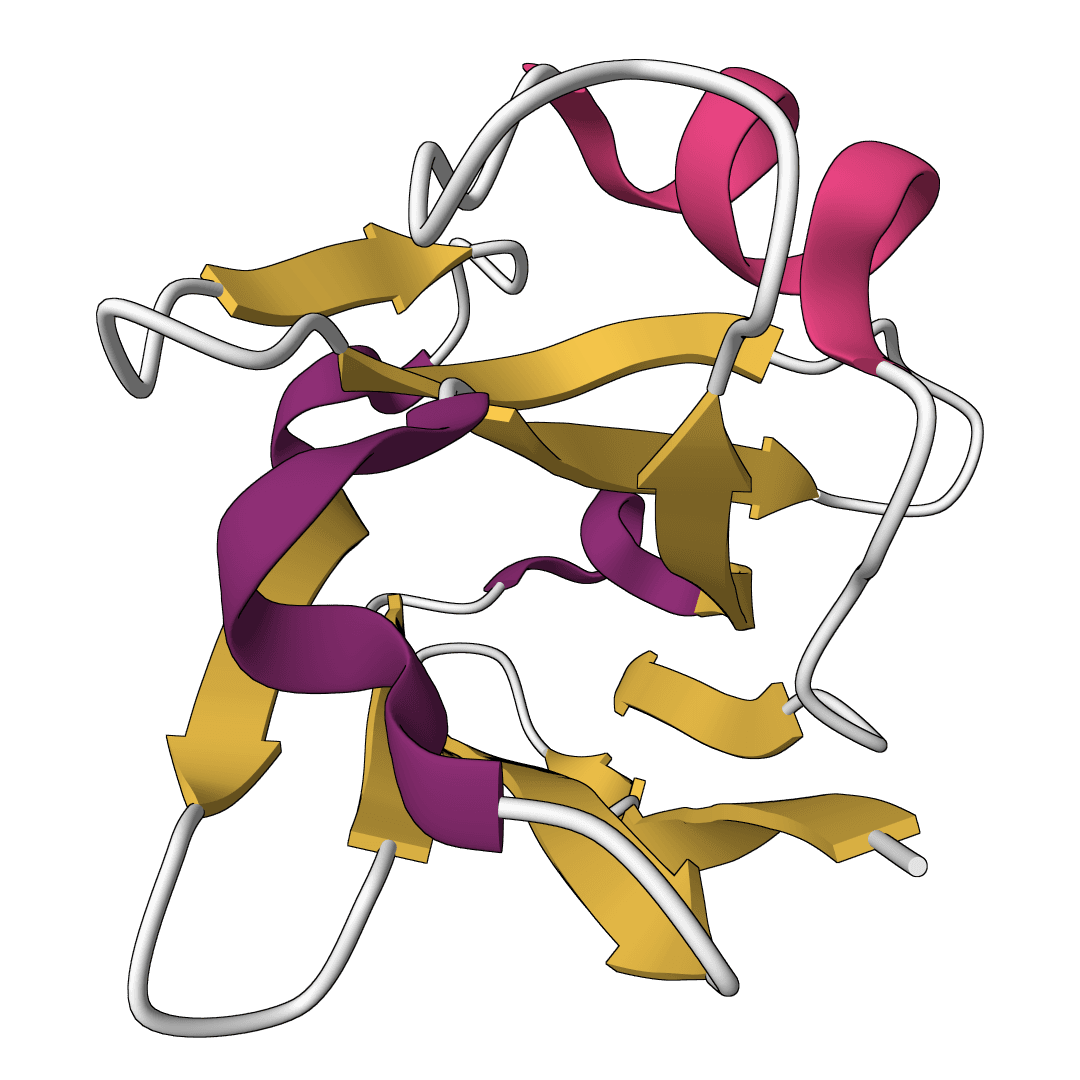
Restore missing residues in antibody sequences using a language model trained on the Observed Antibody Space (OAS) database. Achieves better restoration than IMGT germlines or ESM-1b while being 7x faster.
sequence-analysisdeep-learning+2
AbLang-2
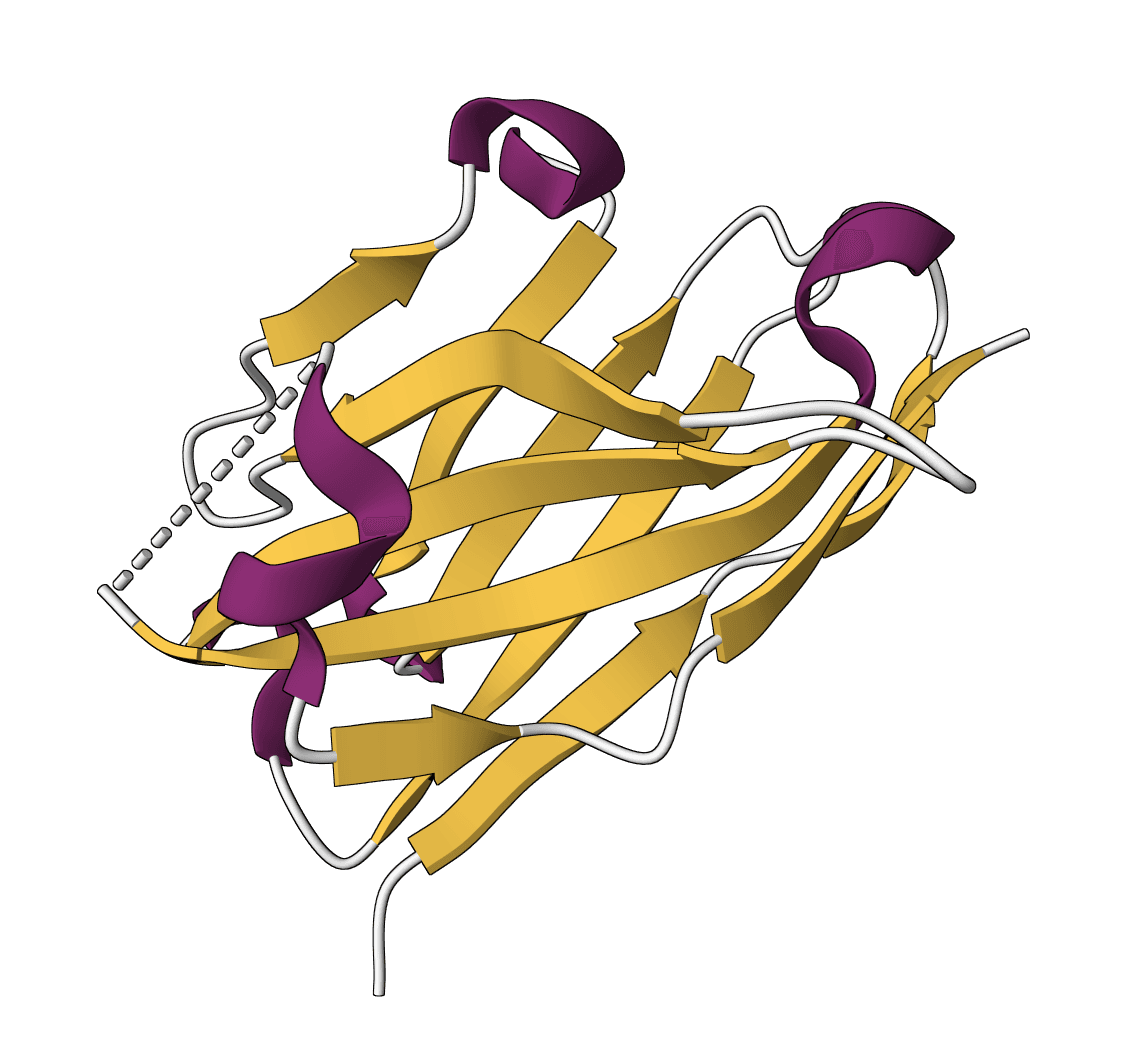
Antibody-specific language model for predicting non-germline residues (NGL) in antibody sequences. AbLang-2 addresses germline bias in existing antibody language models by focusing on somatic hypermutation patterns, enabling more accurate prediction of amino acid likelihoods and generation of context-aware embeddings for antibody sequences.
sequence-analysisai-powered+5
ADMET-AI
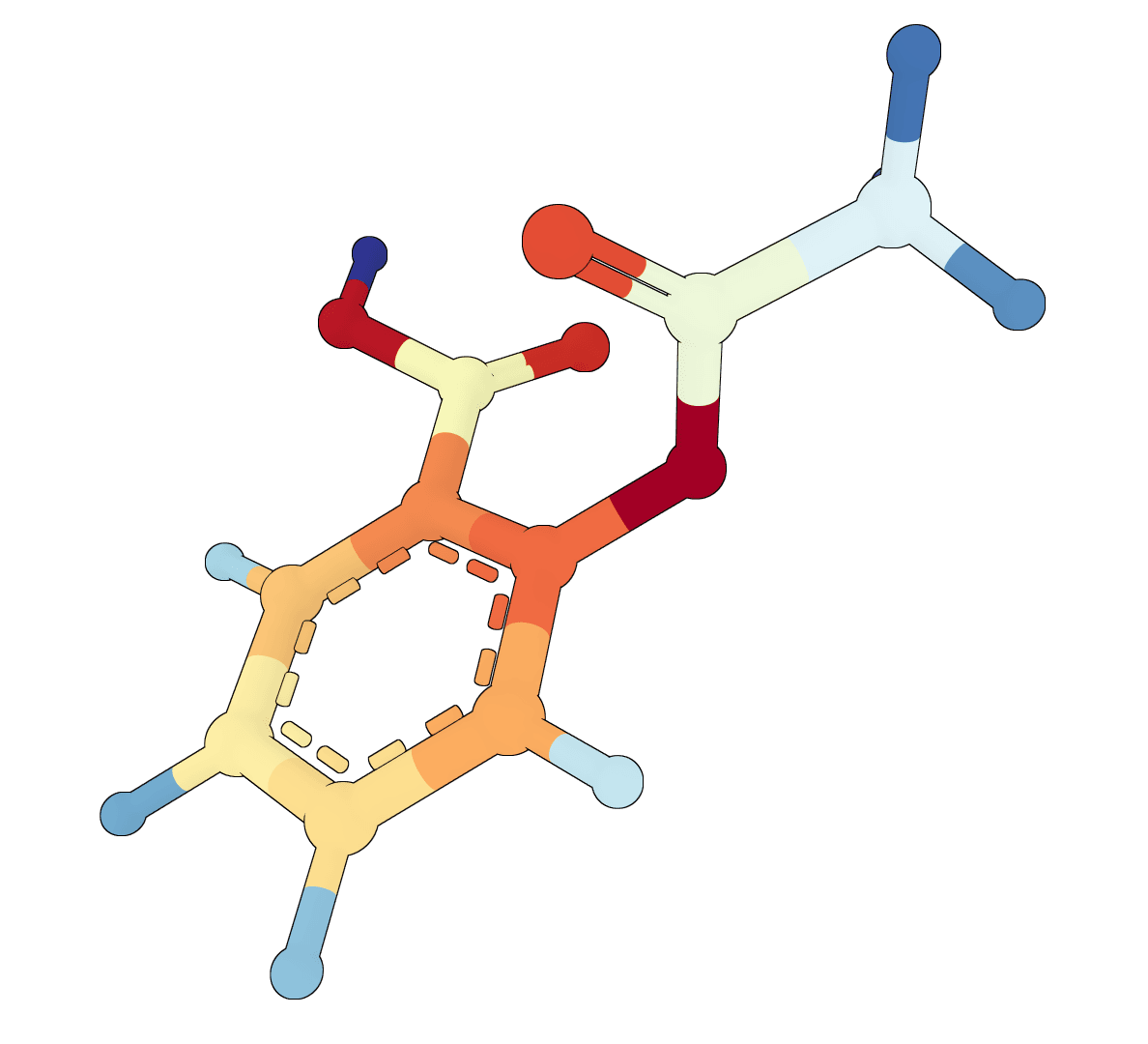
Predict ADMET (Absorption, Distribution, Metabolism, Excretion, Toxicity) properties from SMILES strings using machine learning models trained on Therapeutics Data Commons datasets.
protein-analysisproperty-prediction+3
Admetica
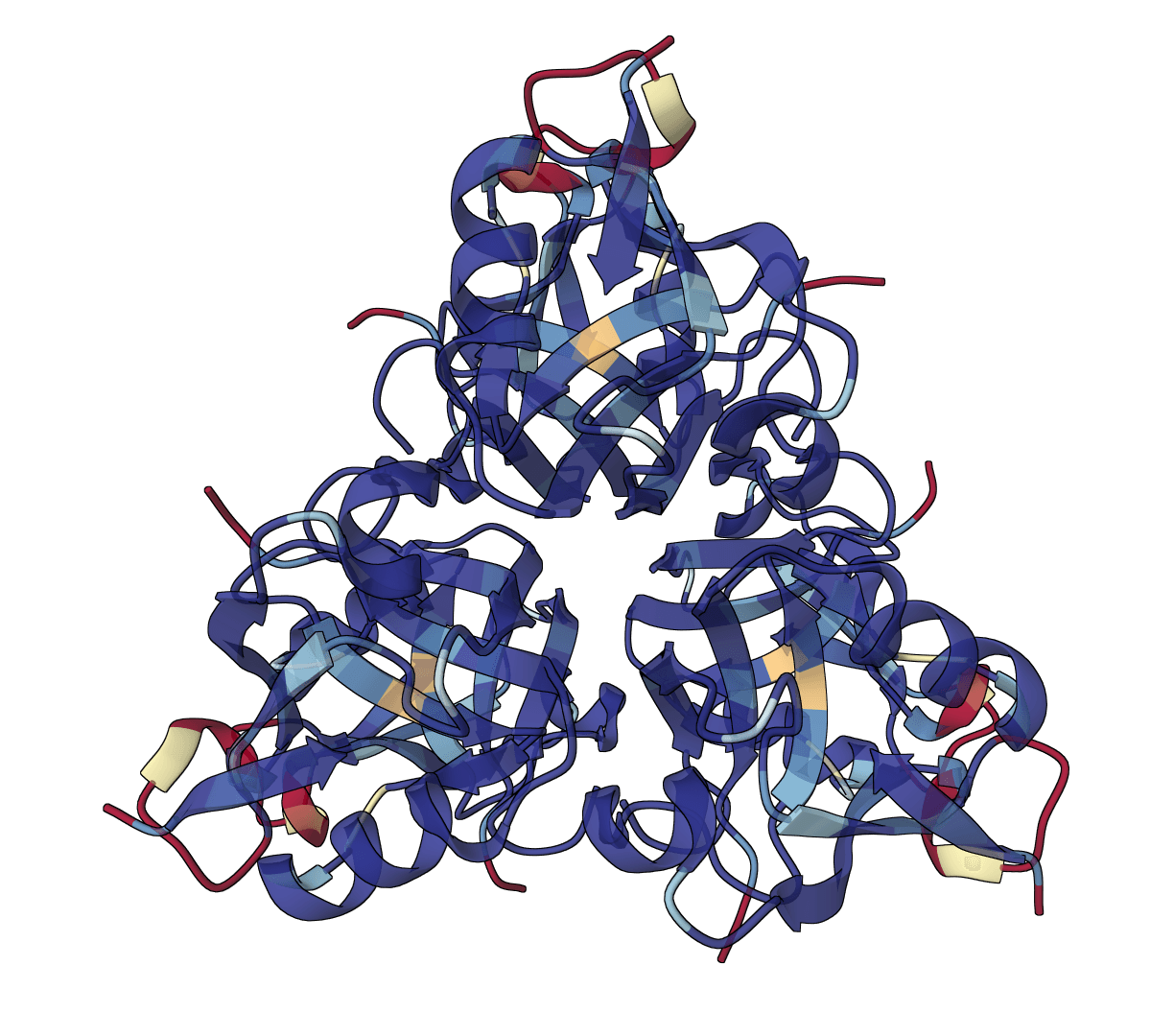
Predict 22 ADMET properties from SMILES strings with the upstream Admetica Chemprop models from Datagrok.
protein-analysisproperty-prediction+3
AF-Cluster
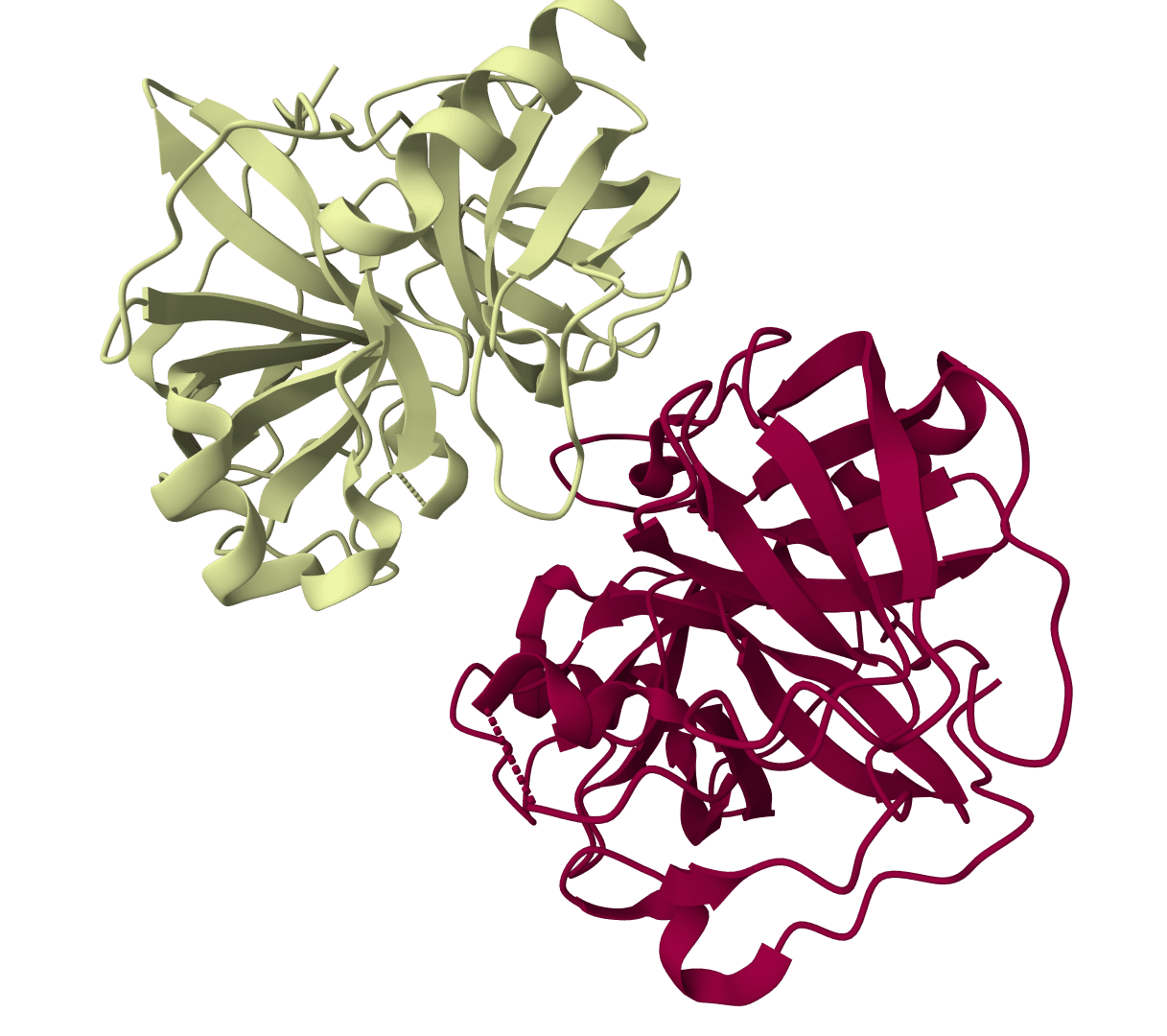
Cluster Multiple Sequence Alignments to predict alternative protein conformations with AlphaFold2. Uses DBSCAN clustering to identify sequence subgroups.
sequence-analysisprotein+2
Aggrescan3D
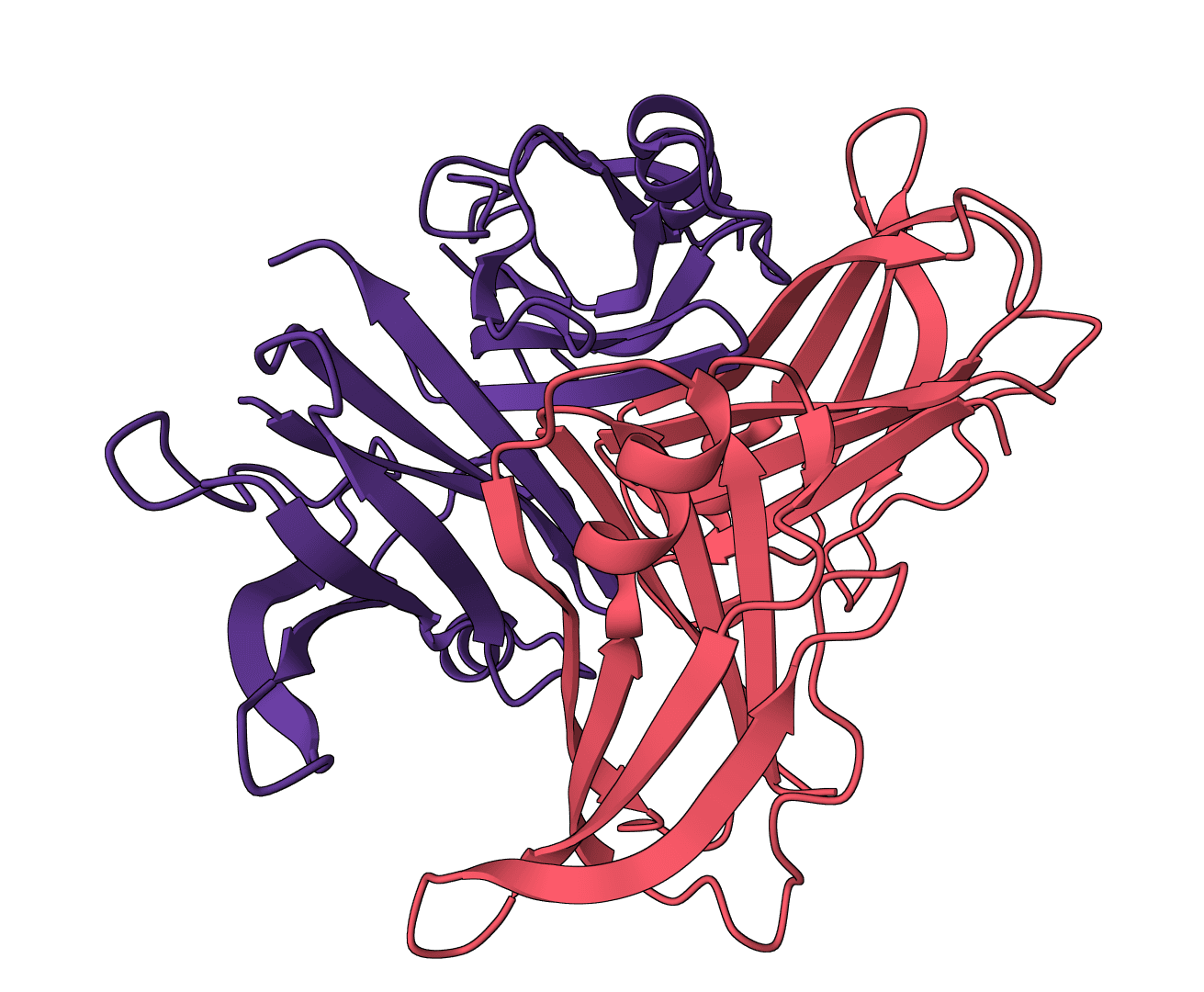
Faithful static-mode Aggrescan3D wrapper for per-residue aggregation propensity analysis from a single protein structure.
protein-analysisproperty-prediction+3
Aliphatic Index
Calculate the aliphatic index of protein sequences. A measure of the relative volume occupied by aliphatic side chains, indicating thermostability.
protein-analysisphysicochemical-properties+1
AllMetal3D
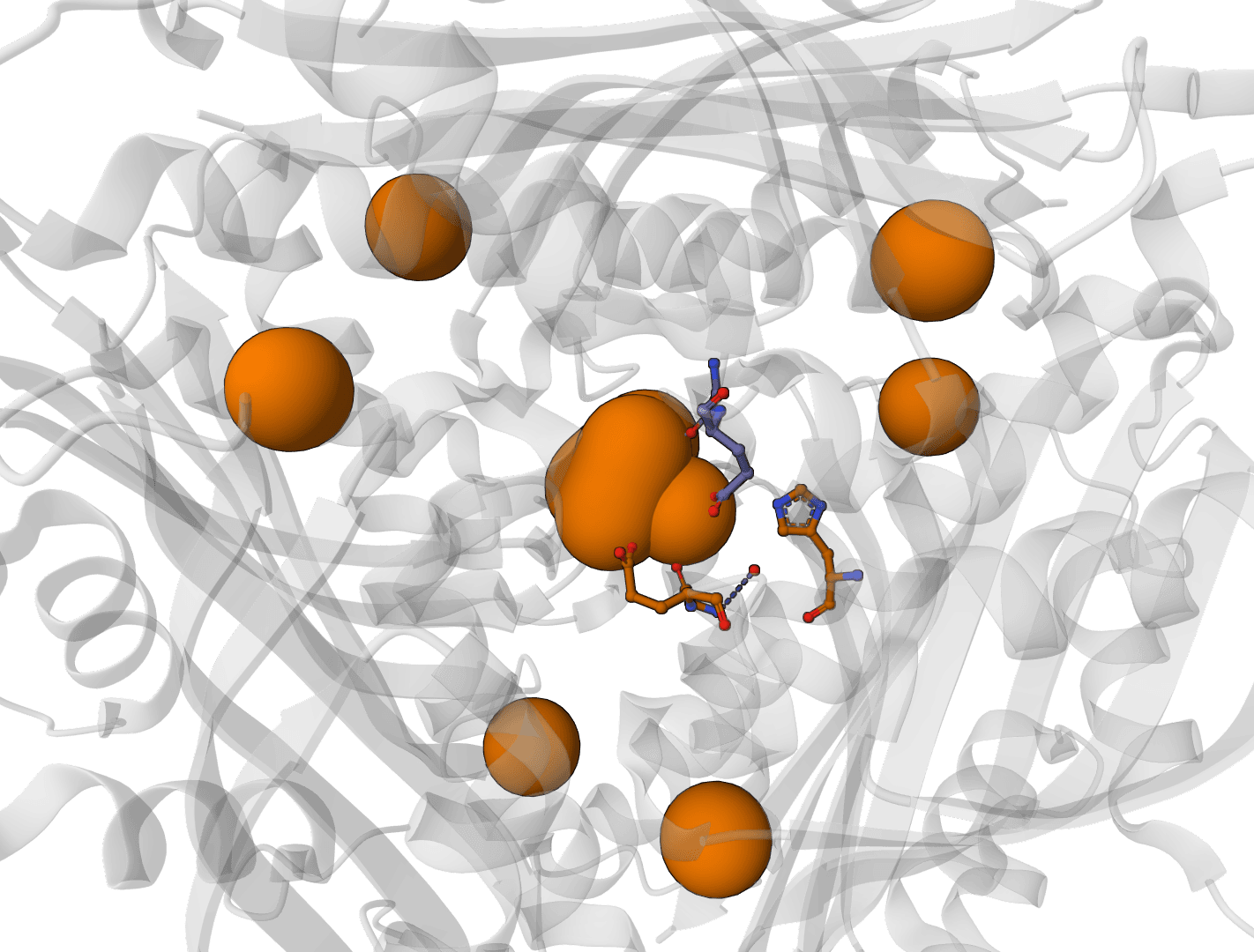
Predict metal and water binding sites in protein structures using 3D convolutional neural networks (AllMetal3D + Water3D).
structure-analysisdeep-learning+3
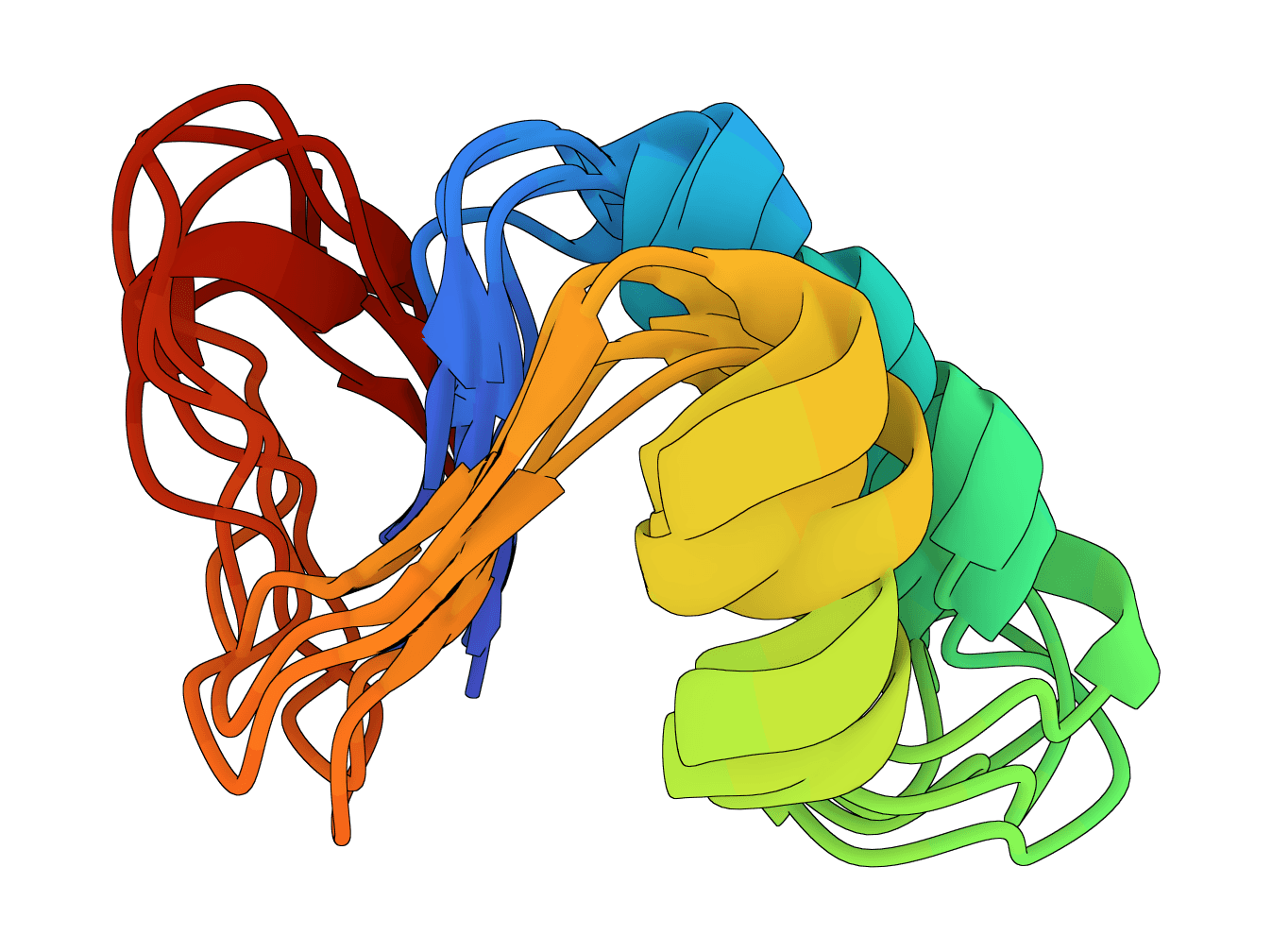
AlphaFlow
Generate protein conformational ensembles with ESMFlow, the single-sequence AlphaFlow model family. Produces multiple diverse structures showing protein flexibility and dynamics.
protein-foldingstructure-prediction+4
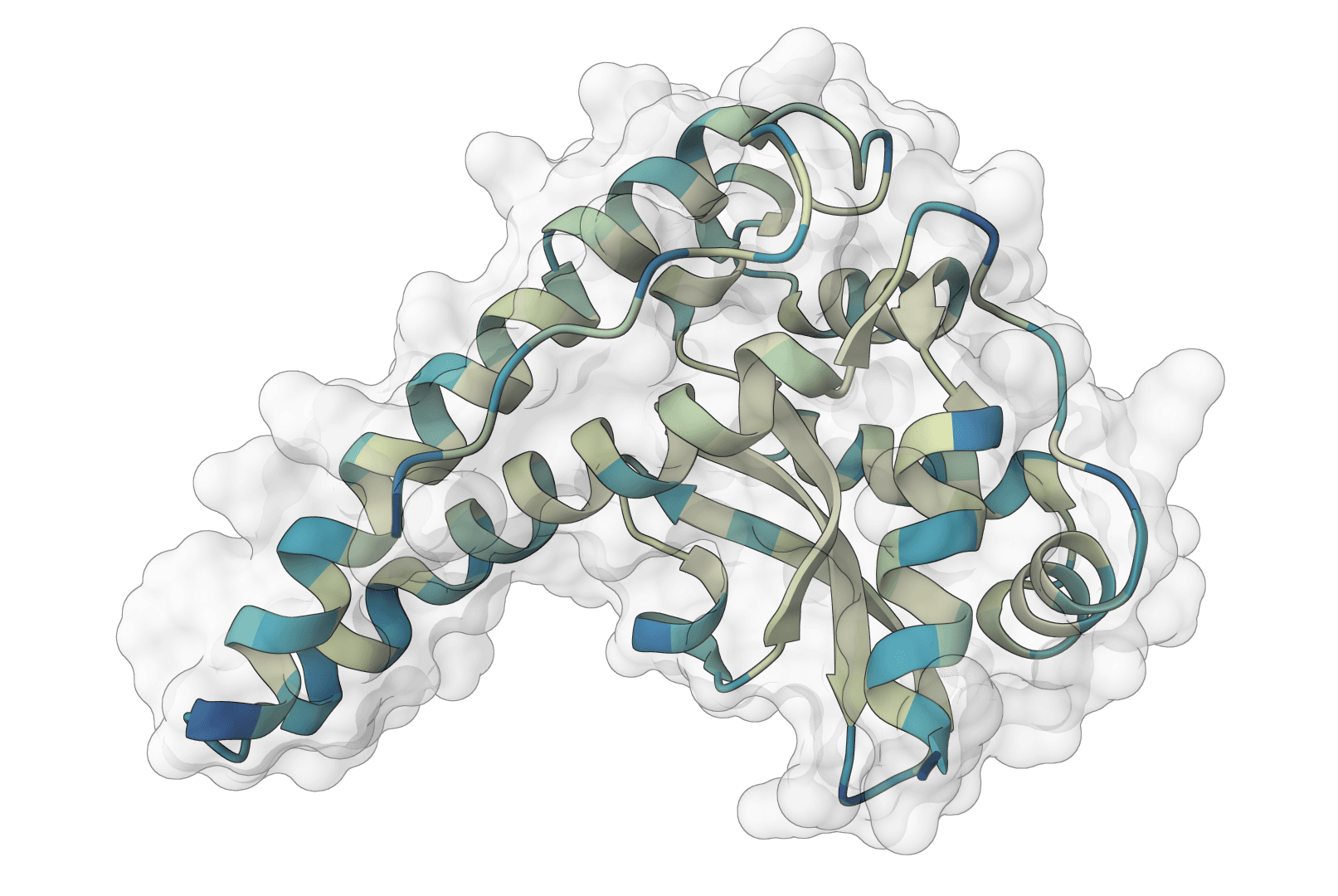
AlphaFold2
AlphaFold2 via ColabFold for high-accuracy protein structure prediction. Uses MMSeqs2 API for MSA generation with no local databases required. Supports monomer and multimer prediction.
protein-foldingstructure-prediction+4
AlphaGenome
AlphaGenome predicts variant effects on gene expression by comparing reference and alternate alleles. Analyze how genetic variants impact regulatory function across up to 1M base pair regions. Uses your own DeepMind API key - no credit cost.
sequence-analysisai-powered+2
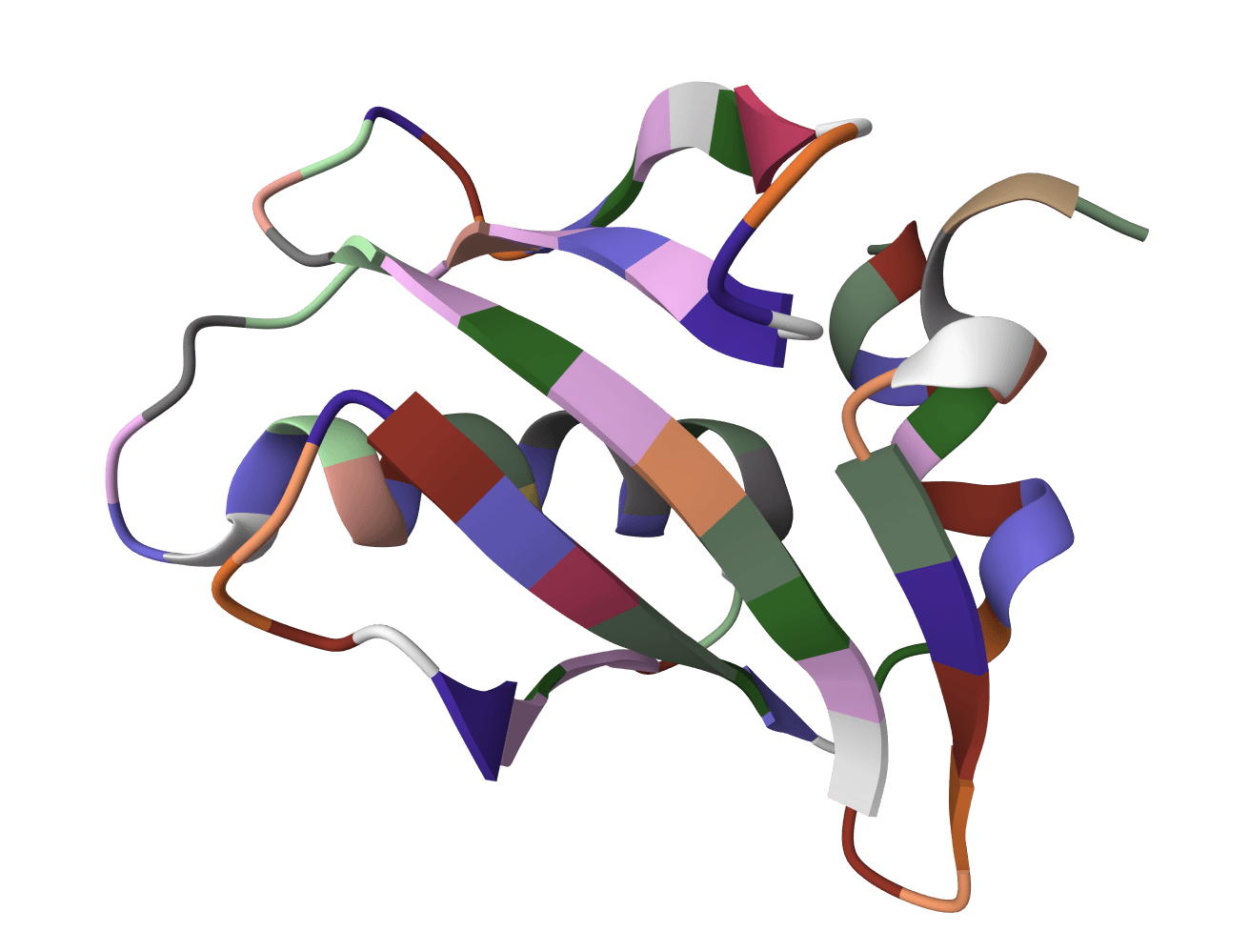
Amino acid composition
Analyze amino acid composition of protein sequences. The tool accepts FASTA sequences and outputs the percentage of each amino acid in the sequence.
sequence-analysisphysicochemical-properties+1
ANARCI
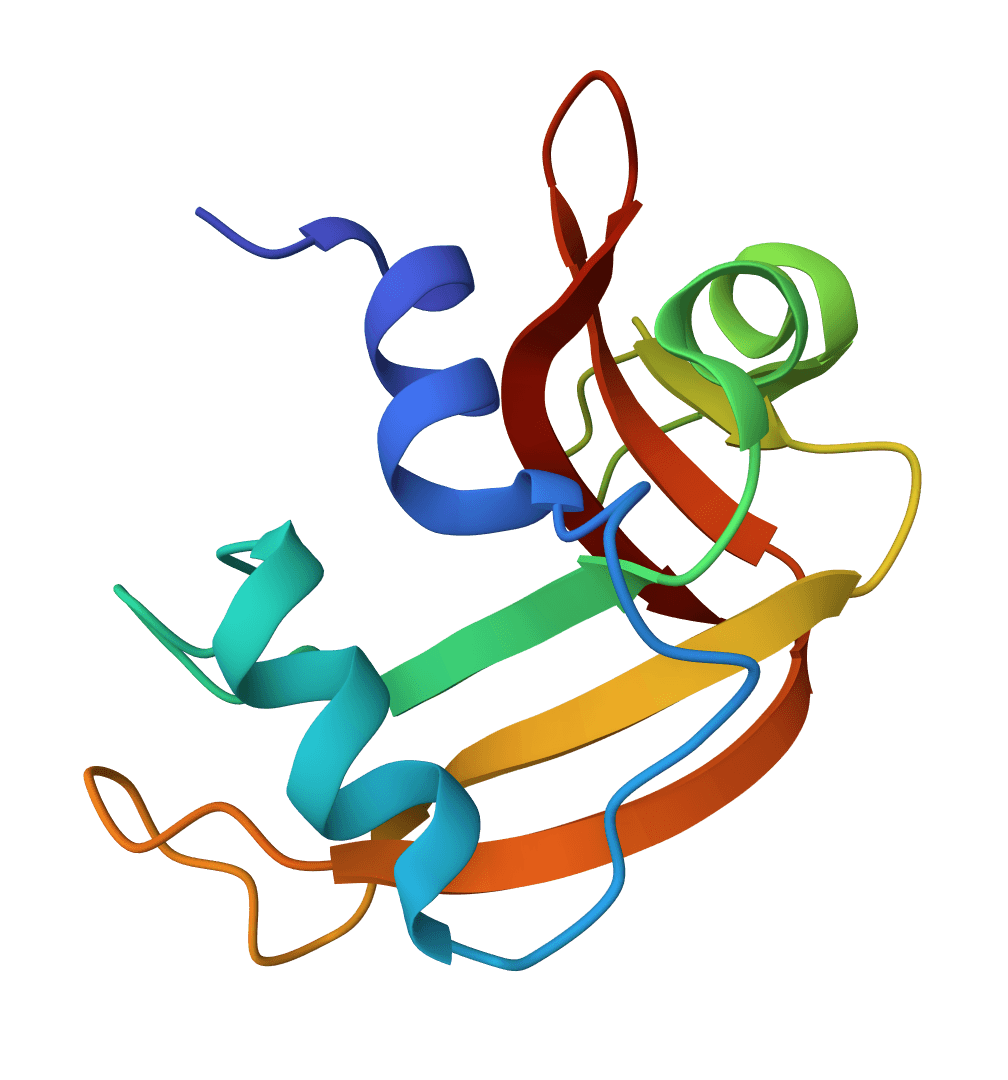
Number antibody and T cell receptor variable domain sequences using multiple numbering schemes (IMGT, Chothia, Kabat, Martin, AHo, Wolfguy). Identifies chain type, species, and assigns germline genes.
sequence-analysisdatabase-search+4
AntiFold
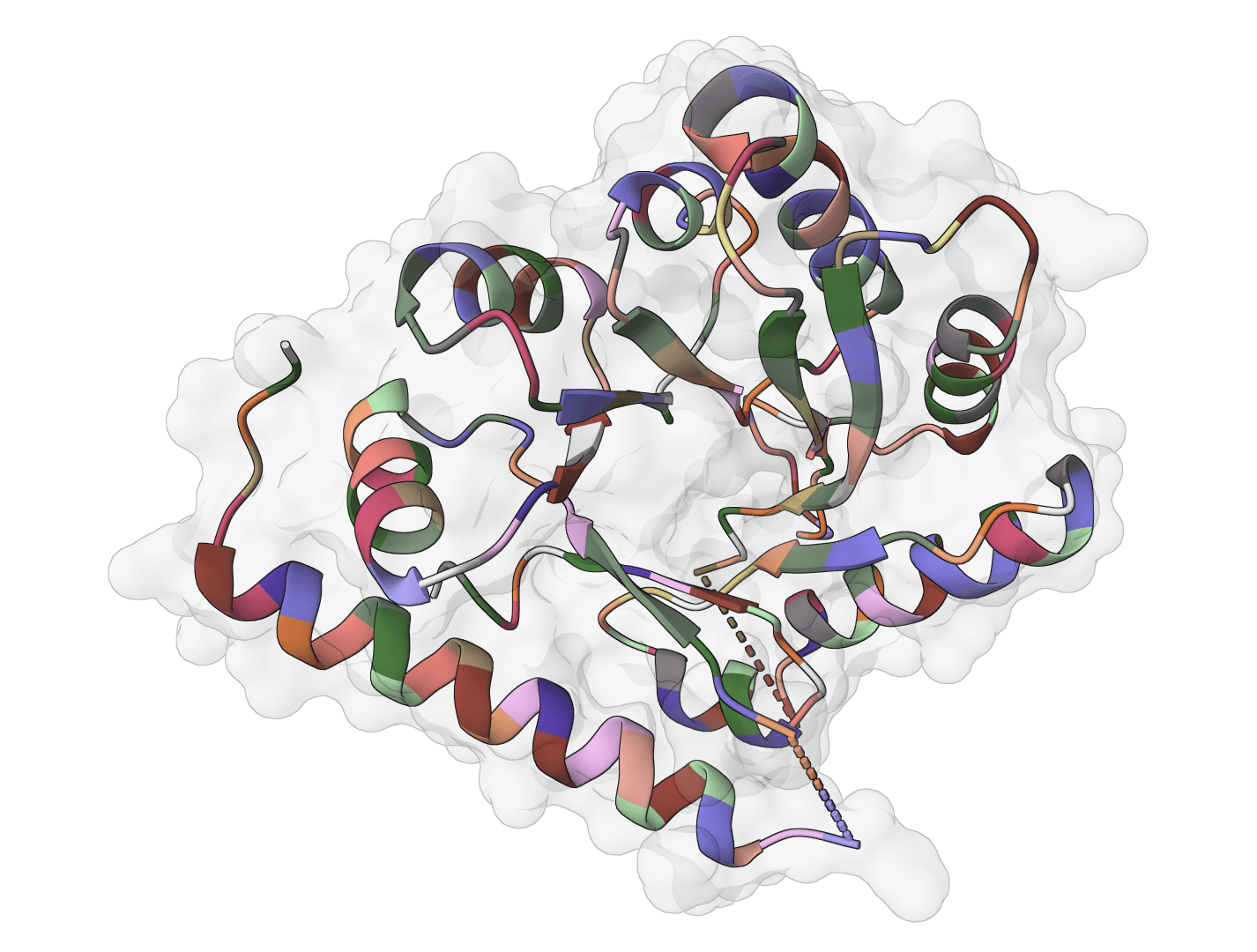
Inverse folding for antibody variable domains and nanobodies. Predicts amino acid sequences compatible with antibody structures using IMGT numbering while preserving upstream AntiFold chain handling and structural constraints.
protein-designai-powered+3
AutoDock Vina
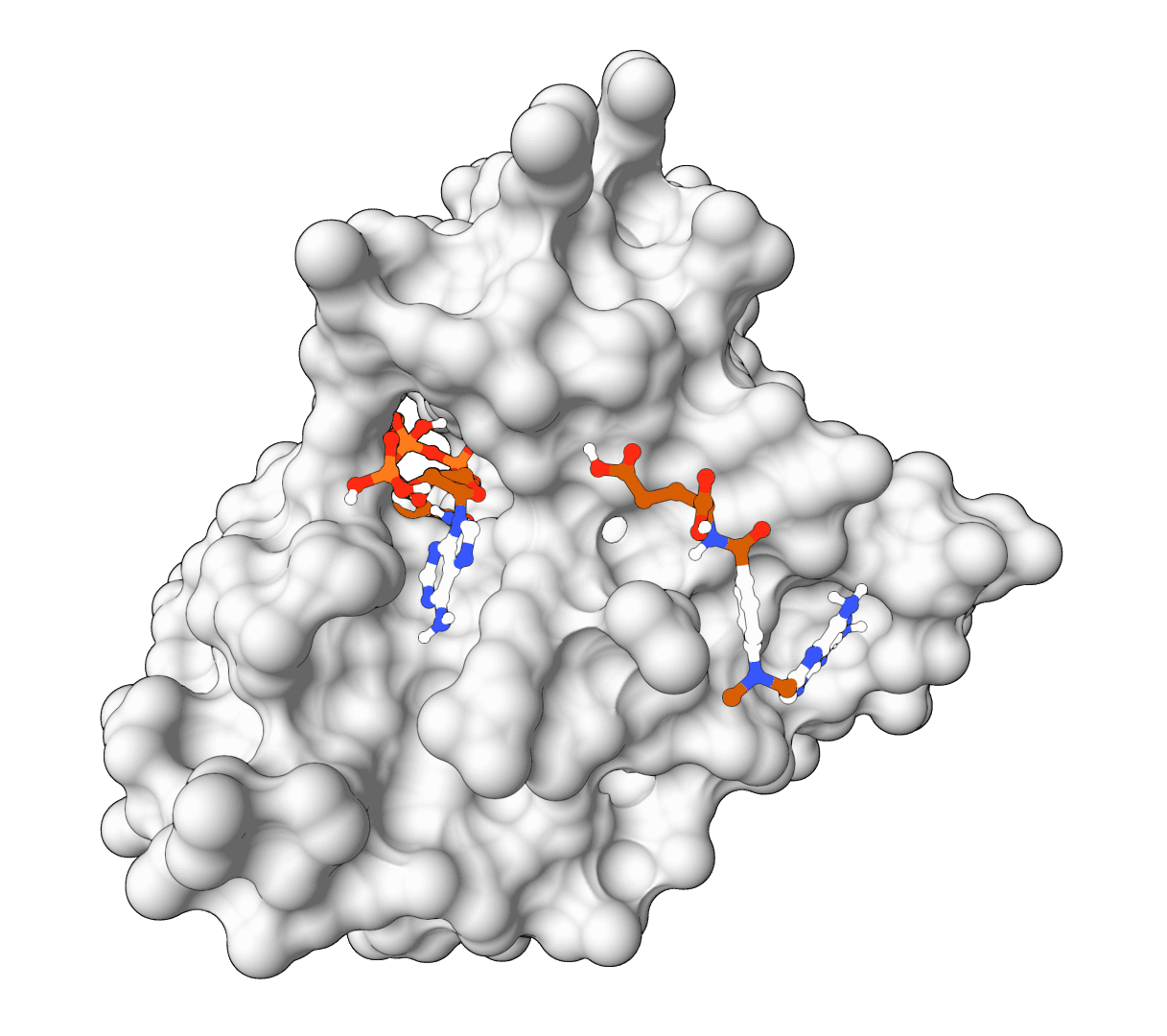
AutoDock Vina is a widely-used molecular docking tool that predicts protein-ligand binding modes using physics-based force fields. Fast, reliable, and the gold standard for structure-based drug discovery.
protein-dockingaffinity-prediction+4
AutoDock-GPU
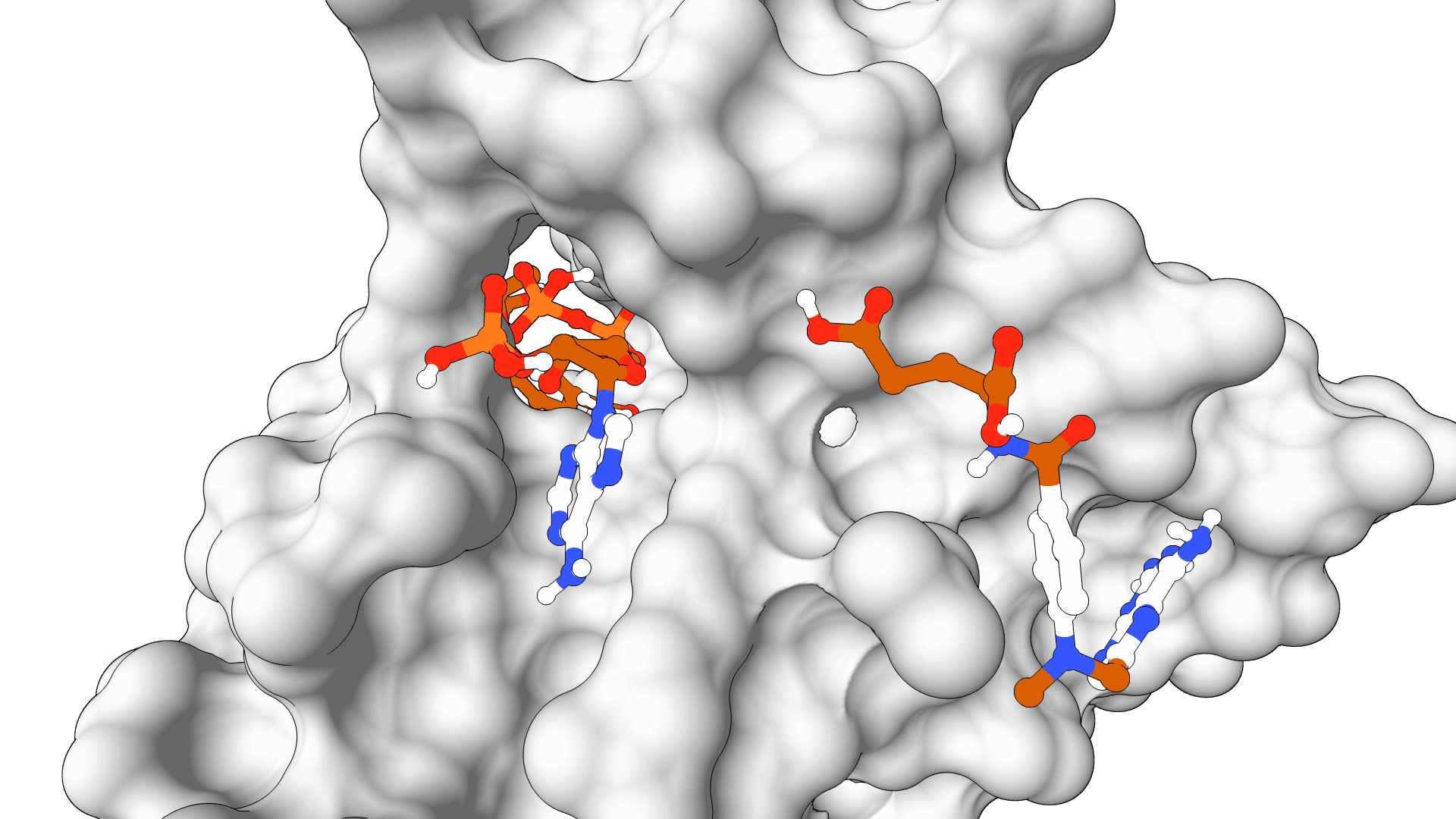
GPU-accelerated molecular docking using the AutoDock4 force field. Up to 56x faster than serial AutoDock via CUDA parallelization of the Lamarckian Genetic Algorithm.
protein-dockingaffinity-prediction+4
BindCraft
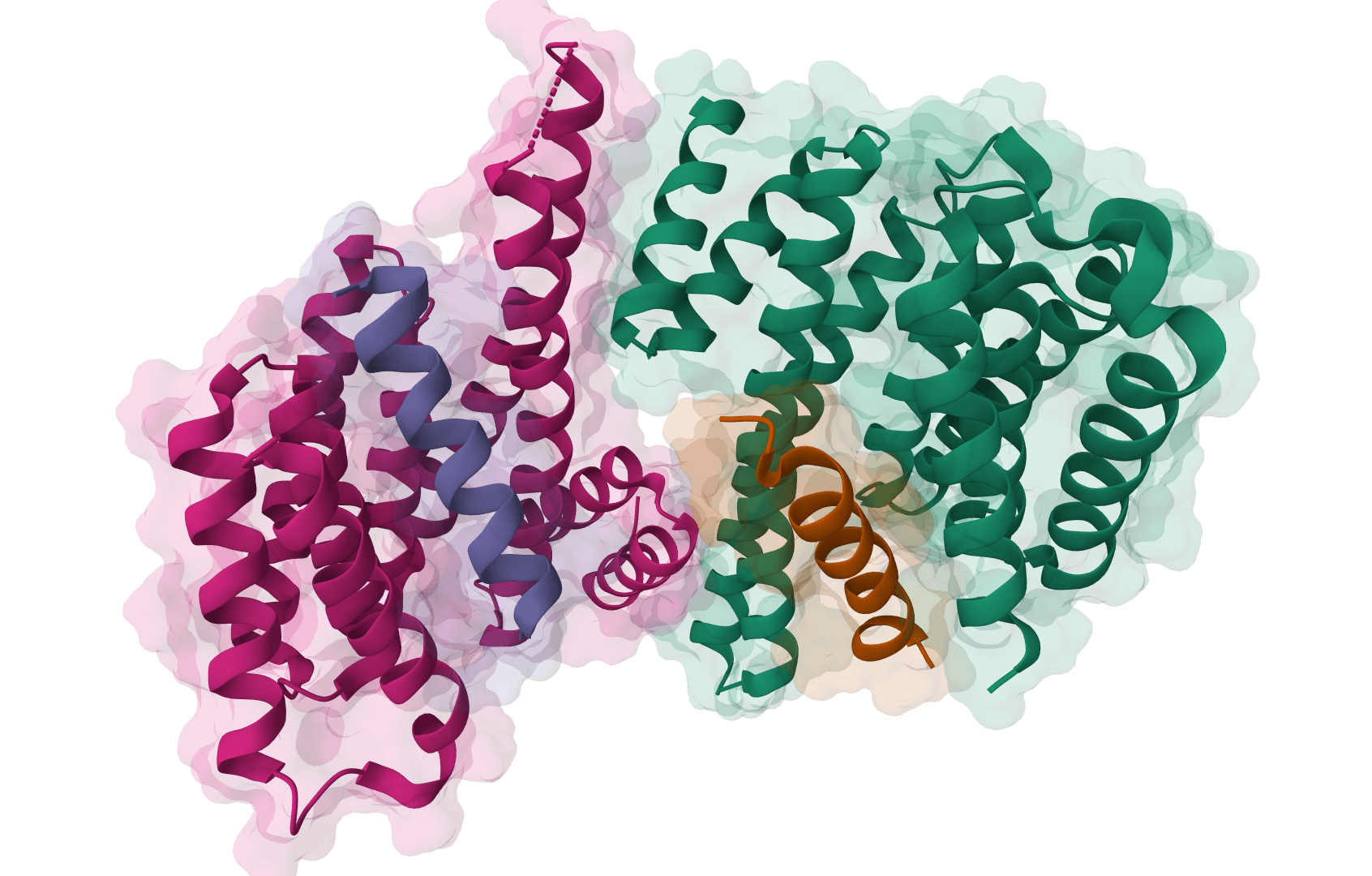
Design de novo protein binders using AlphaFold2 backpropagation, ProteinMPNN sequence optimization, and PyRosetta relaxation. BindCraft generates novel protein sequences that bind to user-specified target surfaces.
binder-designai-powered+3
BioPhi
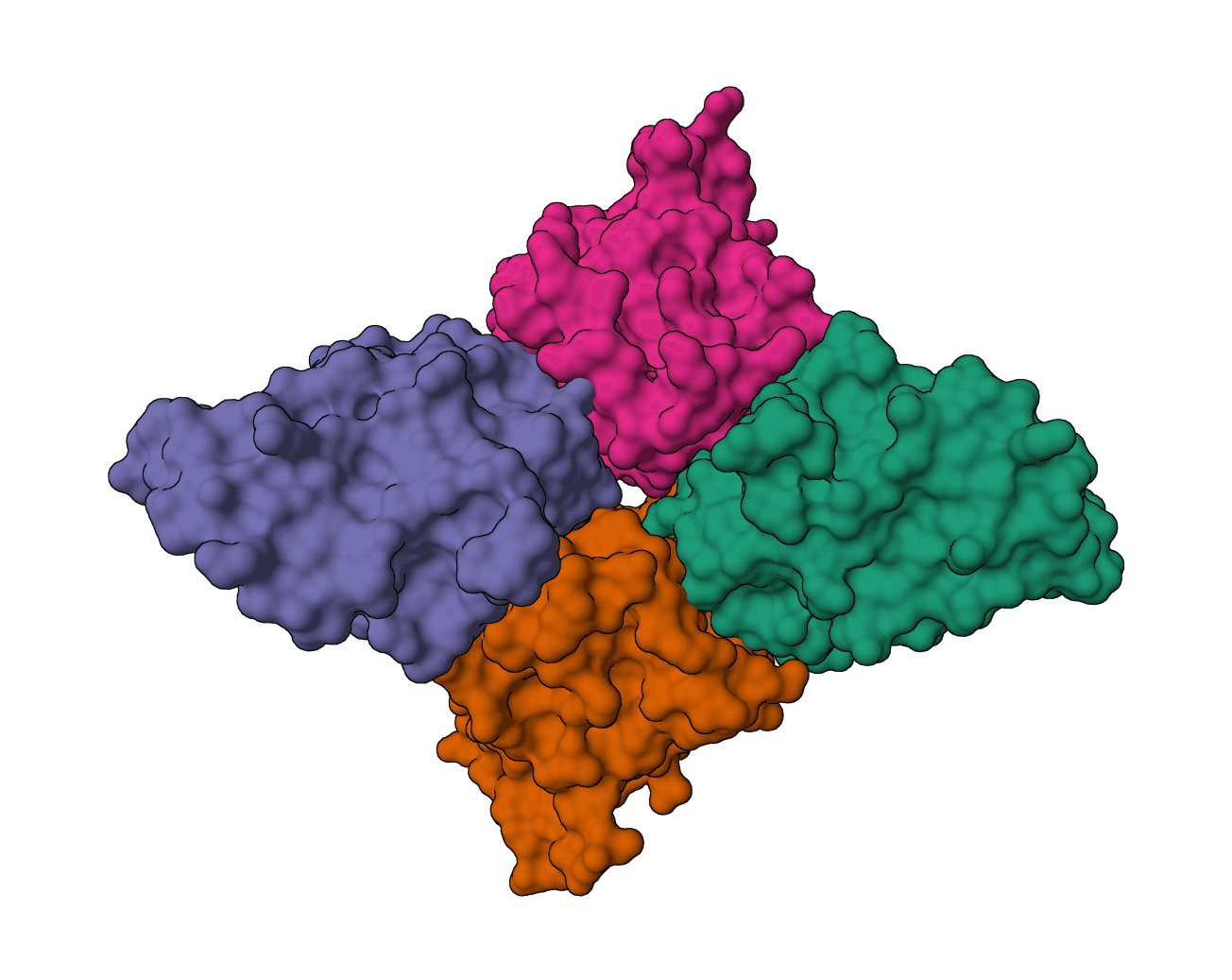
Antibody humanization and humanness evaluation platform from Merck. Sapiens mode uses deep learning trained on the Observed Antibody Space (OAS) to humanize antibody sequences, while OASis mode evaluates humanness using 9-mer peptide search against human antibody databases.
sequence-designai-powered+3
Boltz-2
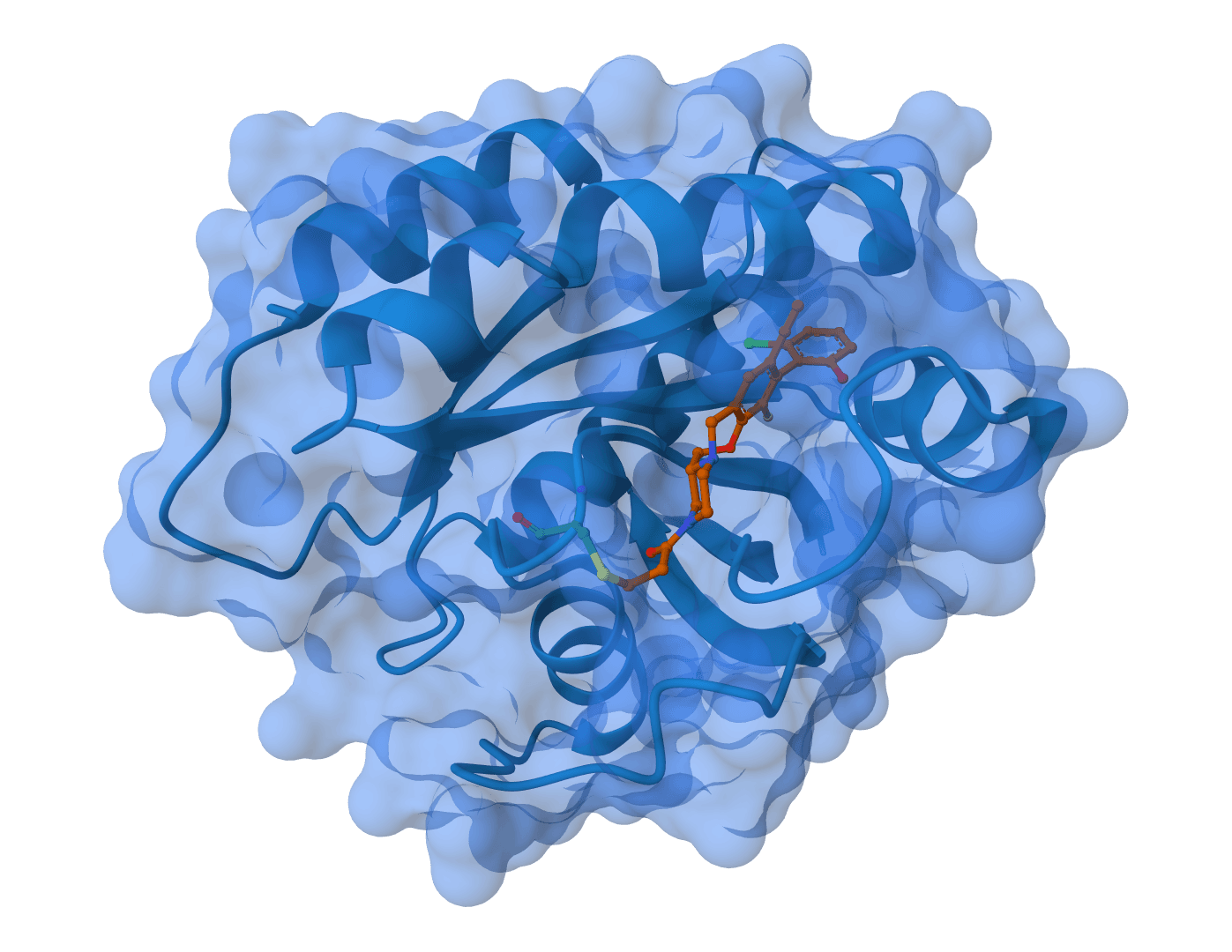
Boltz-2 is a biomolecular foundation model for structure and binding affinity prediction. Supports proteins, ligands, DNA, and RNA in multi-component complexes. Automatically scales GPU resources for large complexes. Predicts binding affinity with near-FEP accuracy at 1000x faster speed.
protein-foldingstructure-prediction+5
BoltzGen
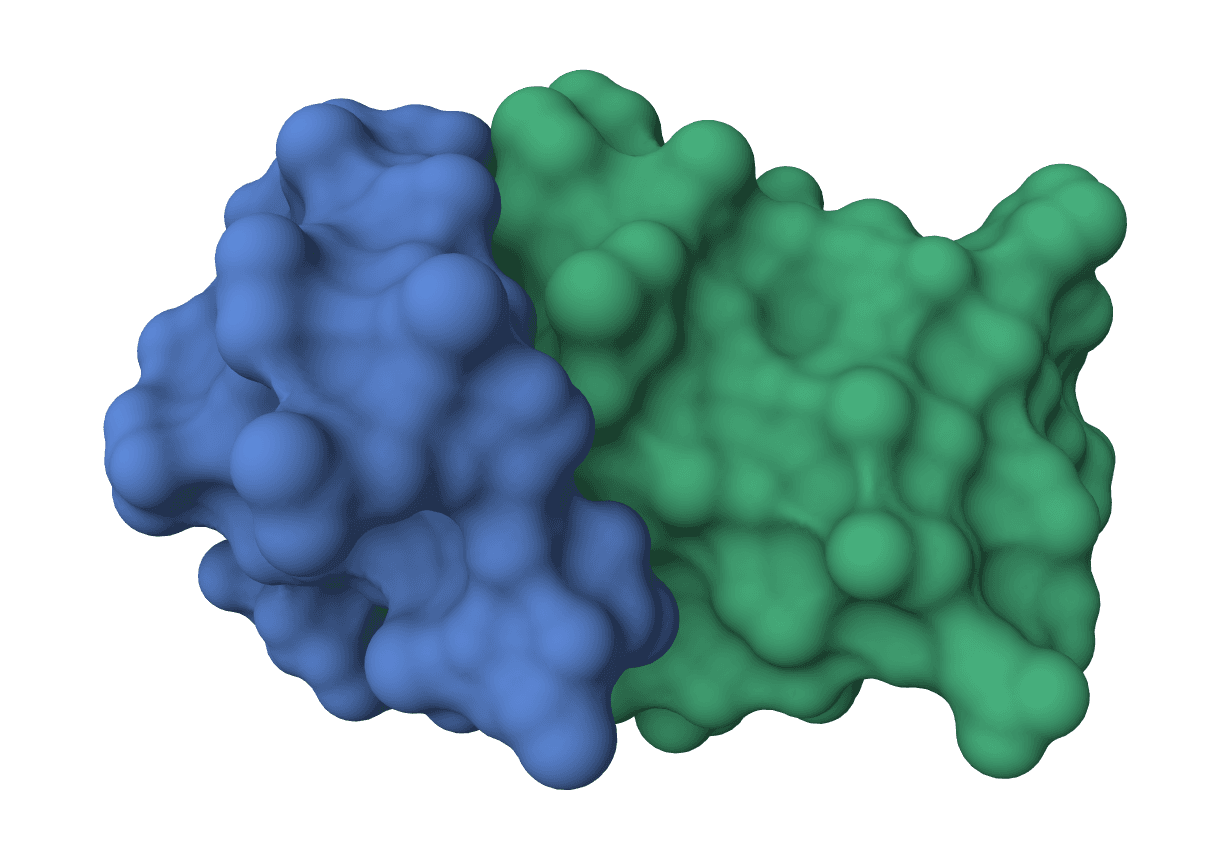
BoltzGen is a state-of-the-art AI model for designing protein and peptide binders against any biomolecular target. Using generative diffusion models, it creates novel binders (proteins, peptides, nanobodies) with nanomolar-level binding affinity.
binder-designai-powered+5
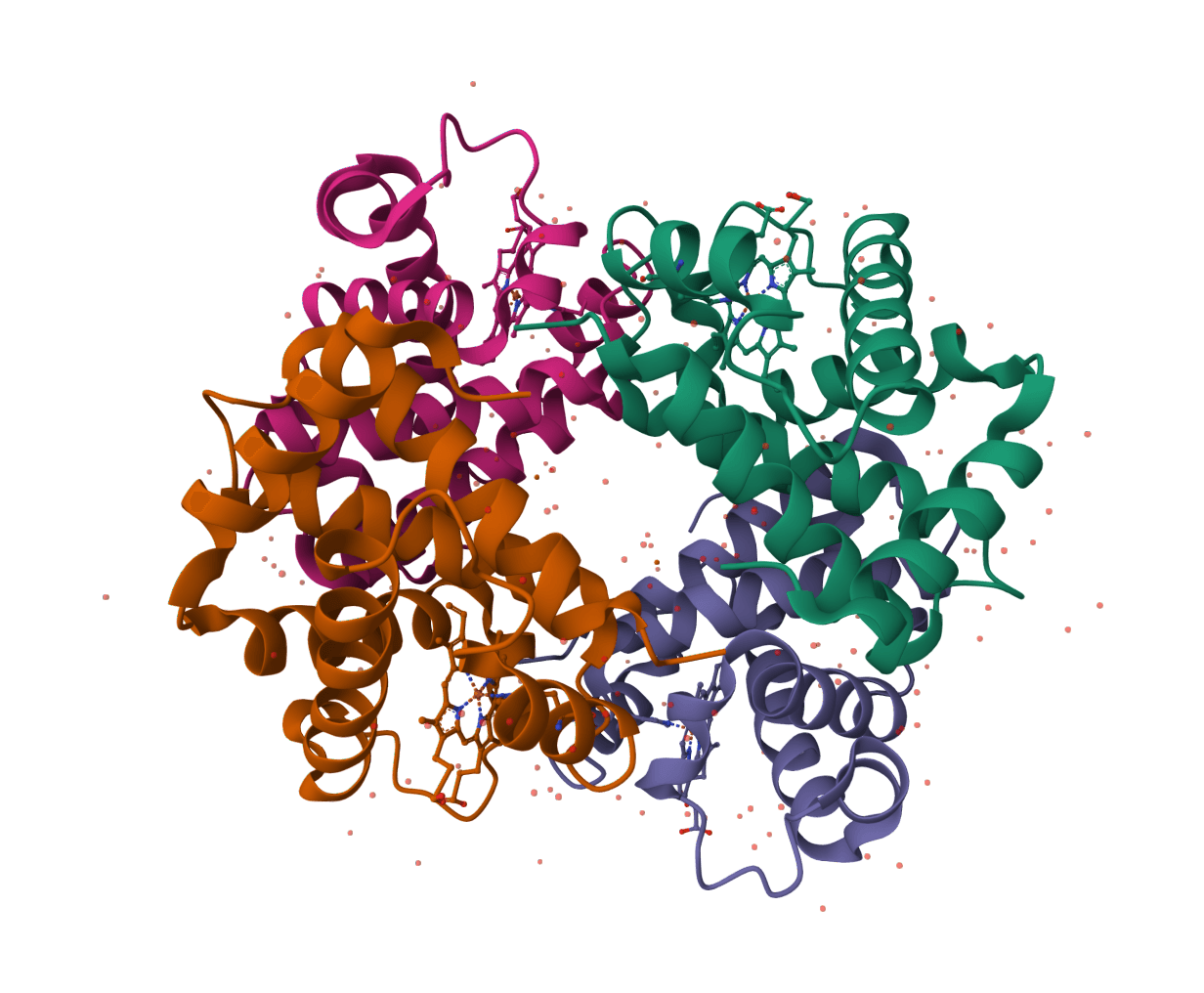
Brenk filter
Identify toxic, reactive, and pharmacokinetically problematic molecular fragments using structural alert patterns
protein-analysisproperty-prediction+3
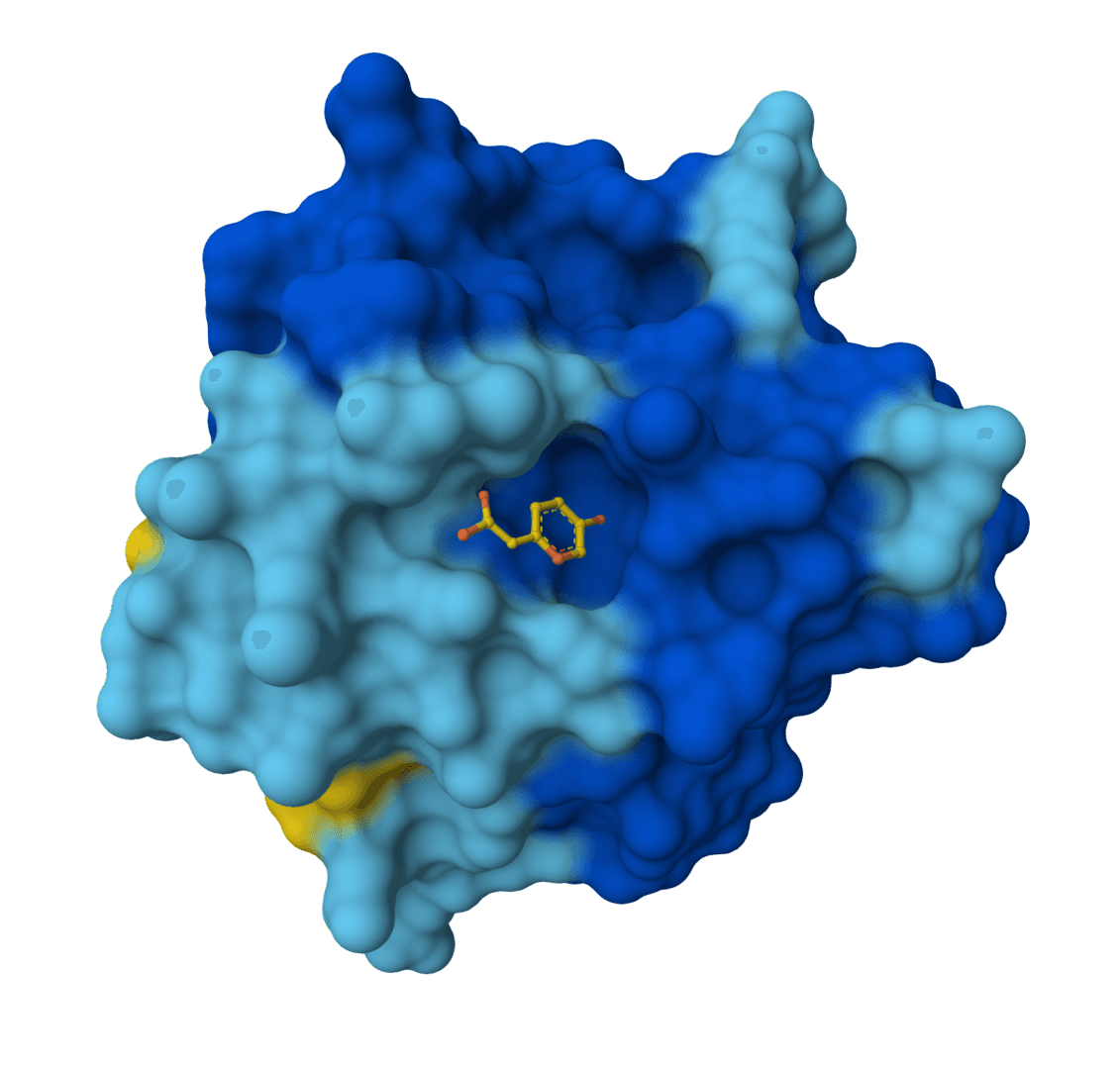
Chai-1
Chai-1 is a multi-modal foundation model for molecular structure prediction. Predicts 3D structures for proteins, ligands, DNA, RNA, and multi-component complexes with high accuracy.
protein-foldingstructure-prediction+6
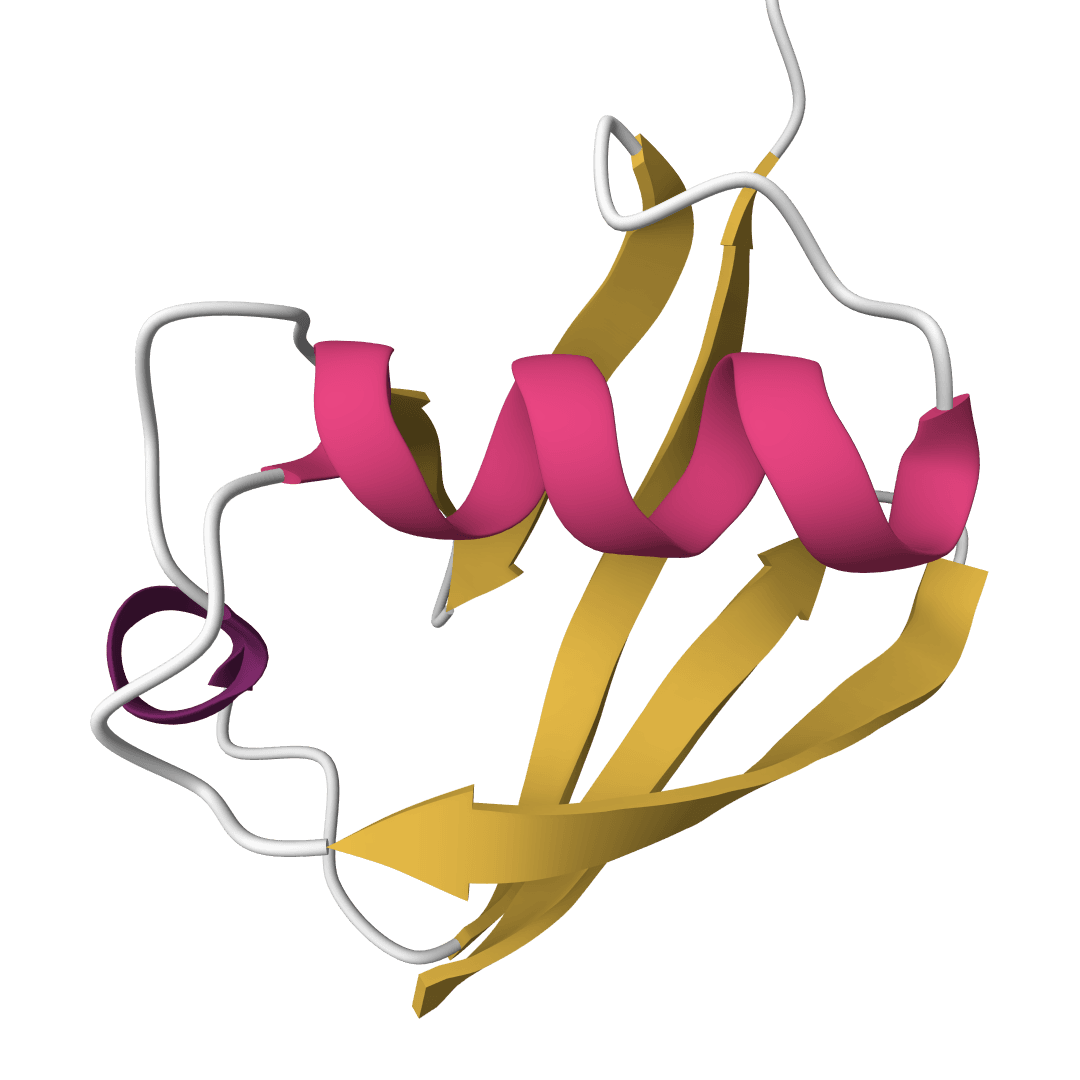
Chou-Fasman
Predict protein secondary structure using the classic Chou-Fasman algorithm based on amino acid propensities
protein-analysisstructure-prediction+2
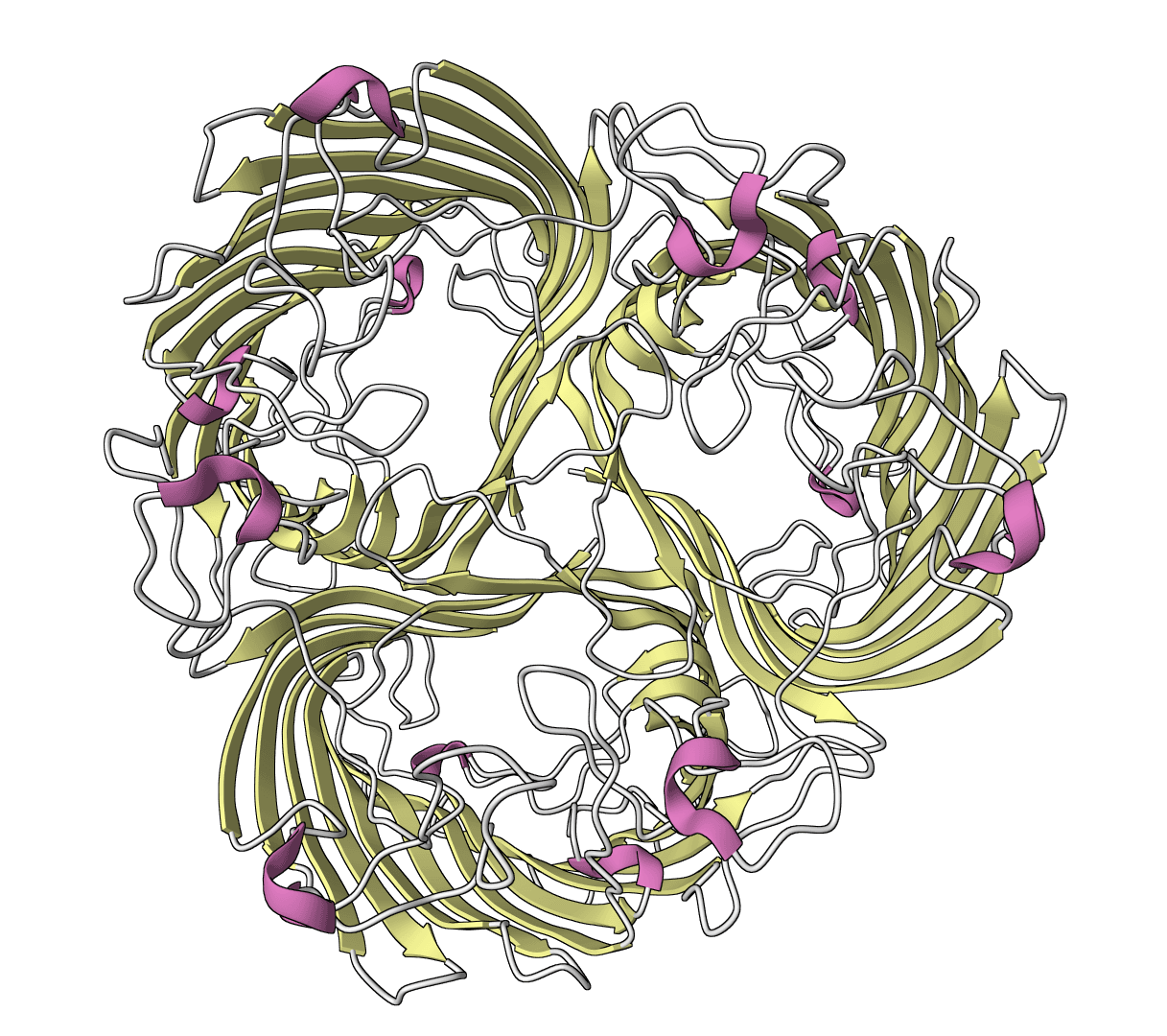
CleaveNet
Official CleaveNet wrapper for matrix metalloproteinase cleavage prediction and peptide generation. Predict cleavage z-scores plus uncertainty across 17 MMP variants, evaluate against truth z-scores, or generate candidate peptides unconditionally or from MMP z-score profiles.
protein-analysisai-powered+4
Clustal Omega
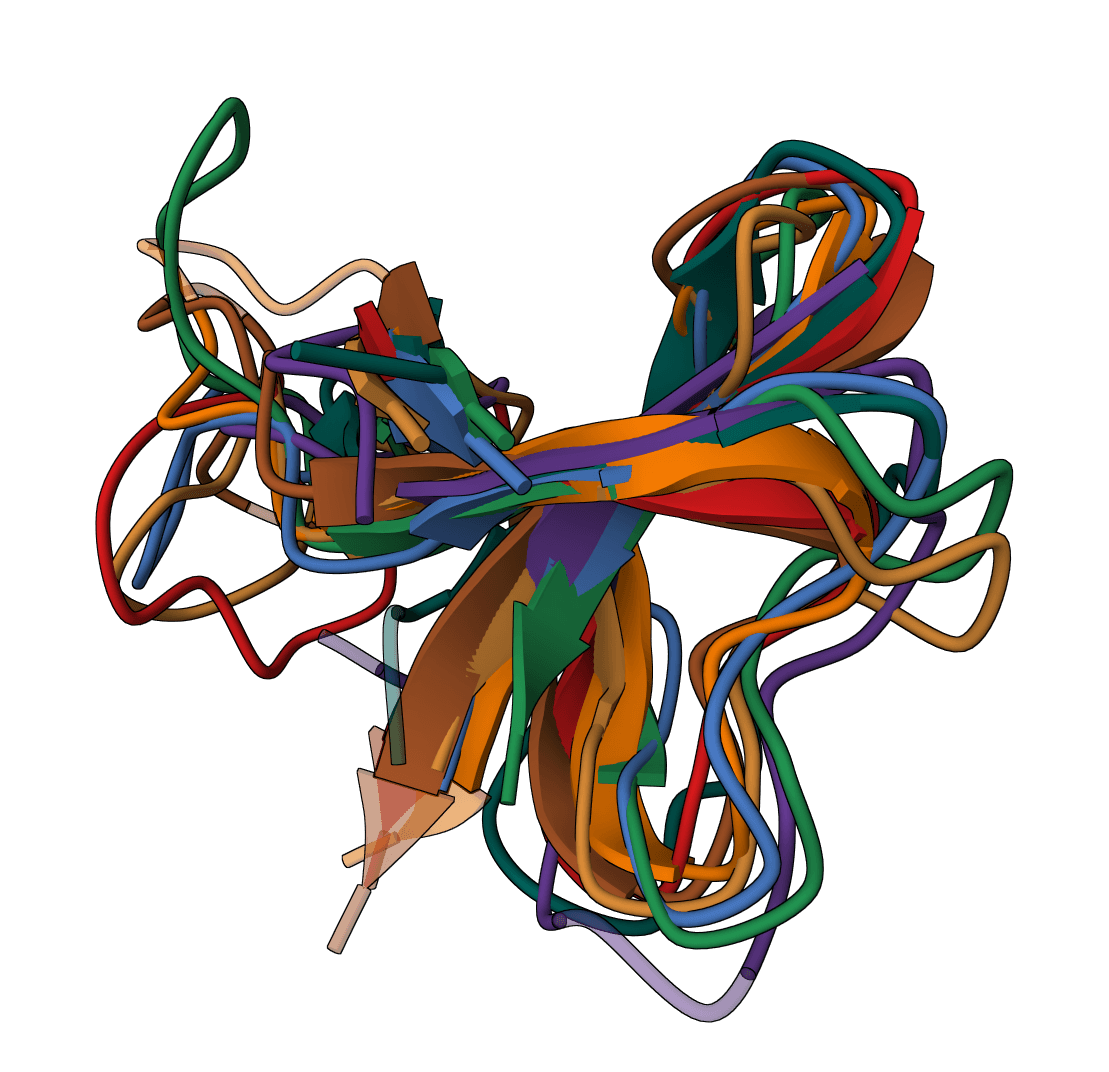
Perform multiple sequence alignment on protein or nucleotide sequences using the Clustal Omega algorithm.
sequence-analysisalignment+3
ColabDock
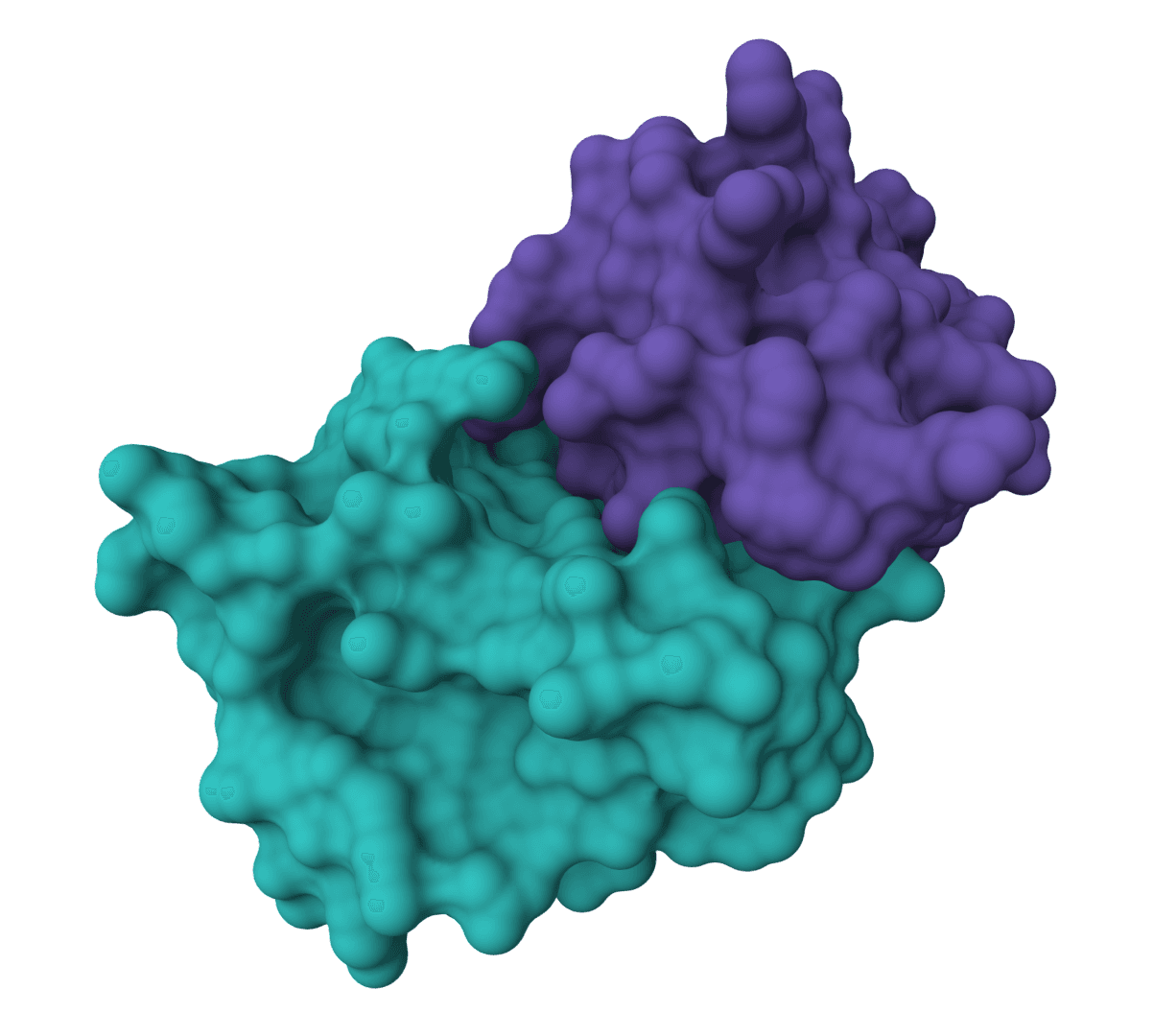
ColabDock is a protein-protein docking framework that uses AlphaFold2 to predict complex structures guided by experimental restraints from cross-linking mass spectrometry, NMR, or other sources.
protein-dockinginteraction-prediction+4
CpG Island Finder
Identify CpG islands in DNA sequences using the Gardiner-Garden and Frommer criteria. Analyze GC content, CpG density, and observed/expected ratios.
sequence-analysisempirical+2
CSV to FASTA
Convert CSV and TSV files containing sequence data to FASTA format with flexible column mapping and automatic delimiter detection
format-conversionprotein+4
DeepEMhancer
DeepEMhancer is a deep learning-based post-processing tool for cryo-EM maps. It performs automatic sharpening, masking, and denoising in a single step without requiring an atomic model. Supports half-map inputs for improved local mask estimation.
structure-analysisai-powered+2
DeepImmuno
Predict peptide immunogenicity with DeepImmuno-CNN from peptide sequences and HLA alleles.
protein-analysisdeep-learning+3
DFMDock
DFMDock (Denoising Force Matching Dock) is a diffusion model that unifies sampling and ranking for protein-protein docking within a single framework. It predicts docked poses for protein-protein complexes from unbound structures using denoising score matching with optional clash force guidance.
protein-dockingai-powered+5
DiffAb
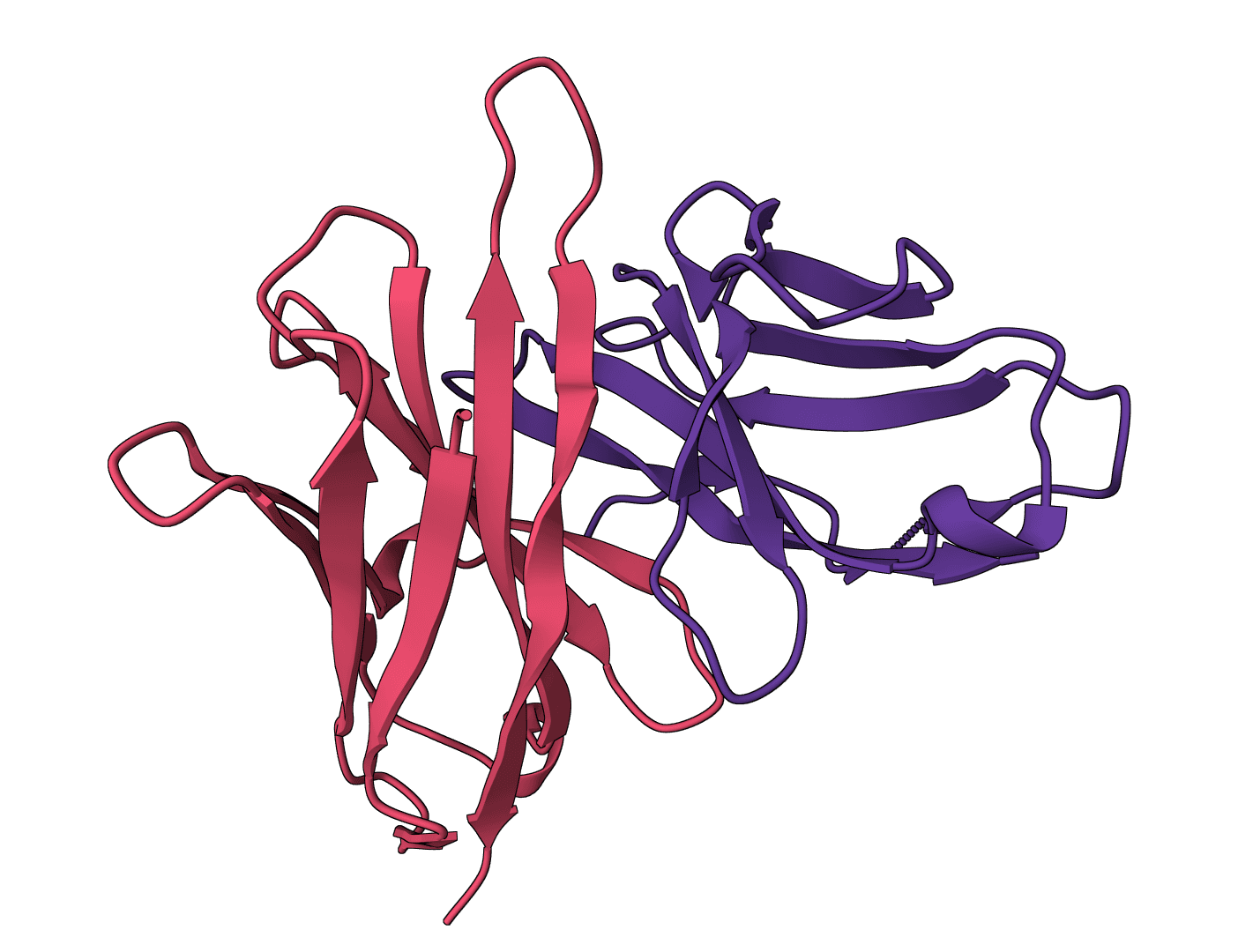
AI-powered antibody CDR design using equivariant diffusion models. Generates optimized complementarity-determining region (CDR) sequences and structures for antibodies targeting specific antigens. Supports single CDR, multi-CDR co-design, and fixed-backbone sequence design modes.
protein-designdiffusion-model+5
DiffDock-L
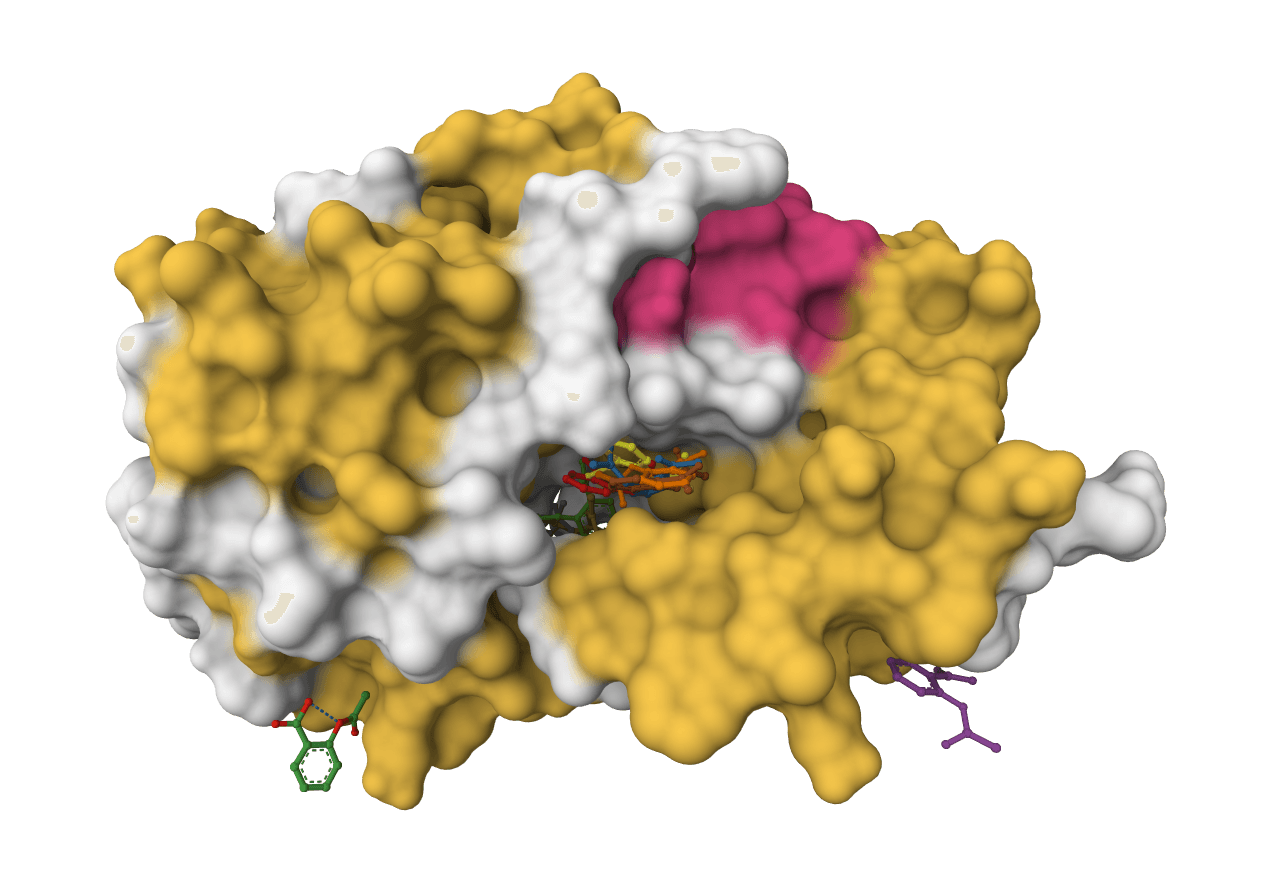
DiffDock-L is a state-of-the-art molecular docking tool that uses diffusion models to predict how small molecule ligands bind to protein targets. It generates multiple binding poses with confidence scores.
protein-dockingblind-docking+5
DLKcat
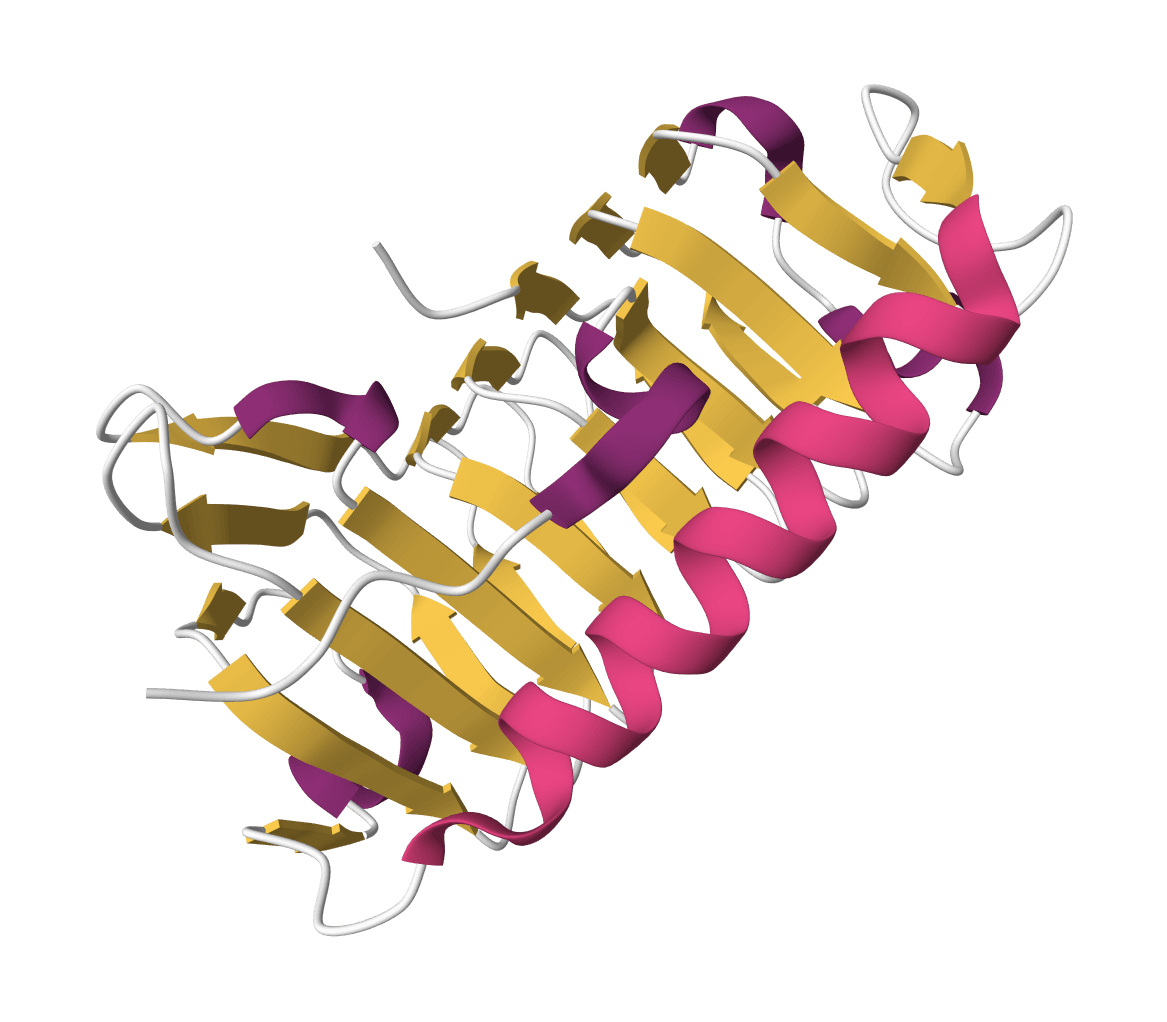
DLKcat predicts enzyme turnover numbers (kcat values) from protein sequences and substrate structures using deep learning. Combines CNN and GNN architectures for accurate kinetic parameter prediction.
property-predictionai-powered+3
DNA mutator
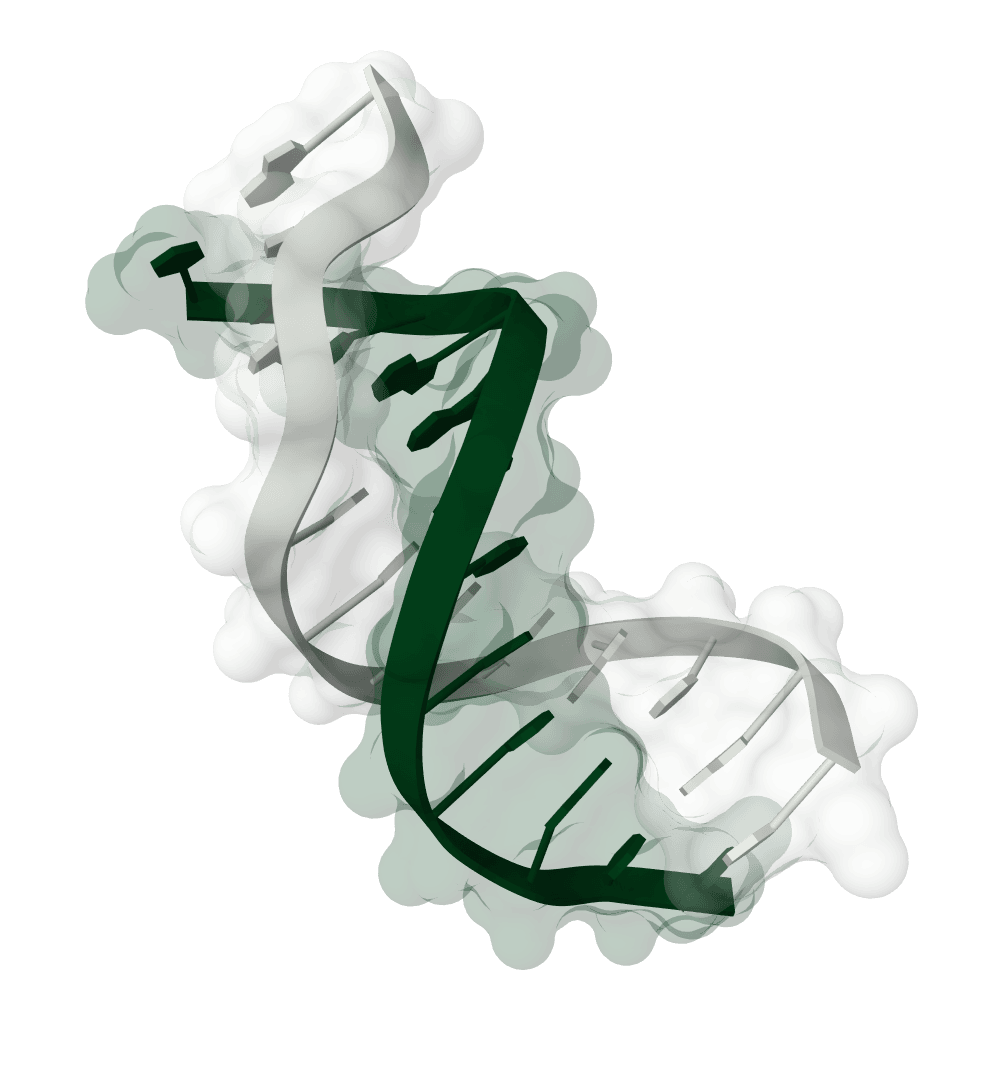
Generate batches of mutated DNA variants from one or more FASTA sequences. Create substitution, insertion, deletion, or mixed variant libraries with reproducible settings.
DNAsequence-design+1
DNA Shuffle
Shuffle DNA sequences while preserving nucleotide, dinucleotide, or k-mer composition for generating randomized control sequences
sequence-manipulationDNA+1
DNA to Protein Converter
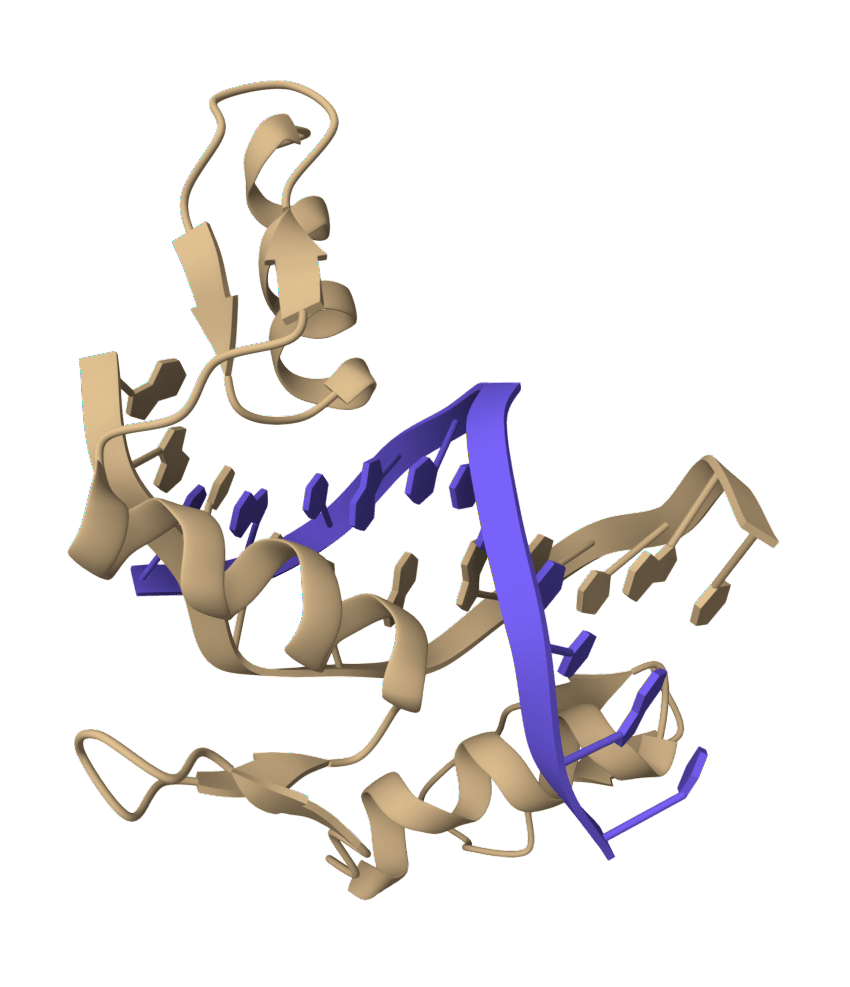
Translate DNA sequences to protein sequences using genetic code
format-conversionDNA+1
DNA to RNA converter
Convert DNA sequences to RNA (transcription) - replaces T with U
format-conversionDNA+1
DNAGenIQ - Random DNA sequence generator
Generate random DNA sequences with customizable length, GC content, and restriction sites for molecular cloning and testing purposes.
DNAsequence-design+1
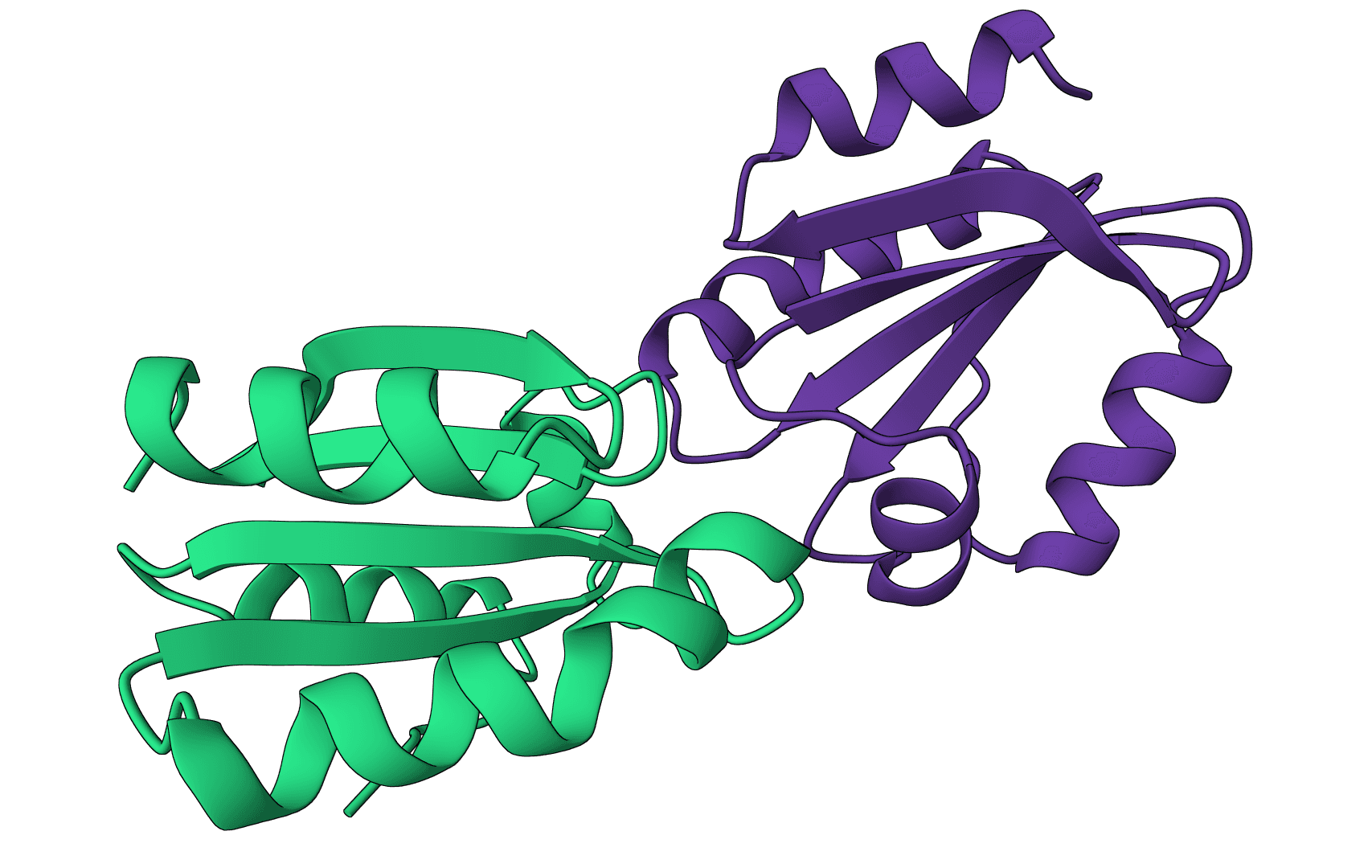
DockQ
Assess docking model quality by comparing predicted complexes against native references. DockQ v2.1.3 supports protein, nucleic-acid, and supported small-molecule interfaces with faithful upstream metrics.
structure-analysiscomparison+5
DR-BERT
DR-BERT is a compact protein language model that predicts intrinsically disordered regions (IDRs) in proteins. It outputs per-residue disorder probability scores (0–1) from amino acid sequences, enabling fast and accurate annotation of disordered regions without structural data.
sequence-analysisai-powered+3
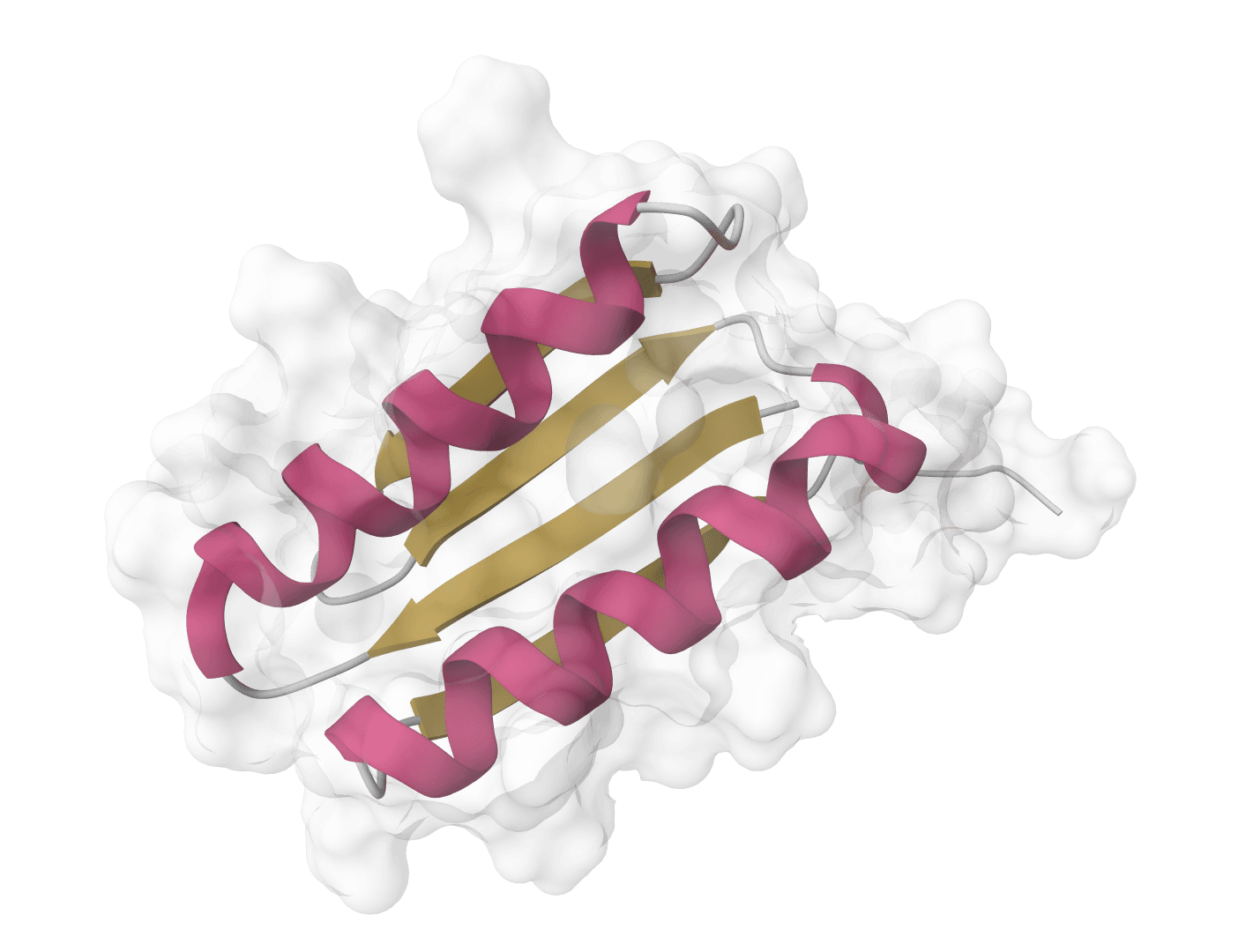
DSSP
Assign protein secondary structure using the DSSP algorithm. The gold standard for hydrogen bond-based structure assignment from coordinates.
protein-analysisstructure-analysis+2
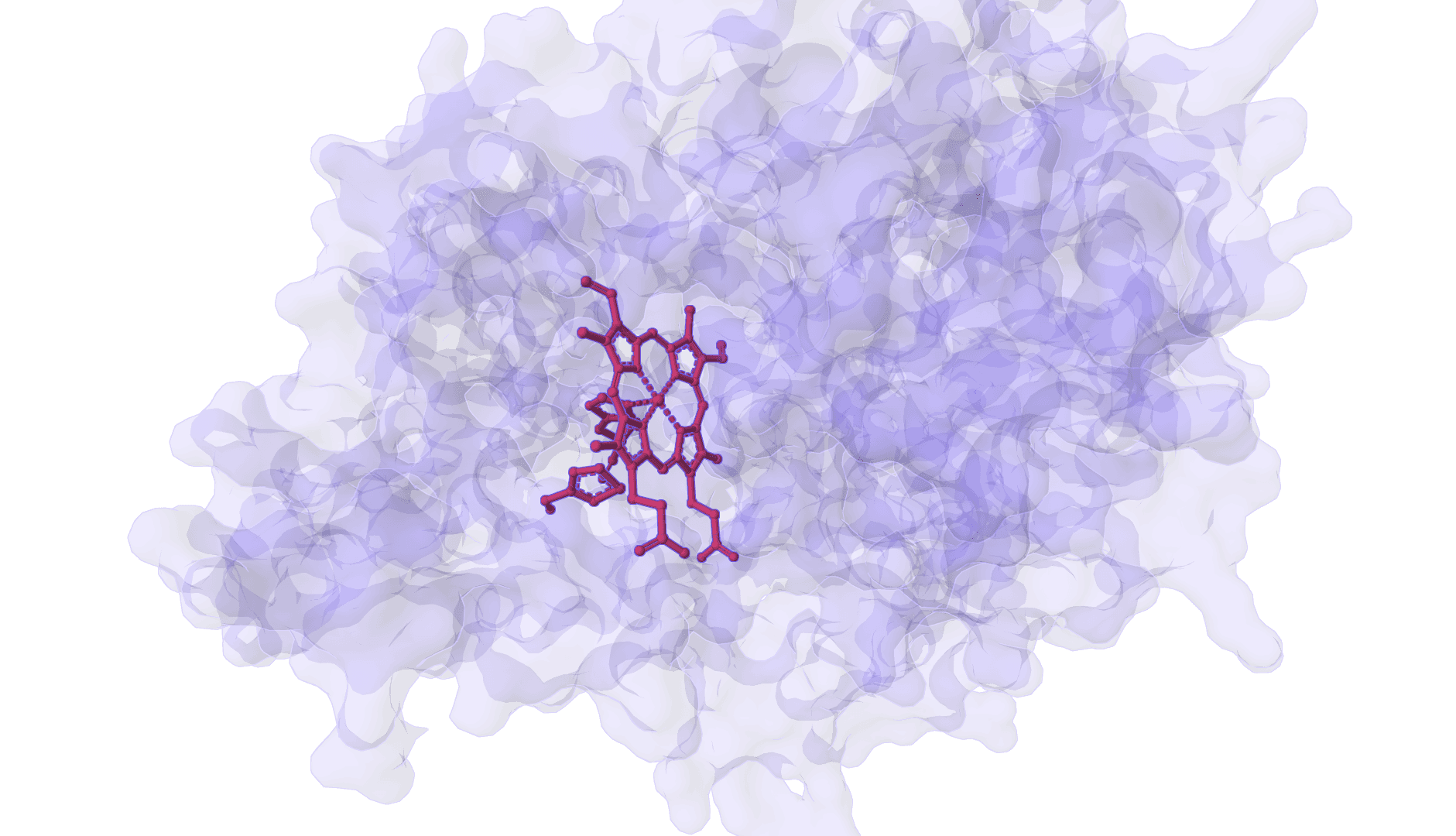
DynamicBind
DynamicBind is an AI-powered protein-ligand binding prediction tool that recovers ligand-induced conformational changes from unbound protein structures. It predicts both ligand binding poses and protein conformational changes.
protein-dockingblind-docking+5
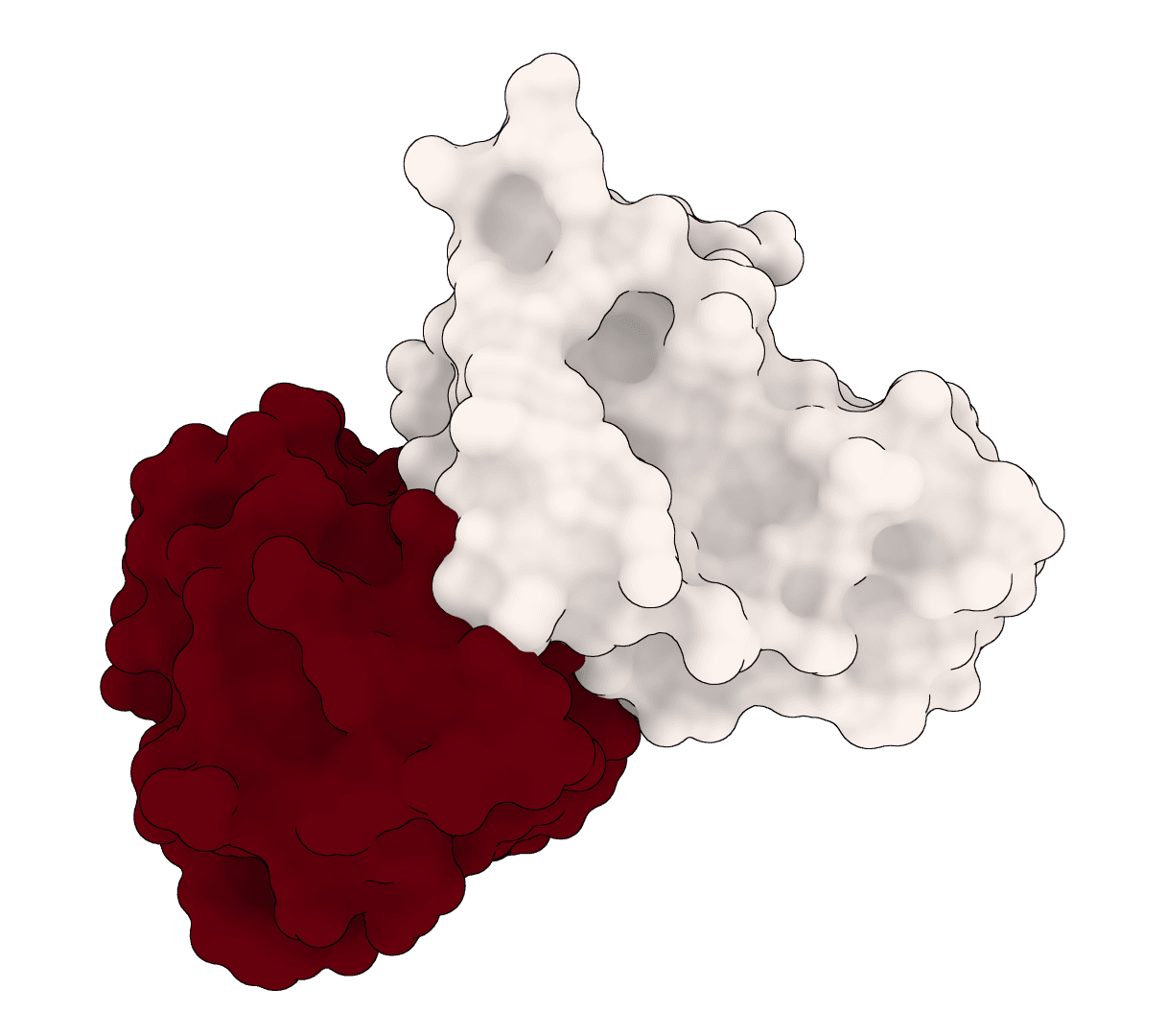
EquiDock
EquiDock is an SE(3)-equivariant graph neural network for rigid protein-protein docking. It predicts a binding pose for a protein-protein complex from unbound structures using geometric deep learning, with DIPS and DB5 pretrained checkpoints from the upstream release.
protein-dockingai-powered+5
ESM-2
ESM-2 is a 650M parameter protein language model from Meta AI trained on 250M protein sequences. Generate rich sequence representations for downstream tasks like structure prediction, function annotation, and variant effect prediction.
sequence-analysisembeddings+3
ESM-IF1
Inverse folding with ESM-IF1. Design protein sequences for given 3D backbone structures using a geometric deep learning model. Generate multiple sequence variants optimized for your target structure.
sequence-designdeep-learning+2
ESMfold
ESMfold is a fast, single-sequence protein structure predictor from Meta AI. Predicts 3D protein structures directly from amino acid sequences without requiring multiple sequence alignments (MSA), making it significantly faster than AlphaFold while automatically scaling GPU resources for larger proteins.
protein-foldingstructure-prediction+2
eToxPred
Predict toxicity and synthetic accessibility of small molecules using machine learning. eToxPred combines toxicity risk assessment with synthetic accessibility scoring to help prioritize drug candidates.
protein-analysismachine-learning+3
EvoDiff
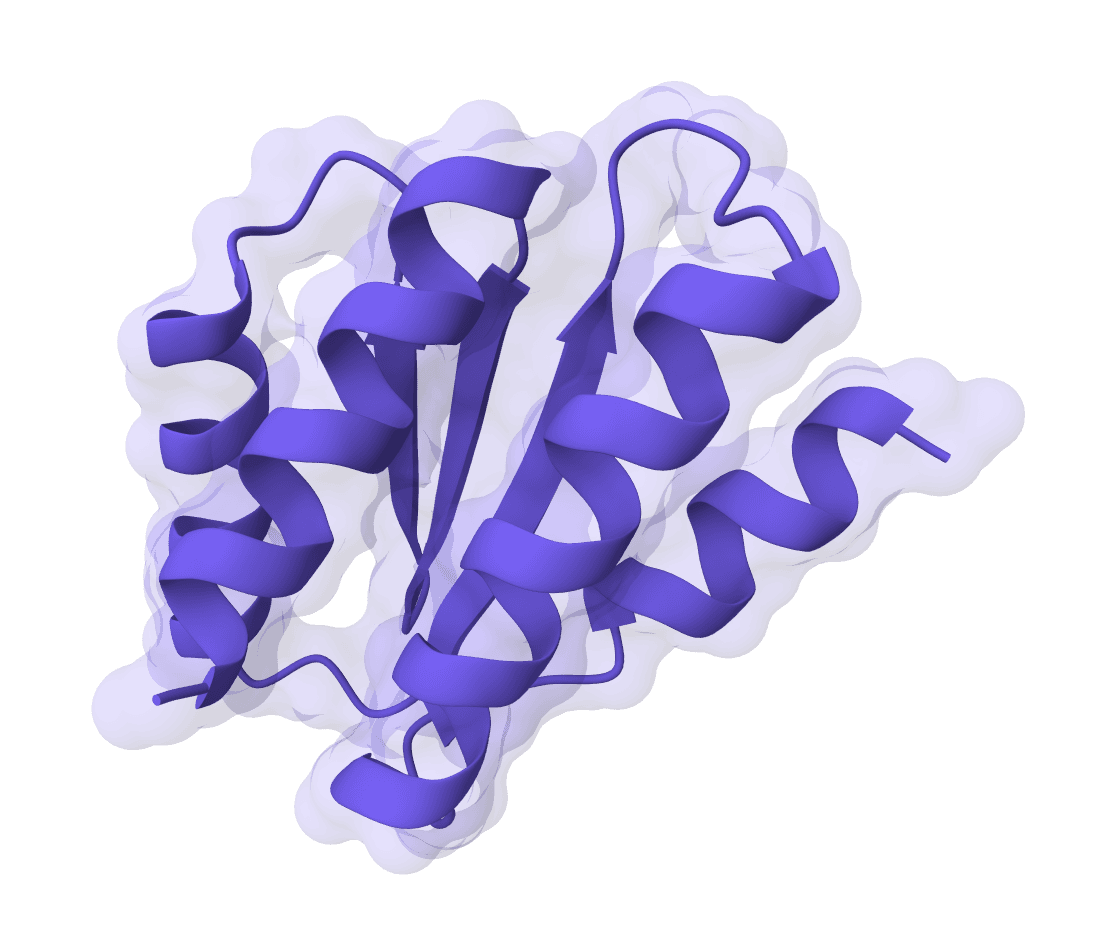
EvoDiff is a diffusion-based protein sequence generation framework from Microsoft Research. ProteinIQ currently wraps the EvoDiff-Seq OA_DM_38M model for unconditional protein generation, motif scaffolding, and user-sequence inpainting.
protein-designai-powered+3
EvoPro
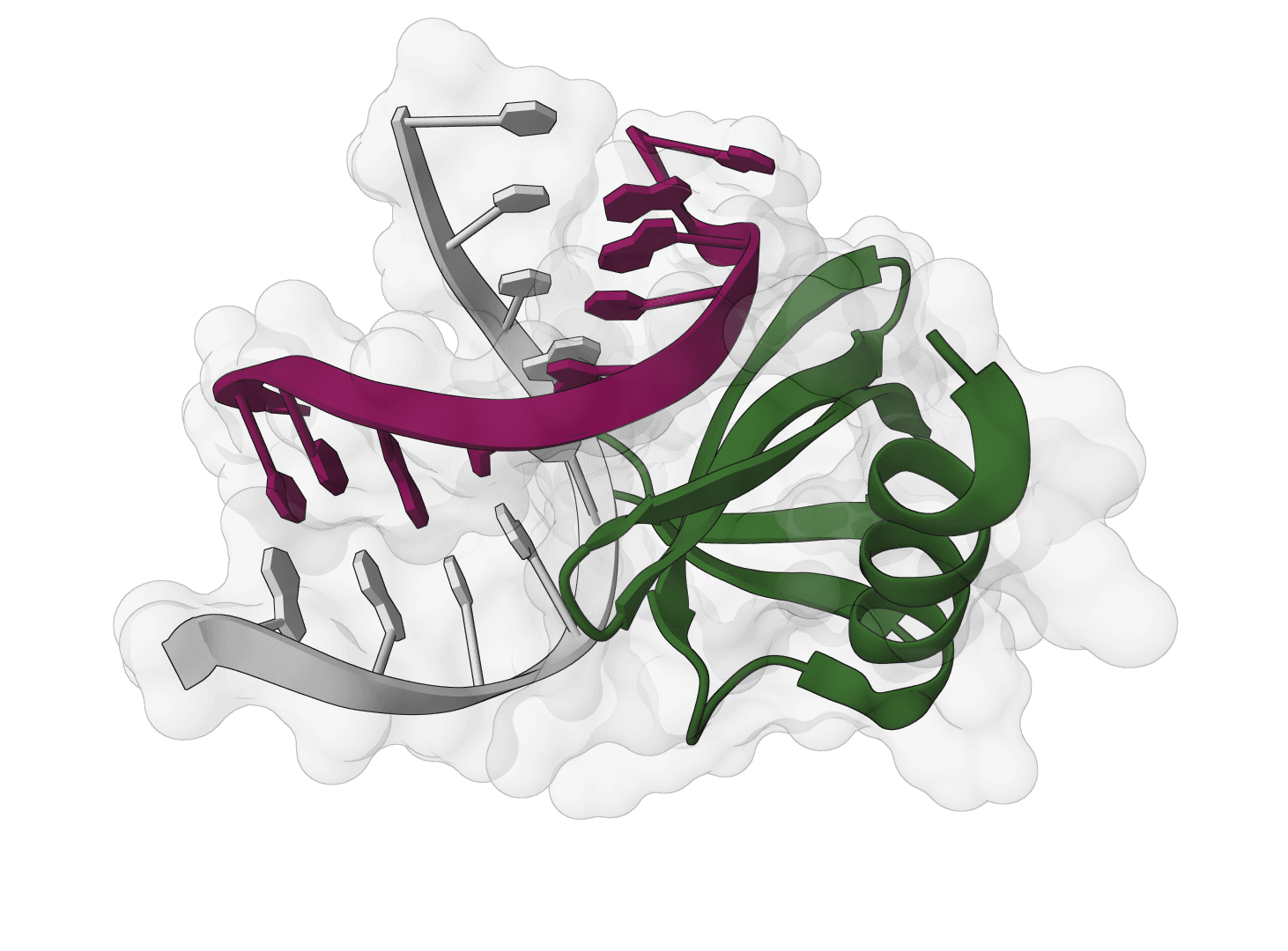
Optimize protein binders using genetic algorithms combined with AlphaFold2 fitness evaluation and ProteinMPNN sequence design. EvoPro evolves protein sequences to maximize binding affinity and structural quality through iterative cycles of mutation, selection, and validation.
binder-designai-powered+3
Extinction coefficient calculator
Calculate the molar extinction coefficient of protein sequences at 280 nm. Used for protein concentration determination by UV spectroscopy.
protein-analysisphysicochemical-properties+1
FASTA splitter
Split large FASTA files into smaller chunks. Divide by sequence count or create individual files for each sequence.
format-conversionprotein+3
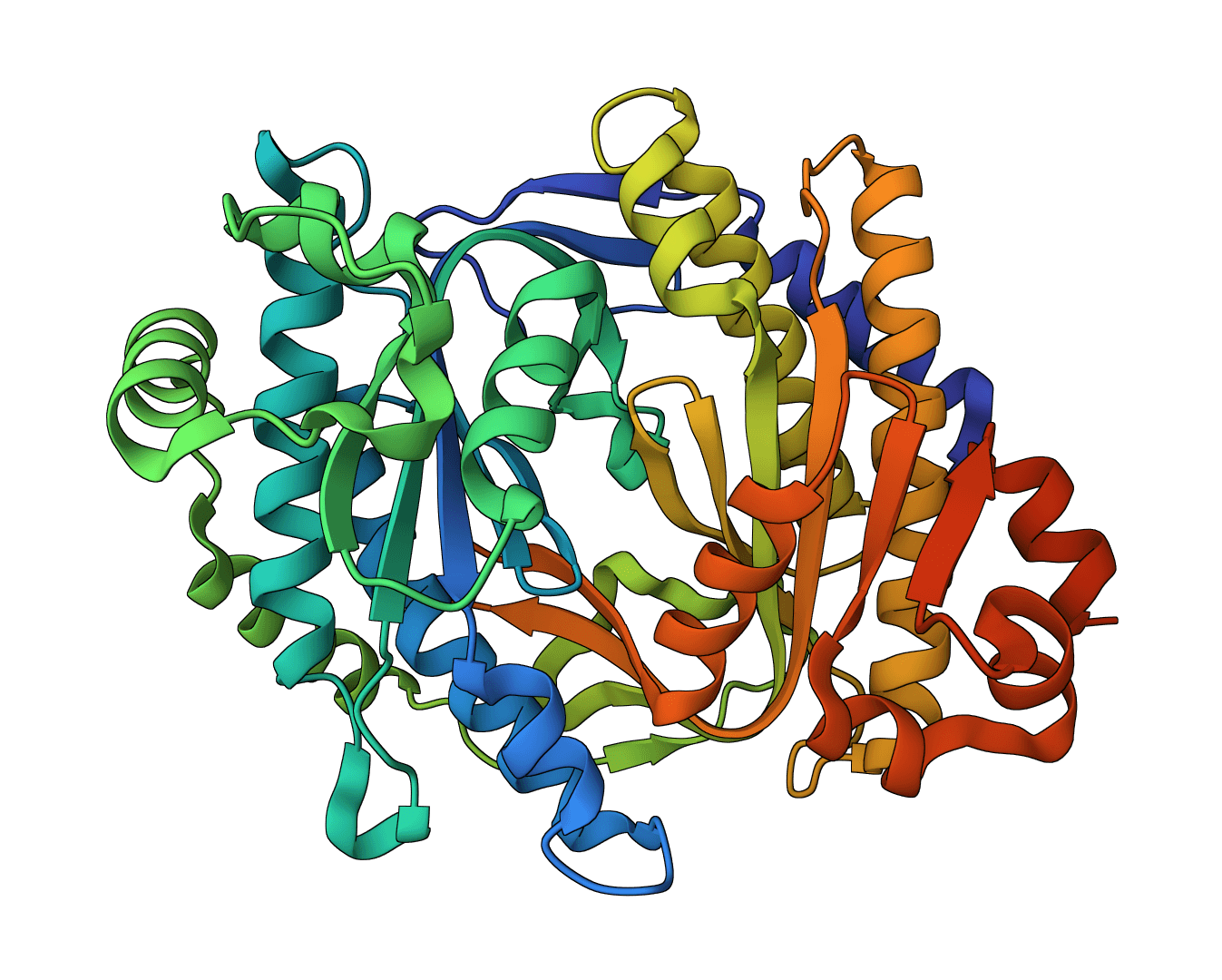
FASTA to FASTQ Converter
Convert FASTA sequence files to FASTQ format with mock quality scores
format-conversionDNA+3
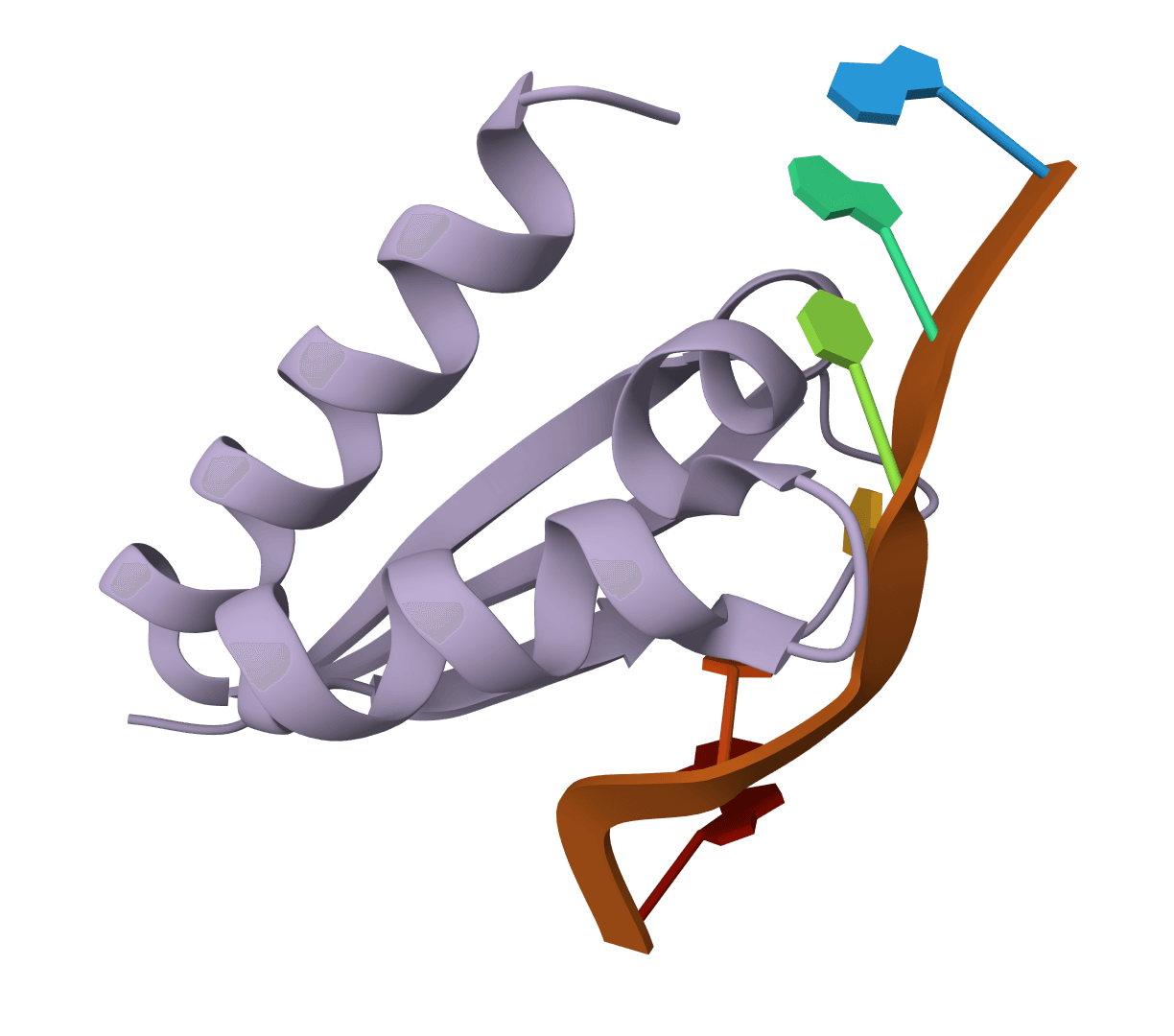
FASTQ to FASTA converter
Convert FASTQ sequence files to FASTA format
format-conversionDNA+3
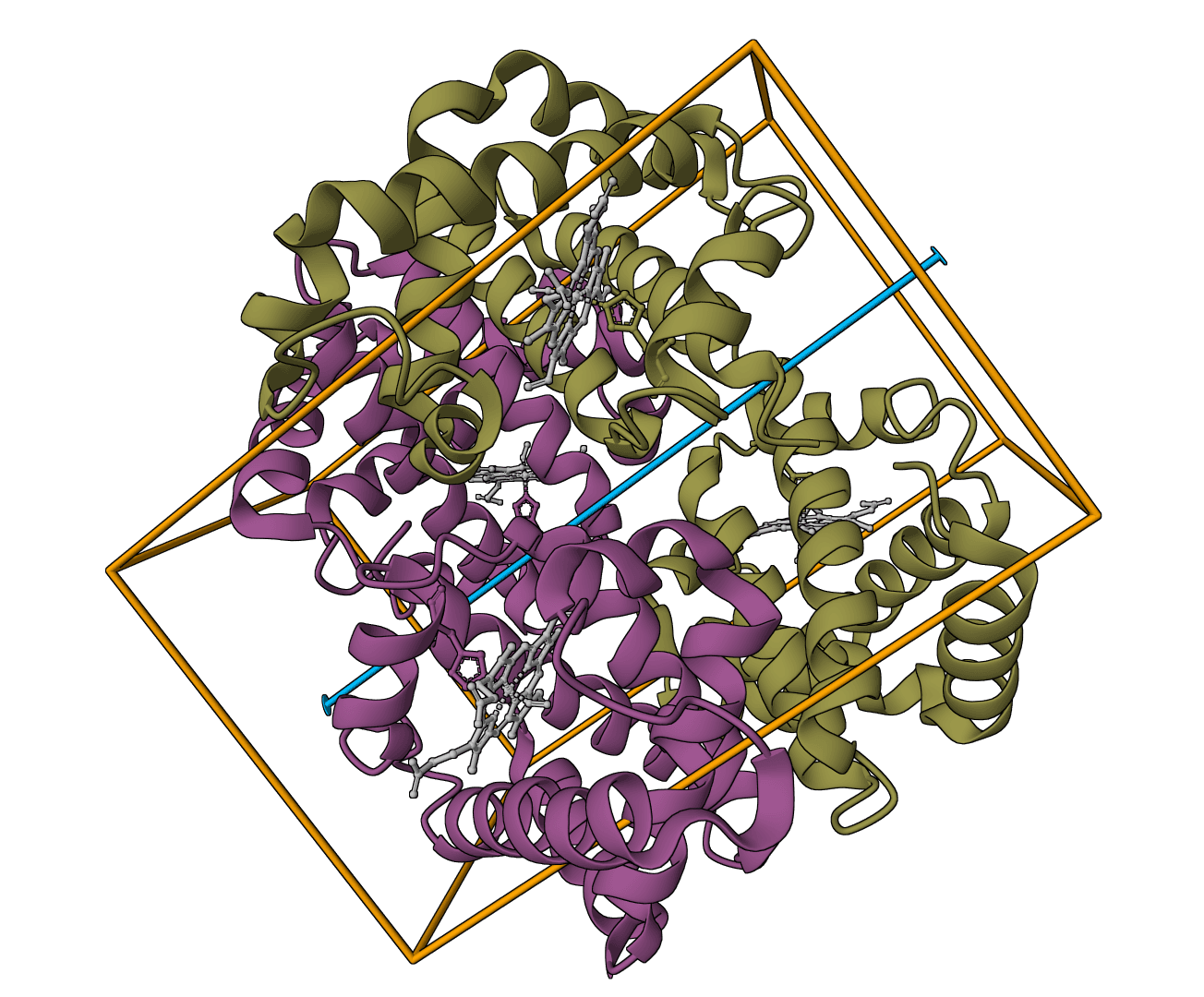
FastTree
Infer approximately-maximum-likelihood phylogenetic trees from alignments of nucleotide or protein sequences.
sequence-analysisalignment+3
Filter DNA
Clean and filter DNA sequences by removing or replacing non-standard nucleotide characters. Supports multiple filter modes including standard 4 bases, IUPAC ambiguity codes, and custom character sets.
sequence-manipulationquality-validation+1
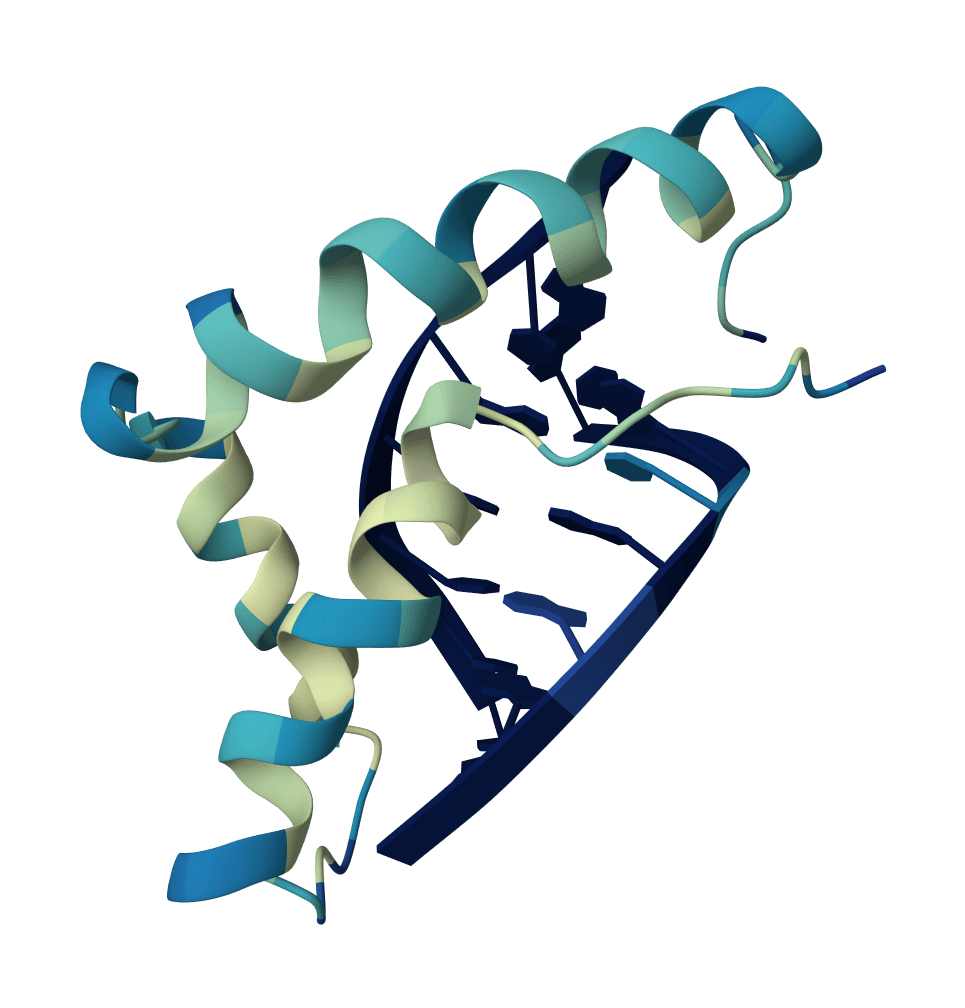
Filter protein
Clean and filter protein sequences by removing or replacing non-standard amino acid characters. Supports multiple filter modes including standard 20 amino acids, IUPAC codes, and custom character sets.
sequence-manipulationprotein
FindPept
Match experimental peptide masses against theoretical digest fragments of a protein sequence. Identify peptides from mass spectrometry data by peptide mass fingerprinting.
protein-analysisphysicochemical-properties+2
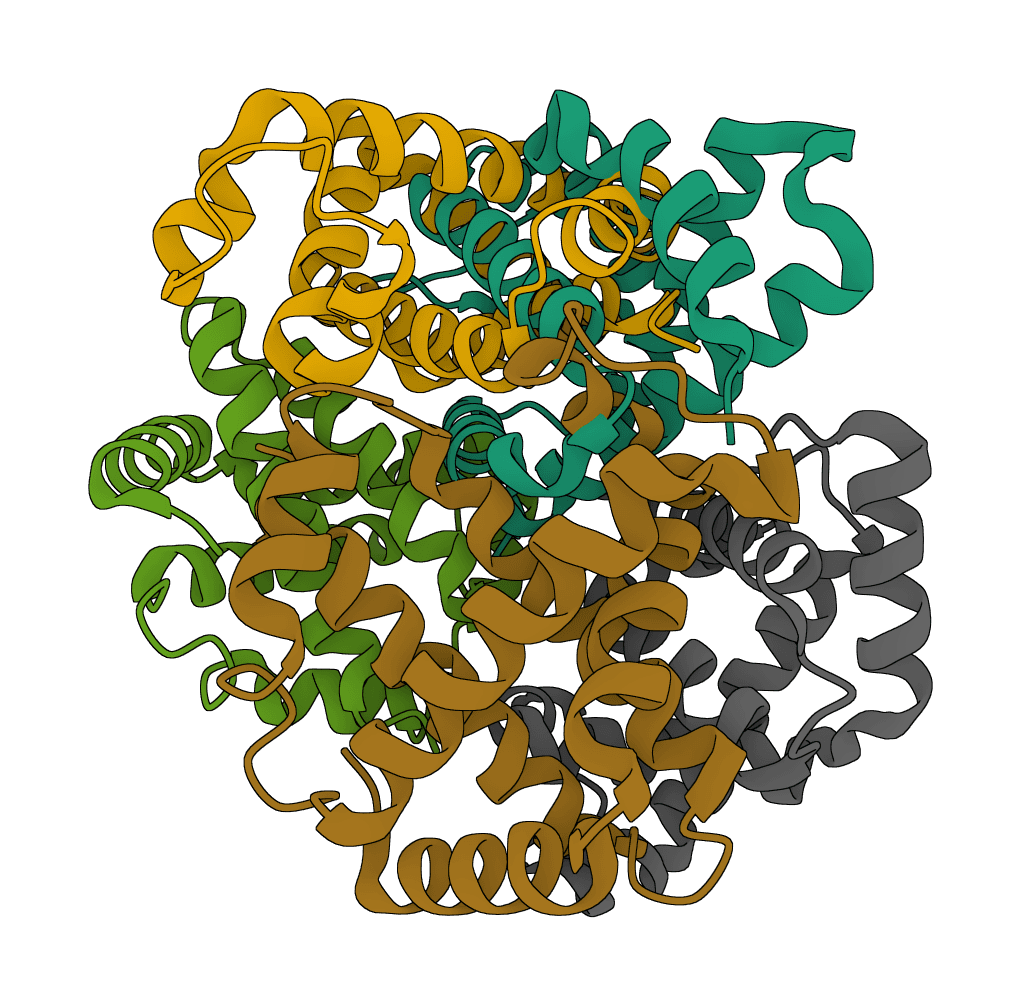
FoldSeek
Fast protein structure search, comparison, and clustering. Search your structure against 200M+ AlphaFold predictions, compare 2 structures, or cluster up to 2500.
structure-analysisalignment+3
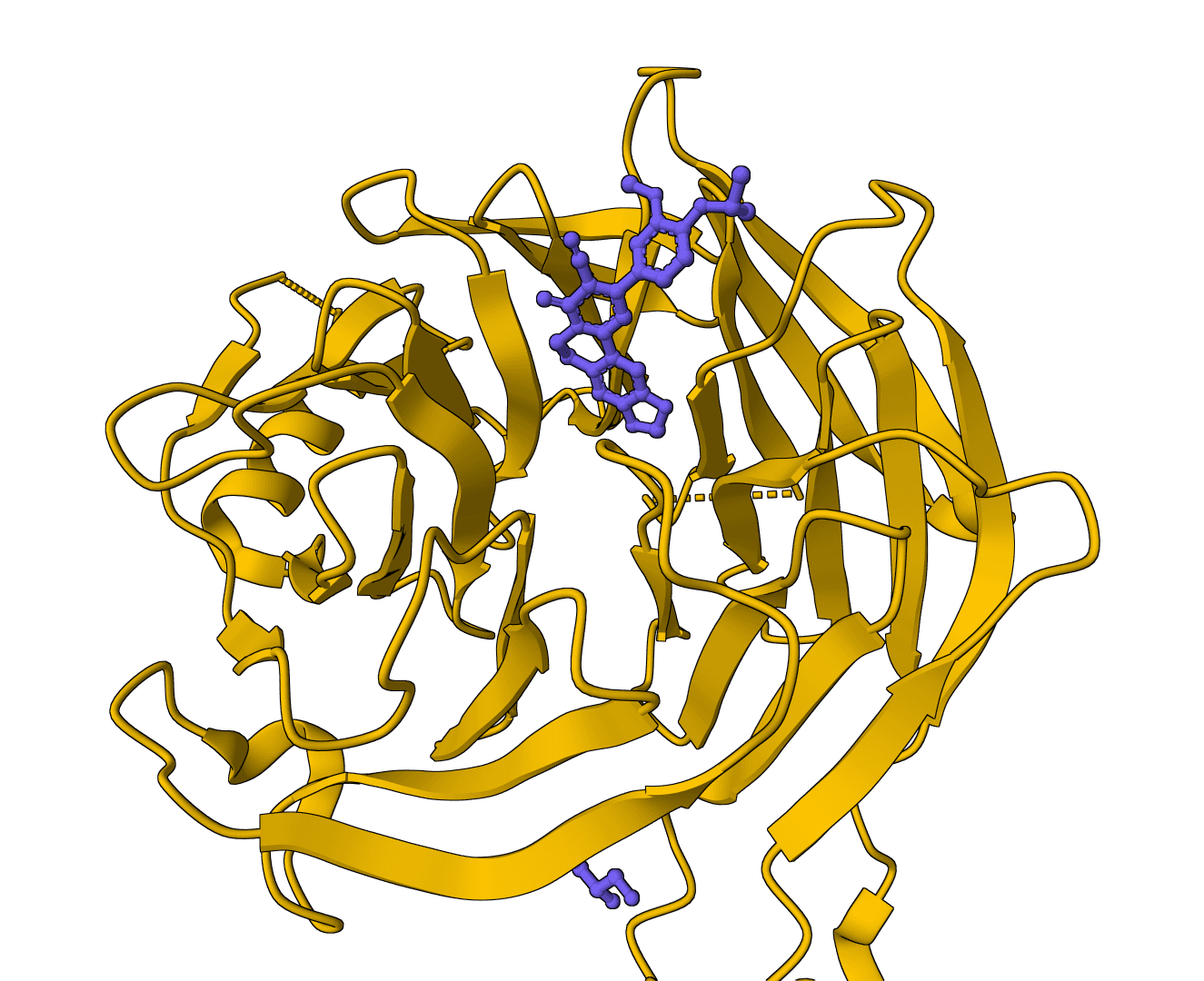
fpocket
Open-source protein pocket detection using Voronoi tessellation and alpha spheres. Identifies ligand binding sites with druggability scores.
structure-analysisprotein+2
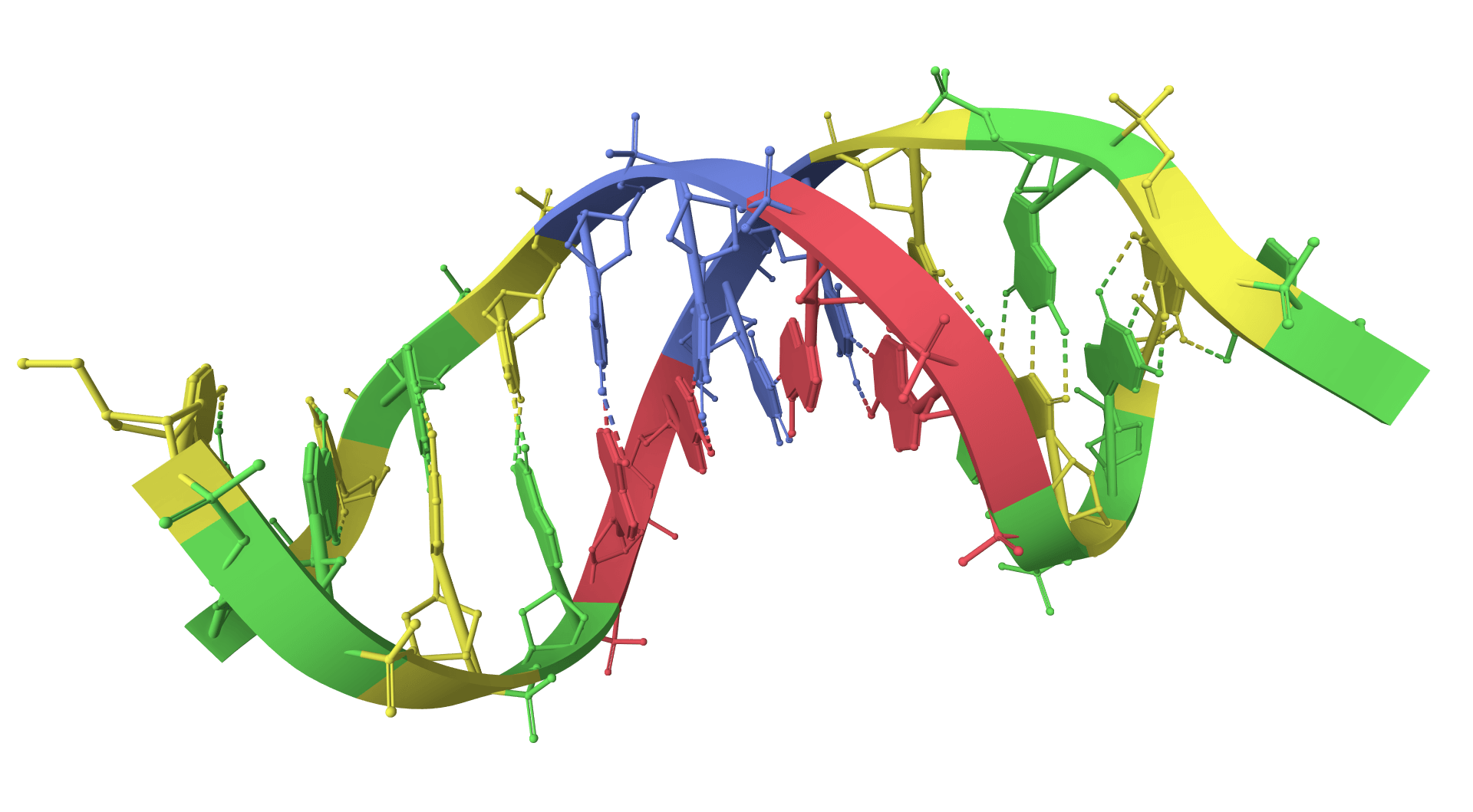
GC content calculator
Calculate GC content and nucleotide composition of DNA/RNA sequences. Analyze individual sequences or get combined statistics.
sequence-analysisphysicochemical-properties+2
GenBank Feature Extractor
Extract sequence features (CDS, mRNA, gene, etc.) from GenBank files in FASTA format with support for spliced features
sequence-manipulationDNA+4
GenBank to FASTA Converter
Convert GenBank files to FASTA format
format-conversionDNA+3
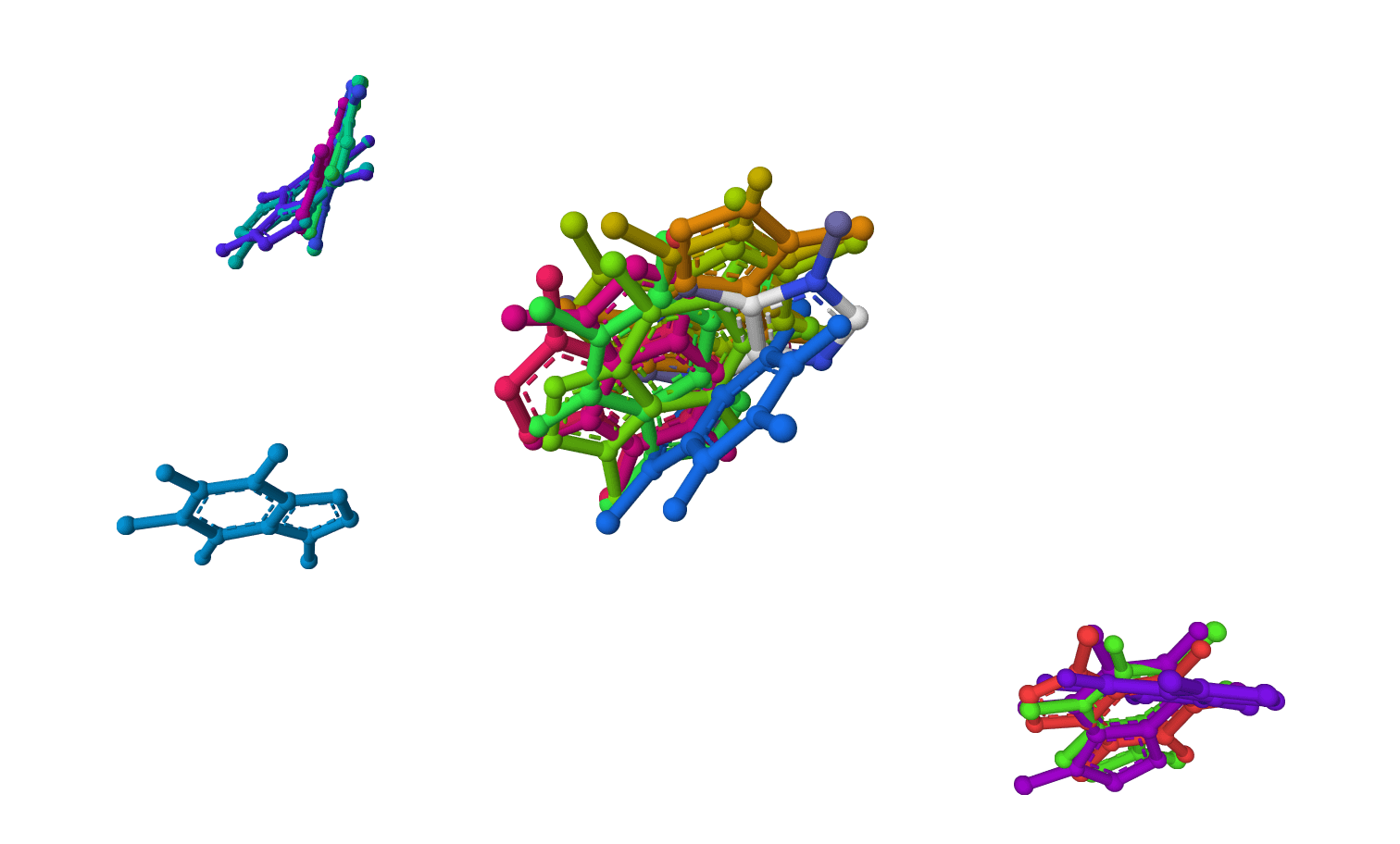
GenMol
GenMol is a generative AI model from NVIDIA that creates novel drug-like molecules using masked discrete diffusion. It generates molecules in SAFE representation format and supports de novo generation, linker design, motif extension, and scaffold decoration.
protein-designai-powered+4
Glycosylation site finder
Find potential N-linked glycosylation sites (NX[S/T] sequons) in protein sequences. Identifies asparagine residues in the consensus motif for N-glycosylation.
protein-analysisphysicochemical-properties+1
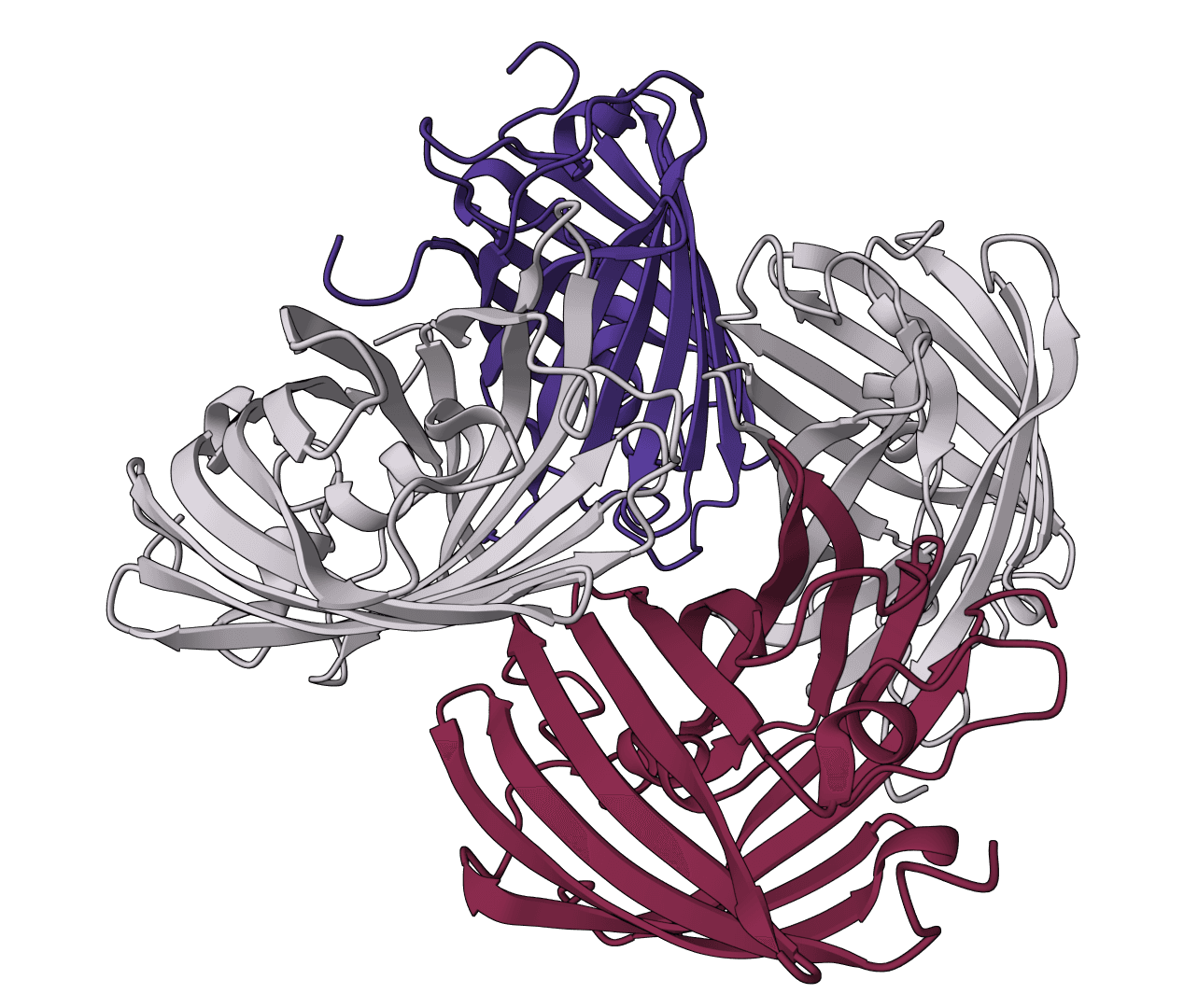
gmx_MMPBSA
Calculate binding free energies using MM/PBSA and MM/GBSA methods for protein-ligand, protein-protein, and protein-DNA complexes. Provides detailed energy decomposition and per-residue contributions.
structure-analysisphysics-based+3
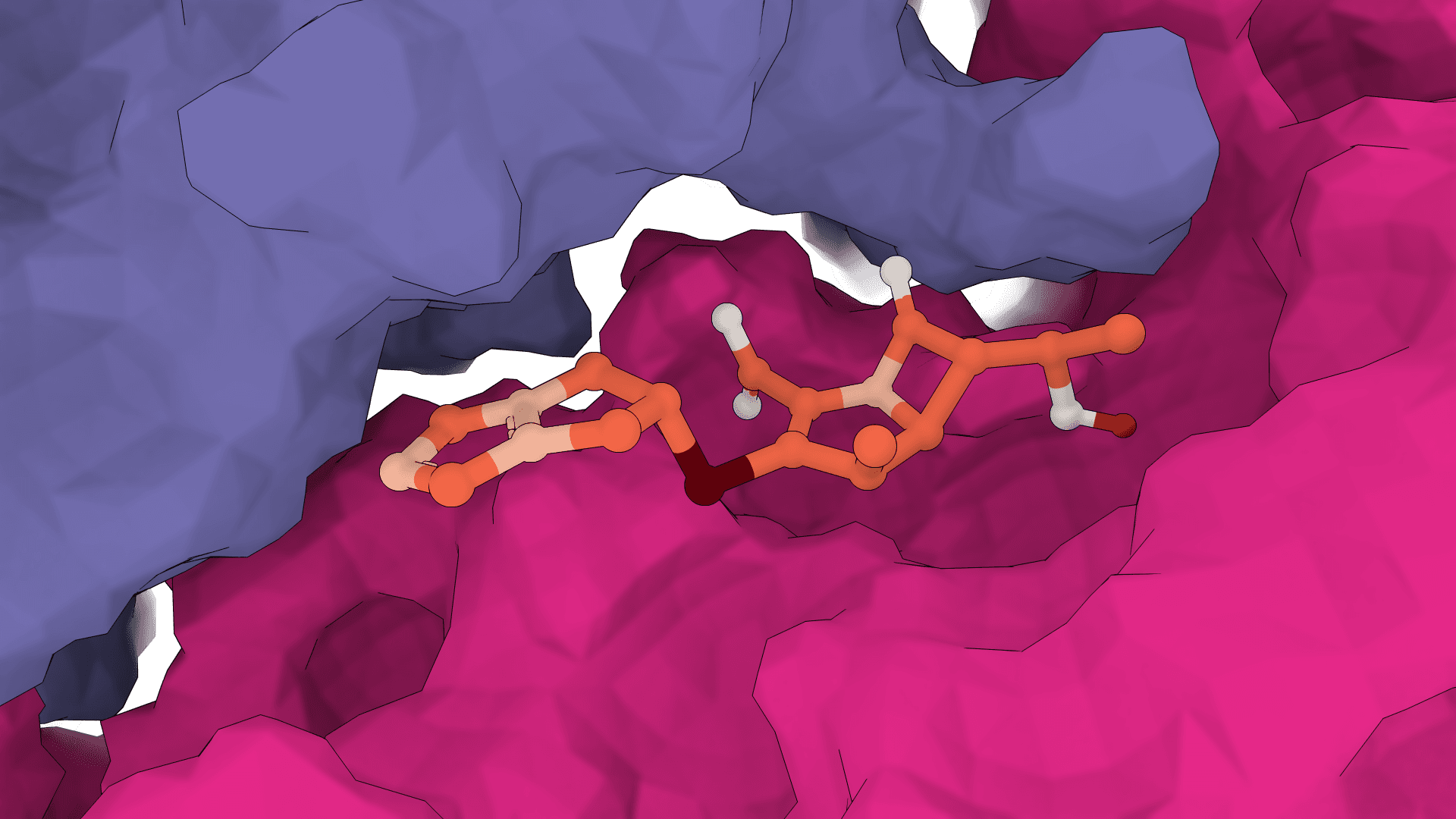
GNINA
GNINA is a molecular docking tool that combines traditional physics-based docking with deep learning CNN scoring for protein-small-molecule complexes. It provides accurate binding predictions with confidence scores, optimized for high-throughput virtual screening.
protein-dockingaffinity-prediction+4
GRAVY
Calculate the GRAVY (Grand Average of Hydropathy) score of protein sequences. Positive values indicate hydrophobic proteins, negative values indicate hydrophilic proteins.
protein-analysisphysicochemical-properties+1
GROMACS
Run molecular dynamics simulations using the GROMACS engine with classical force fields (AMBER, CHARMM, GROMOS, OPLS). Study protein dynamics, conformational flexibility, and structural stability with production-grade MD methodology.
protein-analysisphysics-based+2
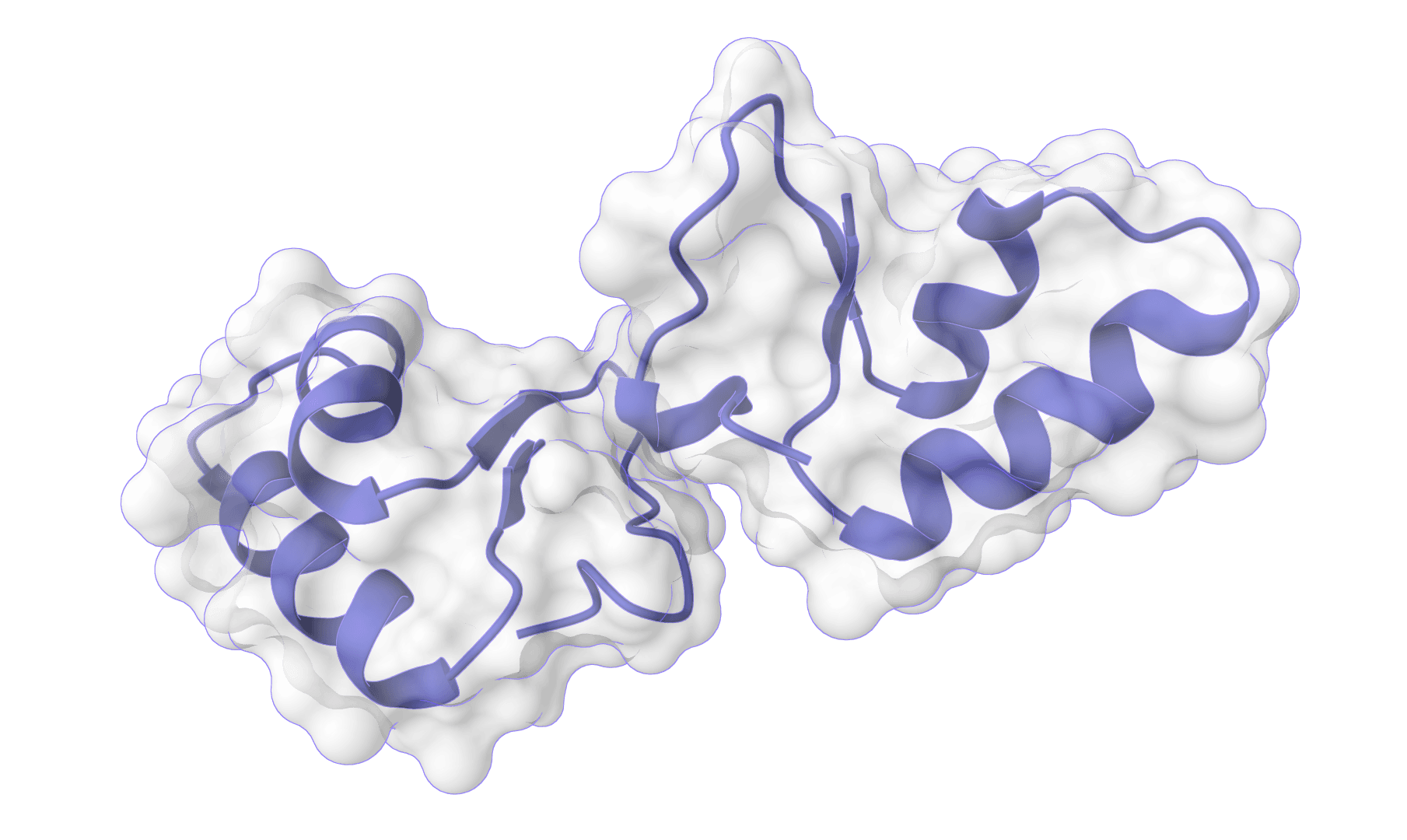
HADDOCK3
HADDOCK (High Ambiguity Driven protein-protein DOCKing) is an integrative modeling platform for biomolecular complexes. It uses experimental data and bioinformatic predictions to guide the docking process, generating accurate protein-protein complex structures.
protein-dockinginteraction-prediction+4
HighFold
Cyclic peptide structure prediction using HighFold, a modified ColabFold/AlphaFold2 framework with CycPOEM (Cyclic Position Offset Encoding Matrix) for head-to-tail and disulfide bridge constraints.
protein-foldingstructure-prediction+3
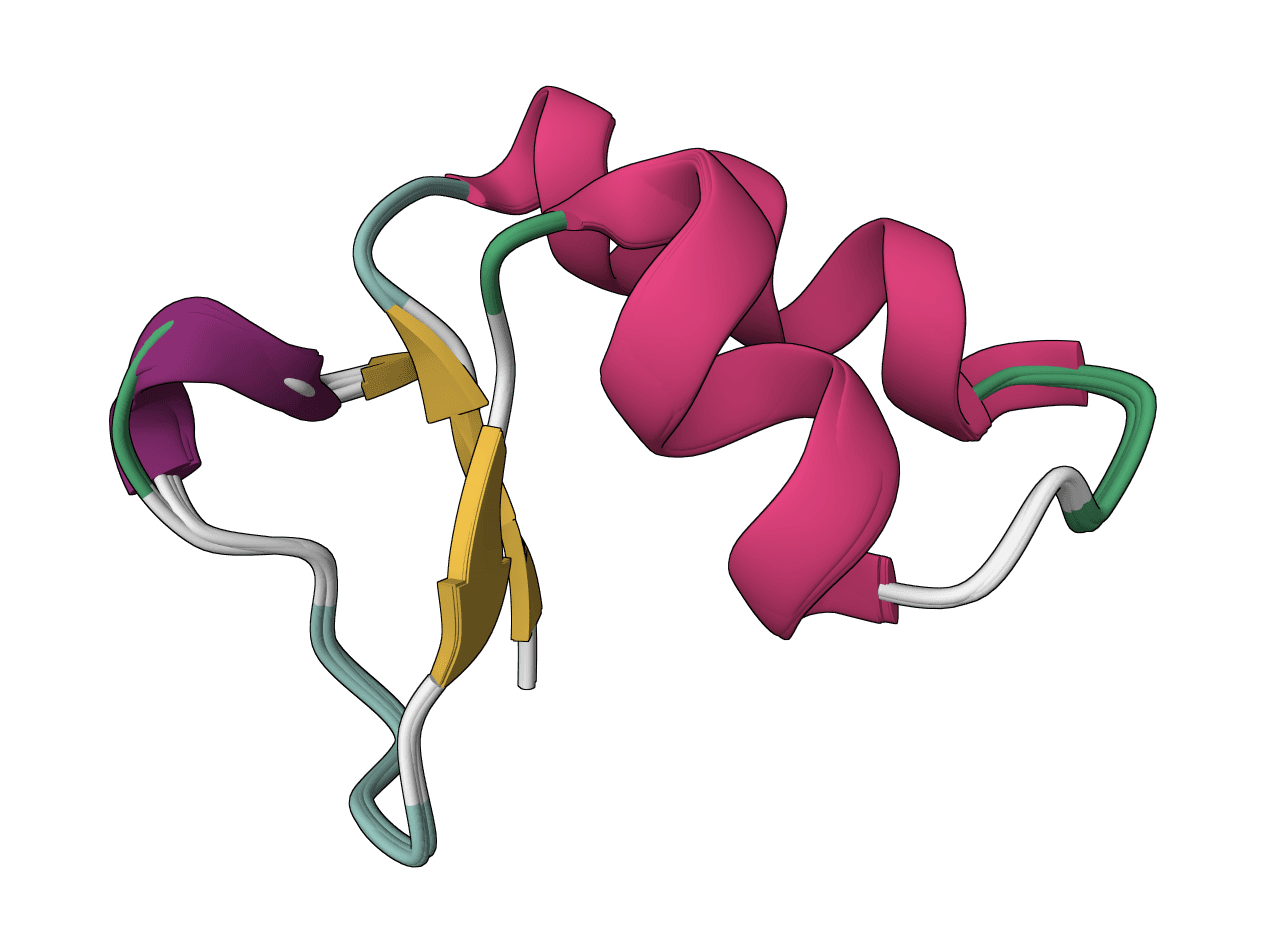
HMMER
Sensitive sequence homology search using profile hidden Markov models. More accurate than BLAST for detecting remote homologs, ideal for finding evolutionarily distant protein family members.
sequence-analysiscomparison+3
Humatch
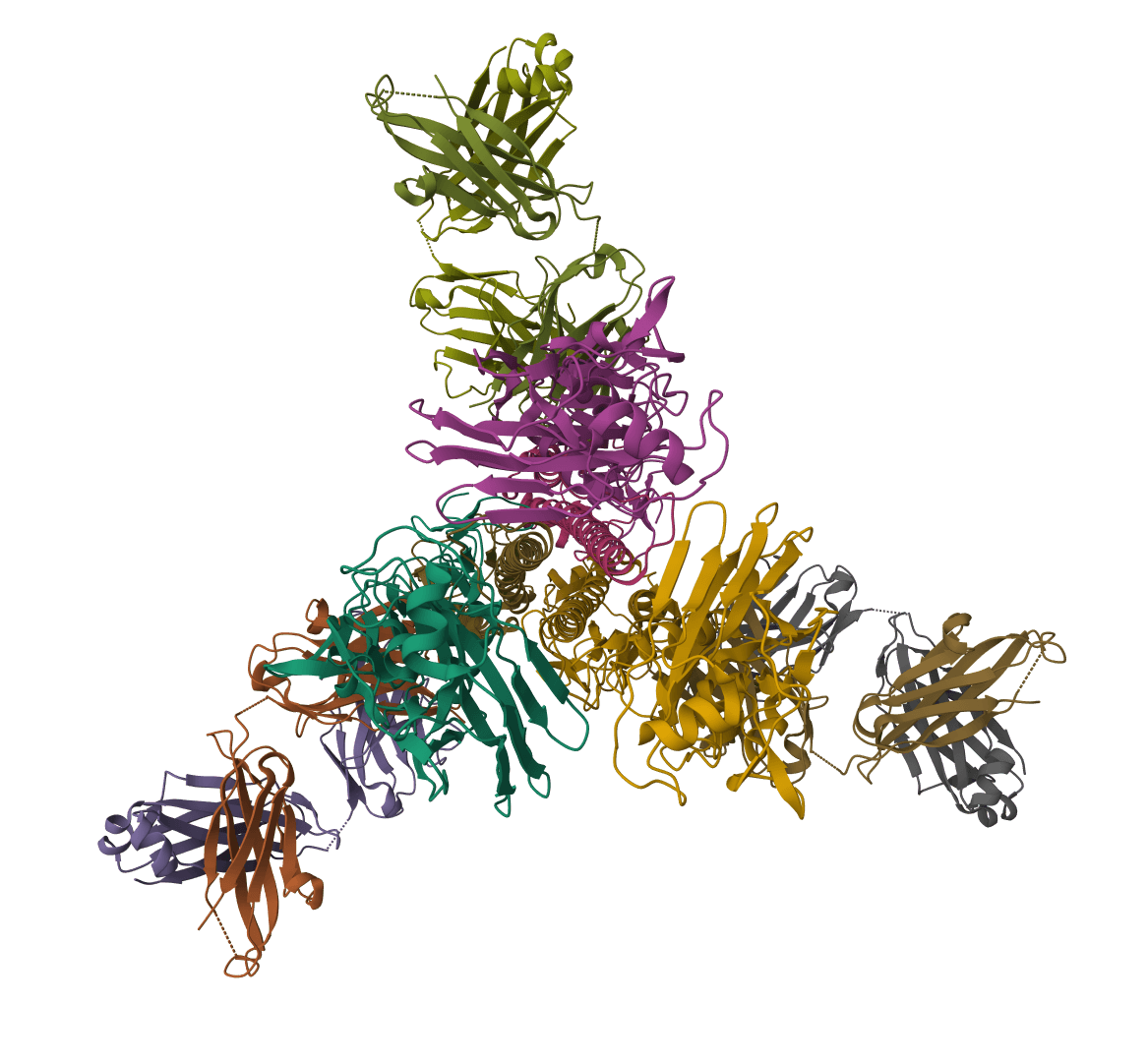
Humatch is an antibody humanization tool that transforms non-human antibody sequences into humanized variants. Uses three lightweight CNNs to identify optimal human V-genes and generate paired heavy and light chain sequences with minimal edits while maintaining functionality.
protein-designantibody-design+6
Hydropathy plot
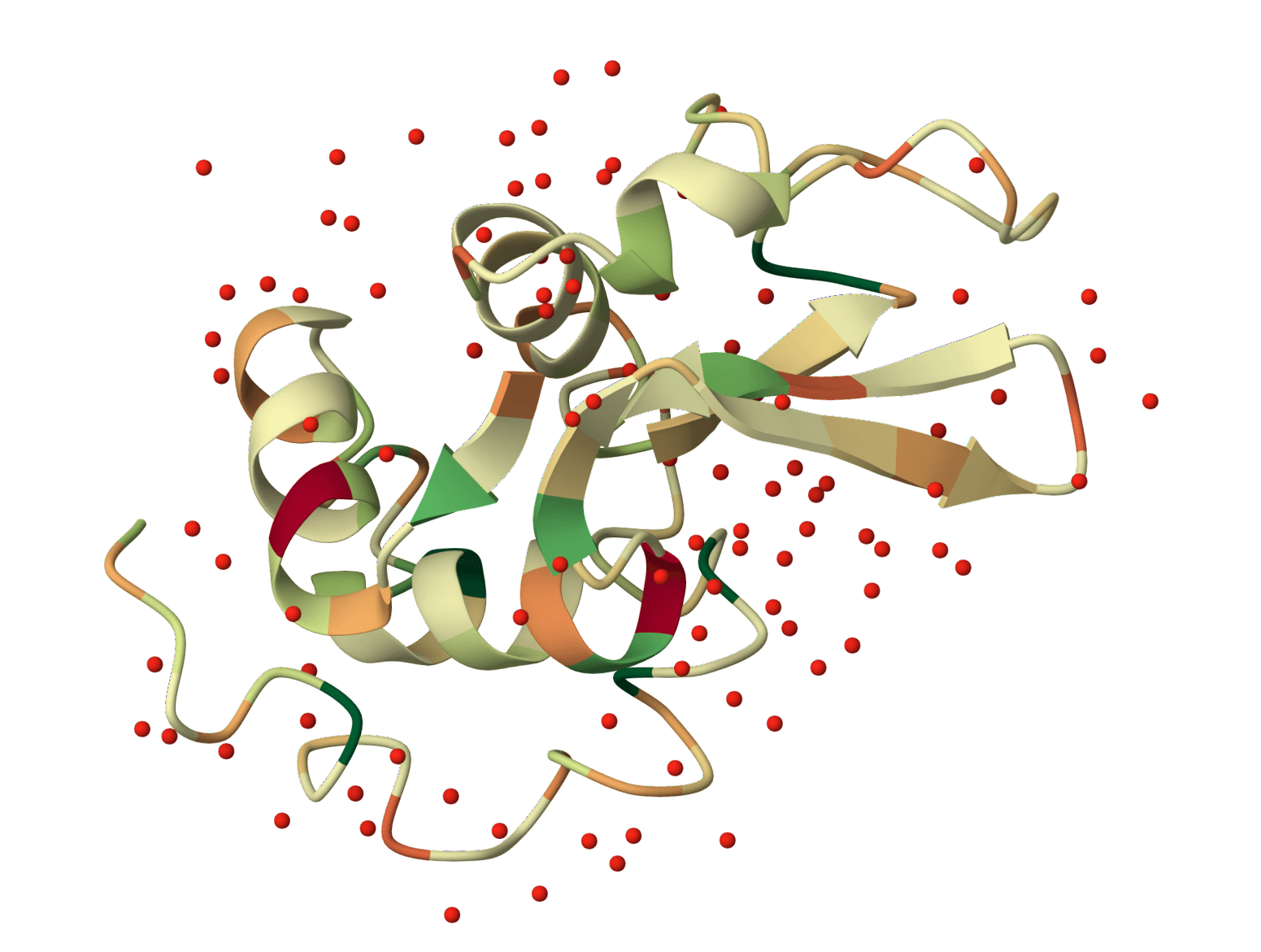
Generate Kyte-Doolittle hydropathy plots to visualize hydrophobic and hydrophilic regions along protein sequences. Identify transmembrane domains and surface-exposed regions.
protein-analysisphysicochemical-properties+2
Hydrophobicity plot
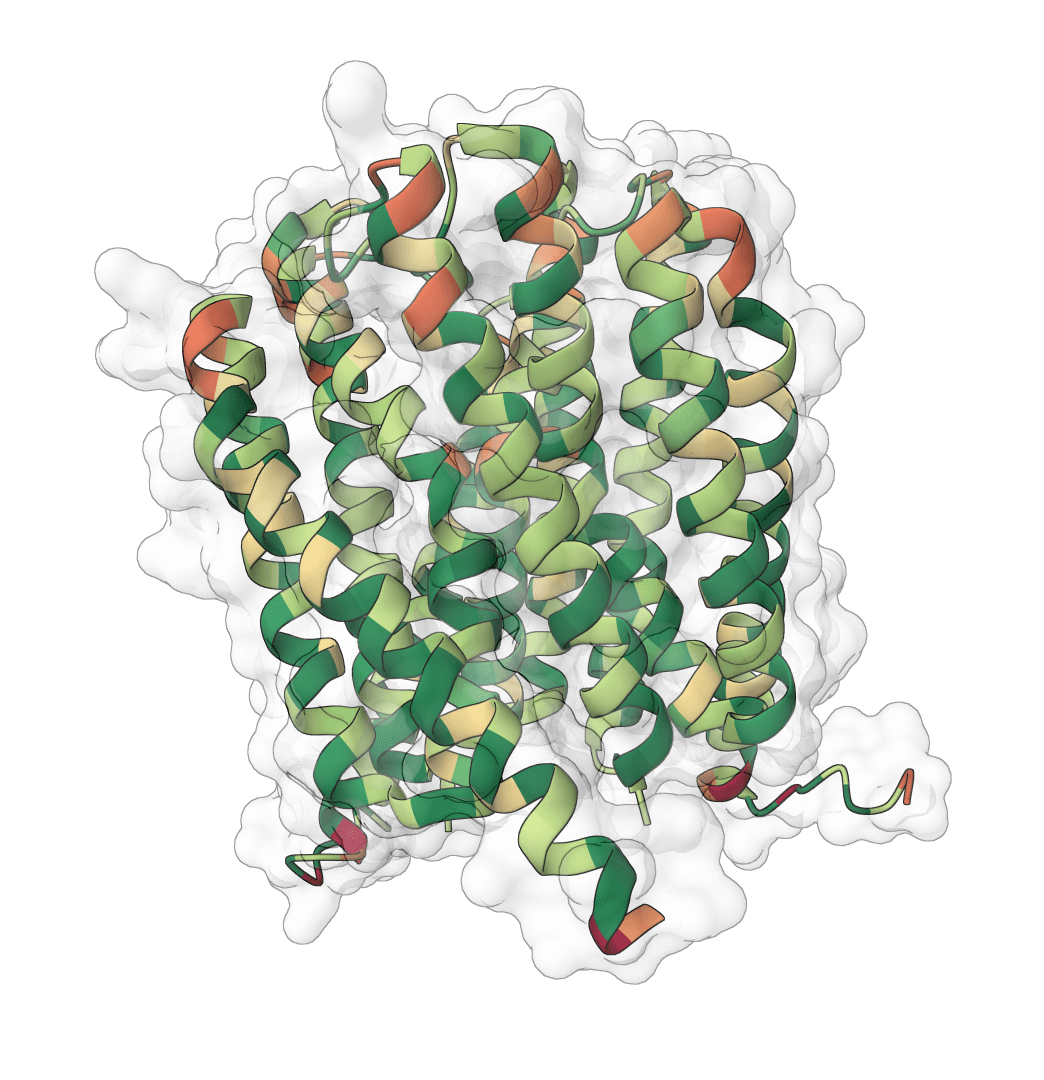
Generate hydrophobicity plots using 24 different amino acid scales. Visualize hydrophobic and hydrophilic regions for protein analysis, epitope prediction, and membrane protein studies.
protein-analysisphysicochemical-properties+2
HyperMPNN
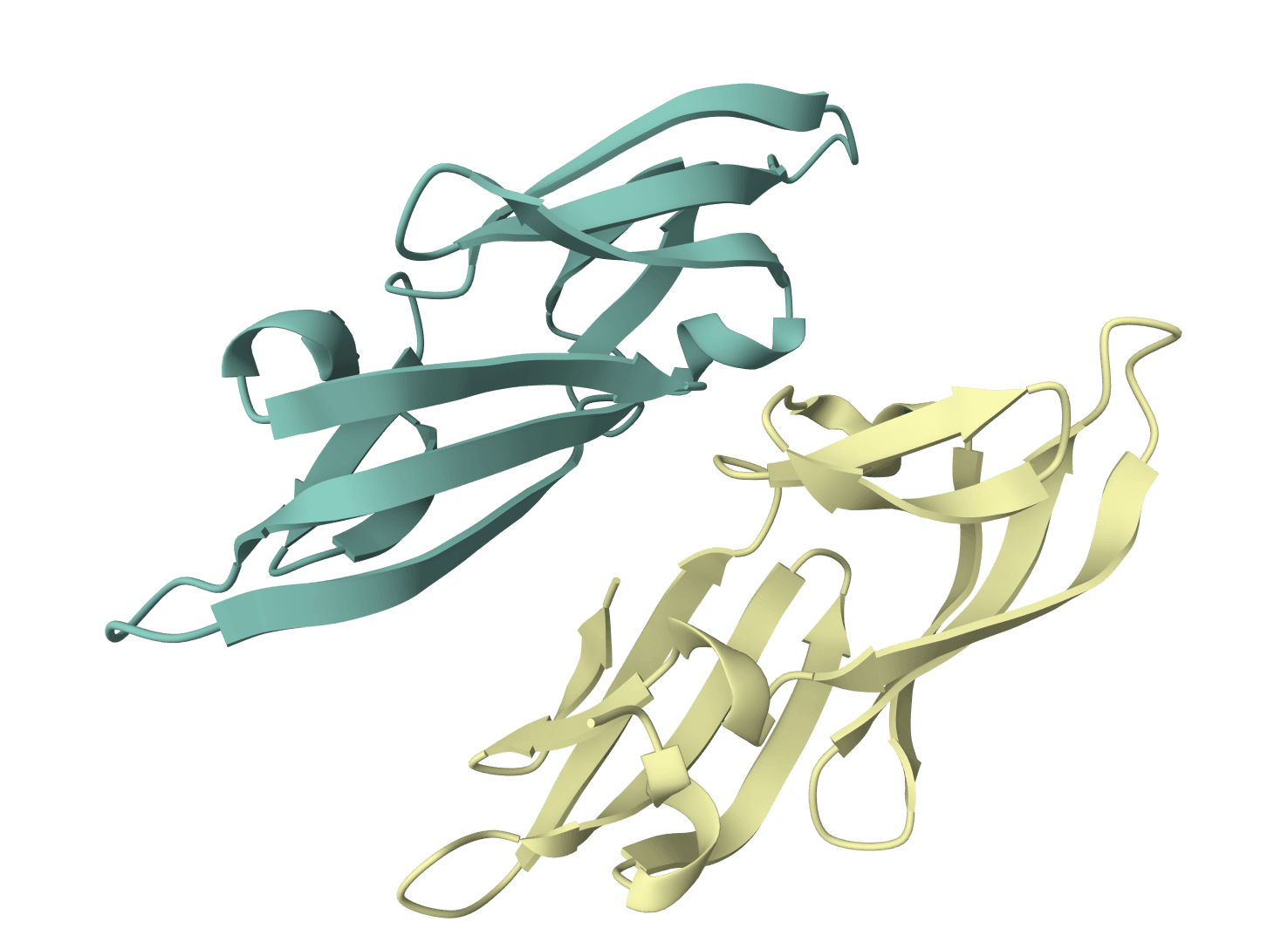
Design thermostable protein sequences using ProteinMPNN trained on hyperthermophilic organism structures. Generates sequences optimized for improved thermal stability without requiring ligands or additional context.
sequence-designproperty-prediction+3
IgBLAST
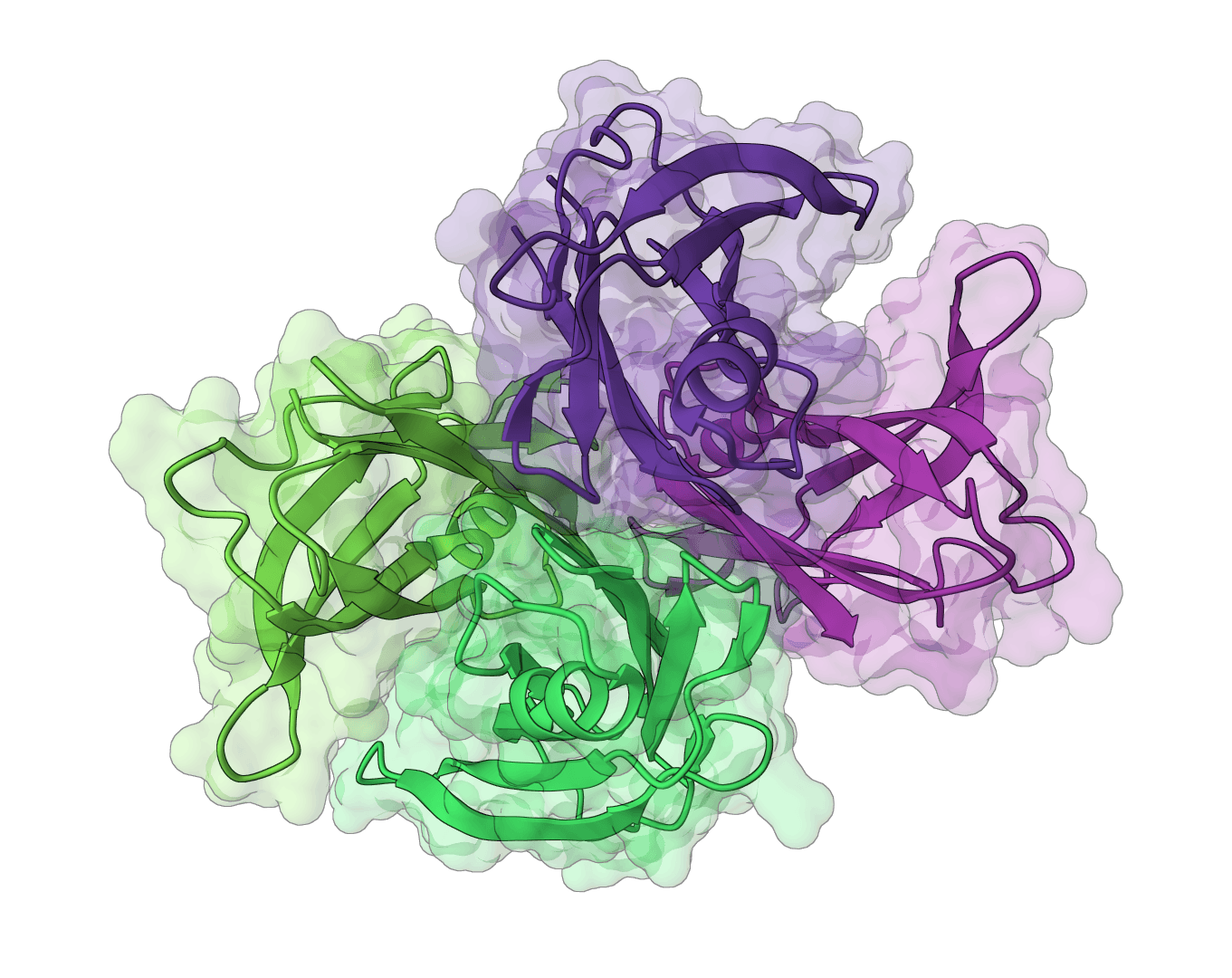
Analyze immunoglobulin (antibody) and T cell receptor variable domain sequences. Identifies V/D/J gene segments, delineates CDR regions, and analyzes rearrangement junctions.
sequence-analysisdatabase-search+5
IgDesign
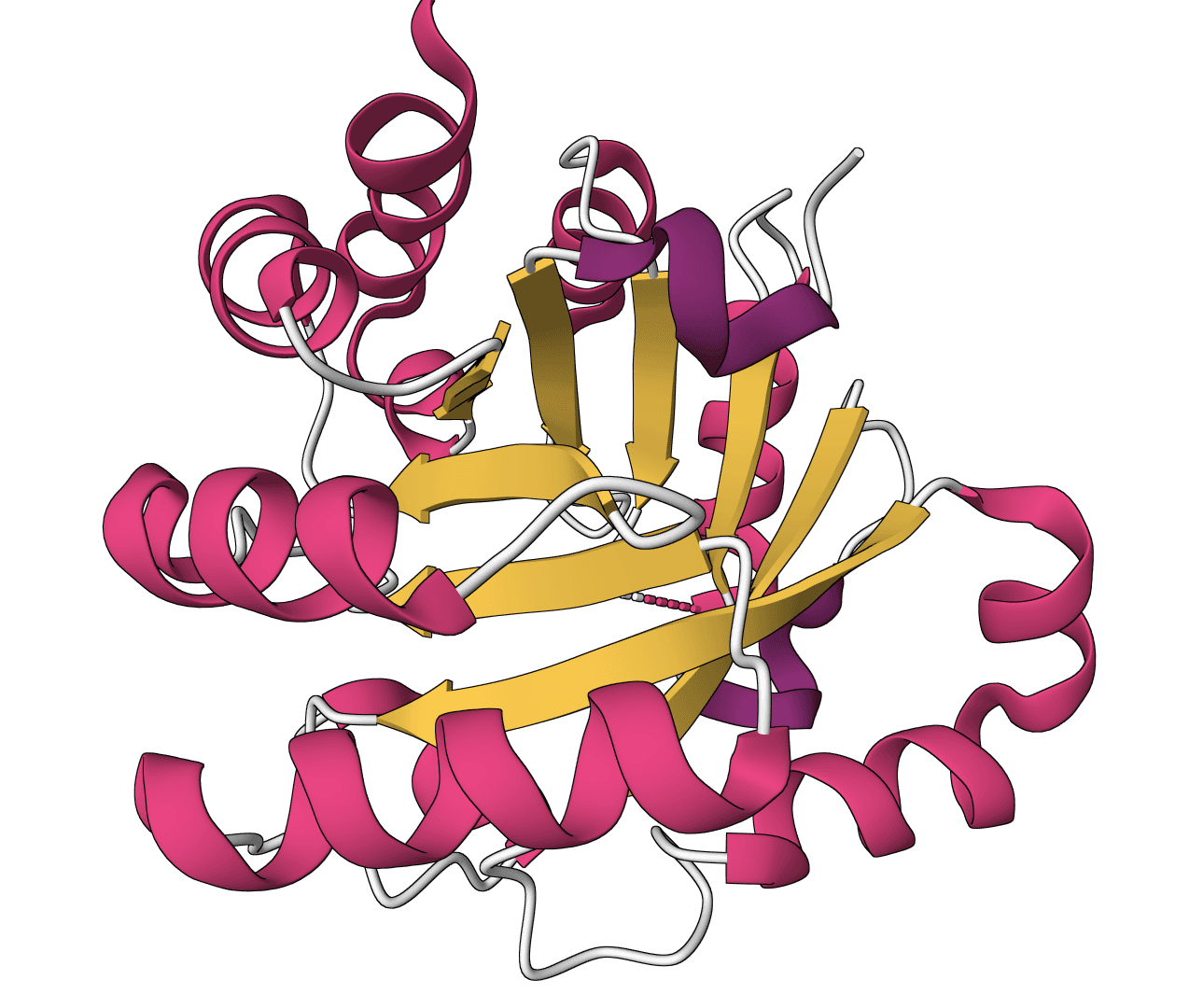
Design antibody CDR sequences via inverse folding. Generates complementarity-determining region (CDR) sequences for antibodies targeting therapeutic antigens using deep learning. Optimizes CDR loops (HCDR1, HCDR2, HCDR3) based on antibody-antigen complex structures.
antibody-designsequence-design+6
IgGM
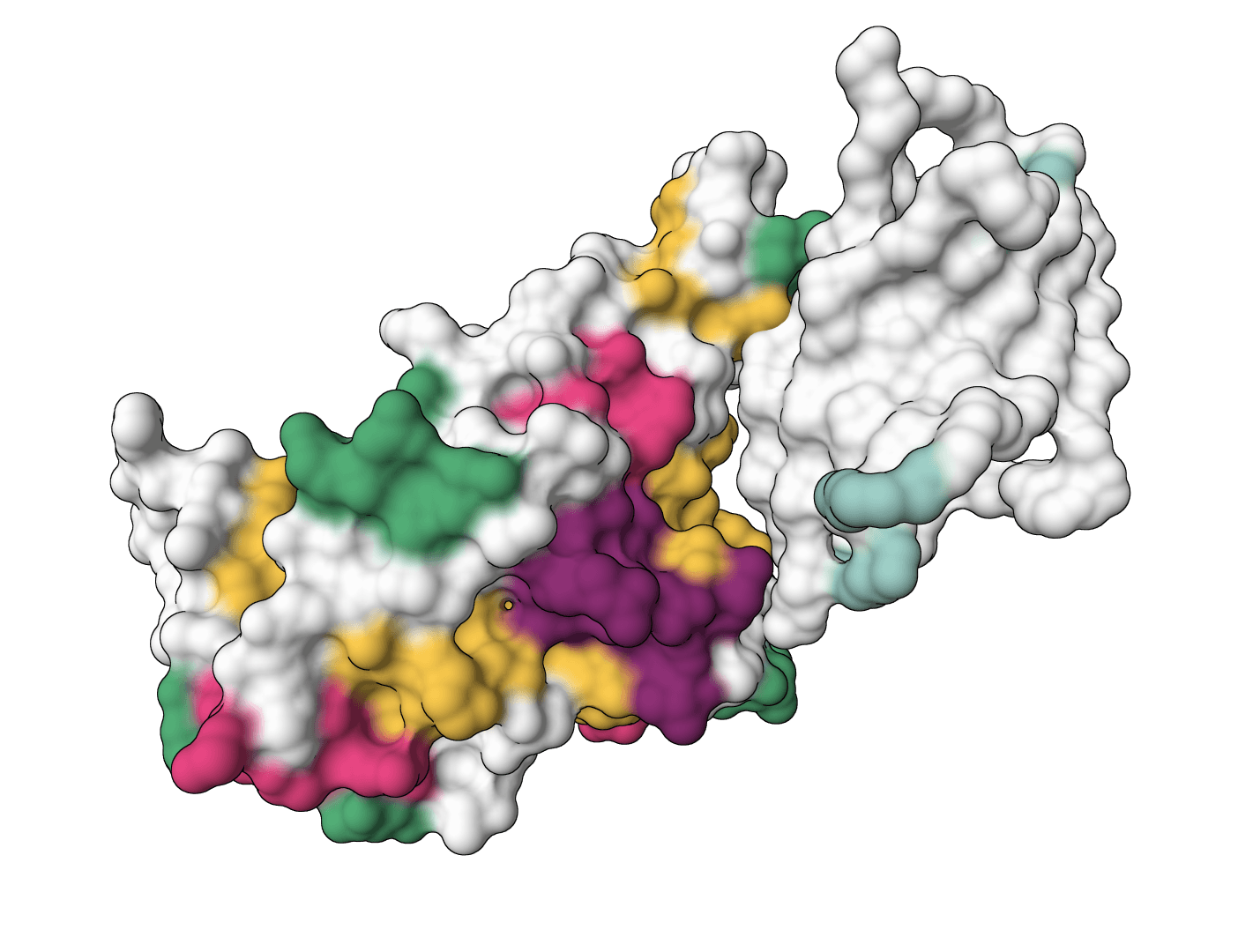
IgGM is a generative foundation model for antibody and nanobody design against a target antigen. Supports CDR design, affinity maturation, inverse design, and framework design. Requires an antigen structure (PDB) and antibody sequences with "X" marking positions to design.
protein-designantibody-design+7
ImmuneBuilder
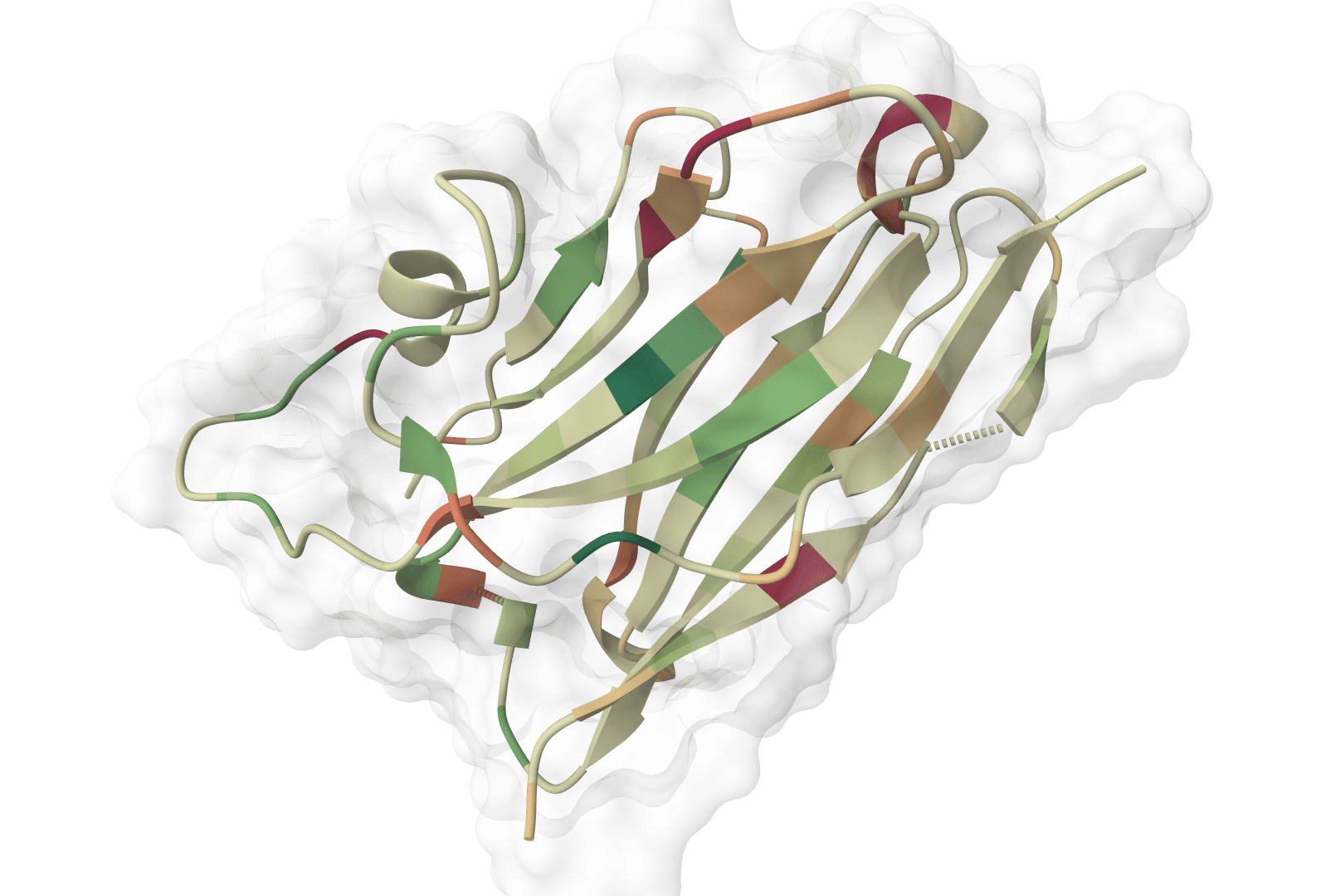
ImmuneBuilder predicts 3D structures of immune receptor proteins including antibodies, nanobodies, and T-cell receptors. It uses ABodyBuilder2, NanoBodyBuilder2, and TCRBuilder2/TCRBuilder2+ to generate structures with per-residue error estimates and optional ensemble artifacts.
protein-foldingstructure-prediction+3
InChI to SMILES
Convert InChI strings into SMILES with batch support and downloadable outputs.
format-conversionsmall-molecule+2
Instability Index
Calculate the instability index of protein sequences. Values above 40 indicate an unstable protein with a short half-life in vitro.
protein-analysisphysicochemical-properties+1
IntelliFold 2
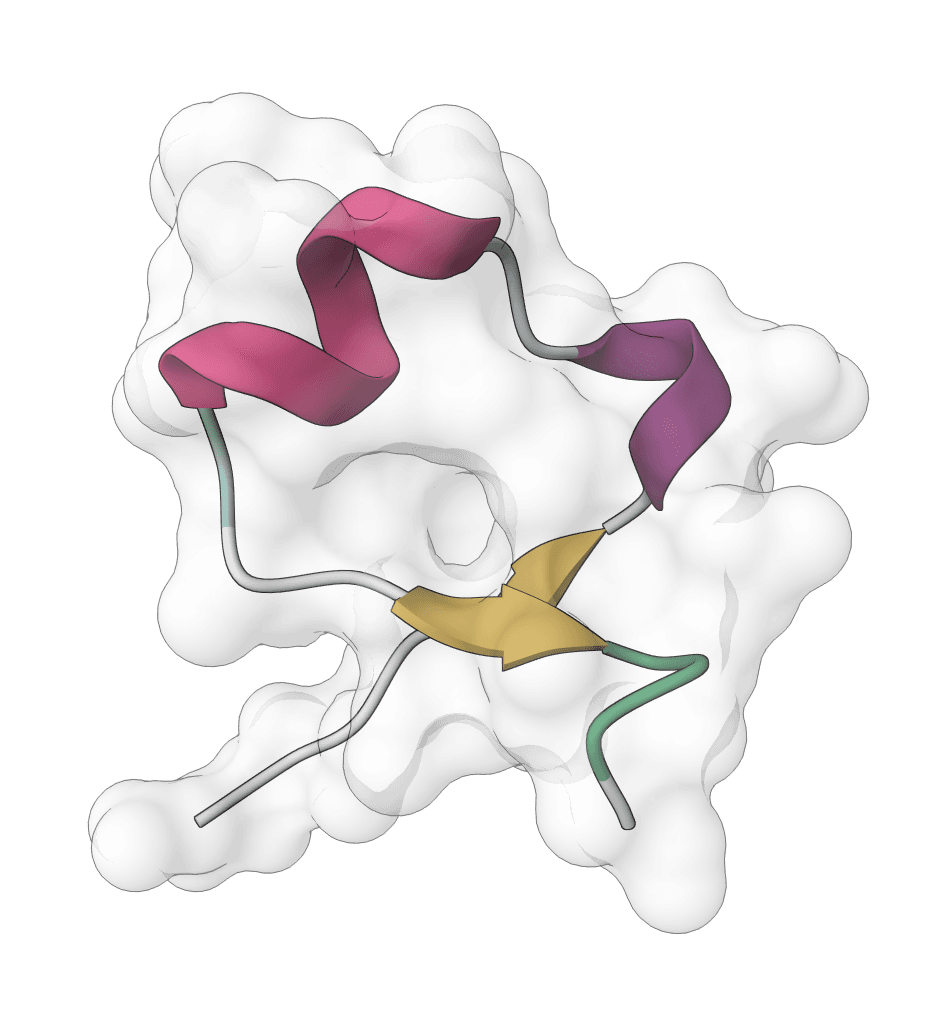
Controllable biomolecular structure prediction model for proteins, ligands, DNA, RNA, and multi-component complexes. IntelliFold 2 supports fast v2-Flash inference, optional MSA generation, and ranked confidence outputs.
protein-foldingai-powered+5
IPC 2.0 (isoelectric point calculator)
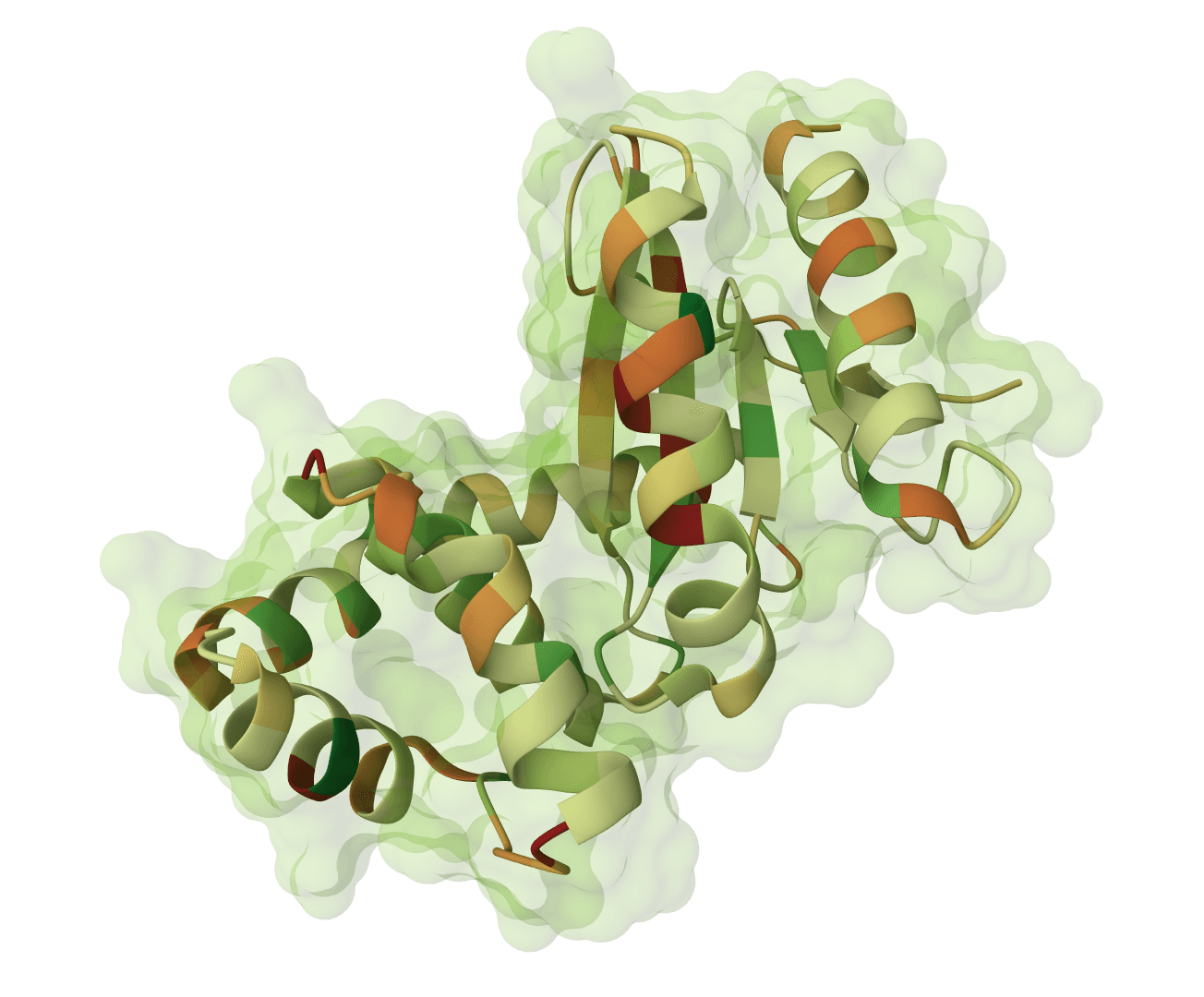
Isoelectric Point Calculator 2.0 - Predict protein/peptide isoelectric point (pI) using 18+ validated pKa scales, SVR models, and deep learning. Supports proteins, peptides, and comprehensive analysis.
sequence-analysisphysicochemical-properties+2
IPSAE
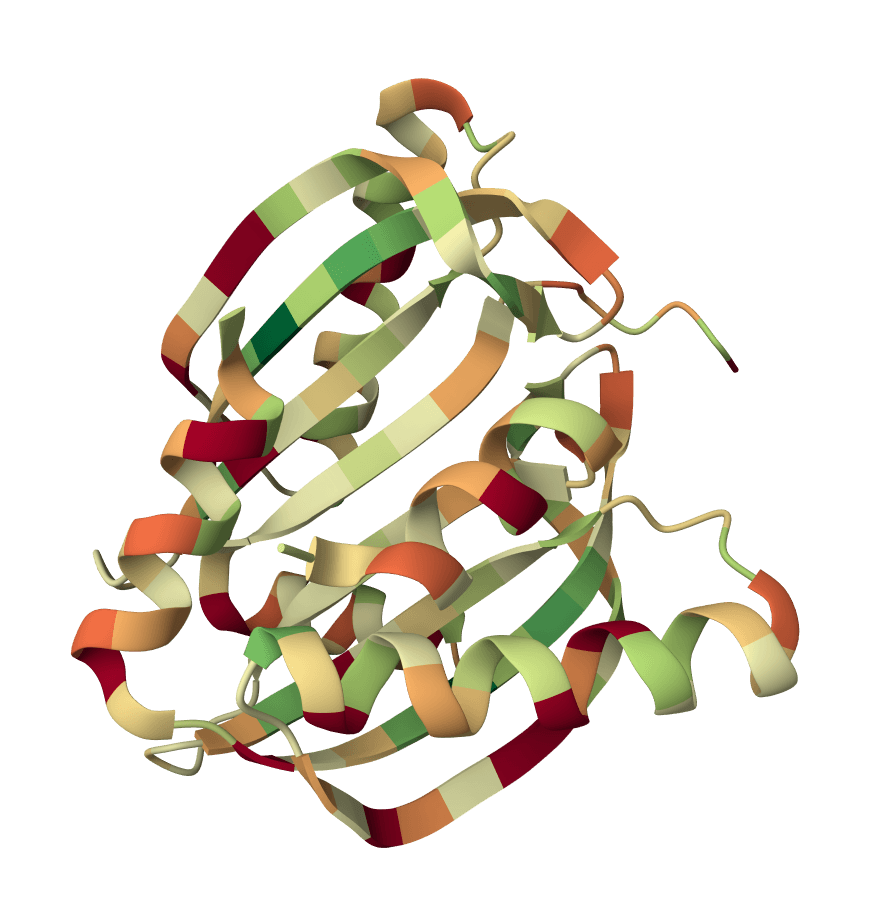
Scoring function for interprotein interactions in AlphaFold2, AlphaFold3 and Boltz predictions. Calculates ipSAE, ipTM, pDockQ, pDockQ2, and LIS scores to assess protein-protein interface quality.
structure-analysisquality-validation+2
IQ-TREE
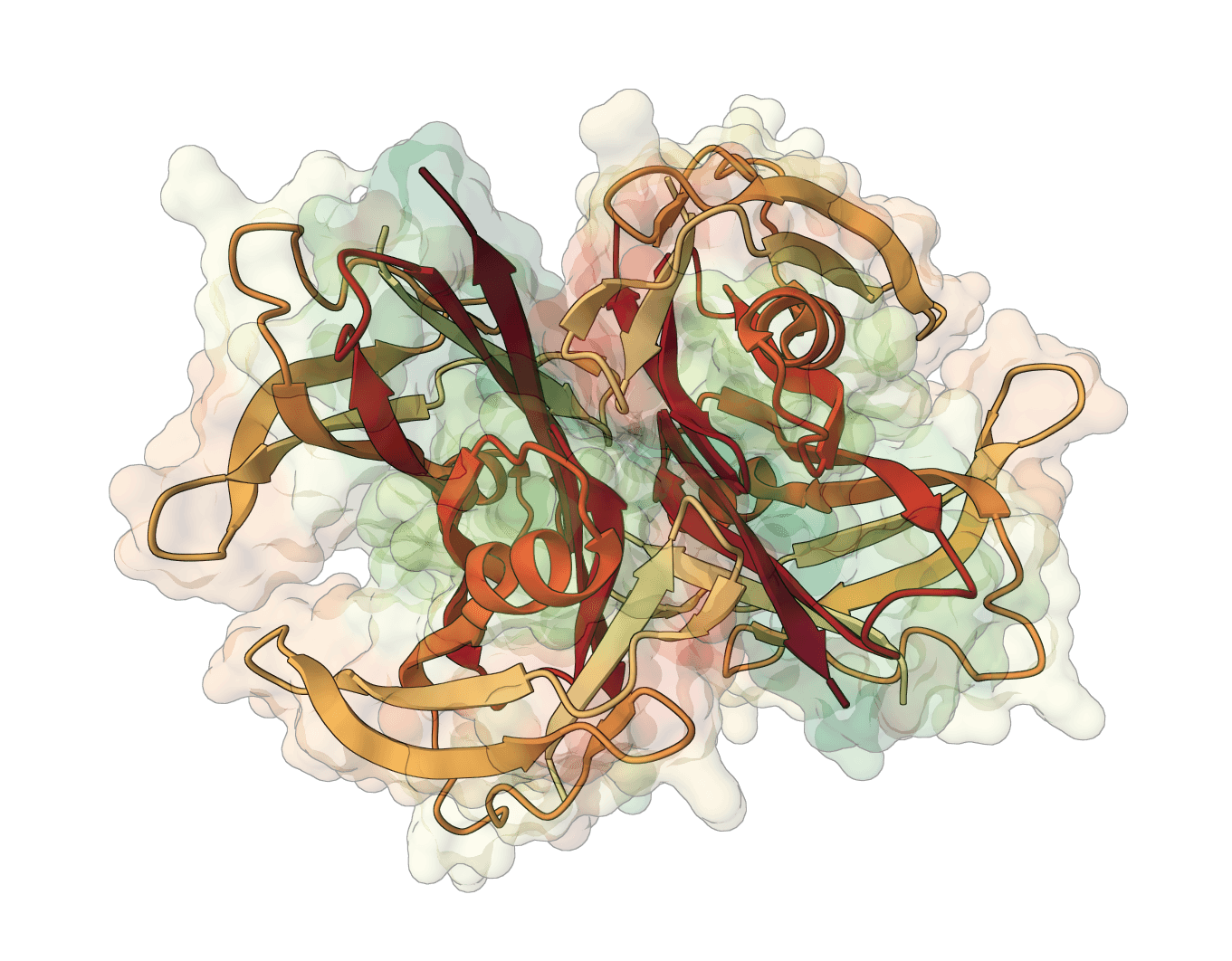
Build phylogenetic trees using maximum likelihood with automatic model selection (ModelFinder) and ultrafast bootstrap support.
sequence-analysisalignment+3
Lead-likeness filter
Screen for lead-like compounds using stricter molecular descriptor criteria than Lipinski or Veber rules for early-stage drug discovery
protein-analysisproperty-prediction+3
Ligand fixer
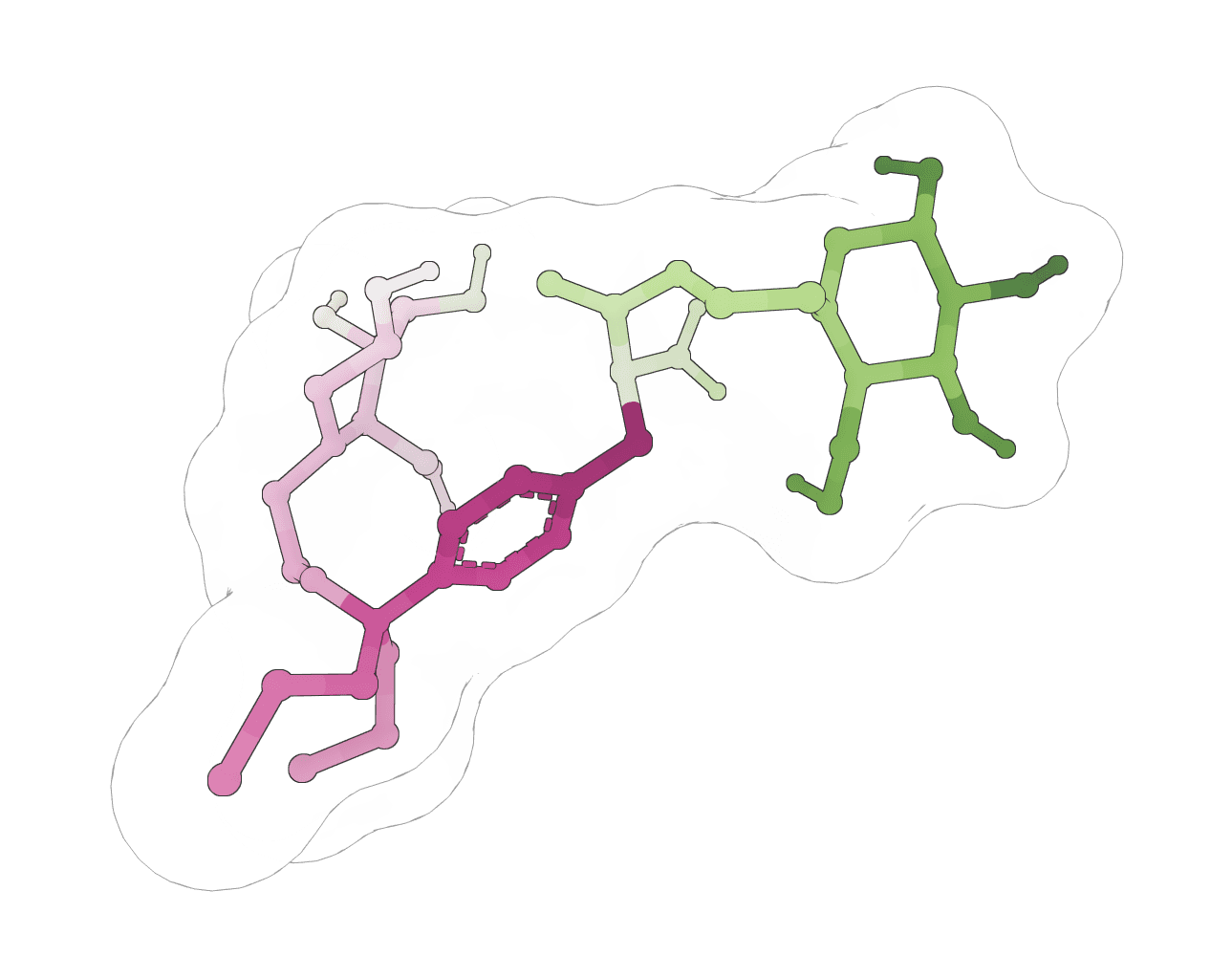
Fix ligand files that fail RDKit, Meeko, or docking preparation. Repair SDF, MOL, and MOL2 inputs, apply safe chemistry cleanup, and export docking-ready SDF files.
structure-analysisquality-validation+3
LigandMPNN
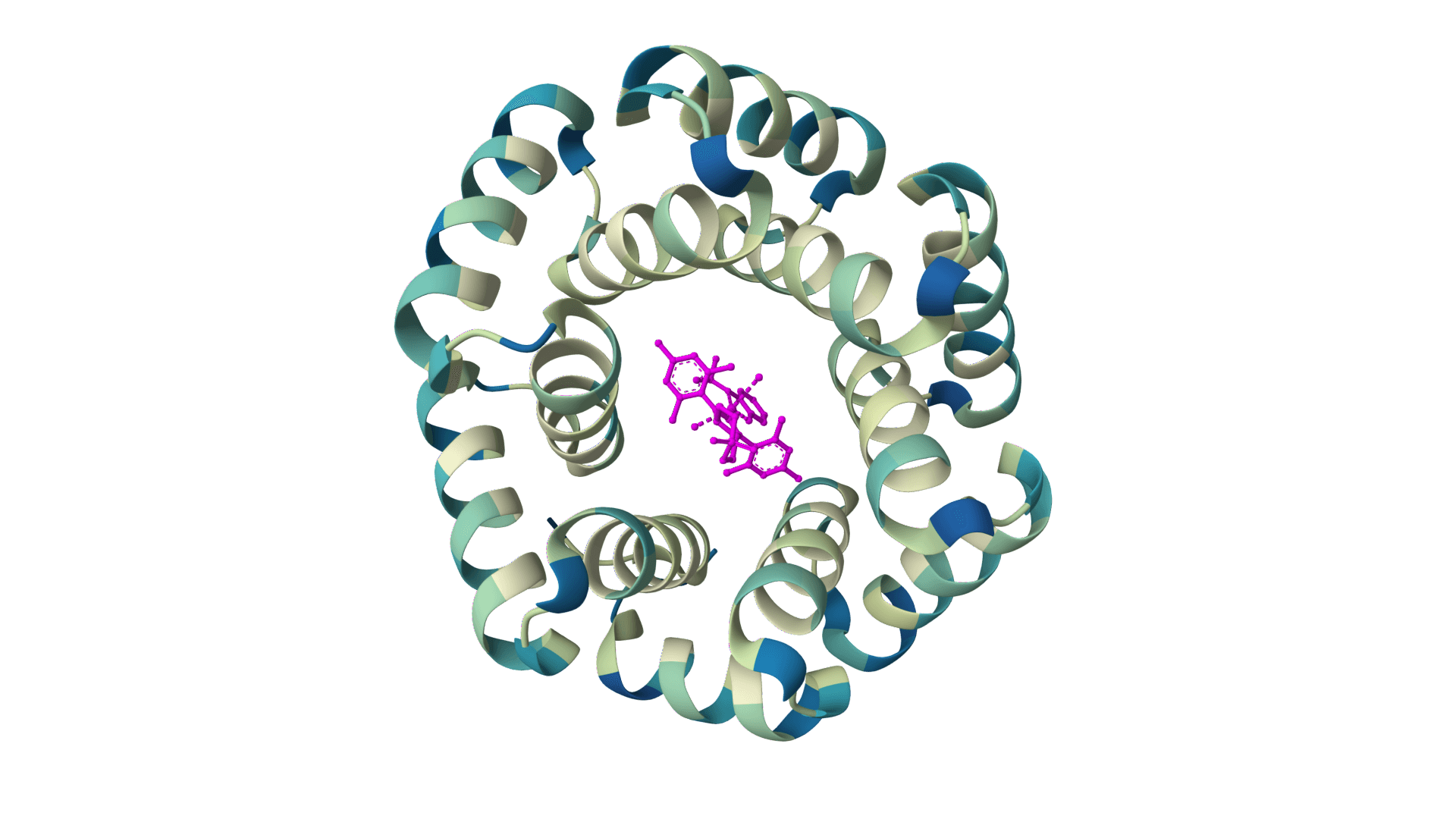
Design protein sequences with atomic context from ligands, metals, and nucleotides. Achieves 63.3% sequence recovery at binding sites, significantly outperforming ProteinMPNN (50.5%).
sequence-designenzyme-design+4
LightDock
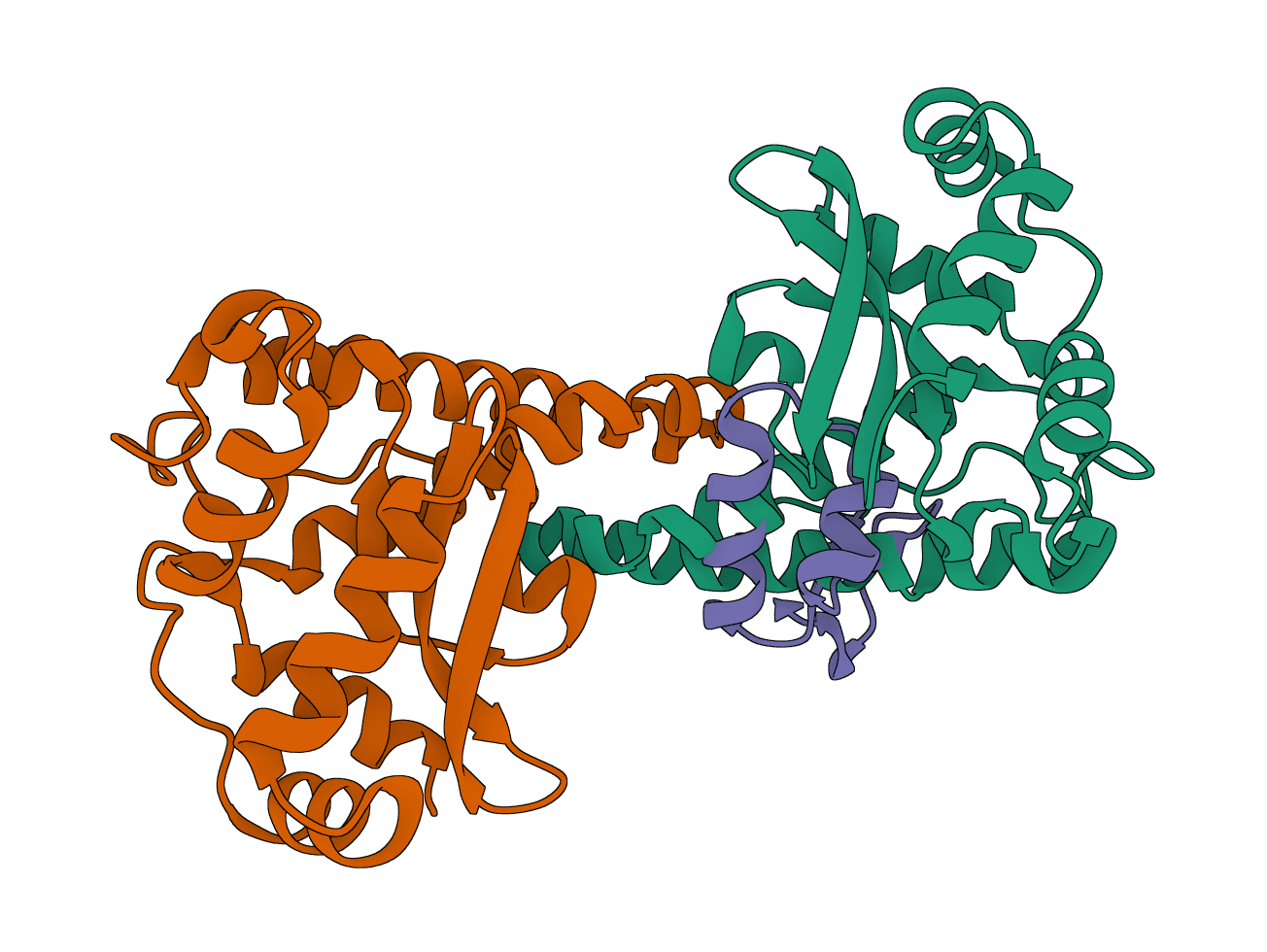
LightDock is a protein-protein, protein-peptide, and protein-DNA docking framework using Glowworm Swarm Optimization (GSO). It predicts macromolecular binding modes and interfaces for biological complexes.
protein-dockinginteraction-prediction+4
Lipinski's rule of 5
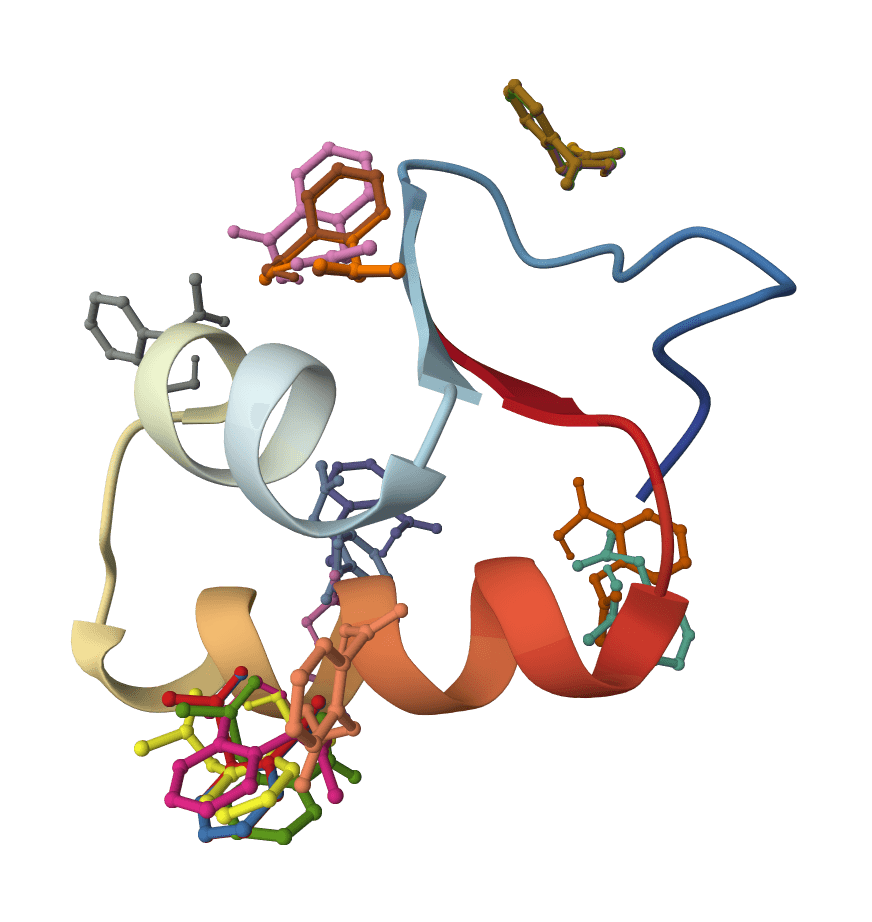
Lipinski's Rule of Five predicts whether compounds will be orally bioavailable by evaluating molecular weight, LogP, hydrogen bond donors, and acceptors.
structure-analysisproperty-prediction+3
LMI4Boltz
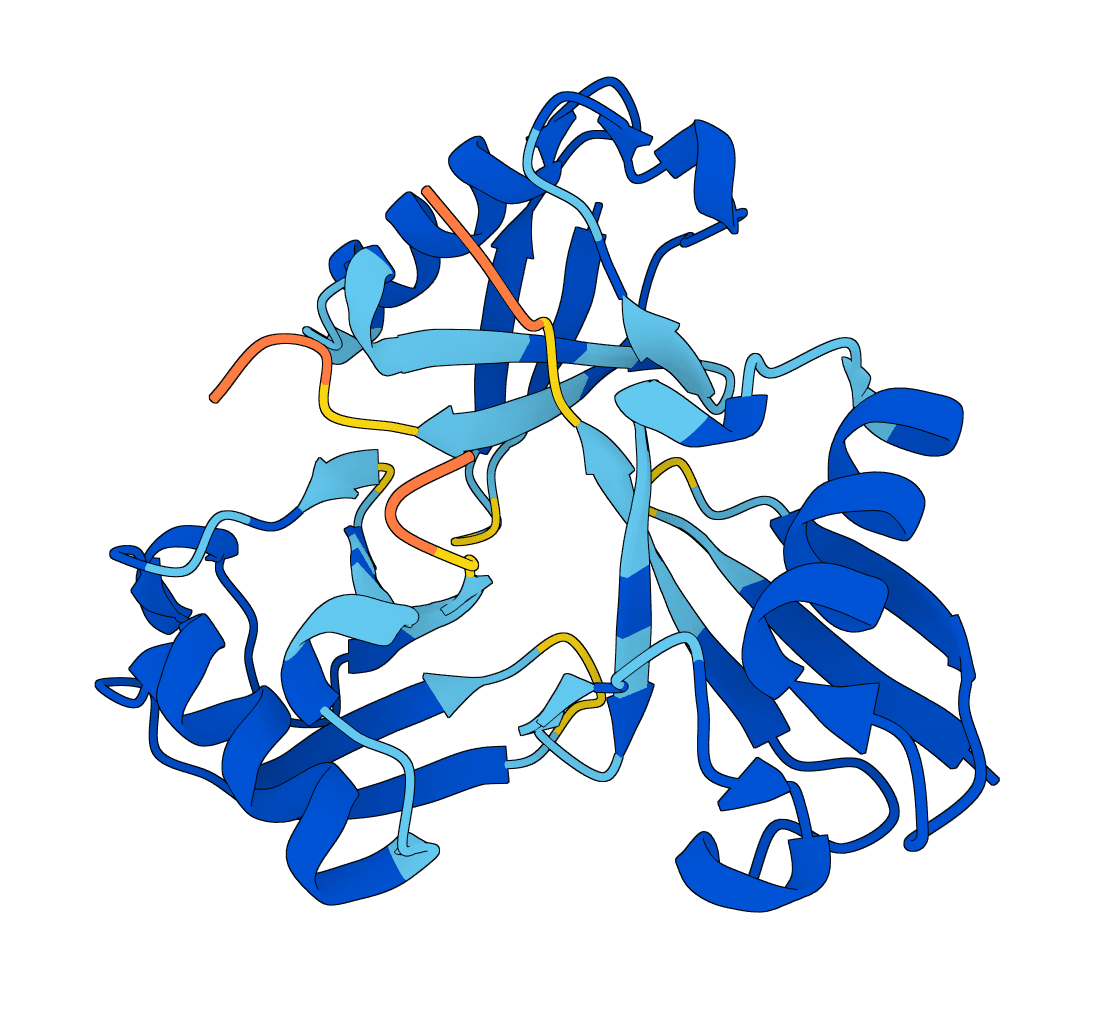
LMI4Boltz is a low-memory fork of Boltz for biomolecular structure and binding affinity prediction. It preserves Boltz inference behavior while reducing VRAM use with in-place pair updates, CPU offload, reduced precision pair representation, and aggressive chunking.
protein-foldingstructure-prediction+5
MAFFT
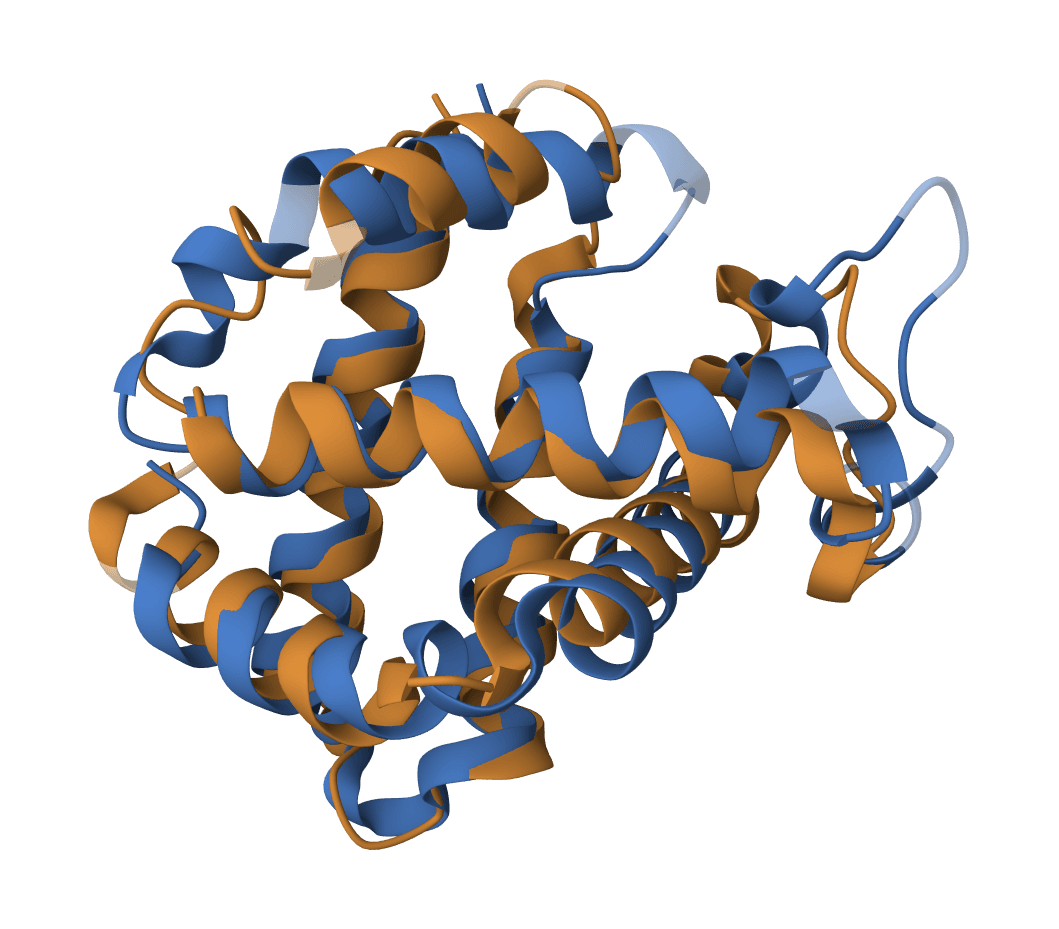
Perform multiple sequence alignment using MAFFT (Multiple Alignment using Fast Fourier Transform). Supports multiple algorithms from fast progressive to highly accurate iterative methods.
sequence-analysisalignment+5
mBER
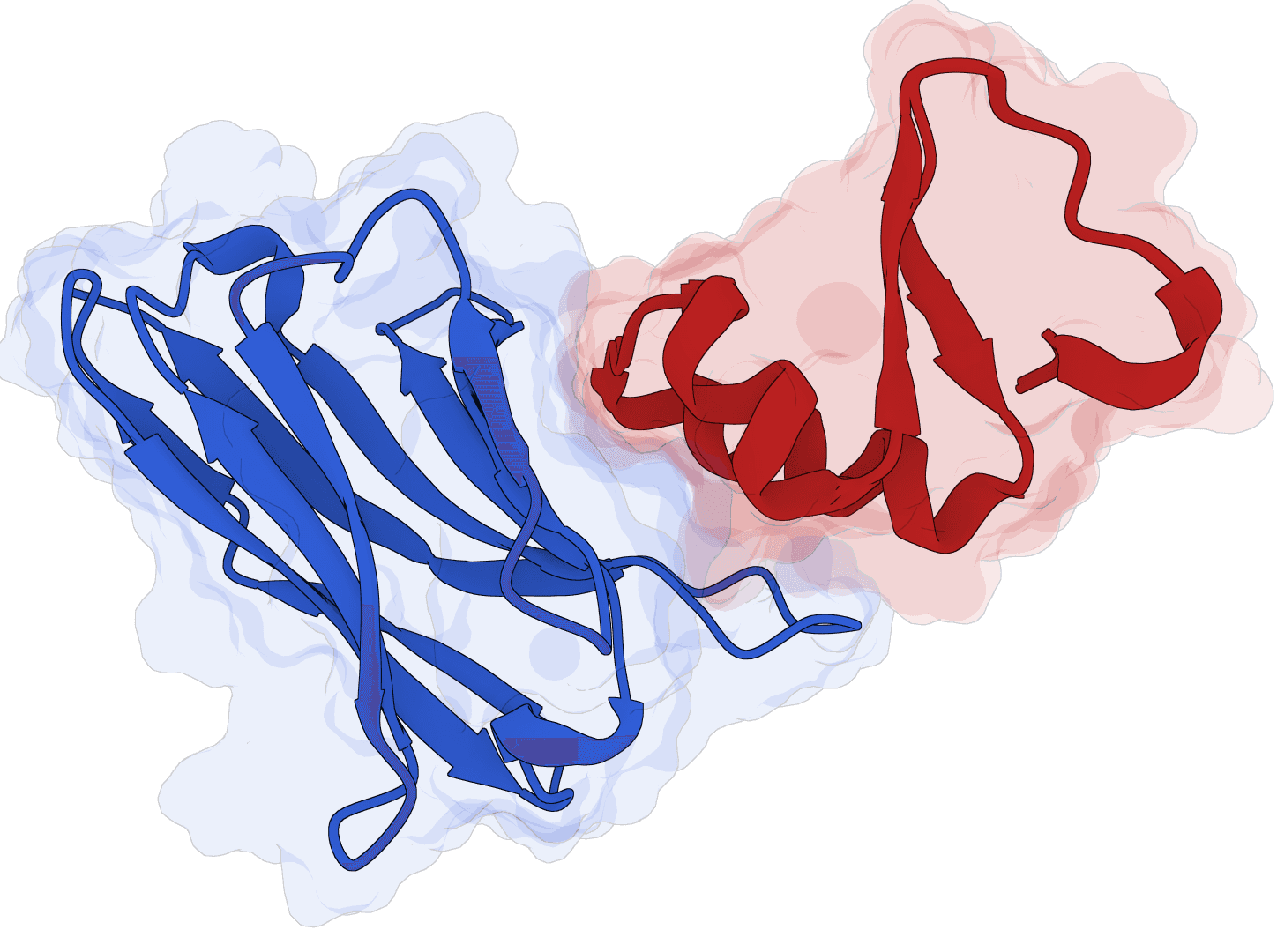
Design VHH nanobody binders using AlphaFold-Multimer with structure templates and sequence conditioning. mBER (Manifold Binder Engineering and Refinement) generates novel VHH antibody sequences that bind to user-specified target proteins.
binder-designai-powered+5
MD Trajectory Analysis
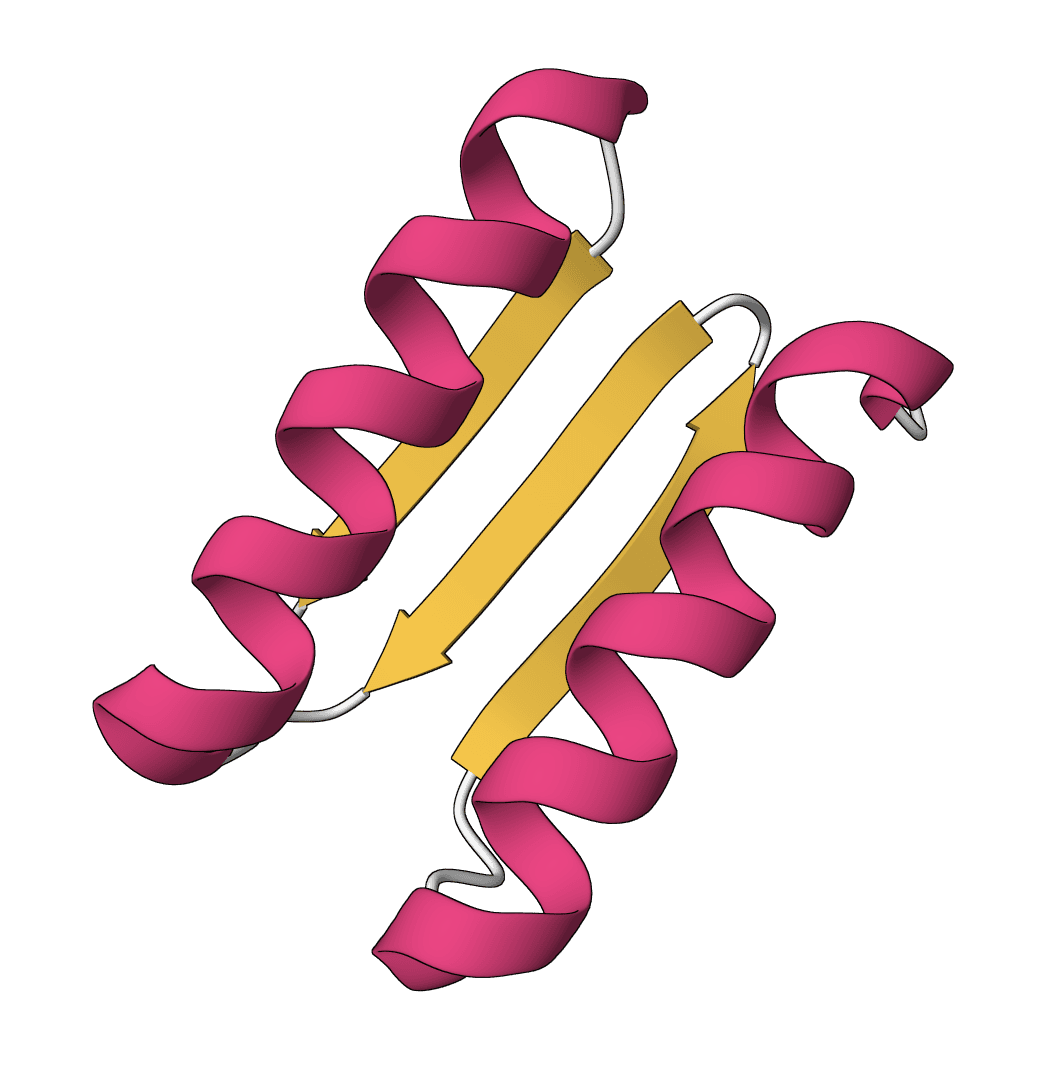
Analyze molecular dynamics trajectories using a ProteinIQ wrapper pinned to MDAnalysis 2.9.0. Calculate RMSD, residue-aggregated RMSF, radius of gyration, distance tracking, and additional trajectory observables from standard topology and trajectory files.
protein-analysisstructure-analysis+3
MDGen
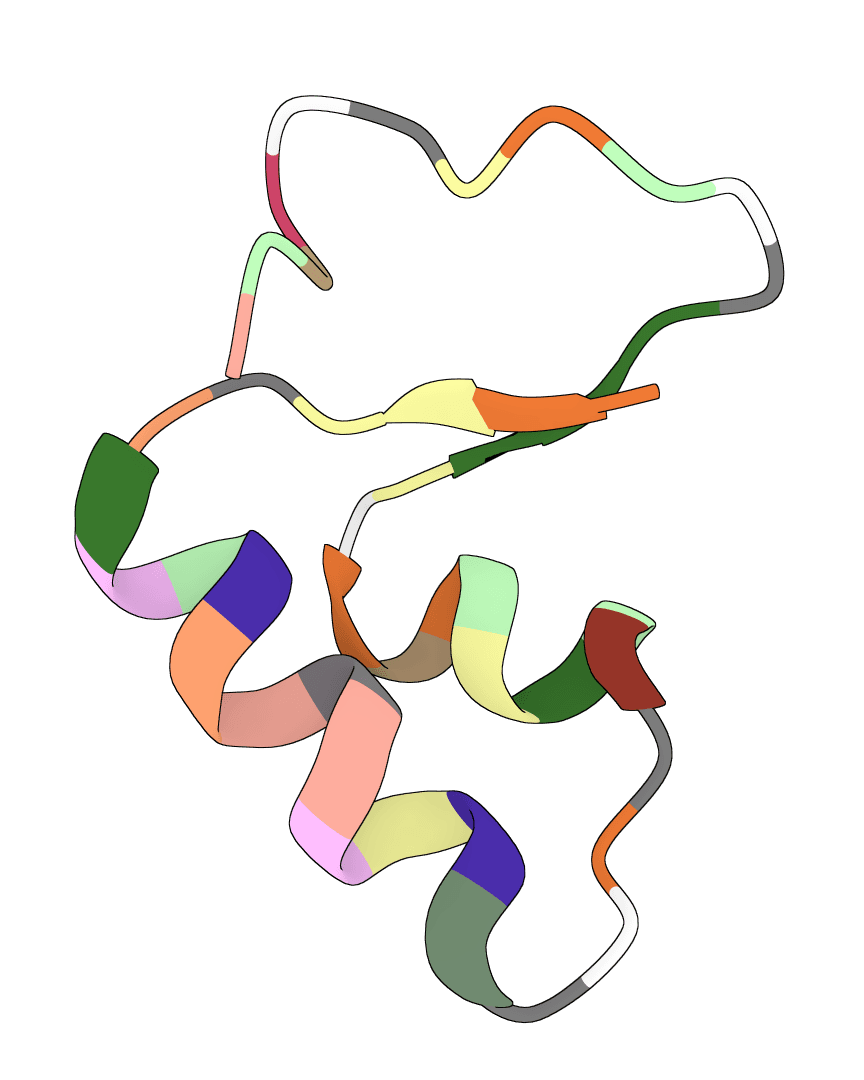
MDGen is a generative AI model for molecular dynamics trajectory generation. Generate physically plausible conformational ensembles from a single protein structure, enabling rapid exploration of protein dynamics without expensive MD simulations.
structure-predictionai-powered+1
MiniFold
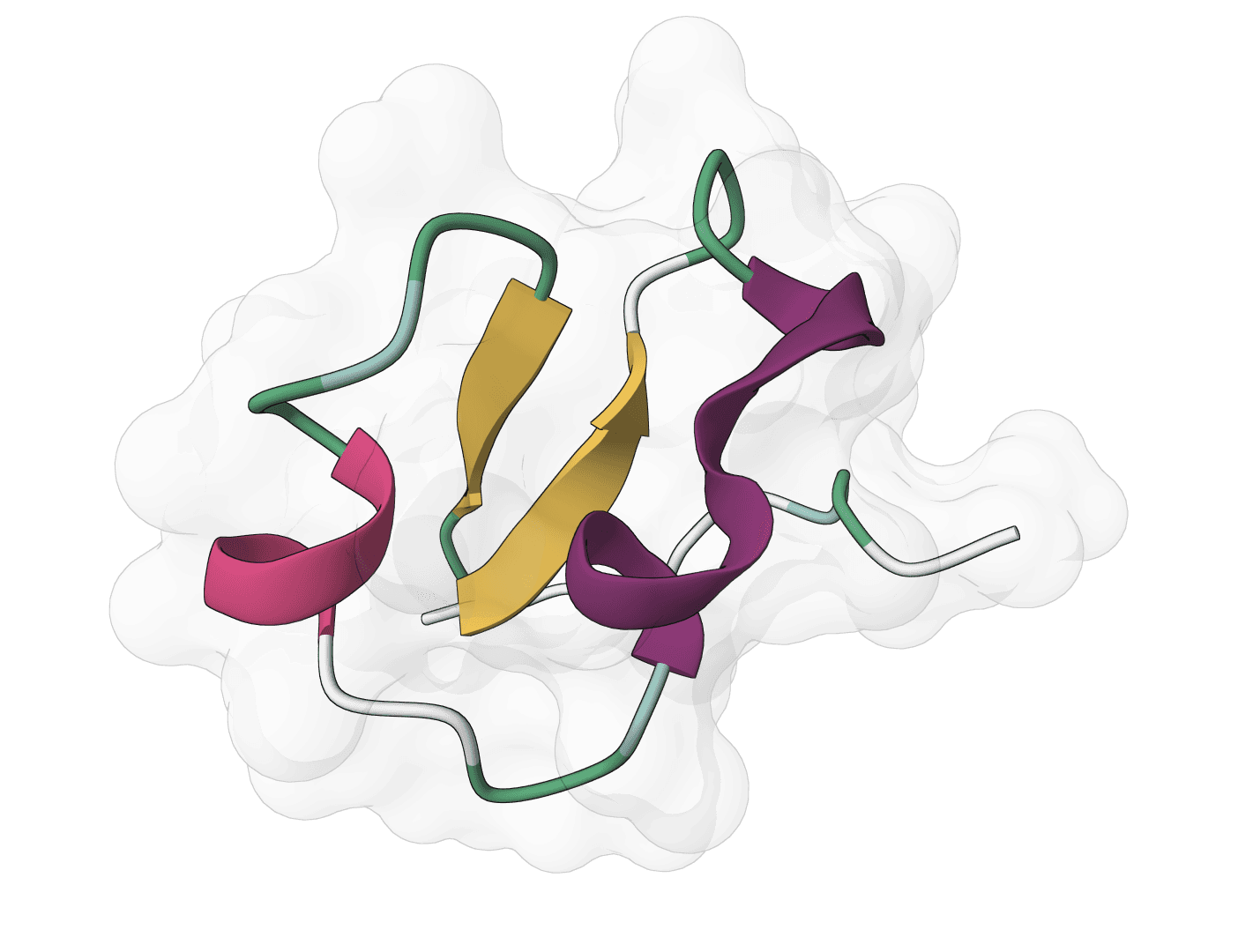
MiniFold is a fast single-sequence protein structure predictor that is 10-20x faster than ESMFold. It predicts 3D protein structures directly from amino acid sequences without requiring multiple sequence alignments (MSA), making it ideal for rapid structure prediction.
protein-foldingstructure-prediction+2
MMseqs2
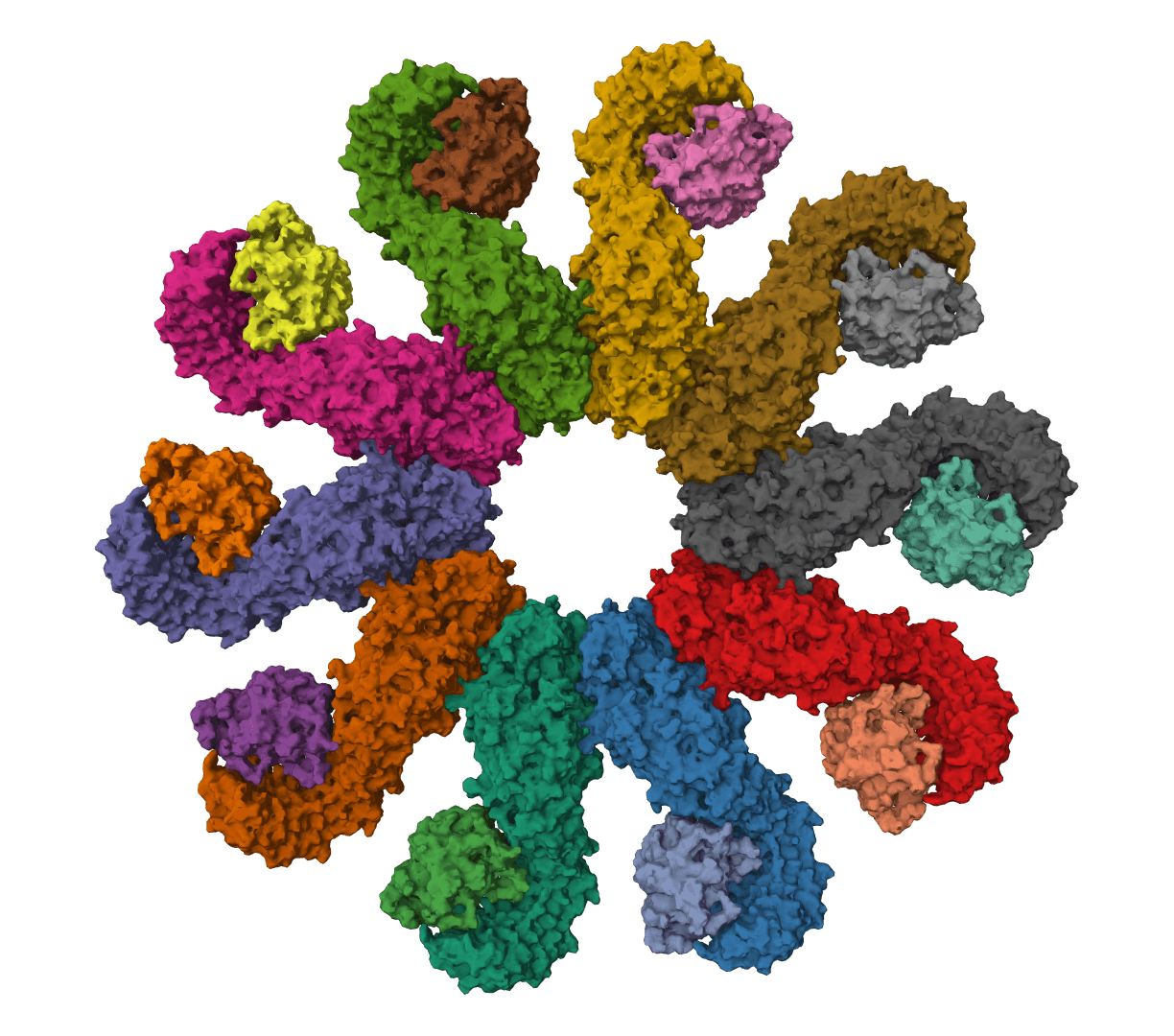
Ultra-fast sequence search and clustering. 10,000x faster than BLAST for database searches, with powerful sequence clustering capabilities for proteins and nucleotides.
sequence-analysiscomparison+4
MOL2 to SMILES
Convert MOL2 ligand files into SMILES strings for registration, filtering, and downstream analysis.
format-conversionsmall-molecule+3
Molecular descriptors
Compute 200+ RDKit molecular descriptors, drug-likeness rule violations, and structural fingerprints for QSAR, virtual screening, and ML workflows
protein-analysisproperty-prediction+3
MolProbity
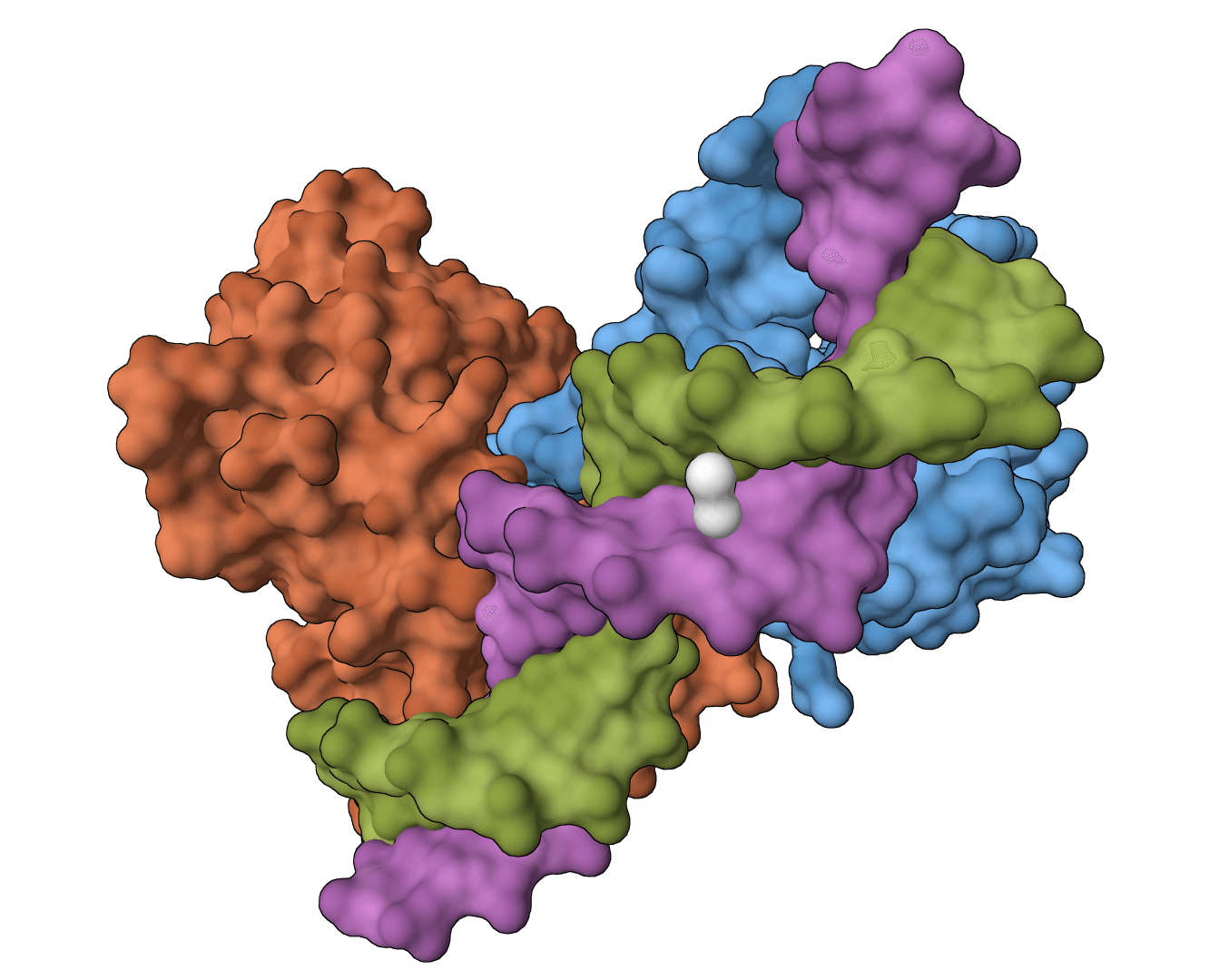
Validate protein structure quality with all-atom contact analysis, Ramachandran plots, rotamer assessment, and geometry checks.
structure-analysisquality-validation+3
MSA Viewer
Interactive viewer for multiple sequence alignments with color-coded residues and consensus sequence
sequence-analysisalignment+4
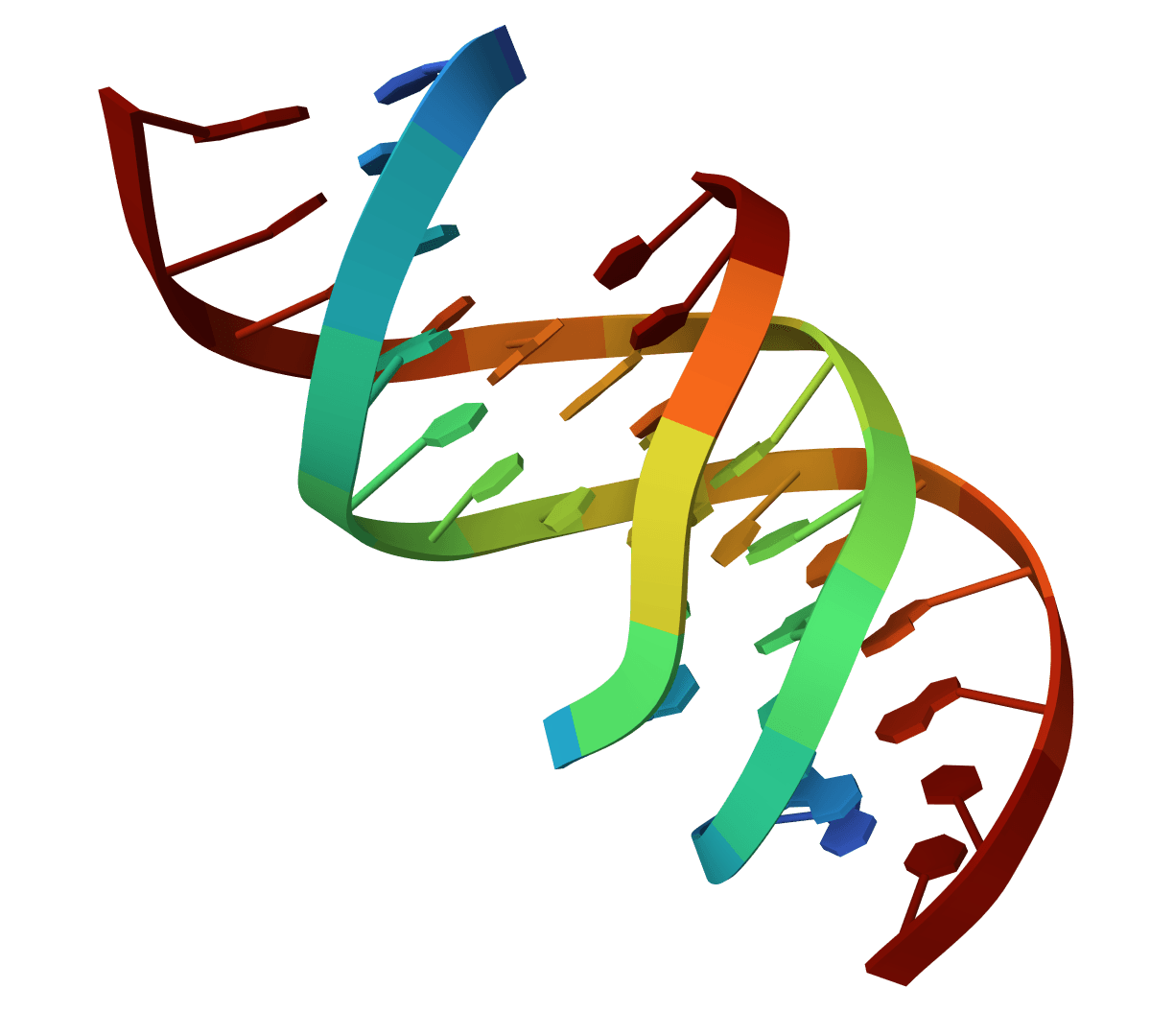
MUMmer4
Rapidly align and compare DNA sequences using MUMmer4 nucmer. Perform pairwise genome comparisons to identify SNPs, indels, and structural variants between reference and query genomes.
sequence-analysisalignment+3
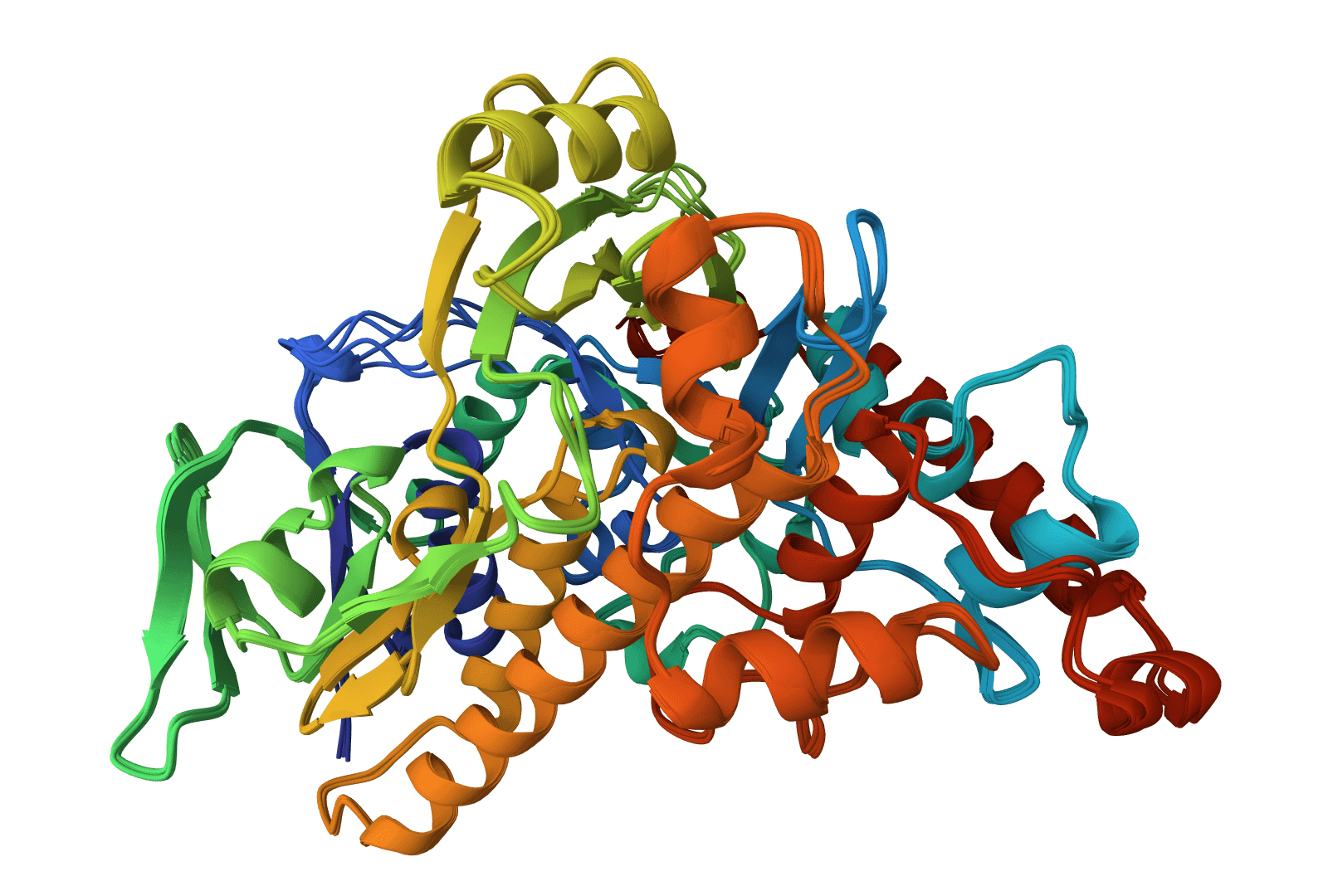
MUSCLE5
Perform multiple sequence alignment using MUSCLE5 (MUltiple Sequence Comparison by Log-Expectation). Uses the PPP algorithm for high-quality alignments with support for ensemble generation.
sequence-analysisalignment+5
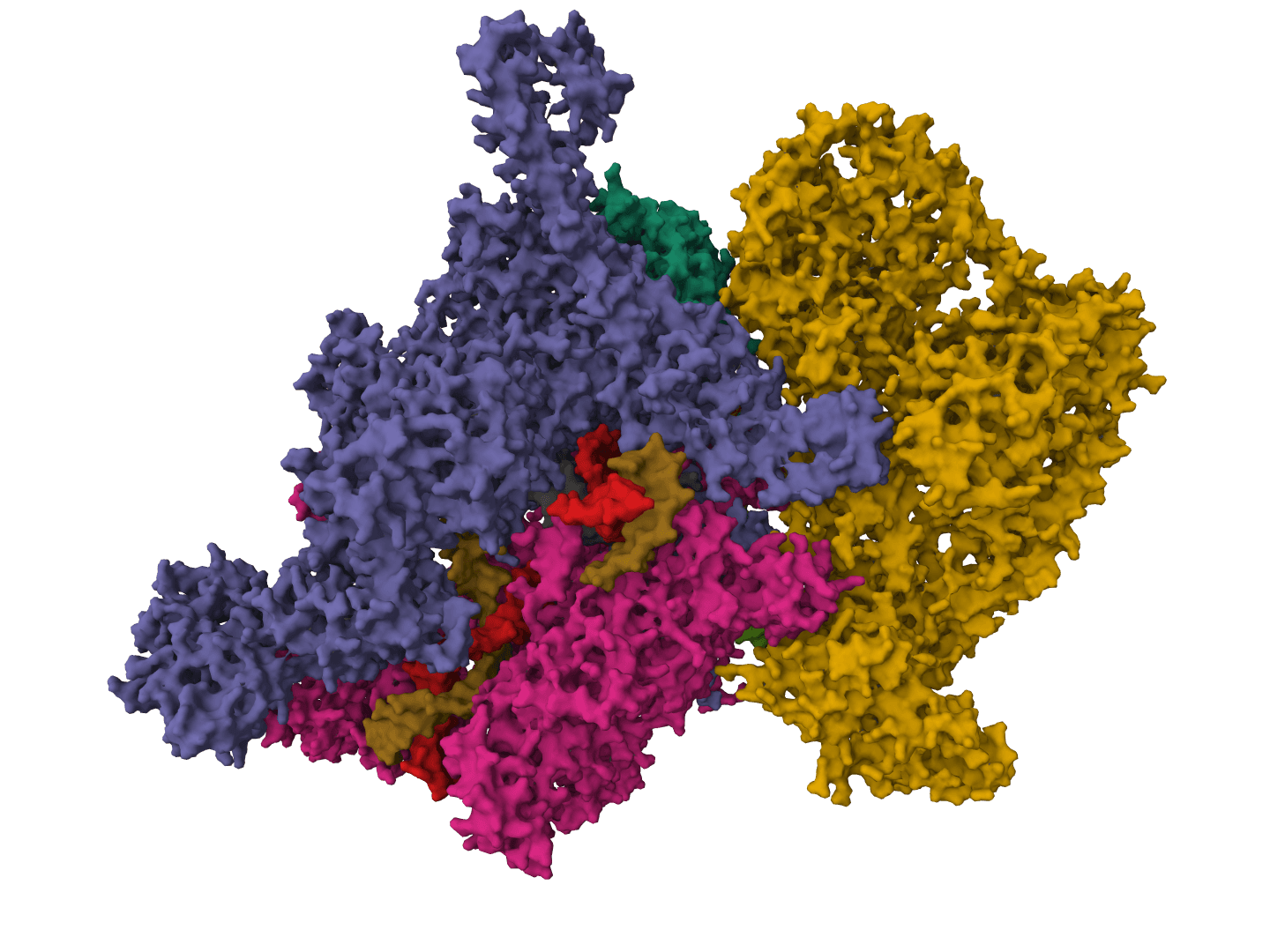
NetSolP-1.0
Predict protein solubility and usability for E. coli expression using ESM protein language models
protein-analysisproperty-prediction+3
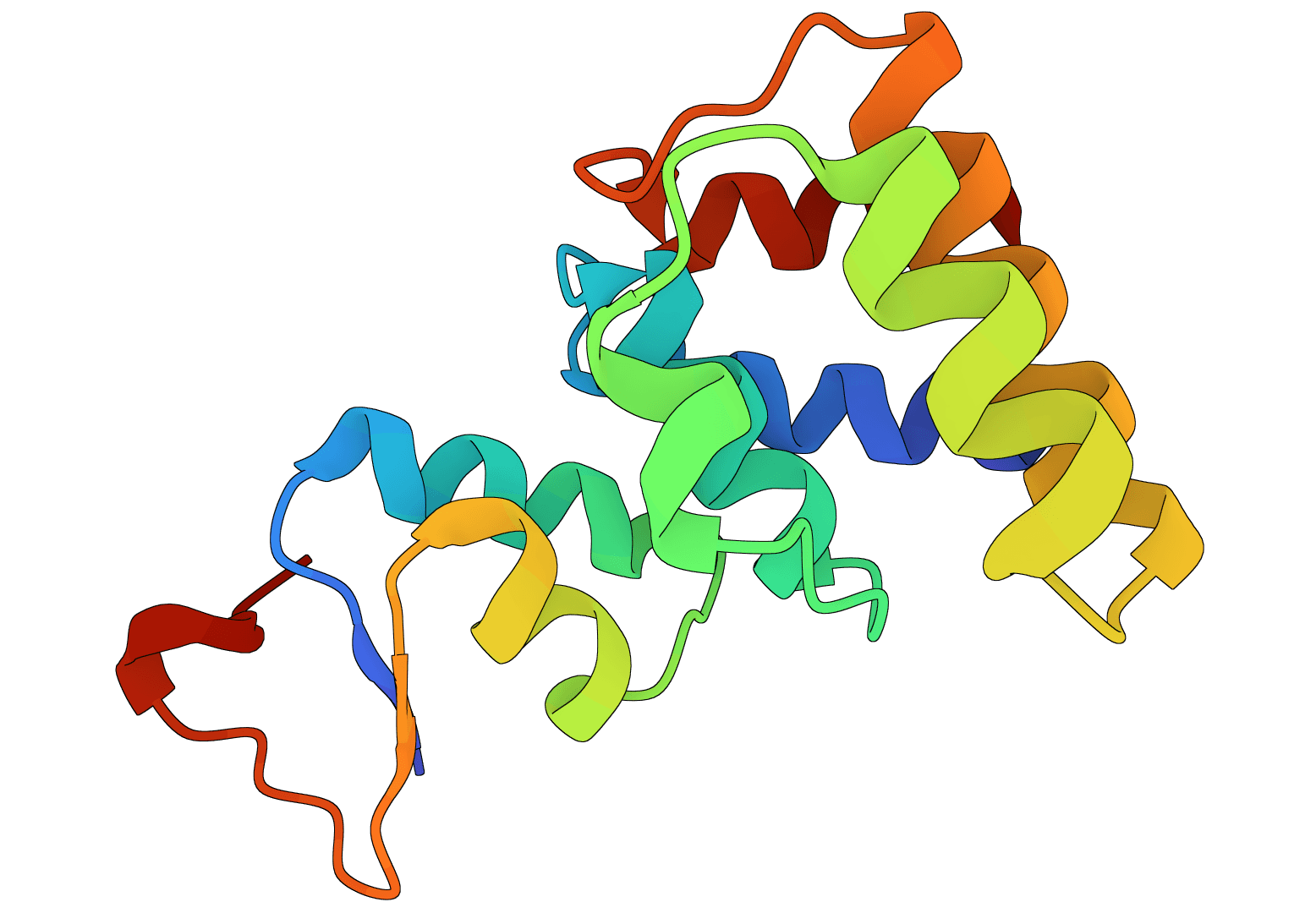
ODesign
All-atom generative AI for designing protein binders. Specify target binding sites and generate diverse binding proteins with fine-grained control over interaction parameters.
protein-designbinder-design+4
One-to-Three Converter
Convert single-letter amino acid codes to three-letter codes
format-conversionprotein
OpenFE
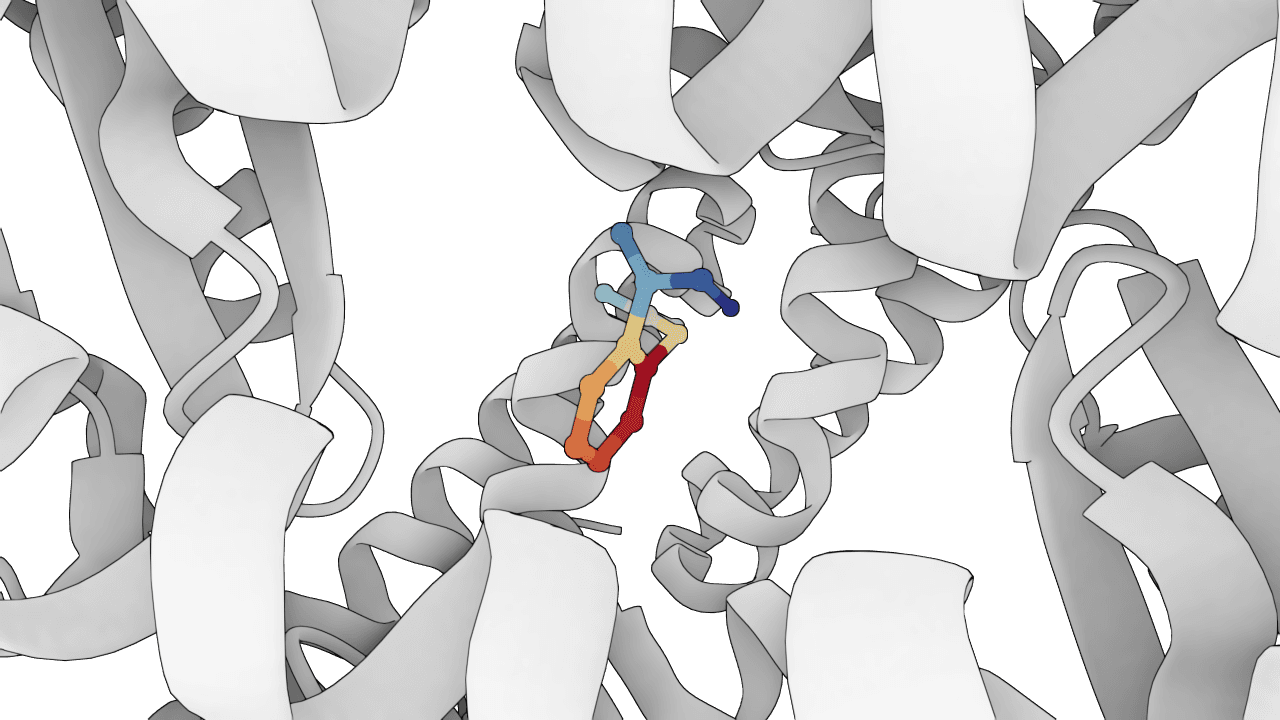
Run alchemical free energy calculations for drug discovery using Open Free Energy. Supports Absolute Hydration Free Energy (AHFE) and Relative Binding Free Energy (RBFE) calculations with GPU-accelerated OpenMM simulations.
protein-analysisphysics-based+4
OpenFold-3
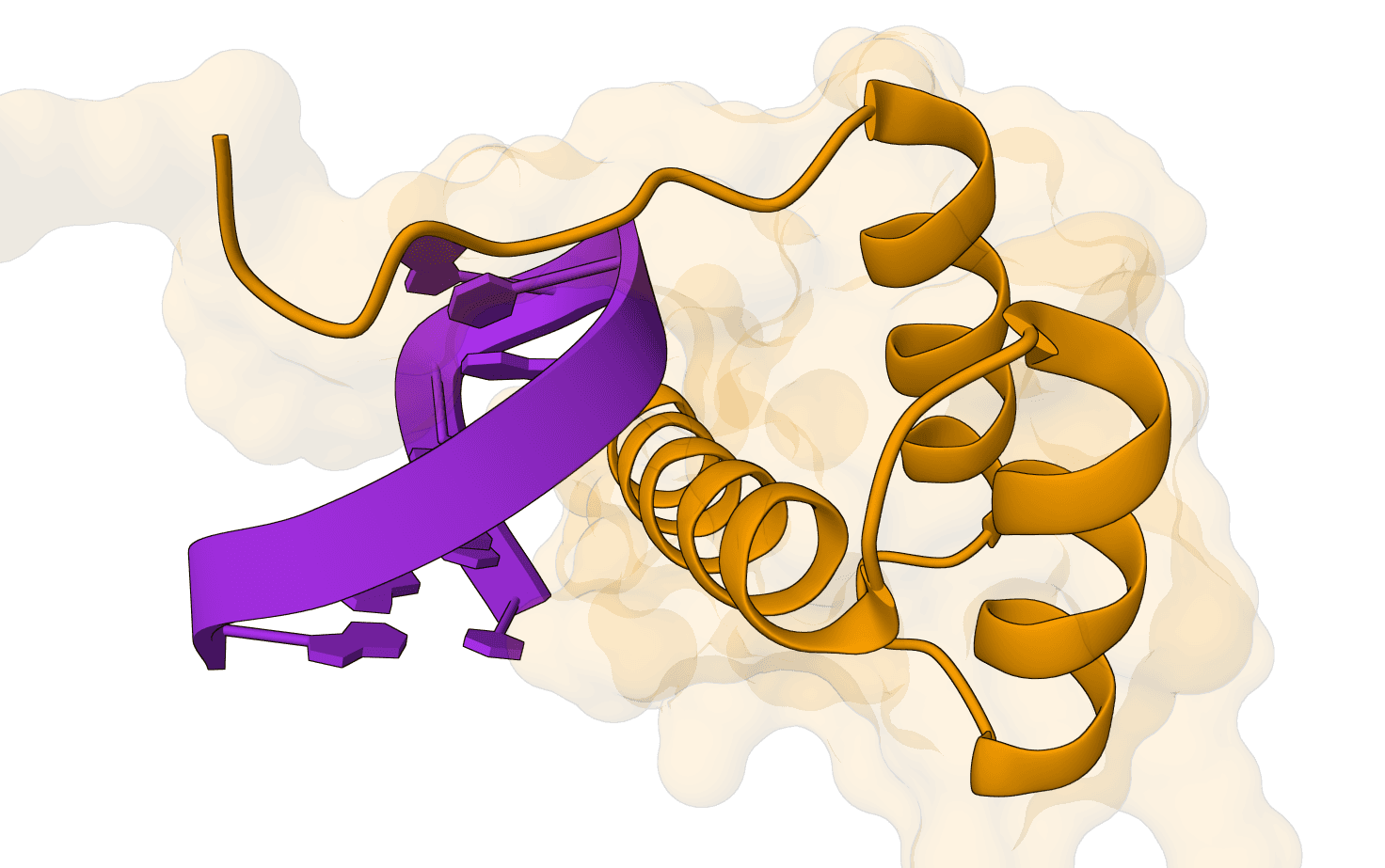
OpenFold-3 is an open-source AI model for biomolecular structure prediction, aiming to reproduce AlphaFold3. Predicts 3D structures for proteins, RNA, DNA, and small molecule ligands with high accuracy.
protein-foldingstructure-prediction+6
OpenMM
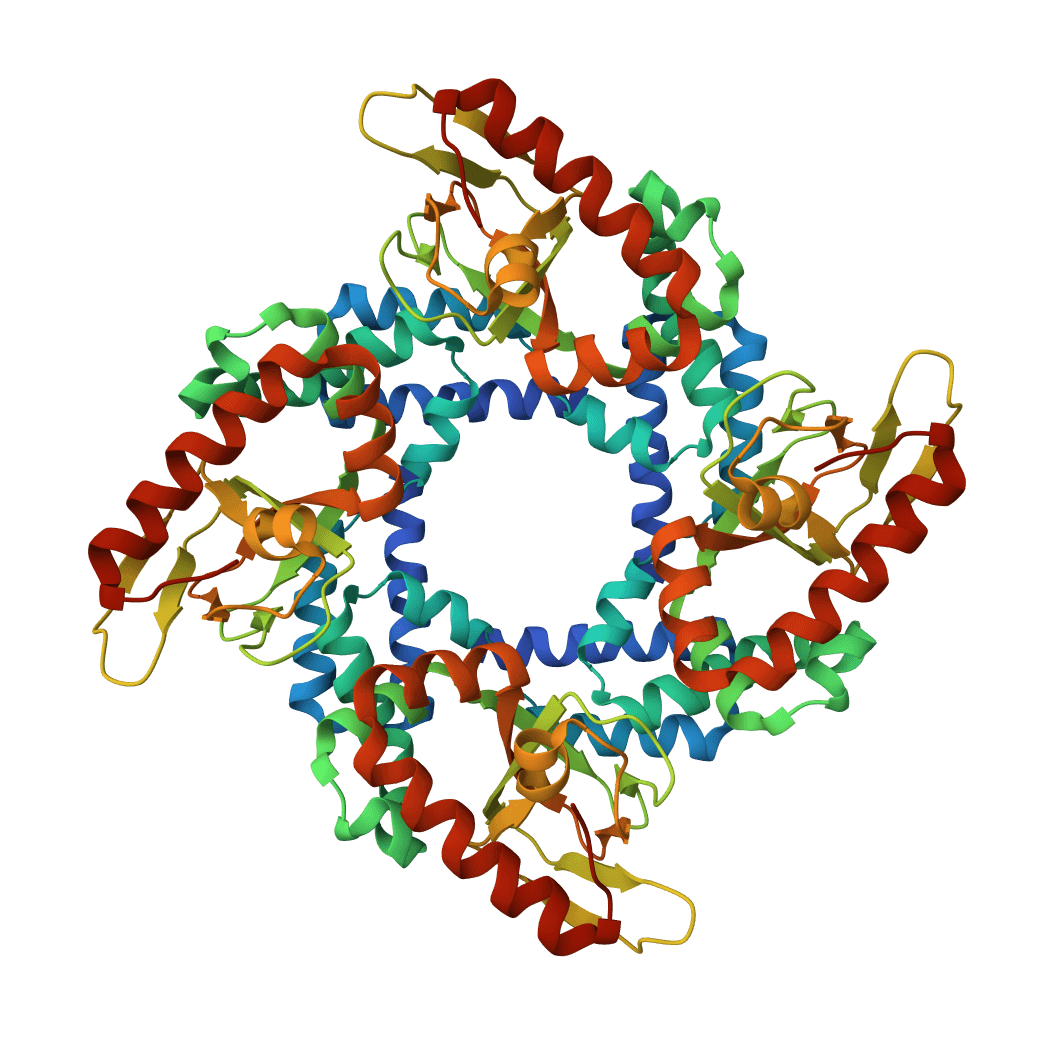
Run GPU-accelerated molecular dynamics simulations using OpenMM. Simulate protein dynamics, study conformational changes, and analyze stability with industry-standard force fields (AMBER, CHARMM).
protein-analysisphysics-based+4
ORB v3
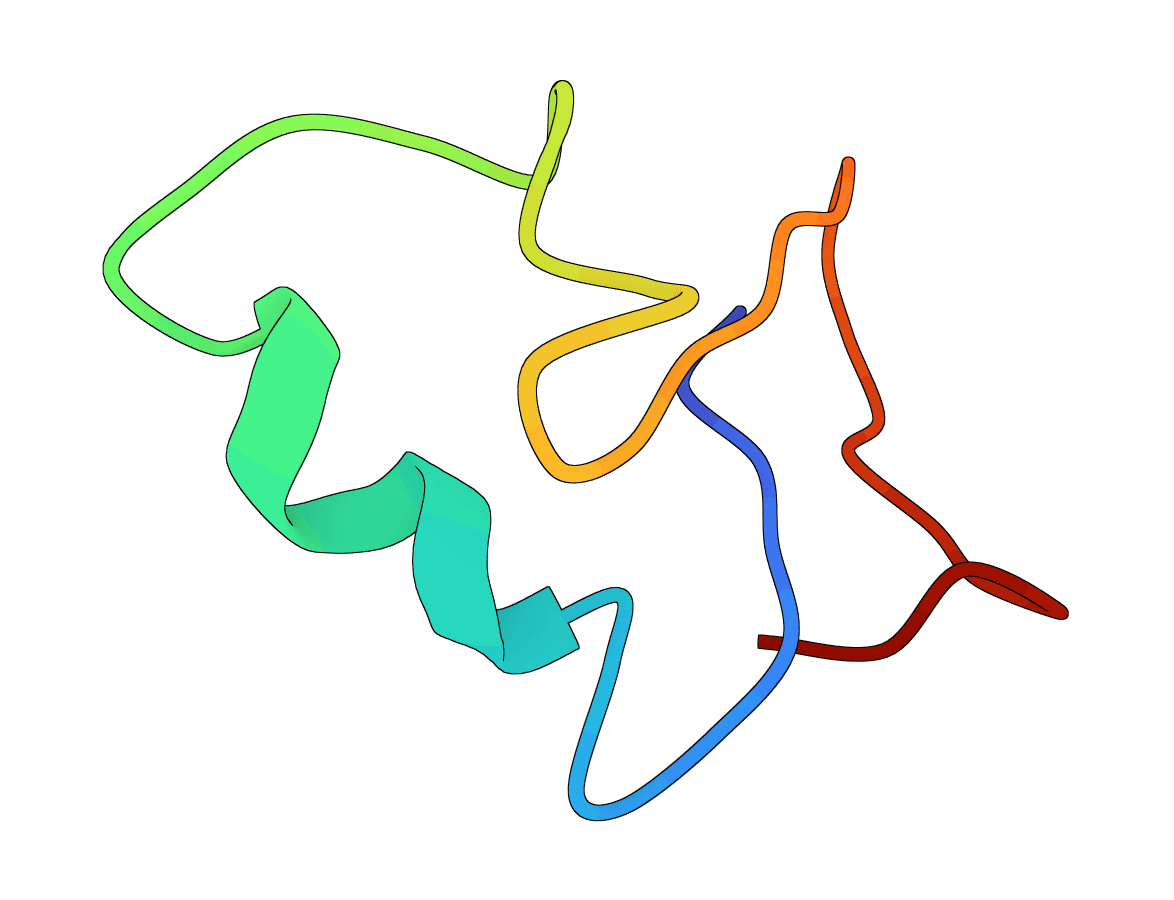
ORB v3 is a universal interatomic potential (machine learning force field) that predicts energies, forces, and stress tensors for atomic systems. Supports both molecular and materials structures with geometry optimization using conservative and direct model variants.
structure-analysisai-powered+3
ORF Finder
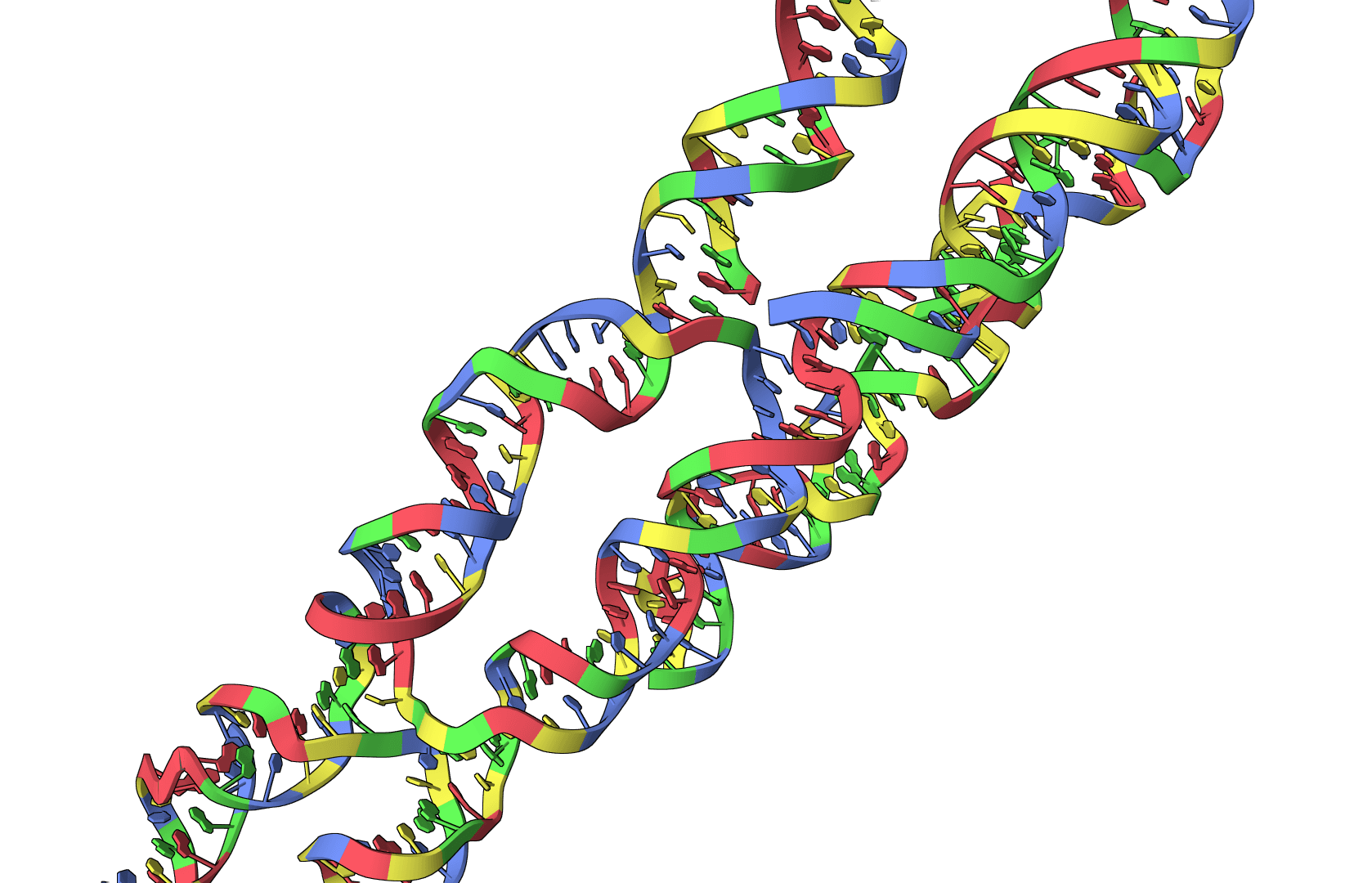
Find all Open Reading Frames (ORFs) in DNA sequences. Searches all six reading frames and supports multiple genetic codes.
sequence-analysisDNA+1
PAINS filter
Screen compounds for Pan-Assay INterference patterns that cause false positives in biological assays
protein-analysisproperty-prediction+3
PandaDock
Open-source molecular docking platform using physics-based scoring functions. CPU-optimized algorithms achieve sub-angstrom accuracy (0.014A RMSD) without GPU requirements.
protein-dockingaffinity-prediction+5
ParaSurf
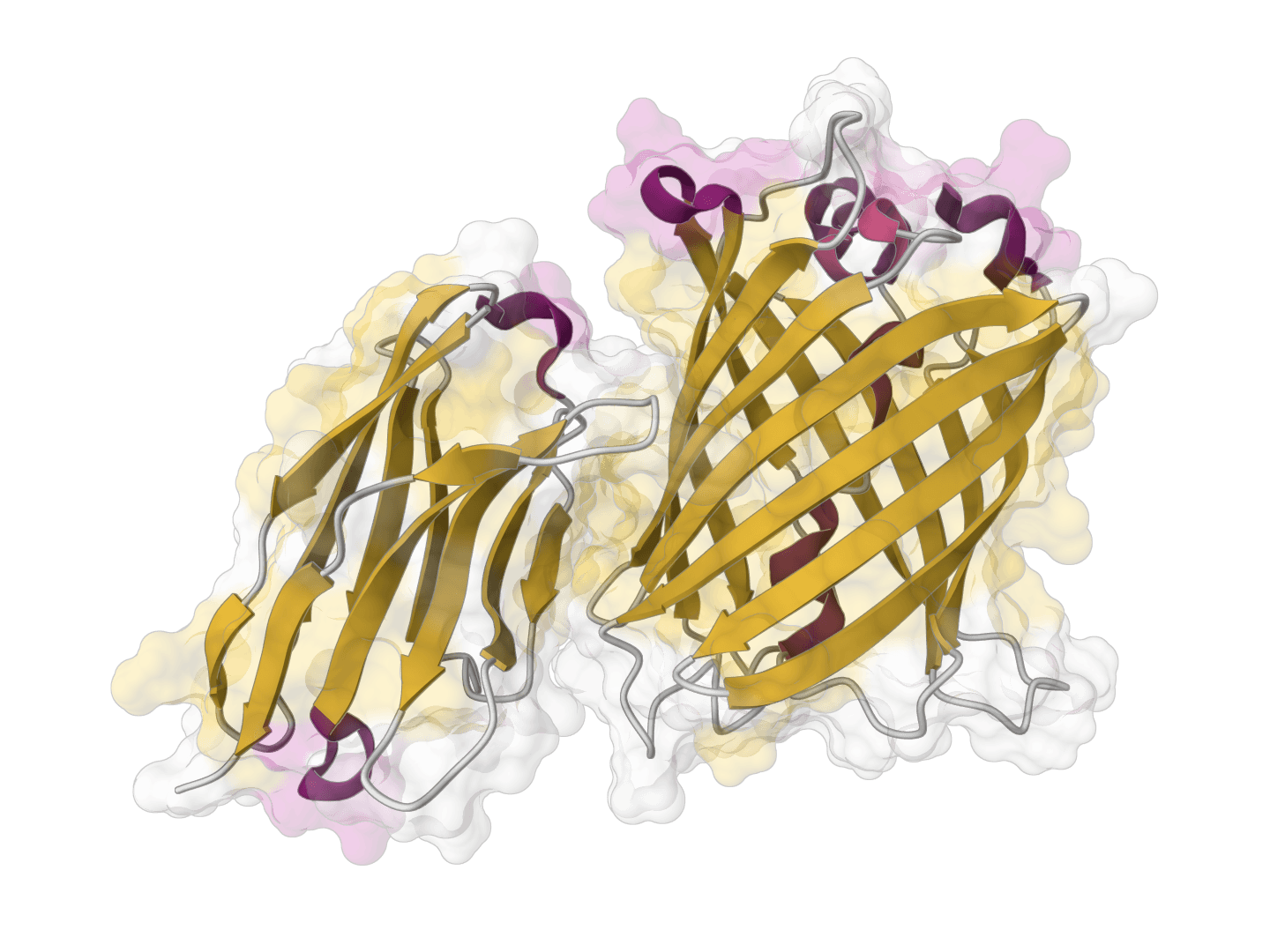
ParaSurf is a state-of-the-art surface-based deep learning model for predicting interactions between antibodies and antigens. It identifies paratope binding sites on antibody structures with high accuracy across multiple benchmark datasets.
protein-analysisinteraction-prediction+4
PDB to CIF Converter
Convert Protein Data Bank files to Crystallographic Information File format
format-conversionprotein+2
PDB to FASTA converter
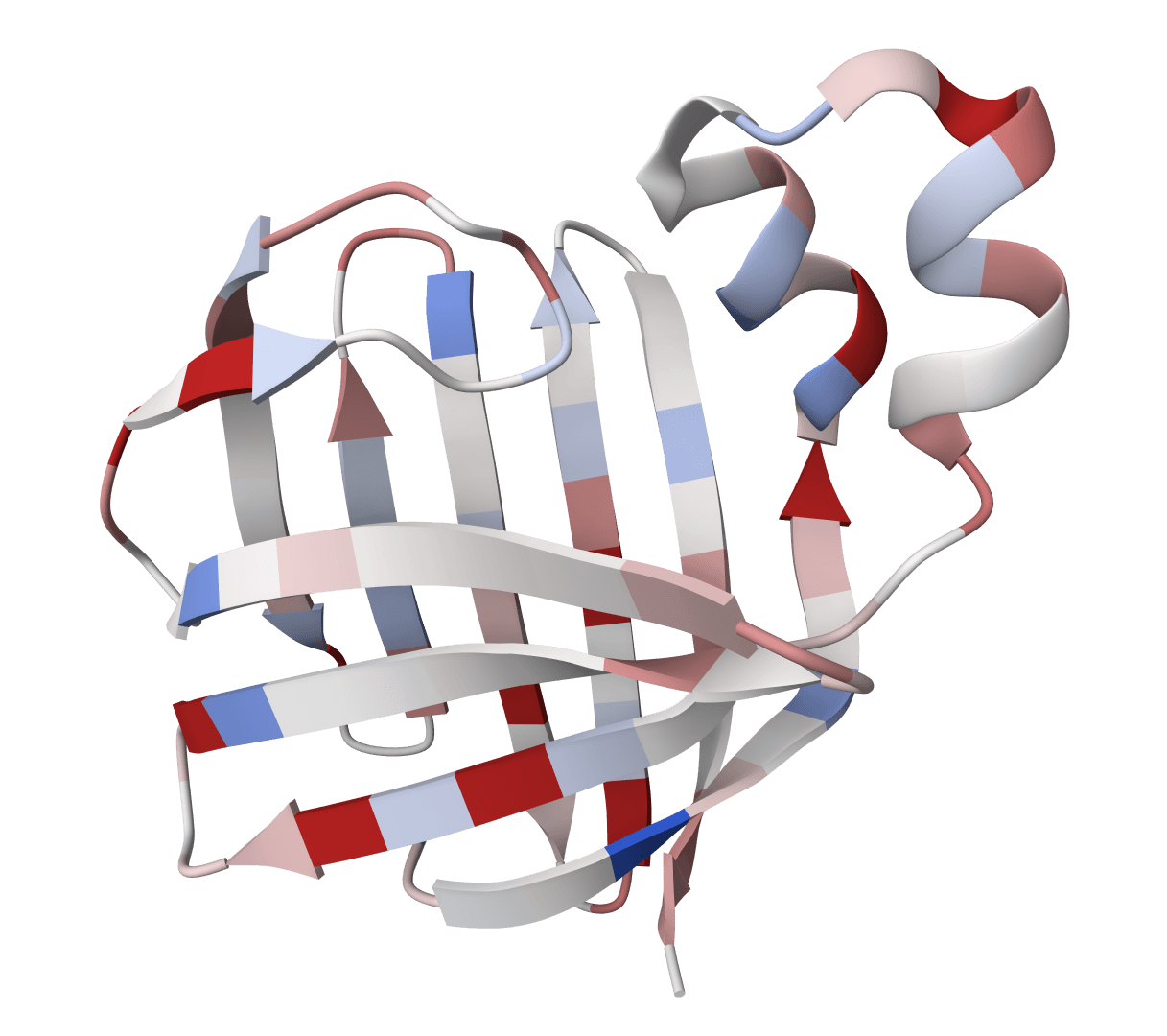
Convert Protein Data Bank files to FASTA sequence format
format-conversionprotein+2
PDB to MOL2 Converter
Convert Protein Data Bank files to MOL2 molecular format
format-conversionprotein+2
PDB to SDF Converter
Convert Protein Data Bank files to Structure Data Format
format-conversionsmall-molecule+2
PDB viewer
Visualize and analyze protein structures in 3D using Mol* (molstar), the same viewer used by AlphaFold DB and RCSB PDB
proteinvisualization+1
PDB2PQR
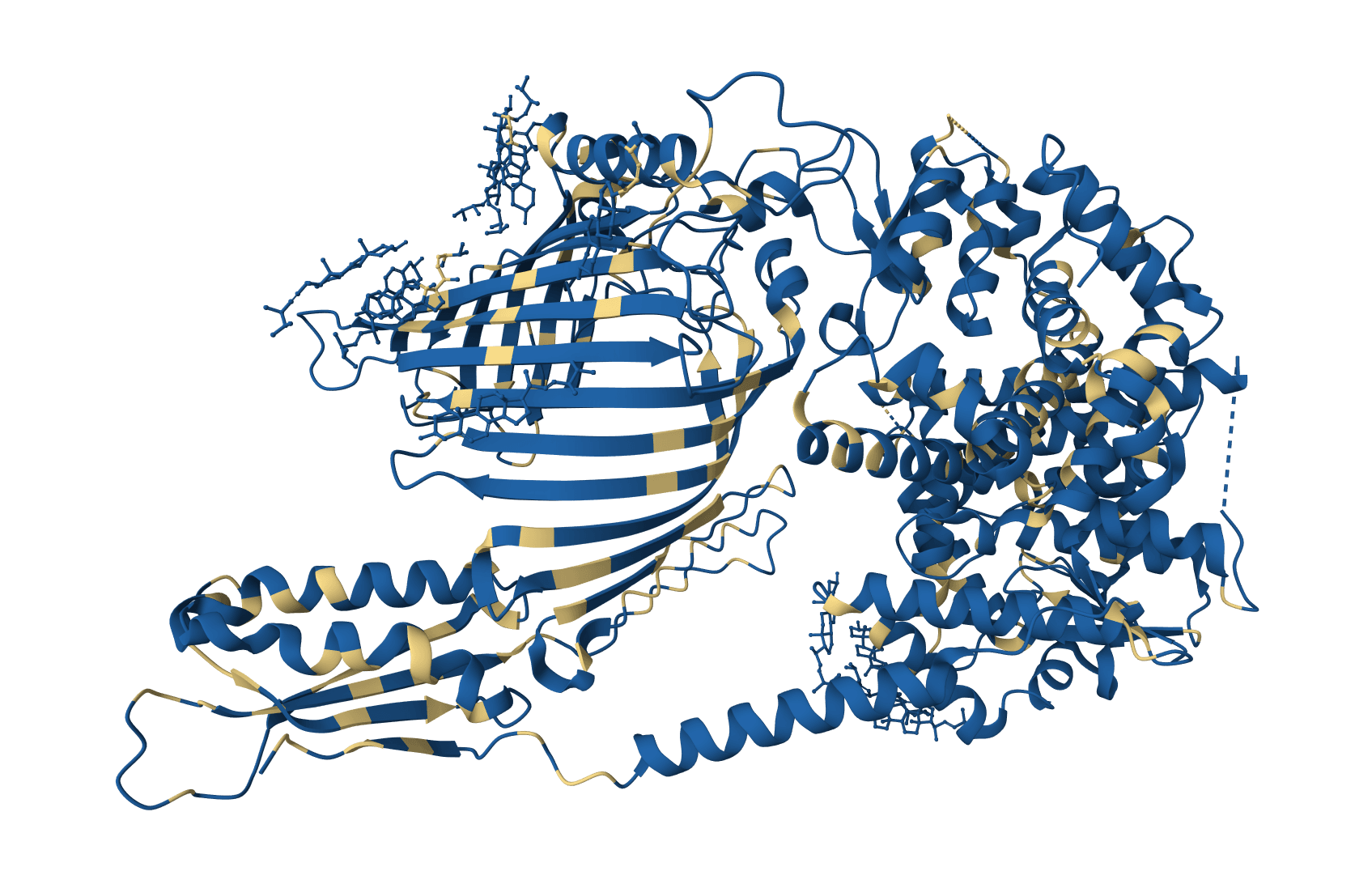
PDB2PQR prepares protein structures for electrostatics calculations by adding missing atoms, predicting protonation states using PROPKA, and assigning atomic charges and radii from standard force fields.
format-conversionprotein+2
PDBFixer
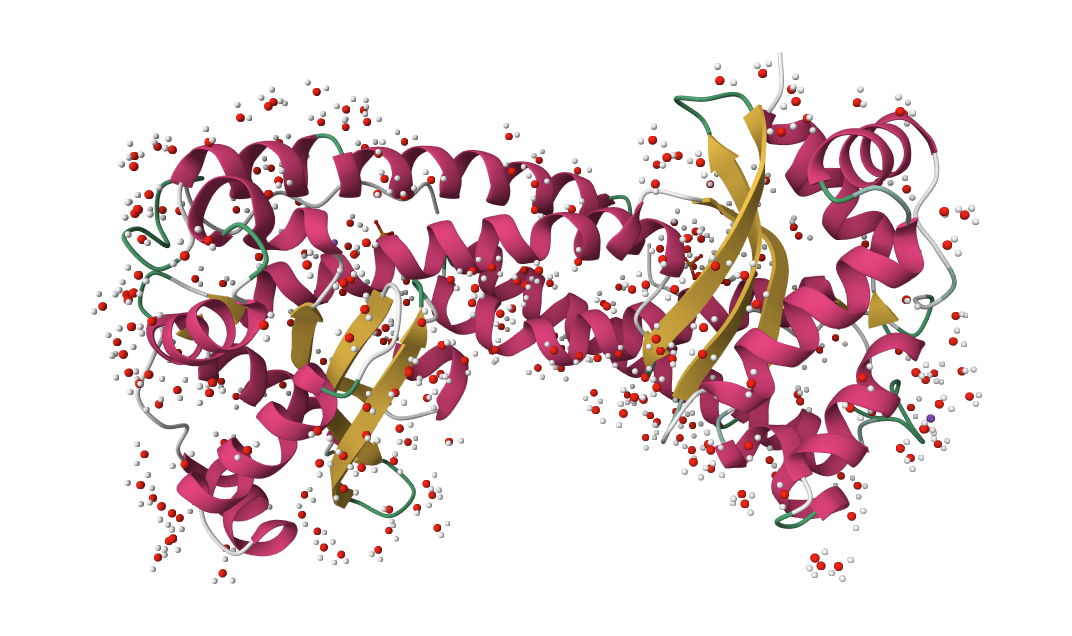
PDBFixer is an OpenMM-based tool used for fixing problems in protein/DNA/RNA structure files, including adding missing atoms, adding missing residues, and fixing improper formatting.
structure-analysisquality-validation+3
PepMLM
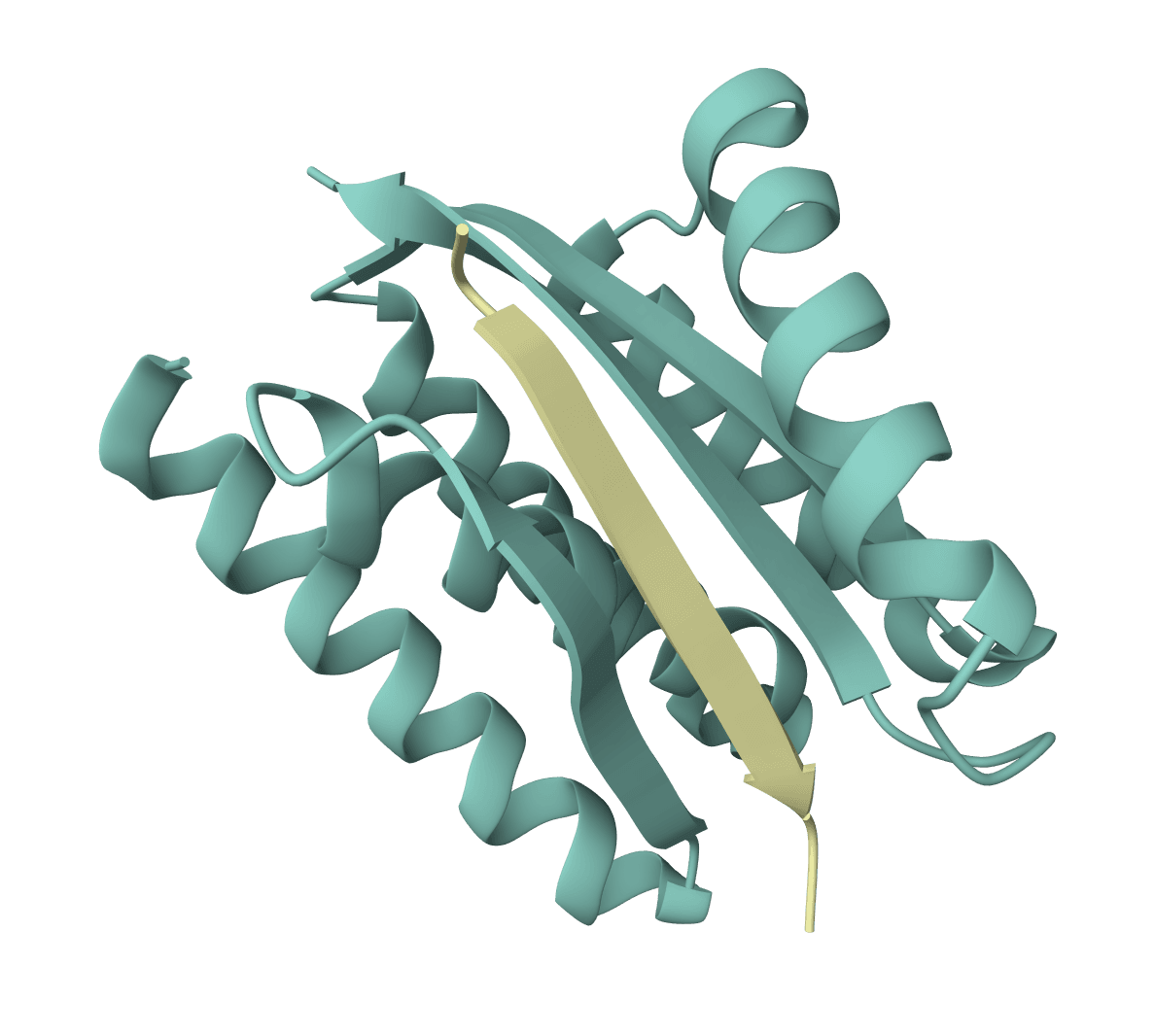
Design linear peptide binders for target proteins using a target sequence-conditioned masked language model. PepMLM generates peptide sequences optimized to bind specific protein targets based on ESM-2 protein language modeling.
binder-designai-powered+6
Peptide cutter
Predict protease and chemical cleavage sites across a protein sequence for up to 39 enzymes simultaneously. Identify where each enzyme cuts, the cleavage residue, and context window around each site.
protein-analysisphysicochemical-properties+2
Peptide mass calculator
Cleave a protein sequence with a chosen protease and compute the masses of the resulting peptides. Supports multiple enzymes, missed cleavages, chemical modifications, and different ion types for mass spectrometry experiment planning.
protein-analysisphysicochemical-properties+1
pI Calculator
Calculate the theoretical isoelectric point (pI) of protein sequences. The pI is the pH at which a protein carries no net electrical charge.
protein-analysisphysicochemical-properties+1
PocketFlow
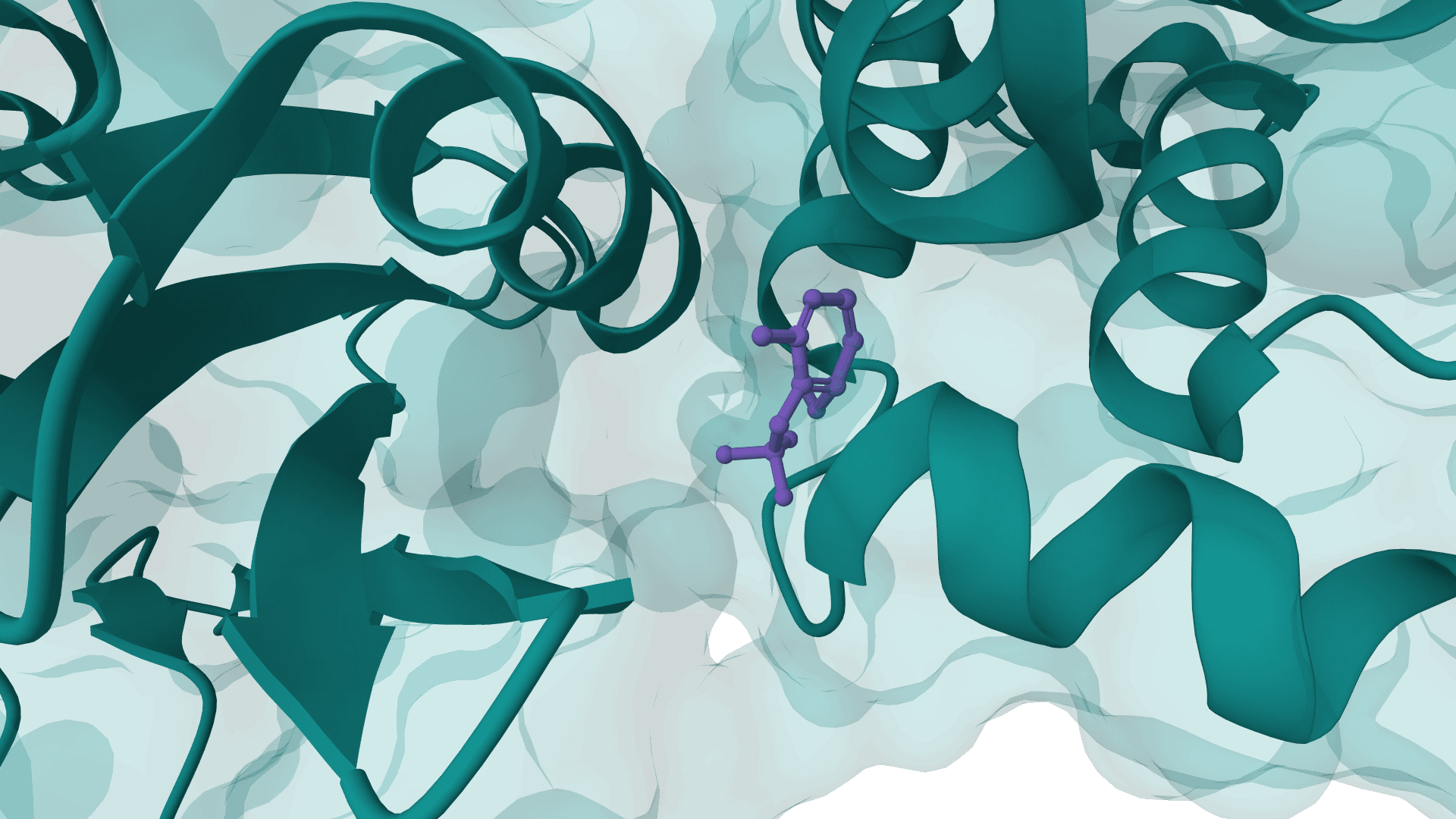
PocketFlow is a structure-based molecular generative model that designs novel drug-like molecules within protein binding pockets. It uses autoregressive flow modeling with chemical knowledge to generate 100% chemically valid, highly drug-like compounds.
protein-designai-powered+4
PoseBusters
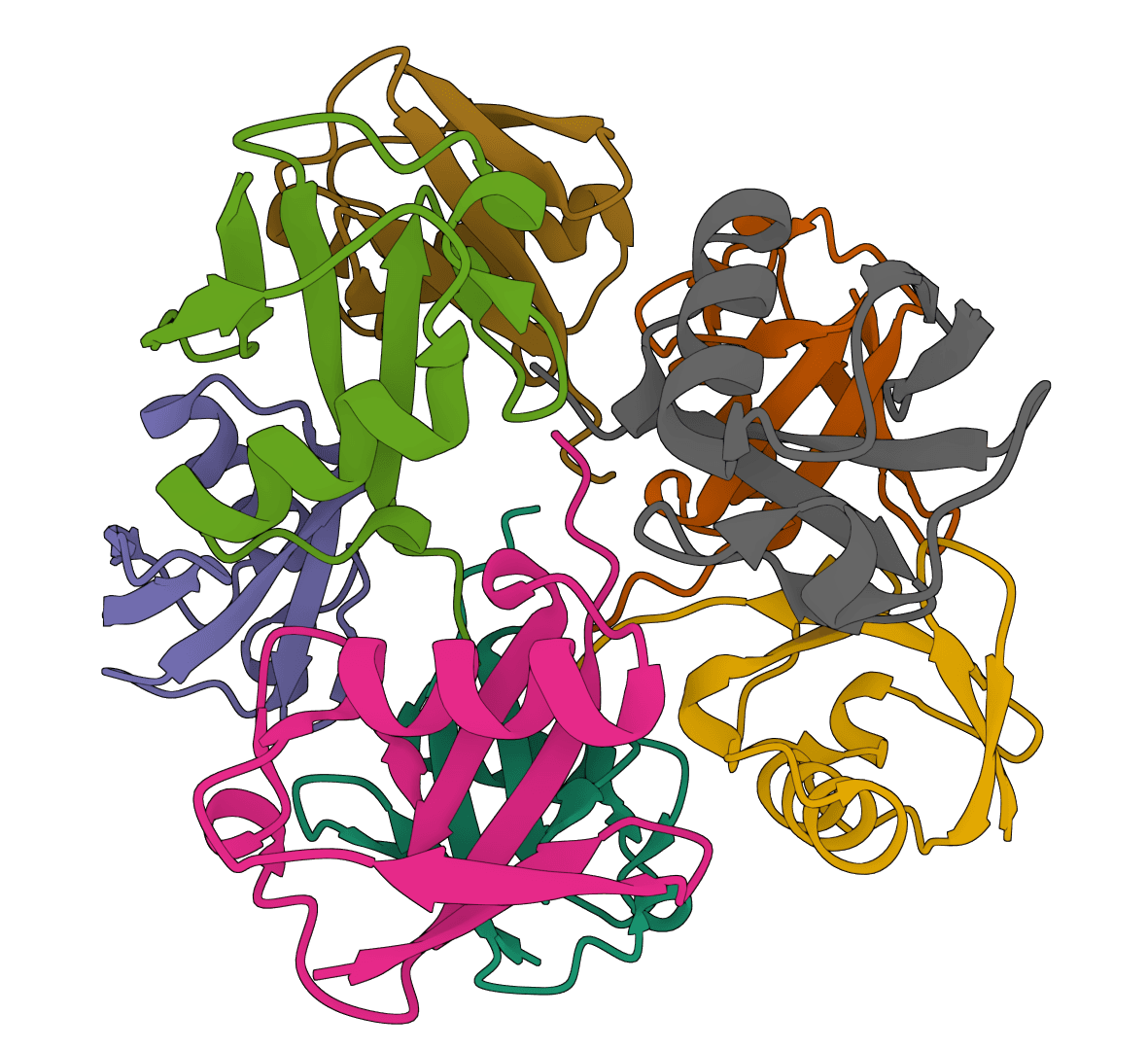
PoseBusters validates generated or docked molecular poses with chemically and structurally grounded quality checks for molecular geometry, intermolecular interactions, and optional reference-pose agreement.
structure-analysisquality-validation+5
PPAP
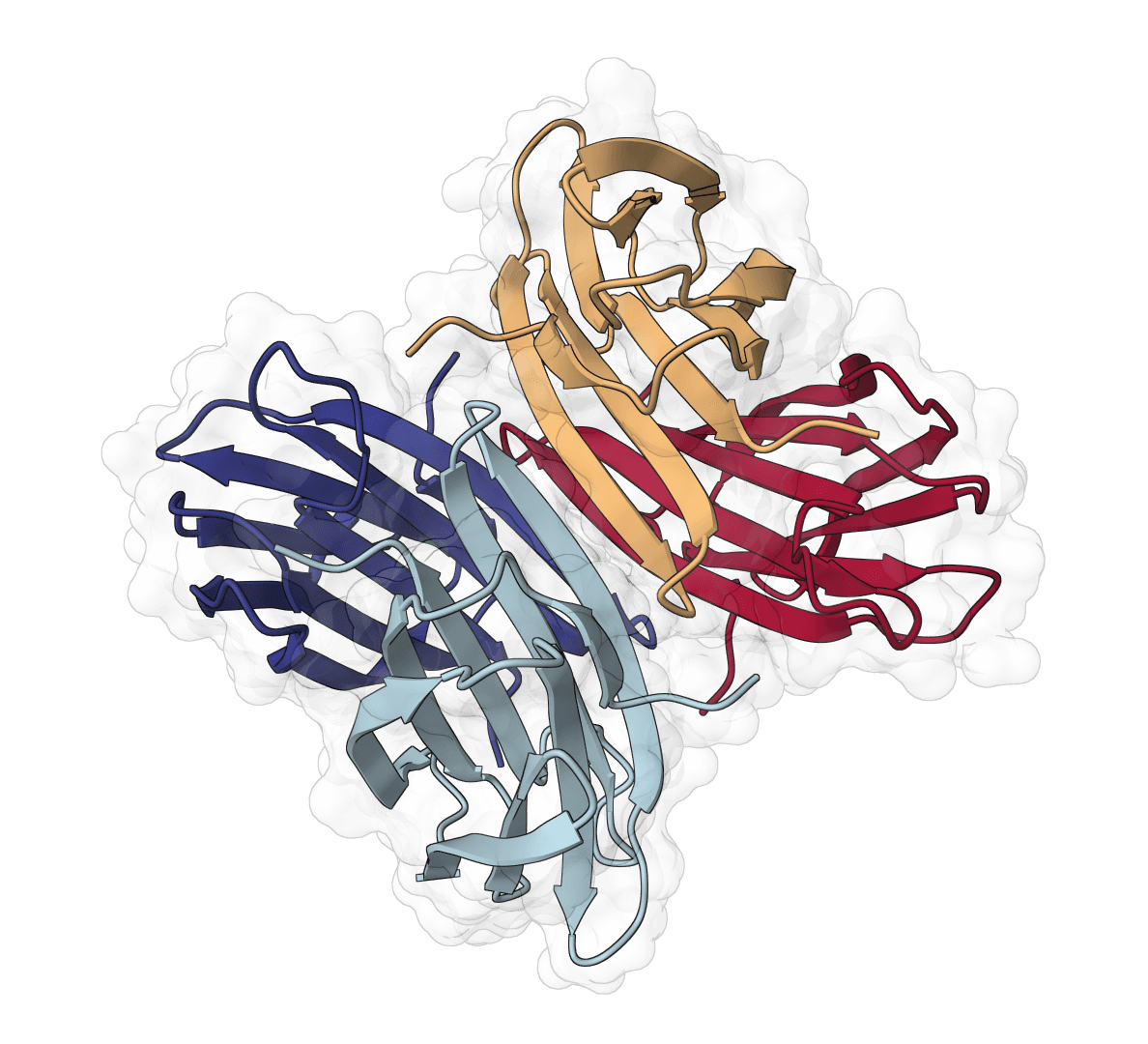
PPAP (Protein-Protein Affinity Predictor) predicts binding affinity (ΔG and Kd) between interacting protein chains using deep learning with ESM2-3B embeddings. Requires a PDB with 2+ protein chains. Note: This tool is for protein-protein interactions only, not protein-ligand binding.
protein-analysisai-powered+3
Primer3
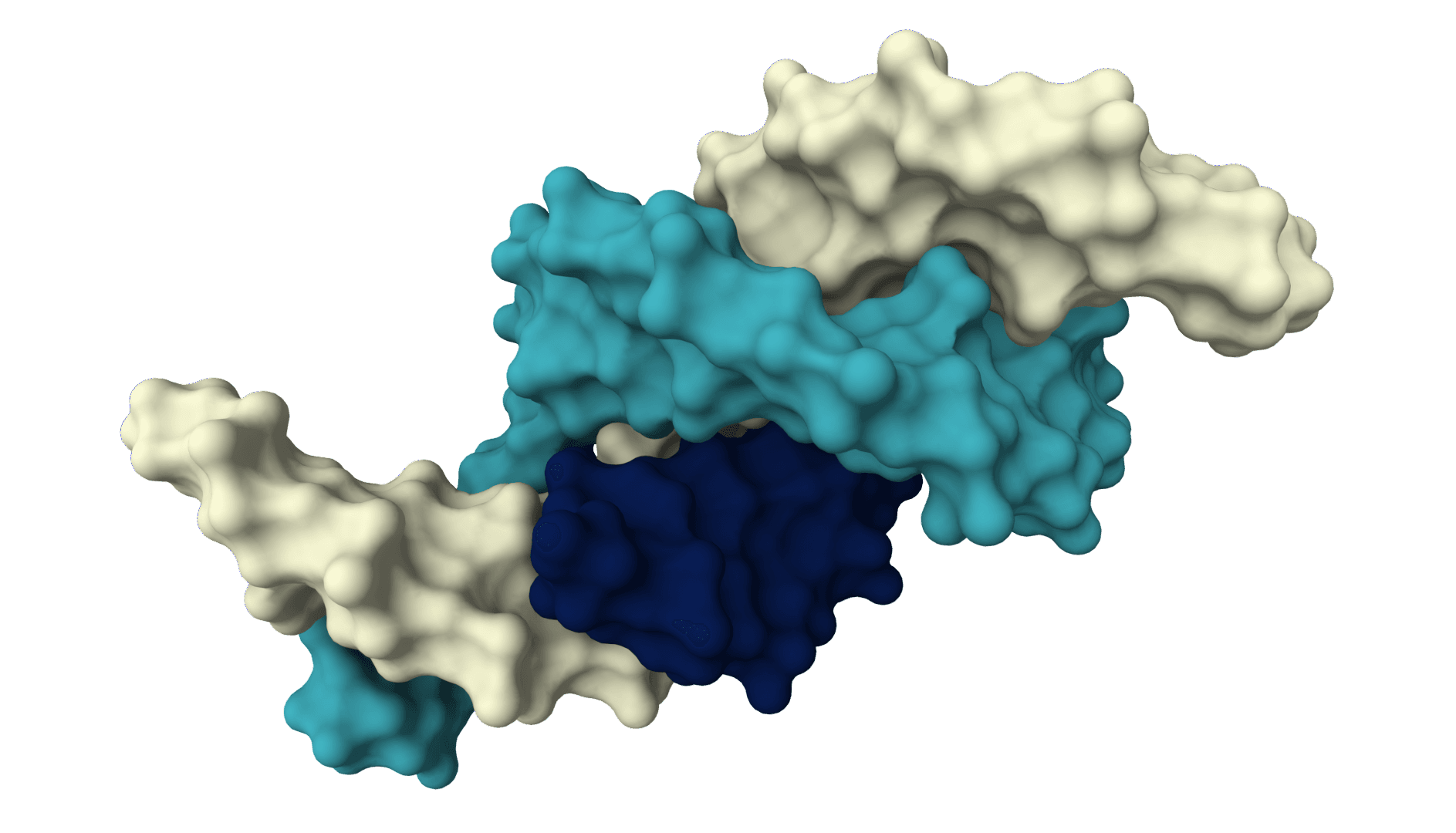
Design PCR primers for DNA sequences with upstream-faithful Primer3 controls for target regions, thermodynamics, product size, and primer quality.
sequence-designDNA+1
ProFam
ProFam-1 is a protein family language model for family-conditioned sequence generation. Provide a protein family FASTA/MSA and generate new sequences with model likelihood scores for downstream ranking and screening.
sequence-designai-powered+4
ProGen2
ProGen2 is Salesforce Research's protein language model suite for prompt-based de novo protein sequence generation. It samples novel amino acid sequences from a plain-text context string using top-p sampling and temperature control.
protein-designai-powered+3
PROPKA 3
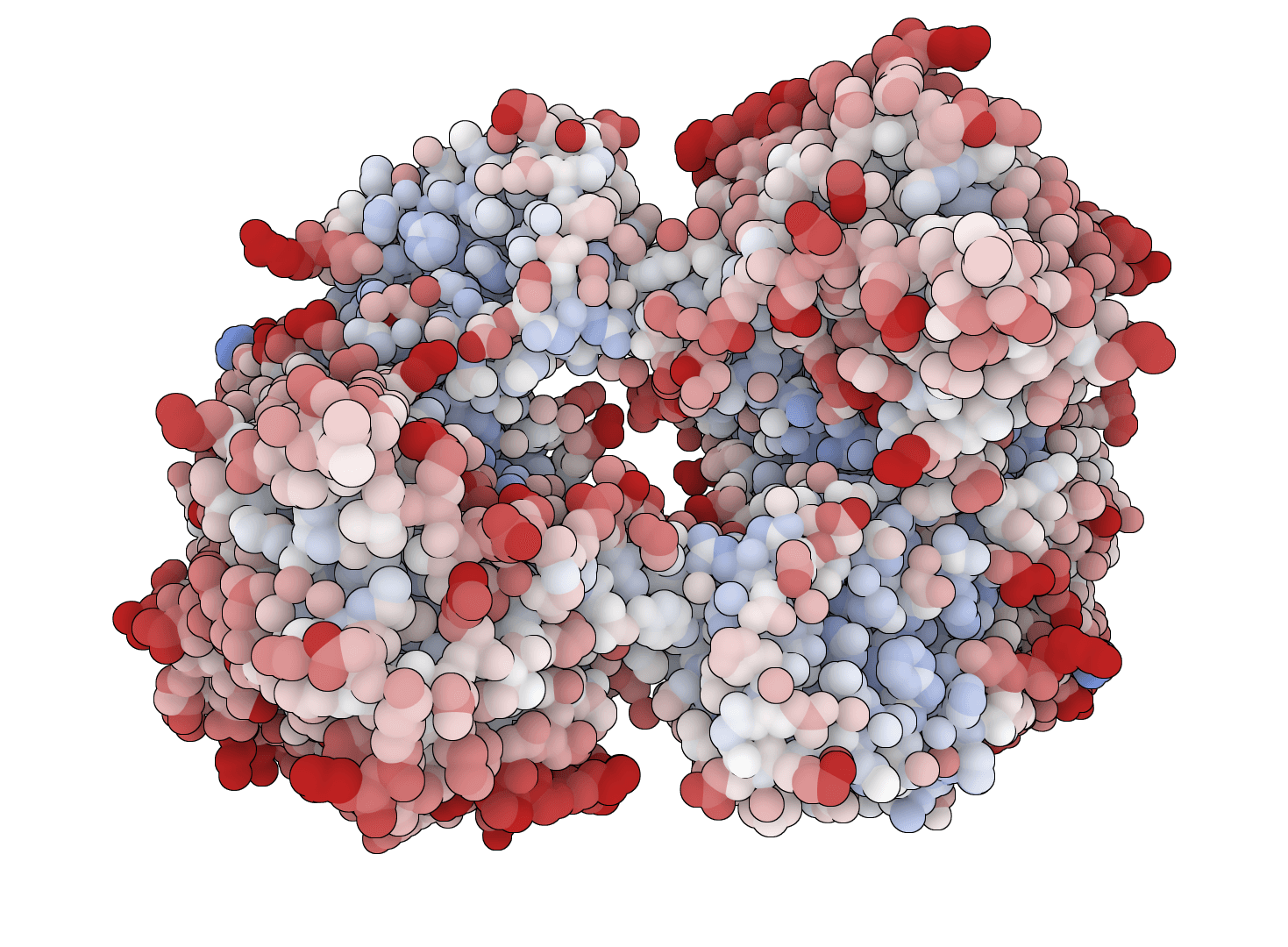
Predict pKa values of ionizable groups in proteins and protein-ligand complexes from 3D structure. PROPKA calculates environment-driven pKa shifts for standard ionizable residues, terminal groups, and supported ligand atom types.
protein-analysisproperty-prediction+3
ProstT5
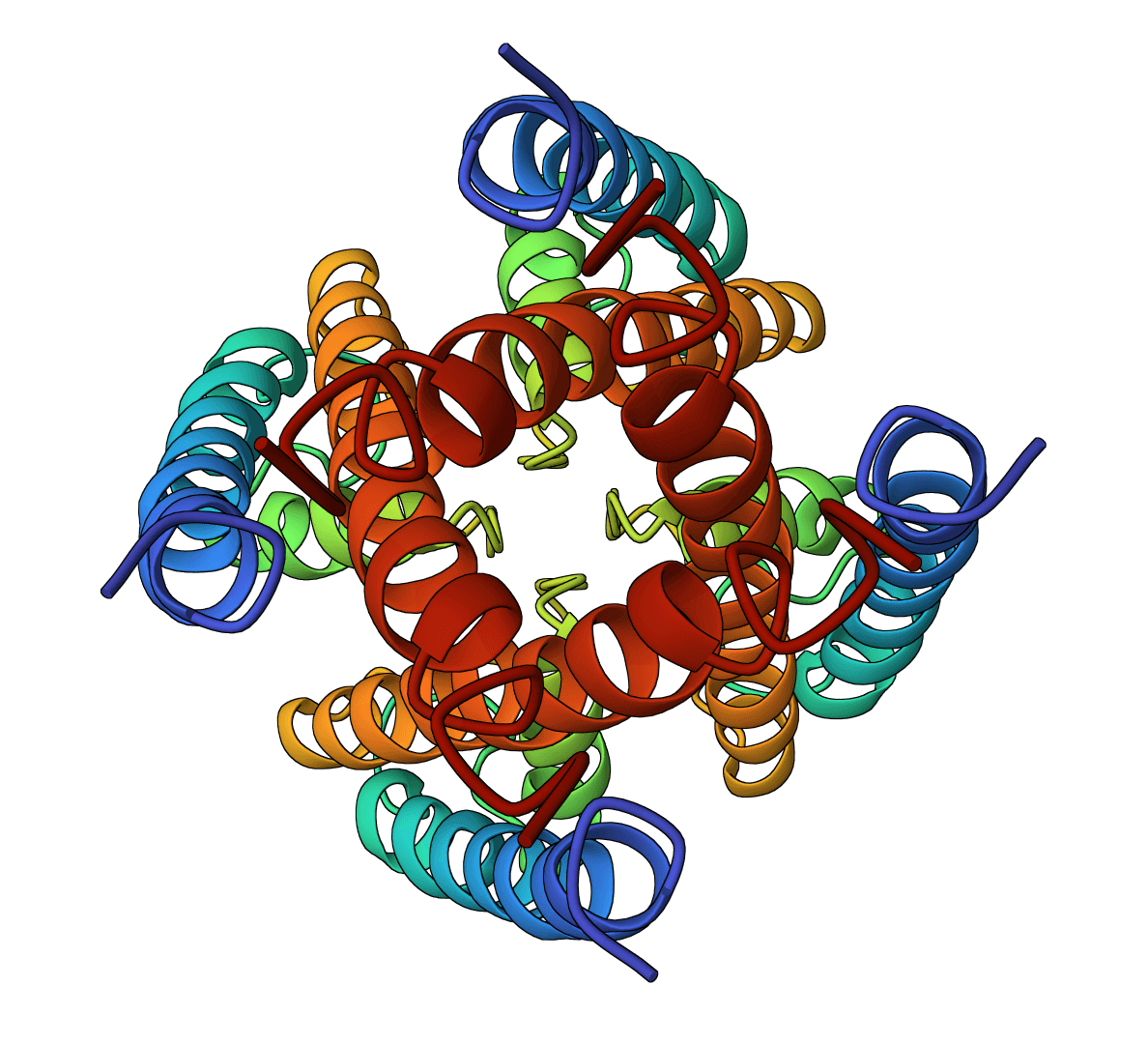
ProstT5 is a protein language model that bidirectionally translates between amino acid sequences and 3Di structural tokens. It enables fast structure-based searches and inverse folding by encoding structural information into a sequence-like representation.
structure-predictionsequence-analysis+3
Protein charge plot
Plot net charge vs pH for protein sequences. Visualize how protein charge changes across pH 0-14 and identify the isoelectric point (pI) where the net charge crosses zero.
protein-analysisphysicochemical-properties+2
Protein molecular weight calculator
Calculate the molecular weight (MW) of protein sequences in Daltons. Supports FASTA format input and batch processing.
protein-analysisphysicochemical-properties+1
Protein motif scanner
Scan protein sequences for biologically important motifs including glycosylation sites, phosphorylation sites, nuclear localization signals, prenylation motifs, and more.
sequence-analysisphysicochemical-properties+1
Protein parameters
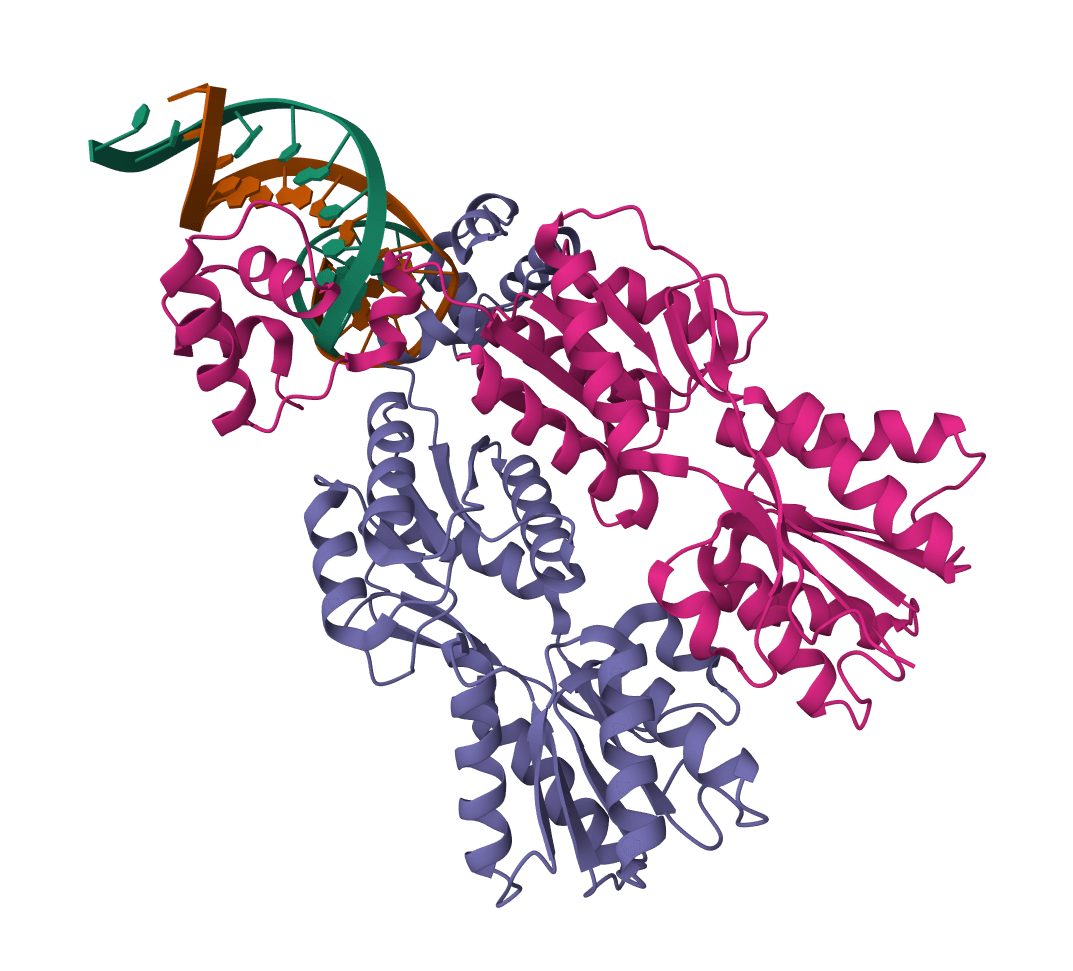
Calculate protein parameters, including molecular weight, theoretical pI, extinction coefficients, aromaticity, secondary structure fractions, atomic composition, estimated half-life, and several indices, including instability, aliphatic index, and GRAVY.
protein-analysisphysicochemical-properties+1
Protein scale profiler
Generate amino acid property profiles using 42 different scales spanning hydrophobicity, secondary structure propensity, flexibility, polarity, surface accessibility, antigenicity, and more.
protein-analysisphysicochemical-properties+2
Protein stability
Predict protein stability using validated BioPython methods: Instability Index, Aliphatic Index, GRAVY, flexibility analysis, and charge distribution
protein-analysisproperty-prediction+2
Protein to DNA converter
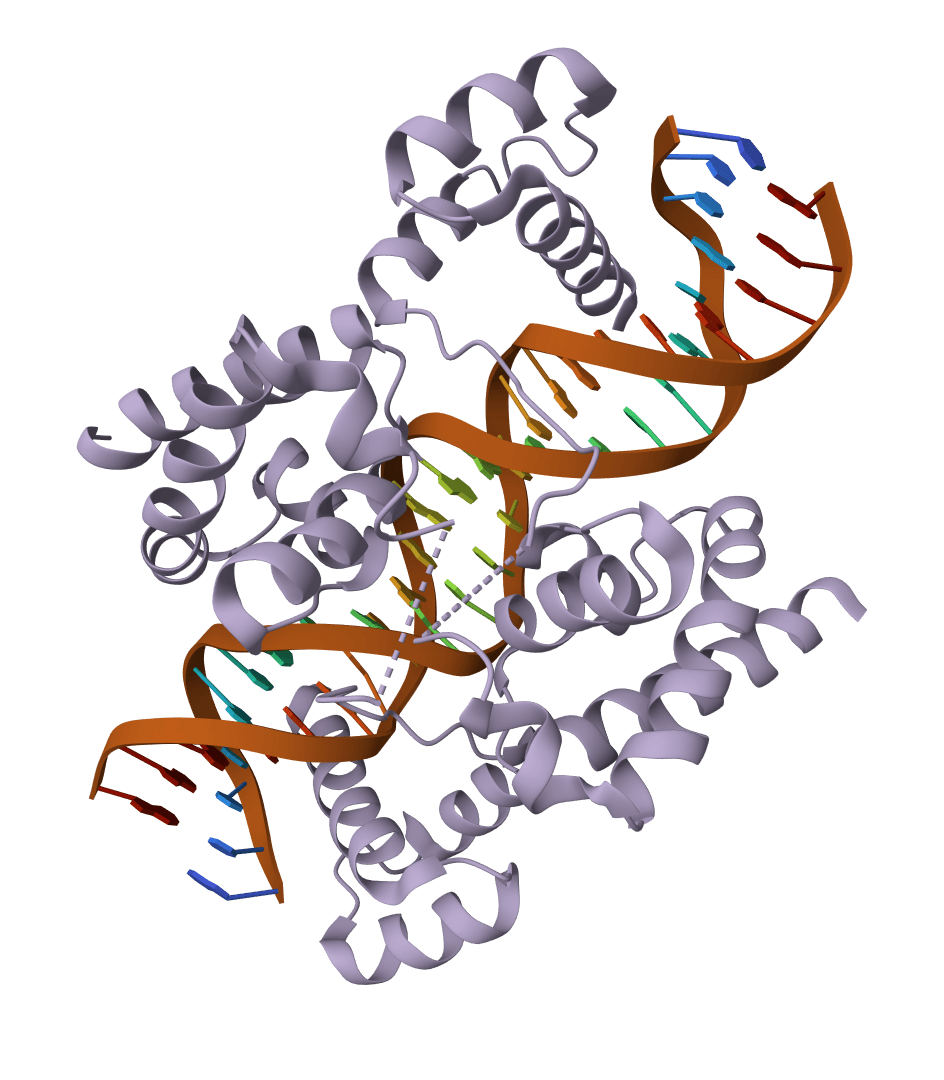
Reverse translate protein sequences to possible DNA sequences
format-conversionprotein+1
ProteinMPNN
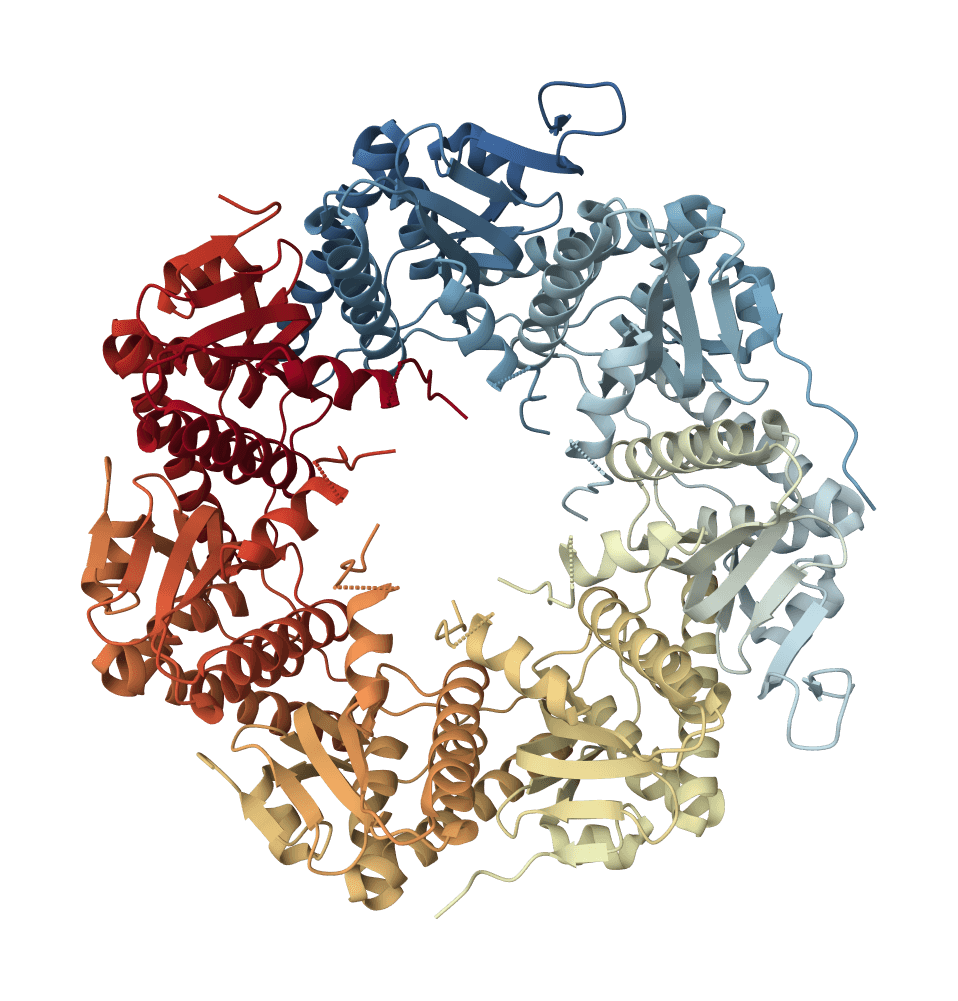
Design protein sequences for given backbone structures using deep learning. Fast and accurate inverse folding with state-of-the-art sequence recovery (52.4%).
proteinsequence-design+2
Protenix
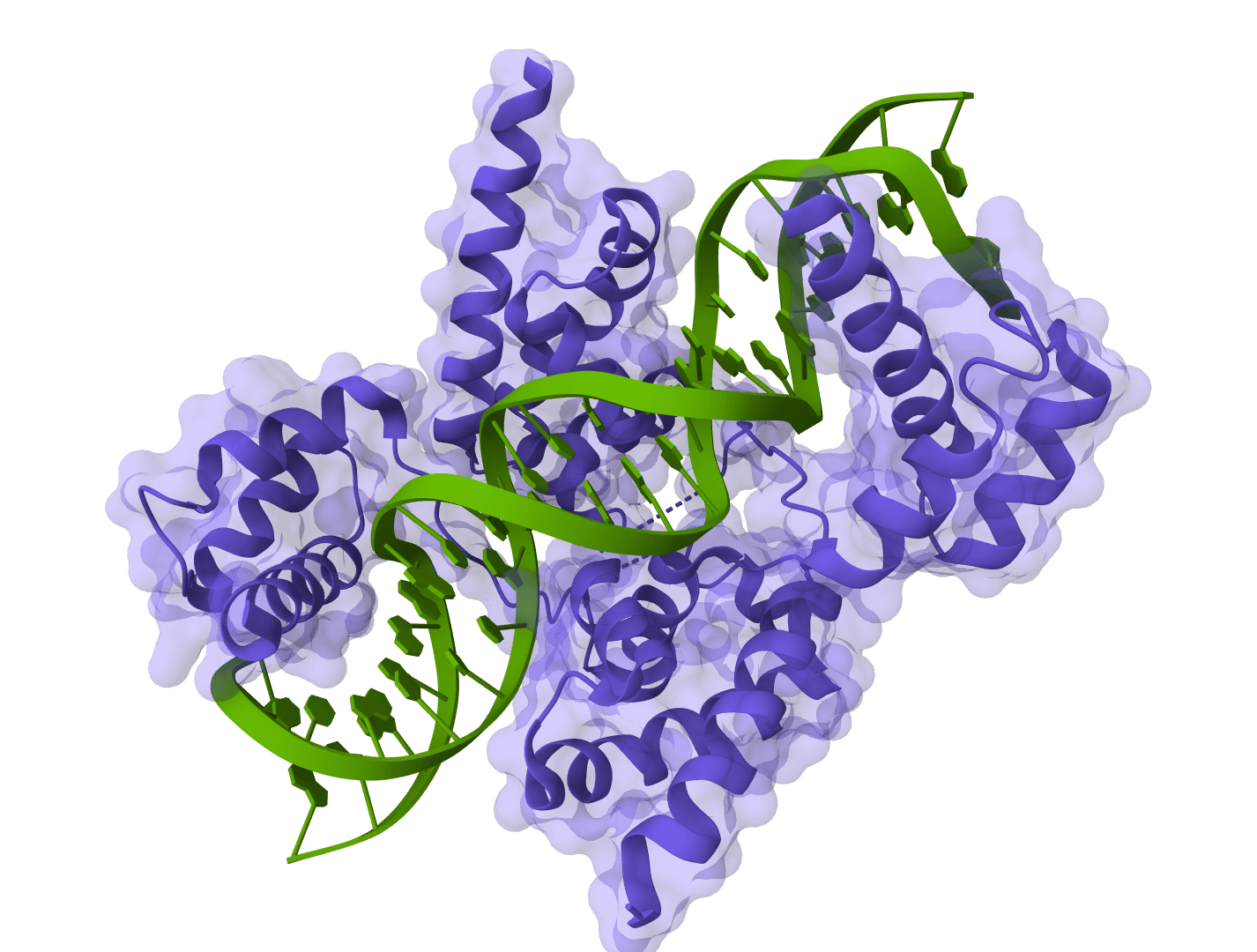
Open-source AlphaFold 3 implementation by ByteDance for biomolecular structure prediction. Predicts 3D structures for proteins, RNA, DNA, and small molecule ligands with high accuracy.
protein-foldingstructure-prediction+5
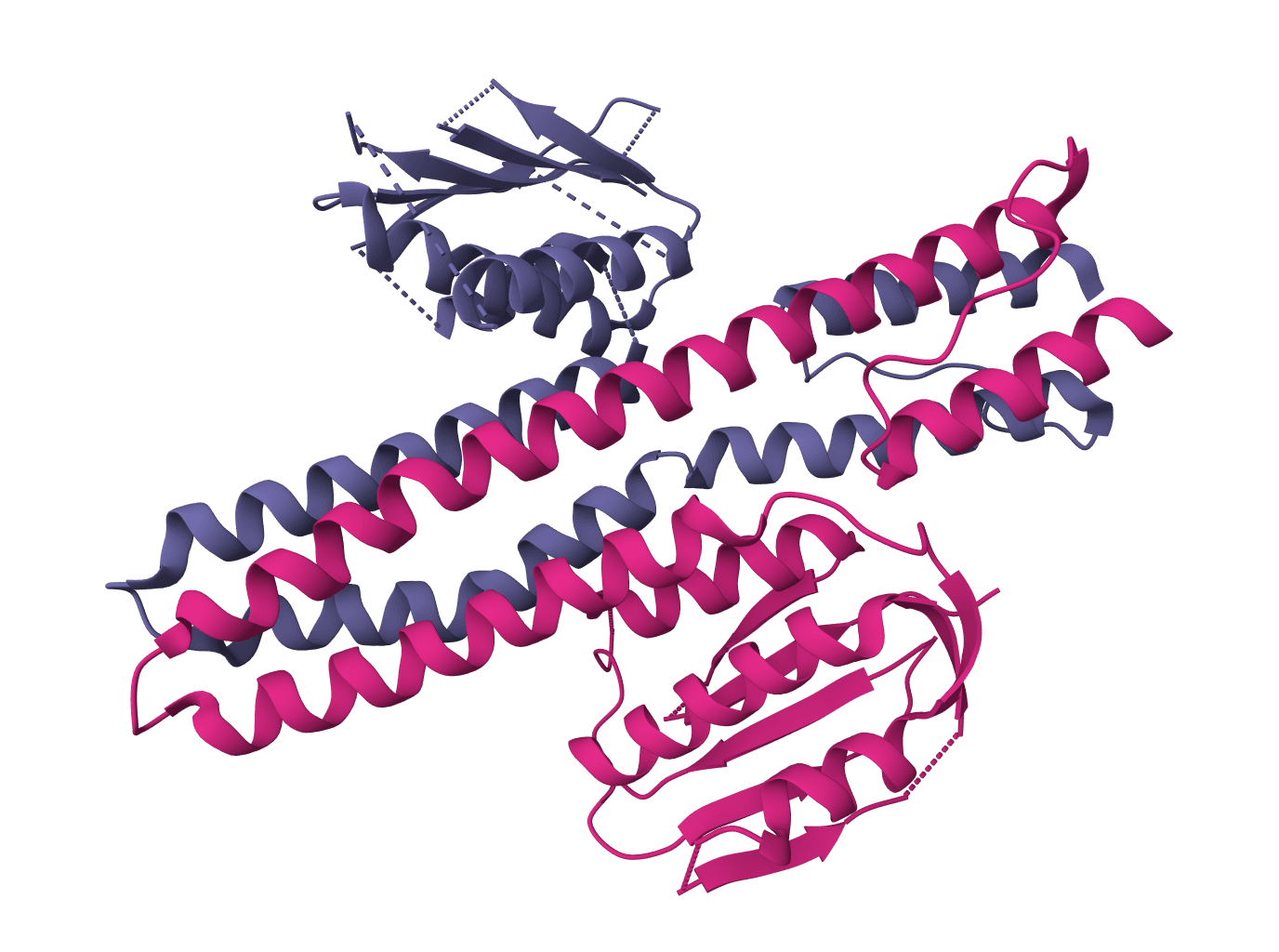
ProtGenIQ - Random protein sequence generator
Generate random protein sequences with customizable length, composition, and amino acid properties
proteinsequence-design
pySCA
Statistical Coupling Analysis for protein families. Identifies co-evolving residue groups (sectors) from multiple sequence alignments using the SCA method from the Ranganathan Lab.
sequence-analysiscoevolution-analysis+3
QEPPI
Quantitative estimate for protein-protein interaction inhibitor potential. Evaluates drug-likeness for compounds targeting PPIs.
protein-analysisproperty-prediction+2
Radius of gyration
Calculate the radius of gyration (Rg) for protein structures from PDB files. Supports multiple chains and atom selection options.
structure-analysisphysicochemical-properties+2
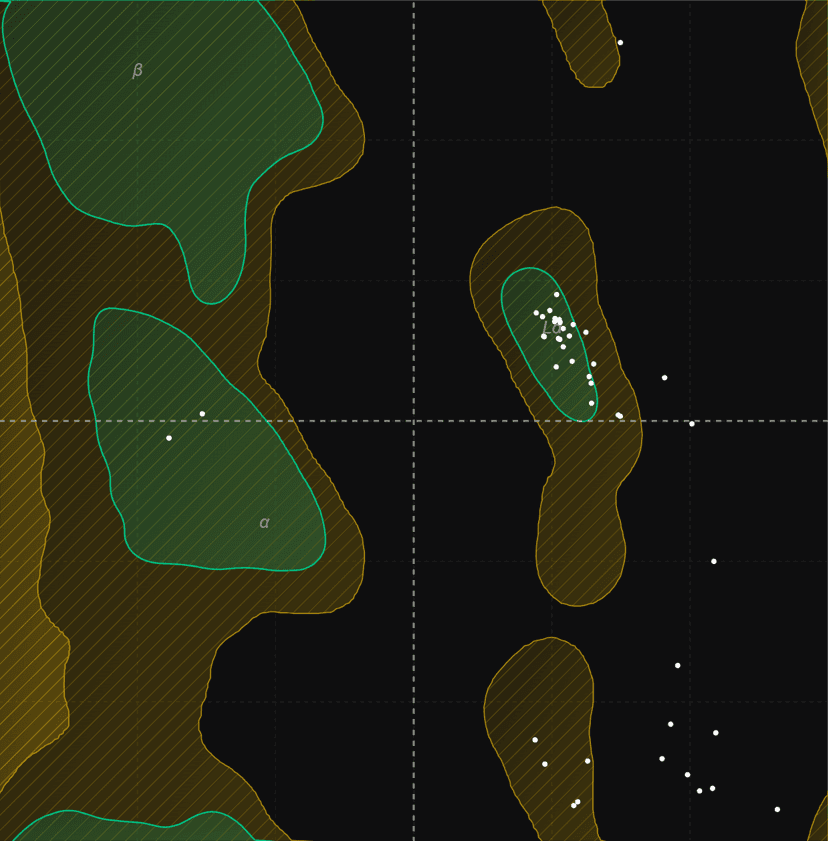
Ramachandran plot
Generate Ramachandran plots from PDB structures to analyze protein backbone dihedral angles (phi/psi). Visualize favored, allowed, and outlier regions.
structure-analysisquality-validation+3
RAxML-NG
Perform maximum-likelihood phylogenetic tree inference with RAxML-NG for aligned protein or DNA sequences. Supports ML search, bootstrap analysis, and upstream-style automatic model-family selection.
sequence-analysiscomparison+4
Reverse complement generator
Generate reverse, complement, or reverse-complement of DNA/RNA sequences
sequence-manipulationDNA+1
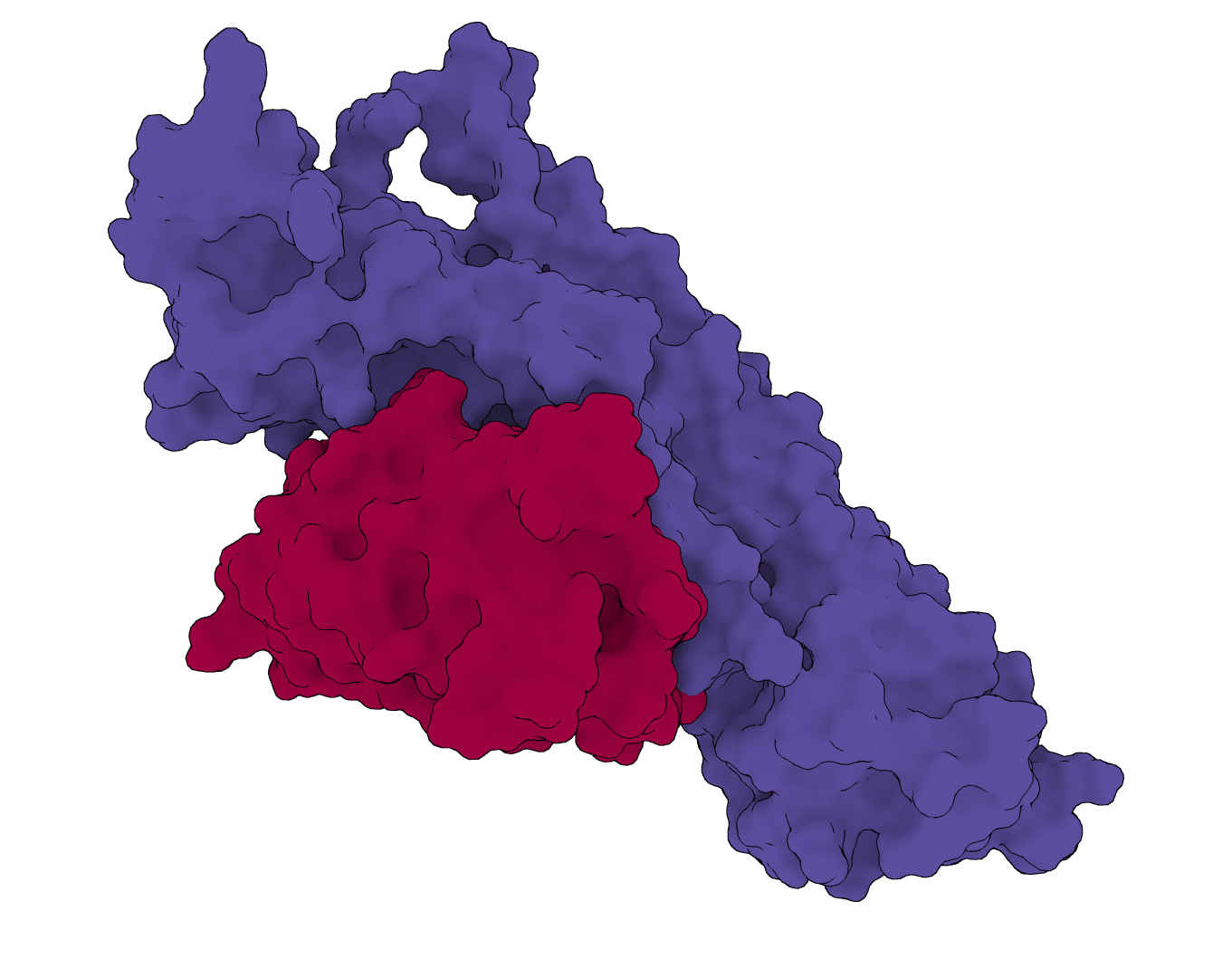
RFantibody
Structure-based de novo antibody and nanobody design pipeline combining antibody-tuned RFdiffusion, ProteinMPNN sequence design, and antibody-tuned RoseTTAFold2 filtering.
binder-designai-powered+5
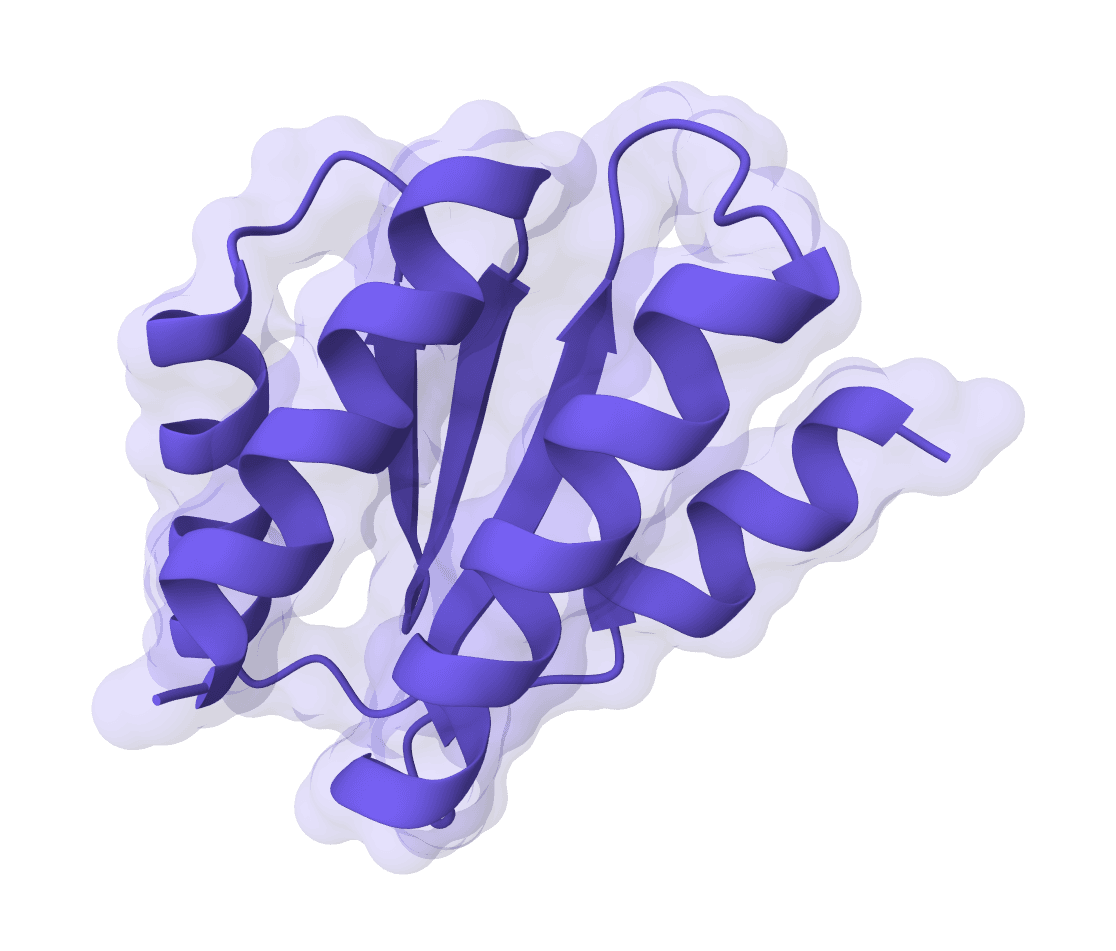
RFdiffusion
RFdiffusion is a state-of-the-art protein structure generation tool that uses diffusion models to design proteins de novo, create binders, scaffold motifs, and generate symmetric oligomers with atomic precision.
protein-designbinder-design+3
RFdiffusion 2
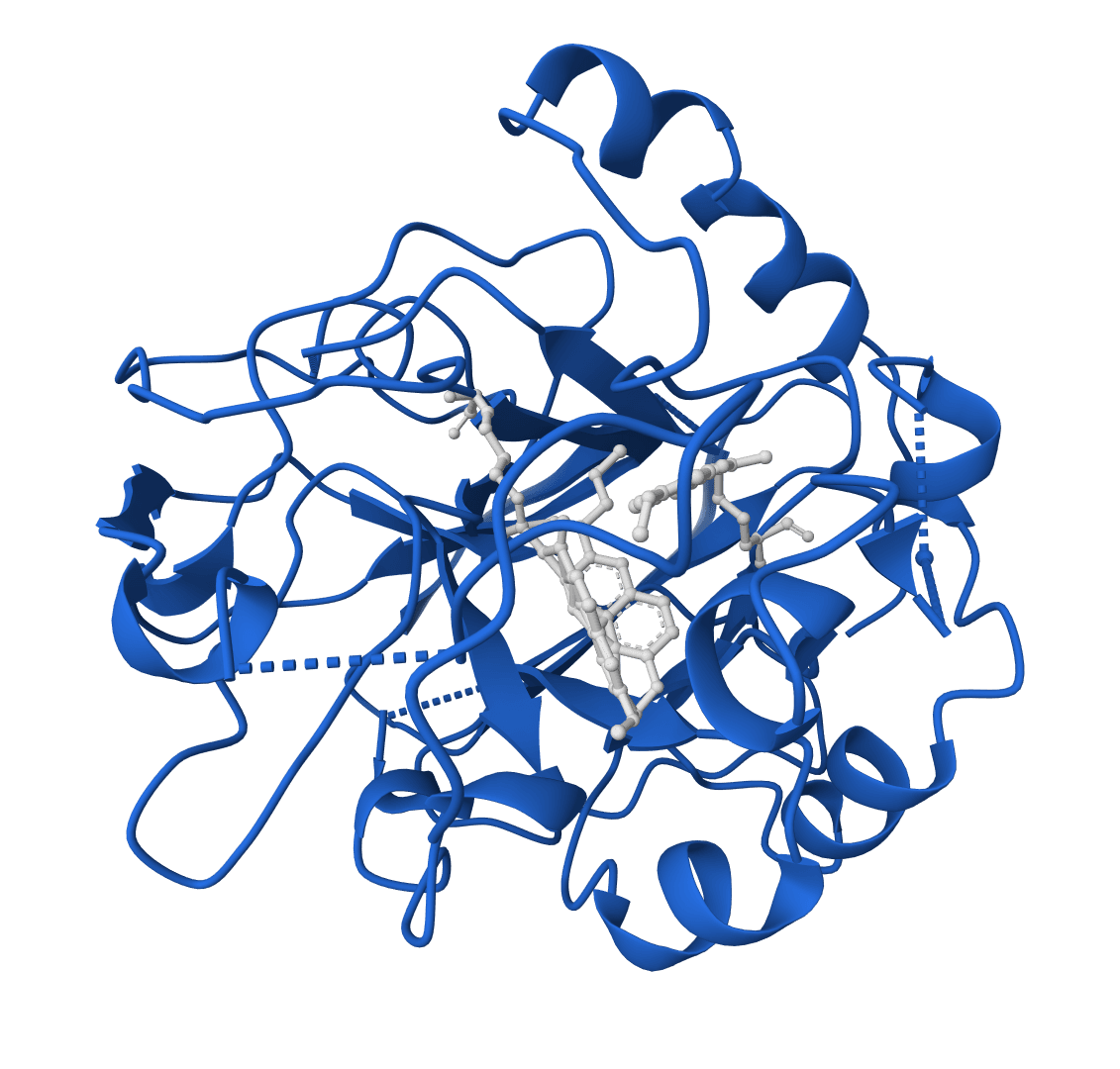
RFdiffusion2 is an atom-level enzyme active site scaffolding tool that generates protein scaffolds around your input motif. REQUIRES an input PDB structure containing the active site residues to scaffold. For ligand-aware design, ligands must be embedded in the input PDB as HETATM records.
protein-designenzyme-design+3
RFdiffusion3
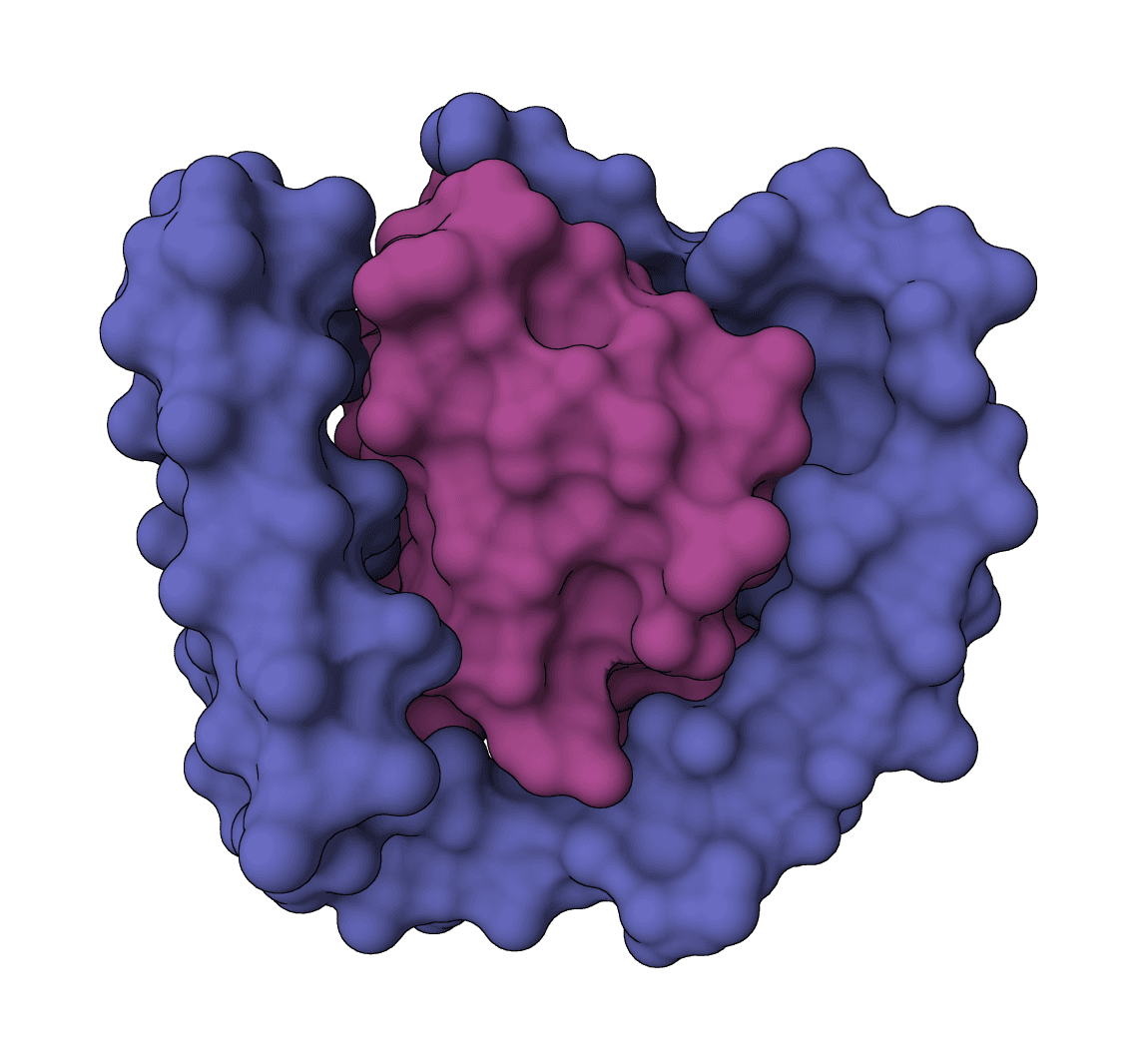
All-atom generative diffusion model for protein design with complex constraints. Design binders, enzymes, and symmetric protein assemblies.
protein-designbinder-design+4
RMSD calculator
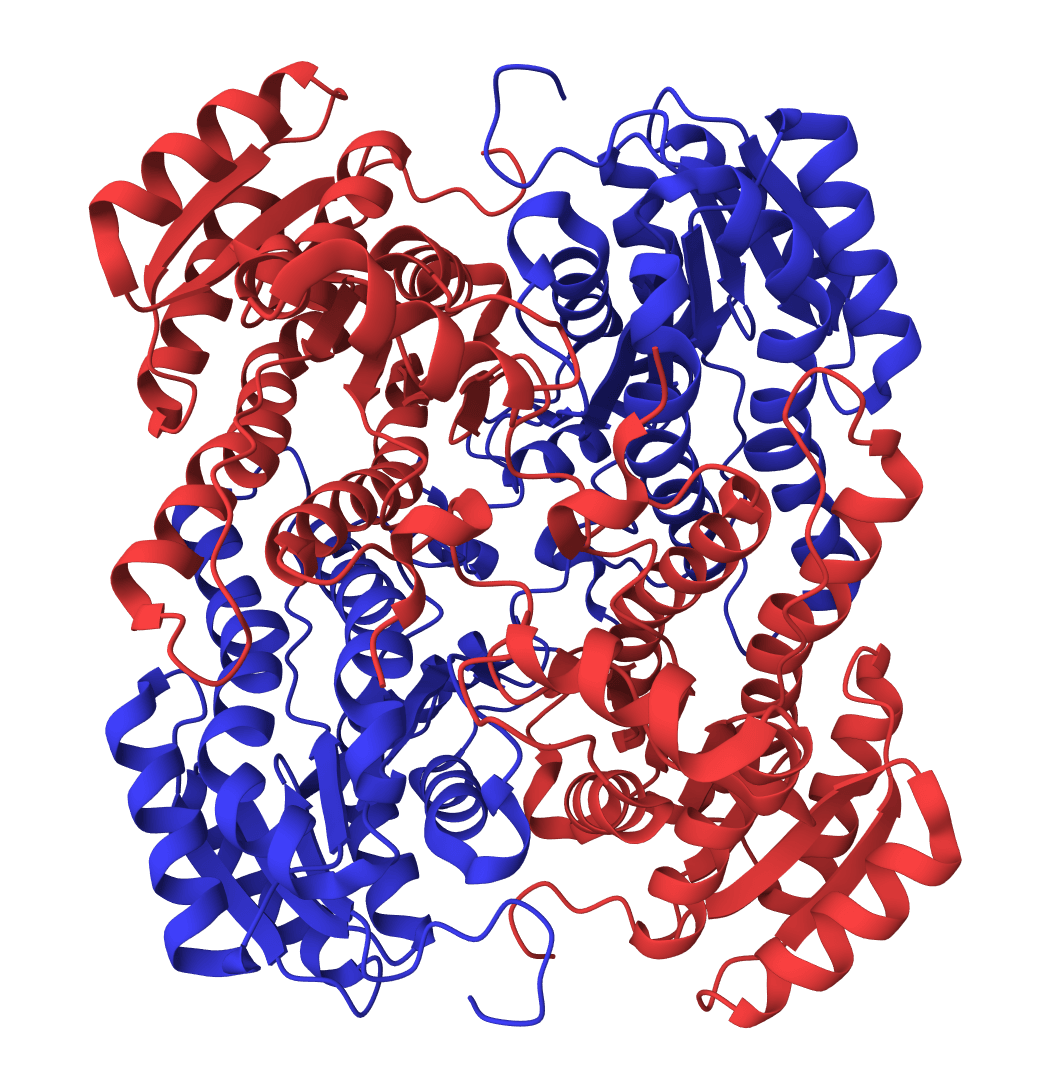
Calculate Root Mean Square Deviation (RMSD) between protein structures. Compare a reference PDB against multiple structures with automatic Kabsch alignment.
structure-analysiscomparison+2
RNA to DNA converter
Convert RNA sequences to DNA (reverse transcription) - replaces U with T
format-conversionDNA+1
RNAalifold
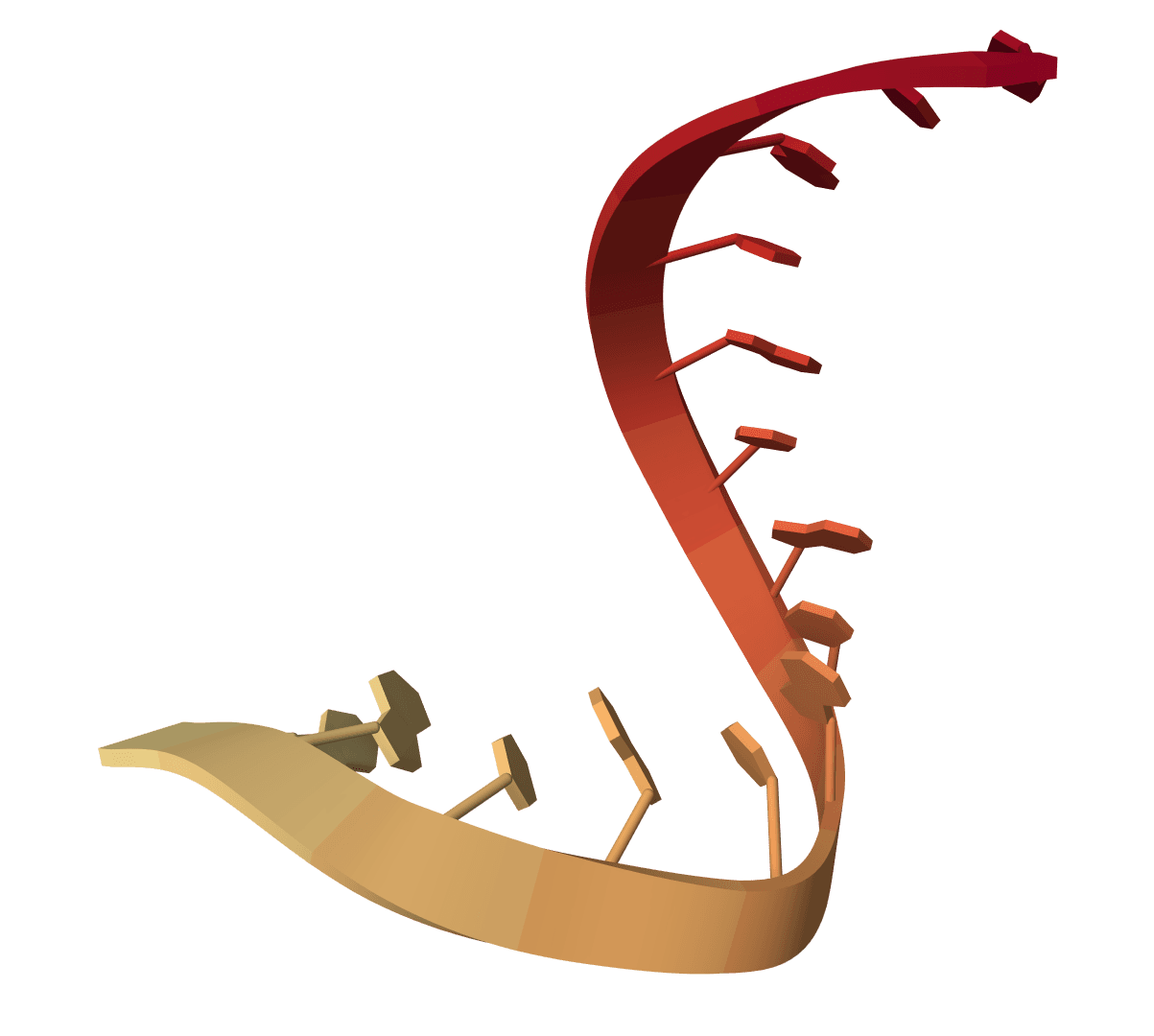
RNAalifold computes consensus RNA secondary structure from a multiple sequence alignment. Uses covariation information to improve prediction accuracy for evolutionarily conserved structures.
sequence-analysisstructure-prediction+3
RNAcofold
RNAcofold predicts the joint secondary structure of two interacting RNA molecules and optionally reports partition-function and concentration-dependent equilibrium metrics.
sequence-analysisstructure-prediction+3
RNAdistance
RNAdistance compares RNA secondary structures using the selected upstream ViennaRNA distance representation and comparison mode.
sequence-analysiscomparison+3
RNAdos
RNAdos calculates density-of-states summaries for RNA sequences, reporting representative structures and state counts across energy bands.
sequence-analysisstructure-prediction+3
RNAduplex
RNAduplex computes the hybridization structure between two RNA sequences. Predicts the optimal duplex formation and binding energy.
sequence-analysisinteraction-prediction+3
RNAeval
RNAeval calculates the free energy of an RNA secondary structure for a given sequence. Evaluates if a proposed structure is thermodynamically favorable.
sequence-analysisstructure-prediction+3
RNAfold
RNAfold predicts RNA secondary structure using minimum free energy (MFE) algorithms and optionally returns partition-function ensemble metrics when explicitly enabled.
sequence-analysisstructure-prediction+3
RNAGenIQ - Random RNA sequence generator
Generate random RNA sequences with customizable types and structural features
RNAsequence-design
RNAinverse
RNAinverse designs RNA sequences for a specified target secondary structure using ViennaRNA inverse-folding semantics.
sequence-designstructure-prediction+3
RNALfold
RNALfold reports locally stable RNA secondary structures within a sliding window and returns their start and end positions on the input sequence.
sequence-analysisstructure-prediction+3
RNAplex
RNAplex predicts fast query-target RNA interactions, reporting parsed hit coordinates, structures, and energies.
sequence-analysisinteraction-prediction+3
RNAplfold
RNAplfold computes local base pair probabilities using a sliding window approach. Useful for analyzing accessibility and identifying binding sites in long RNA sequences.
sequence-analysisstructure-prediction+3
RNAplot
RNAplot renders ViennaRNA secondary-structure plot files from a supplied RNA sequence and dot-bracket structure.
sequence-analysisvisualization+3
RNAsubopt
RNAsubopt enumerates all RNA secondary structures within a specified energy range above the minimum free energy (MFE). Useful for exploring the structural ensemble and identifying alternative conformations.
sequence-analysisstructure-prediction+3
RNAup
RNAup predicts accessibility-aware RNA-RNA interactions, reporting opening-energy terms alongside interaction energies and downloadable upstream output files.
sequence-analysisinteraction-prediction+3
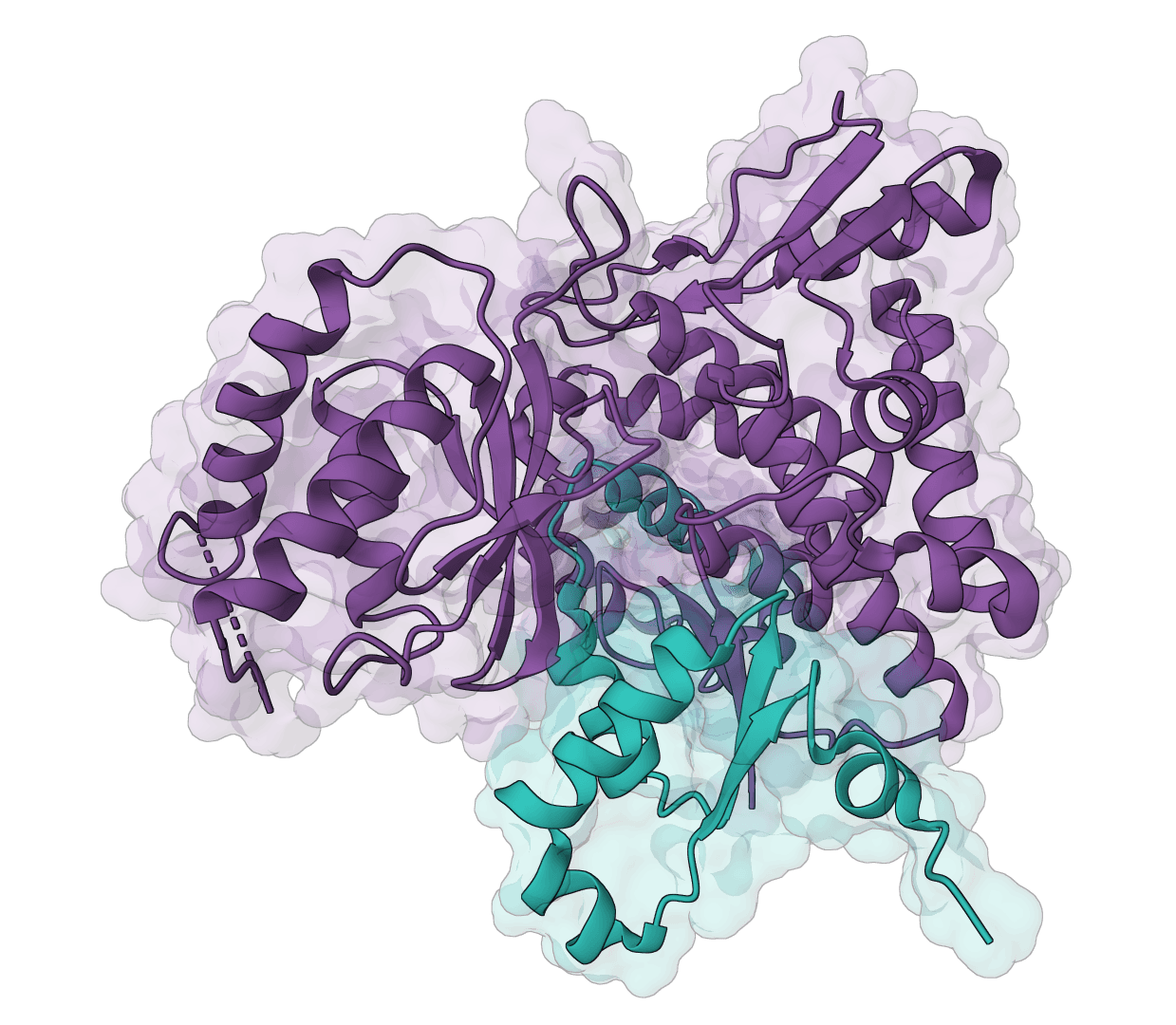
RosettaFold3
Open-source structure prediction neural network for proteins, nucleic acids, and small molecules. State-of-the-art accuracy with multi-chain support.
protein-foldingstructure-prediction+5
Salmon
Quantify transcript abundance from RNA-seq reads with Salmon selective alignment. Upload a transcript FASTA reference plus single-end or paired-end FASTA/FASTQ reads to produce TPM and estimated read-count tables.
sequence-analysisstatistical+4
SASA calculator
Calculate Solvent Accessible Surface Area (SASA) for protein structures using the Shrake-Rupley algorithm.
protein-analysisstructure-analysis+2
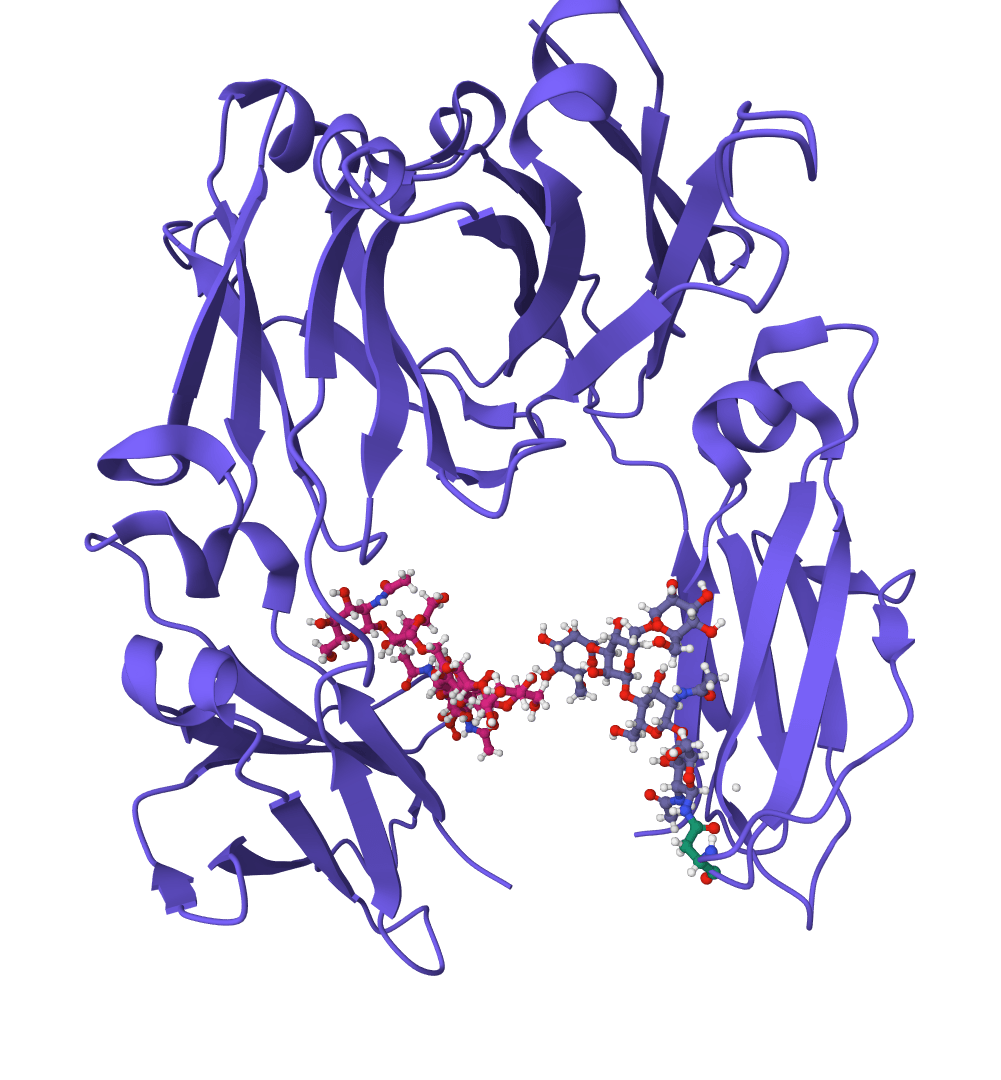
ScanNet
Geometric deep learning model for predicting protein binding sites directly from 3D structure. Identifies where proteins interact with other proteins, antibodies, or disordered proteins with high accuracy, including for novel protein folds.
interaction-predictiondeep-learning+3
SDF to PDB Converter
Convert Structure Data Format files to Protein Data Bank format
format-conversionsmall-molecule+2
SDF to SMILES
Convert SDF ligand files, including multi-record batches, into SMILES strings.
format-conversionsmall-molecule+3
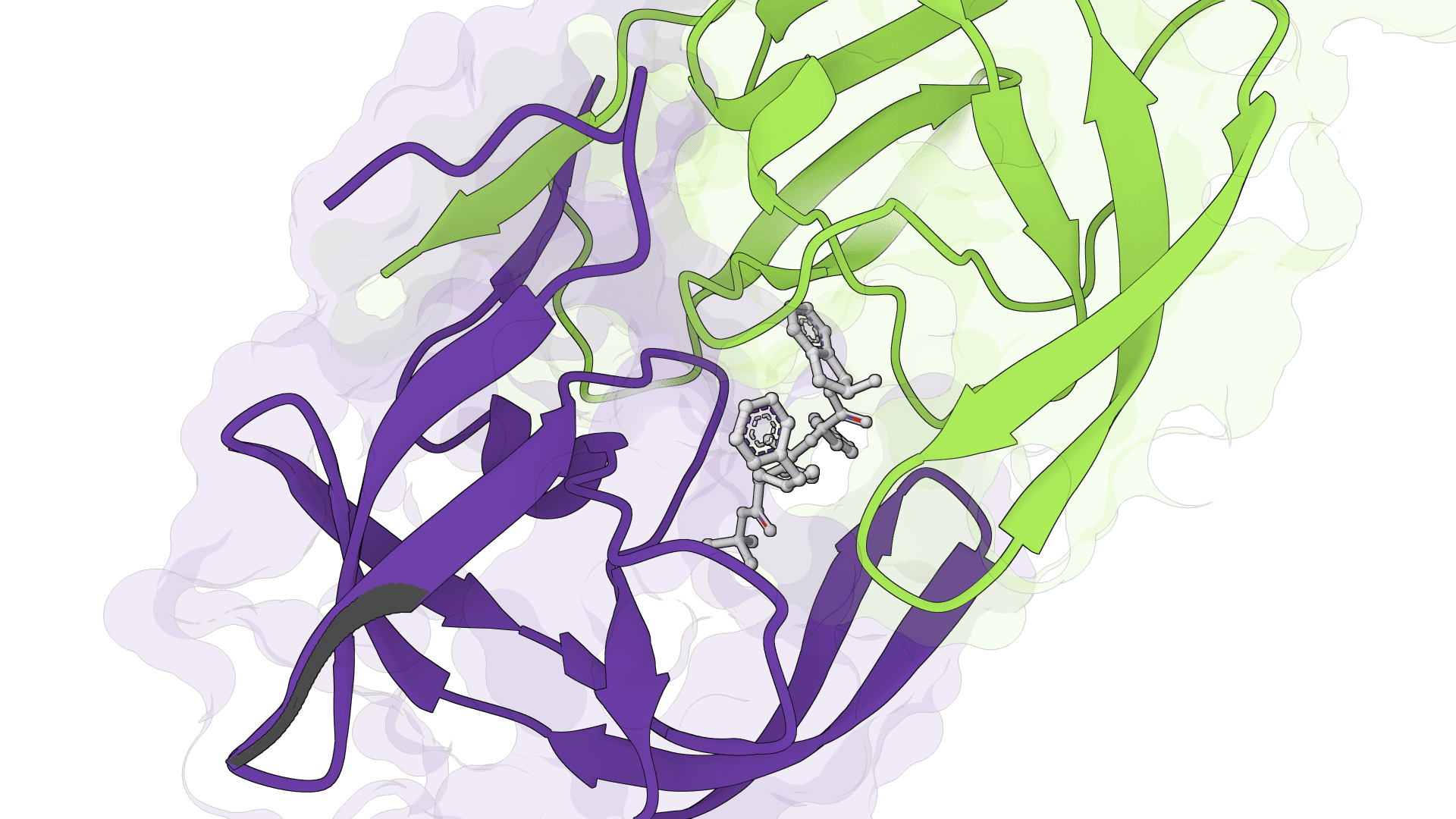
SigmaDock
SigmaDock is a fragment-based molecular docking tool using SE(3) equivariant diffusion models to predict how small molecule ligands bind to protein targets. Presented at ICLR 2026, it generates multiple binding poses with Vinardo scoring.
protein-dockingdiffusion-model+5
SMILES to InChI
Convert SMILES strings into InChI strings with batch support and downloadable outputs.
format-conversionsmall-molecule+2
SMILES to MOL2
Convert SMILES strings into 3D MOL2 files for docking and molecular modeling workflows.
format-conversionsmall-molecule+3
SMILES to PDB
Convert SMILES strings into 3D PDB files for molecular visualization and downstream docking preparation.
format-conversionsmall-molecule+3
SMILES to SDF
Convert single SMILES strings or small batches into 3D SDF files with downloadable per-entry files and a combined batch output.
format-conversionsmall-molecule+3
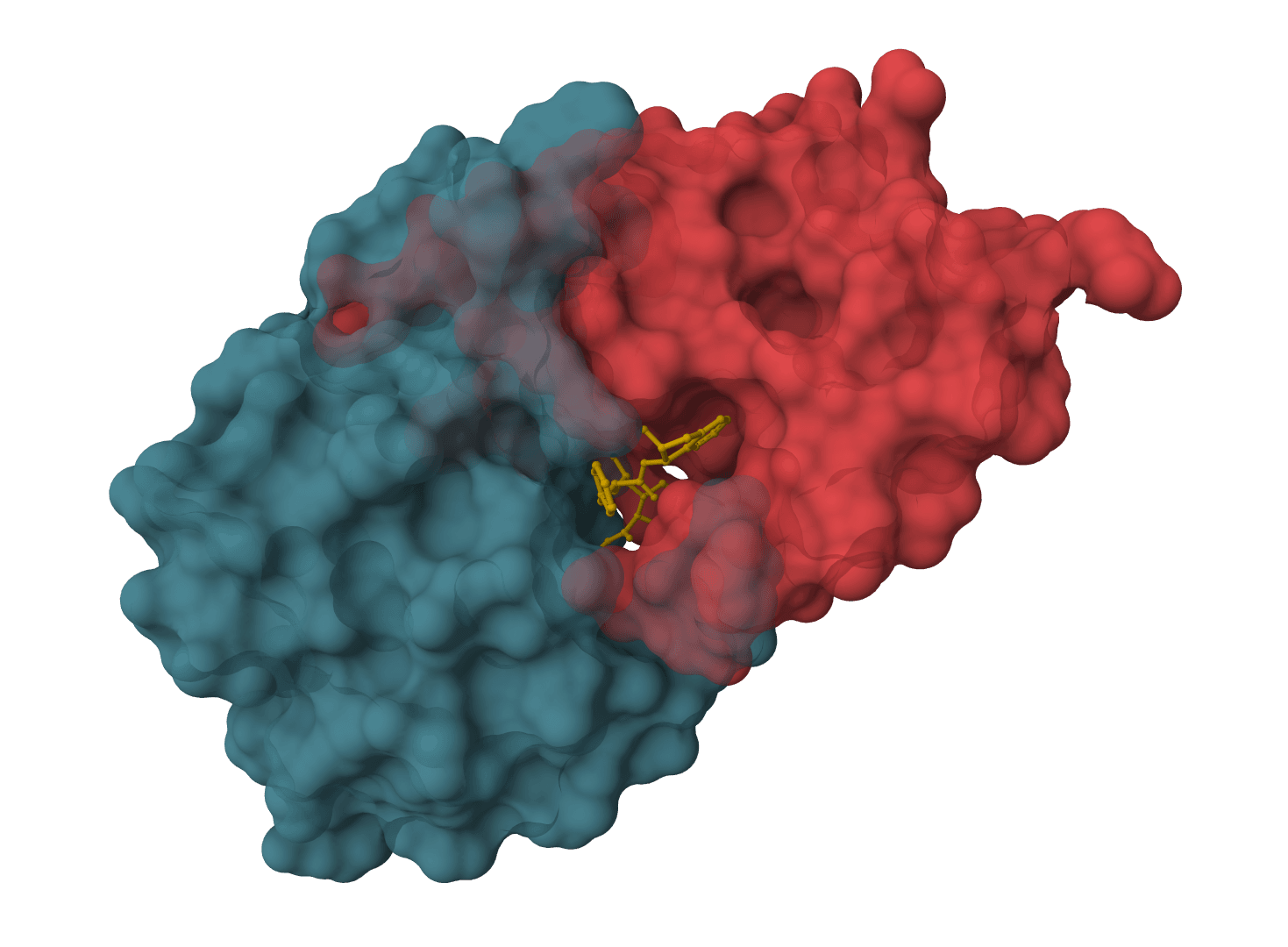
SMINA
SMINA is a fork of AutoDock Vina with enhanced scoring functions, custom scoring support, and 10-20x faster minimization. Ideal for scoring function development, pose refinement, and high-performance docking workflows.
protein-dockingaffinity-prediction+5
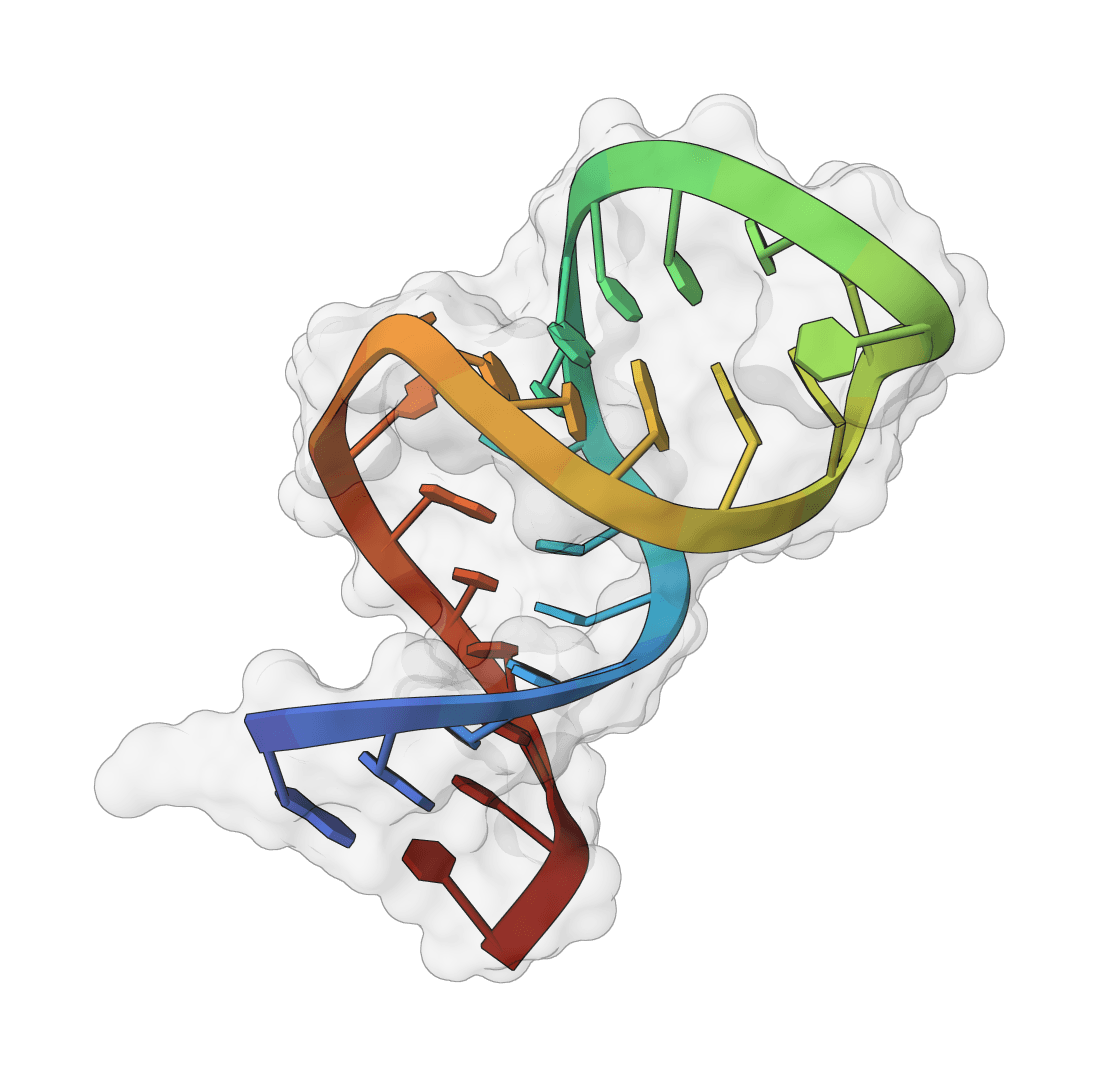
SMRTnet
Deep learning framework for predicting small molecule-RNA interactions using RNA secondary structure. Combines language models, CNNs, and graph attention networks for binding prediction.
sequence-analysisdeep-learning+4
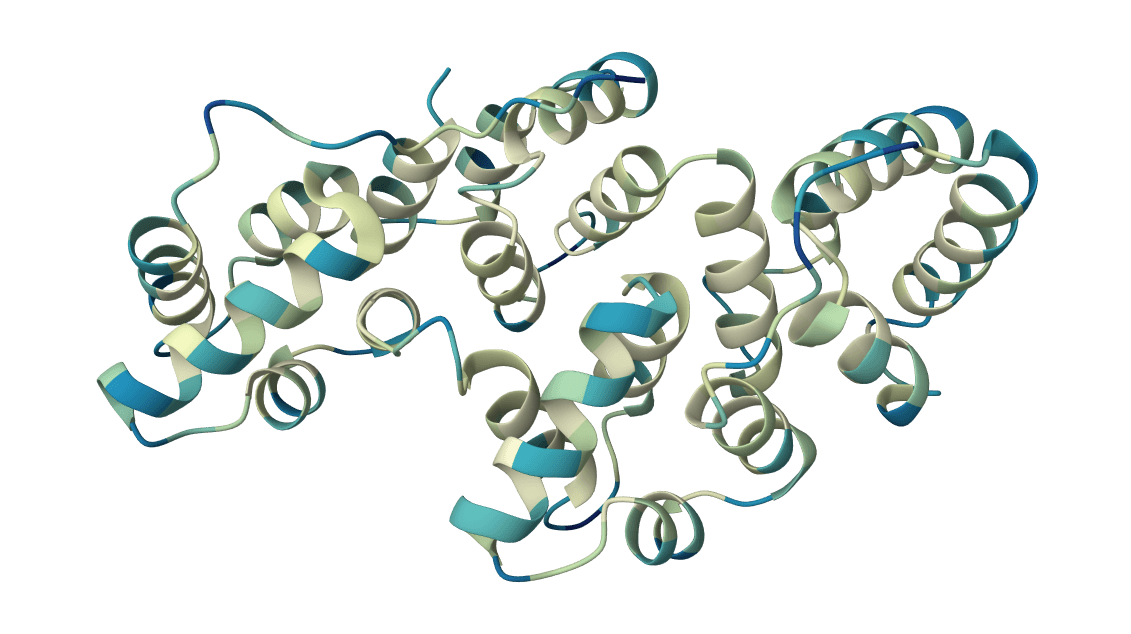
SolubleMPNN
Specialized model for soluble protein sequence design. Trained exclusively on soluble proteins for optimized performance on cytoplasmic and extracellular proteins.
proteinsequence-design+2
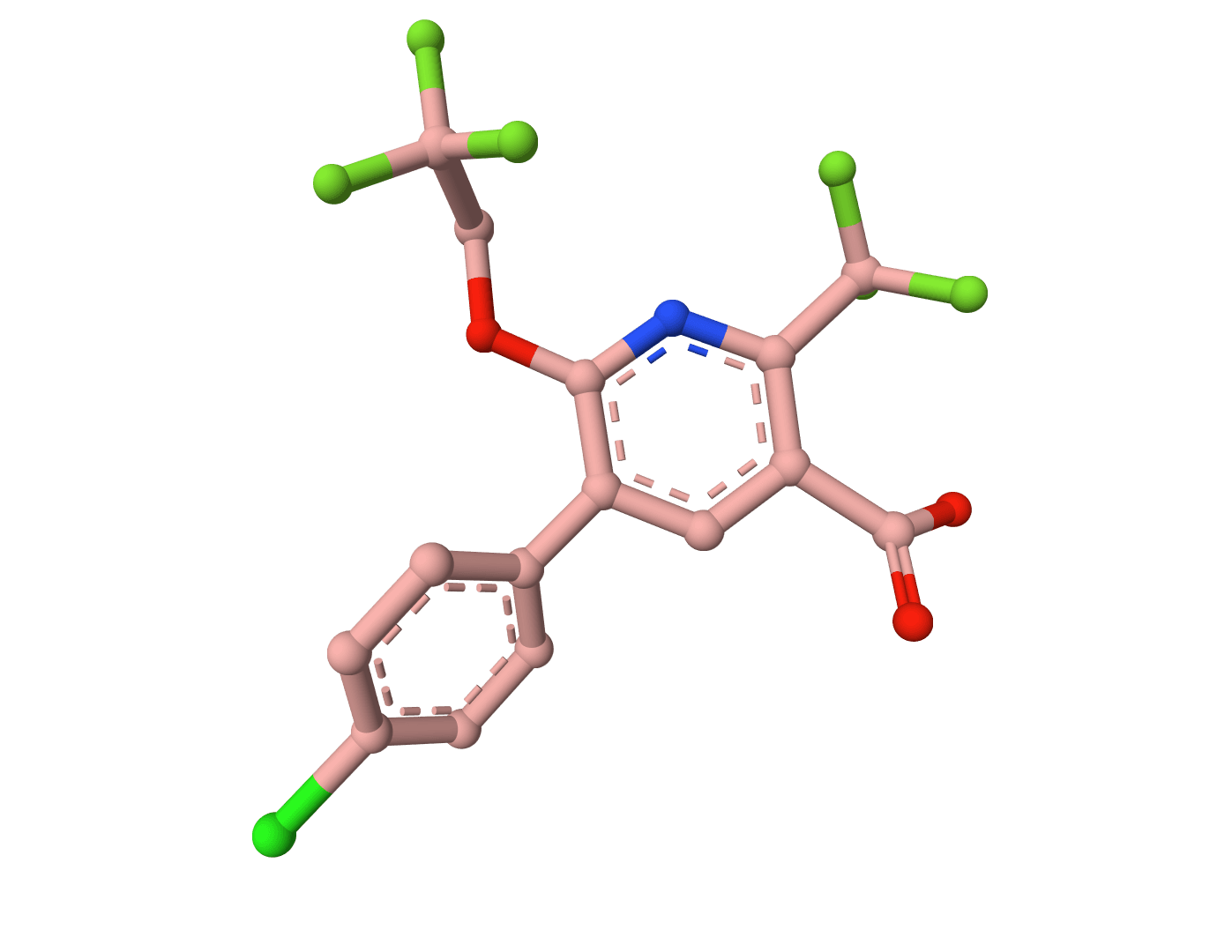
SPRINT
SPRINT (Structure-aware PRotein ligand INTeraction) predicts drug-target interactions using co-embedded protein and ligand representations. Screen thousands of compounds against a protein target in seconds.
protein-analysisinteraction-prediction+5
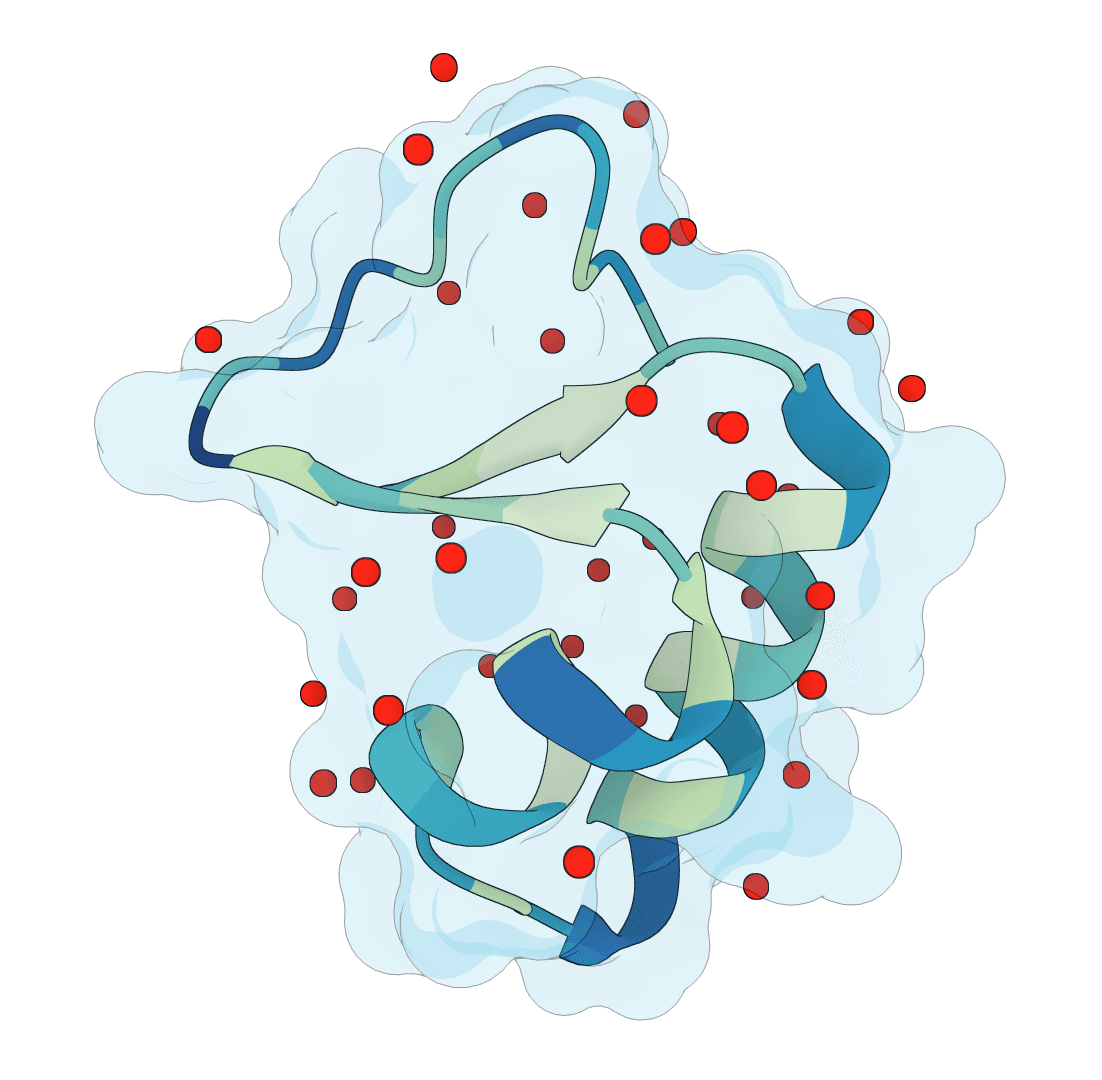
SuperWater
Predict protein hydration sites from a structure using a diffusion model with ESM features and a confidence-filtering head.
structure-analysisai-powered+4
SurfDock
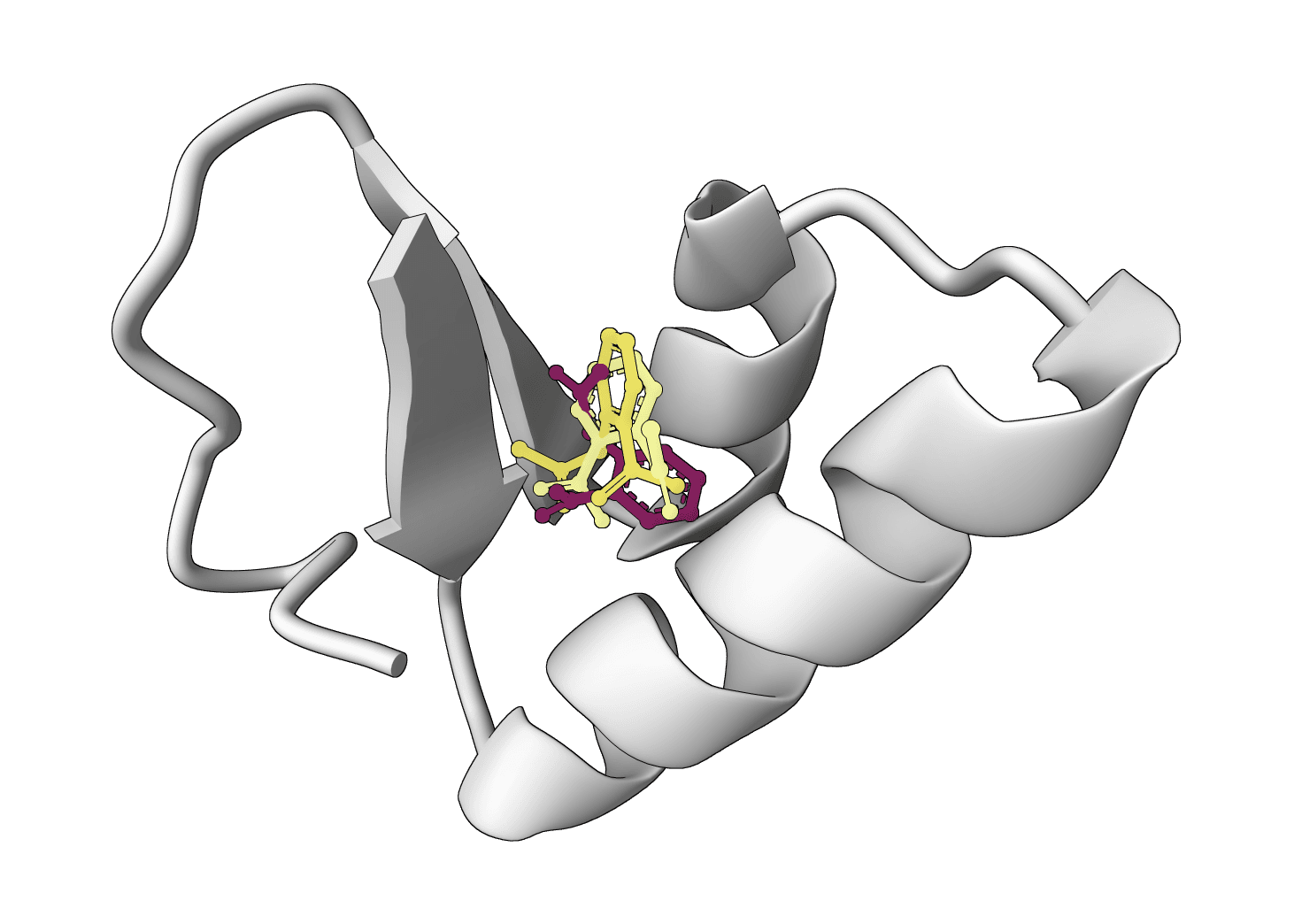
SurfDock is a surface-informed diffusion generative model for protein-ligand docking, published in Nature Methods 2024. It leverages protein surface geometry to guide a diffusion process for reliable and accurate protein-ligand complex prediction.
protein-dockingstructure-prediction+5
ThermoMPNN
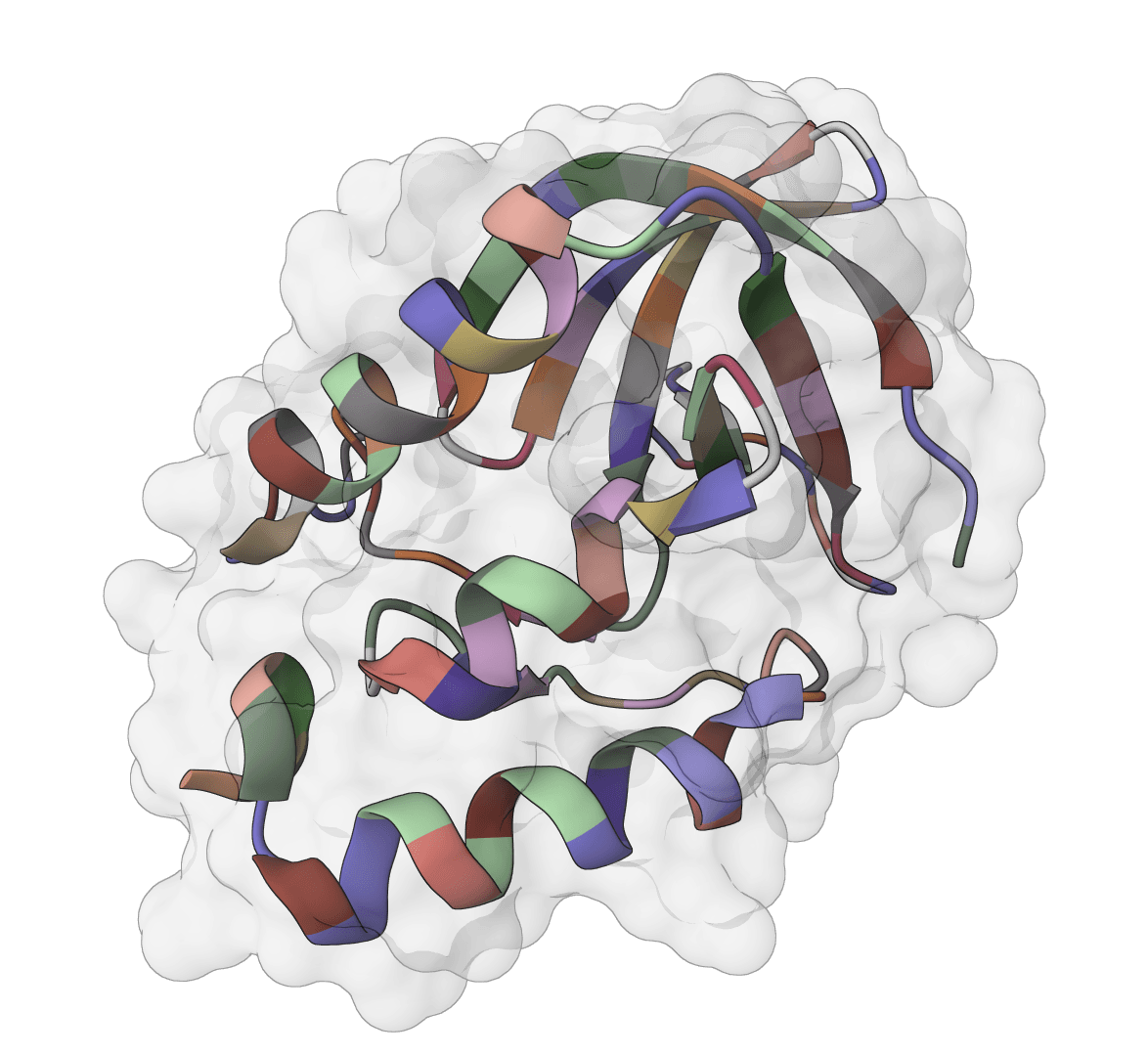
Predict protein thermostability changes (ΔΔG) for point mutations using a graph neural network. Enables computational saturation mutagenesis screening to identify stabilizing mutations.
protein-analysisproperty-prediction+3
Three-to-one converter
Convert three-letter amino acid codes to single-letter codes
format-conversionprotein
TLimmuno2
Predict MHC class II peptide immunogenicity (CD4+ T cell response) using transfer learning with LSTM.
protein-analysisdeep-learning+3
ToxPred 2.0 (Toxicity prediction)
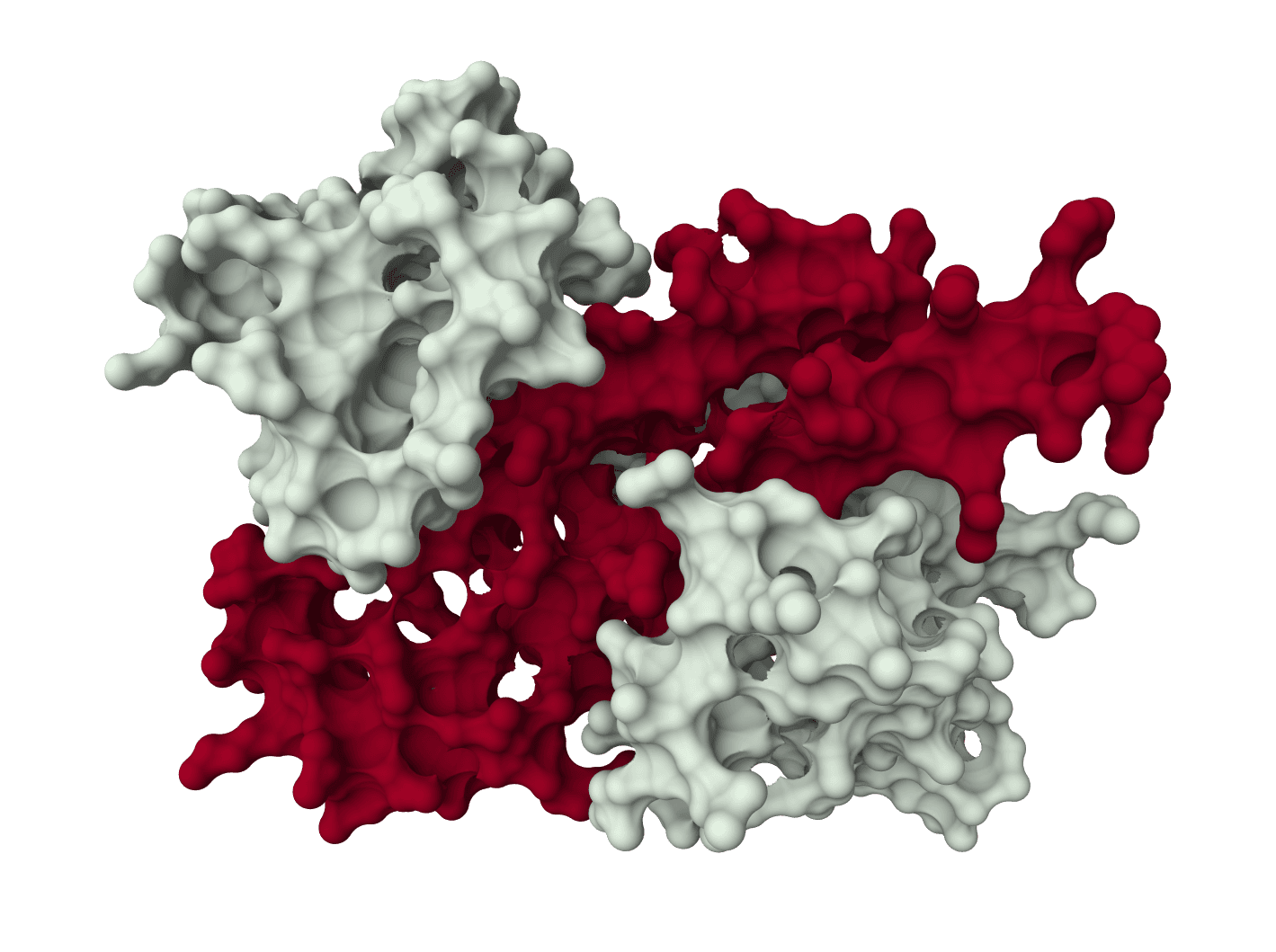
Screen compounds for structural toxicity alerts using PAINS, Brenk, and NIH filters. For focused screening, see PAINS Filter, Brenk Filter, or Veber's Rule.
protein-analysisproperty-prediction+2
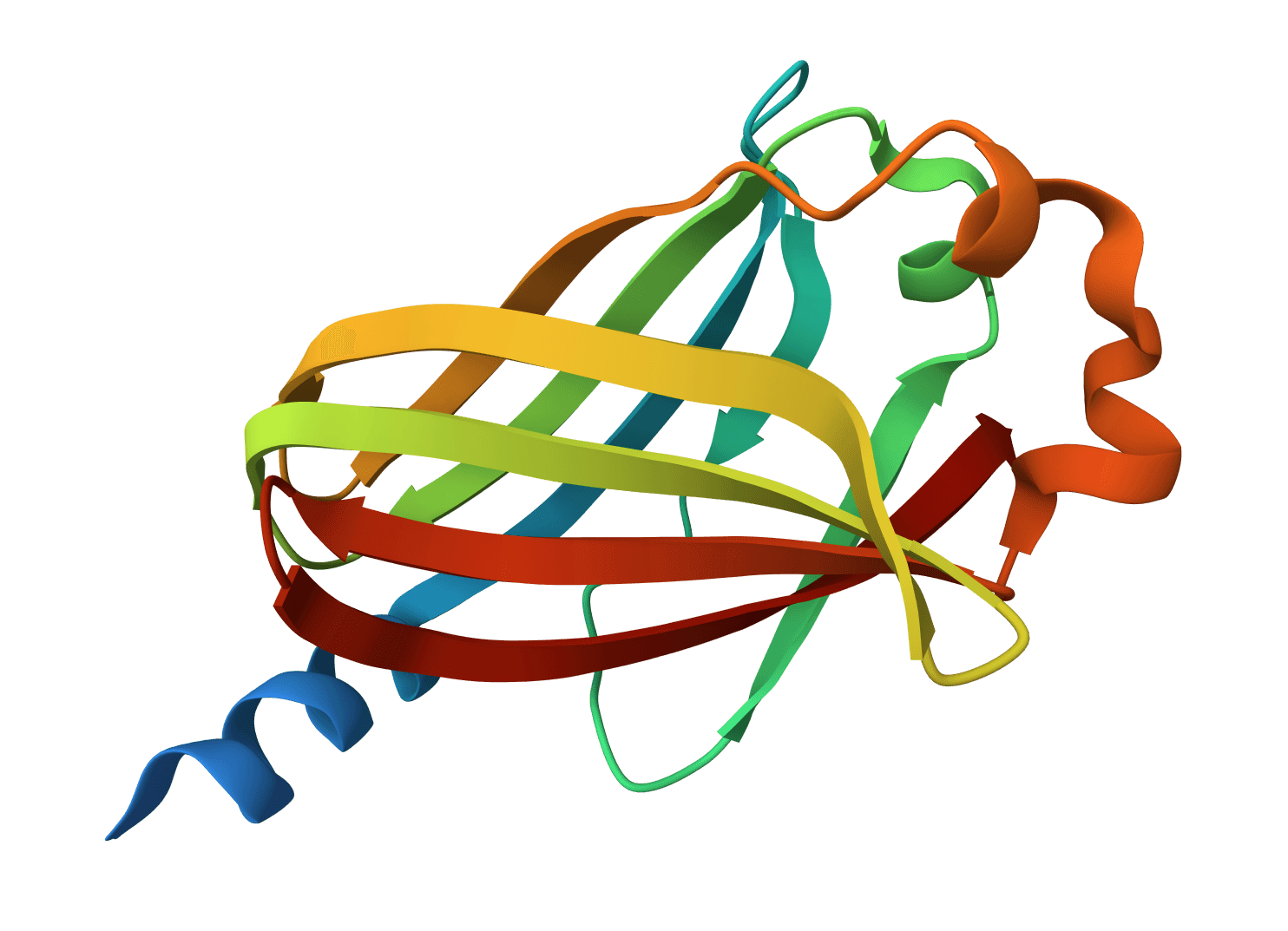
TXT to FASTA converter
Convert plain text sequences to FASTA format - supports DNA, RNA, and protein sequences with automatic cleanup and validation
format-conversionprotein+3
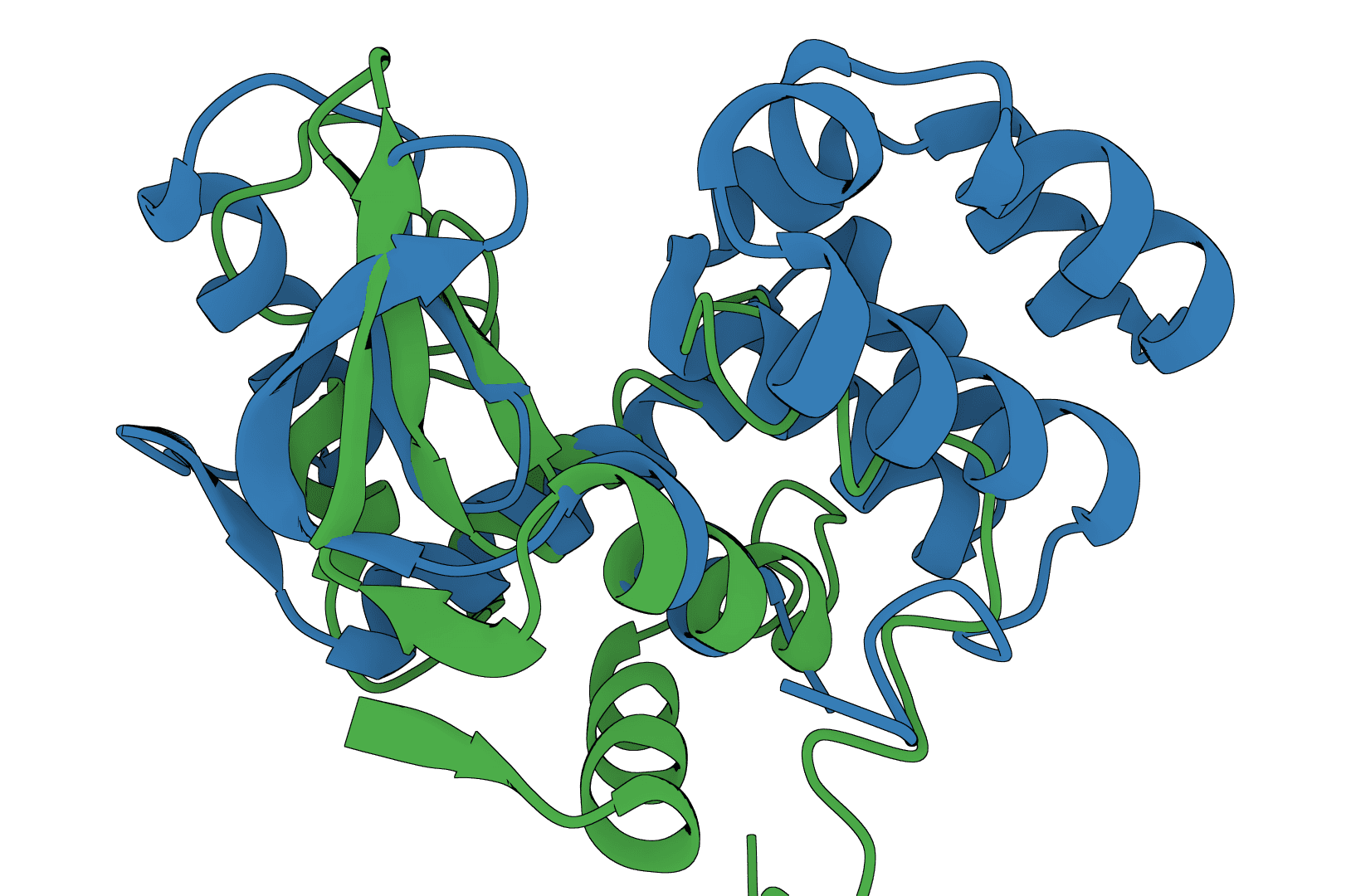
USAlign
USAlign (Universal Structure Alignment) aligns protein, RNA, and DNA structures to compute TM-scores and generate superposed structures. Compare 3D structures to assess structural similarity.
structure-analysisalignment+4
Veber's rule
Veber's Rule predicts oral bioavailability by evaluating molecular weight, LogP, hydrogen bond donors/acceptors, and rotatable bonds
protein-analysisproperty-prediction+3
ViennaRNA
ViennaRNA exposes a curated set of upstream-faithful ViennaRNA 2.7.2 workflows for RNA folding, density-of-states analysis, interaction prediction, local accessibility, plotting, inverse folding, and structure analysis.
sequence-analysisstructure-prediction+3