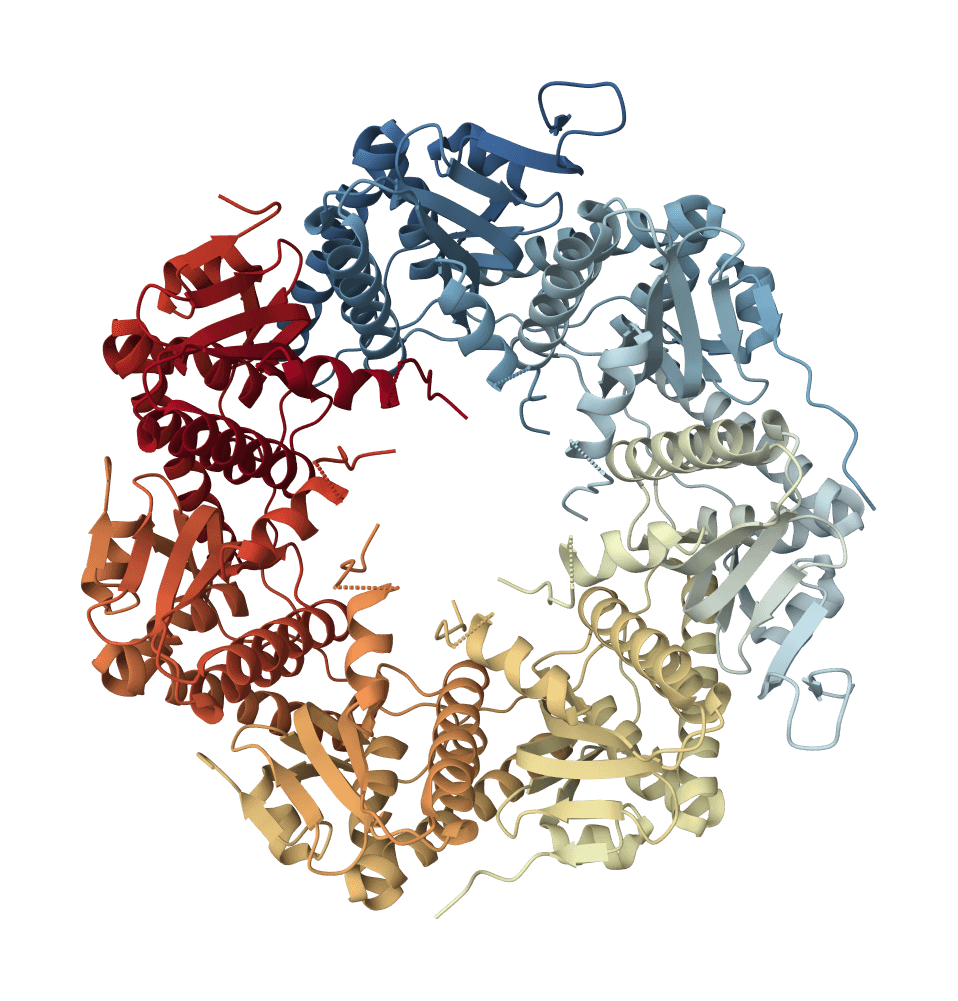
Design amino acid sequences for protein backbones with fixed positions, amino acid biases, and sequence diversity controls. Learn more
Input
What is ProteinMPNN?
ProteinMPNN solves the inverse folding problem: given a protein backbone structure, what amino acid sequences will fold into that shape? This reverses the structure prediction question—instead of asking what structure a sequence adopts, it asks what sequences can adopt a given structure.
Developed at the Institute for Protein Design and published in Science (2022), ProteinMPNN achieves 52.4% native sequence recovery on test backbones, compared to 32.9% for the previous state-of-the-art Rosetta design software. Beyond accuracy, it runs in ~1 second per protein versus ~4 minutes for Rosetta.
Experimental validation has been extensive. Crystal structures and cryo-EM reconstructions confirm that designed sequences fold to their intended structures. The method has successfully rescued previously failed designs and enabled new applications from nanomaterials to target-binding proteins.
How does ProteinMPNN work?
ProteinMPNN represents protein structures as graphs where residues are nodes and edges connect spatially proximate residues (the 32–48 nearest Cα neighbors). The neural network learns from this geometric representation without requiring evolutionary information or sequence alignments.
Encoding structure
The encoder (3 layers, 128 hidden dimensions) processes pairwise distances between backbone atoms: N, Cα, C, O, and a virtual Cβ. These interatomic distances capture inter-residue geometry more effectively than dihedral angles or coordinate frames. Message passing between nodes and edges propagates structural information throughout the graph.
Decoding sequences
Rather than generating amino acids sequentially from N- to C-terminus, ProteinMPNN uses order-agnostic autoregressive decoding. During training, the model learns to predict amino acids in random order. At inference, each position is decoded conditioned on the structural encoding and any previously decoded positions.
This flexibility enables practical design scenarios: fixing certain residues while redesigning others, enforcing identical sequences across homo-oligomer chains, or biasing toward specific amino acid compositions.
How to use ProteinMPNN online
ProteinMPNN runs on ProteinIQ's managed CPU infrastructure without local installation. The same page supports sequence design and source-native scoring of the uploaded sequence.
Inputs
| Input | Description |
|---|---|
Protein | PDB or .ent file, or an RCSB PDB ID (e.g., 1ABC). Parsed protein residues must contain N, Cα, C, and O backbone coordinates. |
Settings
Core settings
| Setting | Description |
|---|---|
Operation | Design new sequences or score the native sequence in the uploaded PDB. |
Model checkpoint | Official 0.02, 0.10, 0.20, or 0.30 Å backbone-noise checkpoint. The source default is 0.20 Å. |
Number of sequences | Sequence variants to generate (1–48, source default 1). More sequences explore broader sequence space at linear computational cost. |
Sampling temperature | Positive diversity control (source default 0.1). ProteinMPNN does not impose an upper bound. Lower = conservative, higher = diverse. |
Random seed | Integer for reproducibility. Same seed + settings = identical output. |
Temperature interpretation
| Temperature | Behavior |
|---|---|
| 0.05–0.1 | Conservative designs with highest predicted fitness. Best for maximizing sequence recovery. |
| 0.2–0.3 | Moderate diversity while maintaining good recovery. Useful for variant libraries. |
| 0.4–1.0 | High diversity at the cost of recovery. Use when exploring novel sequences matters more than optimality. |
| Above 1.0 | Source-supported, increasingly random sampling. Validate resulting sequences carefully. |
Scoring
| Setting | Description |
|---|---|
Scoring method | Single-position probabilities conditioned on all other sequence positions, or autoregressive probabilities along sampled decoding orders. |
Use native sequence context | Include the uploaded sequence as context. Disable for backbone-only probabilities. |
Scores per pass | Source batch size for each scoring pass, limited to 16 per job. |
Scoring passes | Repeat scoring with new decoding orders, up to 16 passes. Results summarize every score sample across the batch size multiplied by passes. |
Design constraints
| Setting | Description |
|---|---|
Chains to design | Specify which chains to redesign (e.g., A,B); all others stay fixed. Simpler than listing every fixed residue for multi-chain proteins. |
Homo-oligomer | When enabled, all chains receive identical sequences. For symmetric assemblies like dimers or trimers. |
Fixed positions | Residues to preserve unchanged. Format: A15,A19,A1-10,B1-20. Useful for catalytic or binding sites. |
Redesigned positions | Inverse of fixed—specify what to redesign, everything else stays fixed. Format is identical. Cannot be used with Fixed positions. |
Parse chains only | Parse only specified chains from the PDB, ignoring all others. Useful for large multi-chain assemblies where only a subset is relevant. |
Include zero-occupancy atoms | Include atoms with zero occupancy from crystal structures. Off by default. |
Exclude amino acids | Globally exclude specific amino acids from all designed positions. Enter one-letter codes without separators (e.g., C, CW). |
Amino acid biases | Global source-native amino acid logit biases. Positive values favor and negative values disfavor an amino acid; no artificial numeric range is imposed. |
Per-position amino acid biases | JSON such as {"A12":{"G":1.1}}, passed to the source per-residue bias input. |
Per-position amino acid exclusions | JSON such as {"A12":"PG"}, passed to the source per-residue omission input. |
Symmetric residue groups | Tie arbitrary positions with source syntax such as A12,B12 | A13,B13, with optional matching weights. |
Side-chain packing | Run the source side-chain packer and return every packed PDB. A job can return at most 48 packed structures; packing controls are bounded and priced. |
Results
Each designed sequence includes:
| Column | Description |
|---|---|
Sequence ID | Identifier for the design (seq_1, seq_2, …) |
Sequence | The designed amino acid sequence |
Overall confidence | exp(−mean negative log probability) over redesigned positions. Higher means ProteinMPNN assigned greater probability to the sampled sequence; it is not a fold-success probability. |
Seq recovery | Fraction of redesigned positions matching the original sequence |
Mutation count | Number of positions that differ from the input |
Identity % | Percent identity to the input sequence |
Design results include the complete source FASTA, a designed-sequence FASTA, per-design statistics, backbone PDBs, and the execution log. When packing is enabled, every packed PDB is included.
ProteinIQ caps projected native artifacts at 100 MiB per job. For large structures, reduce the number of sequences or packs per design, or reduce scoring passes and scores per pass, so every native result can be returned safely.
Score results include per-position probabilities in the Results and Data tabs, a CSV containing every amino acid mean probability and standard deviation, the complete source .pt tensor artifact, and the execution log.
Applications
Inverse folding enables several protein engineering workflows:
- De novo protein design: After generating a novel backbone with tools like RFdiffusion, ProteinMPNN provides sequences likely to fold into that structure
- Sequence optimization: Generate variants of existing proteins with potentially improved expression, solubility, or stability
- Functional homolog design: Create sequence-diverse proteins that maintain a target fold, useful when avoiding immune recognition or intellectual property constraints
- Rescue failed designs: Re-sequence backbones from computationally designed proteins that failed to express or fold
Limitations
ProteinMPNN designs sequences based solely on backbone geometry. It does not consider:
- Ligand interactions: For proteins with bound small molecules, metals, or nucleotides, use LigandMPNN instead
- Membrane environment: Standard ProteinMPNN was trained on soluble proteins. For transmembrane proteins or optimizing soluble expression, consider SolubleMPNN
- Stability optimization: While designs often fold well, ProteinMPNN does not explicitly optimize thermostability. Consider ThermoMPNN for stability predictions
Experimental validation remains essential—computational metrics predict but do not guarantee foldability or function.
Sources
Related tools
HyperMPNN
Design thermostable protein sequences using ProteinMPNN trained on hyperthermophilic organism structures. Generates sequences optimized for improved thermal stability without requiring ligands or additional context.
LigandMPNN
Design and score protein sequences with ligand, metal, nucleotide, and fixed-side-chain context, with optional native side-chain packing.
SolubleMPNN
Design and score protein sequences with the official ProteinMPNN-family checkpoint trained only on structures from soluble-protein PDB IDs, with optional native side-chain packing.
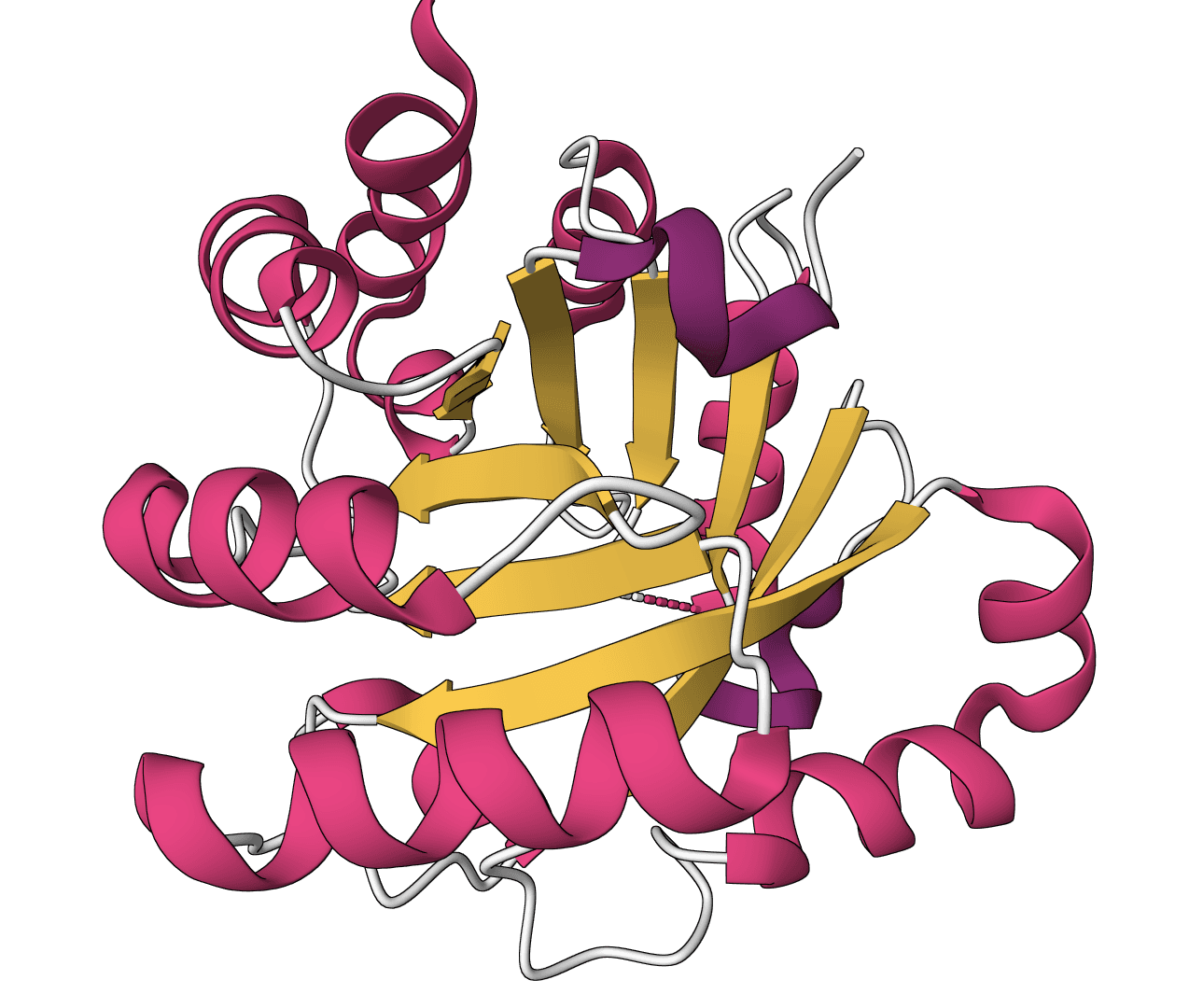
IgDesign
Design antibody heavy- and light-chain CDR sequences from an antibody-antigen complex with the IgDesign inverse-folding model.
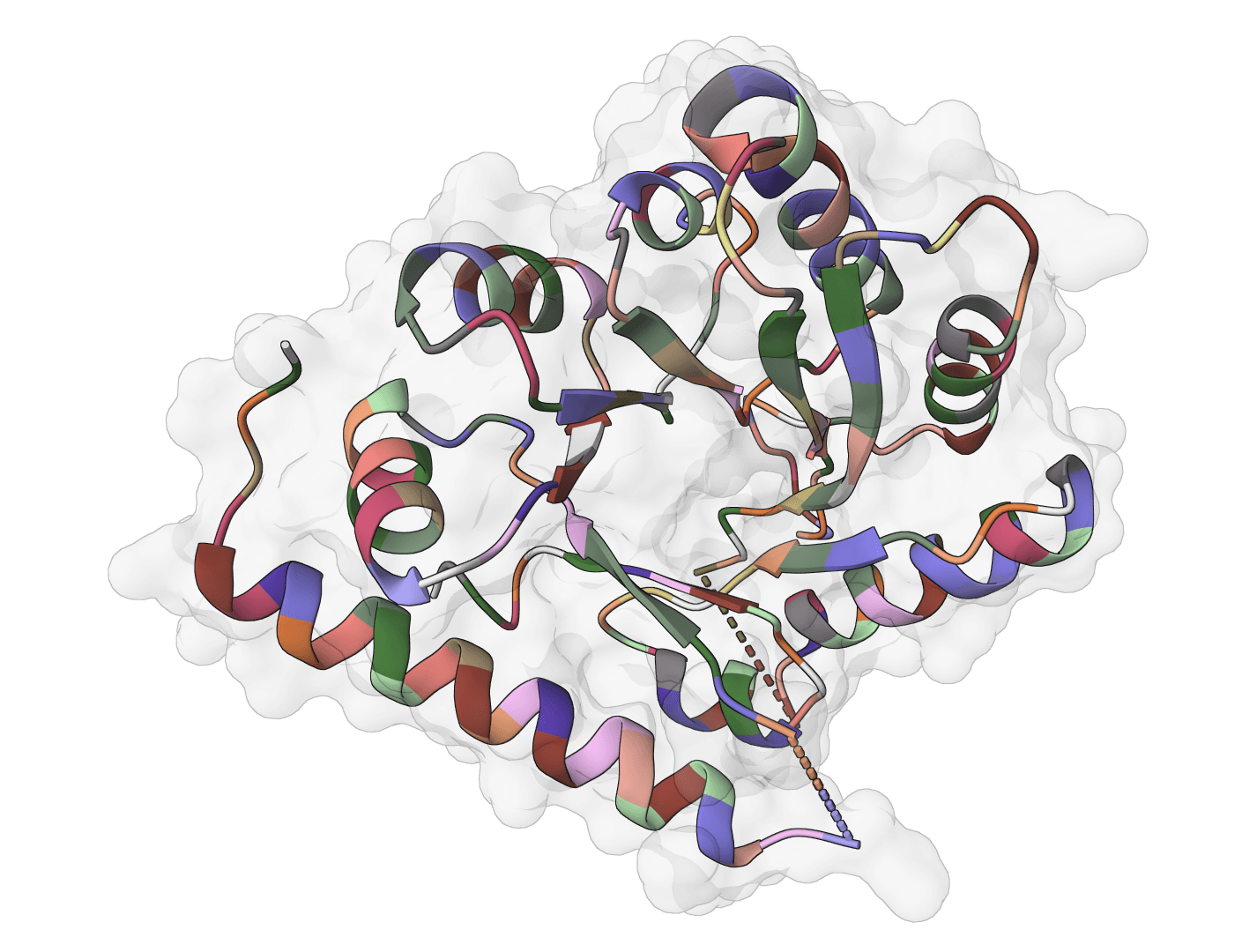
AntiFold
Inverse folding for antibody variable domains and nanobodies. Predicts amino acid sequences compatible with antibody structures using IMGT numbering while preserving native AntiFold chain handling and structural constraints.
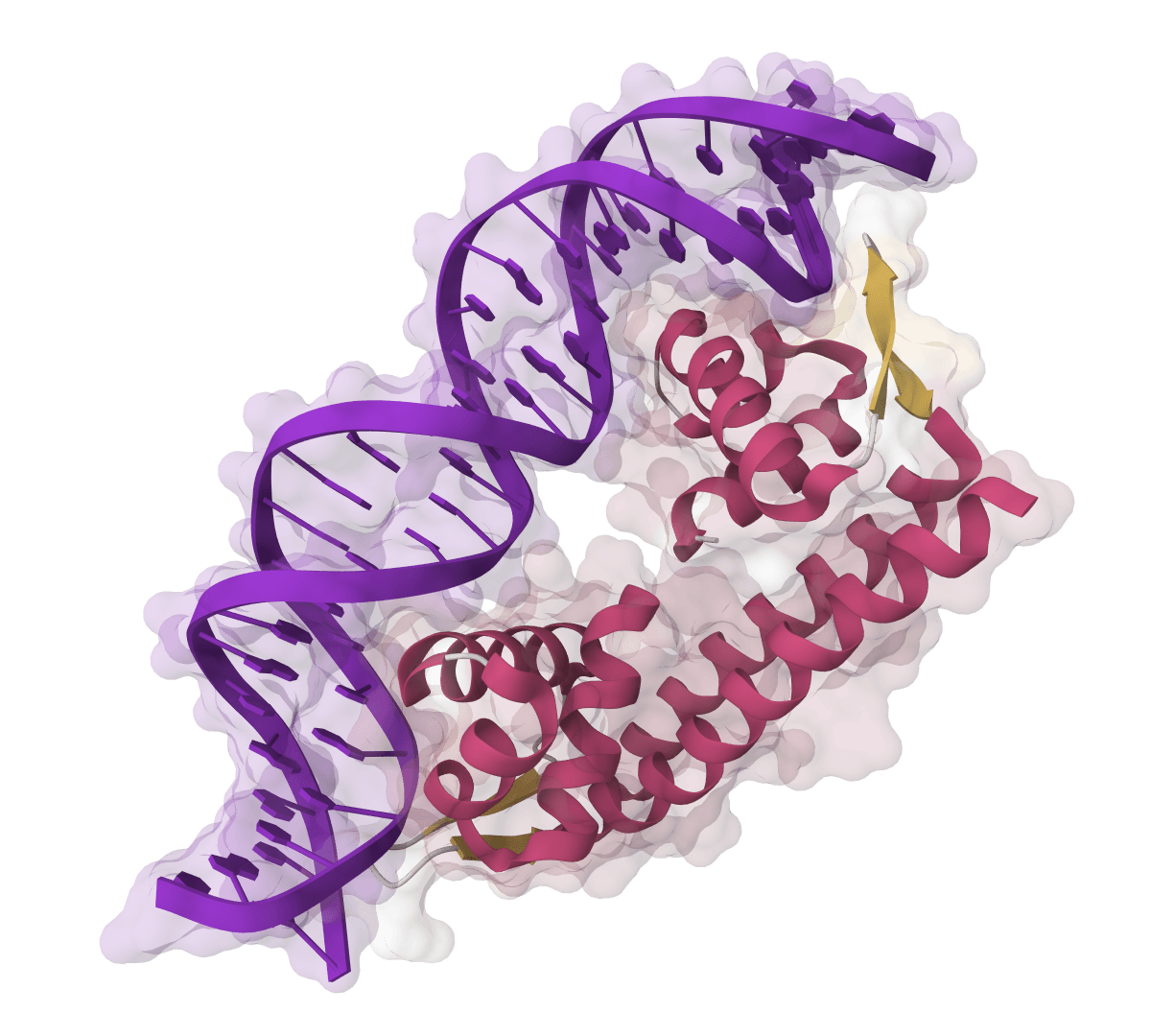
ESM-IF1
Inverse folding with ESM-IF1. Design protein sequences for given 3D backbone structures using a geometric deep learning model. Generate multiple sequence variants optimized for your target structure.
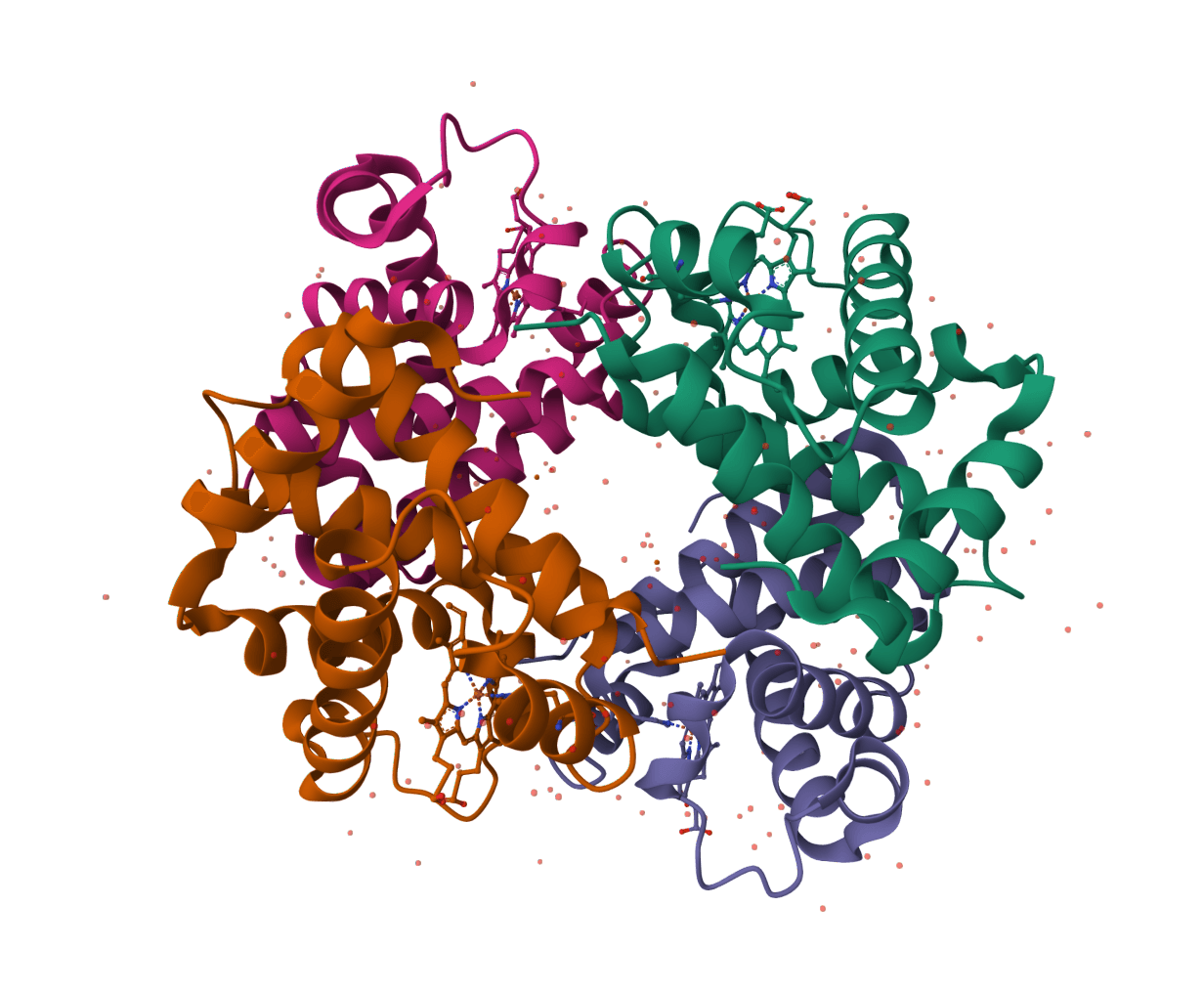
ProFam
ProFam-1 is a protein family language model for family-conditioned sequence generation. Provide a protein family in FASTA, A2M, or A3M format and generate new sequences with model likelihood scores for downstream ranking and screening.
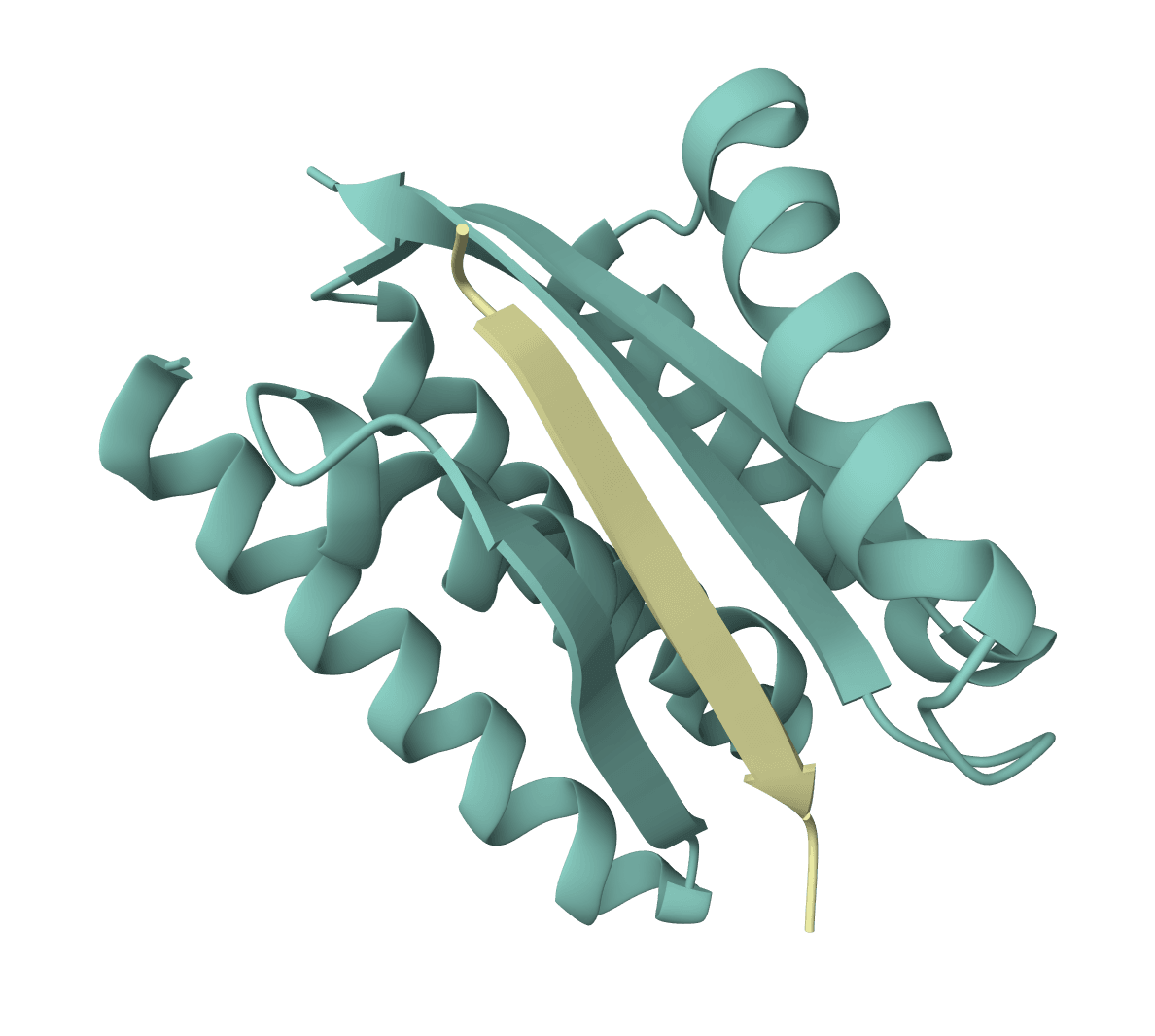
PepMLM
Design linear peptide binders for target proteins using a target sequence-conditioned masked language model. PepMLM generates peptide sequences optimized to bind specific protein targets based on ESM-2 protein language modeling.
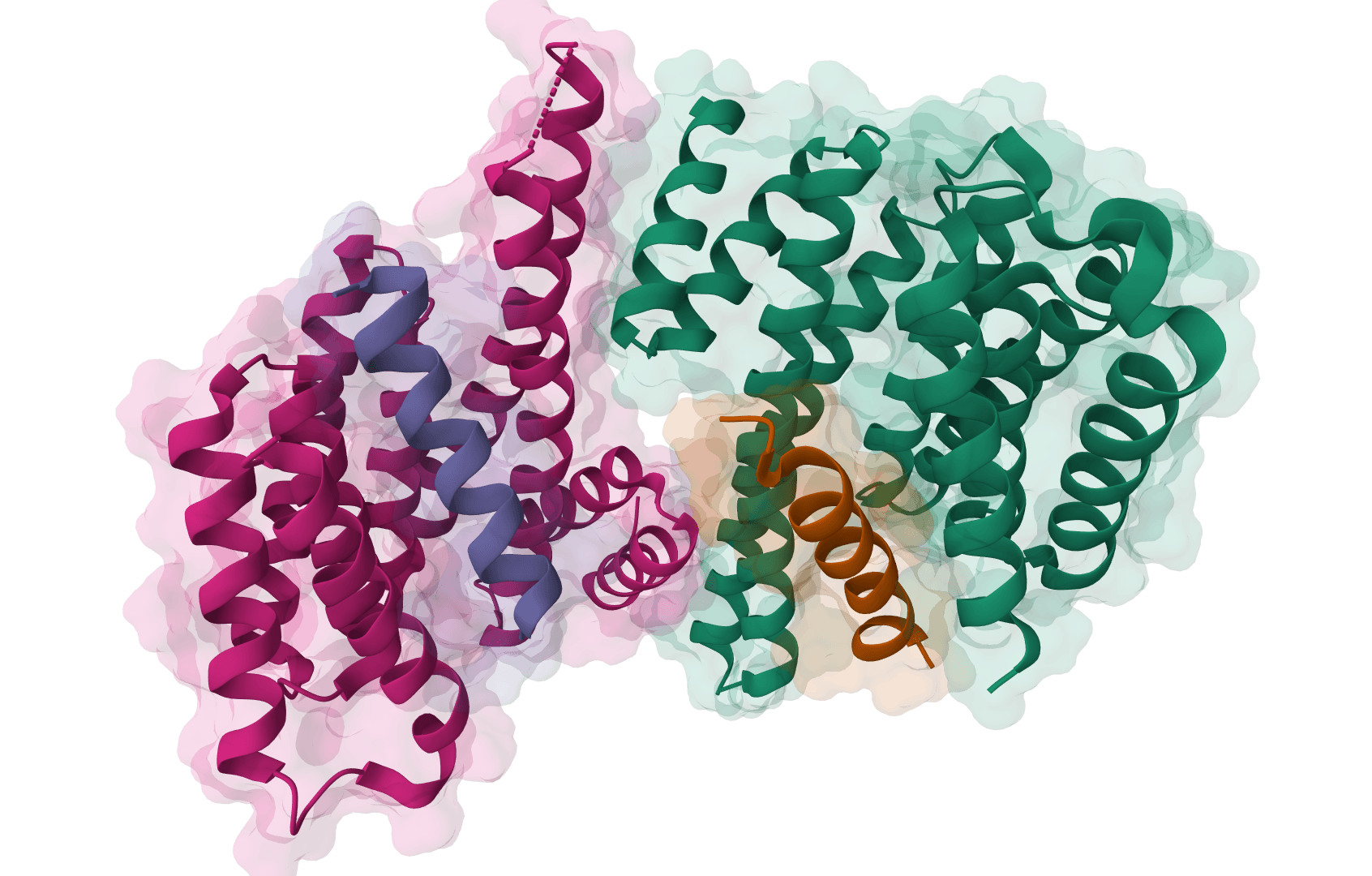
BindCraft
Design de novo protein binders using AlphaFold2 backpropagation, ProteinMPNN sequence optimization, and PyRosetta relaxation. BindCraft generates novel protein sequences that bind to user-specified target surfaces.
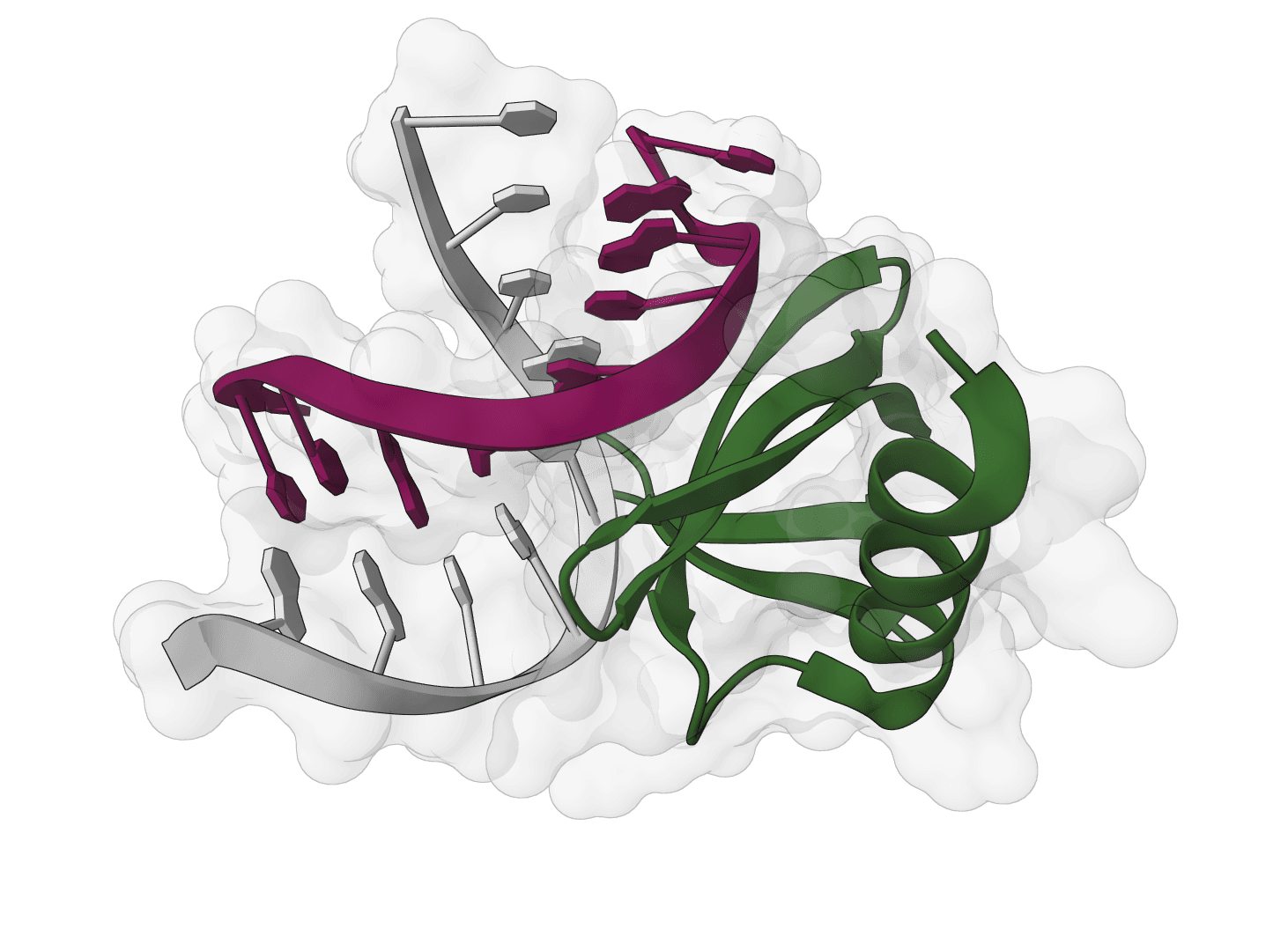
EvoPro
Optimize protein binders using genetic algorithms combined with AlphaFold2 fitness evaluation and ProteinMPNN sequence design. EvoPro evolves protein sequences to maximize binding affinity and structural quality through iterative cycles of mutation, selection, and validation.