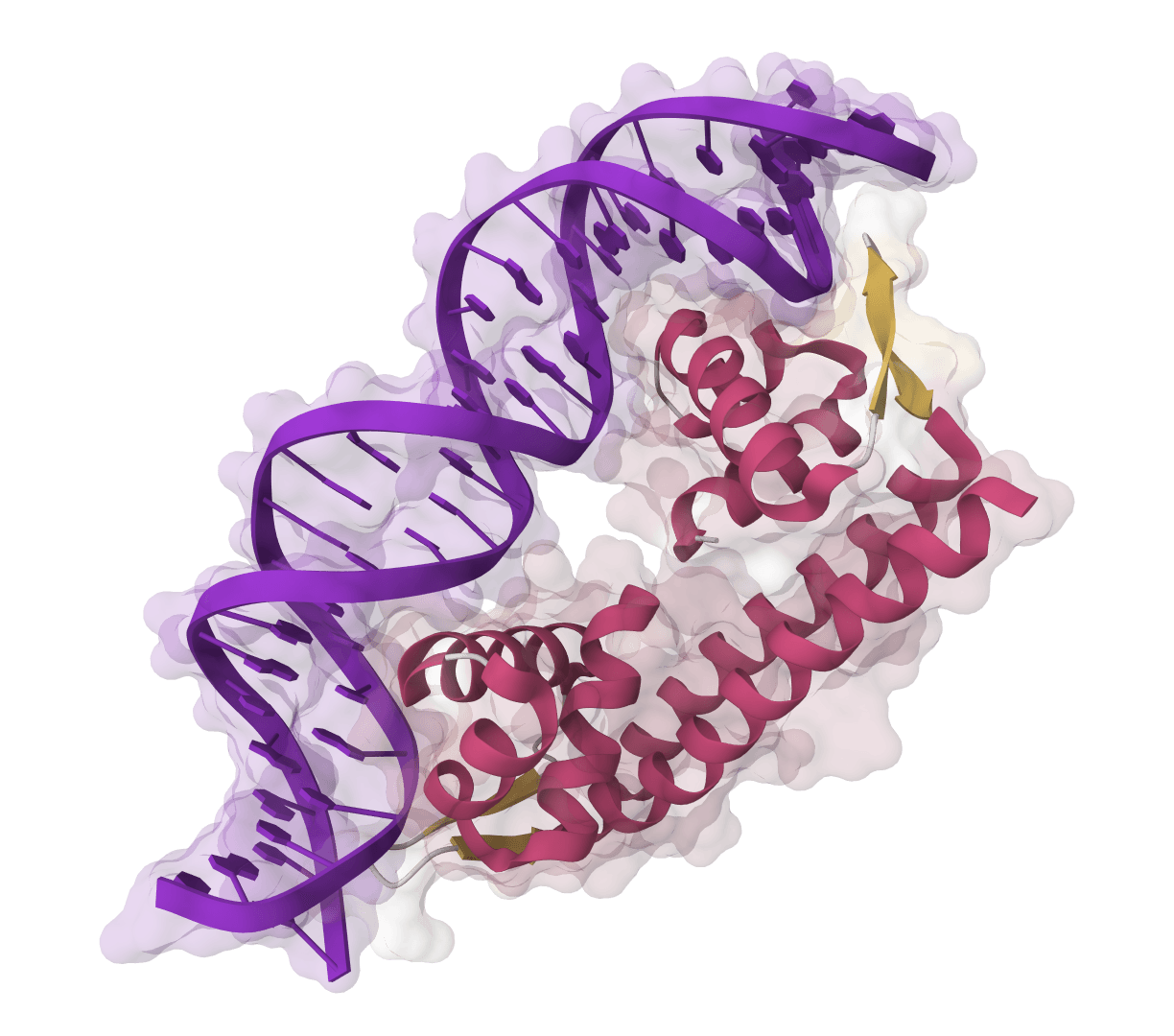
Design protein sequences from 3D backbone structures with controllable sampling diversity. Learn more
Input
What is ESM-IF1?
ESM-IF1 is an inverse folding model that generates protein sequences from 3D backbone structures. Given a protein backbone, it predicts amino acid sequences that would fold into that shape.
Inverse folding is the opposite of structure prediction. While ESMfold predicts structures from sequences, ESM-IF1 predicts sequences from structures. This enables structure-based protein design - you define the shape you want, and the model suggests sequences to achieve it.
ESM-IF1 was trained on 12 million protein structures predicted by AlphaFold2. It achieves 51% native sequence recovery overall and 72% recovery for buried residues, which are most critical for maintaining structural integrity.
How does ESM-IF1 work?
The model uses a GVP-Transformer architecture that combines geometric deep learning with sequence modeling. It processes backbone coordinates through invariant geometric layers, then uses a transformer to generate sequences autoregressively.
Geometric processing
The GVP (Geometric Vector Perceptron) layers process backbone atom coordinates in a rotation and translation invariant manner. This means the model understands structural relationships without depending on how the protein is oriented in space.
Autoregressive generation
ESM-IF1 predicts amino acids one at a time, conditioning each prediction on both the full backbone structure and all previously generated amino acids. This autoregressive approach allows the model to maintain sequence coherence while respecting structural constraints.
Temperature sampling
The temperature parameter controls prediction diversity. Low temperatures (0.1-0.5) produce conservative sequences similar to natural proteins. High temperatures (1.5-2.0) increase diversity, generating more novel sequences that may still fold correctly but differ more from known proteins.
Inputs & settings
Protein structure
Upload a PDB file containing the backbone structure you want to design sequences for. The model uses backbone atom coordinates (N, CA, C, O) to determine amino acid identities.
Number of sequences
Generate multiple sequence variants from the same backbone. We recommend generating 8-16 sequences to explore the design space, then selecting candidates based on recovery scores or other criteria.
Sampling temperature
- Low (0.1-0.5): Conservative designs with high native sequence recovery. Use for stability-focused engineering or when the original sequence works well.
- Medium (0.8-1.2): Balanced diversity. Good starting point for most design tasks.
- High (1.5-2.0): Diverse designs that may diverge significantly from natural sequences. Use when exploring novel sequence space.
Target chain
For multi-chain structures, specify which chain to redesign. The model designs that chain from its backbone coordinates.
Understanding the results
Sequence recovery
Recovery measures what fraction of designed amino acids match the native sequence. Higher recovery suggests the design is structurally compatible with the backbone.
Buried residues (inside the protein core) typically show higher recovery than surface residues, since core positions have stronger structural constraints.
Confidence levels
We categorize designs by recovery:
- High (≥60%): At least 60% of amino acids match the native sequence.
- Medium (40% to less than 60%): Partial recovery of the native sequence.
- Low (less than 40%): Fewer than 40% of amino acids match the native sequence.
These labels summarize sequence recovery. They do not measure experimental stability or folding success.
Mutations
The mutation list shows positions where the designed sequence differs from native. Review these to understand what changes the model suggests and whether they make biochemical sense.
Use cases
Stabilize an existing protein by generating variants optimized for the structure. Compare multiple designs and select those with favorable mutations at known weak points.
Create sequence diversity for directed evolution starting points. Generate many variants, then screen experimentally to find improved properties.
Design sequences for computationally generated backbones. Combine with RFdiffusion or other structure generation tools to create entirely new proteins.
Limitations
ESM-IF1 is optimized for backbones up to 500 amino acids. Longer structures may have degraded performance and slower inference.
The model assumes fixed backbone geometry. It does not account for backbone flexibility or predict how mutations might alter the structure.
Training on AlphaFold2-predicted structures means the model may perform less well on unusual backbone geometries not well-represented in predicted structure databases.
Related tools
HyperMPNN
Design thermostable protein sequences using ProteinMPNN trained on hyperthermophilic organism structures. Generates sequences optimized for improved thermal stability without requiring ligands or additional context.
LigandMPNN
Design and score protein sequences with ligand, metal, nucleotide, and fixed-side-chain context, with optional native side-chain packing.
ProFam
ProFam-1 is a protein family language model for family-conditioned sequence generation. Provide a protein family in FASTA, A2M, or A3M format and generate new sequences with model likelihood scores for downstream ranking and screening.
ProteinMPNN
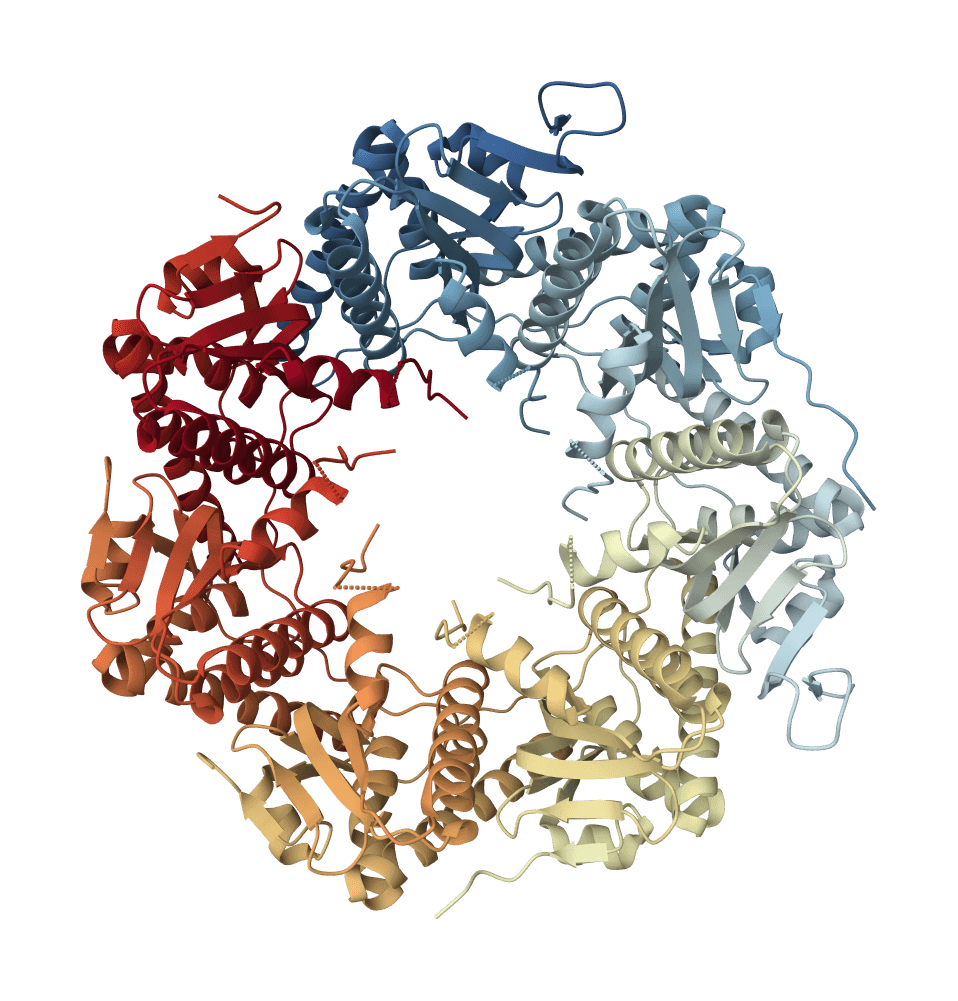
Design and score protein sequences for fixed backbone structures with source-native ProteinMPNN checkpoints, constraints, symmetry, and optional side-chain packing.
SolubleMPNN
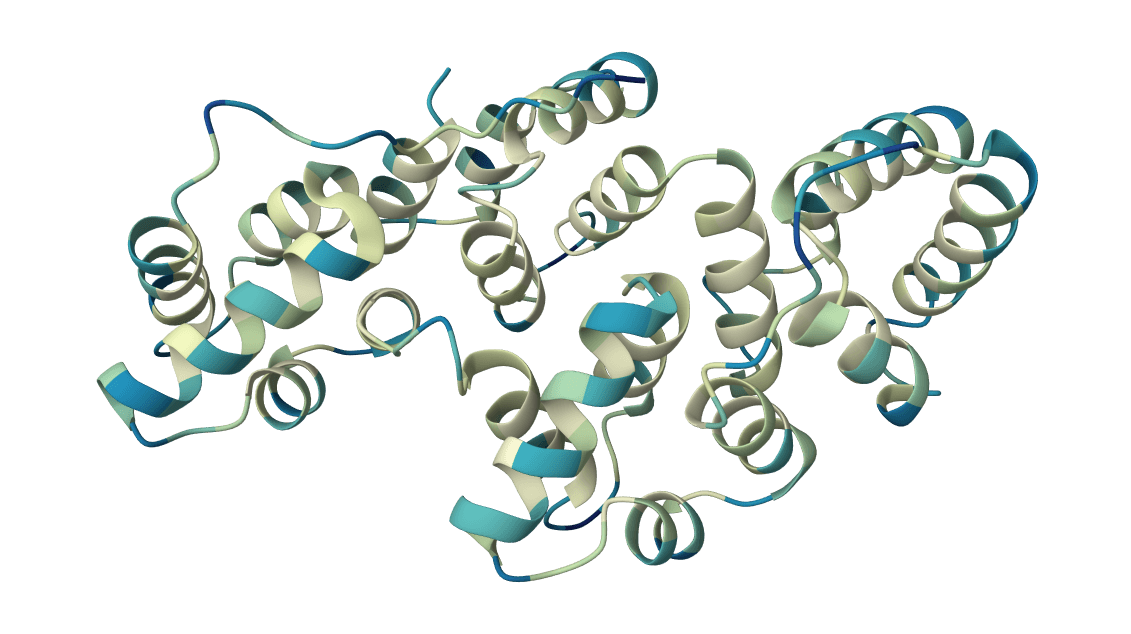
Design and score protein sequences with the official ProteinMPNN-family checkpoint trained only on structures from soluble-protein PDB IDs, with optional native side-chain packing.
IgDesign
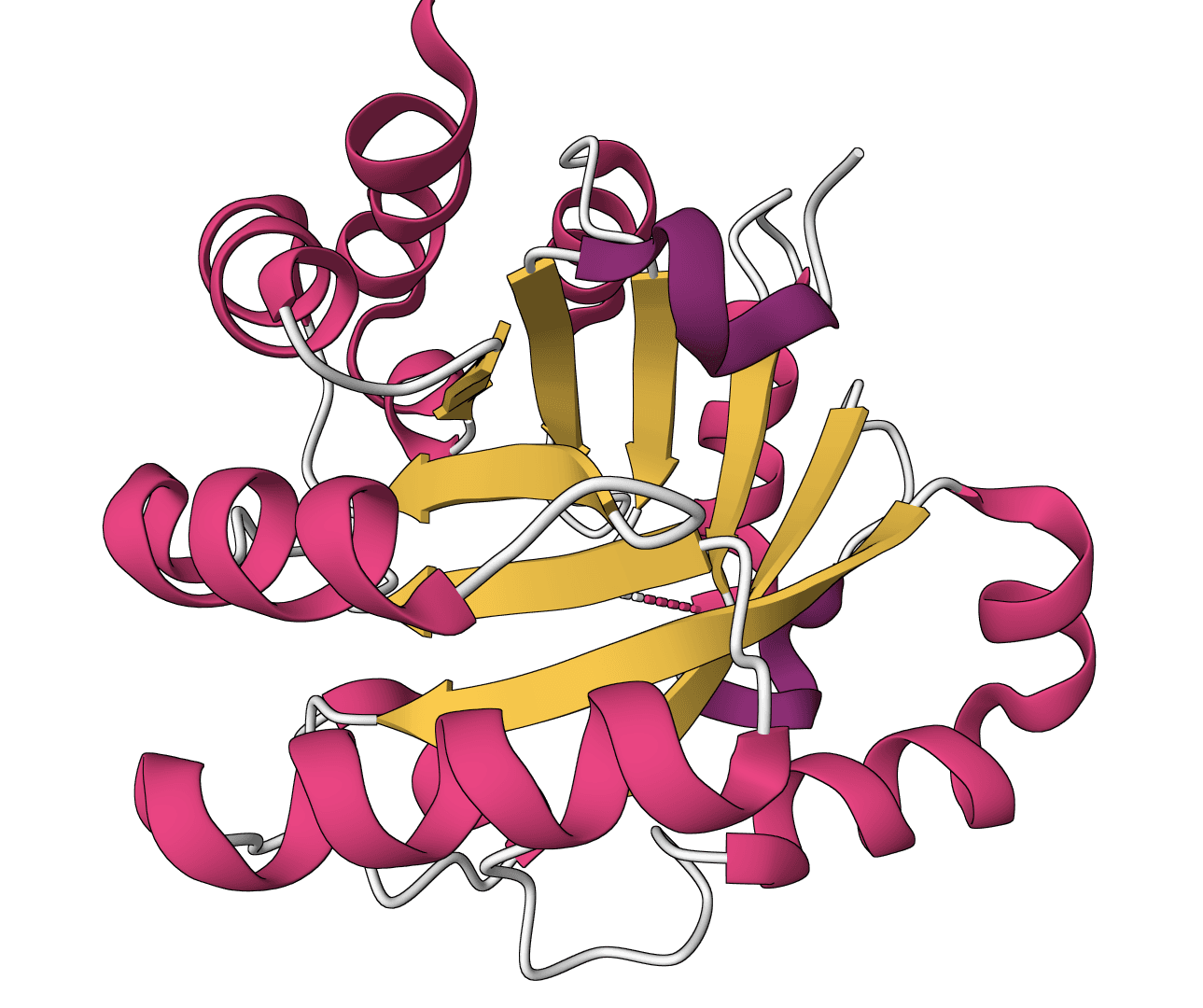
Design antibody heavy- and light-chain CDR sequences from an antibody-antigen complex with the IgDesign inverse-folding model.
PepMLM
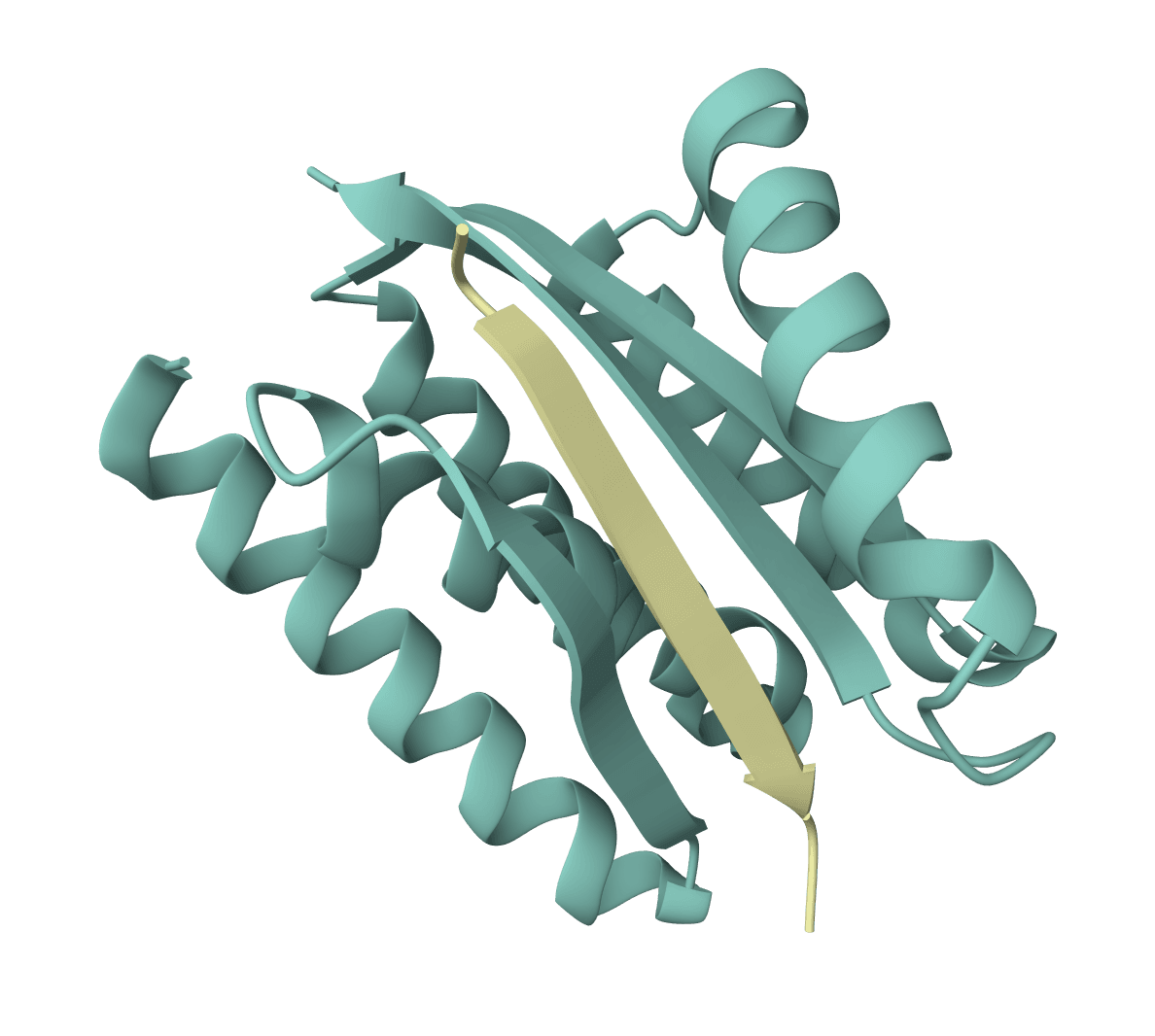
Design linear peptide binders for target proteins using a target sequence-conditioned masked language model. PepMLM generates peptide sequences optimized to bind specific protein targets based on ESM-2 protein language modeling.
BindCraft
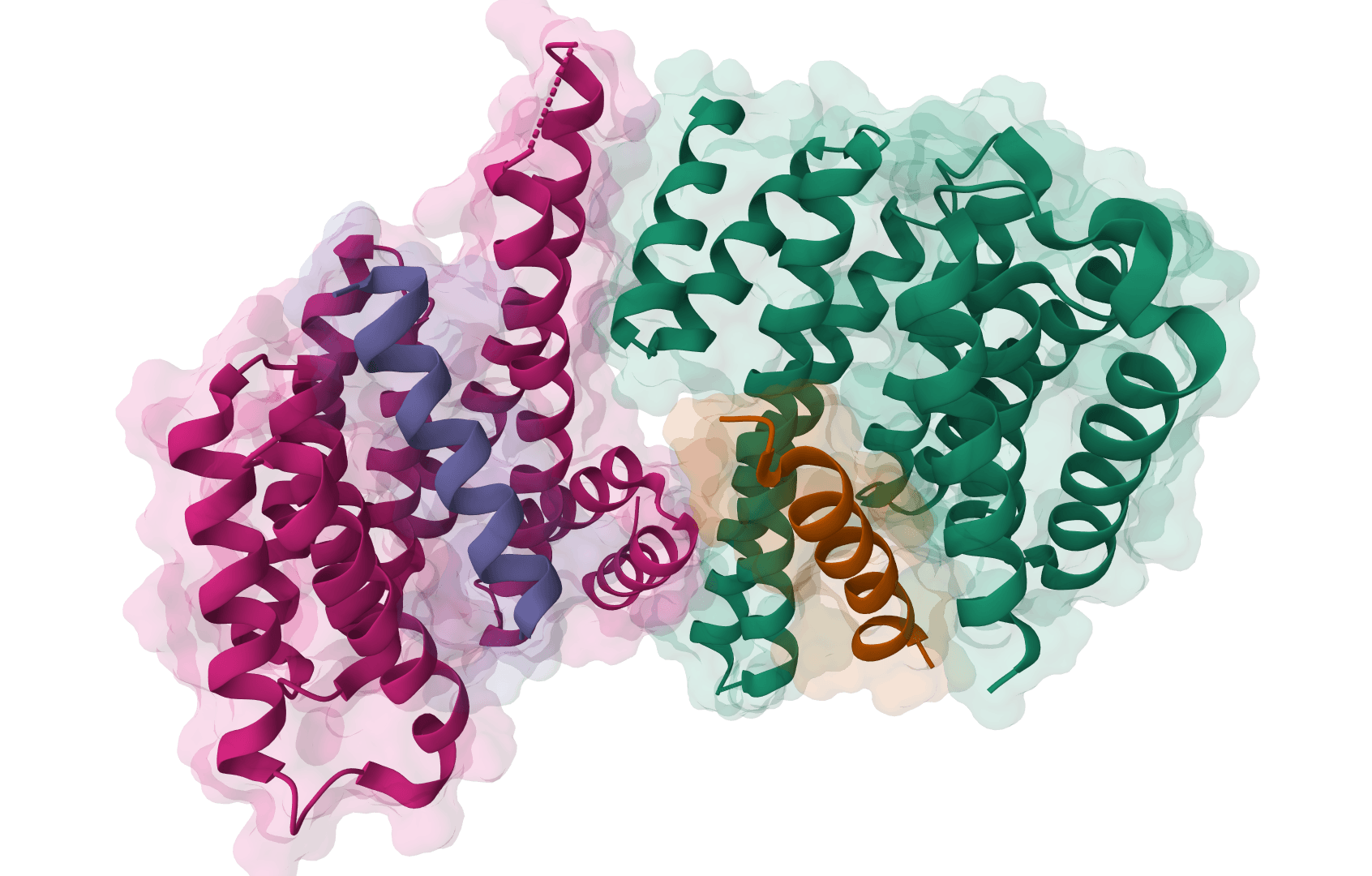
Design de novo protein binders using AlphaFold2 backpropagation, ProteinMPNN sequence optimization, and PyRosetta relaxation. BindCraft generates novel protein sequences that bind to user-specified target surfaces.
EvoPro
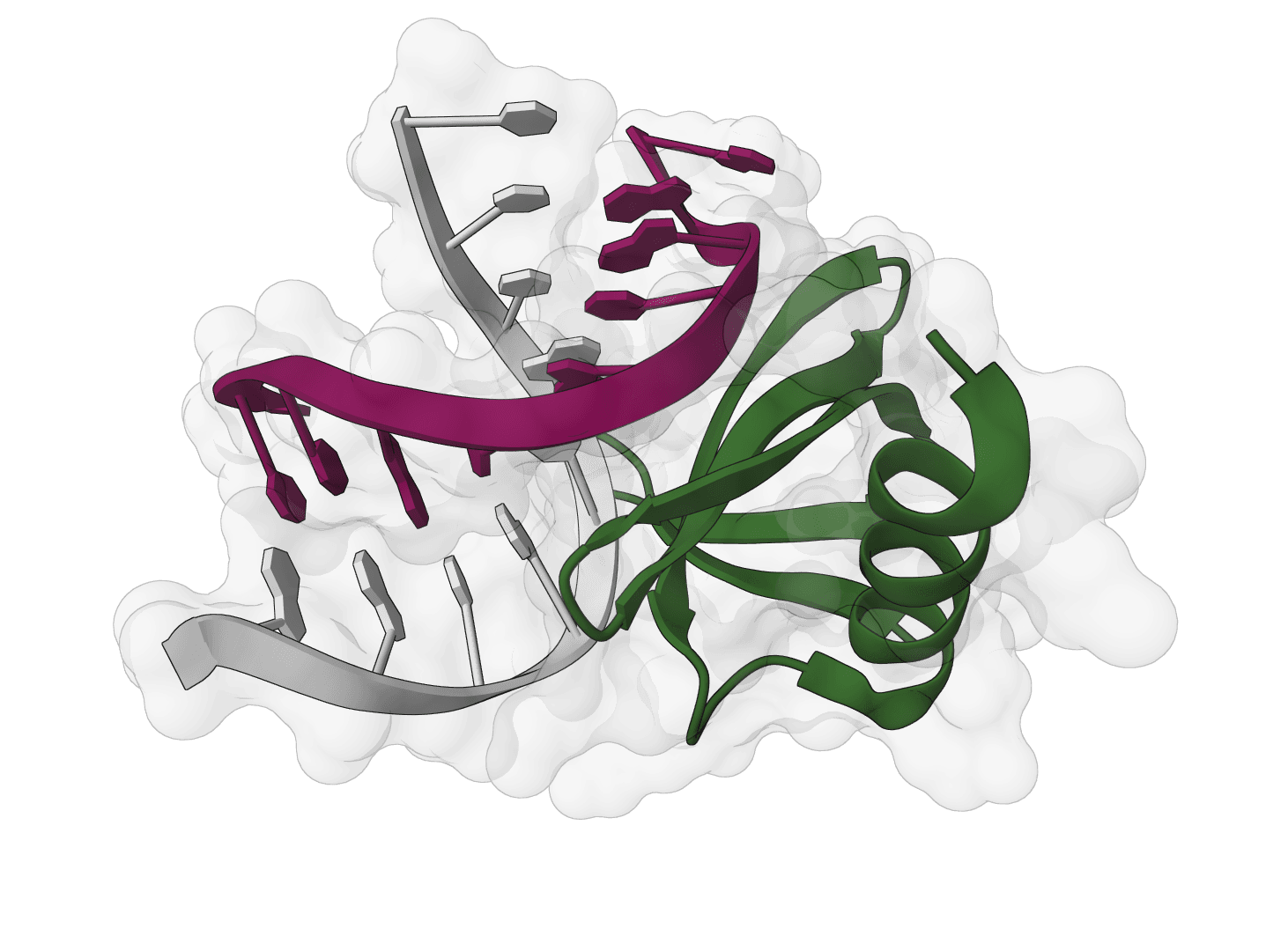
Optimize protein binders using genetic algorithms combined with AlphaFold2 fitness evaluation and ProteinMPNN sequence design. EvoPro evolves protein sequences to maximize binding affinity and structural quality through iterative cycles of mutation, selection, and validation.
Genie 3
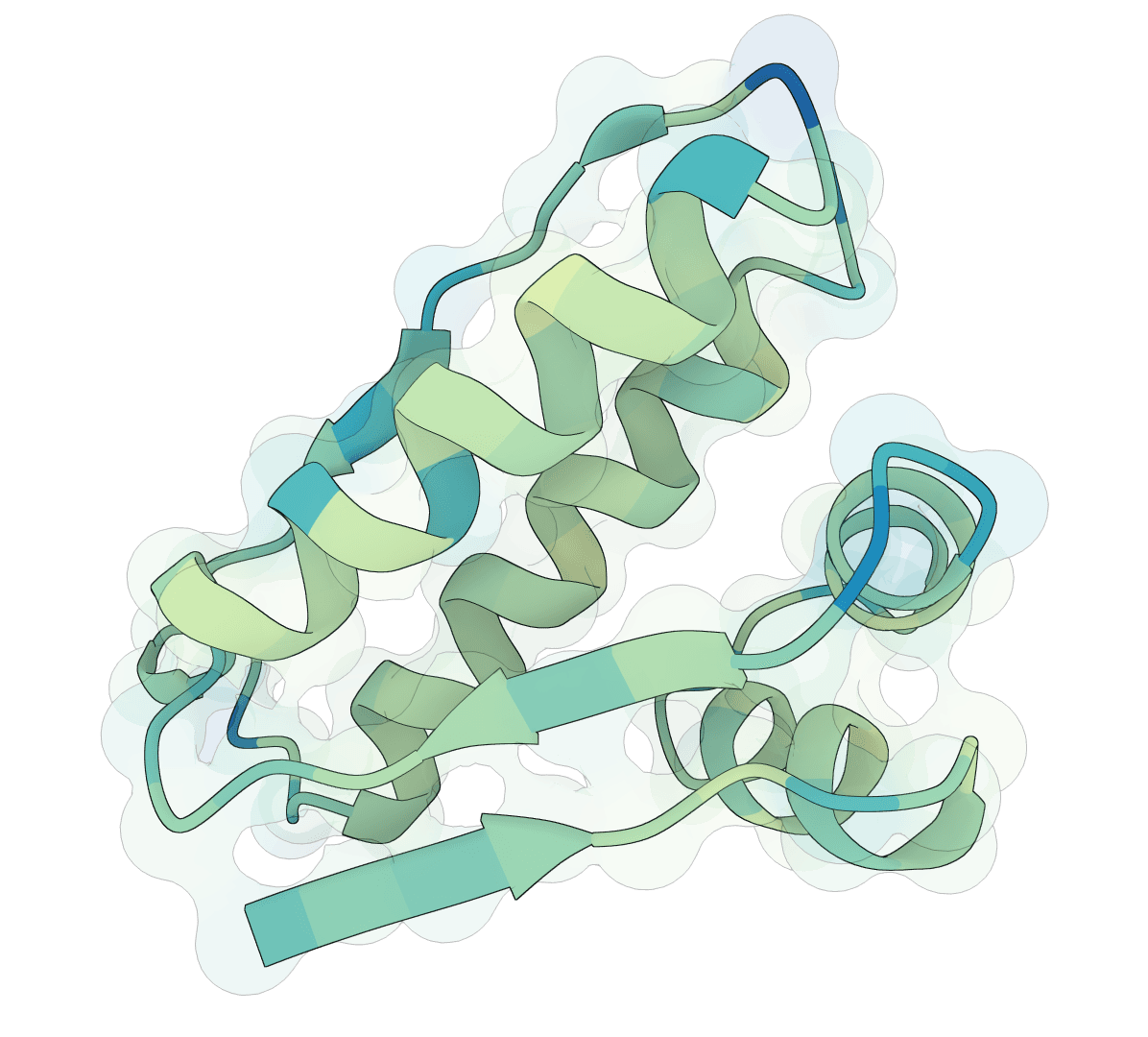
Generate protein structures and scaffolds with Genie 3, an all-atom SE(3)-equivariant diffusion model. Genie 3 supports unconditional protein generation, motif scaffolding, and hotspot-targeted binder design.