Restore residues and generate antibody-specific representations or likelihood scores. Learn more
Input
What is AbLang?
AbLang is an antibody-specific language model developed at the Oxford Protein Informatics Group. It supports four analysis modes: restoring missing residues, generating one representation per sequence, generating one representation per residue, and returning amino-acid likelihood scores.
The model uses a RoBERTa transformer architecture trained on antibody sequences from the Observed Antibody Space (OAS). Separate models cover heavy and light chains. Each produces 768-dimensional representations, while its prediction head scores the 20 standard amino acids at each token position.
How does AbLang work?
AbLang learned antibody-specific sequence patterns through masked language modeling. During training, 1% to 25% of residues in each sequence were masked and predicted from context. The published models were trained on 14.1 million heavy-chain sequences and 187,000 light-chain sequences.
The available modes correspond directly to the original AbLang API:
| Mode | Result |
|---|---|
| Restore missing residues | Replaces each submitted * with the highest-scoring amino acid. |
| Sequence coding | Returns one 768-value vector for each sequence. |
| Residue coding | Returns one 768-value vector for every residue. Optional IMGT alignment also returns aligned residue labels and positions. |
| Amino-acid likelihood scores | Returns 20 raw, unnormalized scores at every source token position. |
Restoration performance
On the published N-terminal restoration benchmark, AbLang achieved approximately 98% accuracy for heavy chains and 96% for light chains. The intended inputs are antibody variable-domain sequences similar to those represented in OAS.
How to use AbLang online
Paste or upload uppercase antibody sequences, choose an analysis mode, and select the matching heavy- or light-chain model. Use * for known missing residues in restoration mode. Multi-sequence input should use FASTA so record names can be preserved in results and file names.
Input
| Field | Description |
|---|---|
Antibody sequences | FASTA or plain sequence text using uppercase standard amino-acid codes and optional * masks. Each sequence can contain up to 158 residues. |
For example:
>heavy_chain_example
EVQLVESGGGLVQP**SLRLSCAASGFTF**SYAMSWVRQAPGKGLEWVSAI
Settings
| Setting | Default | Description |
|---|---|---|
Analysis mode | Restore missing residues | Selects restored sequences, sequence codings, residue codings, or amino-acid likelihood scores. |
Chain type | Heavy chain | Selects the original heavy- or light-chain model. Heavy chains often begin with EVQ or QVQ; light chains often begin with DIQ or EIV. |
IMGT alignment | Off | In restoration mode, uses IMGT numbering to infer missing terminal residues. In residue-coding mode, returns aligned embeddings, residue labels, and IMGT positions. |
Output
The Results tab summarizes each sequence and shows a downsampled heatmap for representation modes. The Files tab contains the full-precision arrays; the heatmaps are previews only.
| Mode | Downloaded output |
|---|---|
| Restore missing residues | ablang_restored_sequences.fasta plus a detailed JSON result. |
| Sequence coding | One .npy float array with shape (768,) per sequence. |
| Residue coding, unaligned | One .npy float array with shape (sequence length, 768) per sequence. |
| Residue coding, IMGT aligned | One .npz file per sequence containing embeddings, residues, number_alignment, and sequence_id. |
| Amino-acid likelihood scores | One .npz file per sequence containing scores, sequence, amino_acid_order, and sequence_id. |
Likelihood arrays preserve the original model output, including start, end, and padding positions. Amino-acid columns use the original order MRHKDESTNQCGPAVIFYWL. Scores are raw and unnormalized; they are not probabilities.
Limitations
AbLang is designed for antibody variable domains represented by its training distribution. Accuracy and representations may be less reliable for unusual antibodies, non-antibody proteins, or species and sequence patterns that are poorly represented in OAS.
IMGT alignment depends on successful antibody numbering. Sequences that cannot be recognized by the numbering model may fail when alignment is enabled. Likelihood output can include padding positions when sequences of different lengths are processed together; use the stored sequence and token-position semantics when interpreting the array.
Related tools
PolyXpert
Predict low or high antibody polyreactivity from paired VH and VL variable-domain sequences with the source PolyXpert ESM-2 classifier.
ScanNet
Geometric deep learning model for predicting protein binding sites directly from 3D structure. Identifies where proteins interact with other proteins, antibodies, or disordered proteins with high accuracy, including for novel protein folds.
TNP
Profile nanobody developability with the Therapeutic Nanobody Profiler, including CDR geometry, surface hydrophobicity and charge, clinical-reference flags, and predicted structures.
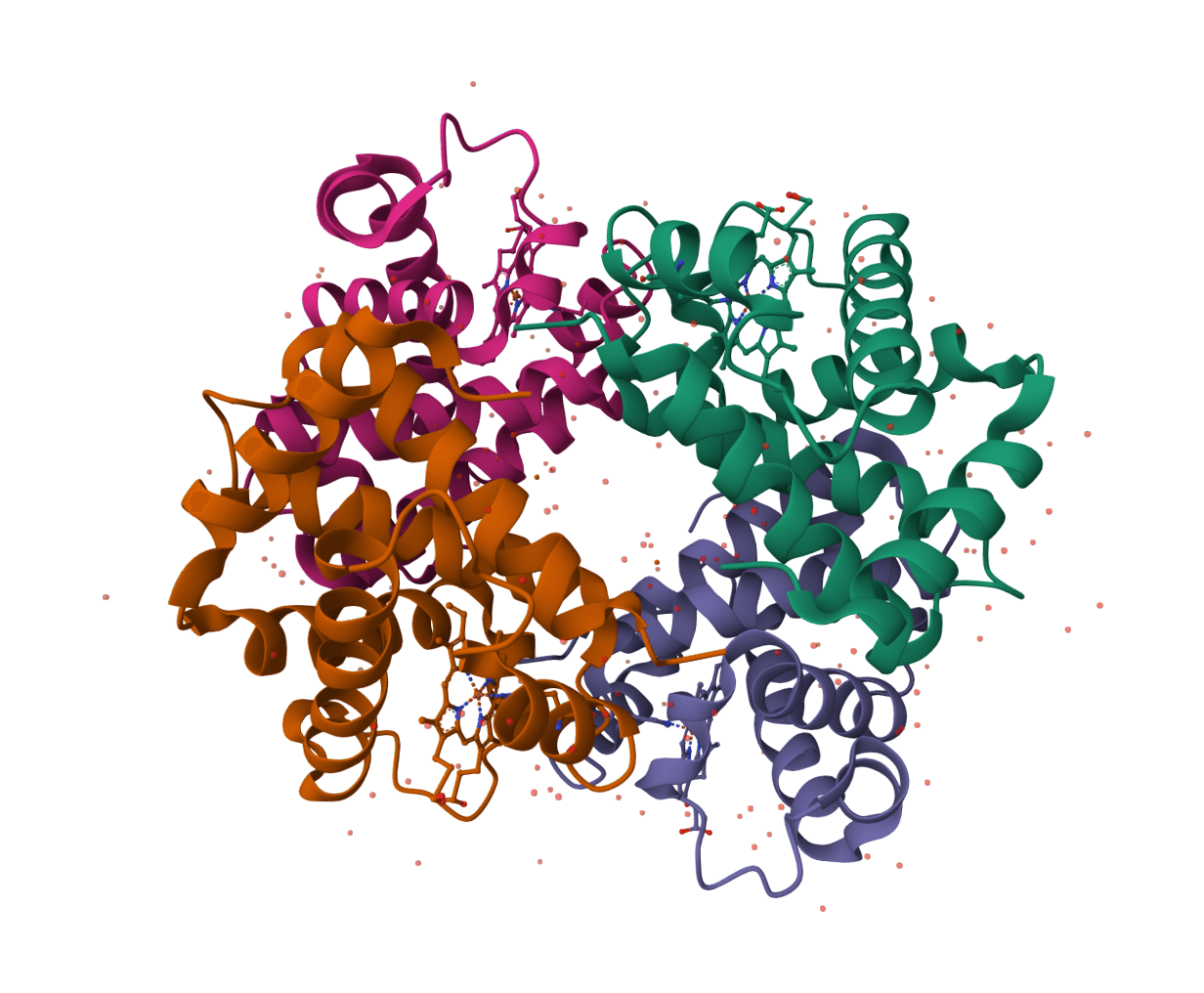
CANYA
Predict protein aggregation nucleation propensity from amino acid sequences using the Lehner Lab CANYA neural network.
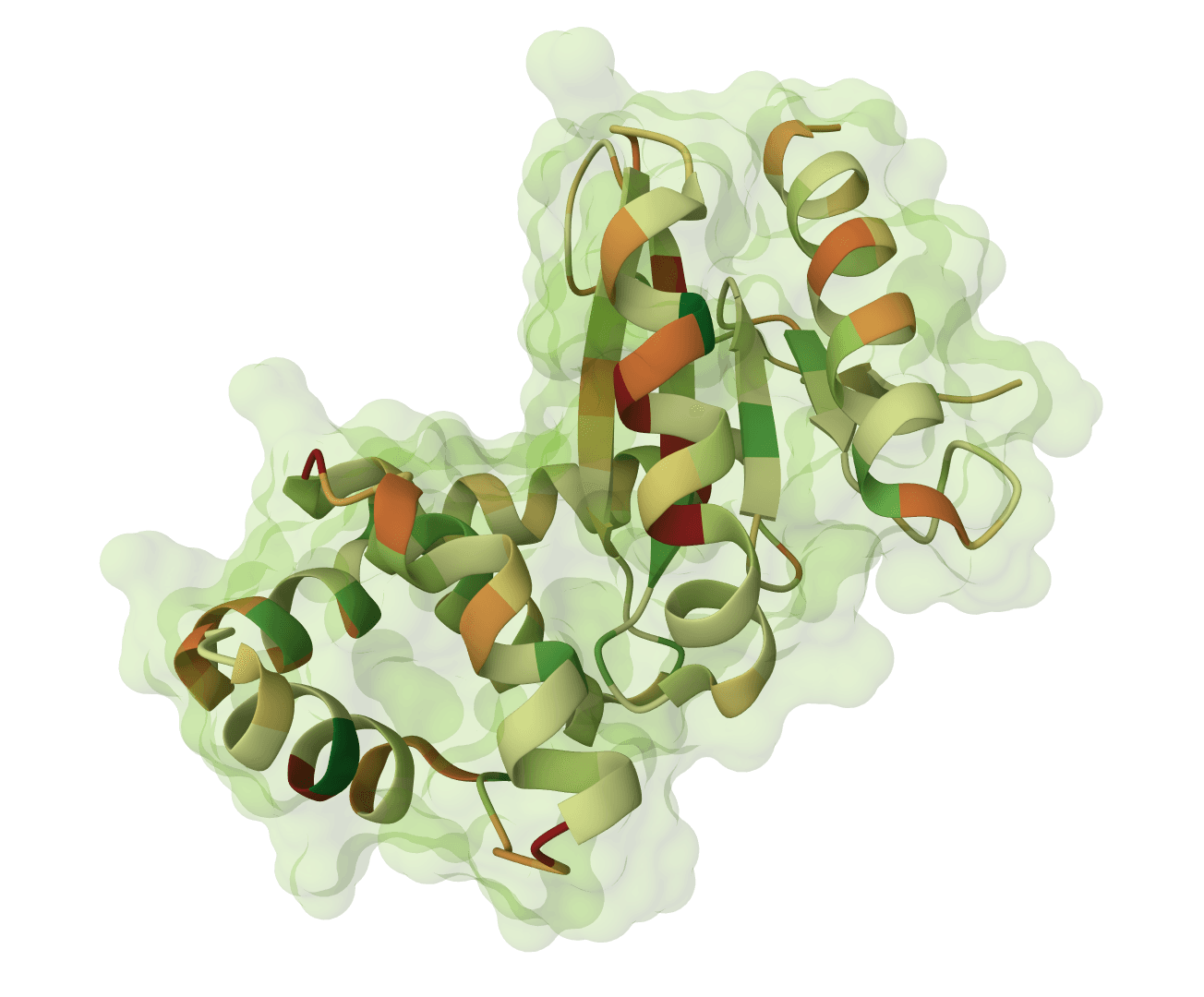
IPC 2.0 (isoelectric point calculator)
Isoelectric Point Calculator 2.0 - Predict protein/peptide isoelectric point (pI) using 18+ validated pKa scales, SVR models, and deep learning. Supports proteins, peptides, and comprehensive analysis.
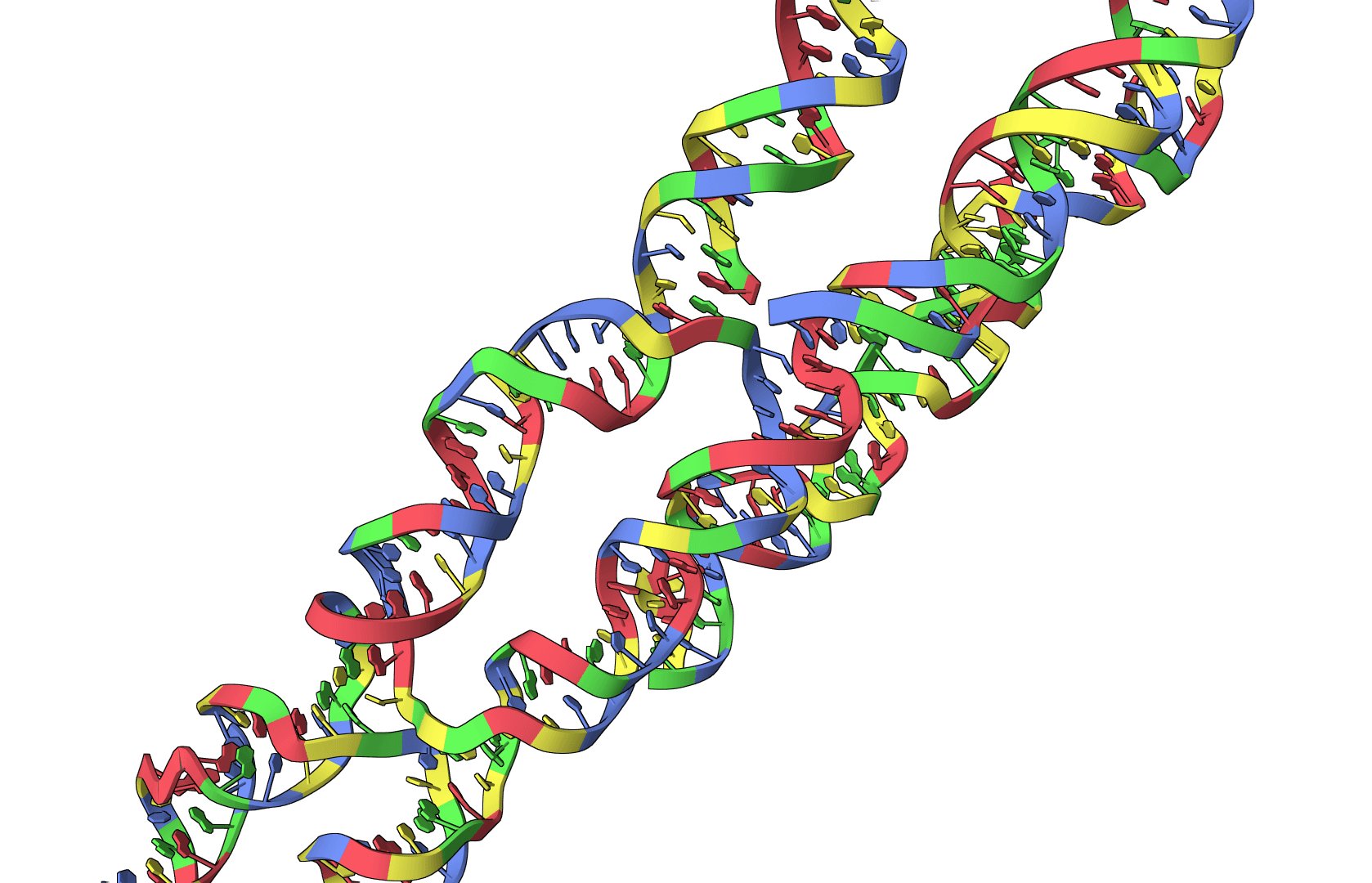
ORF Finder
Find open reading frames in DNA with the native NCBI ORFfinder search, translations, coordinates, and output files.
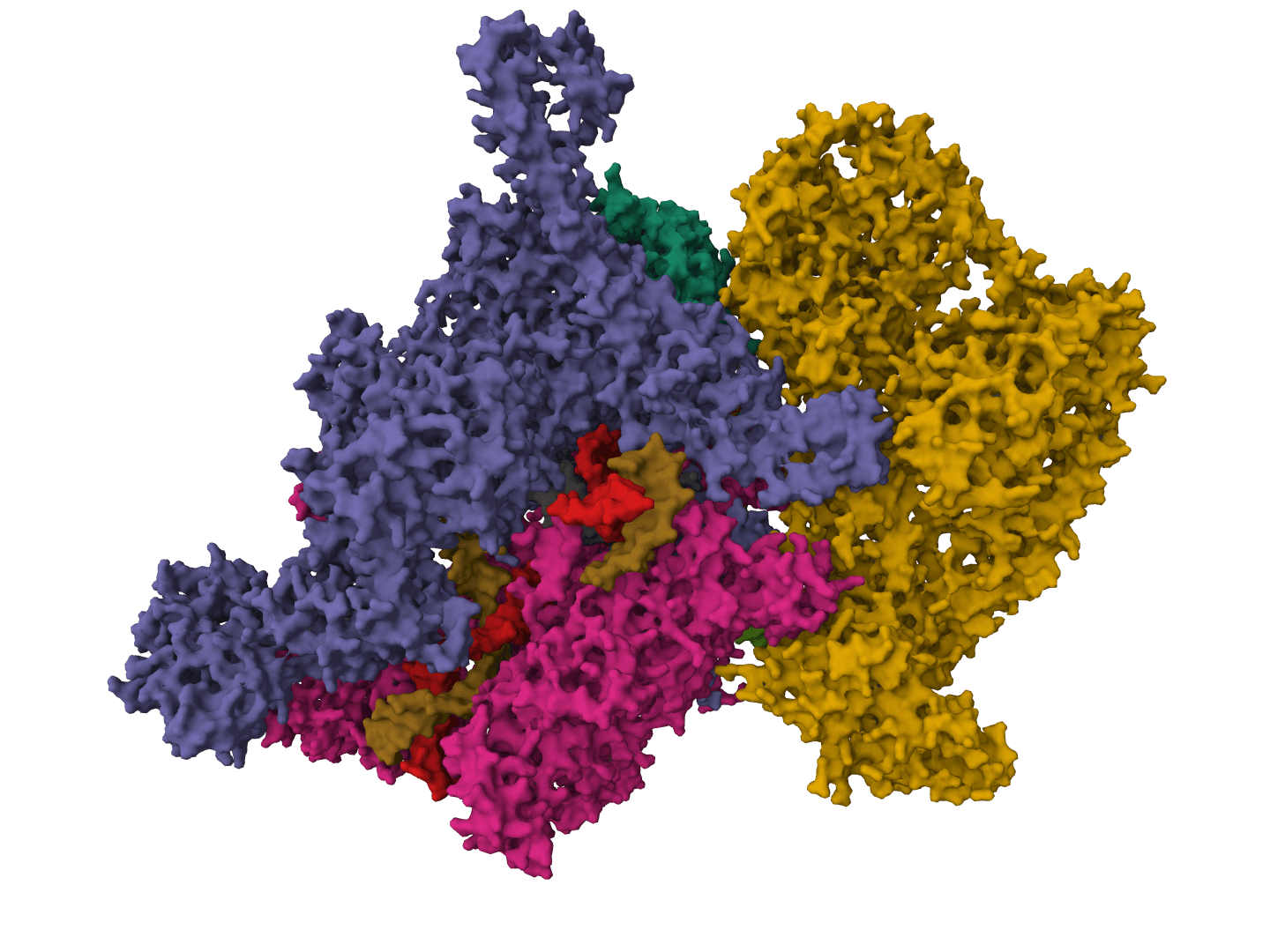
Protein-Sol
Predict protein solubility from amino acid sequence using the University of Manchester Protein-Sol method.
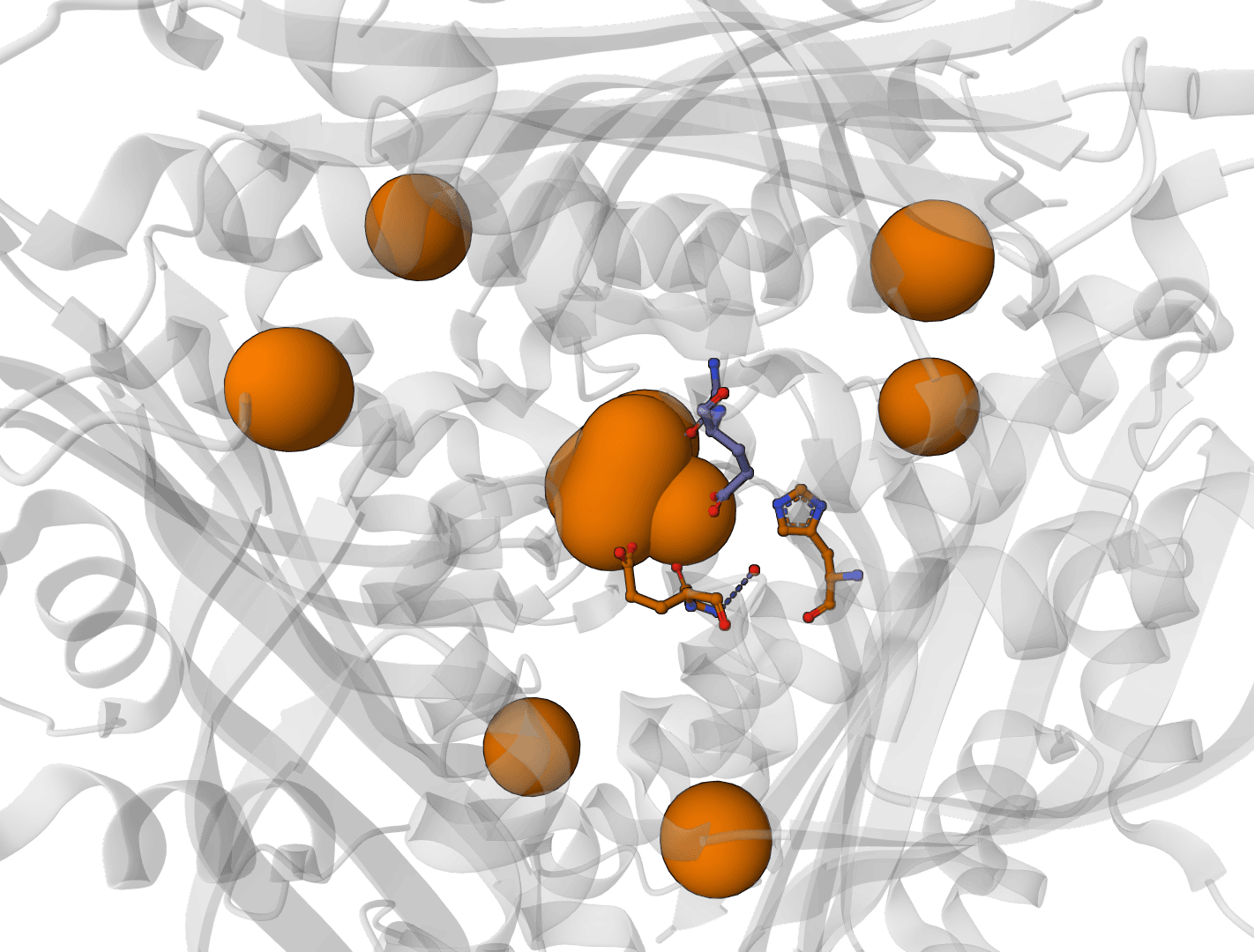
AllMetal3D
Predict metal and water binding sites in protein structures using 3D convolutional neural networks (AllMetal3D + Water3D).
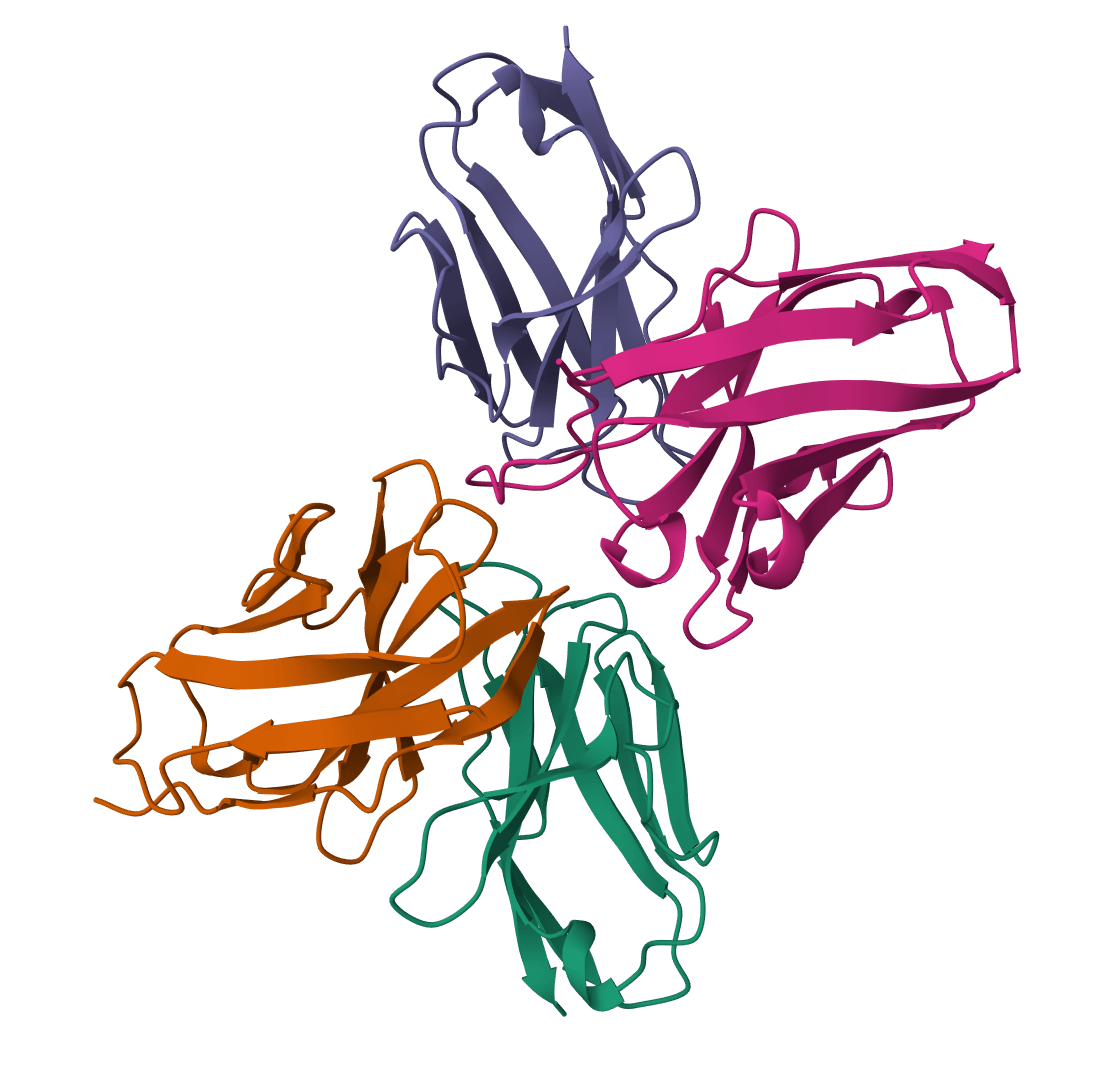
DeepSP
Predict 30 antibody spatial descriptors from paired heavy- and light-chain variable-domain sequences, including SAP-positive and positive/negative SCM values across CDR and variable-domain regions.
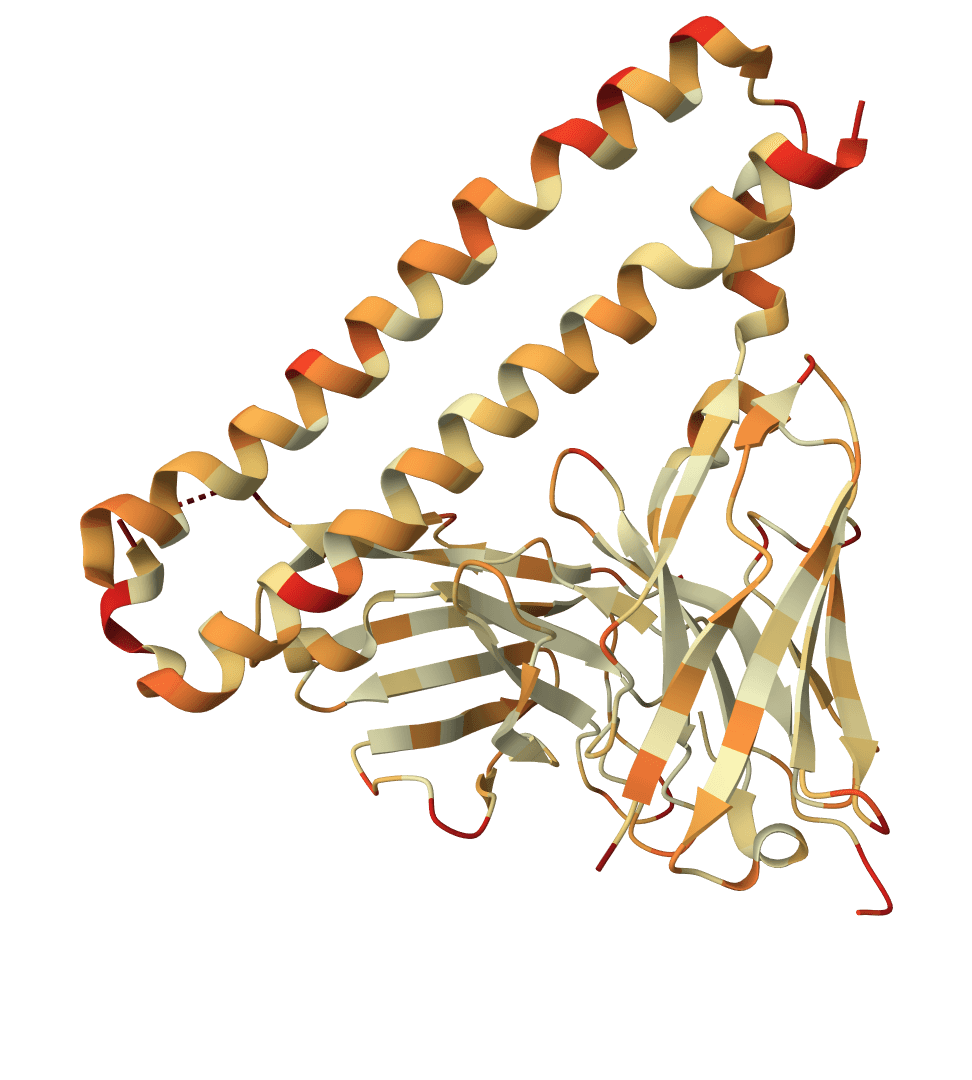
DeepViscosity
Classify paired monoclonal antibody Fv sequences as low viscosity (at or below 20 cP) or high viscosity (above 20 cP) at 150 mg/mL, with ensemble probabilities and 30 DeepSP descriptors.