Use-case guide
Protein structure prediction
Compare prediction methods by starting evidence, molecular system, output, confidence, and downstream research workflow.
What is protein structure prediction?
Protein structure prediction is the computational process of estimating a protein’s local secondary structure or three-dimensional shape from its amino-acid sequence. Methods can incorporate evolutionary relationships, structural templates, or learned molecular representations; the appropriate model depends on whether the question concerns local states, a monomer, an assembly, or a specialized molecular class.
Protein structure prediction is not one interchangeable task. Homology modeling transfers information from related experimental structures, single-sequence models infer a fold without a user-supplied alignment, and complex predictors jointly model multiple chains. Antibodies, peptides, and membrane proteins require more specific input and interpretation.
A coordinate file is a hypothesis, not a biological conclusion. Confidence can vary by residue, domain, interface, conformational state, and similarity to the evidence a predictor learned from; retain native confidence and compare predictions where the decision warrants it.
When to use protein structure prediction
- No experimental structure is available. Generate a structural hypothesis for construct design, interpretation, docking, engineering, or experiment planning.
- The molecular system needs a specialist method. Use complex-, antibody-, peptide-, or membrane-aware interpretation instead of treating every sequence as a soluble monomer.
- Comparable model evidence is needed. Run complementary predictors from consistent inputs and retain structures, confidence, settings, and files.
Benefits of protein structure prediction
- Structure before experiment. Develop an inspectable model for hypothesis generation and experimental planning.
- Method comparison. Preserve complementary predictions and their native confidence rather than collapsing them into one score.
- Connected downstream work. Carry reviewed models into analysis, docking, design, or simulation workflows.
Primary limitations
- Local reliability is uneven. Confidence varies across domains, loops, termini, and interfaces.
- Biological context can be missing. Ligands, membranes, partners, modifications, and conformational states may be absent.
- Experimental validation remains necessary. A convincing model cannot by itself establish mechanism or binding.
Types of protein structure prediction
The maintained prediction types reflect distinct researcher workflows. Homology modeling requires templates and an alignment; secondary-structure prediction returns local states; single-sequence prediction starts from one sequence; and complex prediction adds chain composition and interfaces. Antibodies, peptides, and transmembrane proteins introduce constraints that justify specialist interpretation.
Threading and fold recognition remain important terms, but they are not presented as prediction spokes because ProteinIQ does not provide dedicated engines for them. A general predictor would not faithfully substitute for those methods.
How to predict protein structure online
A defensible run preserves the exact sequence or assembly, selected model and settings, every returned confidence output, and the evidence used to accept or reject regions.
- Define the structural question. Decide whether you need local states, a monomer, a complex, or a specialist molecular-class prediction.
- Prepare the biological input. Confirm sequence boundaries, chain identity, stoichiometry, templates, or constraints required by the method.
- Run matched predictors. Choose tools whose documented inputs and methodology match the question.
- Inspect confidence and agreement. Review local confidence, PAE, interfaces, geometry, and model-to-model differences rather than one headline score.
- Validate and export. Keep structures, settings, provenance, and caveats together, then test important claims with orthogonal evidence.
How the featured workflow works
The hub workflow compares general sequence-to-structure models; each specialist page provides a workflow matched to that prediction type.
- Define the question. Confirm that a general monomer comparison matches the biological system.
- Prepare the sequence. Use one clean, ungapped protein sequence with the intended construct boundaries.
- Run four predictors. Submit the same sequence to AlphaFold2, ESMFold, OpenFold-3, and Boltz-2.
- Compare predictions. Review local confidence, domain arrangement, geometry, and structural agreement.
- Validate and export. Select models in relation to the downstream question and export provenance.
Inputs and outputs for the featured workflow
Check formats before running, then inspect and download the result from every workflow step.
Inputs
Protein sequence
FASTATXTOne protein sequence for the general comparison, or the specialist inputs described on each spoke.
Outputs
Structures and confidence
PDBmmCIFJSONCSVModel-native structures, rankings, confidence scores, PAE where supported, logs, and downloads.
Featured protein structure prediction workflow
Compare four general predictors while preserving their structures, confidence, and method-native outputs.
Inputs
1 required
Methods
4 connected
- 01AlphaFold2
- 02ESMFold
- 03OpenFold-3
- 04Boltz-2
Compare four general predictors while preserving their structures, confidence, and method-native outputs.
Use this templateTools for protein structure prediction
Use these methods to prepare inputs, run the core analysis, inspect outputs, and validate the evidence described in this workflow.
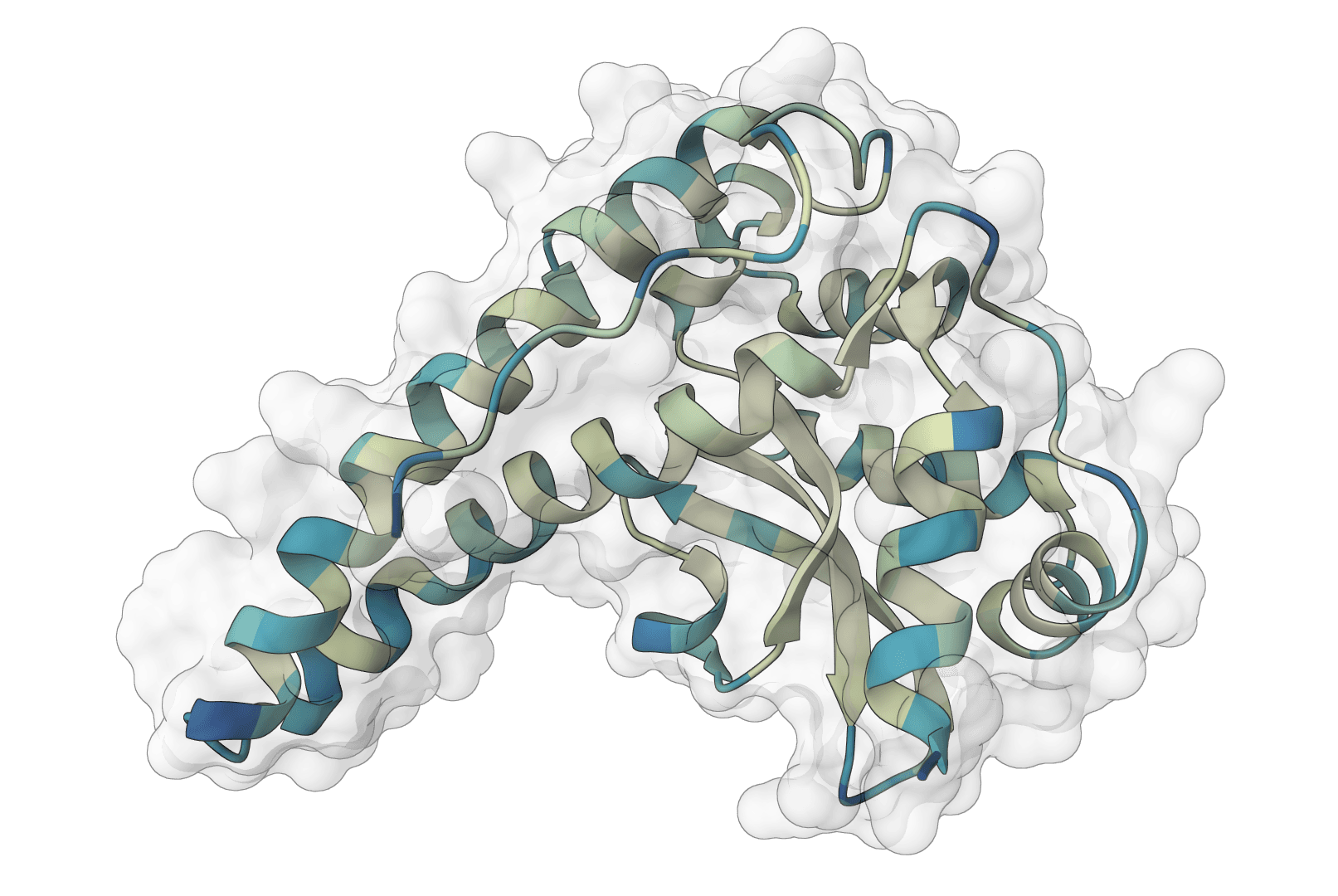
AlphaFold2
General monomer and multimer structure prediction
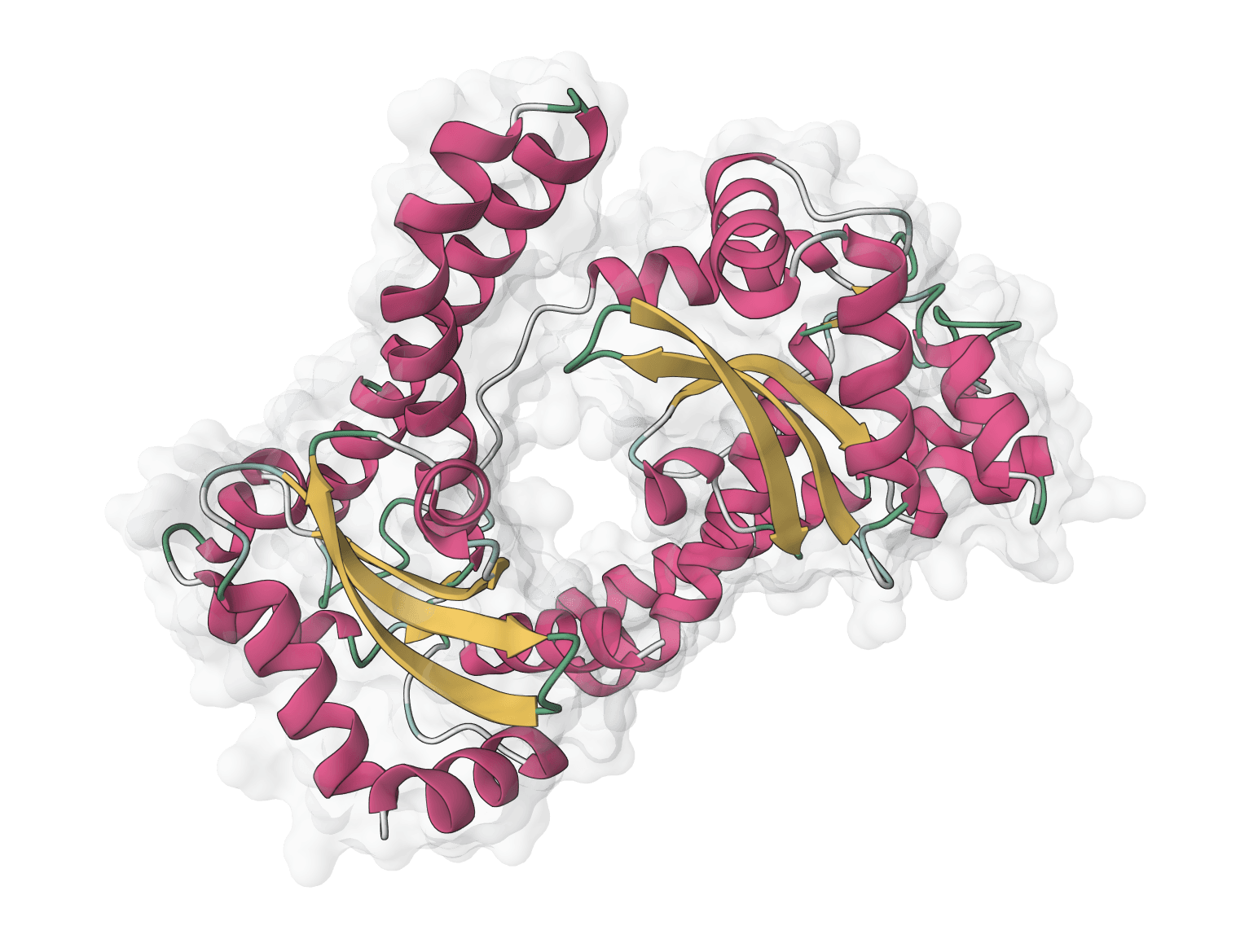
ESMfold
Fast single-sequence structure prediction
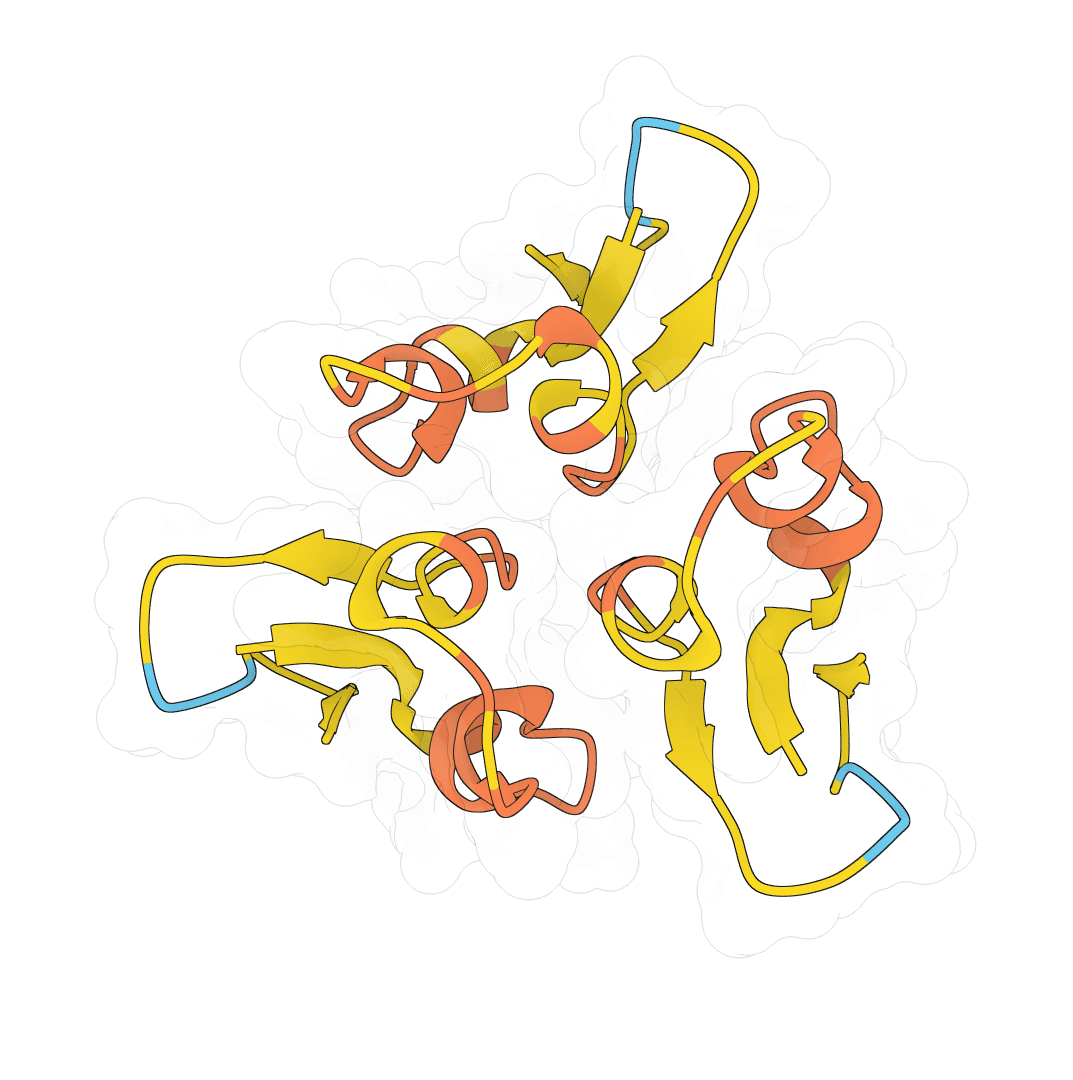
ESMFold2
Single- and multi-chain language-model folding
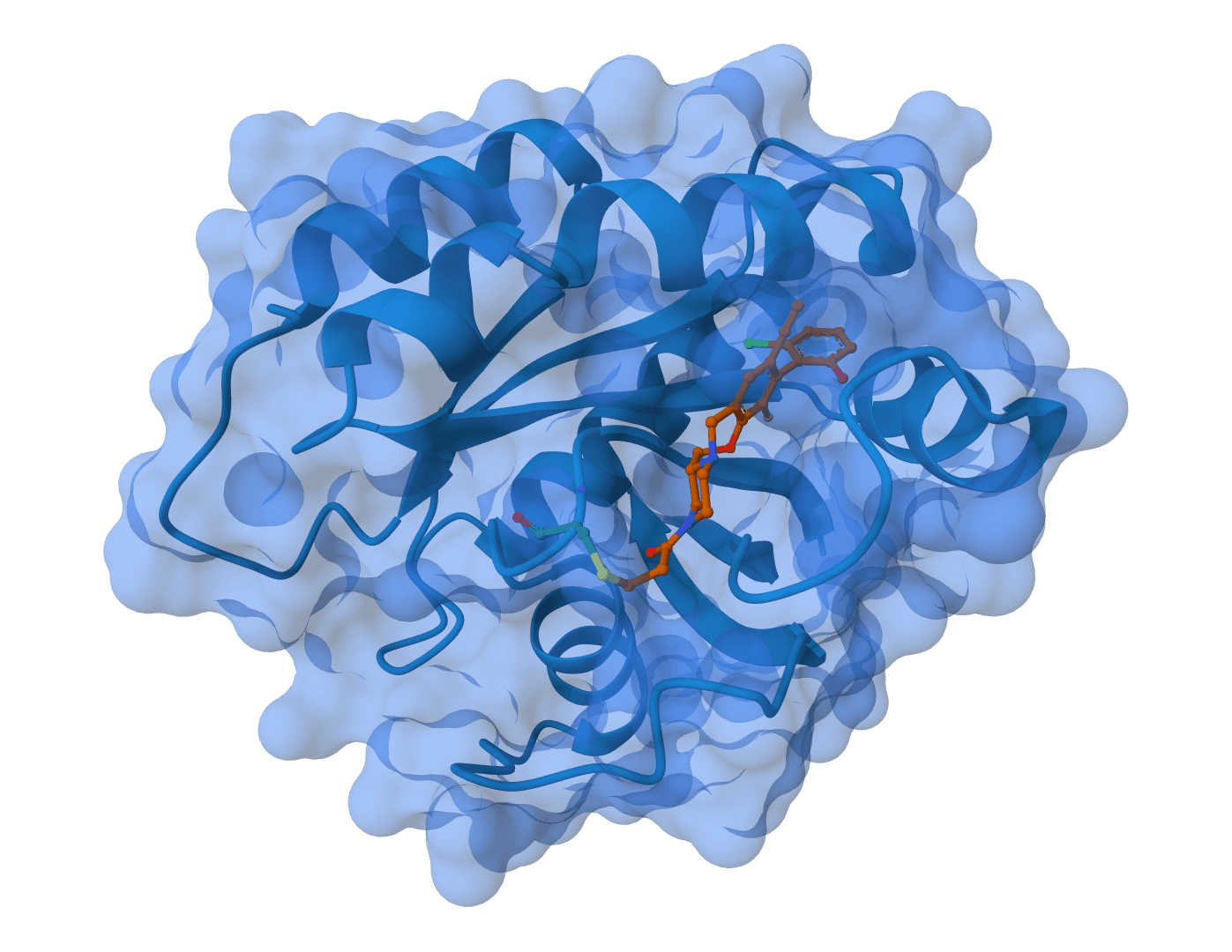
Boltz-2
All-atom biomolecular structure prediction
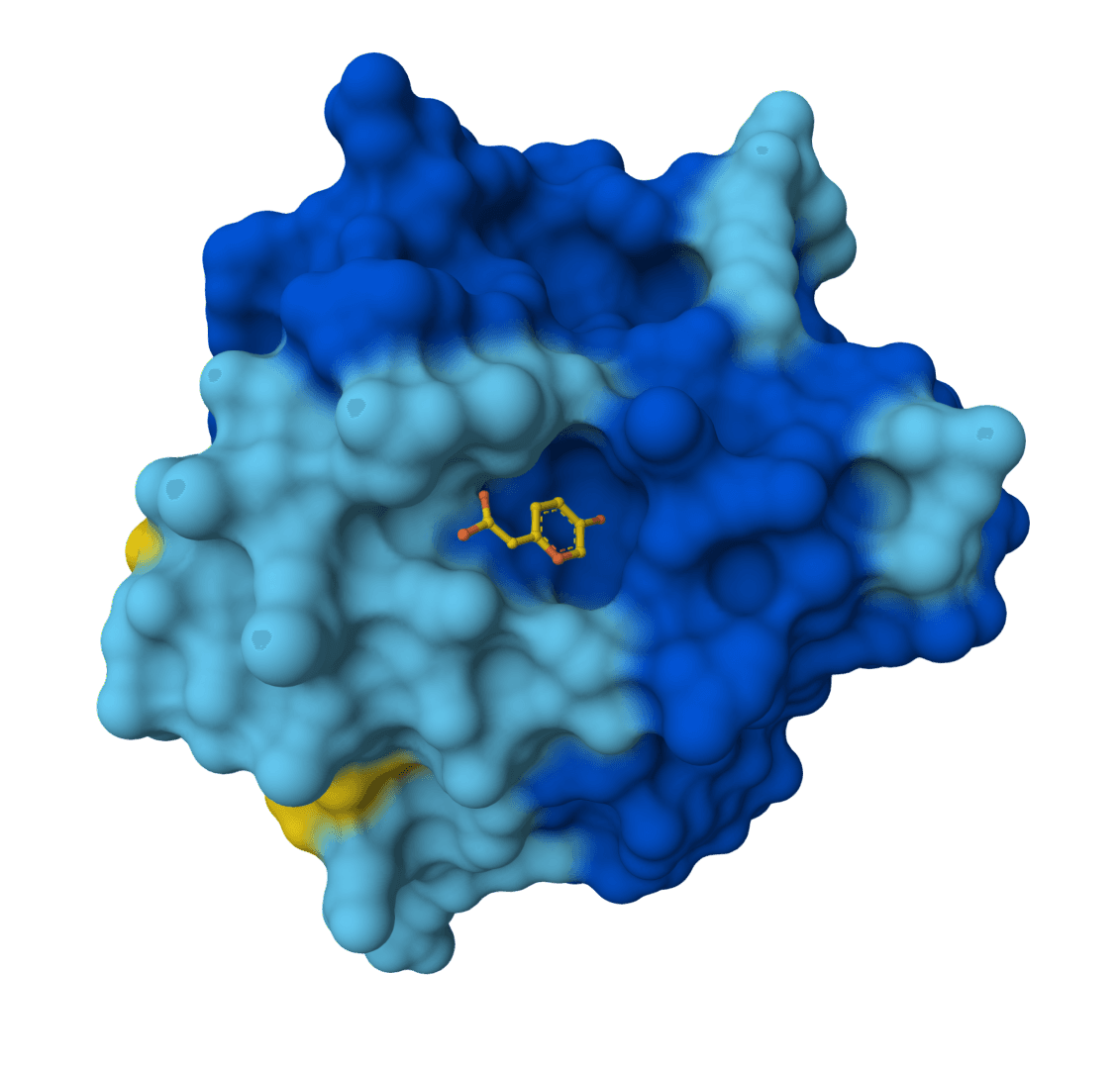
Chai-1
Multi-component biomolecular prediction
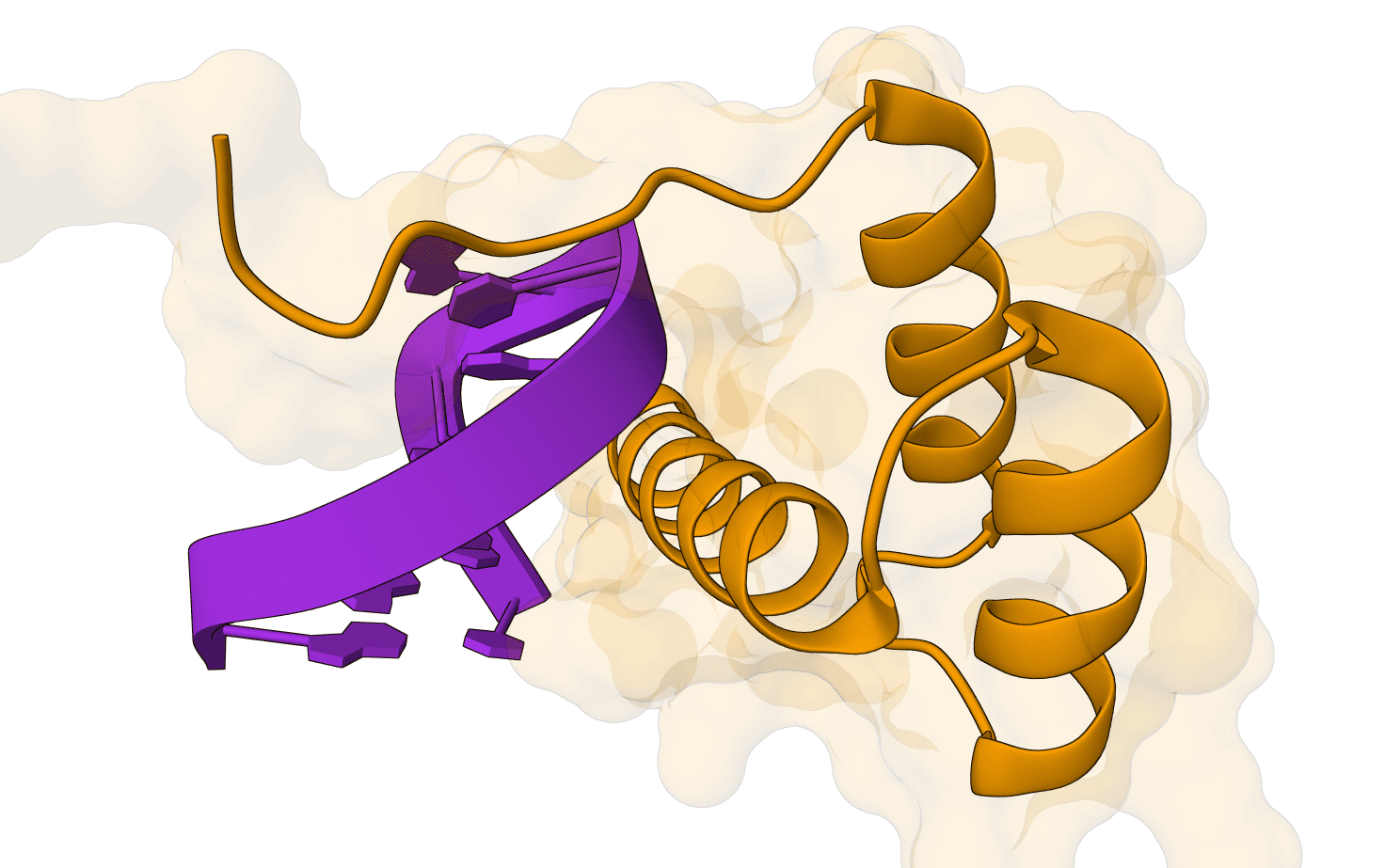
OpenFold-3
Open all-atom structure prediction
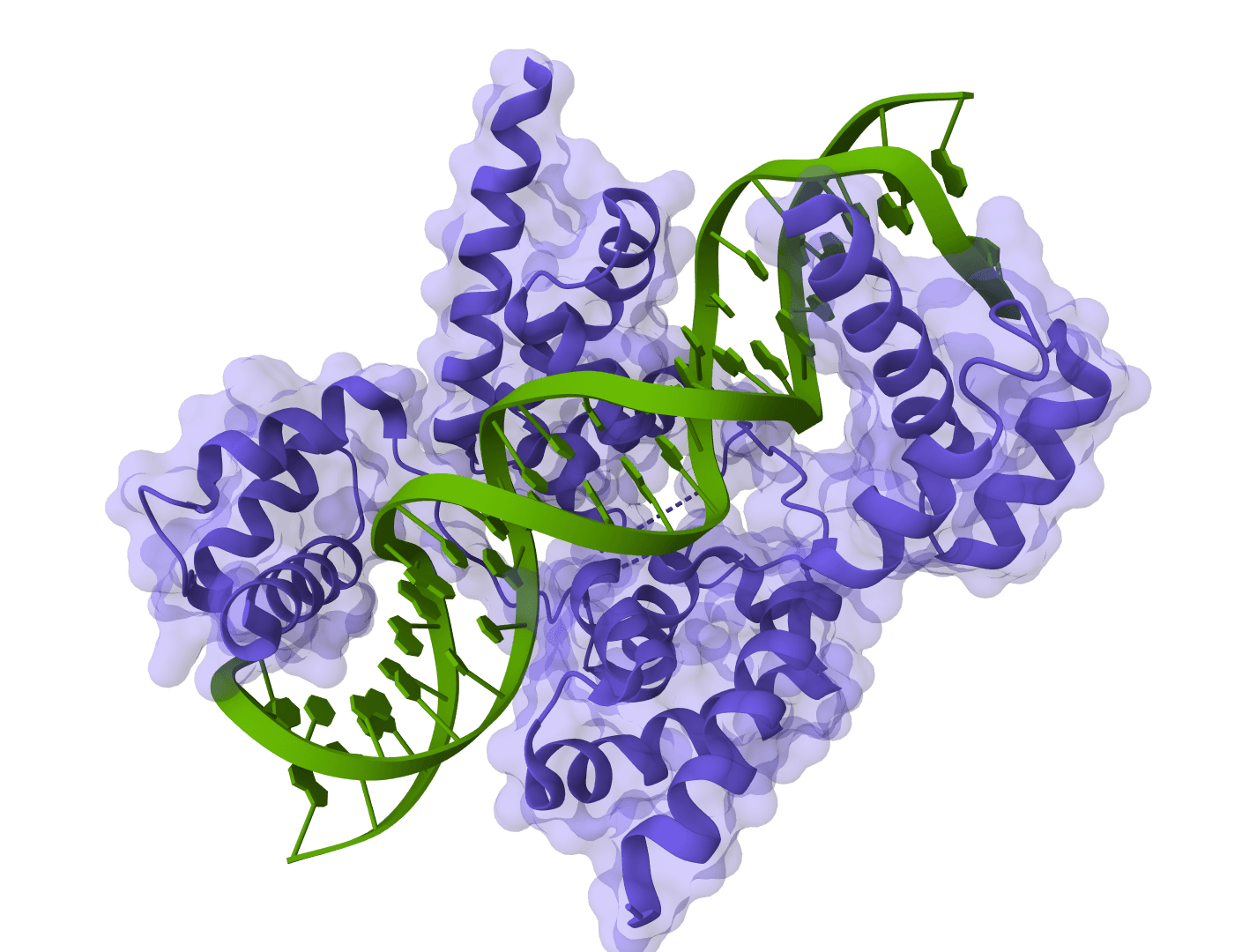
Protenix v2
Protein and biomolecular complex prediction
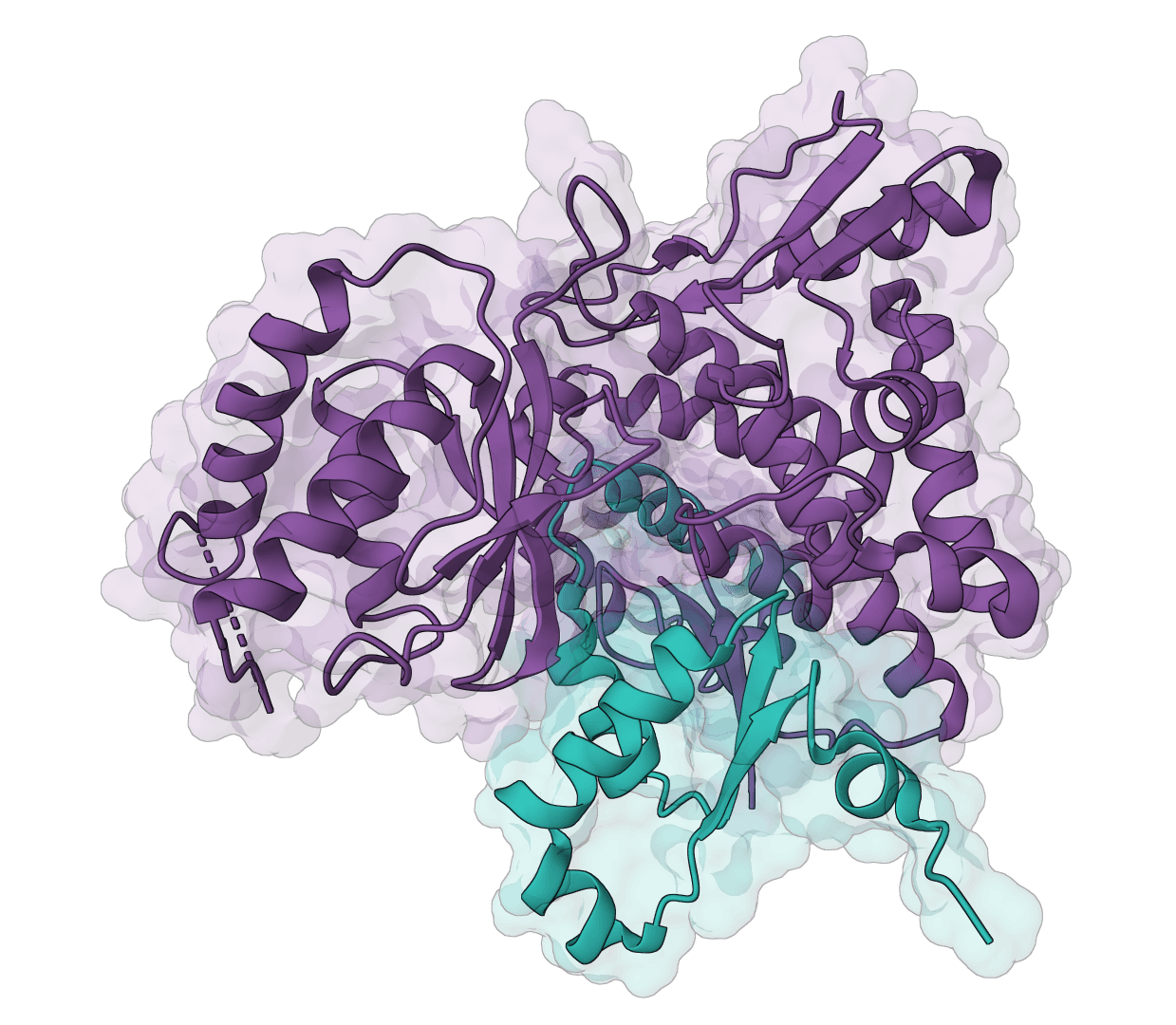
RosettaFold3
Protein and complex structure prediction
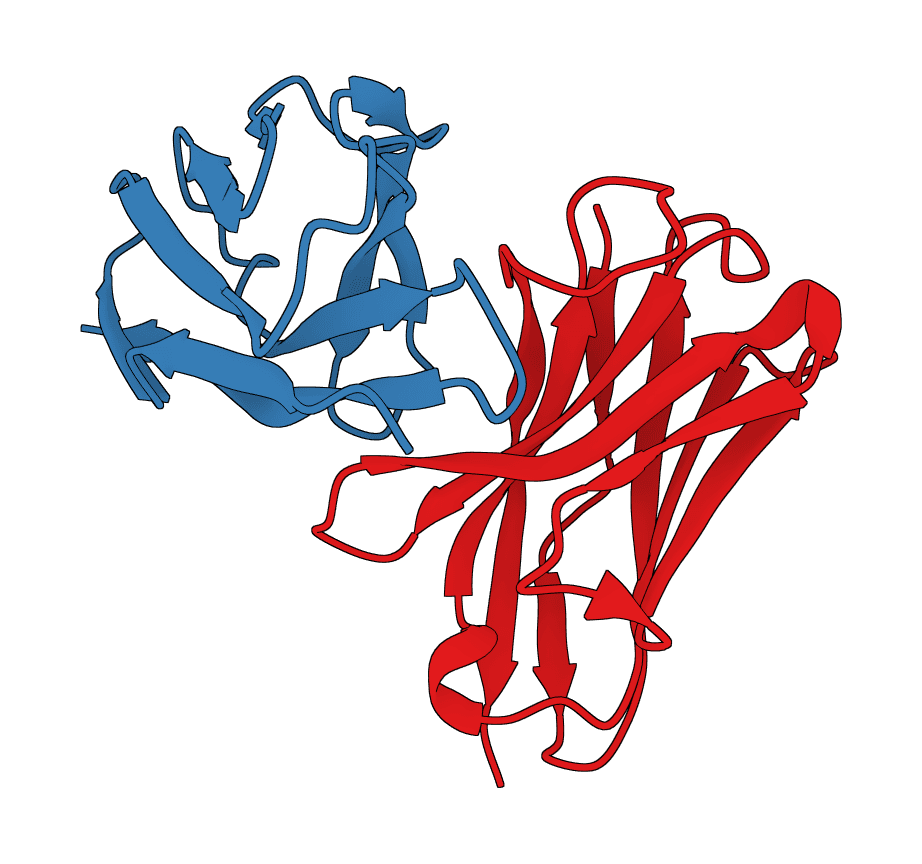
ABodyBuilder3
Antibody-specialized structure prediction
HighFold
Cyclic peptide structure prediction
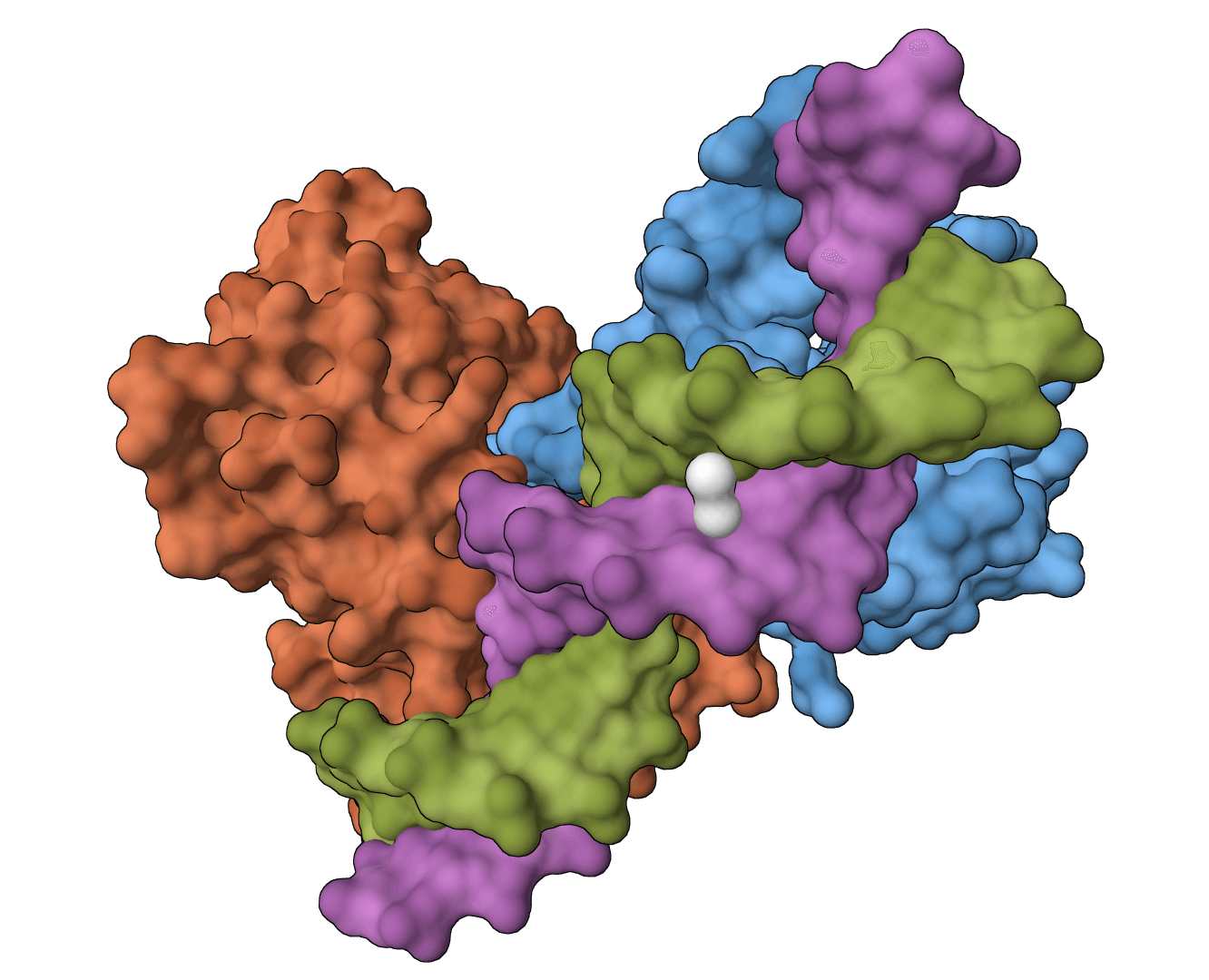
MolProbity
All-atom model-quality review
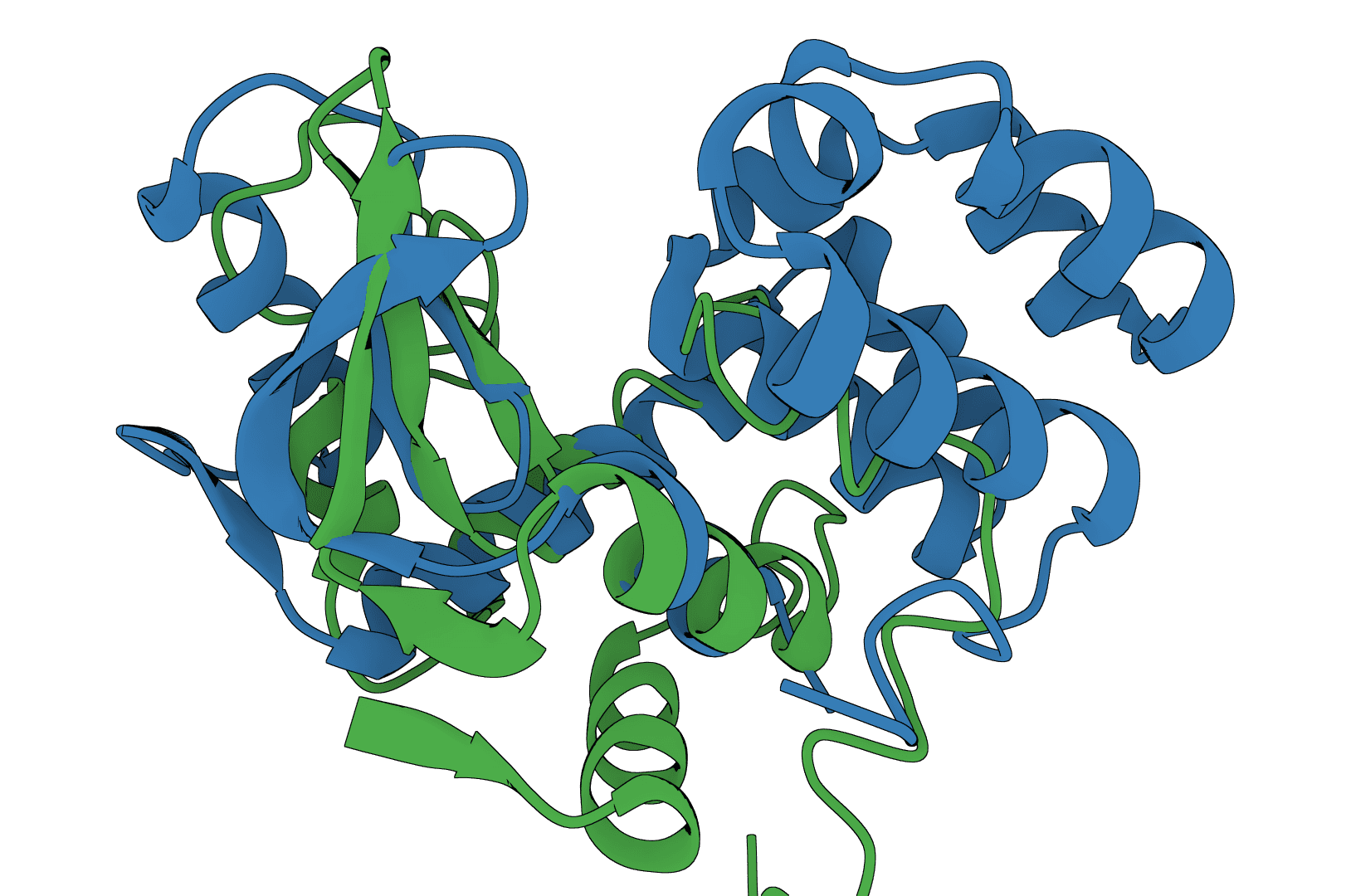
USAlign
Structural comparison and alignment
Frequently asked questions
Protein structure prediction estimates local or three-dimensional structure from sequence, evolutionary, template, or learned molecular evidence.
Match the method to the question and inputs: templates for homology modeling, one sequence for single-sequence folding, multiple chains for complexes, and specialist interpretation for antibodies, peptides, or membrane proteins.
No. Structure prediction estimates a structure for a supplied sequence; protein design searches for sequences or structures that satisfy a desired objective. They are related inverse problems with different researcher intent.
No. Confidence estimates model error under the predictor’s assumptions. It does not establish biological state, interaction, activity, or experimental correctness.
AlphaFold Server is free for noncommercial use under its terms, while published managed-service examples include $125 for a first UW–Madison prediction and day-based expert rates. ProteinIQ Plus is $29 per month and Pro is $99 per month. Compute-heavy predictions consume credits according to the selected model and sequence length; expert project support is scoped separately.
Start with a workflow you can inspect and edit
Add your inputs, review the settings, and keep every structure, score, table, and file connected to the step that produced it.