Use-case guide
Protein design workflows
Compare protein-design tasks by what is being created, the evidence supplied, the model output, and the experiments needed next.
What is protein design?
Protein design is the computational creation or optimization of protein sequences and structures for a defined objective. The objective may be a new fold, a sequence compatible with a backbone, catalytic activity, antigen recognition, peptide binding, target-specific protein binding, or improved sequence properties. Different design tasks require different inputs, models, scores, and experimental evidence.
Protein design is an umbrella use case rather than one algorithm. De novo methods generate new structural or sequence space; inverse folding finds sequences for a fixed backbone; enzyme, antibody, peptide, and binder design add functional and molecular-class constraints. Protein sequence design spans both structure-conditioned and sequence-generative approaches.
Choose the narrowest task that matches what you are trying to create. Every workflow should preserve constraints, random seeds, generated candidates, component scores, structures, and rejection reasons. Computational ranking reduces a search space, while synthesis, expression, structural characterization, and functional assays determine whether a design works.
When to use protein design
- Create a new protein candidate. Generate a backbone, sequence, binder, enzyme, antibody, or peptide against an explicit objective.
- Redesign an existing structure. Search sequences compatible with a backbone while preserving fixed functional or structural positions.
- Connect design with validation. Keep generation, sequence assignment, refolding, property review, and experimental handoff in one inspectable record.
Choosing a protein design method
The useful taxonomy follows researcher intent. De novo protein design creates new structures; inverse folding solves sequence for a fixed backbone; enzyme, antibody, peptide, and protein-binder design add distinct functional or molecular constraints; protein sequence design covers broader sequence generation and optimization.
Ligand-conditioned design and stability design remain important methods and objectives, but they fit within enzyme, sequence, or binder workflows here rather than becoming additional maintained spokes without demonstrated search demand.
How to design proteins online
A defensible protein-design workflow begins with a measurable objective and ends with experimental evidence. The software stages should make every assumption, constraint, candidate, and acceptance gate visible.
- Define the objective. State the desired structure, interaction, reaction, or property and how success will be measured.
- Prepare constraints. Confirm structures, sequences, motifs, fixed residues, targets, and allowed design space.
- Generate candidates. Use a method whose documented task and input requirements match the project.
- Evaluate evidence. Review native scores, refolding, geometry, diversity, stability, solubility, and task-specific evidence.
- Test experimentally. Select a diverse panel and measure expression, structure, and the intended function.
How to evaluate protein designs
No single score establishes design success. Evaluate constraint satisfaction, structural agreement, local confidence, geometry, sequence diversity, stability, solubility, aggregation, and task-specific evidence separately.
Compare candidates within the same model and settings unless scores are explicitly calibrated across methods. Preserve rejected designs and score distributions to avoid selection based only on attractive visualizations.
Experimental validation for protein design
Expression and folding are early gates, not proof of function. The decisive assay must match the objective: affinity and specificity for binders, catalytic rate and selectivity for enzymes, or structural and biophysical properties for scaffold designs.
Plan controls, replication, and candidate diversity before generation. Export sequences, structures, settings, provenance, and selection logic together for synthesis and laboratory handoff.
Benefits of protein design
- Broader search. Explore structural and sequence possibilities beyond manual mutation.
- Explicit constraints. Encode geometry, residues, targets, and properties as inspectable design requirements.
- Connected evidence. Carry candidates from generation through model review and experimental handoff.
Limitations of protein design
- Model-dependent rankings. Scores are approximations tied to each method and training distribution.
- Incomplete biological context. Dynamics, expression systems, partners, and cellular conditions may be missing.
- Experiments remain decisive. Computational candidates require synthesis, characterization, and functional testing.
How the featured workflow works
The hub workflow compares four sequence-design methods from one backbone; each spoke uses a workflow matched to its specific design task.
- Define the objective. Choose the protein-design task and acceptance criteria.
- Prepare the backbone. Clean the PDB and identify chains and fixed residues.
- Run four methods. Submit the same backbone to four sequence-design models.
- Compare candidates. Review probabilities, diversity, conserved positions, and method agreement.
- Validate and export. Refold and screen selected candidates before experimental testing.
Inputs and outputs for the featured workflow
Check formats before running, then inspect and download the result from every workflow step.
Inputs
Design evidence
PDBFASTAJSONTXTProtein structures, sequences, targets, motifs, fixed residues, and constraints required by the selected design task.
Outputs
Design candidates
PDBFASTACSVJSONGenerated structures and sequences, model-native scores, rankings, logs, and validation files.
Featured protein design workflow
Preserve four complementary sequence-design outputs for direct comparison and downstream validation.
Inputs
1 required
Methods
4 connected
- 01ProteinMPNN
- 02ESM-IF1
- 03SolubleMPNN
- 04HyperMPNN
Preserve four complementary sequence-design outputs for direct comparison and downstream validation.
Use this templateTools for protein design
Use these methods to prepare inputs, run the core analysis, inspect outputs, and validate the evidence described in this workflow.
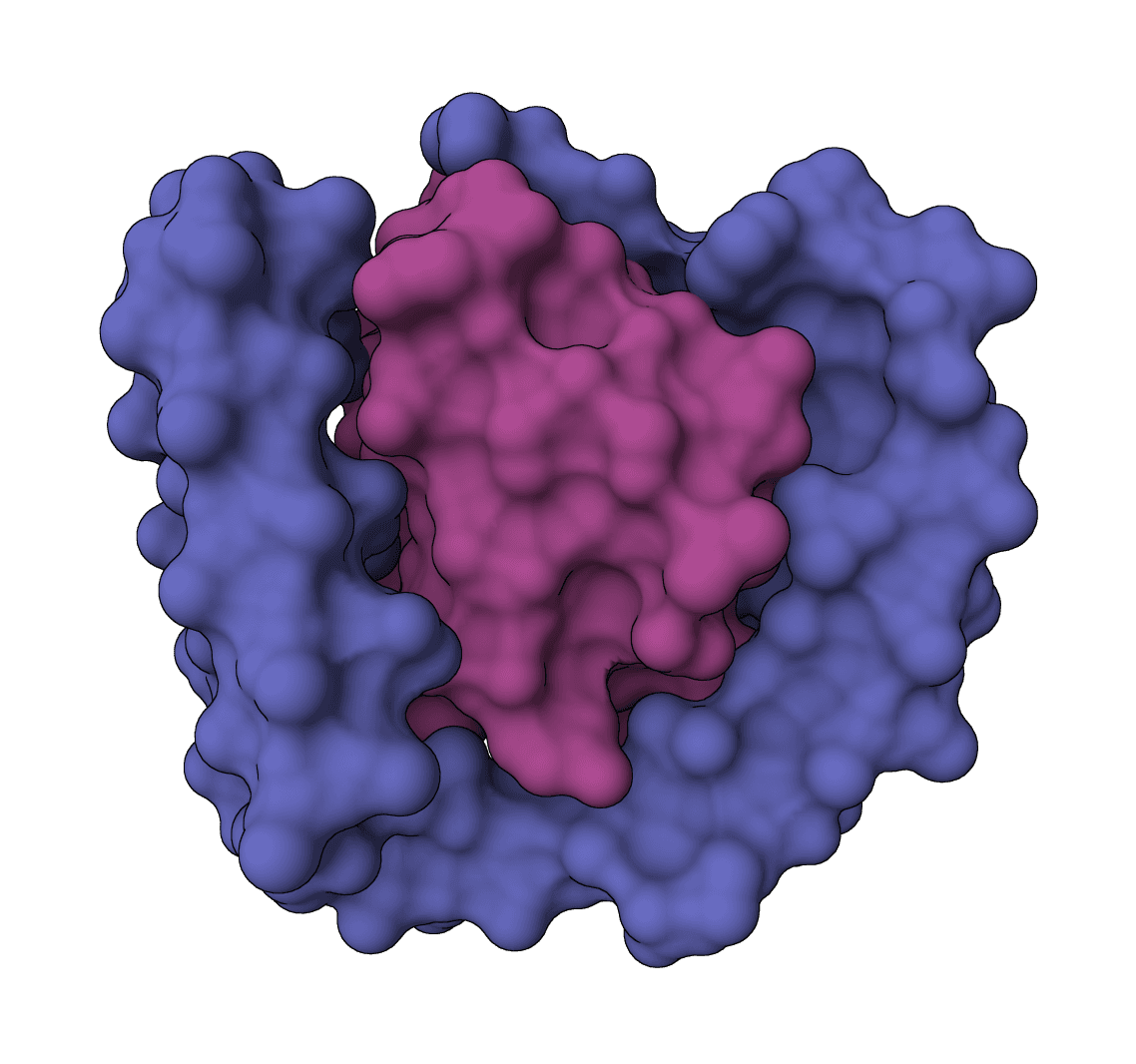
RFdiffusion3
Generate protein backbones under design constraints
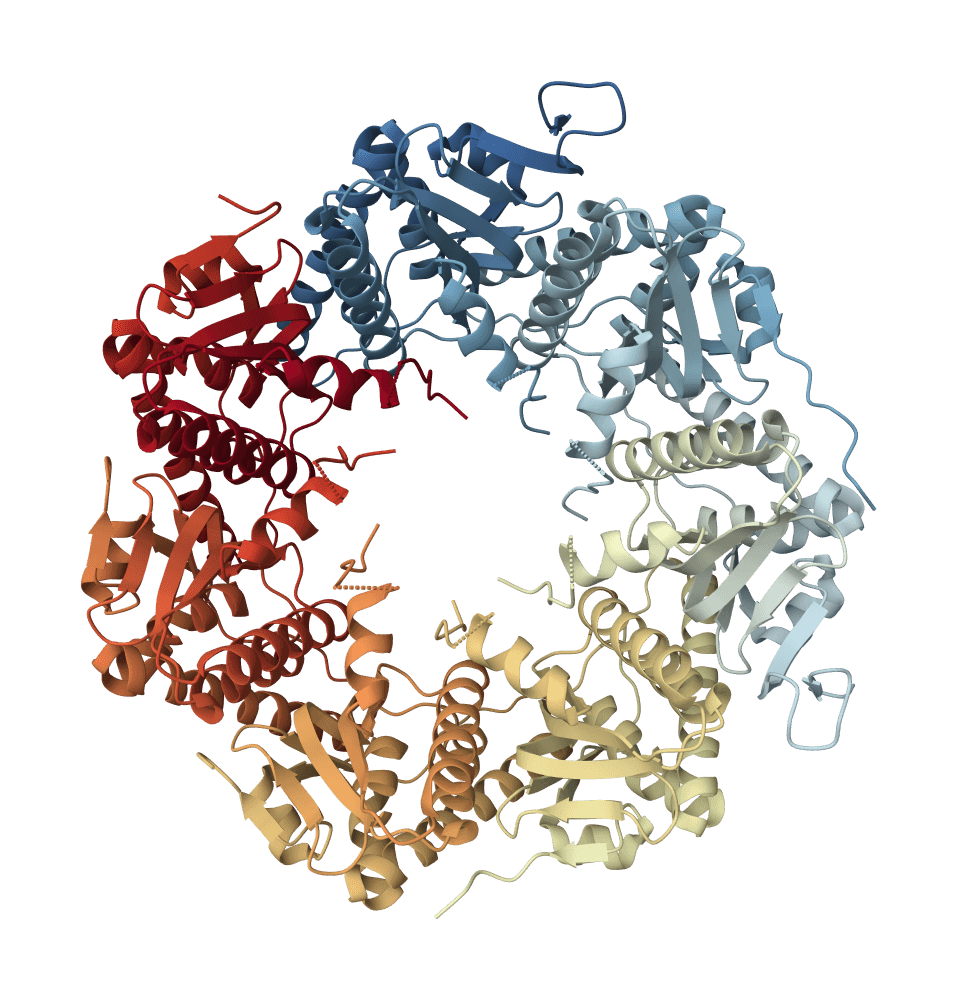
ProteinMPNN
Design sequences for protein backbones
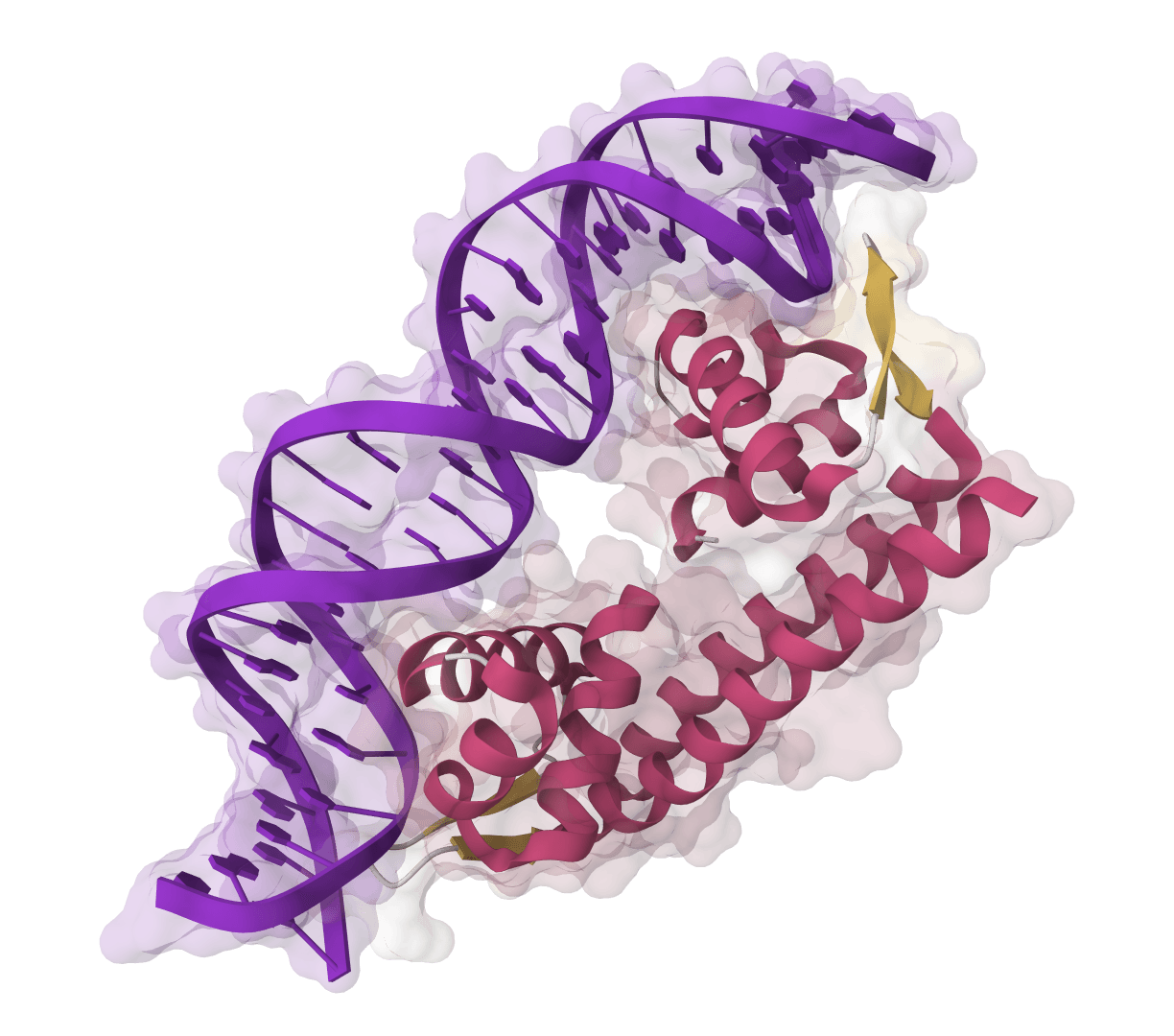
ESM-IF1
Run geometric inverse folding
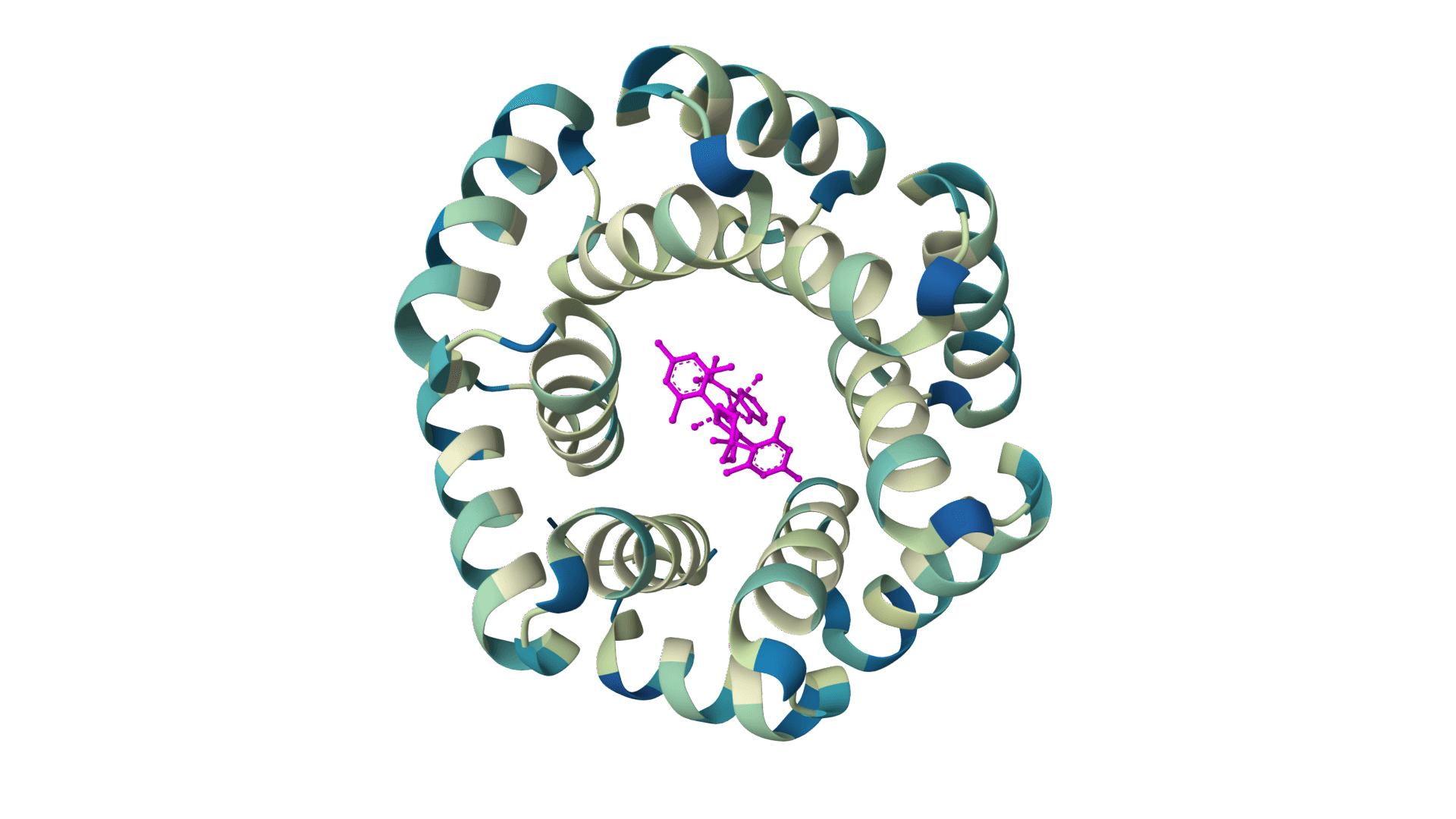
LigandMPNN
Design sequences around ligand context
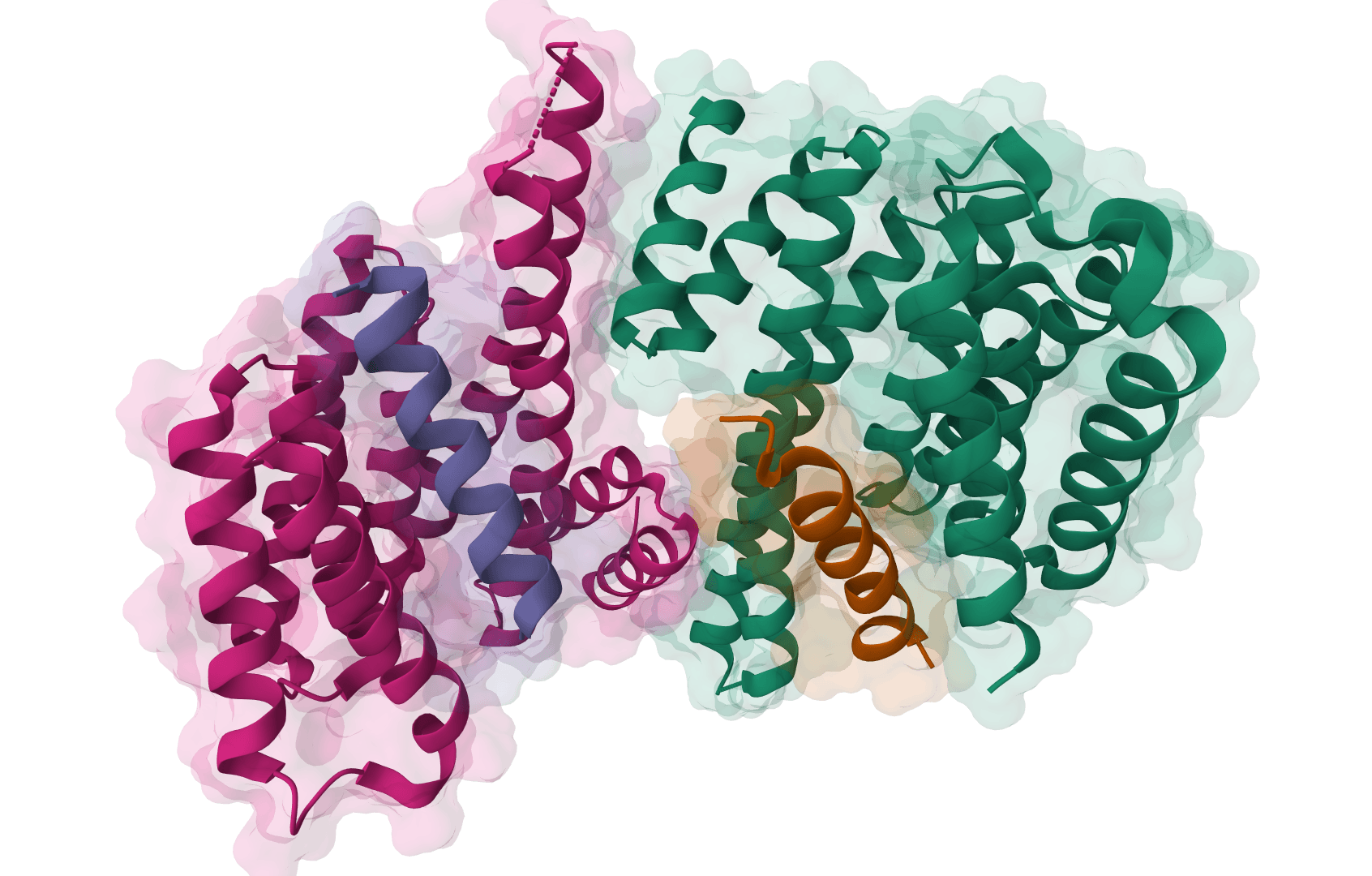
BindCraft
Generate de novo protein binders
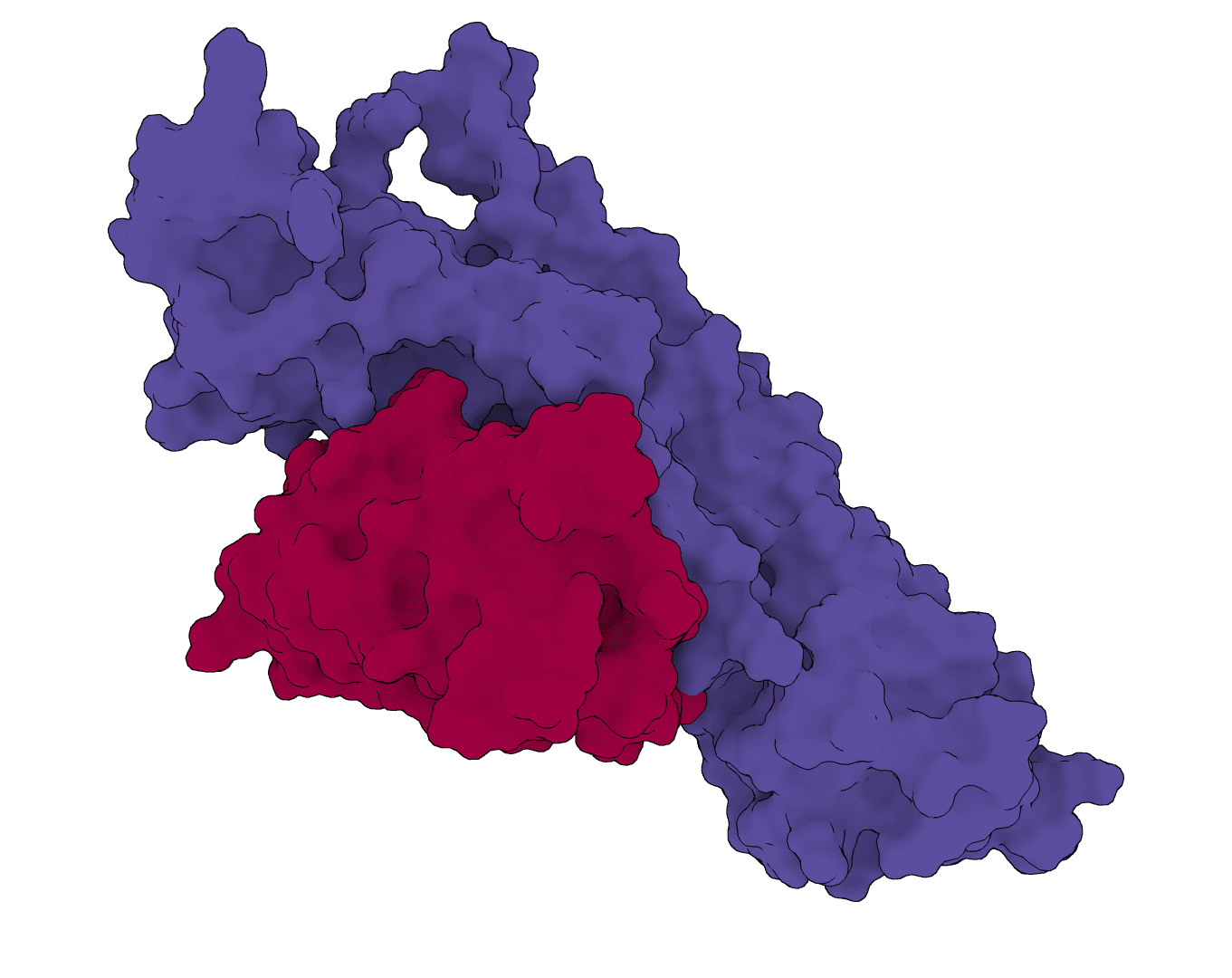
RFantibody
Generate antibody designs
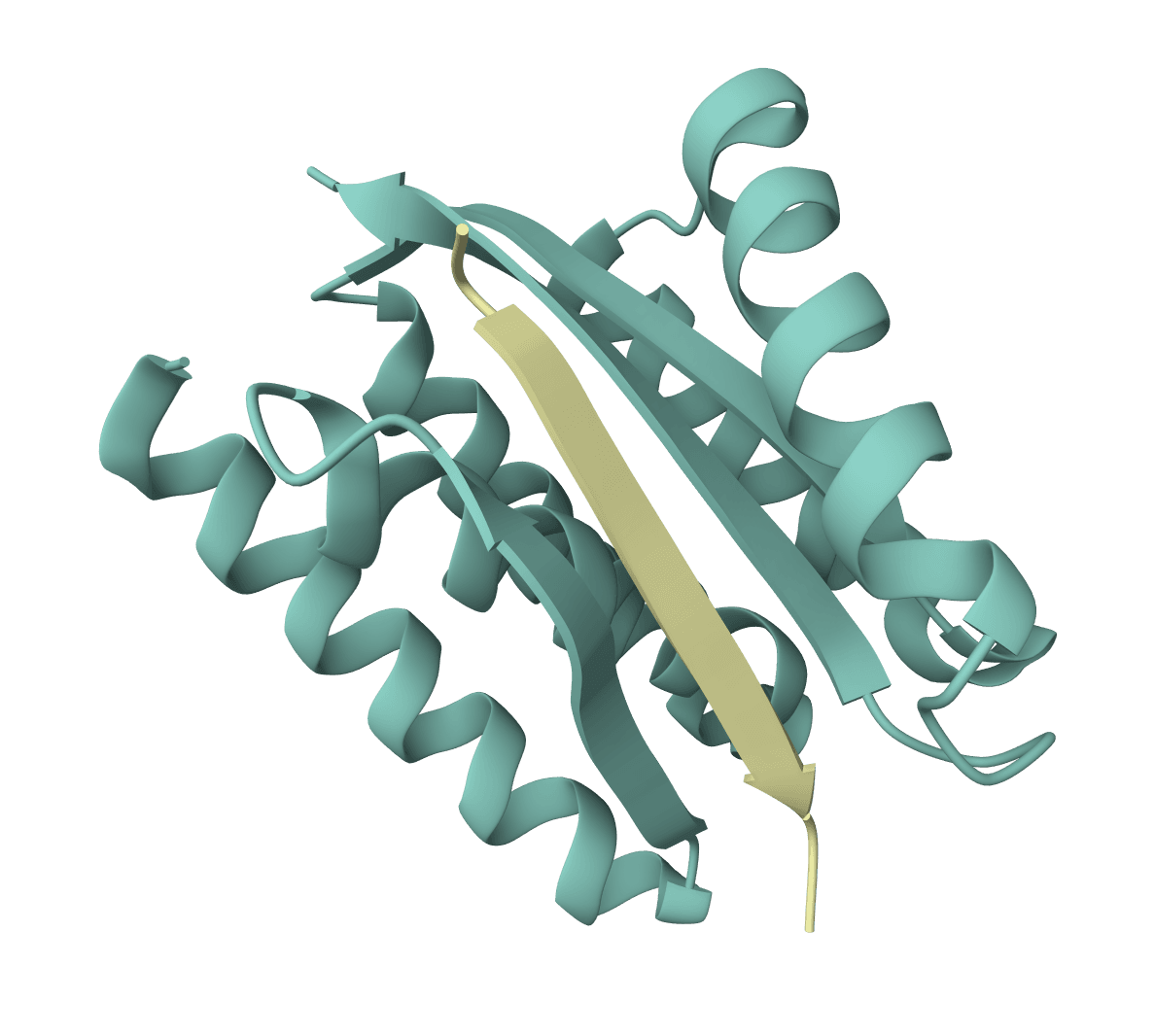
PepMLM
Generate target-conditioned peptide binders
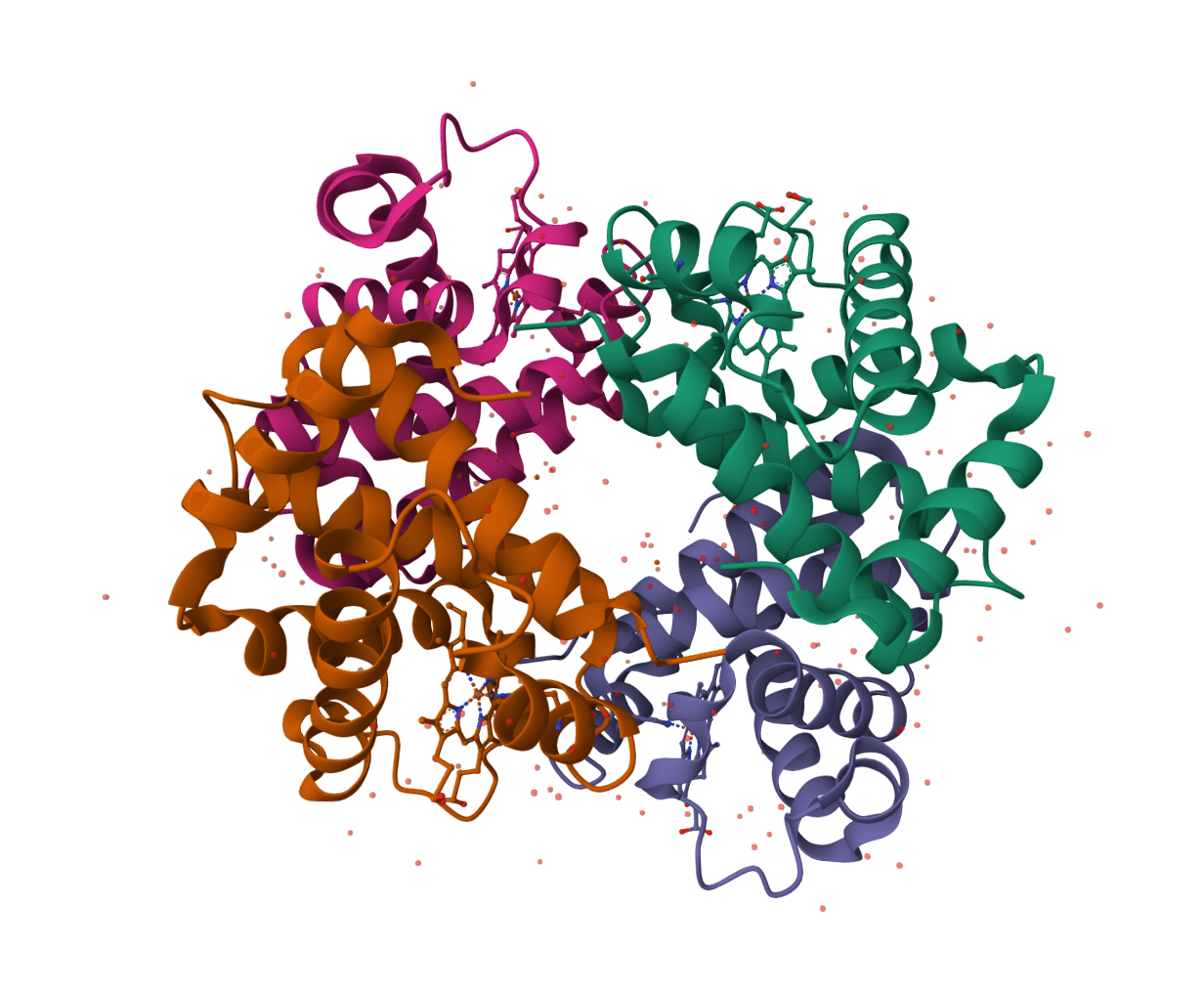
ProGen2
Generate protein sequences
ESMfold
Refold designed sequences for structural comparison
MolProbity
Review clashes and stereochemical geometry
Protein stability prediction
Estimate sequence-level stability signals
NetSolP-1.0
Estimate sequence-level solubility
Frequently asked questions
Not for every task. Sequence-generative and unconditional backbone methods can start without one, while inverse folding, structure-based binder design, and many enzyme workflows require a suitable backbone, target, or motif structure.
Yes. A campaign might generate backbones de novo, assign sequences by inverse folding, and then apply binder-, enzyme-, or developability-specific evaluation. Keep the handoff formats and provenance explicit at each transition.
Do not merge raw scores unless they are demonstrably calibrated. Rank within each model and setting, then compare shared evidence such as constraint satisfaction, diversity, refold agreement, geometry, and property checks.
Set that decision before large-scale generation using the available synthesis, expression, and assay capacity. Move forward when the panel covers meaningful structural or sequence diversity and each candidate passes the project’s non-negotiable gates.
There is no single published price for protein design because the deliverable can stop at sequences or continue through production and experimental validation. Current full-service reference points include DuneX VHH/scFv binder campaigns from $5,000 to $25,000 depending on package and success milestones, and Invenra’s 2026 $100,000 full mAb discovery and data-package offer; general de novo, sequence, and enzyme-design programs are quote-based.
The total depends on the molecular format, number of design and optimization rounds, candidates produced, expression system, purification, structural or biophysical characterization, functional assays, intellectual-property terms, and whether a success fee applies.
ProteinIQ self-service starts at $29 per month for academic Plus and $99 per month for commercial Pro, with the configured run quoted in credits before submission. A done-for-you protein design project is scoped separately; synthesis, expression, and experimental assays are included only when the project quote explicitly says so.
Start with a workflow you can inspect and edit
Add your inputs, review the settings, and keep every structure, score, table, and file connected to the step that produced it.