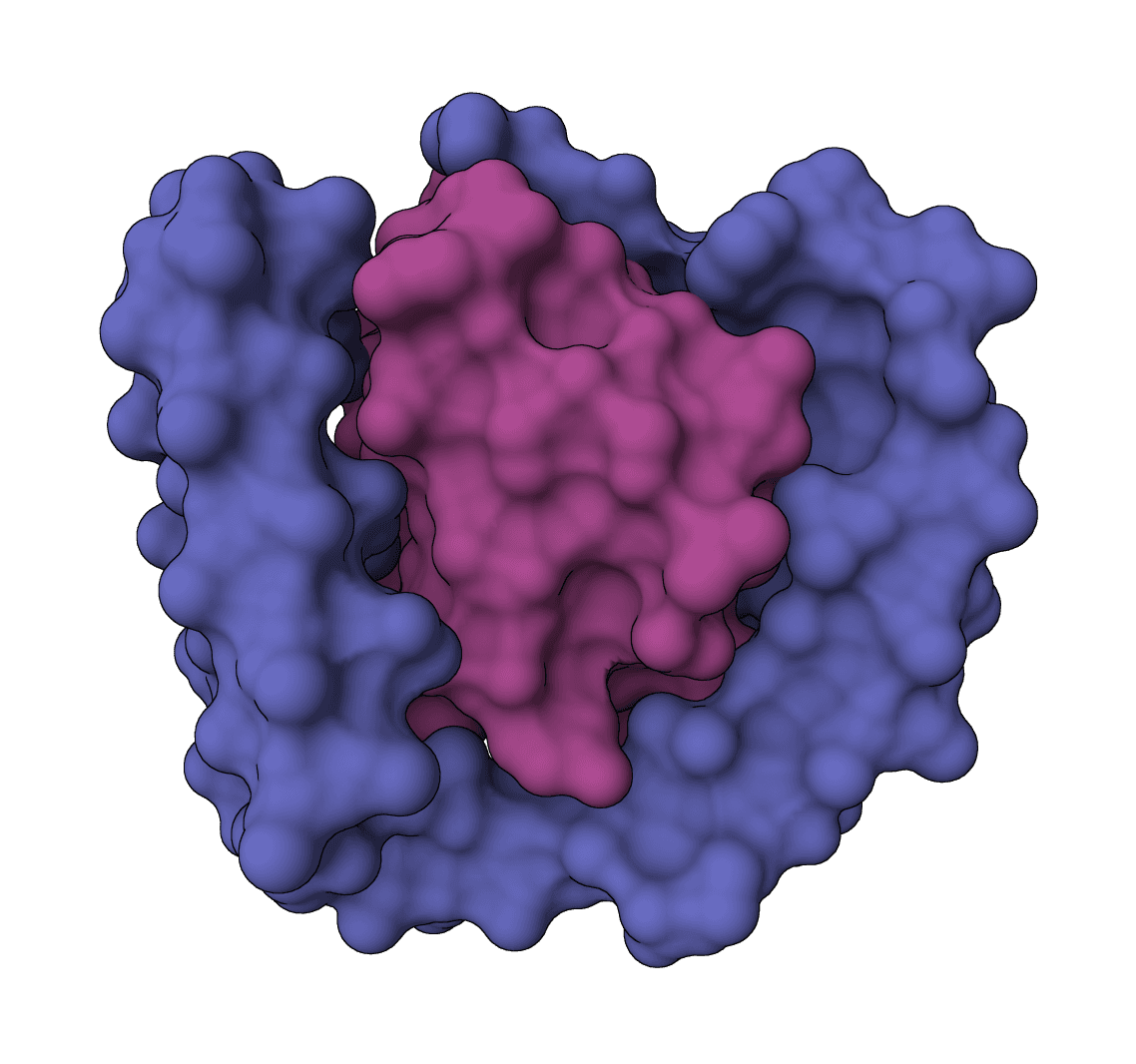
All-atom generative diffusion for designing binders, enzymes, and symmetric protein assemblies Learn more
Input
What is RFdiffusion3?
RFdiffusion3 (RFD3) is a generative diffusion model for de novo protein design. Unlike structure prediction tools that fold existing sequences, RFD3 creates entirely new protein backbones through an iterative denoising process. The model can generate proteins from scratch or design new chains that interact with specified targets.
RFD3 extends the original RFdiffusion architecture with all-atom capabilities, enabling design tasks involving small molecules, metals, and other non-protein components. The model learns to reverse a diffusion process that gradually adds noise to protein structures, generating novel backbones that satisfy specified constraints.
For sequence design after generating backbones, pair RFD3 with LigandMPNN to optimize amino acid sequences. To validate designed structures, use RosettaFold3 or Boltz-2 for structure prediction.
How does RFdiffusion3 work?
Diffusion process
RFD3 operates on a diffusion framework where protein structures are progressively corrupted with Gaussian noise during training. At inference time, the model reverses this process:
- Initialization: Start from random coordinates (pure noise)
- Denoising: Iteratively predict and remove noise at each timestep
- Refinement: Final coordinates converge to a valid protein backbone
The number of diffusion steps controls the quality-speed tradeoff. More steps (100-200) produce higher quality structures but take longer, while fewer steps (10-50) enable rapid prototyping.
Constraint satisfaction
RFD3 can incorporate various constraints during generation:
Structural constraints: Fix specific residue positions from a template structure while designing new regions around them. The contig specification language allows precise control over which regions are fixed versus designed.
Hotspot targeting: For binder design, specify which target residue atoms should be contacted by the designed protein. The model orients the new chain to maximize interactions with these hotspots.
Length constraints: Control the size of designed proteins or protein regions using length ranges. The model samples within the specified range during generation.
Inputs and settings
Target structure (optional)
Provide a target protein structure for constrained design tasks like binder design. Upload a PDB/ENT file or fetch directly from RCSB using a PDB ID (e.g., 4ZXB). The target structure defines the binding interface for binder design or provides structural motifs for scaffolding tasks.
To use only a particular chain, include it in the RCSB identifier, for example 1FJS:L. Only the selected chain is passed to input validation and the design job. For an uploaded PDB, open Trim structure beside the file and keep the required chains. Trimming preserves original residue numbers and insertion codes; validation still checks the retained structure before submission.
Insertion codes distinguish residues such as 61 and 61A during structure validation. The custom contig field uses numeric residue references and cannot explicitly address A61A; passing upload validation does not establish support for insertion-coded contigs or hotspots. If the intended target is a different chain, select that chain before configuring the design.
For unconditional generation (creating proteins from scratch), leave this empty and RFD3 will generate novel folds based solely on the specified length.
Design task
Select the type of protein design:
- Binder Design: Design a new protein that binds to the target structure. Requires a target structure input.
- Enzyme Design: Design proteins with functional active sites. Often combined with hotspot specification.
- Symmetric Assembly: Generate proteins with internal symmetry (homo-oligomers).
- Unconditional Generation: Create novel protein folds without any structural constraints.
Number of designs
Generate multiple independent designs (1-50) in a single job. Each design samples a different trajectory through the diffusion process, producing structural diversity. More designs increase the chance of finding high-quality candidates but require more computation time.
Diffusion steps
Controls the number of denoising iterations (10-200). Higher values produce more refined structures:
| Steps | Use Case |
|---|---|
| 10-20 | Quick prototyping, initial exploration |
| 50 | Standard quality (default) |
| 100-200 | High-quality final designs |
Design length range
Specify the length of designed protein regions as a range (e.g., 50-100). The model samples within this range during generation. For binder design, this controls the size of the designed binder chain.
For binder design, choose Target chains after uploading the structure. The first chain is selected by default. Selecting other chains builds a contig from their existing residue numbers, preserving gaps and chain breaks.
Advanced options
Custom contig
The contig specification provides fine-grained control over the design:
Turn on Use custom contig to reveal its field. A non-empty custom contig replaces the target-chain selector and design length range. Turning it off returns to automatic selection; your custom text is kept while the form stays open.
If your uploaded structure has missing residues or gaps, leave Custom contig blank unless you explicitly split the fixed residue ranges to match residues that actually exist in the structure.
Contigs are written as comma-separated pieces:
A1-95orB5-12references residues from the uploaded structure50or50-100asks RFD3 to design a region of that length/0creates a chain break
Examples:
50-100,/0,A1-95- Design a 50-100 residue binder and place it on a separate chain from target residues A1-A95A40-60,70,A120-170,/0,B3-45,60-80- Keep residues A40-A60, design a 70-residue segment, keep A120-A170, then start a new chain with B3-B45 followed by a designed 60-80 residue segment100- Generate a 100-residue protein unconditionally
Whitespace around commas is tolerated by the ProteinIQ form and will be normalized before submission, but the underlying grammar is still comma-separated pieces. Use /0, not a bare /, for chain breaks.
Hotspot residues
Target specific atoms on the target protein for binder design. This focuses the designed interface on functionally important residues.
In the playground, enable Hotspot residues and choose Edit. Search by residue identifier or name within the popover, or scroll through the full list. New selections use ALL, and selected residues can be removed individually. Turn on Atom-specific hotspots to enter explicit atom names or edit existing selections. Switching back to the residue selector preserves atom-specific values. Disabling hotspots excludes them from the run and preserves your selection for when you enable them again.
Format: JSON object mapping residue IDs to atom names
{
  "A64": "CD2,CZ",
  "A88": "CG,CZ",
  "A96": "CD1,CZ"
}
Residue ID format: ChainResidueNumber (e.g., A64 = chain A, residue 64)
The advanced field and API accept a JSON object only. Residue IDs must match residues that are actually present in the uploaded target structure.
Each value can also be one of these uppercase shorthands:
| Value | Selected atoms |
|---|---|
ALL | All heavy atoms present in the residue. |
BKBN | Backbone atoms: N,CA,C,O. All four must be present. |
TIP | Foundry's residue-specific tip atoms. The residue must have a defined tip and all required tip atoms must be present. |
For example, {"A64":"ALL","A88":"BKBN","A96":"TIP"} selects different atom groups at three residues. Use a shorthand alone, not mixed with atom names such as "ALL,CA". TIP is not defined for alanine, glycine, or proline; use ALL, BKBN, or explicit atom names for those residues.
Common atom names:
- Backbone:
N,CA,C,O - Aromatic:
CD1,CD2,CE1,CE2,CZ - Aliphatic:
CB,CG,CD - Charged:
NZ(Lys),OD1/OD2(Asp),OE1/OE2(Glu)
Hotspot selection dramatically improves binder design success rates by ensuring the designed protein contacts critical interface residues.
Orientation strategy
Controls how the designed chain is positioned relative to the target:
- Hotspot-based (default): Orient based on specified hotspot atoms. Recommended when hotspots are defined.
- Center of Mass (
com): Orient based on the target's center of mass. Use when no specific hotspots are known.
Understanding the results
Output structures
Each design generates a PDB file containing the designed backbone coordinates. Files are named sequentially (e.g., design_0.pdb, design_1.pdb). The structures contain:
- Full backbone atoms (N, CA, C, O) for all residues
- Designed chain(s) with placeholder sequence (typically poly-glycine or poly-alanine)
- Target chain(s) if provided in the input
Interpreting designs
RFD3 outputs are backbone-only structures requiring sequence design:
- Visualize: Check that designs have reasonable topology and target contact
- Filter: Remove designs with obvious clashes or disconnected regions
- Sequence design: Use LigandMPNN to assign optimal amino acid sequences
- Validate: Predict structure with RosettaFold3 to verify foldability
Quality indicators
While RFD3 doesn't provide explicit confidence scores like folding tools, design quality can be assessed by:
- Compactness: Well-designed proteins have tightly packed cores
- Secondary structure: Presence of regular helices and sheets indicates valid topology
- Interface contacts: For binders, check that the designed chain contacts the target
- Sequence design scores: LigandMPNN confidence scores indicate designability
Use cases
RFD3 excels at:
- Therapeutic binders: Design proteins targeting disease-relevant receptors
- Enzyme scaffolds: Create new protein architectures for catalytic function
- Symmetric assemblies: Generate homo-oligomeric protein cages and rings
- Protein diversification: Explore the space of foldable proteins
Example workflow: Binder design
- Prepare target: Upload target protein structure (e.g., receptor extracellular domain)
- Identify hotspots: Select key interface residues from known binding data or structural analysis
- Configure: Set binder length (e.g., 50-100), specify hotspots, select "Binder Design" task
- Generate: Run RFD3 with 10-50 designs
- Design sequences: Use LigandMPNN on promising backbones
- Validate: Predict structures with RosettaFold3, filter by pLDDT
Limitations
- Backbone only: RFD3 generates backbones without sequences; requires separate sequence design
- No side chains: Output structures lack side chain atoms until sequence is assigned
- Computational cost: High-quality designs require significant GPU time
- Success rate varies: Not all designs will fold correctly; generate multiple candidates
- Limited small molecule support: While RFD3 has all-atom capabilities, complex ligand interactions may require specialized tools
Related tools
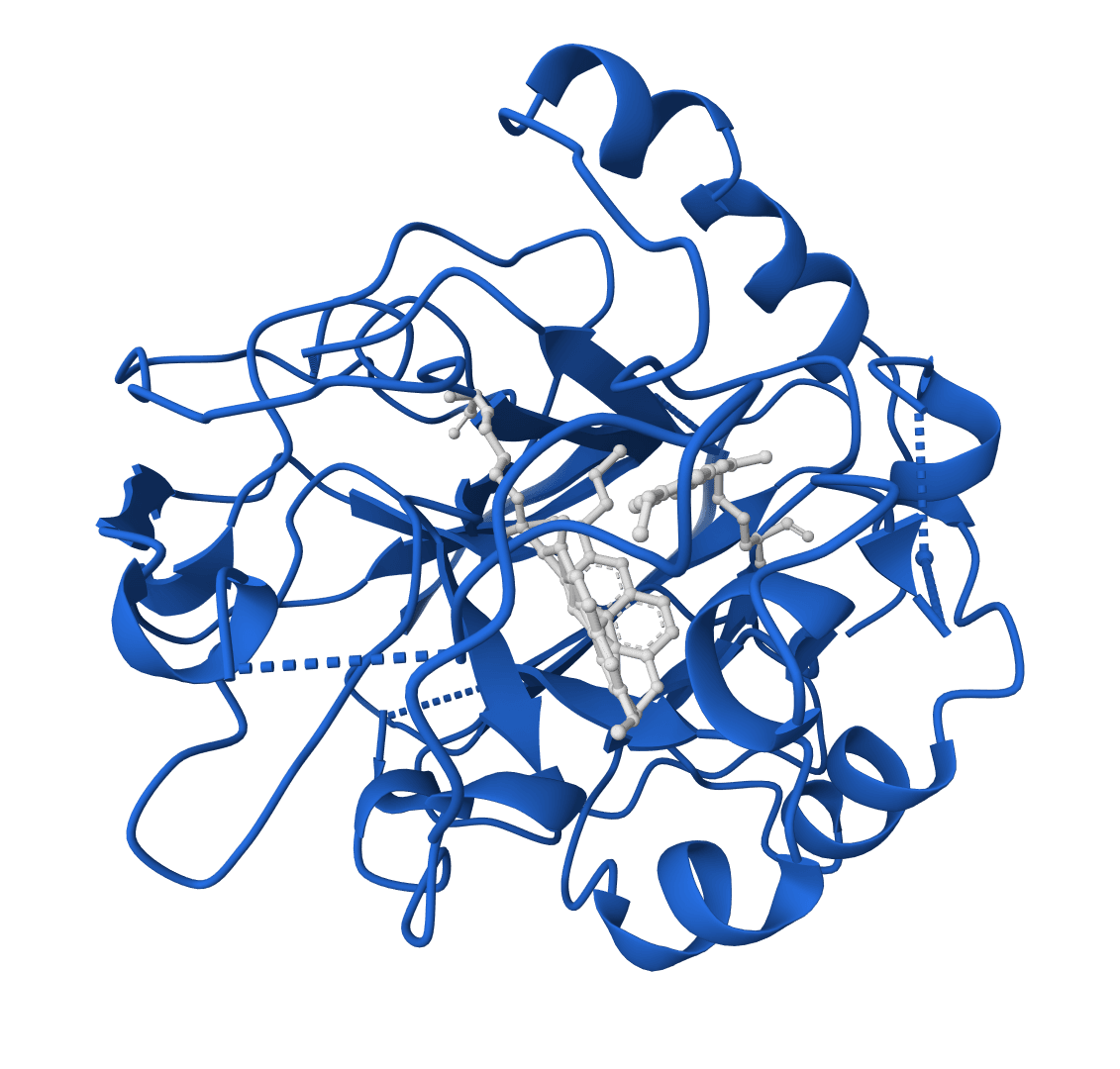
RFdiffusion 2
RFdiffusion2 is an atom-level enzyme active site scaffolding tool that generates protein scaffolds around your input motif. REQUIRES an input PDB structure containing the active site residues to scaffold. For ligand-aware design, ligands must be embedded in the input PDB as HETATM records.
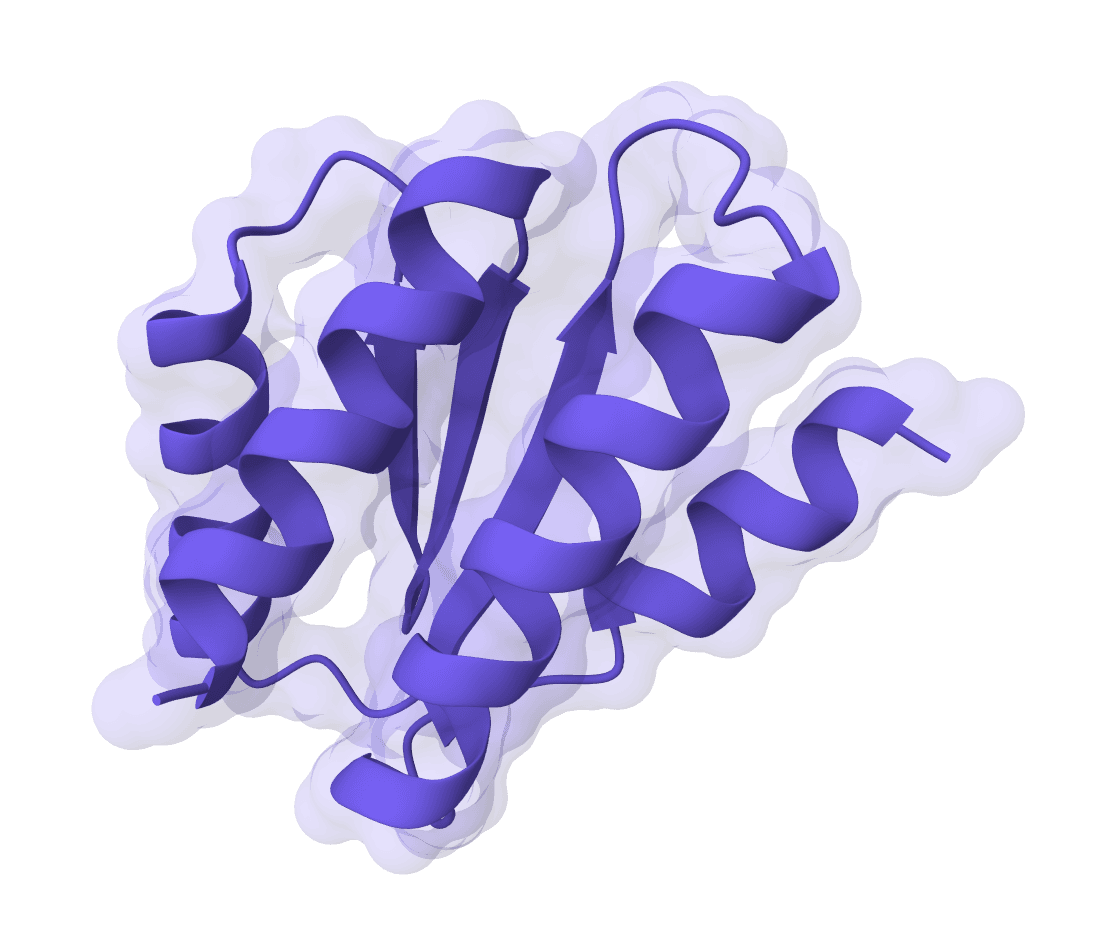
EvoDiff
EvoDiff is a diffusion-based protein sequence generation framework from Microsoft Research. ProteinIQ currently runs the EvoDiff-Seq OA_DM_38M model for unconditional protein generation, motif scaffolding, and user-sequence inpainting.
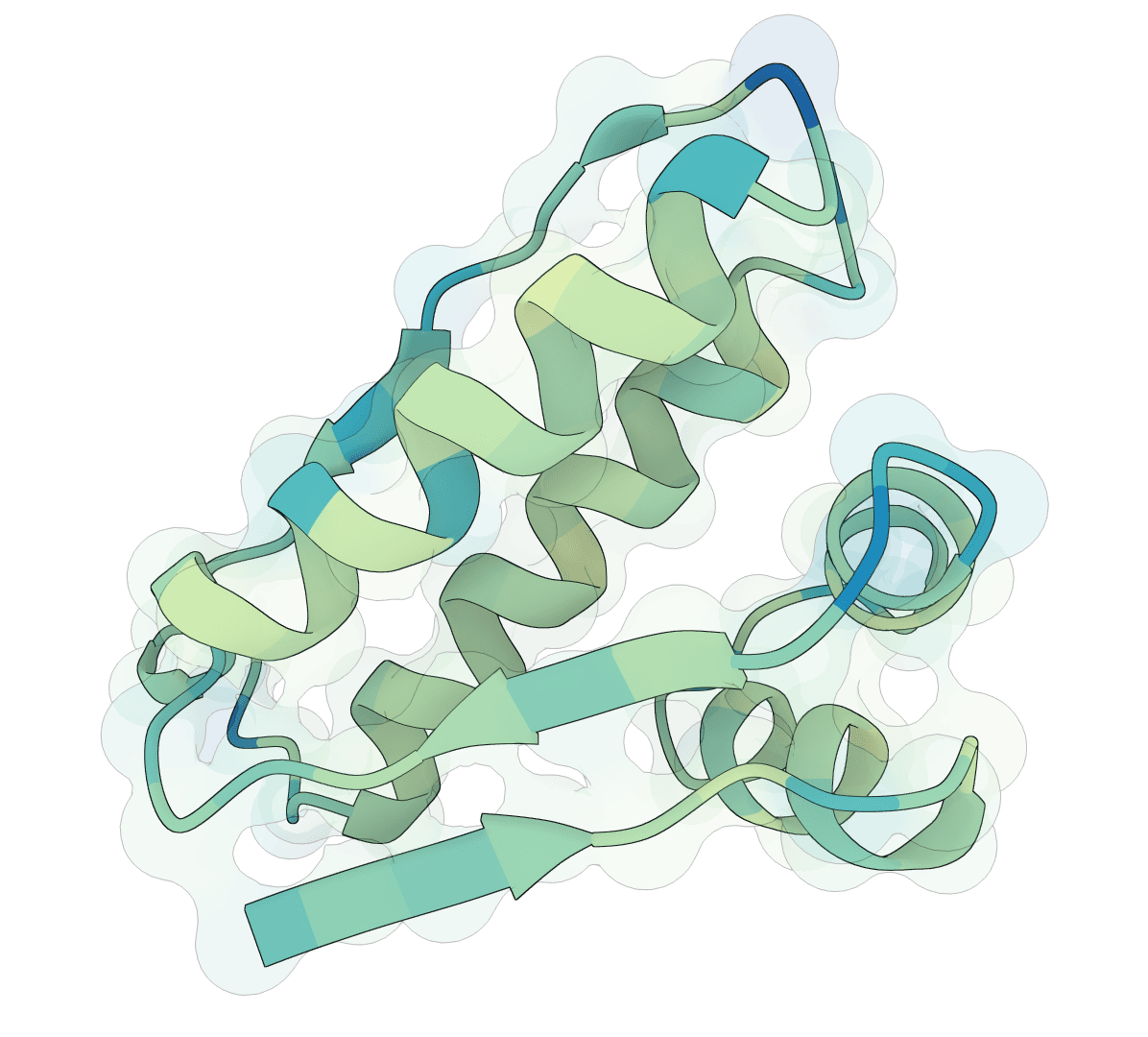
Genie 3
Generate protein structures and scaffolds with Genie 3, an all-atom SE(3)-equivariant diffusion model. Genie 3 supports unconditional protein generation, motif scaffolding, and hotspot-targeted binder design.
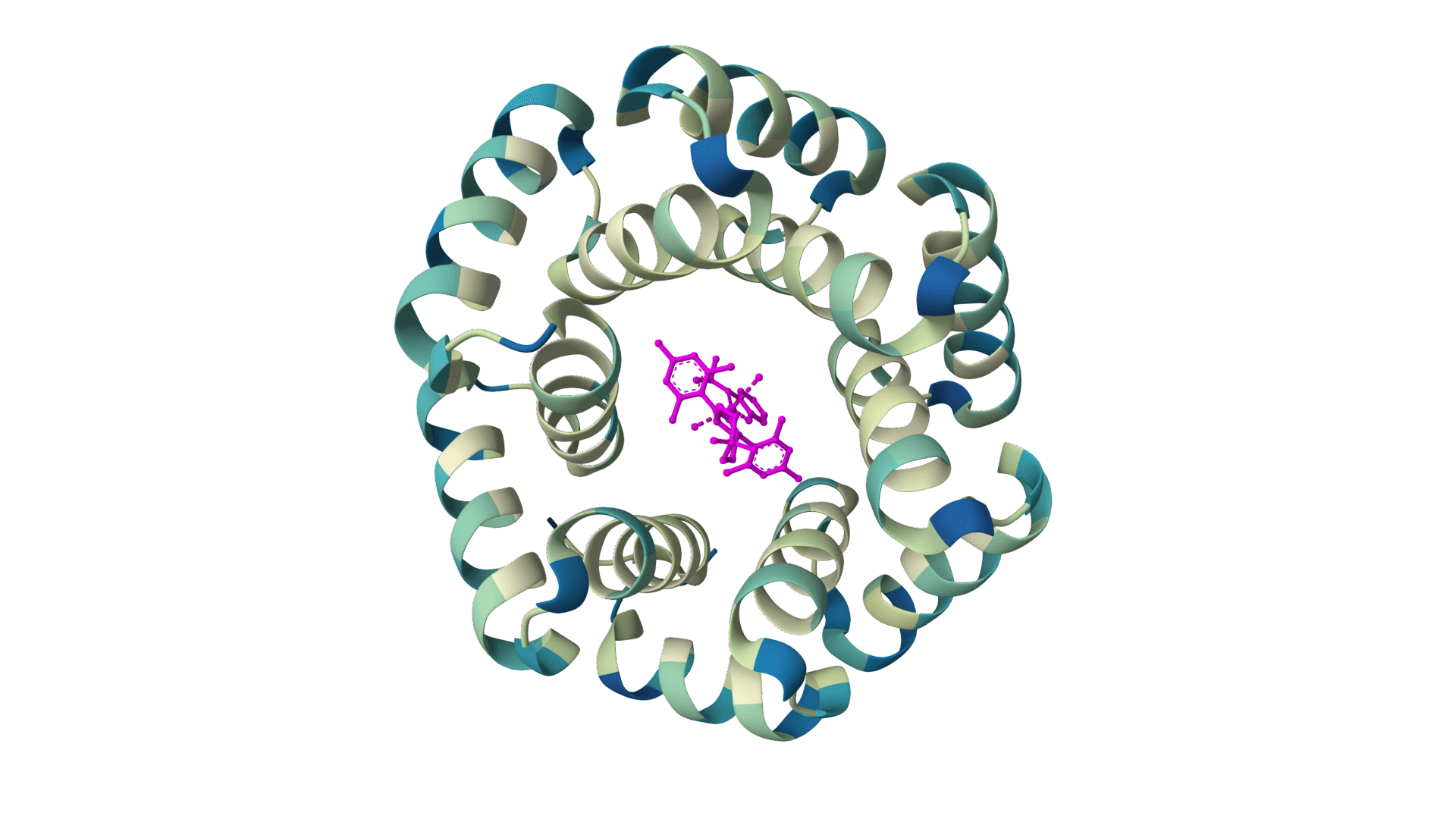
LigandMPNN
Design and score protein sequences with ligand, metal, nucleotide, and fixed-side-chain context, with optional native side-chain packing.
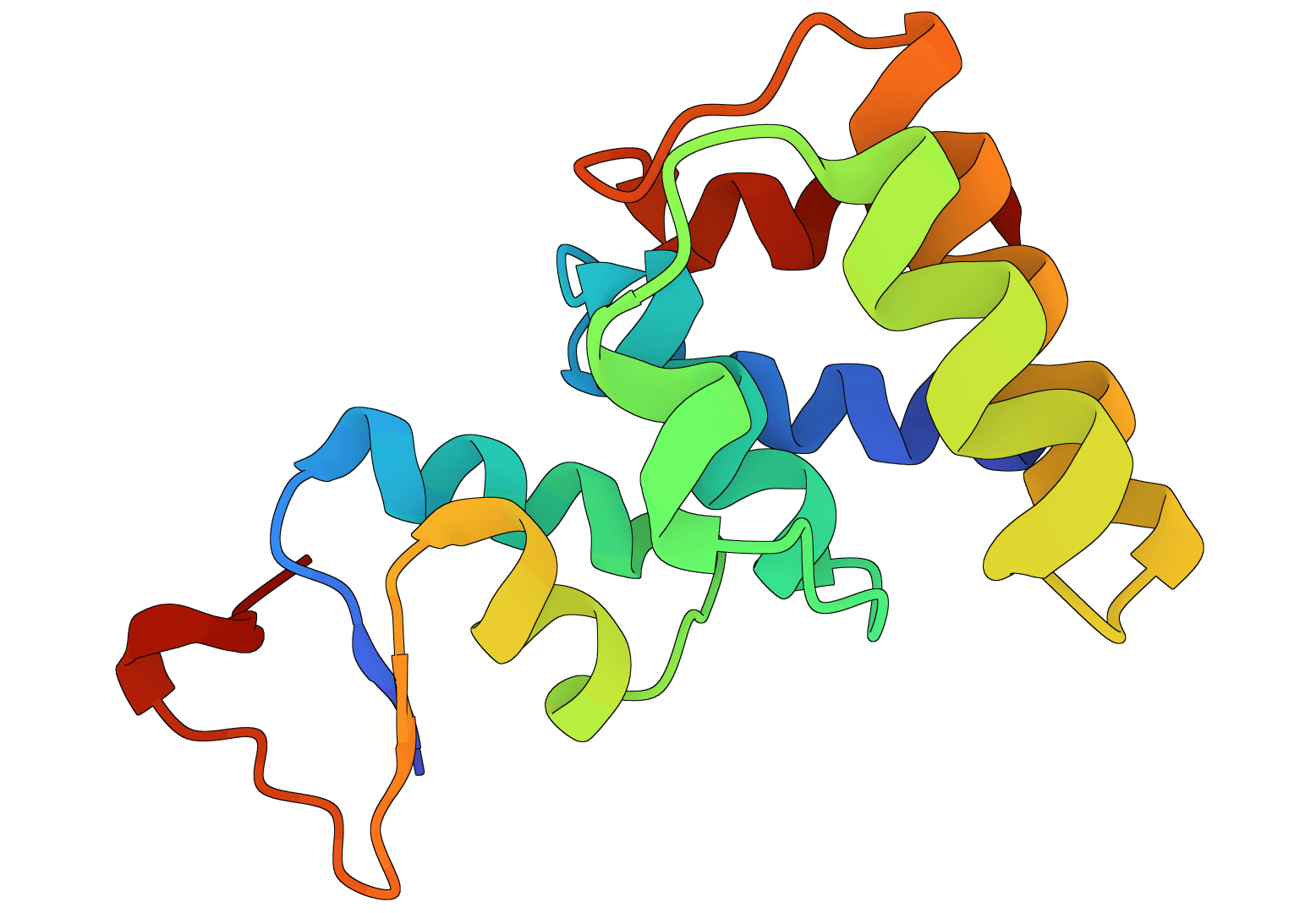
ODesign
All-atom generative AI for designing protein binders. Specify target binding sites and generate diverse binding proteins with fine-grained control over interaction parameters.
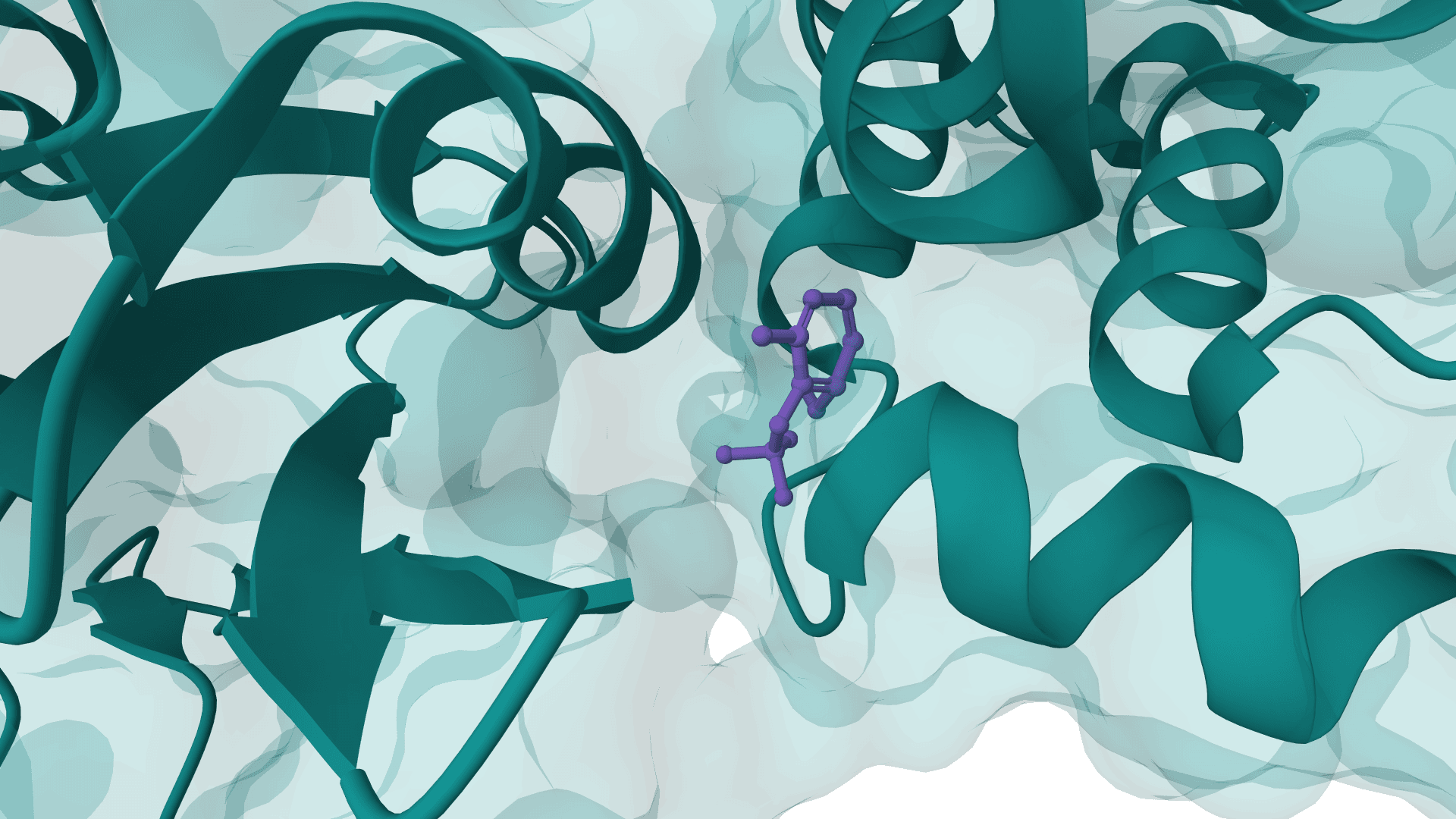
PocketFlow
PocketFlow is a structure-based molecular generative model that designs novel drug-like molecules within protein binding pockets. It uses autoregressive flow modeling with chemical knowledge to generate 100% chemically valid, highly drug-like compounds.
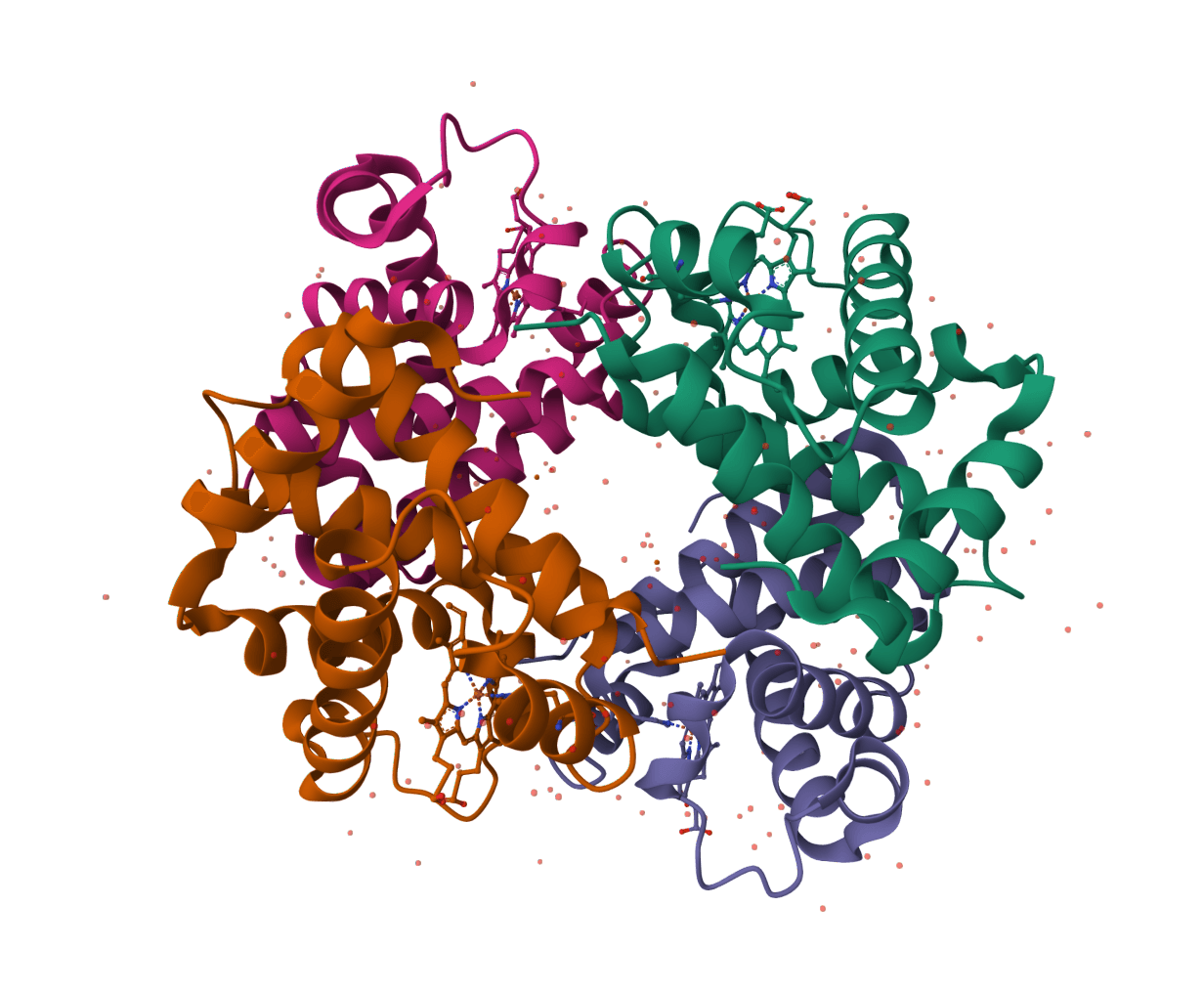
PocketXMol
PocketXMol is a pocket-interacting generative foundation model for small-molecule or peptide docking and design in protein binding pockets.
Proteo-R1
Exploratory antibody CDR co-design for antibody-antigen complexes using Proteo-R1 reasoning and raw diffusion. The standard online workflow does not include the framework structure-inpainting assets required for the published-quality target.
RFdiffusion
RFdiffusion is a state-of-the-art protein structure generation tool that uses diffusion models to design proteins de novo, create binders, scaffold motifs, and generate symmetric oligomers with atomic precision.
AntiFold
Inverse folding for antibody variable domains and nanobodies. Predicts amino acid sequences compatible with antibody structures using IMGT numbering while preserving native AntiFold chain handling and structural constraints.