Use case
Molecular docking
Compare docking methods by molecular partners, binding-site evidence, flexibility, and receptor-state coverage.
What is molecular docking?
Molecular docking is a computational method for generating and ranking plausible bound configurations of two molecules. The term covers small-molecule docking, macromolecular complex docking, peptide and antibody docking, global searches, flexible and ensemble protocols, and learned pose-prediction models. Docking produces hypotheses rather than direct measurements of binding or biological activity.
A docking method combines a search with a scoring or confidence model. The search explores relative position, orientation, and internal conformation; the model ranks candidate complexes using simplified physical terms, statistical potentials, or learned structural patterns. Protein–ligand methods search a small molecule in a pocket, while macromolecular methods handle larger, more flexible interfaces.
Docking is not one universal calculation. Local docking assumes a known site; blind docking searches broadly; flexible and ensemble methods represent receptor motion; consensus docking compares methods; and AI docking uses learned generative models. Choose the workflow from the molecular partners, available evidence, and uncertainty that the calculation must represent.
When to use molecular docking
- Pose generation. Build testable 3D hypotheses for how molecular partners may interact.
- Comparative modeling. Compare methods, receptor states, pockets, or partner-specific strategies.
- Structure-guided decisions. Prioritize complexes for inspection, refinement, screening, or experimental validation.
Benefits of molecular docking
- Structural hypotheses. Returns explicit complexes that can be inspected and tested.
- Method choice. Supports distinct partner classes and flexibility assumptions.
- Connected follow-up. Links pose generation to interaction, geometry, and stability review.
Primary limitations
- Approximate scoring. Docking scores and model confidence are not experimental affinity.
- Preparation sensitivity. Structures, protonation, chemistry, and search boundaries affect results.
- Biological validation. A plausible pose does not establish interaction or function.
Types of molecular docking
Choose the docking use case that matches the molecular partners and the uncertainty you need to represent.
Protein–ligand docking
Predict small-molecule binding poses in a protein target and inspect scoring and interaction evidence.
Best for: Hit interpretation, pose generation, and structure-guided design
Requires: A prepared protein structure and ligand structure
Protein–protein docking
Predict how two protein partners assemble into a biomolecular complex.
Best for: Interaction modeling and interface hypotheses
Requires: Structures or suitable models for both protein partners
Antibody–antigen docking
Explore antibody recognition orientations with antibody-aware interface evidence.
Best for: Epitope and paratope hypotheses
Requires: Antibody and antigen structures or defensible models
Peptide–protein docking
Model a flexible peptide partner against a protein receptor.
Best for: Peptide binders, motifs, and signaling interfaces
Requires: A receptor structure and peptide structure or model
Blind docking
Search a protein broadly when the relevant binding site is unknown.
Best for: Binding-site hypothesis generation
Requires: A prepared target structure and ligand
Flexible molecular docking
Account for ligand flexibility and selected or learned receptor movement.
Best for: Targets with induced fit or uncertain side-chain states
Requires: A prepared target, ligand, and a justified flexibility model
Ensemble docking
Dock against multiple receptor conformations instead of one static structure.
Best for: Conformationally heterogeneous binding sites
Requires: A curated receptor ensemble and consistent preparation
Consensus docking
Compare poses and rankings from multiple docking methods.
Best for: Robustness checks and method-disagreement review
Requires: Consistent inputs and a predefined comparison rule
AI molecular docking
Use learned diffusion or flow models to predict protein–ligand complexes.
Best for: Fast pose hypotheses and complementary model comparison
Requires: Compatible protein and ligand inputs
What a molecular docking calculation actually does
Docking starts from structural representations of two molecular partners. Depending on the method, one partner may remain fixed while the other translates, rotates, and changes torsional angles, or both partners may undergo limited or learned conformational adjustment. The algorithm samples only a fraction of the possible configurations, so search settings and starting structures shape what solutions can be found.
The resulting score is an approximation designed to rank candidate configurations efficiently. AutoDock Vina reports a Vina-family energy estimate, GNINA adds learned CNN signals, macromolecular methods use their own weighted terms, and generative models return model-specific confidence. These values are not interchangeable and none is a direct experimental measurement of affinity, kinetics, occupancy, or biological effect.
- Search space. Defines where the partners may move and which ligand, side-chain, backbone, or rigid-body degrees of freedom are sampled.
- Pose generation. Produces alternative candidate complexes rather than one uniquely determined structure.
- Ranking and review. Orders candidates with a method-specific score or confidence that must be interpreted alongside geometry and independent evidence.
How to choose a molecular docking method
Start with the molecular partners. Protein–ligand methods do not automatically transfer to protein–protein, antibody–antigen, or peptide–protein complexes because the search spaces and scoring assumptions differ.
Then decide whether the site is known, how receptor flexibility should be represented, and whether multiple conformations or methods are needed. Preserve each method’s native output and validate the protocol on relevant known systems whenever possible.
- Known pocket and small molecule. Start with protein–ligand docking and a local search region supported by a co-crystal ligand, residues, or pocket evidence.
- Unknown pocket. Use blind docking for binding-site hypothesis generation, ideally with independent cavity detection and explicit false-positive review.
- Protein or peptide partner. Choose a macromolecular method designed for protein–protein, antibody–antigen, or peptide–protein interfaces.
- Conformational uncertainty. Use flexible or ensemble docking when structural evidence shows that one rigid receptor state is inadequate.
- Method uncertainty. Use consensus or AI-method comparison to expose sensitivity to scoring and learned-model assumptions.
How to do molecular docking online
ProteinIQ provides runnable templates for each maintained docking use case. The exact inputs and tools change with the partner class, but the preparation and review principles remain consistent.
- Choose the docking type. Select the use case that matches the molecular partners, binding-site knowledge, receptor flexibility, and intended decision.
- Prepare every structure. Check chains, missing atoms, cofactors, waters, protonation, ligand stereochemistry, charge, and the biological state represented by each input.
- Open the matched workflow. Use the page workflow template so the selected tools, input ports, and method comparison reflect that docking problem.
- Configure the scientific boundary. Define the pocket, restraints, flexible residues, receptor conformations, model settings, or comparison rule before running.
- Inspect and export all evidence. Review poses, complex geometry, native scores, confidence, logs, failures, and provenance, then download structures for validation and reporting.
How a molecular docking workflow works
A defensible workflow prepares inputs consistently, chooses a scientifically matched search strategy, runs one or more methods, and reviews geometry and uncertainty before validation.
- Classify the system. Identify the partner class and biological question.
- Prepare structures. Repair structures and standardize ligand chemistry.
- Define the search. Set site, restraint, flexibility, or ensemble boundaries.
- Generate models. Run complementary methods and preserve native outputs.
- Validate. Inspect geometry and compare with orthogonal evidence.
Inputs and outputs
Check formats before running, then inspect and download the result from every workflow step.
Inputs
- Molecular structures.
PDBSDFSMILESPrepared structures appropriate to the selected partner class. - Search evidence. Binding sites, restraints, reference complexes, receptor ensembles, or known interactions when available.
Outputs
- Candidate complexes.
PDBPDBQTSDFMethod-native ranked poses or complex models. - Review package. Scores, confidence, contacts, logs, failures, provenance, and downloadable files.
Featured molecular docking workflow
Use this runnable panel to see how classical, CNN-assisted, diffusion, and dynamic learned docking differ while retaining their native outputs.
Inputs
2 required
Methods
4 connected
- 01AutoDock Vina
- 02GNINA
- 03DiffDock-L
- 04DynamicBind
Use this runnable panel to see how classical, CNN-assisted, diffusion, and dynamic learned docking differ while retaining their native outputs.
Use this templateTools for molecular docking
Use these methods to prepare inputs, run the core analysis, inspect outputs, and validate the evidence described in this workflow.
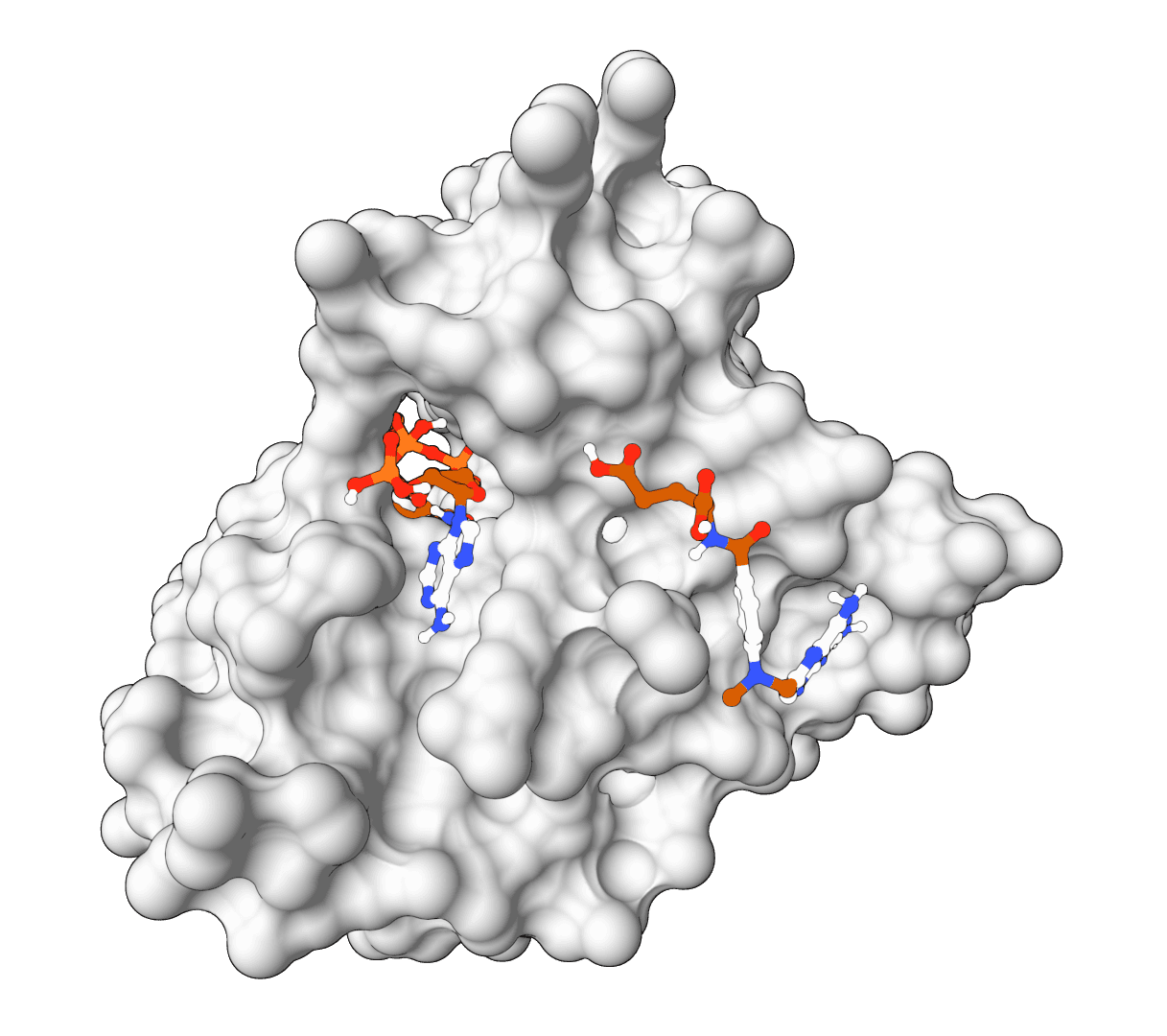
AutoDock Vina
Classical protein–ligand docking
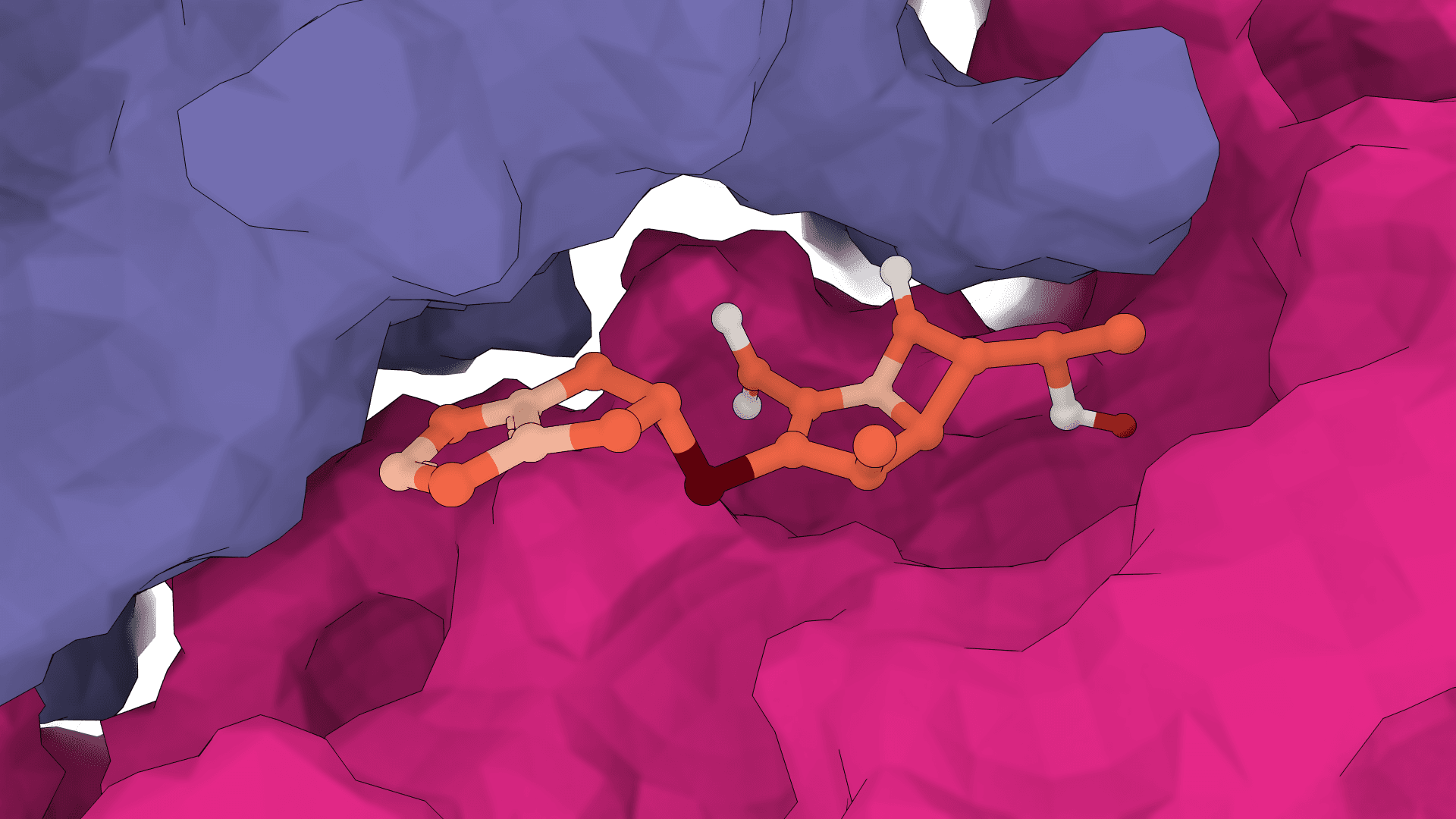
GNINA
CNN-assisted protein–ligand docking
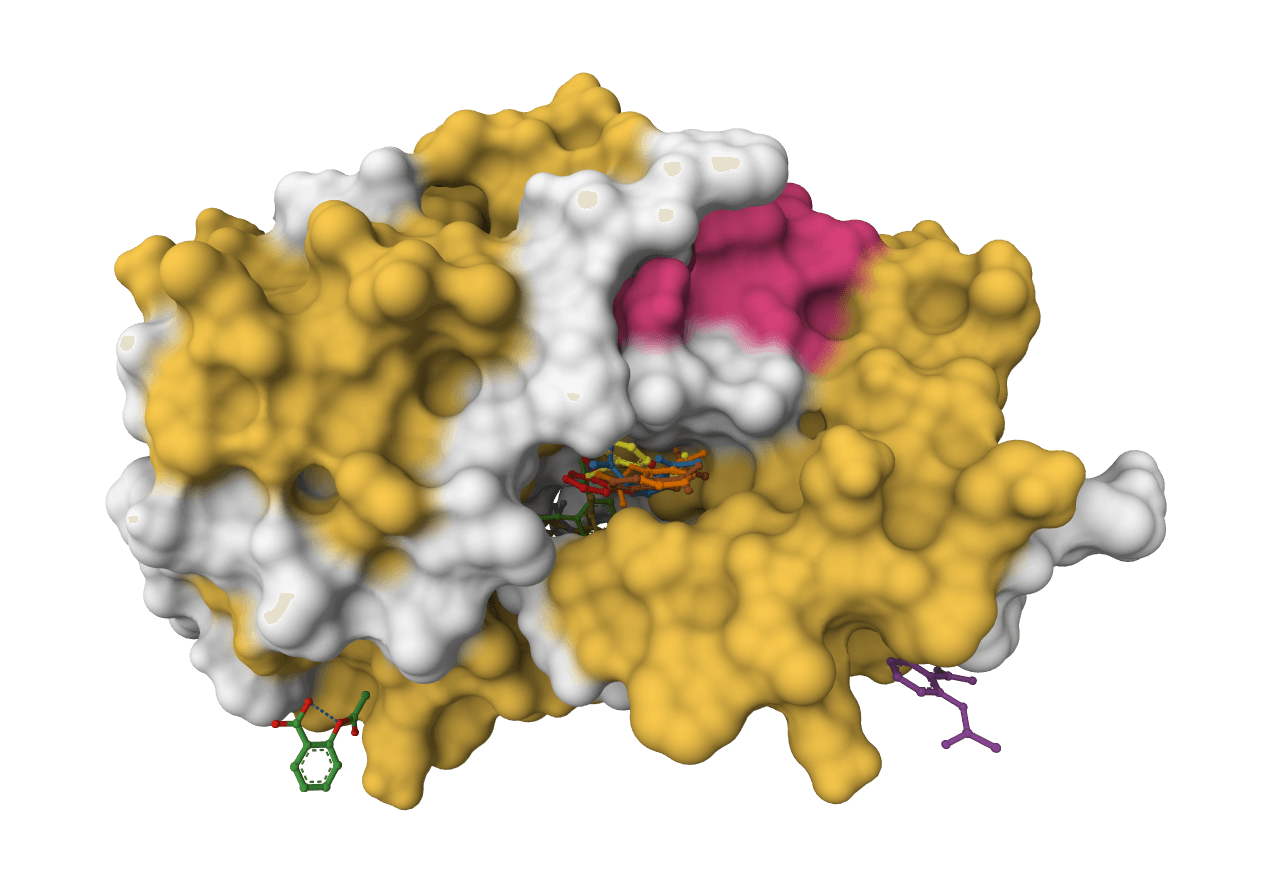
DiffDock-L
Diffusion protein–ligand docking
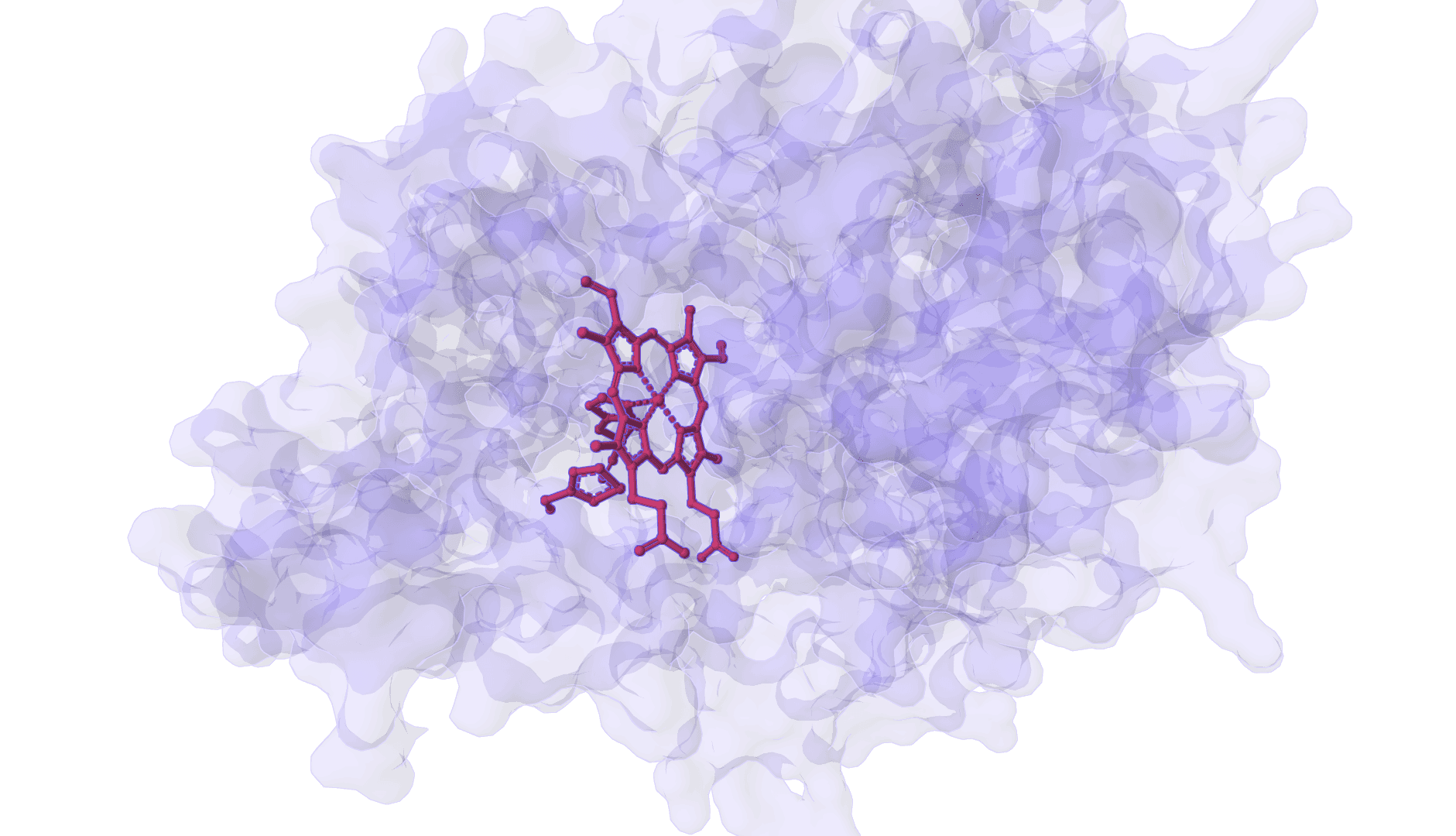
DynamicBind
Dynamic protein–ligand docking
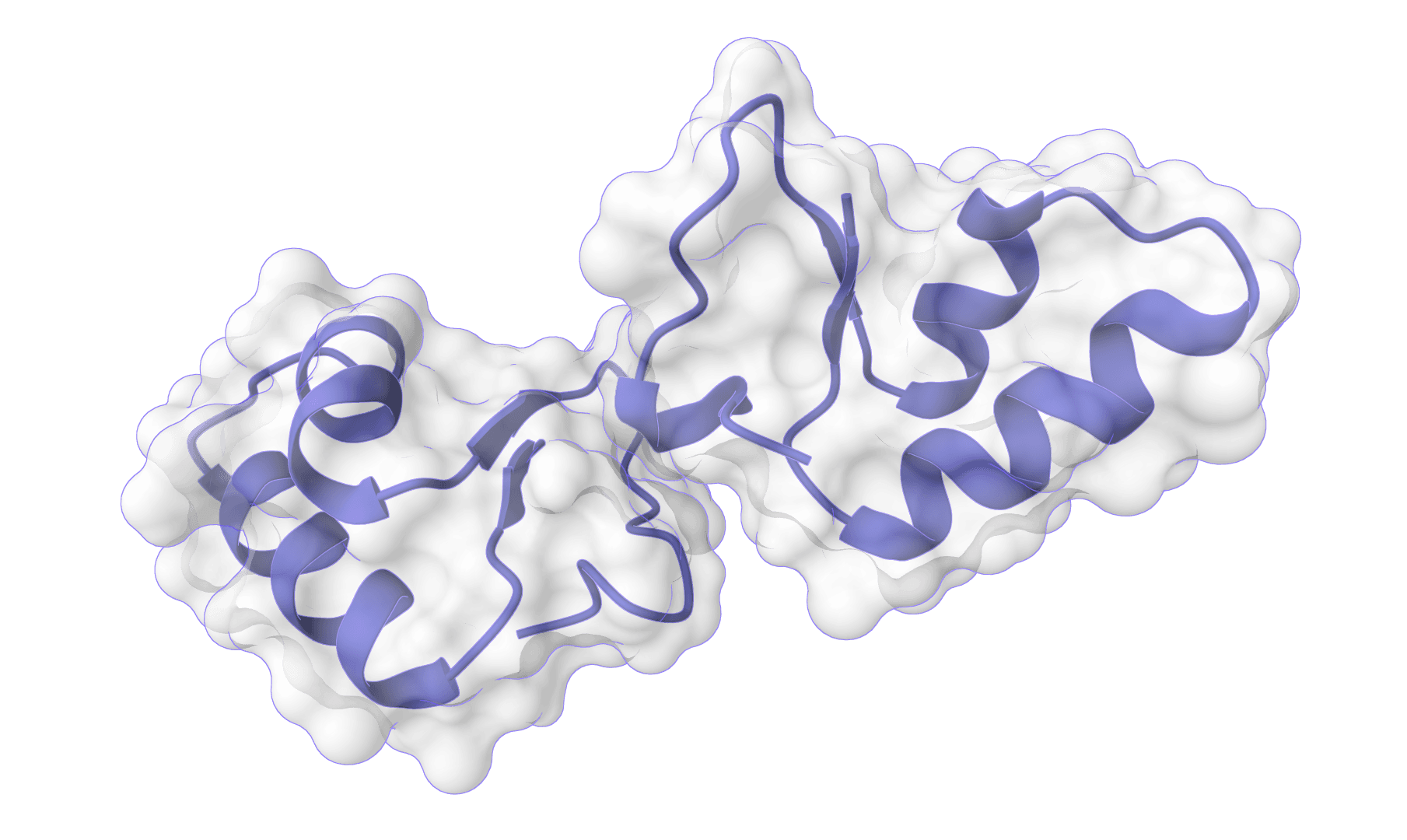
HADDOCK3
Information-driven biomolecular docking
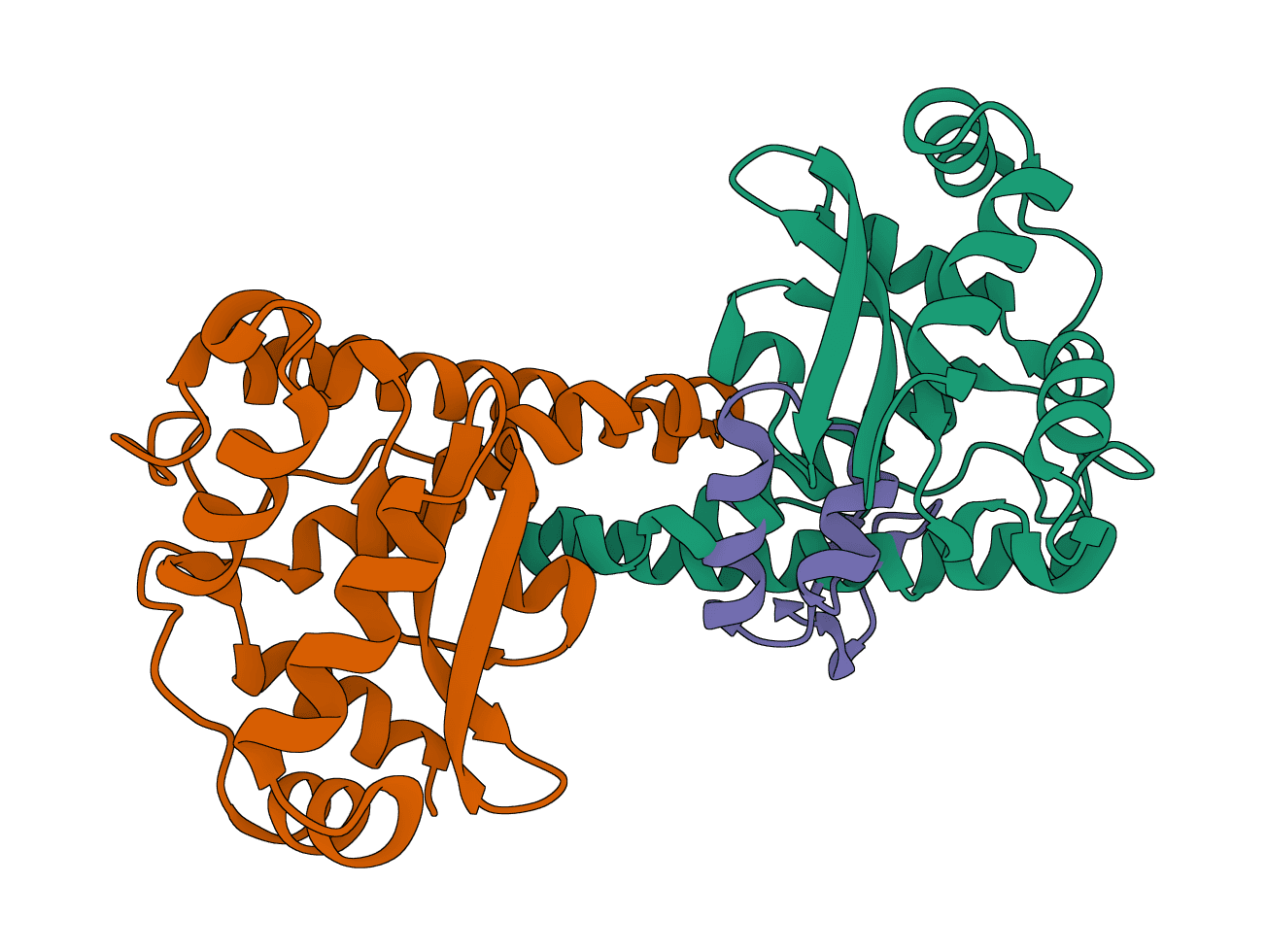
LightDock
Macromolecular and peptide docking
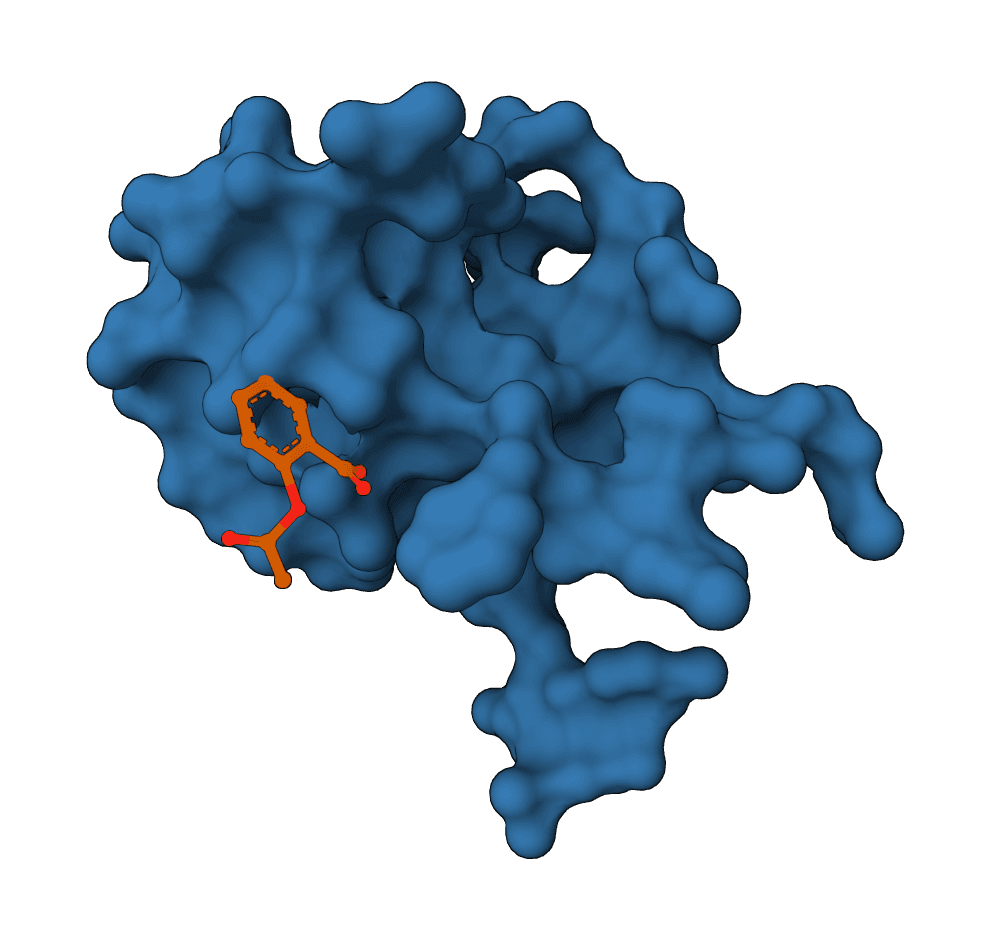
FlowDock
Flow-based complex prediction
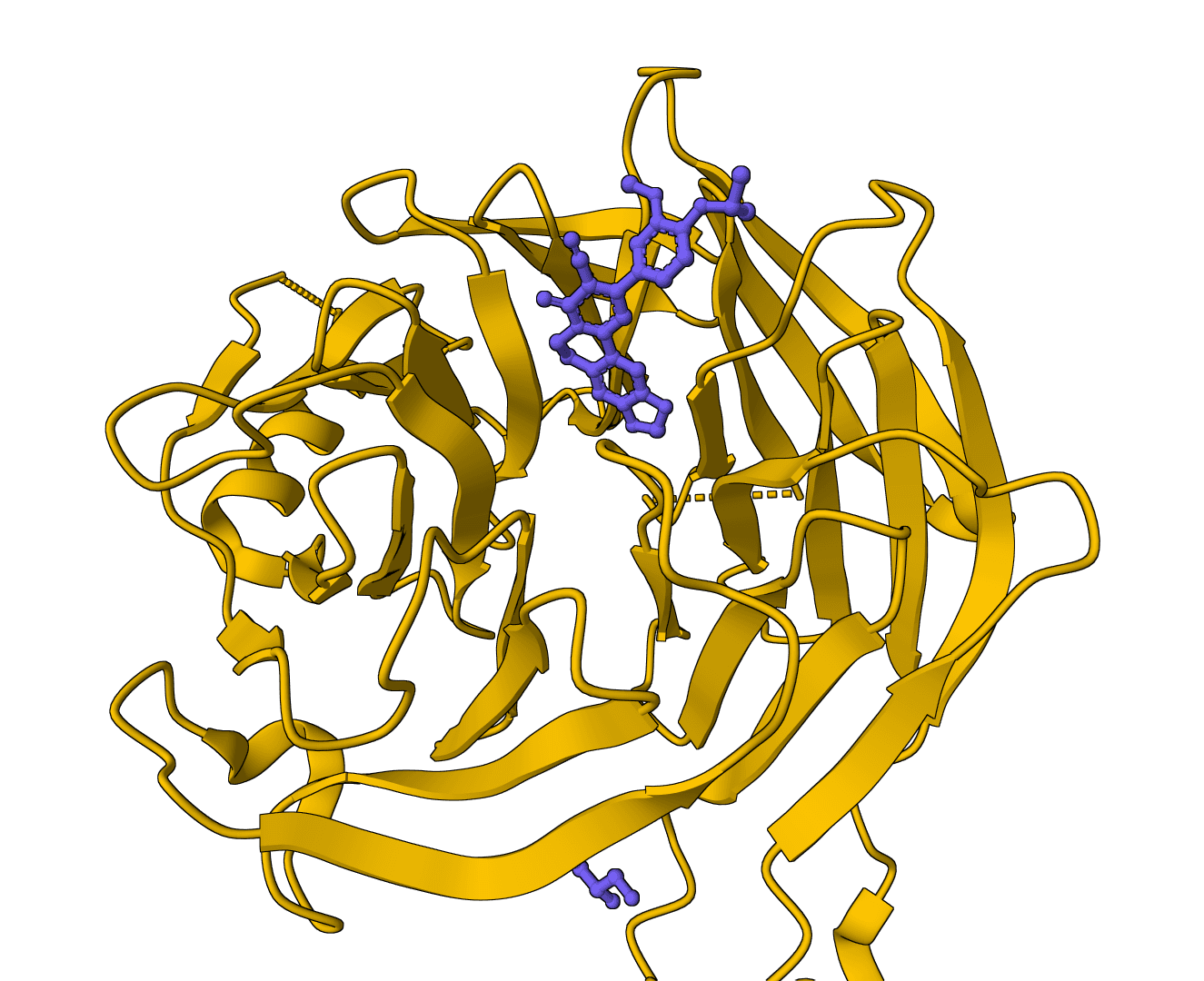
fpocket
Binding-pocket detection
PDBFixer
Structure preparation
PoseBusters
Pose plausibility checks
ProLIF
Interaction fingerprints
DockQ
Native-reference complex assessment
Frequently asked questions
Docking scores can help rank poses or compounds within a validated protocol, but they are simplified, method-specific estimates rather than experimental affinities. Reliable affinity work requires appropriate calibration, more rigorous calculations where justified, and direct binding measurements.
Common types include protein–ligand, protein–protein, antibody–antigen, peptide–protein, blind, flexible, ensemble, consensus, and AI molecular docking.
Match the method to the partner class first, then to binding-site knowledge, flexibility, receptor-state coverage, available restraints, and validation data.
Accuracy varies by system, preparation, conformational coverage, method, and metric. Benchmark pose recovery and ranking separately on relevant known complexes.
One public core facility lists docking at €250 per academic day and €1,000 per company day, while another lists computational labor around $55–$169 per hour plus compute. These examples are not universal quotes; system count, preparation, methods, interpretation, and experimental validation determine total cost.
ProteinIQ Plus is $29 per month and Pro is $99 per month. Compute-heavy runs also consume credits according to the selected tool and workload; a separately scoped done-for-you engagement is available when experimental design, data preparation, interpretation, or reporting needs expert support.
Check input chemistry, geometry, clashes, method sensitivity, known-ligand recovery, and relevant reference complexes. Confirm consequential interaction or affinity claims with orthogonal experiments.
Start with a workflow you can inspect and edit
Add your inputs, review the settings, and keep every structure, score, table, and file connected to the step that produced it.