Integrative protein-protein docking guided by experimental restraints Learn more
Input
What is HADDOCK3?
HADDOCK3 is a molecular docking platform for building protein complexes. It can use known or predicted interface residues to guide docking, which is useful for antibody-antigen, enzyme-partner, and other protein-protein systems.
The tool supports two approaches. Data-driven docking uses interface information supplied as residues or restraint files. Ab initio docking searches without known interface residues. In ProteinIQ, the second uploaded protein is called the ligand; it is not a small molecule.
How to use HADDOCK3 online
Upload a receptor and a second protein in PDB format. Add interface residues when binding-site information is available, or leave them empty for ab initio docking. ProteinIQ runs docking, refinement, clustering, and scoring, then returns ranked complex structures, scores, and the complete run files.
Choose the docking mode
There is no separate data-driven mode switch. The inputs determine the mode automatically.
| Interface guidance | Mode used |
|---|---|
| Interface residues or an inter-partner restraint file | Data-driven docking |
| No interface residues or inter-partner restraints | Ab initio docking using the selected Ab initio mode |
For data-driven docking, open Advanced settings and fill in the receptor and ligand interface residue fields. Enter active residues and, optionally, passive residues as comma-separated numbers or ranges, such as 38,40,45-50. Add a chain ID for a specific chain. Residues must be defined for both partners, with at least one active residue across the pair.
The Ab initio mode control stays visible when interface restraints are entered, but it does not affect a data-driven run.
Inputs
| Input | Accepted value |
|---|---|
Receptor | Protein structure as PDB, ENT, or PDB ID |
Ligand | Second protein structure as PDB, ENT, or PDB ID |
Active residues | Residues expected to form the interface |
Passive residues | Optional nearby surface residues that may form contacts |
| Restraint files | Optional HADDOCK/CNS .tbl files for ambiguous, unambiguous, or hydrogen-bond restraints |
Reference complex | Optional PDB or ENT file used to calculate CAPRI comparison metrics |
Active and passive residue fields generate ambiguous interaction restraints. An uploaded ambiguous-restraint file is an alternative to those fields. Exact evidence such as cross-links belongs in an unambiguous .tbl file.
Either docking partner can contain a PDB ensemble with MODEL and ENDMDL records. All models are retained for native docking. The optional reference complex is a single structure.
Settings
The defaults are suitable for a standard run.
| Setting | Default | What it changes |
|---|---|---|
Number of models | 1000 | Size of the initial rigid-body search |
Top models to return | 10 | Maximum number of final complexes shown in the results |
Ab initio mode | Center of mass | Guidance used only when no interface restraints are supplied |
Select top models before refinement | Automatic | Number of rigid-body models sent to refinement; automatic uses up to 200 |
Minimum cluster population | 4 | Preferred minimum number of similar models needed to form a cluster |
Models retained per cluster | 10 | Maximum number selected from each cluster for final evaluation |
| Stage tolerances | 5% | Allowed percentage of failed models in each docking or refinement stage |
Increasing the initial model count or the pre-refinement selection broadens the search but increases runtime. Advanced settings are best left unchanged unless a run has a specific sampling or clustering problem.
Results
Each result row represents one complete receptor-ligand complex. Lower HADDOCK scores rank better within the same run.
| Result | Meaning |
|---|---|
score | Overall HADDOCK score |
vdw, elec, desolv, air | Van der Waals, electrostatic, desolvation, and restraint energy terms |
bsa | Buried surface area at the interface |
cluster and cluster ranks | Group of models with similar interface contacts |
dockq, irmsd, fnat, lrmsd, ilrmsd | Comparison with the uploaded reference complex, or with the lowest-scoring run model when no reference is supplied |
Top models to return is a limit, not a promise. A request for 10 can return fewer models when:
- only a small number of refined models form a cluster;
- clusters contain fewer models than requested;
- some models fail because of clashes, topology problems, or incompatible restraints.
The Files tab contains every final ranked complex, the effective configuration, the chain and residue mapping, and two archives. haddock3_results.tgz contains final models, native evaluation and clustering data, analysis reports, and the native log. haddock3_reproducibility_bundle.tgz contains the submitted and prepared structures, restraints, configuration, and mapping. The separate run.log gives a concise run summary. In the native archive, clustfcc.tsv shows clustered and unclustered models, and capri_ss.tsv lists the models that reached final evaluation.
How HADDOCK3 works
Active residues are expected to participate in the interface. Passive residues may participate but are not penalized when they do not. HADDOCK3 converts these selections into ambiguous interaction restraints, so the run can satisfy plausible contacts without requiring one exact residue pair.
The workflow has four main parts:
rigidbodygenerates and scores initial orientations.flexrefallows local movement around the interface.emrefminimizes the selected complexes.clustfccgroups similar interfaces before final model selection and CAPRI evaluation.
The final score combines interaction energies and restraint violations. It is most useful for ranking models from the same protein pair. Scores from unrelated systems should not be compared as if they were binding affinities.
Interpreting a run
A convincing result usually combines a favorable score, low restraint-violation energy, and several similar models in the same cluster. A single highly ranked model without cluster support is weaker evidence that docking converged on that binding mode.
Fragmented clusters can indicate an underdefined interface. More sampling or reliable interface restraints may help. Very restrictive or incorrect restraints can instead force poor contacts, so restraint choices should be checked when air energy remains high.
CAPRI metrics require a meaningful structural reference. Without an uploaded reference, HADDOCK3 compares models with the lowest-scoring model from the run; those values describe similarity within the run, not accuracy against an experimentally known complex.
When to use HADDOCK3
HADDOCK3 is most useful when experiments, literature, or predictions identify part of a protein-protein interface. LightDock is useful for broader exploration when no interface information is available.
For docking a small molecule into a protein binding site, use AutoDock Vina, GNINA, or DiffDock. This HADDOCK3 workflow requires protein atoms in both docking partners.
Large conformational changes are outside the main scope of this workflow. Local interface flexibility is modeled, but domain rearrangements and extensive disorder can limit accuracy.
Multi-chain uploads are supported as one docking body per uploaded partner. ProteinIQ preserves the original subunits with restraints and includes the chain and residue mapping in the result files. When interface residues are used, insertion-coded residue numbers must be normalized before submission.
Troubleshooting
| Error | What to check |
|---|---|
INVALID_RESTRAINT_SELECTION | Chain IDs and residue numbers must match the uploaded structures |
NO_COMPLEXES_GENERATED | Check PDB quality and consider adding or correcting interface restraints |
MODULE_OUTPUT_GENERATION_ERROR | Check for clashes, unsupported residues, topology problems, or incorrect restraints |
TIMEOUT_ERROR | Reduce sampling, the pre-refinement selection, or models retained per cluster |
PDB Fixer can help prepare structures with missing atoms or malformed records before docking.
Related tools
LightDock
LightDock is a protein-protein, protein-peptide, and protein-DNA docking framework using Glowworm Swarm Optimization (GSO). It predicts macromolecular binding modes and interfaces for biological complexes.
AF2Dock
AF2Dock adapts AlphaFold2-style co-folding for structure-based protein-protein docking. It docks receptor and ligand protein structures with flow-matching refinement and ranks sampled complexes by iPTM.
ColabDock
ColabDock is a protein-protein docking framework that uses AlphaFold2 to predict complex structures guided by experimental restraints from cross-linking mass spectrometry, NMR, or other sources.
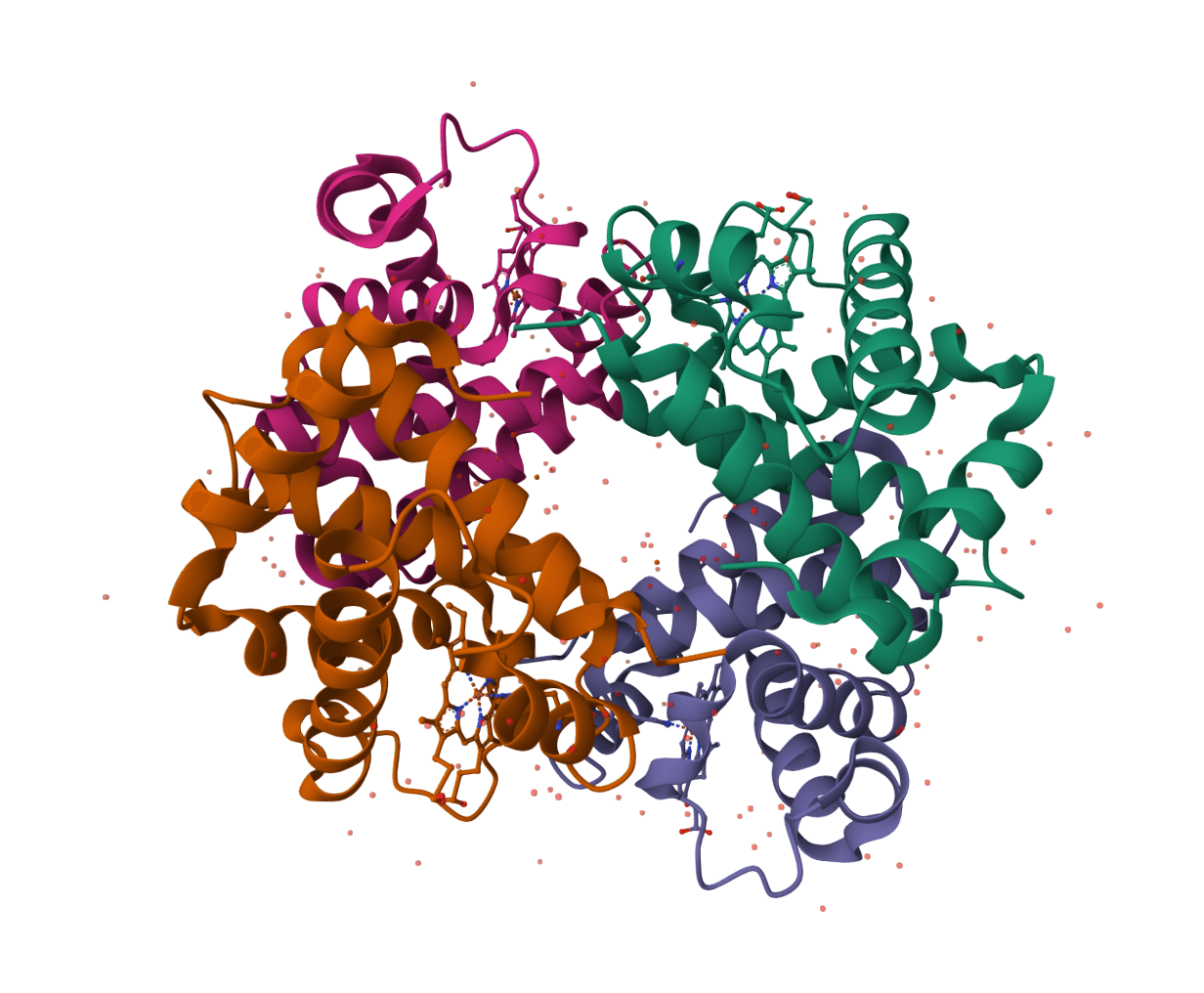
DFMDock
DFMDock (Denoising Force Matching Dock) is a diffusion model that unifies sampling and ranking for protein-protein docking within a single framework. It predicts docked poses for protein-protein complexes from unbound structures using denoising score matching with optional clash force guidance.
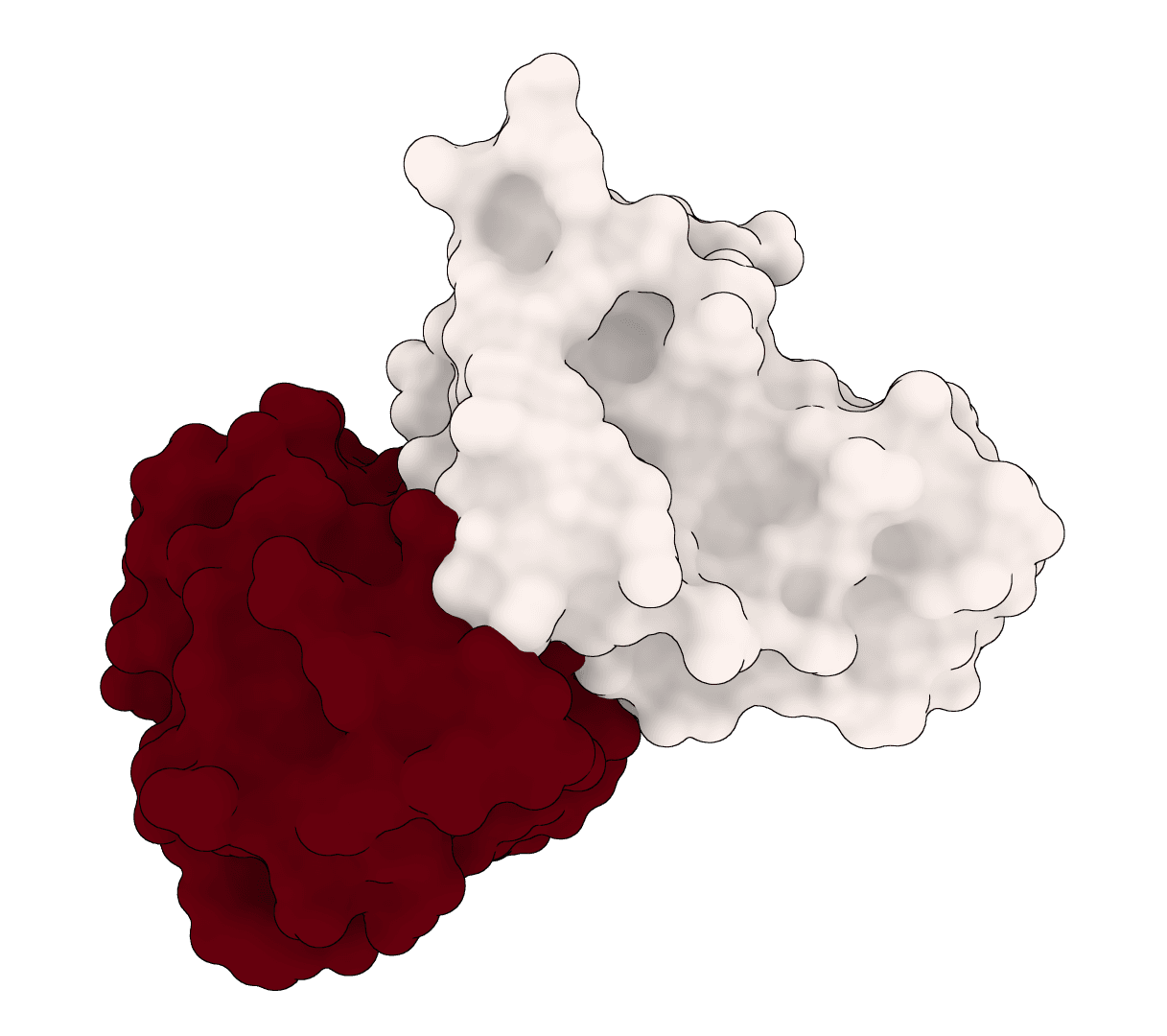
EquiDock
EquiDock is an SE(3)-equivariant graph neural network for rigid protein-protein docking. It predicts a binding pose for a protein-protein complex from unbound structures using geometric deep learning, with DIPS and DB5 pretrained checkpoints from the native release.
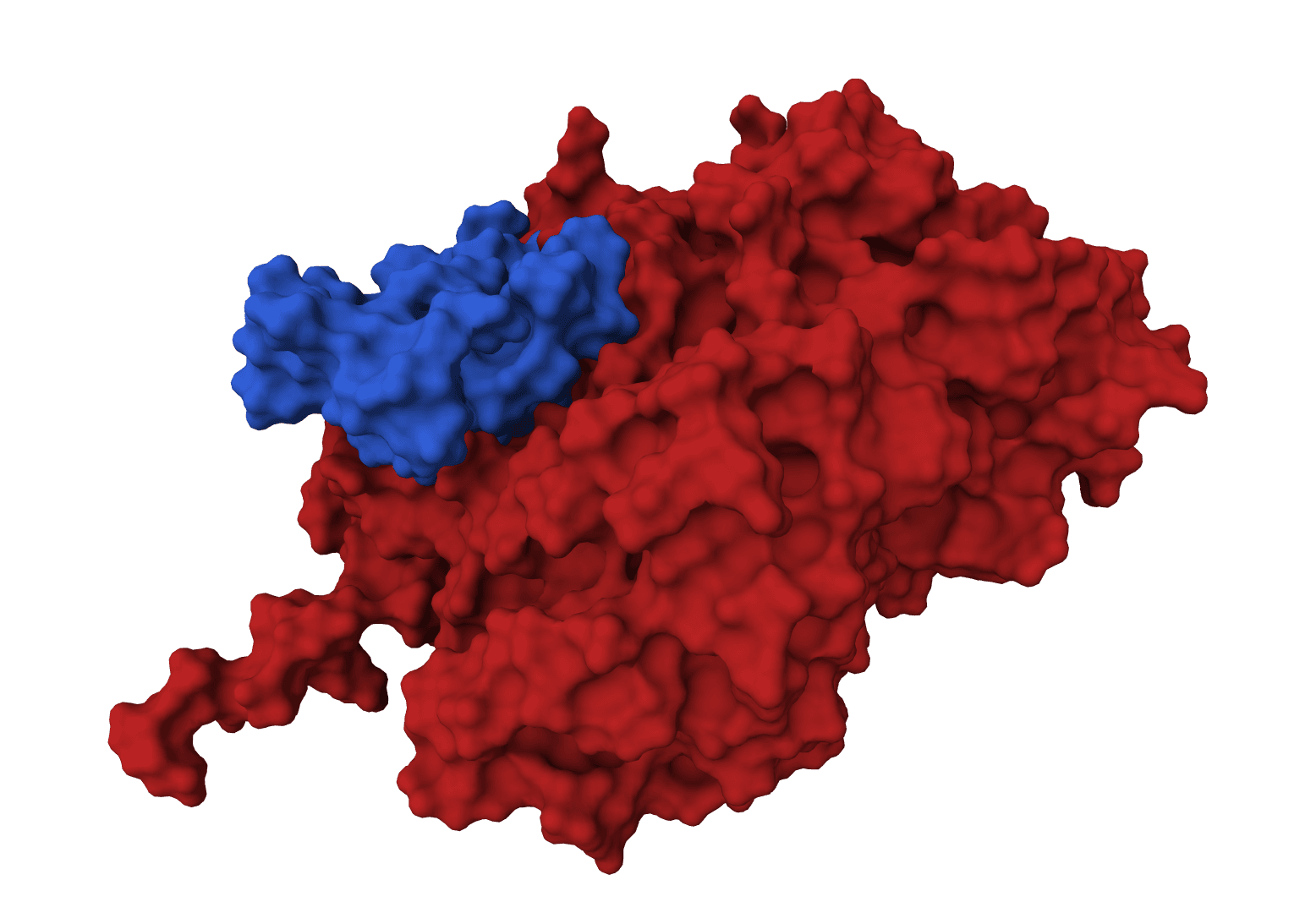
GeoDock
GeoDock predicts flexible protein-protein docking complexes from two separate protein structures using a multi-track iterative transformer and the DIPS 0.3 checkpoint from the Gray Lab release.
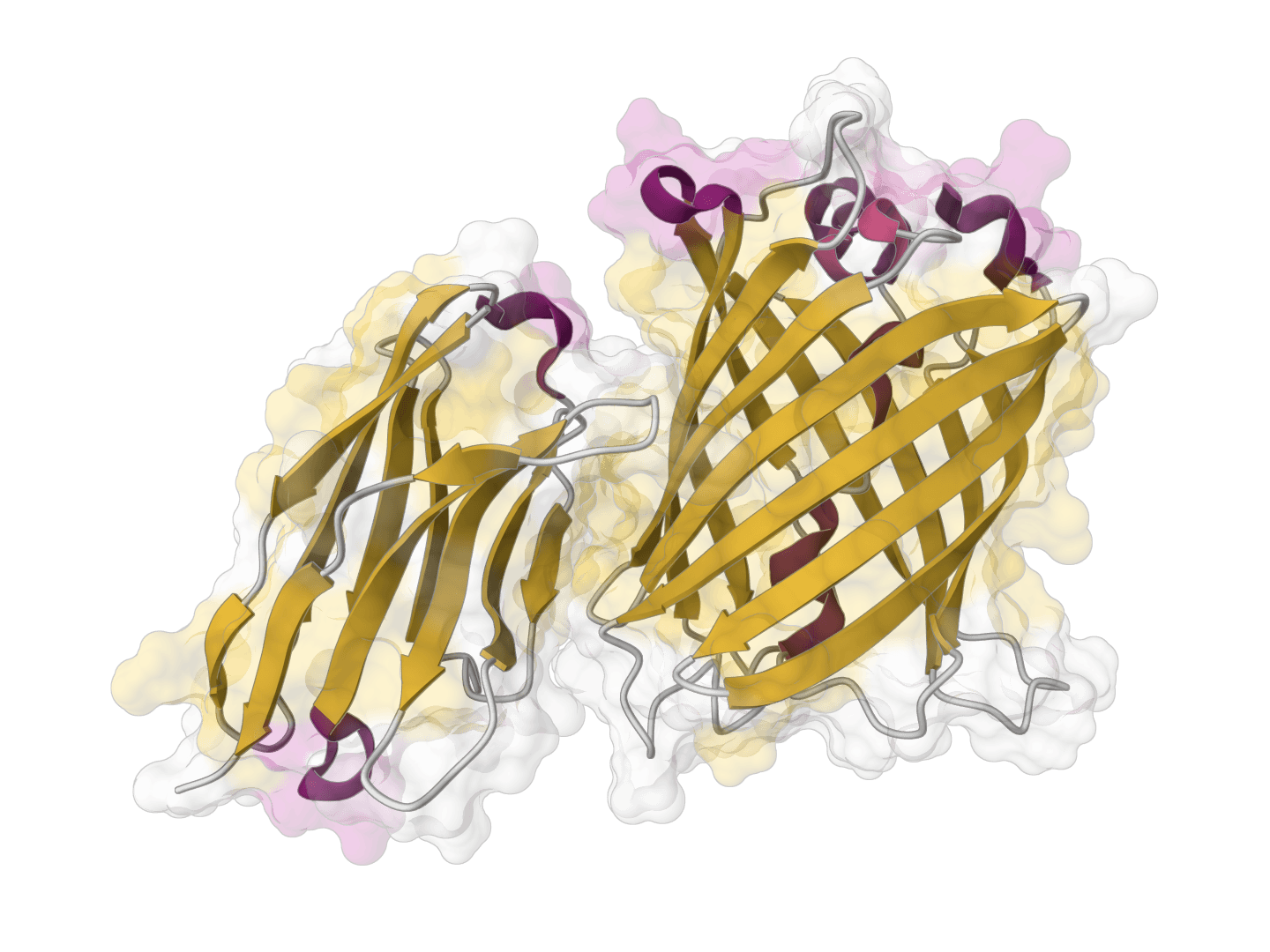
ParaSurf
ParaSurf is a state-of-the-art surface-based deep learning model for predicting interactions between antibodies and antigens. It identifies paratope binding sites on antibody structures with high accuracy across multiple benchmark datasets.
AutoDock-GPU
GPU-accelerated molecular docking using the AutoDock4 force field. Up to 56x faster than serial AutoDock via CUDA parallelization of the Lamarckian Genetic Algorithm.
PandaDock
Open-source molecular docking platform using physics-based scoring functions. CPU-optimized algorithms achieve sub-angstrom accuracy (0.014A RMSD) without GPU requirements.
SMINA
SMINA is a fork of AutoDock Vina with enhanced scoring functions, custom scoring support, and 10-20x faster minimization. Ideal for scoring function development, pose refinement, and high-performance docking workflows.