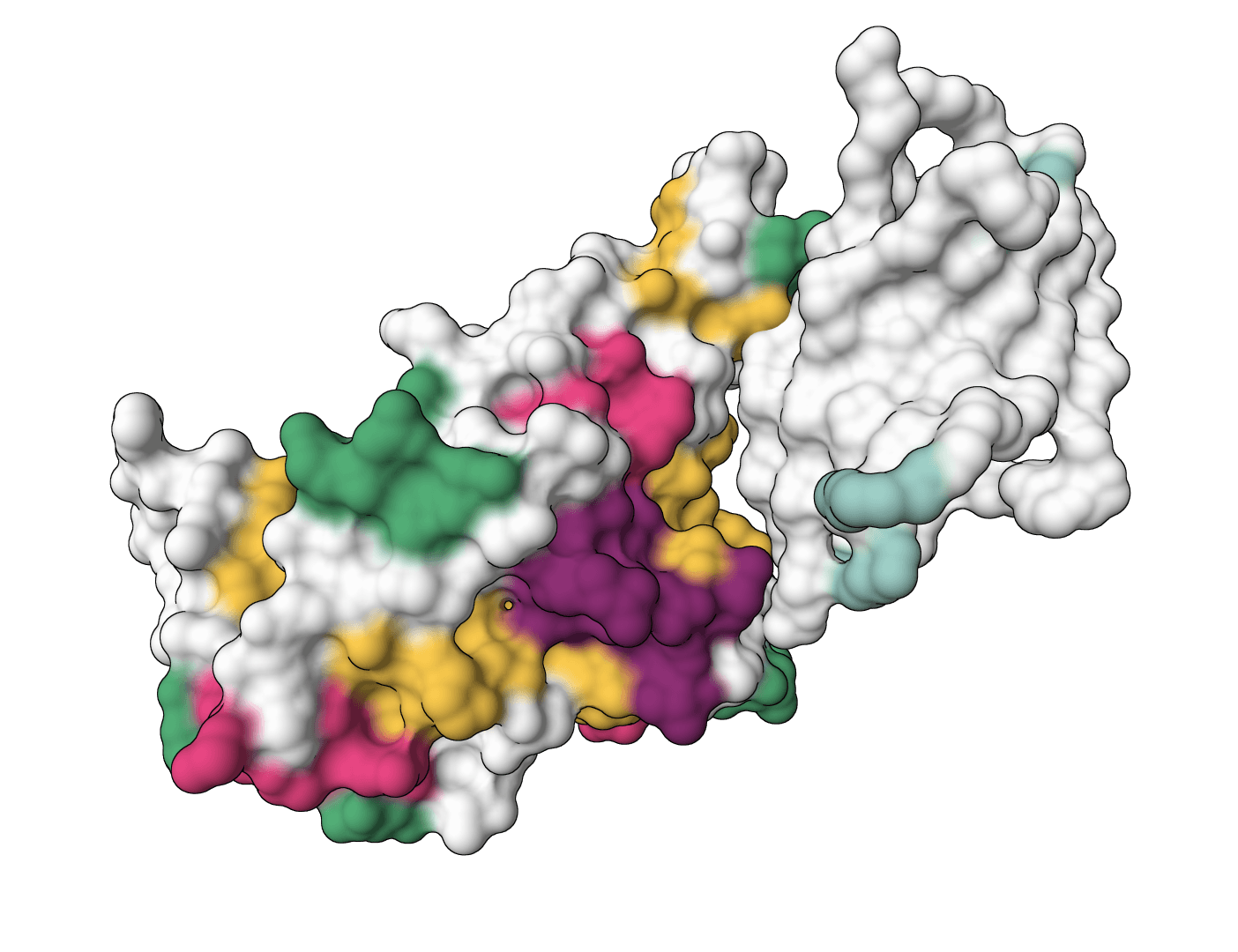
Design antibodies using a generative foundation model. Learn more
Input
What is IgGM?
IgGM (Immunoglobulin Generative Model) is a generative foundation model for designing antibodies and nanobodies against target antigens. Developed by Tencent AI4S and published at ICLR 2025, it can generate sequence proposals and, for some tasks, structural outputs as well.
The model excels at designing complementarity-determining regions (CDRs), the hypervariable loops responsible for antigen recognition. On benchmark tests, IgGM achieved a 36% sequence recovery rate for CDR-H3 (the most flexible and challenging region), representing a 22% improvement over prior state-of-the-art methods.
IgGM supports both conventional antibodies (heavy + light chain) and single-domain nanobodies. It won a top-three prize in the AIntibody competition, an experimentally validated antibody design challenge.
How does IgGM work?
IgGM combines three components:
- Pre-trained language model (ESM-PPI): Extracts evolutionary and structural features from protein sequences. ESM-PPI extends ESM2 with improved handling of inter-chain relationships in multi-chain complexes.
- Feature learning module: Processes 3D coordinate information through structure encoding and inter-chain interaction modules, integrating spatial relationships between antibody and antigen.
- Diffusion-based prediction module: Uses SO(3) diffusion to model rotational degrees of freedom in protein structure. The system samples initial translations from a Gaussian distribution and rotations from the standard SO(3) group, then iteratively refines both sequence and structure.
Training proceeds in two phases. First, a diffusion model learns structure prediction while preserving original sequence information. Then a consistency model is distilled from the diffusion model, enabling fast generation from arbitrary noise levels. This two-phase approach proved essential for model performance.
How to use IgGM online
ProteinIQ provides GPU-accelerated IgGM without local installation or the complexity of managing PyTorch Geometric dependencies.
Inputs
| Input | Description |
|---|---|
Heavy Chain (VH) | Antibody heavy chain variable region sequence. Mark positions to design with X characters. |
Light Chain (VL) | Light chain variable region (optional for nanobodies). |
Antigen Structure | Required. PDB containing the target antigen chain. Upload directly or fetch by PDB ID. |
Antigen Sequence | Optional one-record FASTA. For multi-chain PDBs, its identifier must be the antigen chain ID. |
Original Sequence | Required for affinity maturation. Supply one FASTA record for a nanobody or matching H/L records for a two-chain antibody. |
The X character indicates positions for the model to redesign. For CDR design, mask the CDR residues while providing the framework sequence.
Design tasks
| Task | Description |
|---|---|
CDR Design | Design CDR loops to bind the target epitope. Provide framework sequence with X at CDR positions. For a related CDR-focused model, compare with Proteo-R1. |
Inverse Design | Generate a sequence compatible with an existing antibody structure. |
Framework Design | Redesign framework regions while preserving CDRs. Useful for humanization. |
Affinity Maturation | Optimize an existing antibody for improved binding. Provide original sequence for comparison. |
Settings
| Setting | Description |
|---|---|
Number of designs | Samples to generate (1–100, default 1). More samples provide diversity but increase runtime. |
Epitope residues | Ordered, 1-based positions in the selected antigen sequence (e.g., 45,46,47,50-55). If omitted, IgGM uses its native automatic behavior. |
Apply PyRosetta relaxation | Source-supported energy minimization for CDR and framework design PDB outputs. Increases runtime. |
Sampling steps | Number of IgGM sampling steps (default 10). |
Chunk size | Chunk size for long-chain inference (default 64). |
Calculate epitope only | Return IgGM’s native interface positions without generating designs. Requires an antibody-antigen complex PDB with matching H/L chains. |
Max antigen size | Maximum antigen length retained before IgGM’s native cropping step (default 2000). |
Outputs
IgGM can produce:
- Designed sequences in FASTA format for each sample
- Predicted structures as PDB files when the selected task/run emits structure outputs
- Calculated epitope positions as CSV and text for epitope-only runs
- Run provenance and logs, including the source revision, model checksums, effective settings, command arguments, stdout, and stderr
Sequence-only and epitope-only runs are shown in task-appropriate result tabs instead of the 3D viewer. All emitted files remain downloadable as a ZIP archive.
Epitope specification
The epitope—the antigen region the antibody should bind—can guide design:
- Provide comma-separated residue numbers (e.g.,
417,449,453,455-456). Numbers correspond to 1-based positions in the selected antigen sequence, not PDB residue IDs. - Leave the setting empty to let IgGM run its own automatic
cal_ppibehavior. If that source calculation cannot establish an interface, IgGM falls back to model-determined placement. - Enable
Calculate epitope onlyto return IgGM’s native interface positions for an antibody-antigen complex without generating designs.
ProteinIQ does not replace IgGM’s automatic behavior with a separate distance, surface-area, or residue-count heuristic.
Limitations
- Antigen structure required: Unlike some tools that accept sequence-only input, IgGM needs a 3D antigen structure for epitope-guided design.
- Memory constraints: Large antigens may need truncation (the
max_antigen_sizeparameter, 2000 residues by default in ProteinIQ unless overridden). - Binding affinity not predicted: IgGM generates plausible sequences but does not estimate binding strength. Experimental validation remains necessary.
- Rigid docking: The antigen structure is treated as fixed during design.
- No deterministic seed control: The released
design.pydoes not include a seed option.
Reproducibility
ProteinIQ runs IgGM source commit 06abc563b3fc8c7ea020543add16b69b6f8a1c8d and verifies the published Zenodo checkpoint files by MD5 during image creation. Each completed job includes an iggm_provenance.json file and separate command, stdout, and stderr logs.
Related tools
Humatch
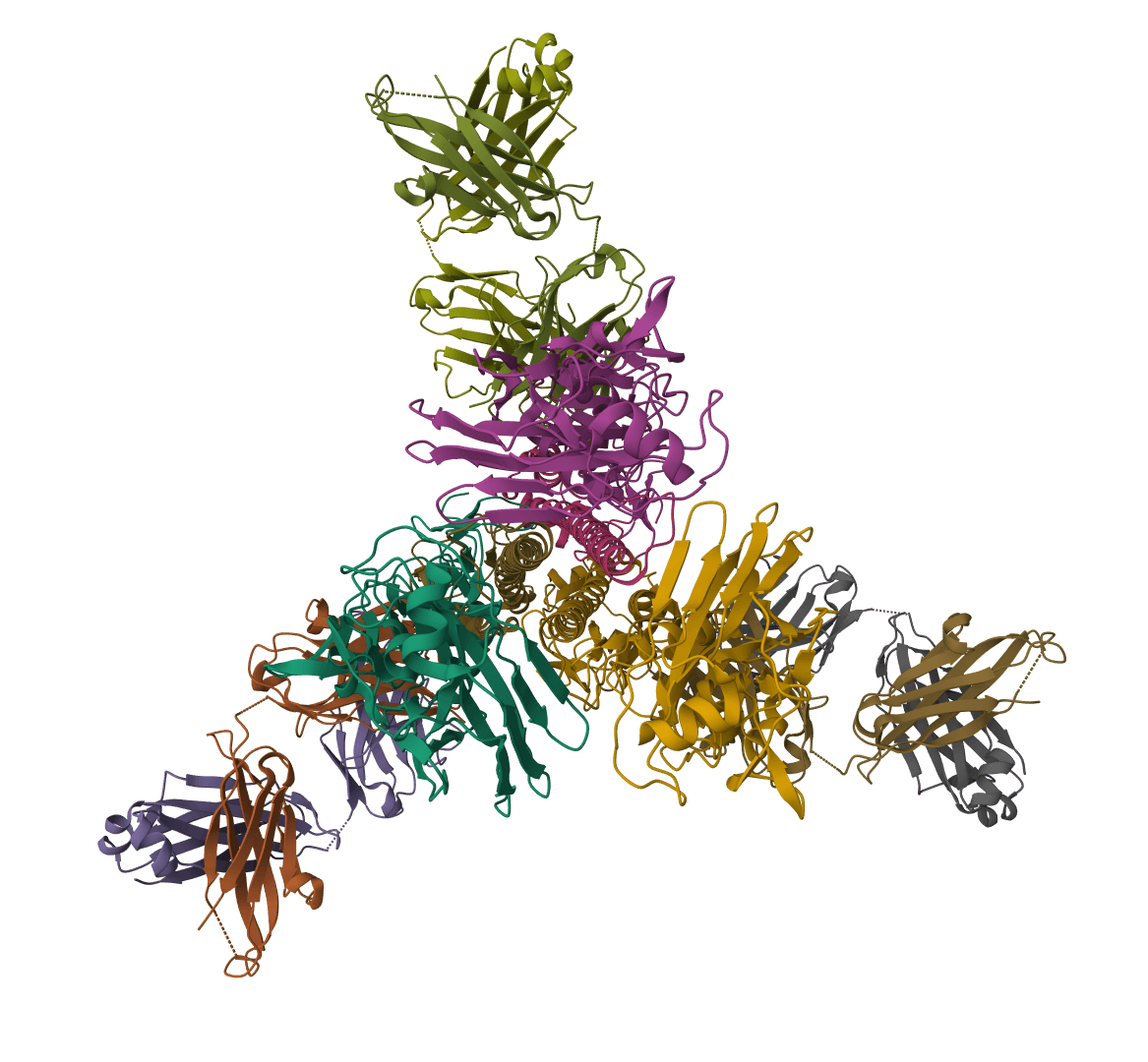
Humatch is an antibody humanization tool that transforms non-human antibody sequences into humanized variants. Uses three lightweight CNNs to identify optimal human V-genes and generate paired heavy and light chain sequences with minimal edits while maintaining functionality.
Proteo-R1
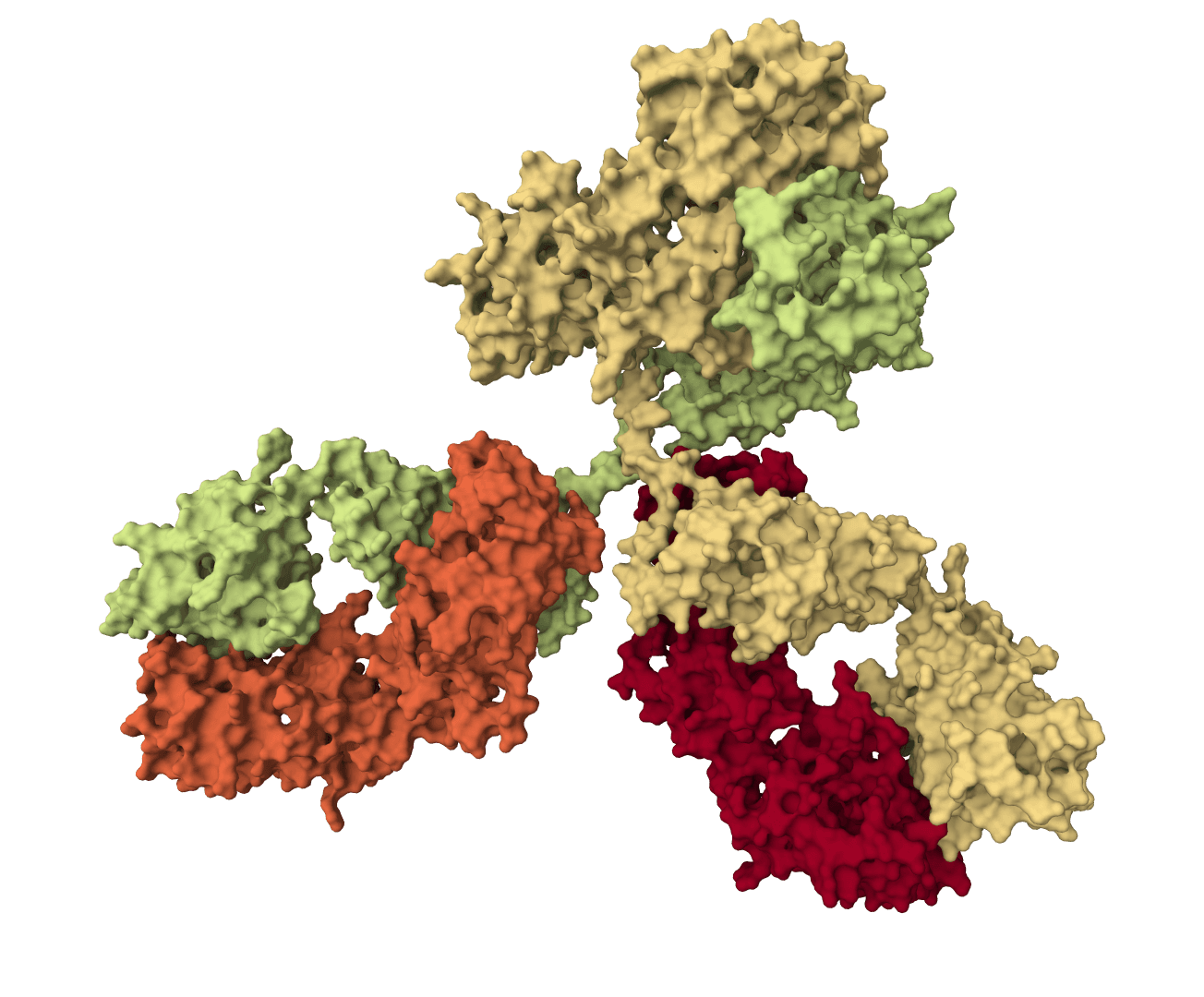
Exploratory antibody CDR co-design for antibody-antigen complexes using Proteo-R1 reasoning and raw diffusion. The standard online workflow does not include the framework structure-inpainting assets required for the published-quality target.
RFantibody
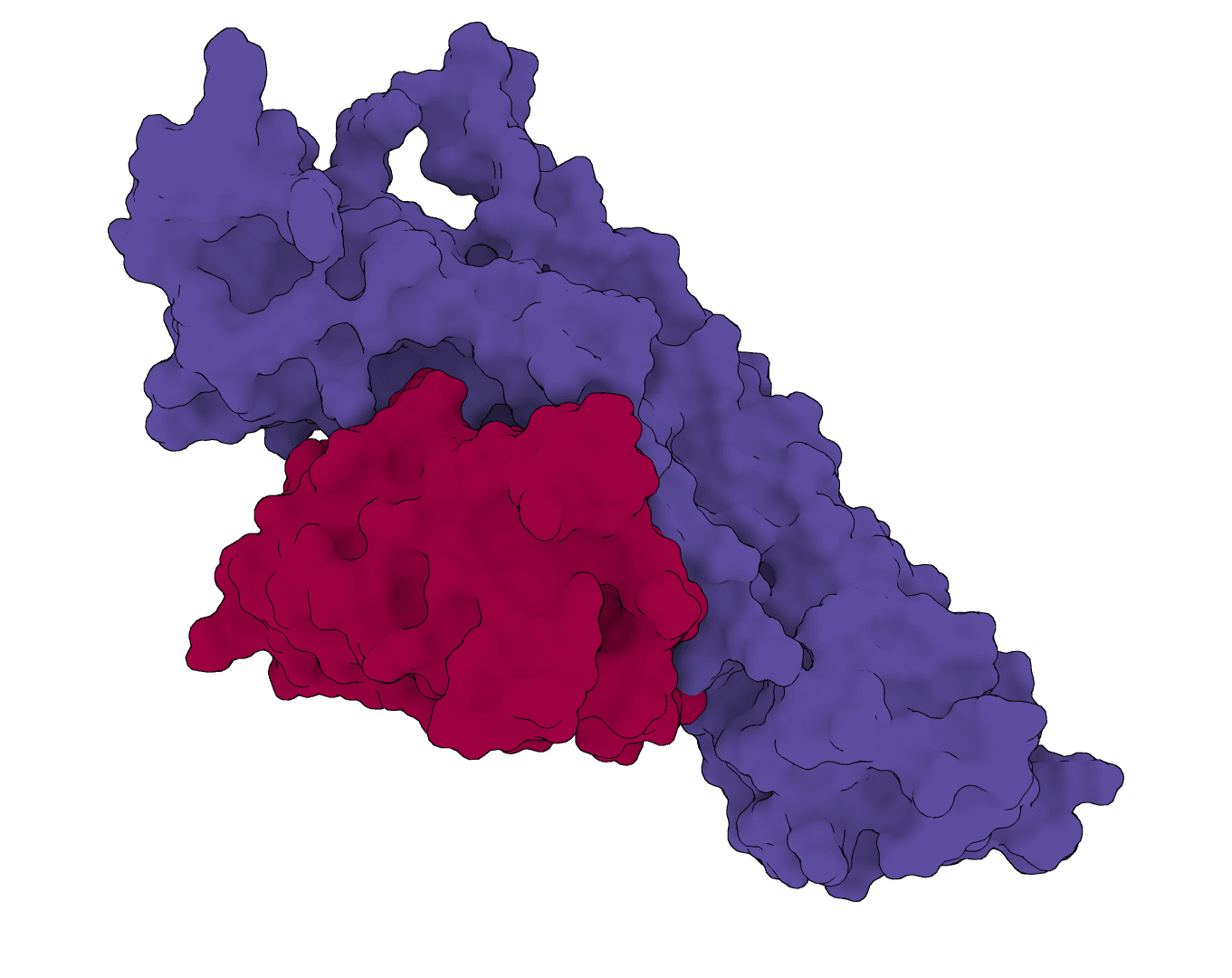
Structure-based de novo antibody and nanobody design pipeline combining antibody-tuned RFdiffusion, ProteinMPNN sequence design, and antibody-tuned RoseTTAFold2 filtering.
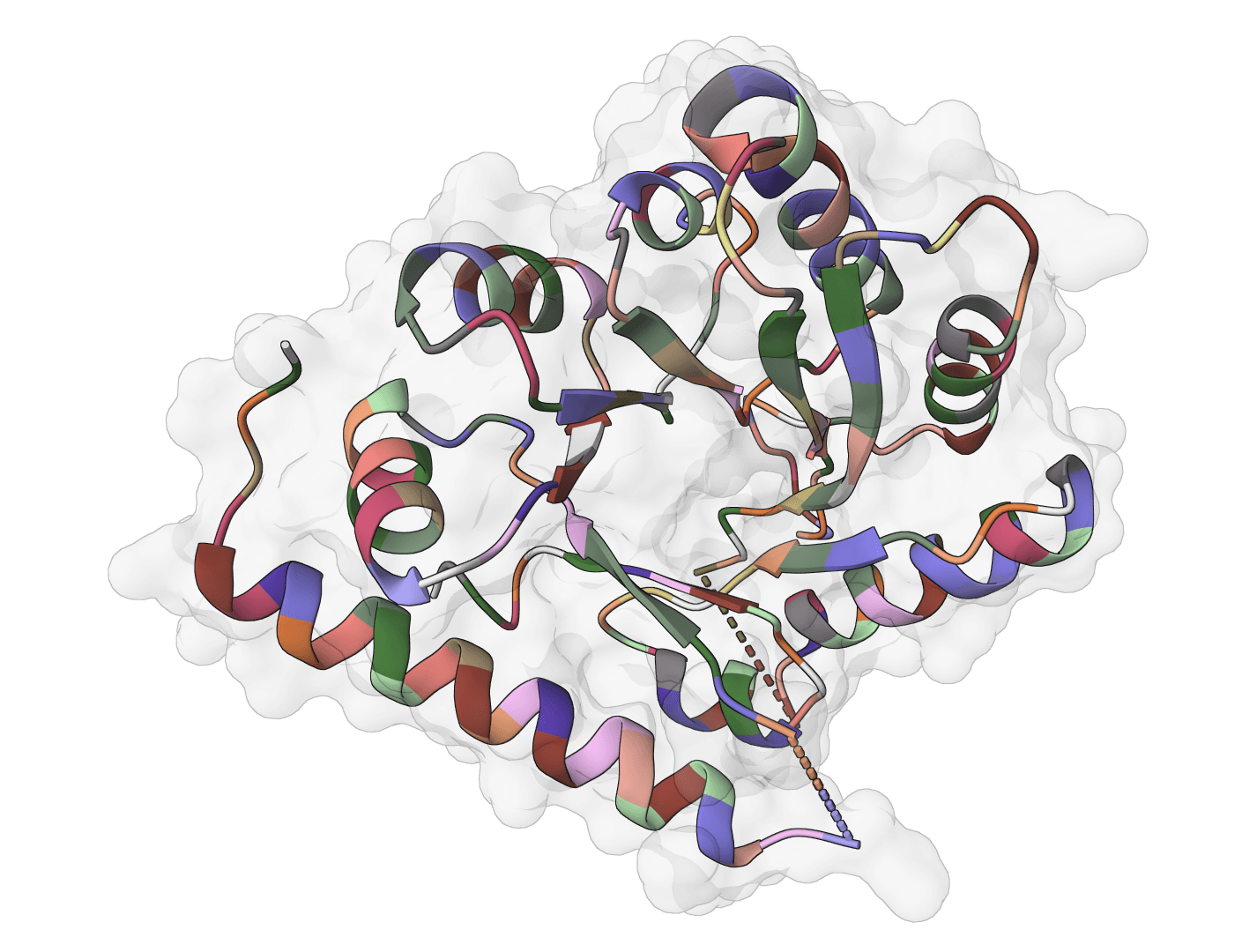
AntiFold
Inverse folding for antibody variable domains and nanobodies. Predicts amino acid sequences compatible with antibody structures using IMGT numbering while preserving native AntiFold chain handling and structural constraints.
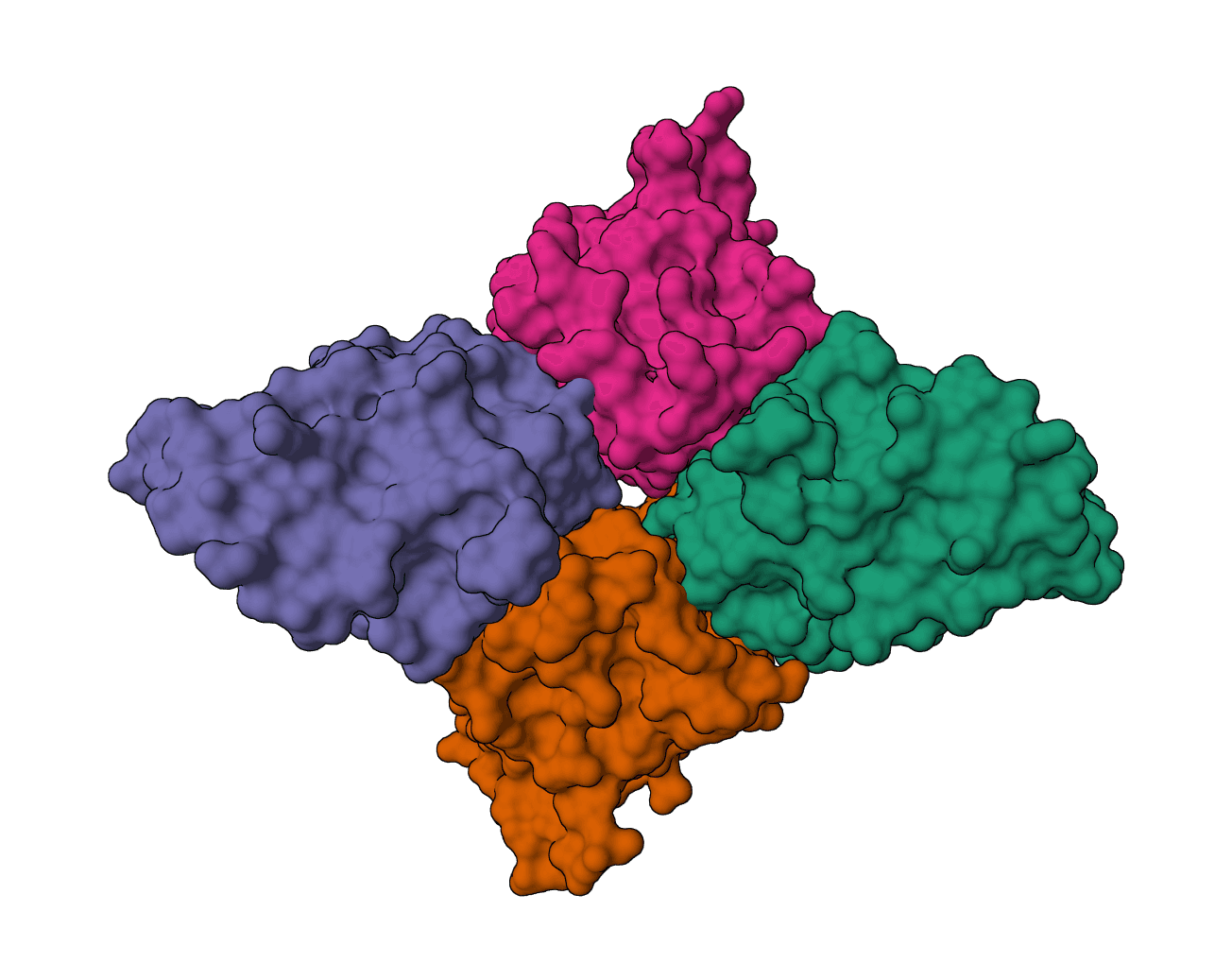
BioPhi
Antibody humanization and humanness evaluation platform from Merck. Sapiens mode uses deep learning trained on the Observed Antibody Space (OAS) to humanize antibody sequences, while OASis mode evaluates humanness using 9-mer peptide search against human antibody databases.
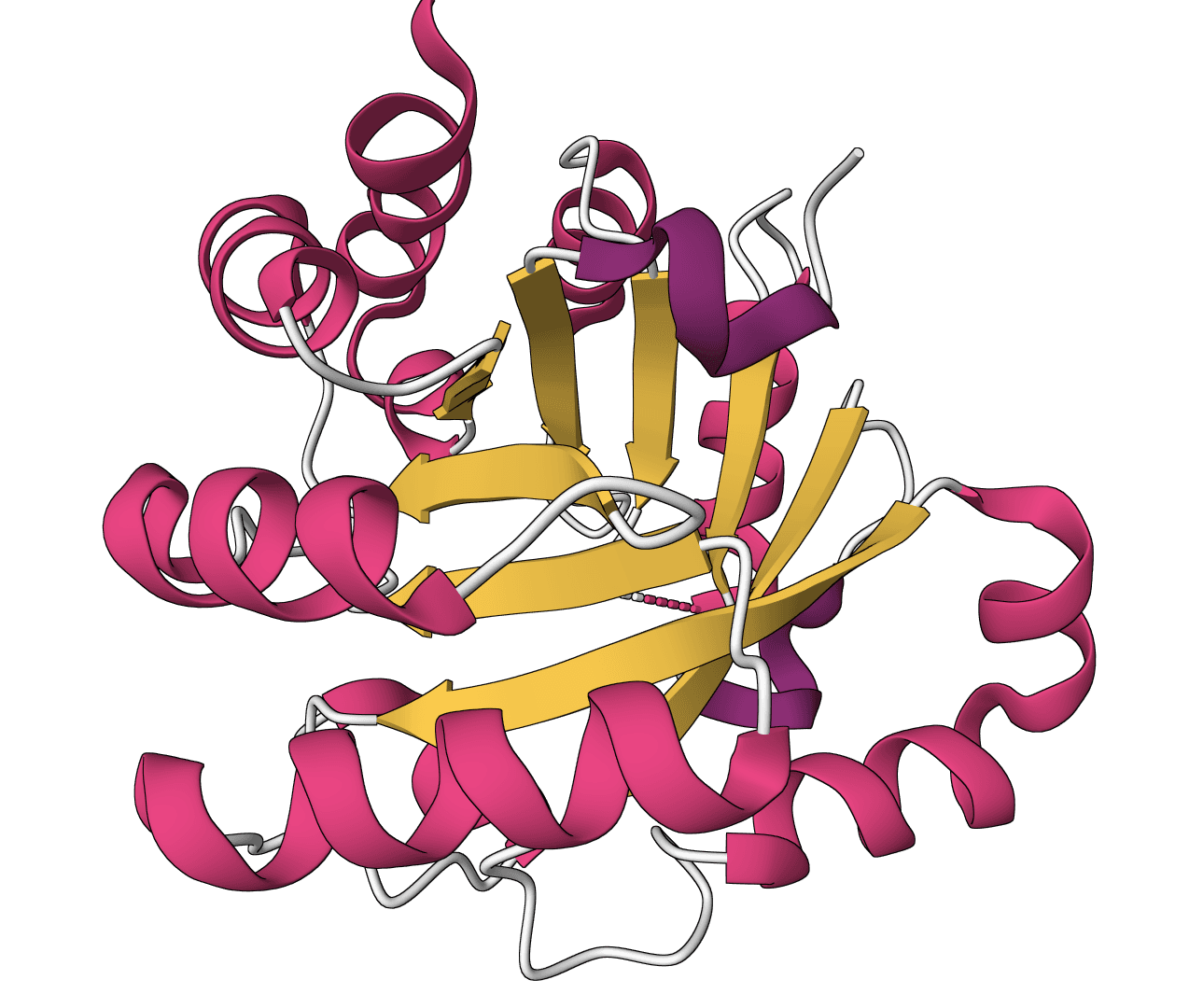
IgDesign
Design antibody heavy- and light-chain CDR sequences from an antibody-antigen complex with the IgDesign inverse-folding model.
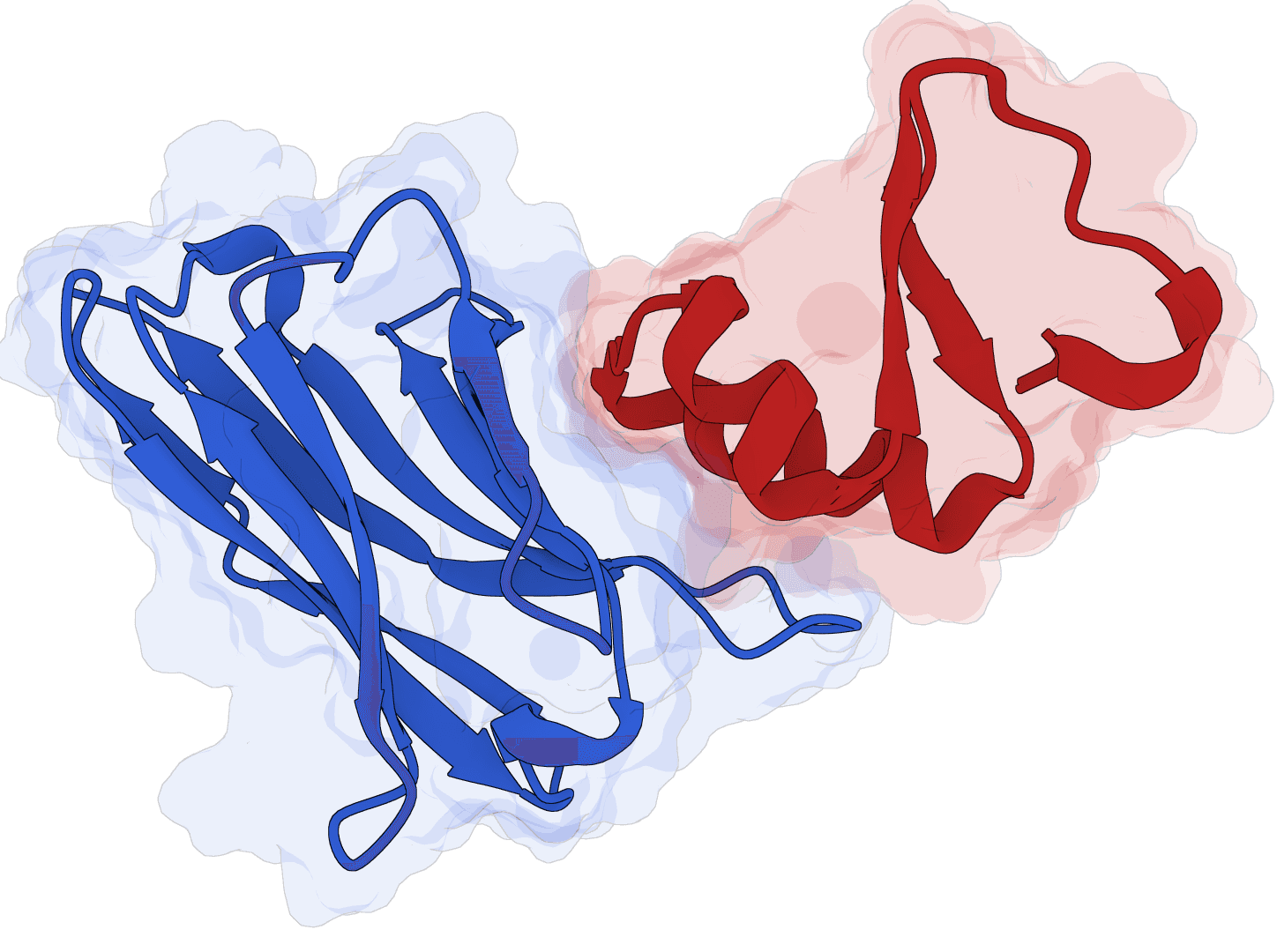
mBER
Design VHH nanobody binders using AlphaFold-Multimer with structure templates and sequence conditioning. mBER (Manifold Binder Engineering and Refinement) generates novel VHH antibody sequences that bind to user-specified target proteins.
CoSiNE
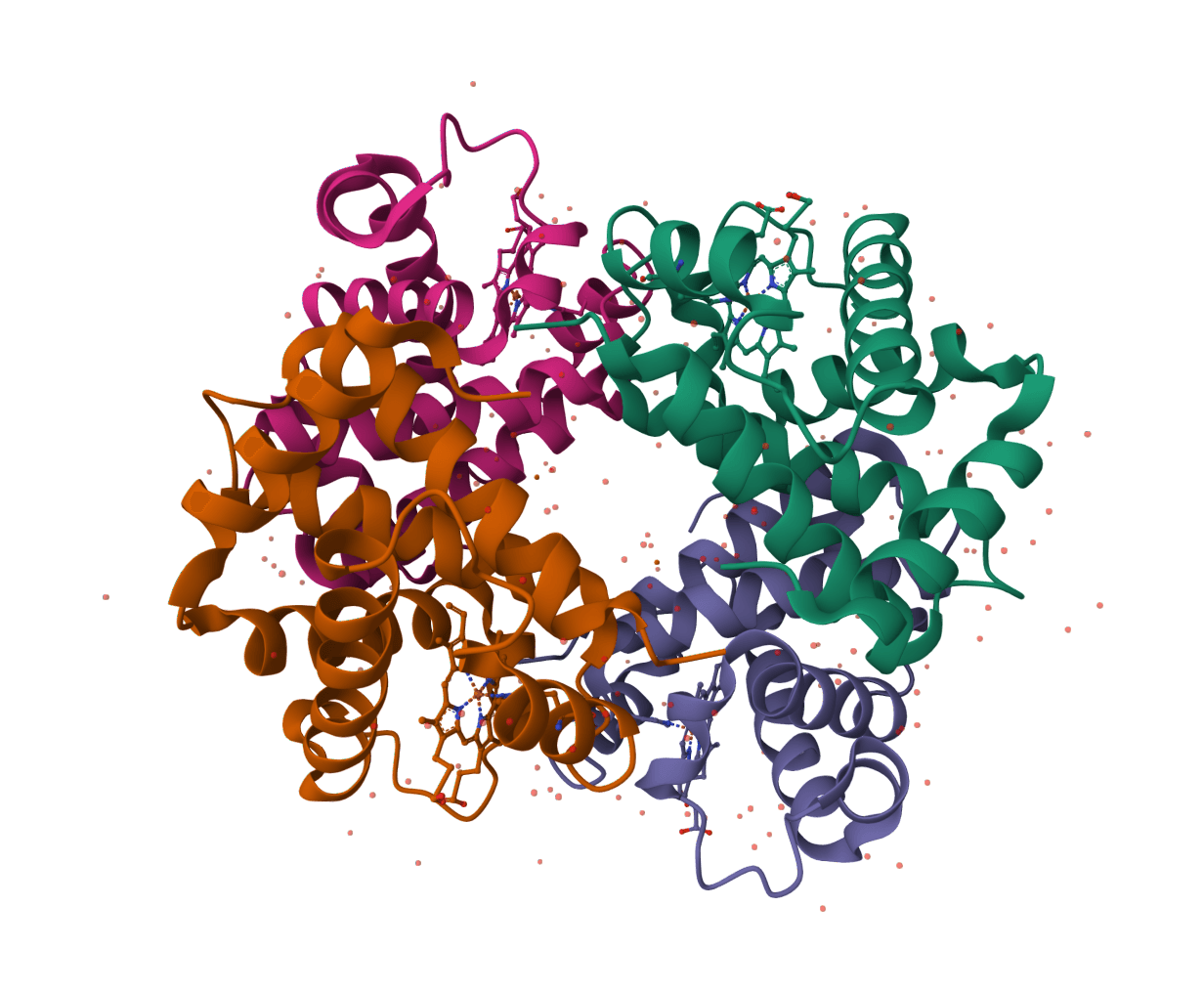
Simulate antibody affinity maturation, steer heavy-chain evolution with SARS-CoV binding predictors, constrain mutations to CDR or framework regions, and score paired-antibody variants with CoSiNE likelihoods and optional somatic-hypermutation correction.
DiffAb
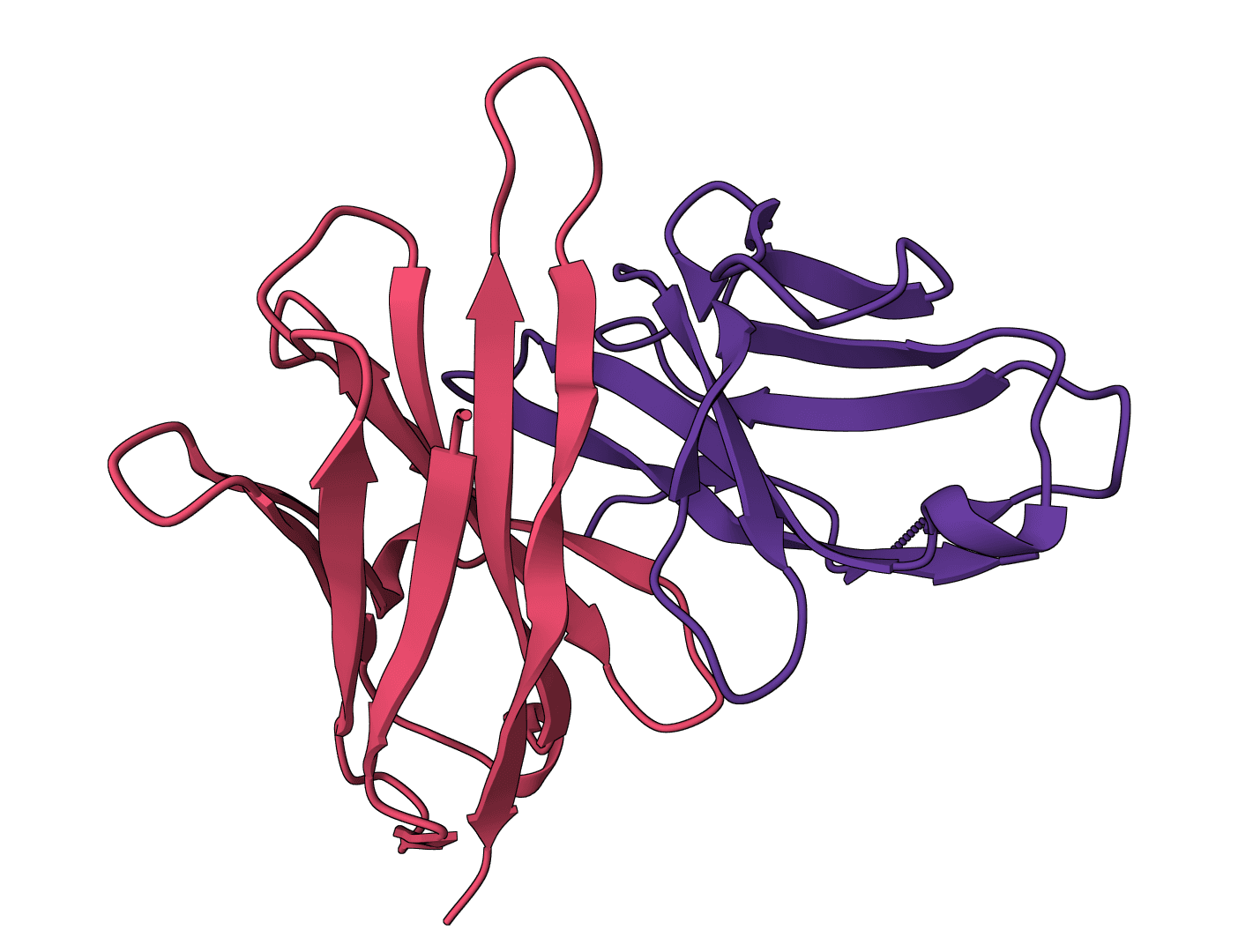
AI-powered antibody CDR design using equivariant diffusion models. Generates complementarity-determining region (CDR) sequences and structures for antibody structures and antibody-antigen complexes. Supports single- and multi-CDR co-design, antibody optimization, fixed-backbone sequence design, and structure prediction.
BoltzGen
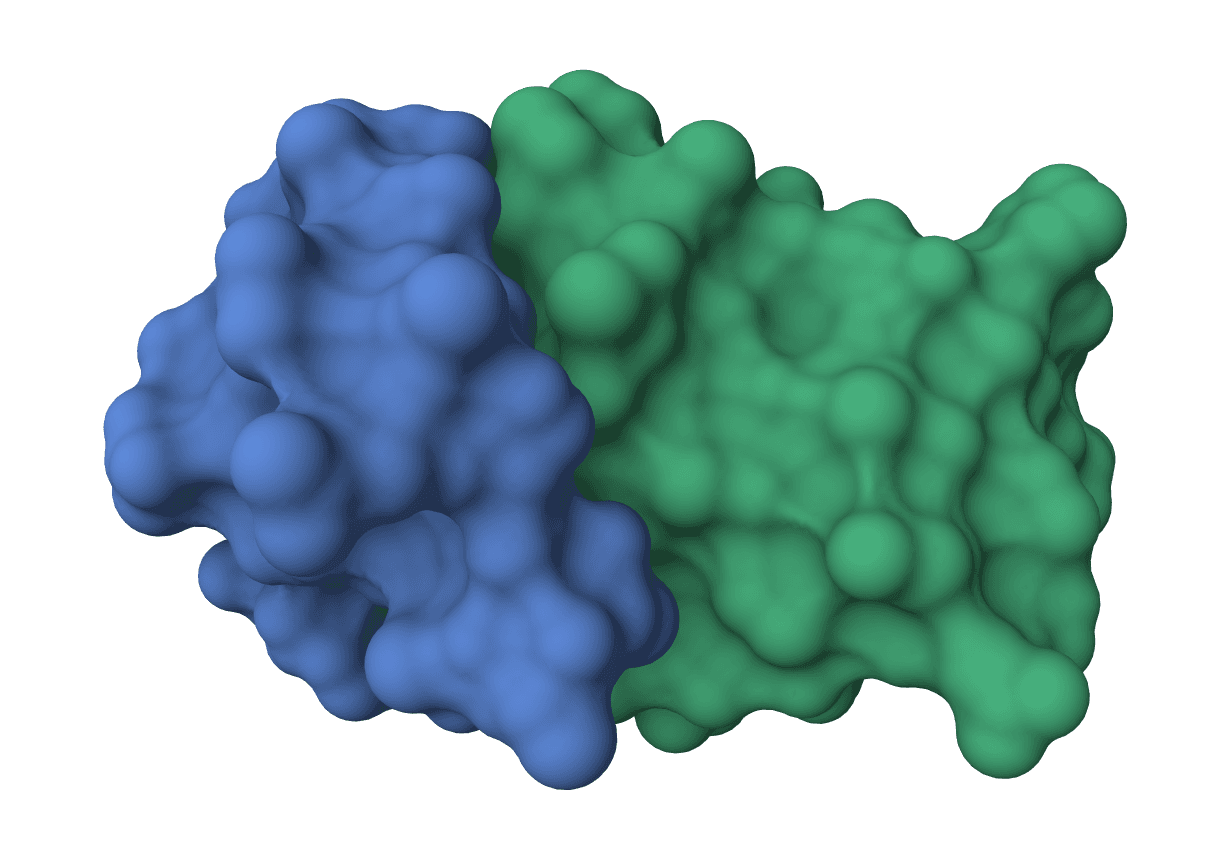
BoltzGen uses generative diffusion models to design protein, peptide, nanobody, and Fab binders against protein and small-molecule targets.