Build maximum likelihood phylogenetic trees with automatic model selection and ultrafast bootstrap. Learn more
Input
What is IQ-TREE?
IQ-TREE is a phylogenetic tree inference software that uses maximum likelihood methods to reconstruct evolutionary relationships from aligned sequences. It combines fast tree search algorithms with sophisticated model selection to produce publication-quality phylogenetic trees for both protein and nucleotide sequences.
The software addresses two major bottlenecks in phylogenetic analysis: selecting the best substitution model and assessing branch support. ModelFinder automatically identifies the optimal evolutionary model 10-100 times faster than traditional tools like jModelTest. The ultrafast bootstrap (UFBoot) provides branch support values 10-40 times faster than standard bootstrap methods while maintaining statistical rigor.
IQ-TREE works with aligned sequences. If your sequences are unaligned, use MAFFT or Clustal Omega first to create a multiple sequence alignment. For faster approximate trees, consider FastTree.
How does IQ-TREE work?
Maximum likelihood estimation
Maximum likelihood phylogenetics finds the tree topology and branch lengths that maximize the probability of observing your sequence data under a given evolutionary model. For each tree, IQ-TREE calculates the likelihood that the observed alignment arose from that tree:
where is the pattern at site , is the tree topology, and represents model parameters like substitution rates and branch lengths. IQ-TREE uses a stochastic perturbation algorithm that efficiently explores tree space by making strategic rearrangements guided by likelihood improvements.
ModelFinder
ModelFinder tests a comprehensive set of substitution models and selects the best one using information criteria. For each model , it calculates:
where is the number of free parameters and is the alignment length. BIC penalizes complex models more heavily than AIC, reducing the risk of overfitting. ModelFinder supports 546 protein models and 286 DNA models, including rate heterogeneity options like gamma-distributed rates and FreeRate categories.
The automatic selection saves you from manually testing dozens of models. ModelFinder identifies not just the substitution matrix (like JTT or GTR) but also the optimal rate heterogeneity model and invariant site proportion.
Ultrafast bootstrap
Traditional bootstrap resampling requires rebuilding thousands of trees from resampled alignments, which is computationally expensive. UFBoot approximates the bootstrap distribution using a more efficient approach: it performs maximum likelihood tree search on fewer replicates while estimating bootstrap proportions from intermediate tree topologies encountered during the search.
We recommend 1000 bootstrap replicates for publication-quality results. Values ≥95% indicate strong support, 70-95% moderate support, and <70% weak support. UFBoot provides approximately unbiased estimates comparable to standard bootstrap but finishes in a fraction of the time.
Branch support alternatives
The SH-aLRT (Shimodaira-Hasegawa approximate likelihood ratio test) offers an alternative to bootstrap. It tests whether the likelihood of the best tree is significantly better than the second-best tree for each branch. SH-aLRT runs even faster than UFBoot and uses a different statistical framework, so using both can provide complementary confidence measures.
Input requirements
Your input must be a pre-aligned multiple sequence alignment with at least 3 sequences. IQ-TREE will fail if you provide unaligned sequences because maximum likelihood requires site-by-site comparisons across all sequences. Ultrafast bootstrap requires at least 4 aligned sequences; set bootstrap replicates to 0 for 3-sequence ML-only trees.
Supported formats include FASTA, PHYLIP, NEXUS, CLUSTAL, and MSF. FASTA is the most common choice for its simplicity.
Substitution model
default (auto ModelFinder): Uses IQ-TREE's default behavior, which automatically selects a best-fit model for the alignment.Standard ModelFinder: Explicitly runs the standardTESTmodel search, similar to jModelTest or ProtTest.ModelFinder: Runs theMFsearch with FreeRate heterogeneity candidates.ModelFinder Plus: Extended model selection that includes additional model combinations and follows tree inference.JTT,WAG,LG: Protein-specific substitution matrices. JTT works well for general protein data, WAG for nuclear proteins, and LG for diverse protein families.GTR: General time reversible model for nucleotides. The most parameter-rich DNA model with six substitution rates and four base frequencies.HKY,K2P: Simpler nucleotide models. HKY distinguishes transitions from transversions with unequal base frequencies. K2P assumes equal base frequencies.
Bootstrap options
- Ultrafast bootstrap replicates: Number of UFBoot replicates to perform. We recommend 1000 for publication work, though 100-500 can give preliminary results faster. IQ-TREE requires at least 4 aligned sequences for bootstrap; set to 0 to skip bootstrap analysis entirely.
- SH-aLRT replicates: Number of SH-aLRT tests. Common values are 1000 or 0 (disabled). When both UFBoot and SH-aLRT are enabled, you'll get two support values per branch, which some prefer for conservative interpretation.
Understanding the results
Tree visualization
IQ-TREE outputs a phylogenetic tree in Newick format, which displays branch relationships and support values. Branch lengths represent evolutionary distance—longer branches indicate more substitutions per site.
Support values appear at internal nodes. With UFBoot enabled, these represent the percentage of bootstrap replicates supporting that clade. Values ≥95% are considered strong evidence, 70-95% moderate, and <70% weak. Branches with weak support indicate uncertainty in the tree topology at those positions.
When ultrafast bootstrap is enabled, ProteinIQ also returns the main consensus tree (.contree) and split support file (.splits.nex) alongside the maximum-likelihood tree and the .iqtree report.
Model information
The results include the selected substitution model and its parameters. For example, GTR+F+I+G4 indicates:
- GTR: General time reversible substitution matrix
- +F: Empirical base/amino acid frequencies
- +I: Proportion of invariant sites
- +G4: Gamma-distributed rate heterogeneity with 4 categories
Statistical measures
- Log-likelihood (lnL): The natural logarithm of the tree likelihood. More negative values indicate worse fit. You cannot compare lnL across different alignments, only across trees for the same data.
- AIC/BIC: Akaike and Bayesian information criteria. Lower values indicate better model fit after penalizing for model complexity. BIC penalizes complexity more heavily than AIC.
- Tree length: Sum of all branch lengths, representing total evolutionary change. Longer trees suggest more divergence among sequences.
When to use IQ-TREE
IQ-TREE excels when you need rigorous model selection and publication-quality results. The automatic ModelFinder testing ensures your tree is based on the most appropriate evolutionary model for your data.
For large alignments where speed matters more than model sophistication, FastTree provides approximate maximum likelihood trees much faster. FastTree uses simpler models but can handle datasets with tens of thousands of sequences.
For phylogenomic analyses with hundreds of genes, IQ-TREE's partition models can assign different evolutionary models to different alignment regions. This is important when combining genes with different evolutionary rates.
Best practices
Start with ModelFinder (Auto) unless you have strong prior knowledge about which model fits your data. Manual model selection rarely outperforms ModelFinder's systematic approach.
Run at least 1000 bootstrap replicates for publication. Preliminary analyses can use 100-200 to save time, but final trees should use ≥1000 for reliable support estimates.
Check for outlier sequences before running IQ-TREE. Sequences with excessive gaps or unusual composition can distort tree topology. If bootstrap support is uniformly low, your alignment may be too divergent or contain paralogs rather than orthologs.
The alignment quality matters more than the phylogenetic method. Poorly aligned regions introduce noise that no tree-building algorithm can overcome. Consider using MAFFT with the L-INS-i algorithm for difficult-to-align sequences.
Related tools
Clustal Omega
Perform multiple sequence alignment on protein or nucleotide sequences using the Clustal Omega algorithm.
FastTree
Infer approximately-maximum-likelihood phylogenetic trees from alignments of nucleotide or protein sequences.
MAFFT
Perform multiple sequence alignment using MAFFT (Multiple Alignment using Fast Fourier Transform). Supports multiple algorithms from fast progressive to highly accurate iterative methods.
MUSCLE5
Align protein, DNA, or RNA sequences with MUSCLE v5.3 using the native PPP or Super5 algorithm, with optional stratified and diversified ensembles.
StringZilla v5
Calculate batched Levenshtein distances and Needleman–Wunsch or Smith–Waterman sequence scores with StringZilla v5 CPU acceleration.
USAlign
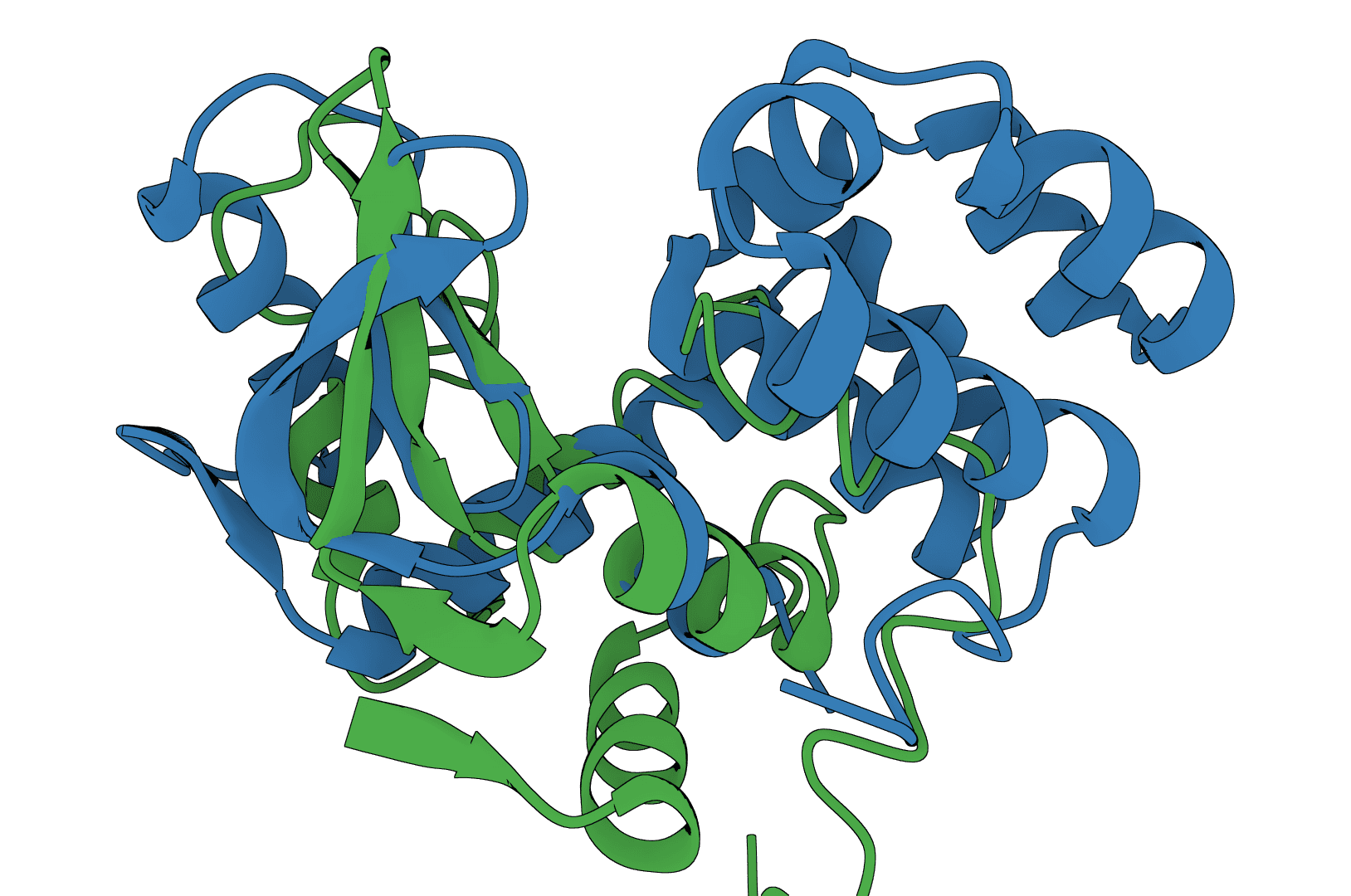
USAlign (Universal Structure Alignment) aligns protein, RNA, and DNA structures to compute TM-scores and generate superposed structures. Compare 3D structures to assess structural similarity.
MMseqs2
Ultra-fast sequence search and clustering. 10,000x faster than BLAST for database searches, with powerful sequence clustering capabilities for proteins and nucleotides.
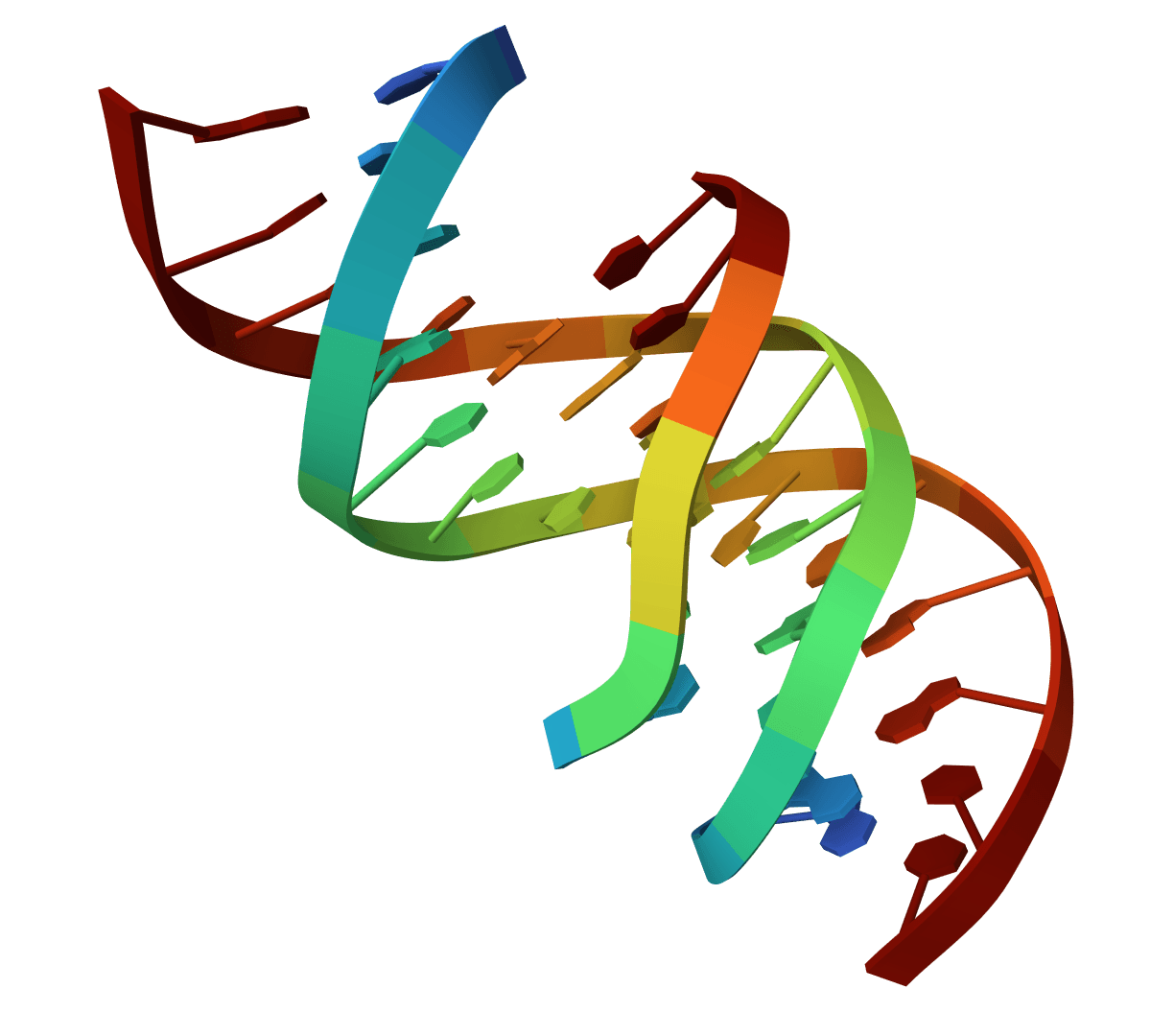
MUMmer4
Rapidly align and compare DNA sequences using MUMmer4 nucmer. Perform pairwise genome comparisons to identify SNPs, indels, and structural variants between reference and query genomes.
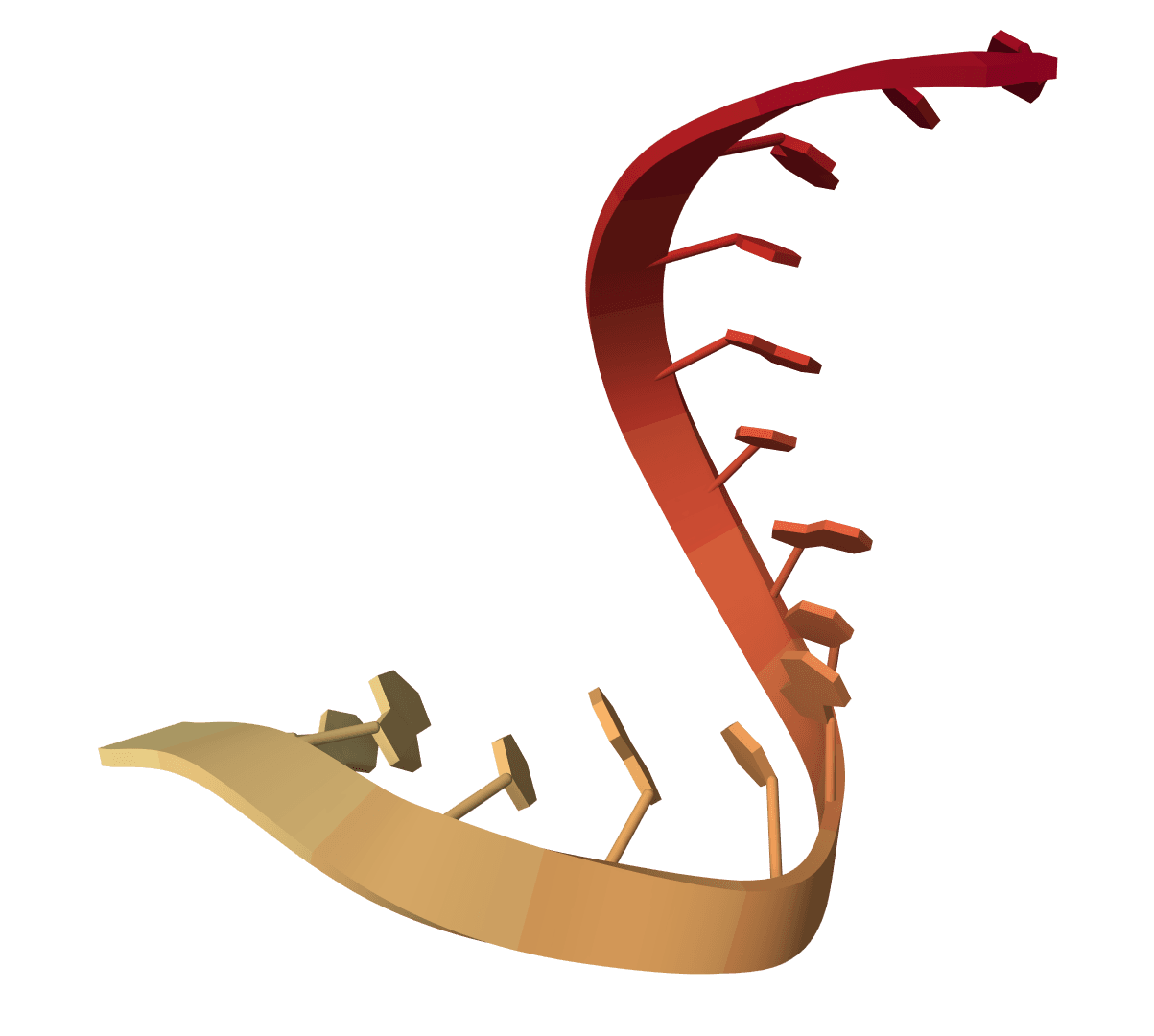
RNAalifold
RNAalifold computes consensus RNA secondary structure from a multiple sequence alignment. Uses covariation information to improve prediction accuracy for evolutionarily conserved structures.
Salmon
Quantify transcript abundance from RNA-seq reads with Salmon selective alignment. Upload a transcript FASTA reference plus single-end or paired-end FASTA/FASTQ reads to produce TPM and estimated read-count tables.