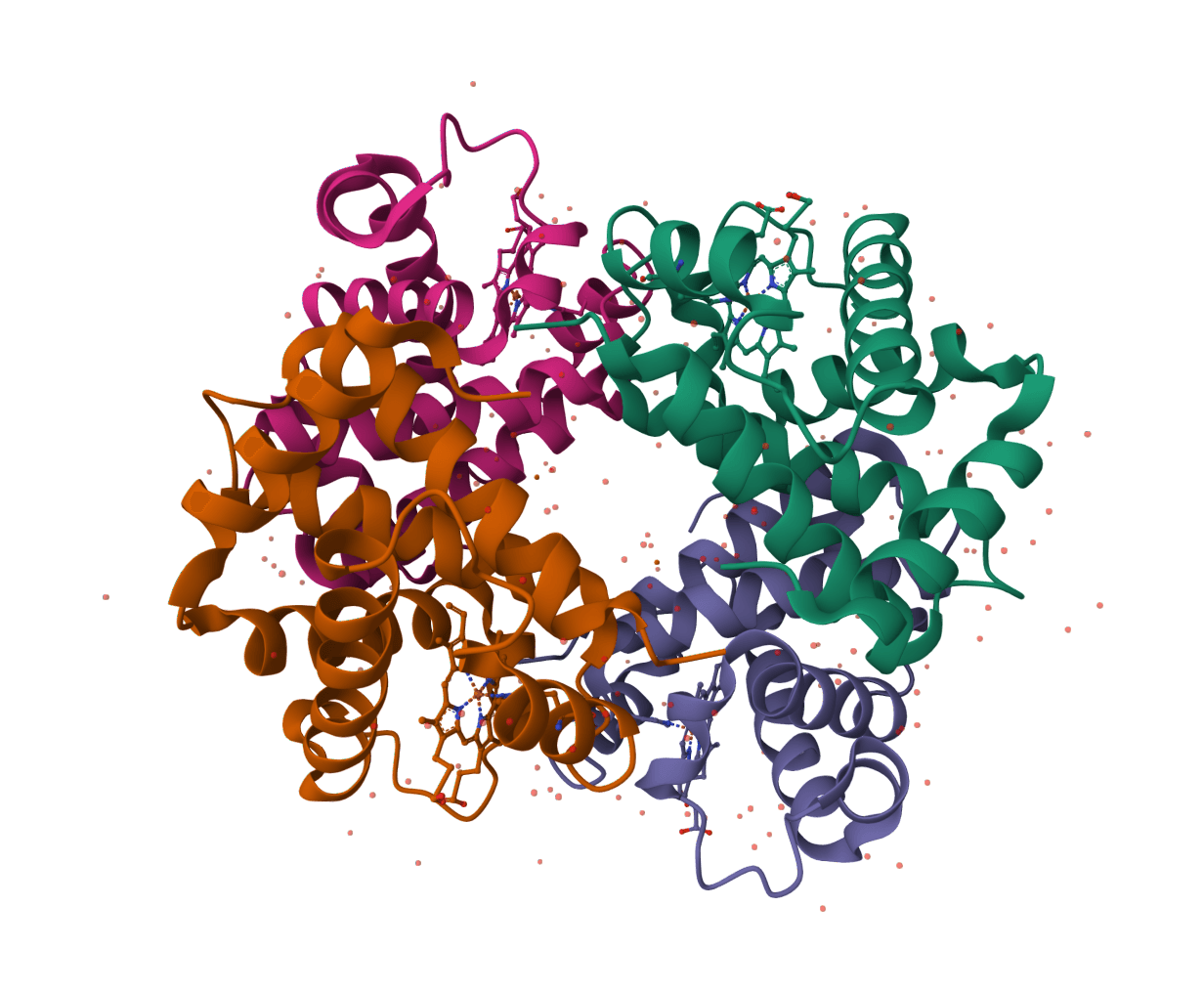
Compare independently interpretable sequence properties related to protein stability. Learn more
Input
What is protein stability?
Protein stability is the tendency of a protein to remain in its native, folded, functional state rather than unfold or populate non-native states. At equilibrium, thermodynamic stability is determined by the Gibbs free-energy difference between the folded and unfolded ensembles. Folding is favored when the folded state has the lower free energy under the specified conditions.
That free-energy balance emerges from several cooperating effects:
- Hydrophobic effect: Nonpolar side chains tend to become buried away from water, helping form the protein core.
- Hydrogen bonds: Backbone and side-chain hydrogen bonds help satisfy polar groups and organize helices, sheets, turns, and tertiary contacts.
- Electrostatic interactions: Attractions between charged groups, including salt bridges, can stabilize particular conformations. Their effects depend strongly on distance, solvent exposure, ionic strength, and pH.
- Van der Waals interactions: Close packing produces many individually weak contacts that collectively stabilize a well-packed structure.
- Disulfide bonds: Covalent links between cysteine residues can restrict the unfolded chain and stabilize the folded state, especially in extracellular proteins.
These favorable effects compete with the greater conformational entropy of the unfolded chain and with interactions between the protein and its solvent. A mutation can therefore strengthen one interaction while weakening the protein overall through poor packing, strain, lost solvation, or increased flexibility.
Protein stability always depends on conditions. Temperature, pH, ionic strength, solvent, cofactors, disulfide connectivity, oligomerization, and post-translational modifications can shift the folded-unfolded balance. Thermal stability, commonly reported as melting temperature (), kinetic stability, aggregation resistance, and storage stability are related but distinct properties.
This tool calculates sequence-derived properties associated with several of those effects. It reports each property separately because instability index, aliphatic index, hydropathy, aromaticity, and charge do not measure the same physical endpoint.
How to compare protein sequence stability indicators
Paste one protein sequence or a multi-record FASTA file, choose the pH for the charge estimate, and select Calculate. The result table reports independent sequence descriptors. It does not combine them into an absolute stability score because instability index, thermostability tendency, hydropathy, and electrostatic charge describe different properties.
For this input at pH 7:
>canonical_20
ACDEFGHIKLMNPQRSTVWY
the calculator returns:
Sequence ID   Residues   Instability index   II classification   Aliphatic index   GRAVY   Aromaticity   Estimated net charge   Charge pH   Charged residue fraction
canonical_20  20         84.74               Unstable            58.50              -0.490  0.150         -0.12                  7.0         0.250
The classification belongs only to the Guruprasad instability index. It is not a general classification of thermodynamic, thermal, formulation, or shelf-life stability.
Input
| Input | Accepted values |
|---|---|
| Sequence | The 20 standard one-letter amino acid codes |
| Text | A plain protein sequence or one or more FASTA records |
| Files | .txt, .fasta, .fa, or .fas |
| Minimum length | Two residues per sequence |
| Batch behavior | One result row per FASTA record |
Whitespace and lowercase letters are accepted. Ambiguous or nonstandard residue codes such as B, J, O, U, X, and Z are rejected because the published scales do not define every required value for them.
Setting
| Setting | Range | Default | Effect |
|---|---|---|---|
ph | 0 to 14 | 7.0 | Changes only estimated_net_charge. All other indicators are independent of this setting. |
Results
| Column | Meaning |
|---|---|
sequence_id | Identifier taken from the FASTA header |
sequence_length | Number of amino acid residues |
instability_index | Guruprasad dipeptide-composition index |
instability_classification | Stable below 40, otherwise Unstable, according to the instability-index method |
aliphatic_index | Relative volume represented by Ala, Val, Ile, and Leu side chains |
gravy | Grand average of Kyte-Doolittle residue hydropathy |
aromaticity | Fraction of Phe, Trp, and Tyr residues |
estimated_net_charge | Henderson-Hasselbalch charge estimate using the Bjellqvist pKa model, including sequence-adjusted termini and ionizable K, R, H, D, E, C, and Y side chains |
charge_ph | pH used for the charge estimate |
charged_residue_fraction | Fraction of residues that are K, R, H, D, or E |
How to interpret each indicator
Instability index
The Guruprasad instability index assigns weights to adjacent amino acid pairs:
where is sequence length and is the published dipeptide weight table. The original method classifies values below 40 as stable and values of 40 or greater as unstable.
This is an empirical dipeptide-composition indicator derived from a small set of proteins. It is not a calculation of folding free energy, melting temperature, or degradation half-life under a specified experimental condition. Use the dedicated instability index calculator when this is the only metric needed.
Aliphatic index
The Ikai aliphatic index is:
where each is mole percent. Higher values were associated with proteins from thermophilic organisms and may be a positive factor in globular-protein thermostability. The index does not map directly to a melting temperature, and proteins can be stabilized by mechanisms that it does not represent. The aliphatic index calculator provides the same calculation by itself.
GRAVY and aromaticity
GRAVY is the arithmetic mean of the Kyte-Doolittle hydropathy values across the sequence:
Positive values indicate greater average hydrophobicity on this scale, while negative values indicate greater average hydrophilicity. GRAVY does not identify whether hydrophobic residues are buried, solvent exposed, or part of a transmembrane segment. Use the GRAVY calculator or hydropathy plot for focused hydropathy analysis.
Aromaticity is . It is a composition statistic, not a count of aromatic contacts or a prediction of core packing.
Estimated charge
The charge estimate applies the Bjellqvist pKa model implemented by Biopython 1.85. It uses the Henderson-Hasselbalch equation for ionizable side chains and sequence-specific terminal pKa adjustments. Actual charge can differ because local structure, solvent accessibility, nearby residues, ligands, and post-translational modifications shift pKa values.
charged_residue_fraction is a separate composition metric. Oppositely charged residues do not cancel in that fraction, while they do contribute with opposite signs to estimated net charge.
What this calculator does not predict
Protein stability can refer to several different experimental quantities:
- Folding free energy,
- Mutation-induced stability change,
- Melting temperature,
- Chemical-denaturation midpoint
- Aggregation, proteolysis, formulation, or storage stability
- Folding and unfolding kinetics
These outputs do not predict any of those quantities. They are useful for describing and comparing sequences, identifying unusually different compositions, and choosing candidates for more specific analysis.
For mutation-specific prediction from a protein structure, use ThermoMPNN. For a broader physicochemical report, use Protein Parameters. Structural stability over a modeled trajectory requires a method such as OpenMM followed by careful convergence and replicate analysis.
FAQ
Can these indicators rank protein variants by stability?
They can rank variants by each reported descriptor, but there is no supported basis for combining those rankings into a single general stability order. A one-residue mutation may have a strong structural effect that composition-based indicators miss.
Does an instability index below 40 mean the protein is thermostable?
No. The instability-index classification and thermostability are different concepts. Aliphatic index provides a separate composition-level association with thermostability, but it does not predict .
Why can two proteins have similar results but different experimental stability?
The indicators do not include three-dimensional packing, hydrogen-bond networks, salt bridges, cofactors, oligomerization, disulfide connectivity, solvent conditions, or the unfolded-state ensemble. Those effects can dominate experimental stability.
Why does estimated net charge change with pH?
Ionizable groups gain or lose protons as pH changes. The calculation models that behavior with fixed pKa values, so it is an estimate rather than a structure-specific charge calculation.
Related tools
Aggrescan3D
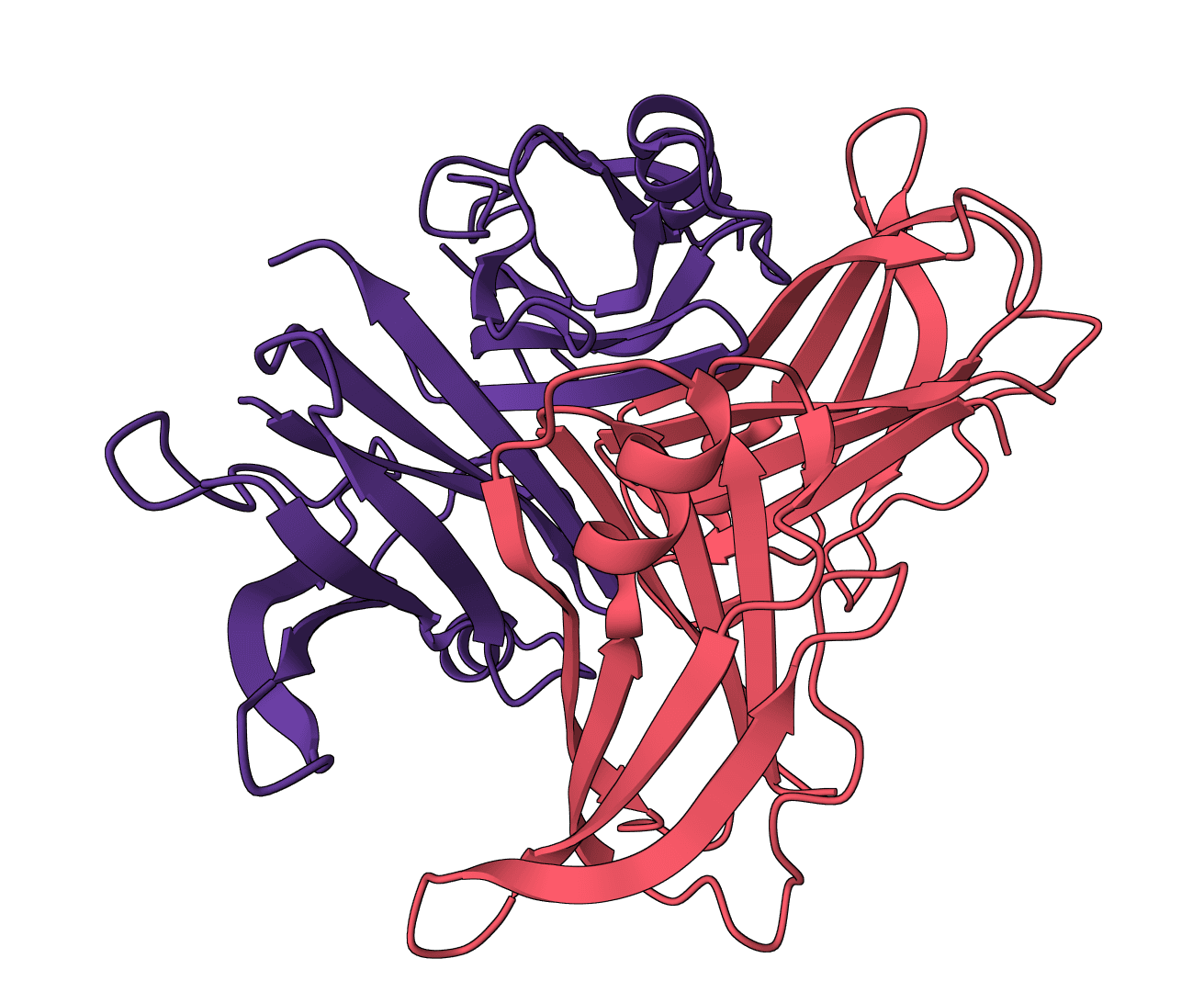
Static-mode Aggrescan3D analysis for per-residue aggregation propensity from a single protein structure.
Protein charge plot
Plot net charge vs pH for protein sequences. Visualize how protein charge changes across pH 0-14 and identify the isoelectric point (pI) where the net charge crosses zero.
FindPept
Match experimental peptide masses against theoretical digest fragments of a protein sequence. Identify peptides from mass spectrometry data by peptide mass fingerprinting.
Hydropathy plot
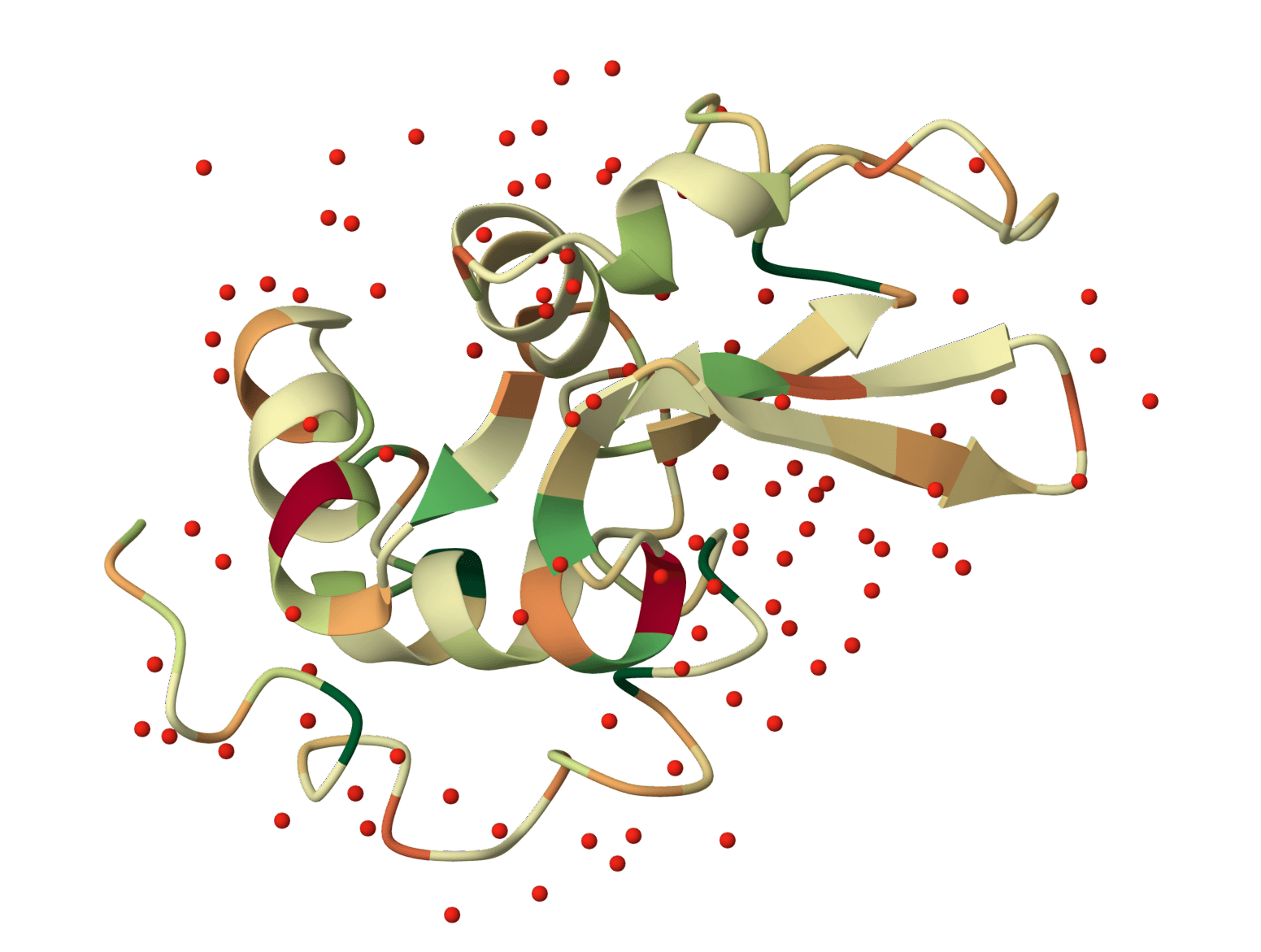
Generate Kyte-Doolittle hydropathy plots to visualize hydrophobic and hydrophilic regions along protein sequences. Identify transmembrane domains and surface-exposed regions.
Hydrophobicity plot
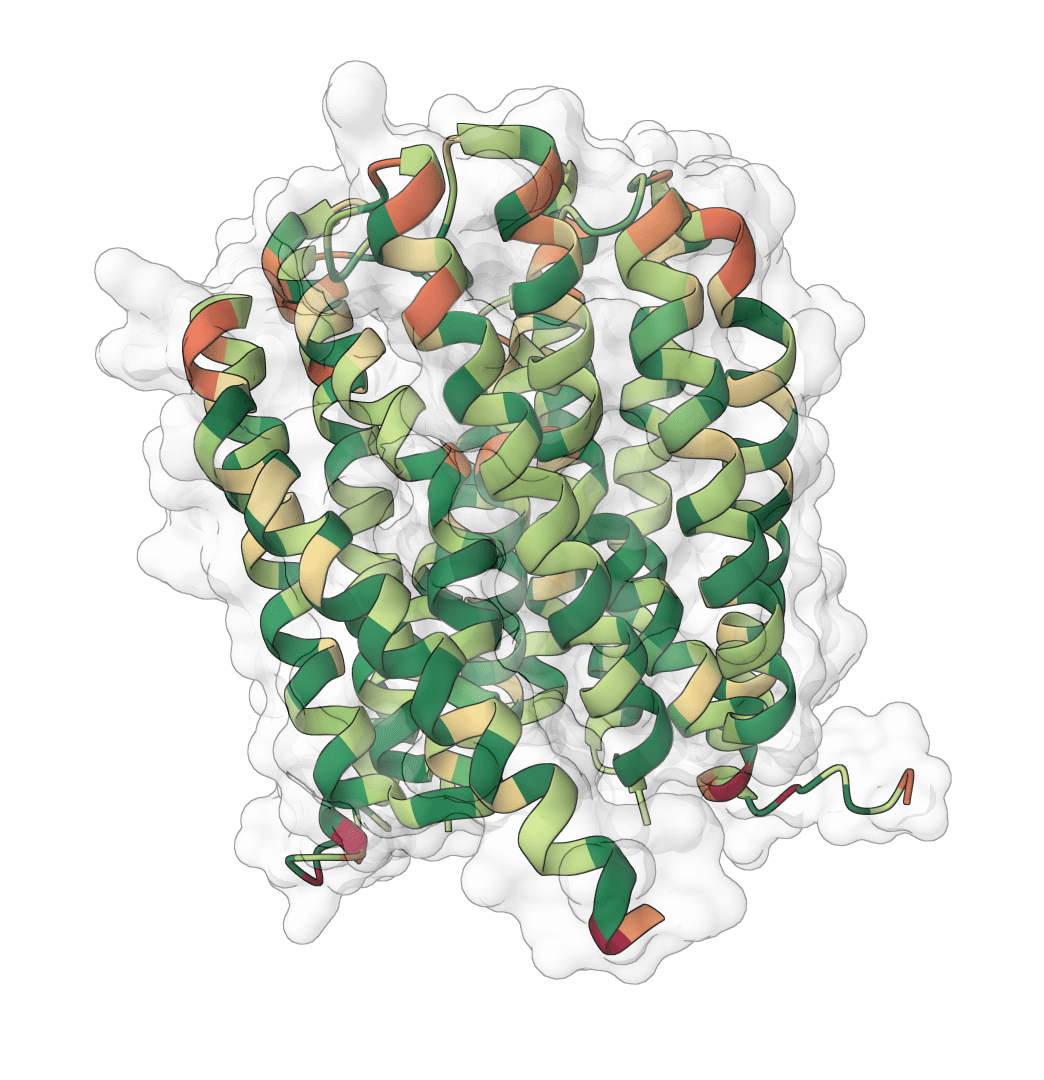
Generate hydrophobicity plots using 24 different amino acid scales. Visualize hydrophobic and hydrophilic regions for protein analysis, epitope prediction, and membrane protein studies.
Peptide cutter
Predict protease and chemical cleavage sites across a protein sequence for up to 39 enzymes simultaneously. Identify where each enzyme cuts, the cleavage residue, and context window around each site.
Peptide mass calculator
Cleave a protein sequence with a chosen protease and compute the masses of the resulting peptides. Supports multiple enzymes, missed cleavages, chemical modifications, and different ion types for mass spectrometry experiment planning.
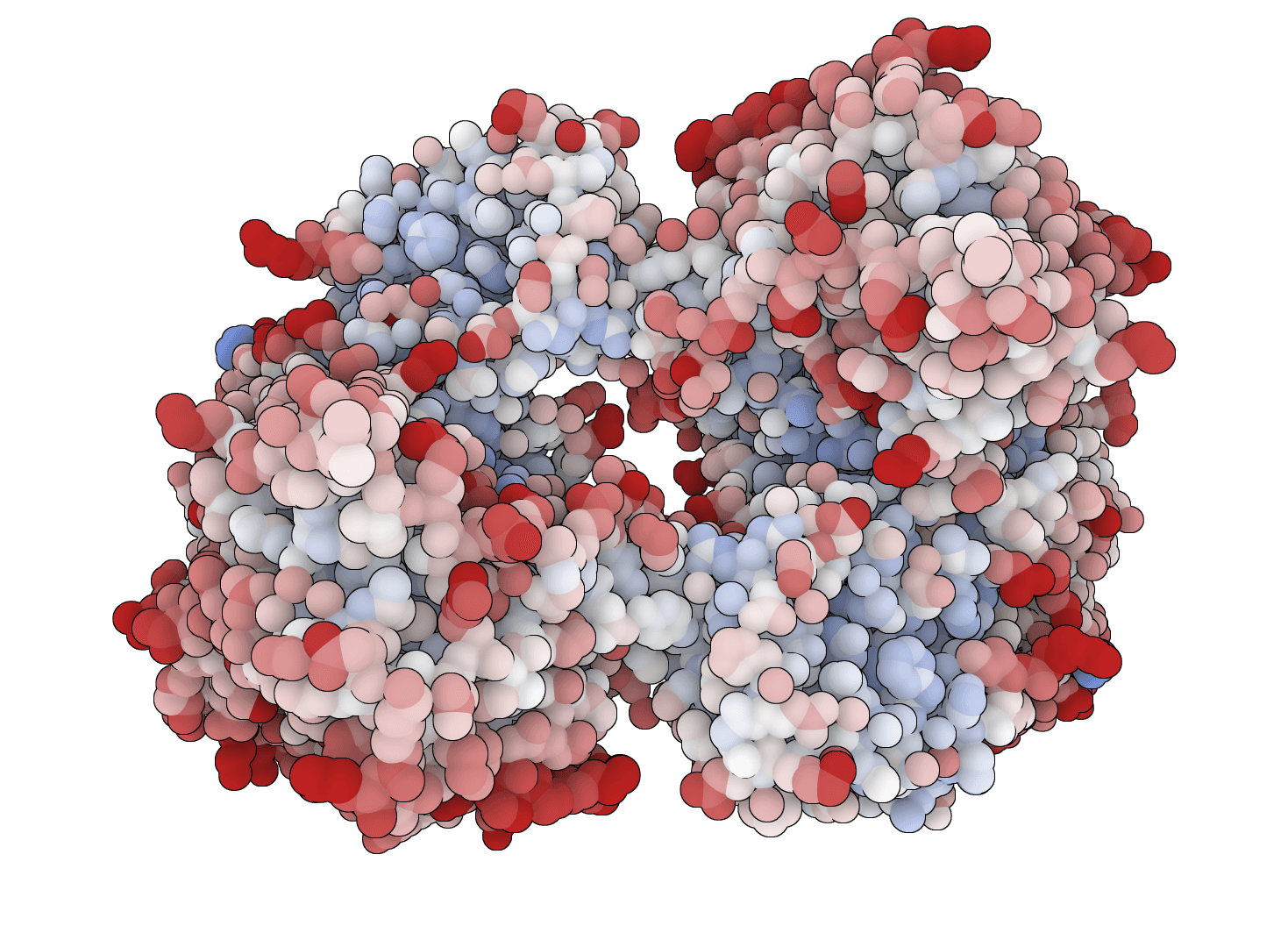
PROPKA 3
Predict pKa values of ionizable groups in proteins and protein-ligand complexes from 3D structure. PROPKA calculates environment-driven pKa shifts for standard ionizable residues, terminal groups, and supported ligand atom types.
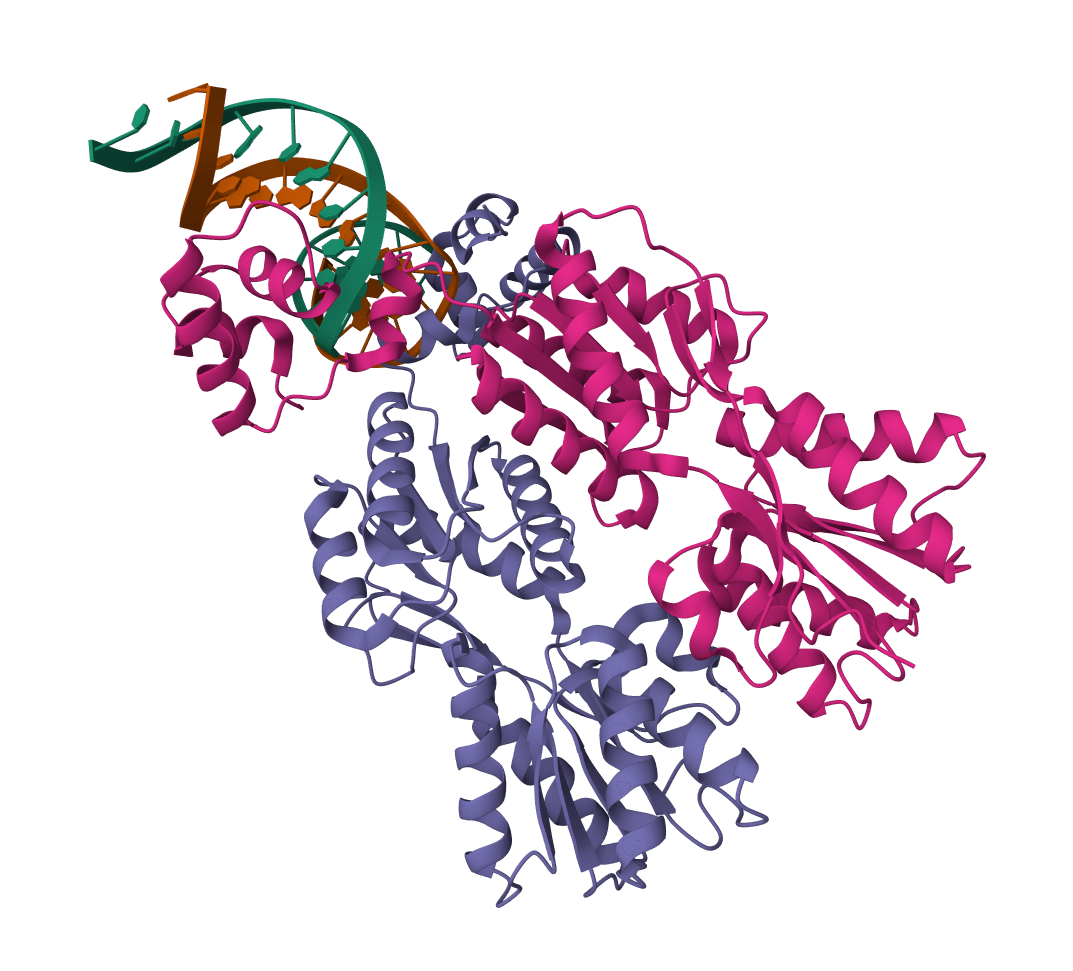
Protein parameters
Calculate sequence-derived protein properties including molecular weight, theoretical pI, extinction coefficients, aromaticity, secondary structure fractions, composition classes, instability, aliphatic index, and GRAVY.
Protein scale profiler
Generate amino acid property profiles using 42 different scales spanning hydrophobicity, secondary structure propensity, flexibility, polarity, surface accessibility, antigenicity, and more.