TLimmuno2
Transfer learning-based MHC-II immunogenicity prediction for CD4+ T cell epitopes
Input
What is TLimmuno2?
TLimmuno2 predicts whether a peptide presented by an MHC class II molecule will trigger a CD4+ T cell immune response. Where most immunogenicity tools focus on MHC class I (CD8+ T cells), TLimmuno2 addresses the less-covered class II pathway, which is central to helper T cell activation, vaccine design, and cancer neoantigen identification.
The model uses transfer learning: an LSTM network is first trained on over 100,000 peptide-MHC binding affinity measurements, then fine-tuned on immunogenicity data. This two-stage approach compensates for the limited amount of experimentally validated immunogenicity data available for MHC-II epitopes.
How does TLimmuno2 work?
Two-stage prediction
TLimmuno2 runs two neural networks in sequence:
-
Binding affinity model (BAmodel): An LSTM trained on 107,008 binding measurements from NetMHCIIpan across 71 MHC-II molecules. Rather than using the final binding prediction, TLimmuno2 extracts intermediate features from this model's penultimate layer, capturing learned representations of peptide-MHC interaction patterns.
-
Immunogenicity model: A second LSTM that takes three inputs — the BLOSUM62-encoded peptide, the encoded MHC pseudosequence, and the binding affinity features from stage one — and returns a continuous immunogenicity prediction score.
Sequence encoding
Both peptides and MHC pseudosequences are encoded using the BLOSUM62 substitution matrix, which captures biochemical similarity between amino acids. Peptides are padded to 21 residues and MHC pseudosequences to 34 residues, producing fixed-size matrices that the LSTM layers can process.
Percentile ranking
Raw immunogenicity scores lack context without a reference distribution. TLimmuno2 scores approximately 90,000 random human peptides (sampled across lengths 13–21) against the same HLA allele and reports where the query peptide falls in that distribution. Lower Rank values are stronger: a value near 0 means the query is near the high-scoring end of the background distribution, while a value near 1 means it is near the low-scoring end.
How to use TLimmuno2 online
ProteinIQ provides cloud-hosted access to the native TLimmuno2 model and pseudosequence table. The current published dataset contains 5,640 allele keys spanning human DRB and HLA-DP entries plus mouse H-2 and bovine BoLA alleles. No installation or Python environment required.
Inputs
| Input | Description |
|---|---|
Peptide Sequences | One or more peptide sequences in FASTA format or one per line. TLimmuno2 accepts up to 10,000 peptides of 13–21 amino acids, including X as the source model's unknown-residue code. |
CSV/TSV upload | Optional native two-column file with peptide in column 1 and HLA allele in column 2, matching the format of Python/data/example.csv in the original repository. |
Settings
| Setting | Description |
|---|---|
HLA assignment mode | Single HLA for all peptides applies one allele to every input sequence. One HLA per peptide allows specifying a different allele for each sequence. |
HLA allele | Used when assignment mode is set to single. Exact native keys work directly (for example DRB1_0101, HLA-DPA10103-DPB10201, H-2-IAb), and common aliases like DRB1*01:01 or DPA1*01:03-DPB1*02:01 are resolved automatically. |
Per-sequence HLA alleles | One allele per line, matching the order of input peptides. Required when using per-sequence mode. The same exact-key and alias rules apply, with at most 12 unique alleles per job. |
Every run includes the source model's background Rank calculation. Runtime grows with the number of unique HLA alleles because each allele requires its own background distribution.
Output columns
| Column | Description |
|---|---|
pep | Input peptide sequence. |
HLA | Exact TLimmuno2 HLA key used for scoring. |
sequence | native MHC pseudosequence associated with that HLA key. |
prediction | Continuous model score. Higher values indicate greater predicted immunogenic potential, but the publication does not establish it as a calibrated probability. |
Rank | Position relative to background peptides for the same HLA allele (0–1). Lower values indicate stronger predictions. |
Interpreting results
Interpret prediction and Rank together: stronger candidates generally combine a higher prediction score with a lower Rank value. The publication does not define universal score bands or a clinical decision threshold, so compare candidates within the same experimental context and validate prioritized peptides experimentally.
MHC class I vs class II
MHC class I molecules present intracellular peptides (typically 8–11 residues) to CD8+ cytotoxic T cells. MHC class II molecules present extracellular peptides (typically 13–25 residues) to CD4+ helper T cells. The two pathways involve different antigen processing machinery, binding groove geometry, and downstream immune effects.
TLimmuno2 specifically models the class II pathway. For MHC class I immunogenicity prediction, DeepImmuno covers 20 HLA-A/B/C alleles with a CNN-based approach.
Limitations
- Predictions are for immunogenicity (T cell activation), not binding affinity alone. High binding does not guarantee immunogenicity, and the model accounts for factors beyond binding.
- The MHC-II binding groove is open-ended, but the released TLimmuno2 model only accepts peptides up to 21 residues. Longer peptides must be trimmed before submission.
- Background ranking is computationally expensive. Each unique HLA allele requires scoring ~90,000 background peptides through both models, adding several minutes per allele.
- Jobs are limited to 12 unique HLA alleles so native background ranking can complete within the hosted runtime window. Split larger panels across jobs.
- The model was trained primarily on human data. Mouse
H-2and bovineBoLAkeys are present in the pseudosequence database, but the publication does not independently benchmark them.
Related tools
DeepImmuno
Score, compare, and generate peptide candidates with the official DeepImmuno models.
CleaveNet
Predict MMP cleavage z-scores, evaluate substrates, and generate conditional peptides.
TNP
Characterize nanobody developability with sequence, structure, and surface-property metrics.
DeepSP
Generate 30 sequence-derived spatial descriptors for paired antibody variable domains.
DeepViscosity
Screen paired antibody Fv sequences for high-concentration viscosity risk.
EvoIF
Score single and multi-site protein mutations with evolutionary and inverse-folding profiles.
RaSP
Predict protein stability changes across single amino acid substitutions.
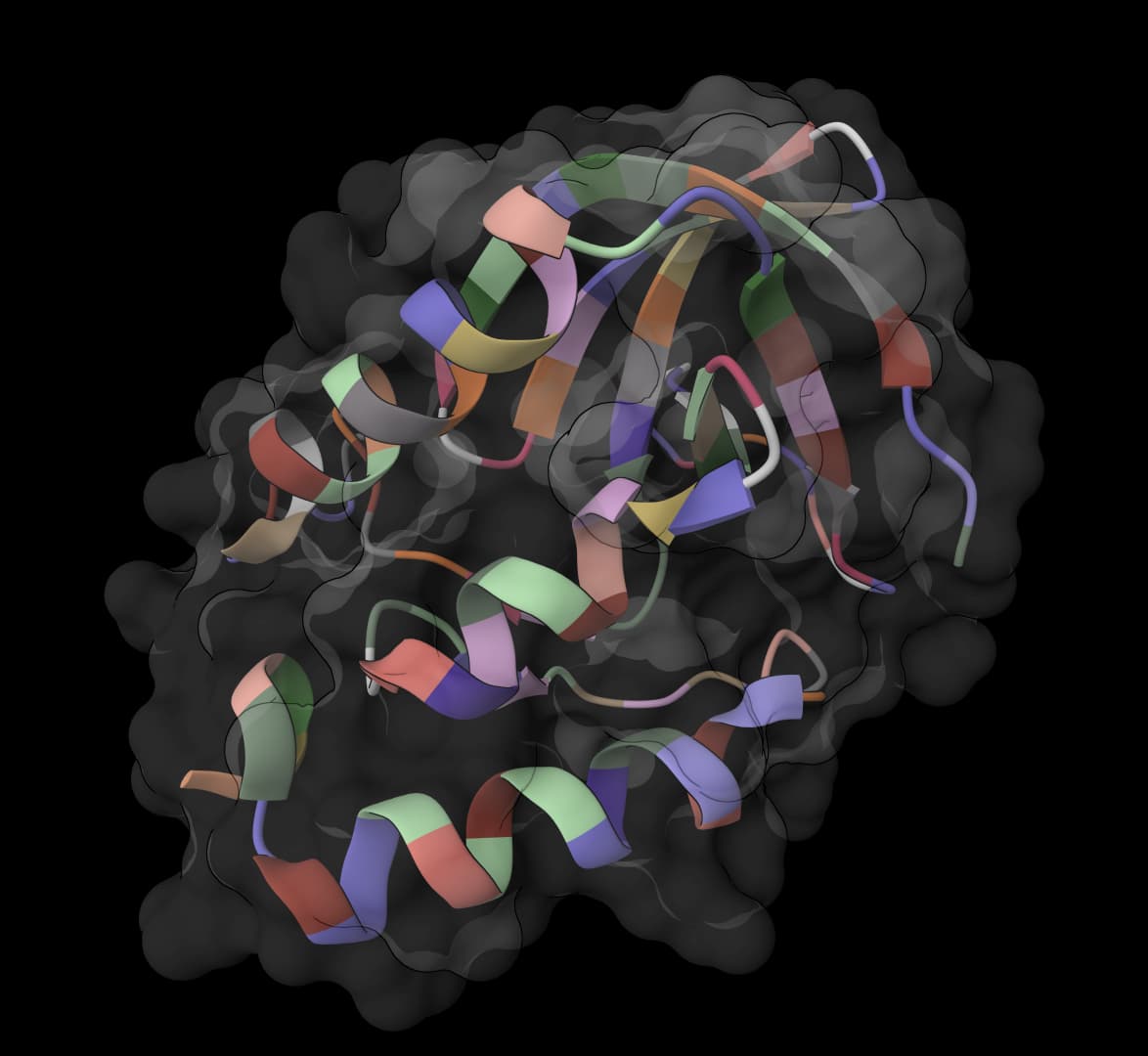
ThermoMPNN
Predict mutation ΔΔG values and identify stabilizing substitutions for protein engineering.
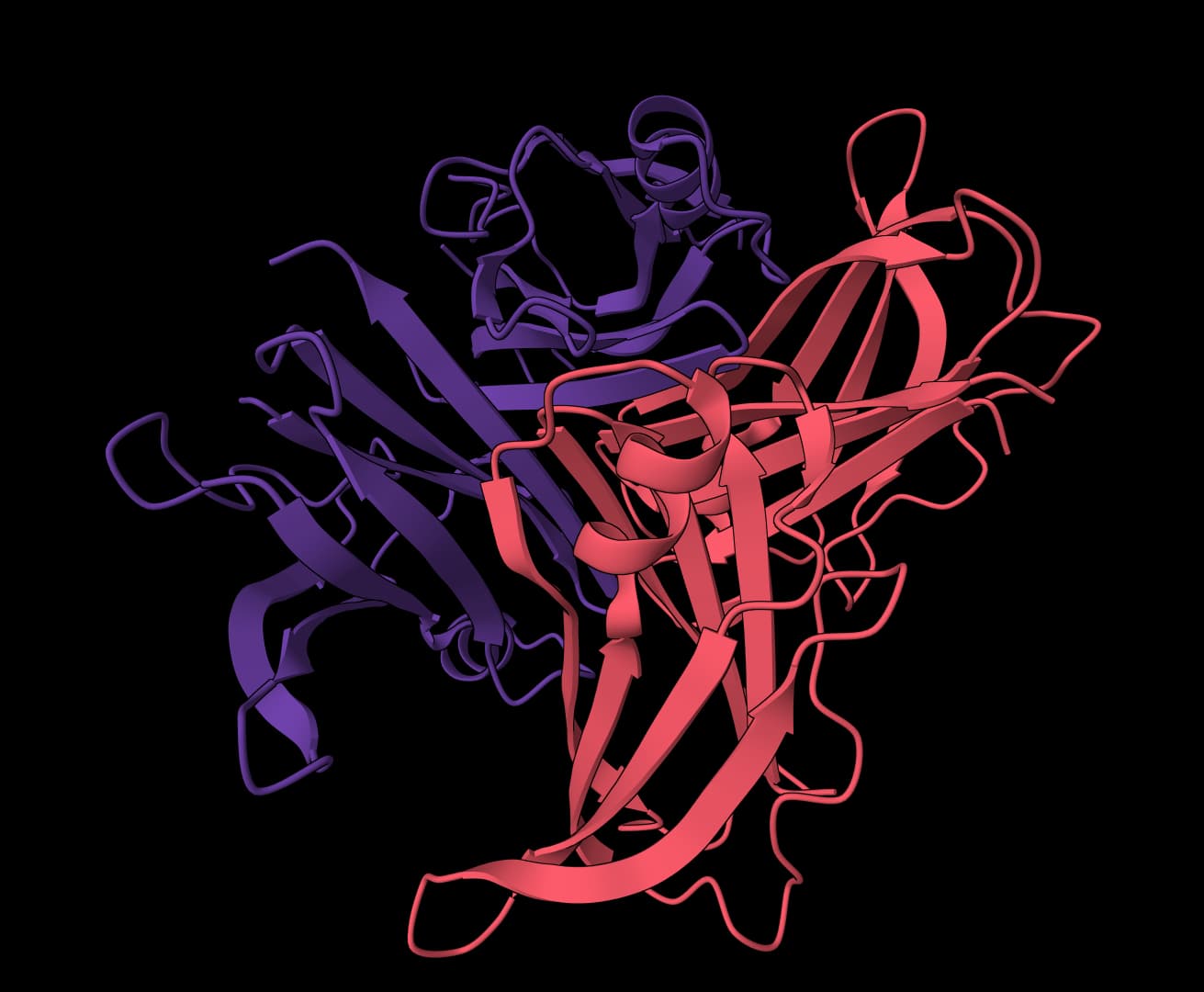
Aggrescan3D
Analyze aggregation-prone regions in a protein structure.
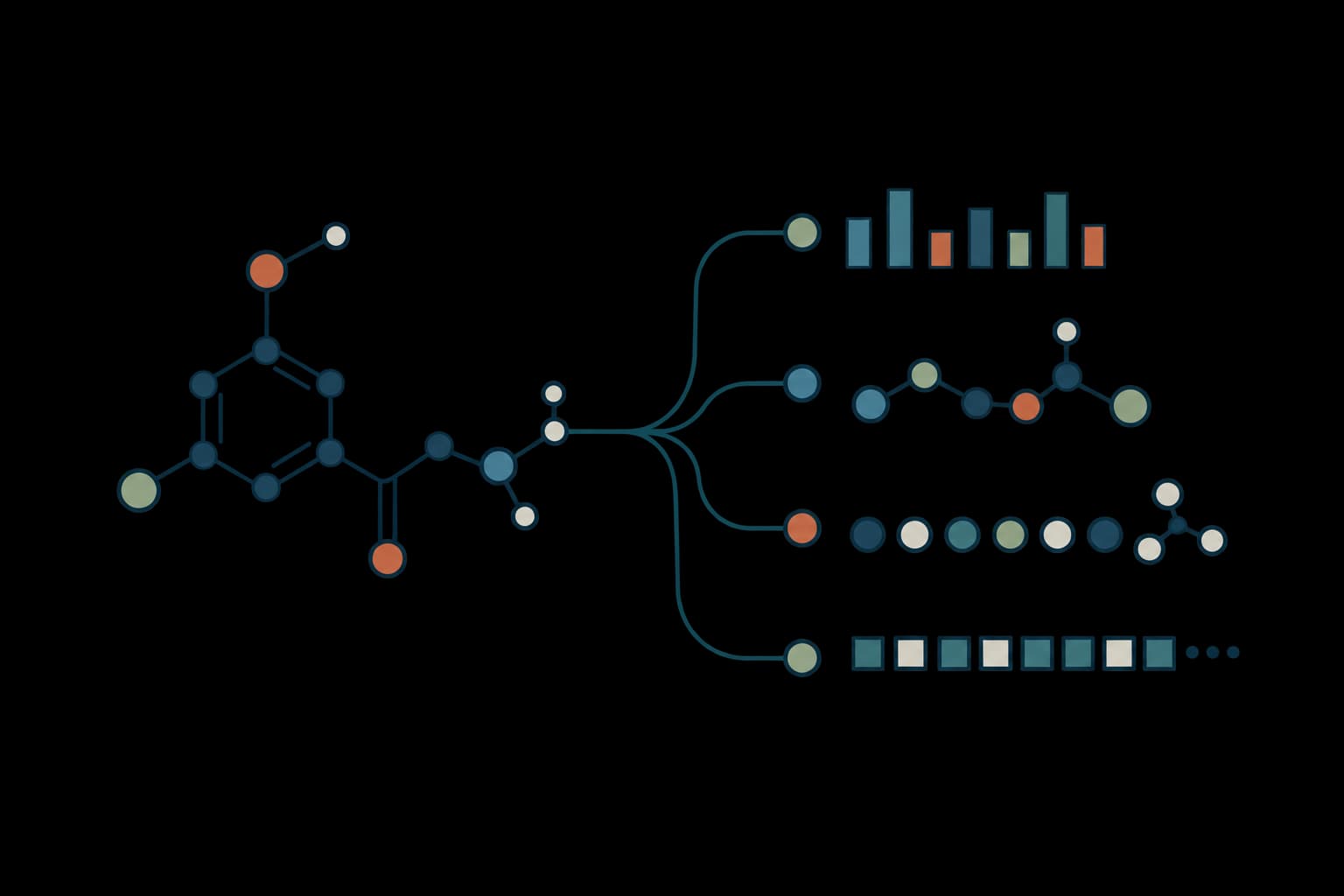
Molecular descriptors
Calculate RDKit physicochemical descriptors, drug-likeness scores, rule violations, and structural fingerprints from SMILES.