Bidirectional translation between protein sequences and 3Di structural tokens Learn more
Input
What is ProstT5?
ProstT5 is a bilingual protein language model that translates between amino acid sequences and 3Di structural tokens, the compact structural alphabet used by FoldSeek. It can predict a 3Di string from sequence, generate an amino acid sequence from 3Di tokens, or extract encoder embeddings.
The model is based on ProtT5-XL-U50 and was fine-tuned on structures from the AlphaFold Database. A predicted 3Di string is a structural representation, not an atomic model. Use AlphaFold2 when you need coordinates and confidence scores.
How to use ProstT5 online
ProteinIQ runs the published ProstT5 0.0.1 programs for translation and embedding extraction. Submit one raw sequence or a multi-record FASTA file, choose the task, and run the job. You can also fetch an amino acid sequence through the RCSB input action.
Inputs
| Input | Accepted format | Notes |
|---|---|---|
| Amino acid sequence | FASTA or raw sequence | Use uppercase one-letter codes. Gaps and whitespace are removed. Translation converts U, Z, O, and B to X; embedding extraction follows ProstT5's own preprocessing. |
| 3Di tokens | FASTA or raw sequence | Select 3Di to Sequence, or choose 3Di structural tokens for embeddings. Uppercase and lowercase tokens are accepted and normalized by ProstT5. |
| RCSB sequence | RCSB fetcher | Fetches amino acid FASTA input. It is suitable for Sequence to 3Di and amino acid embeddings. |
A job can contain up to 100 sequences, 1,000 residues per sequence, and 4,000 residues in total. These are ProteinIQ execution limits for the T4 runtime. Complete FASTA headers are preserved. Translation output identifiers use ProstT5's 0_ prefix and are returned longest-first, matching the published program. For embeddings, ProstT5 replaces / and . with _ in HDF5 dataset names.
Settings
| Setting | Default | Description |
|---|---|---|
Translation mode | Sequence to 3Di | Predict 3Di tokens, perform inverse translation, or extract embeddings. |
Embedding input alphabet | Amino acid sequence | Embeddings mode only. Explicitly selects amino acid or 3Di input, including uppercase 3Di strings. |
Use half precision (FP16) | Enabled | Uses FP16 for faster GPU inference. Disable it to run in FP32. |
Mean-pool embeddings per protein | Disabled | Embeddings mode only. Averages residue embeddings into one 1024-value vector per sequence. |
Results
| Mode | Main result | Other files | Interpretation |
|---|---|---|---|
Sequence to 3Di | generated_sequences.fasta | gen_config.json, prepared FASTA, and execution log | Lowercase 3Di predictions for downstream structural-token analysis. |
3Di to Sequence | generated_sequences.fasta | gen_config.json, prepared FASTA, and execution log | Amino acid sequences generated from the submitted 3Di pattern. |
Extract embeddings | embedding_summary.txt | prostt5_embeddings.h5, prepared FASTA, and execution log | Per-residue or mean-pooled encoder representations. |
The generated FASTA and HDF5 files are the files written by ProstT5 itself. FP16 embedding jobs retain native float16 HDF5 values; FP32 jobs retain float32 values. ProteinIQ reports each dataset's exact shape and dtype without converting the array.
Translation uses ProstT5's published sampling parameters and fixed random seed of 42. The program writes the active generation settings to gen_config.json. Rare length mismatches follow ProstT5 0.0.1 behavior: overlong results are truncated, while shorter results are returned as generated rather than padded with invented residues.
How ProstT5 works
ProstT5 treats amino acid sequences and 3Di strings as two related languages. Directional prefixes tell the model which representation to produce:
<AA2fold>maps amino acids to 3Di and is also used for amino acid embeddings.<fold2AA>maps 3Di to amino acids and is also used for 3Di embeddings.
For translation, mode-specific forbidden-token constraints keep amino acid symbols out of 3Di predictions and 3Di-only symbols out of amino acid predictions. For embeddings, the encoder returns a 1024-value representation for each residue; optional mean pooling returns one vector per sequence.
3Di structural tokens
3Di converts a protein backbone environment into a sequence over 20 token states. This makes structural similarity searchable with fast sequence-alignment machinery. The representation is intentionally compact and does not preserve full coordinates, side-chain geometry, ligand contacts, or alternate conformations.
When to use ProstT5 vs alternatives
| Task | Better choice | Why |
|---|---|---|
| Predict structural tokens from sequence | ProstT5 | Produces 3Di directly without first generating a coordinate model. |
| Search structural homologs | FoldSeek | Foldseek performs the database search; ProstT5 can supply predicted 3Di when only sequence is available. |
| Predict atomic coordinates | AlphaFold2 | Returns a 3D model and confidence scores. |
| Generate sequence embeddings | ProstT5 or ESM-2 | ProstT5 incorporates 3Di-aware training; ESM-2 is a strong sequence-only baseline. |
| Inverse fold from a full backbone | ESM-IF1 | Conditions on backbone coordinates rather than compressed 3Di tokens. |
Practical limitations
- 3Di is compressed structure: It does not encode atomic coordinates, side-chain packing, cofactors, or protein-ligand interactions.
- No confidence score: ProstT5 does not return pLDDT-style confidence. Validate generated sequences or tokens downstream.
- Single-chain focus: Multimer interfaces and ligand-bound conformations are outside the direct modeling target.
- Long-sequence extrapolation: The published program notes that sequences beyond 512 residues are outside its training length. ProteinIQ accepts up to 1,000 residues but results for long proteins need extra scrutiny.
- Approximate inverse translation: A 3Di string does not contain every constraint needed for atomically precise protein design.
Related tools
AbLang-2
Antibody-specific language model for predicting non-germline residues (NGL) in antibody sequences. AbLang-2 addresses germline bias in existing antibody language models by focusing on somatic hypermutation patterns, enabling more accurate prediction of amino acid likelihoods and generation of context-aware embeddings for antibody sequences.
ESM-C
ESM-C generates protein sequence representations and optional forward-pass sequence logits using Biohub protein language models. It supports the 300M, 600M, and 6B model variants for embedding extraction from tokenizer-compatible protein sequences.
ESM-2
ESM-2 is a 650M parameter protein language model from Meta AI trained on 250M protein sequences. Generate rich sequence representations for downstream tasks like structure prediction, function annotation, and variant effect prediction.
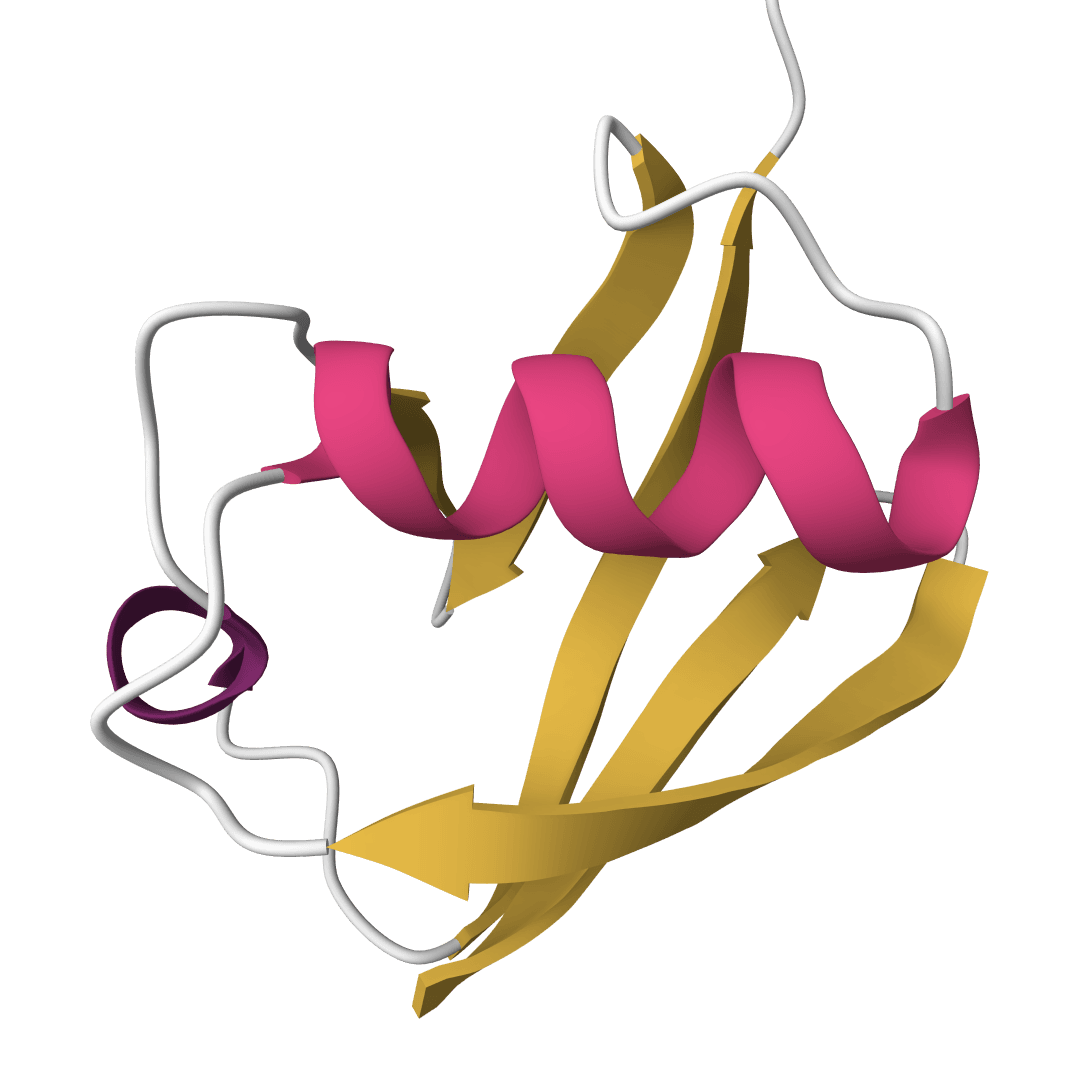
Chou-Fasman
Predict protein secondary structure using the classic Chou-Fasman algorithm based on amino acid propensities
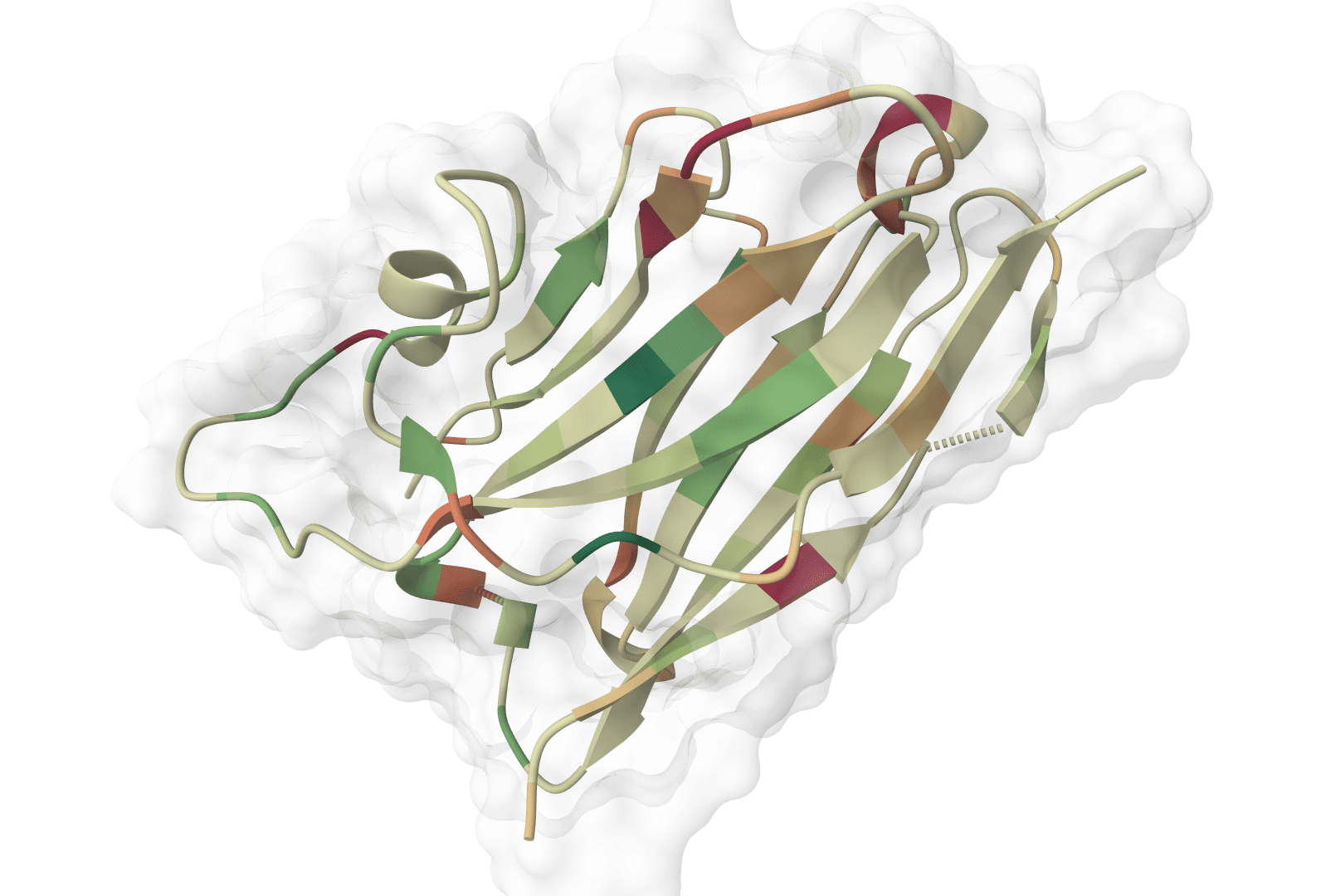
TNP
Profile nanobody developability with the Therapeutic Nanobody Profiler, including CDR geometry, surface hydrophobicity and charge, clinical-reference flags, and predicted structures.
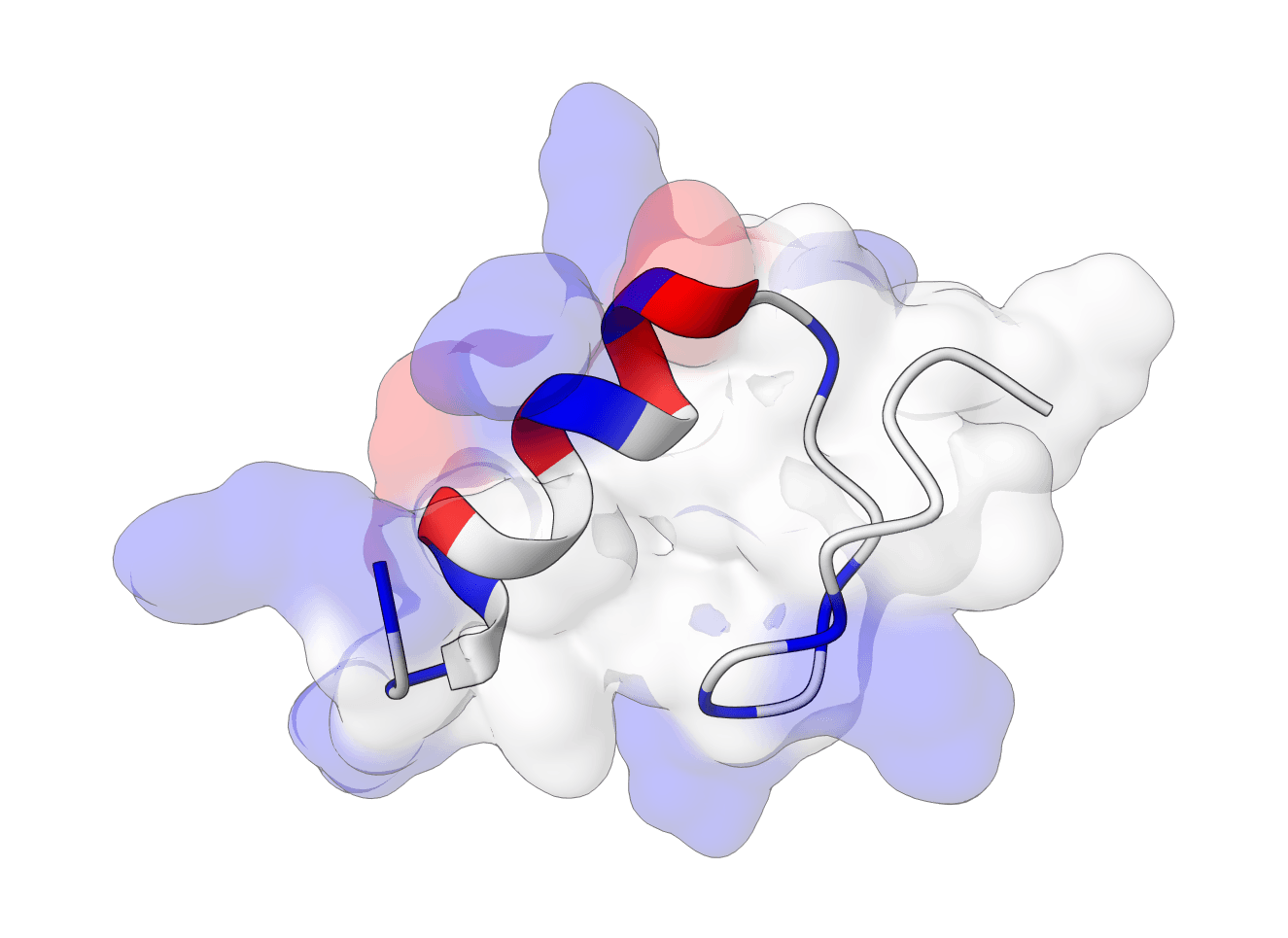
DR-BERT
DR-BERT is a compact protein language model that predicts intrinsically disordered regions (IDRs) in proteins. It outputs per-residue disorder probability scores (0–1) from amino acid sequences, enabling fast and accurate annotation of disordered regions without structural data.
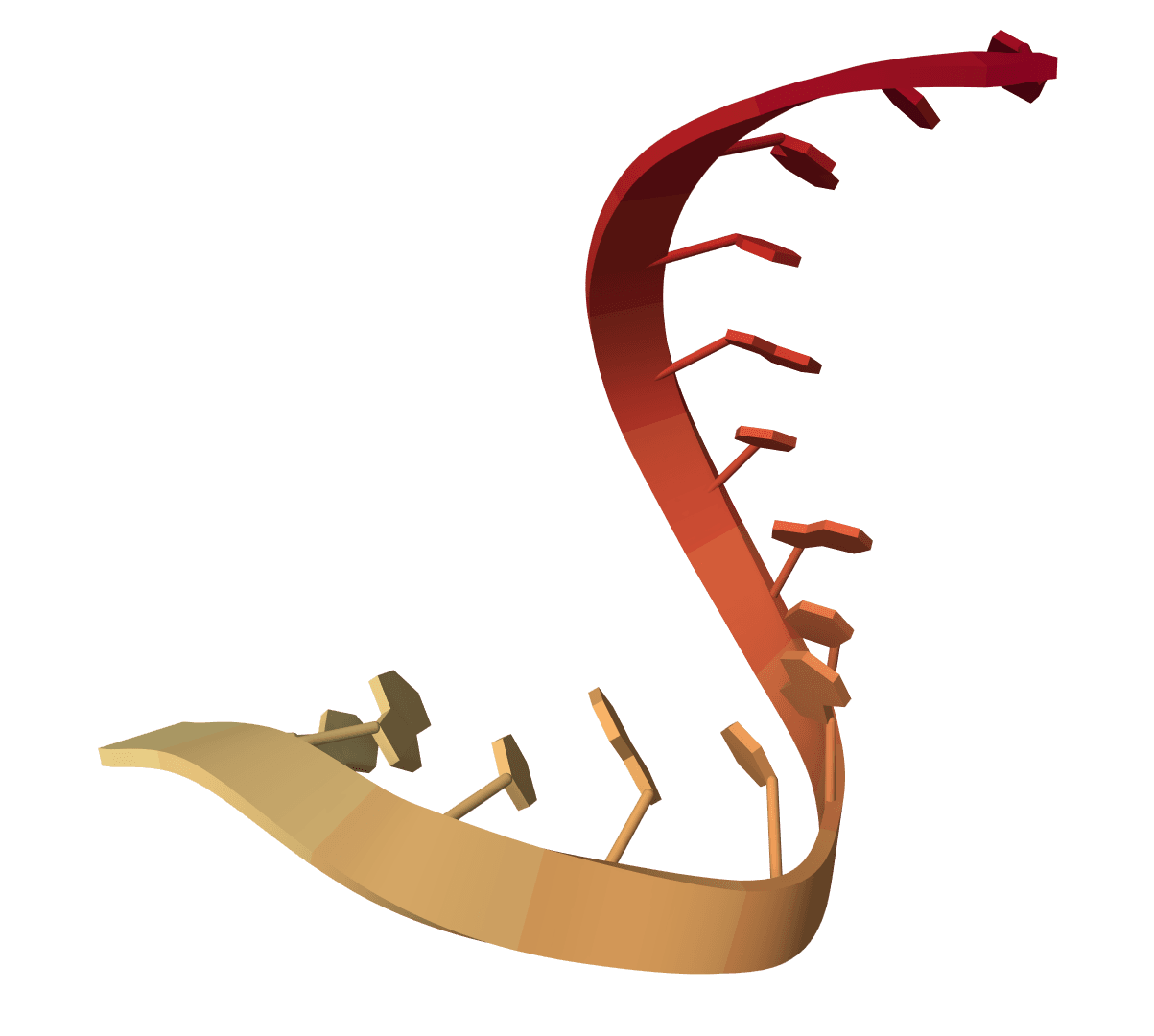
RNAcofold
RNAcofold predicts the joint secondary structure of two interacting RNA molecules and optionally reports partition-function and concentration-dependent equilibrium metrics.
RNAdos
RNAdos calculates density-of-states summaries for RNA sequences, reporting representative structures and state counts across energy bands.
RNAeval
RNAeval calculates the free energy of an RNA secondary structure for a given sequence. Evaluates if a proposed structure is thermodynamically favorable.
RNAfold
RNAfold predicts RNA secondary structure using minimum free energy (MFE) algorithms and optionally returns partition-function ensemble metrics when explicitly enabled.