Repair SDF, MOL, and MOL2 ligands for RDKit, Meeko, and docking preparation workflows. Learn more
Input
What is Ligand fixer?
Ligand fixer is meant for ligand files that already exist but fail during RDKit, Meeko, or docking preparation. If AutoDock Vina, DiffDock, or another RDKit-based workflow rejects an SDF, MOL, or MOL2 ligand, this tool applies safe cleanup steps and re-exports a repaired SDF.
It is not the general "start from SMILES" path. If you have a trusted SMILES string and want to generate a fresh structure file, use SMILES to SDF instead.
Ligand fixer is designed for common failure modes such as:
- invalid or inconsistent valence that breaks RDKit sanitization
- extra salt or counterion fragments that confuse docking prep
- missing explicit hydrogens
- 2D or missing coordinates
- multi-record
SDFuploads that need to be split into separate ligands
How to use Ligand fixer online
Upload one or more ligand structure files, or paste one ligand block into the text area. Supported structure formats are:
| Format | Extensions |
|---|---|
| SDF / MDL Molfile | .sdf, .sd, .mol |
| Tripos MOL2 | .mol2 |
You can submit up to 5,000 total ligand records per job. Multi-record SDF files are automatically processed as batches; get in touch with us for larger library cleanup runs.
Repair settings
| Setting | Description |
|---|---|
Sanitize and normalize | Runs RDKit cleanup and sanitization, plus targeted safe chemistry repairs where supported. |
Keep largest fragment | Removes salts and counterions by keeping only the largest fragment. |
Add hydrogens | Adds explicit hydrogens before export. |
Generate 3D coordinates | Generates a 3D conformer when the ligand has no usable 3D coordinates. |
Run docking preflight | Reports whether the repaired ligand appears ready for RDKit-based docking preparation. |
Merge outputs into one SDF | Returns one combined fixed_batch.sdf instead of separate repaired files. |
What Ligand fixer currently repairs
The tool is intentionally conservative. It focuses on repairs that are high-confidence enough to automate without silently inventing chemistry.
Current repair and normalization behavior includes:
- preserving uploaded ligand files and splitting multi-record
SDFinput into separate entries - fragment cleanup by keeping the largest fragment
- adding explicit hydrogens
- generating 3D coordinates when needed
- targeted charge repair for common RDKit failure cases such as neutral tetravalent nitrogen that should be represented as
N+
When a ligand still cannot be sanitized safely, the tool does not force a guess. That entry fails, and the JSON report explains which ligand failed and why.
Output files
By default, each successful ligand is returned as its own repaired file with _fixed added to the original name, for example:
Ligand (3).sdf->Ligand (3)_fixed.sdfpose.mol2->pose_fixed.sdf
If Merge outputs into one SDF is enabled, the tool returns a single fixed_batch.sdf instead of individual repaired SDF files.
Every job also includes:
ligand_fixer_report.jsonwith per-entry success, failure, warnings, and preflight status
Limitations
- This tool does not accept SMILES as an input workflow. Use SMILES to SDF for that.
- Severe aromaticity or bond-order problems can still fail with errors such as
Can't kekulize mol. - Protonation-state selection, tautomer enumeration, and full medicinal-chemistry normalization are out of scope.
- The generated 3D conformer is a practical docking-prep geometry, not an exhaustive conformer search.
Related tools
Filter DNA
Clean and filter DNA sequences by removing or replacing non-standard nucleotide characters. Supports multiple filter modes including standard 4 bases, IUPAC ambiguity codes, and custom character sets.
FASTA splitter
Split FASTA files into record-based chunks by sequence count, target file count, maximum residues per file, or one file per sequence.
Filter protein
Clean and filter protein sequences by removing or replacing non-standard amino acid characters. Supports multiple filter modes including standard 20 amino acids, IUPAC codes, and custom character sets.
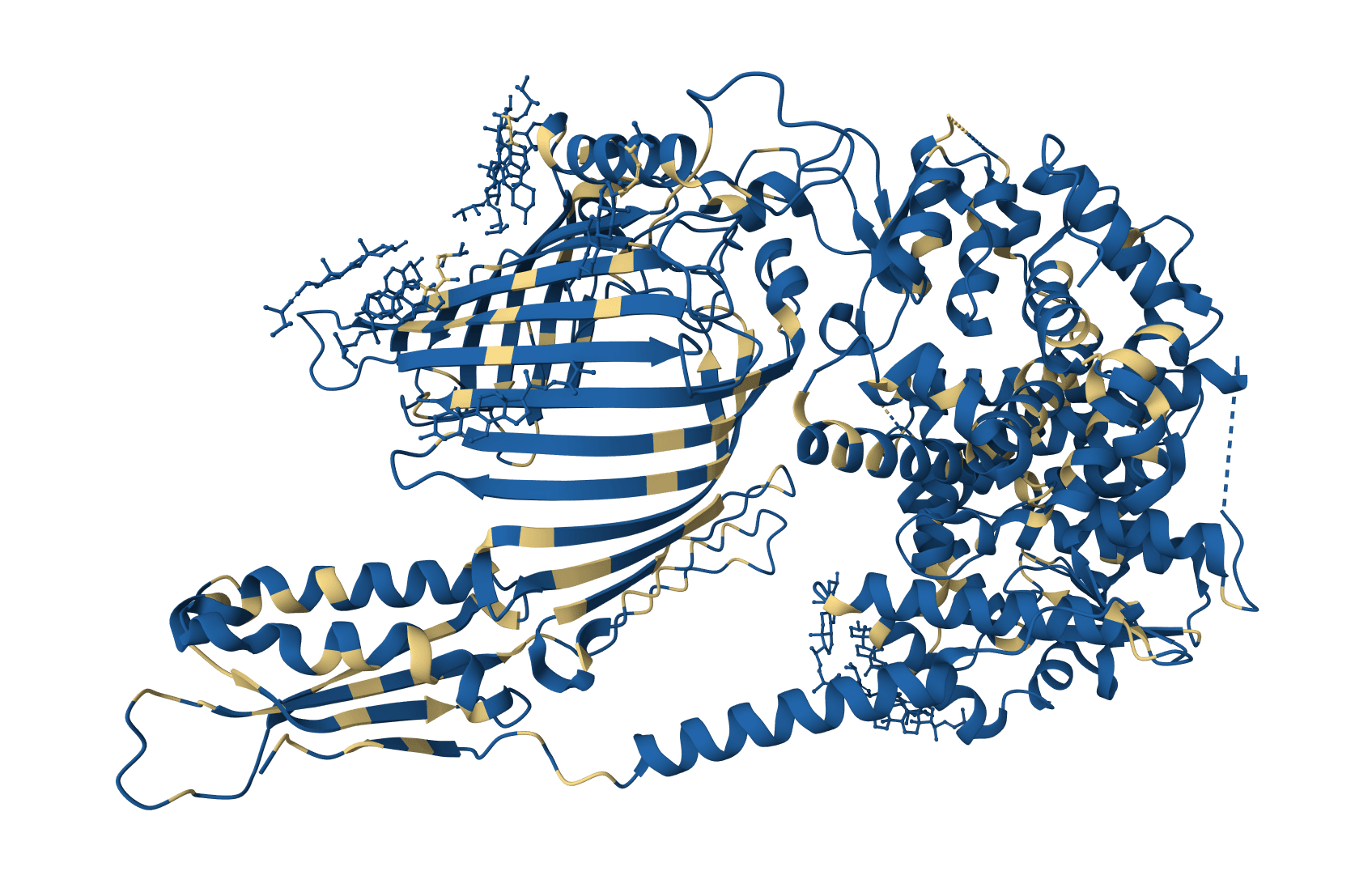
PDB2PQR
PDB2PQR prepares protein and nucleic-acid structures for electrostatics calculations by adding missing atoms, predicting protonation states using PROPKA, and assigning atomic charges and radii from standard or custom force fields.
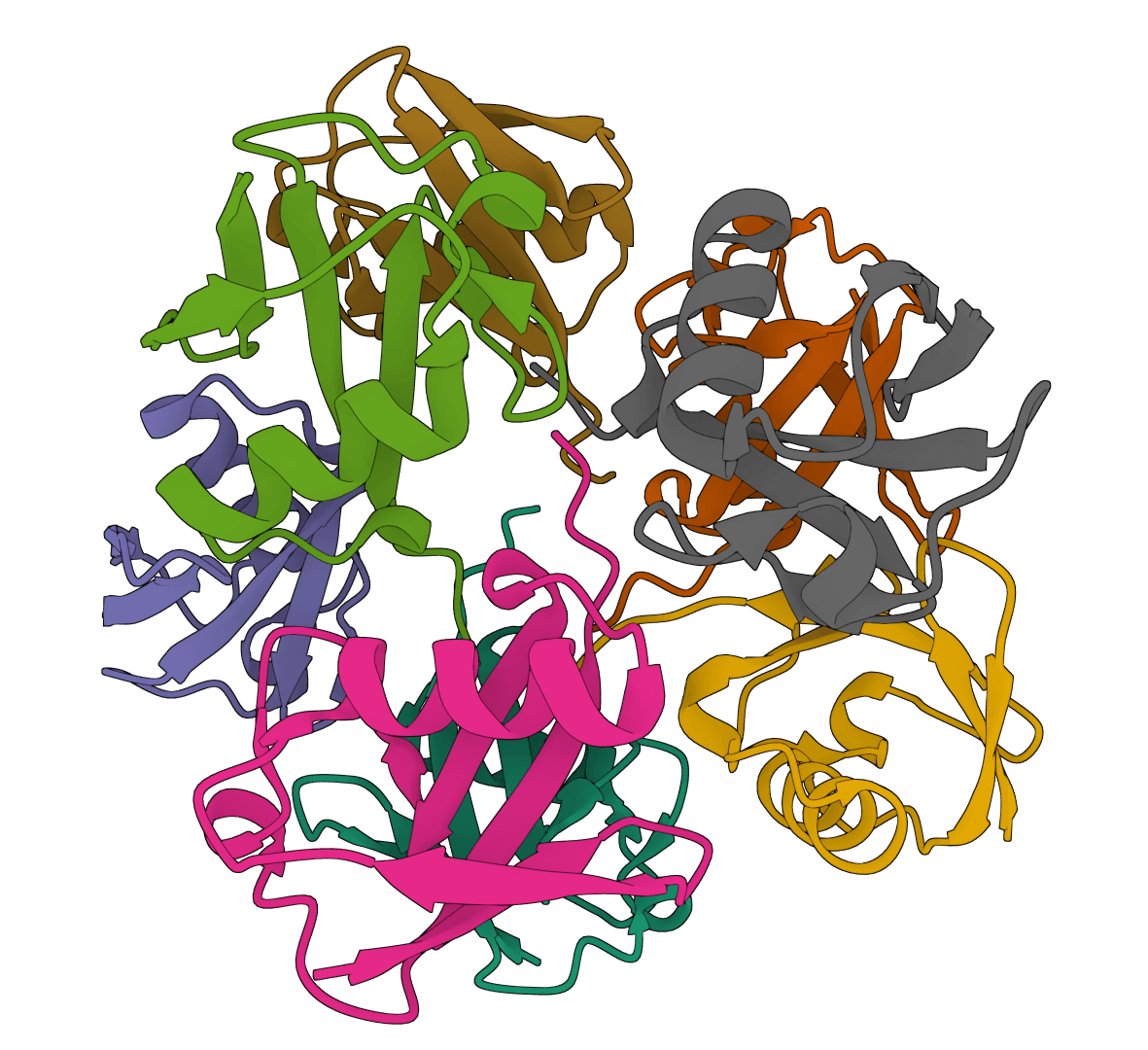
PoseBusters
PoseBusters validates generated or docked molecular poses with chemically and structurally grounded quality checks for molecular geometry, intermolecular interactions, and optional reference-pose agreement.
InChI to SMILES
Convert InChI strings into SMILES with batch support and downloadable outputs.
MOL to SMILES
Convert MDL MOL ligand files into canonical SMILES strings for registration, filtering, and downstream analysis.
MOL2 to SMILES
Convert MOL2 ligand files into SMILES strings for registration, filtering, and downstream analysis.
SDF to SMILES
Convert SDF ligand files, including multi-record batches, into SMILES strings.
SMILES to InChI
Convert SMILES strings into InChI strings with batch support and downloadable outputs.