Agriculture and crop science
Model crop proteins and dock agrochemicals
Predict crop protein structures, dock compounds against pest targets and build gene family trees.
Trusted by 16,500+ researchers and published in
Model a protein with no structure
Many crop and pest proteins have no experimental structure. Predict one from sequence, or fetch a predicted model and search for relatives.
Improve a crop enzyme
Scan substitutions for stability and keep those that more than one model agrees on, as a shortlist for site-directed mutagenesis.
Dock compounds to a target
Find the pocket, then rank candidate agrochemicals against a pest or weed enzyme. Docking scores order poses; they do not predict field performance.
Screen for toxicity flags
Remove compounds that carry known problem substructures, compare against known actives and look at predicted toxicity. These are alerts, not a safety assessment.
Find homologs and build trees
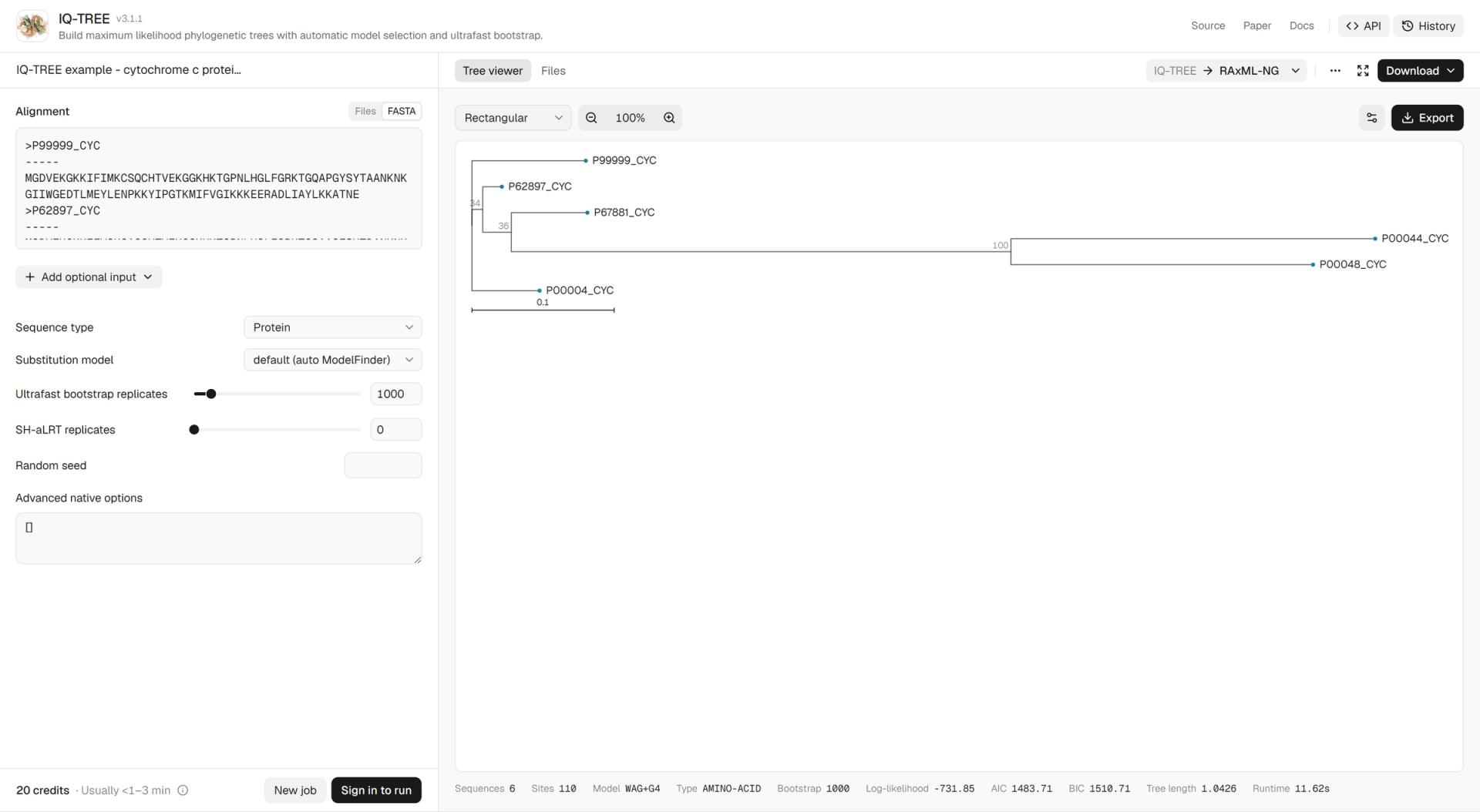
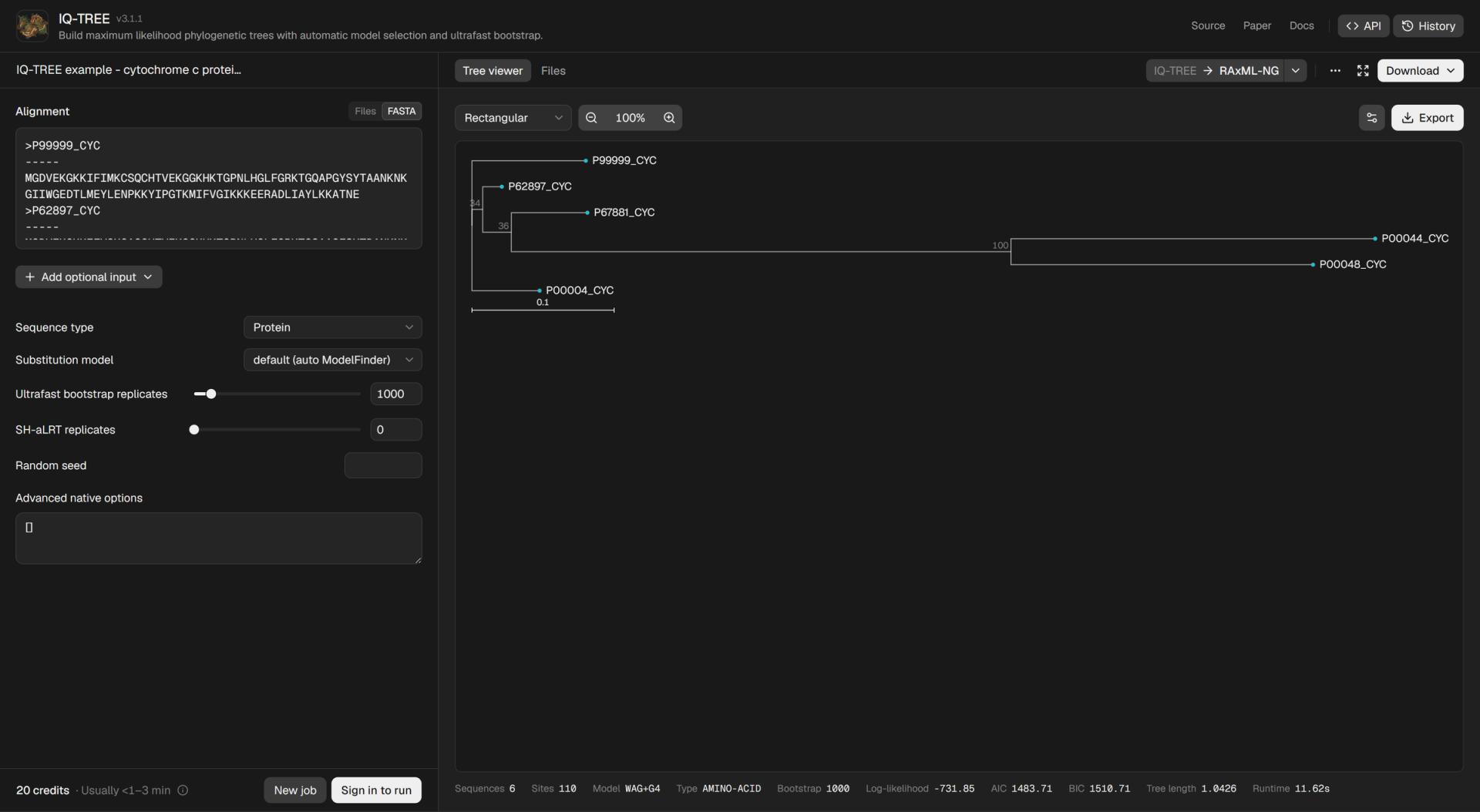
Search for homologs, align the gene family, and build a tree to see how orthologs group across species.
Design the assay
Design primers around the region you picked and check each oligo before it is ordered.


Related use cases and research areas
Molecular docking
Dock ligands or proteins and check the poses.
Maximum likelihood phylogenetics
Build and read a likelihood tree with model selection and bootstrap support.
Sequence alignment
Align sequences before building trees or designing primers.
Protein structure prediction
Predict structures from sequence and judge the confidence scores.
Small molecule
The research-area workflow for docking, screening and toxicity triage.
Protein engineering
The research-area workflow for stability, design and variant ranking.
Background for trees, docking and structure
Background guides on the methods, scores, and numbers behind these workflows.
Genetics · 18 min
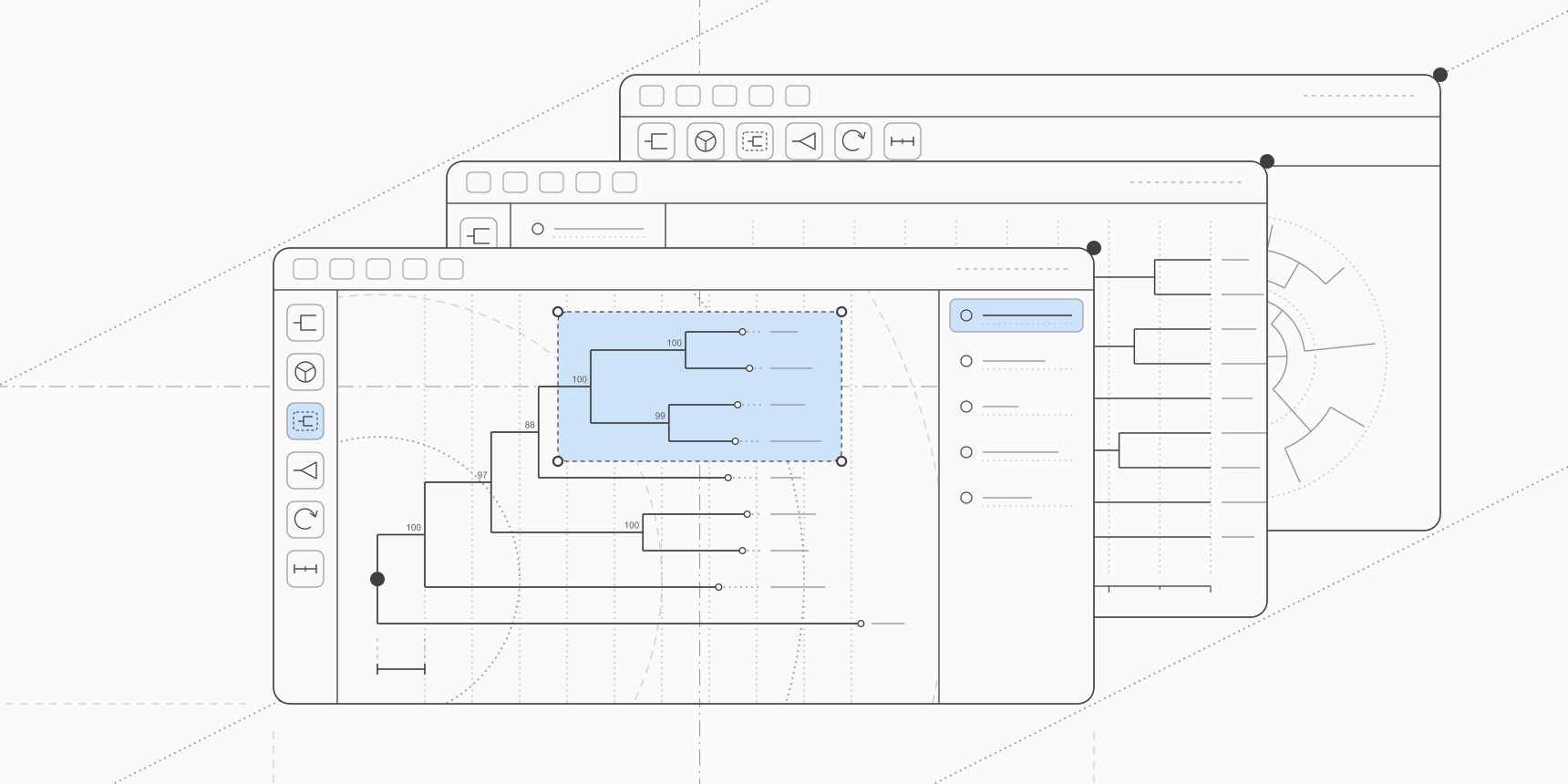
The best phylogenetic tree software in 2026
The best phylogenetic tree programs are free and open source: IQ-TREE, RAxML-NG and FastTree for maximum likelihood, MrBayes and BEAST X for Bayesian trees, and MEGA for a point-and-click desktop. We compare them on benchmarks, licenses and what each needs from you, show the same primate tree built three ways, and cover the viewers and the one paid suite worth considering.
Docking · 14 min
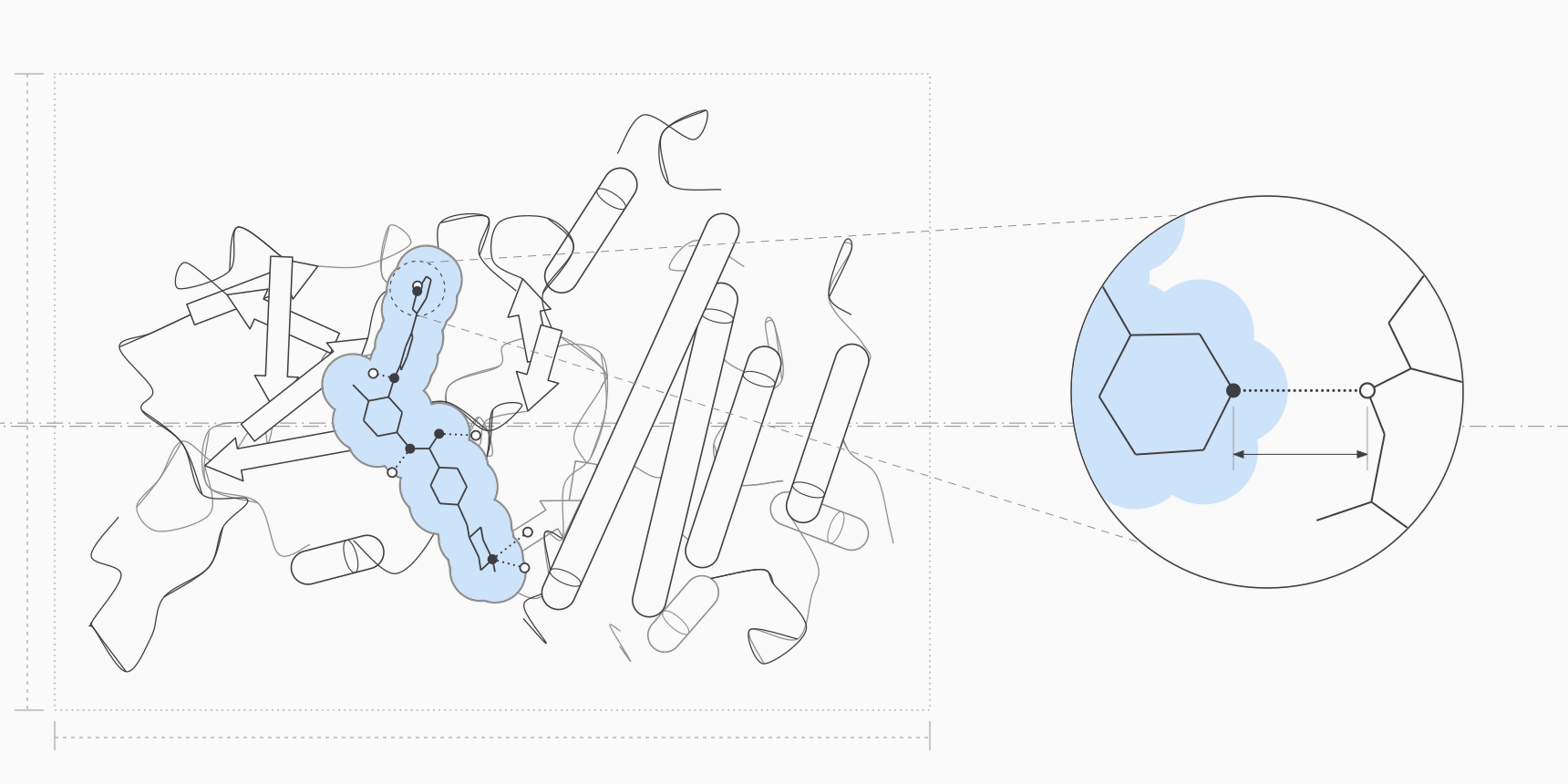
What is a Vina score, and what counts as good
The AutoDock Vina score is a docking score in kcal/mol, not a measured binding energy. Learn what the output columns mean, why there is no universal good score, and how far Vina tracks experimental affinity.
Structures · 17 min
What is pLDDT, and what counts as a good score
pLDDT is the per-residue confidence score that AlphaFold, ESMFold and Boltz attach to predicted structures. Learn what the 90, 70 and 50 cutoffs mean and why neither a high nor a low score settles whether a region is real.
FAQs
Yes, if you have a structure or can predict one. ESMFold models a protein from sequence, and AutoDock Vina or GNINA dock into the pocket you choose. Docking ranks poses and compounds on one target. Selectivity, uptake and environmental behavior need other evidence.
No. Structural alert filters and eToxPred flag compounds that resemble known problem chemistry, which is useful for dropping candidates early. They do not replace the toxicology studies and regulatory data a product needs.
Yes. IQ-TREE reads an alignment, so align the homologous sequences first, for example with MAFFT, and trim poorly aligned regions if they dominate. The tree is only as good as the alignment it is built from.
AI answers from our docs. No sign-in needed.
Focus on research, not infrastructure
Start free with 200 credits a month and no installs. Upgrade when your project needs more compute.