Industrial biotech and biomanufacturing
Check enzymes before you order DNA
Check expression, solubility, stability and turnover from sequence and structure before you clone a variant.
Trusted by 16,500+ researchers and published in
Get a model to work from
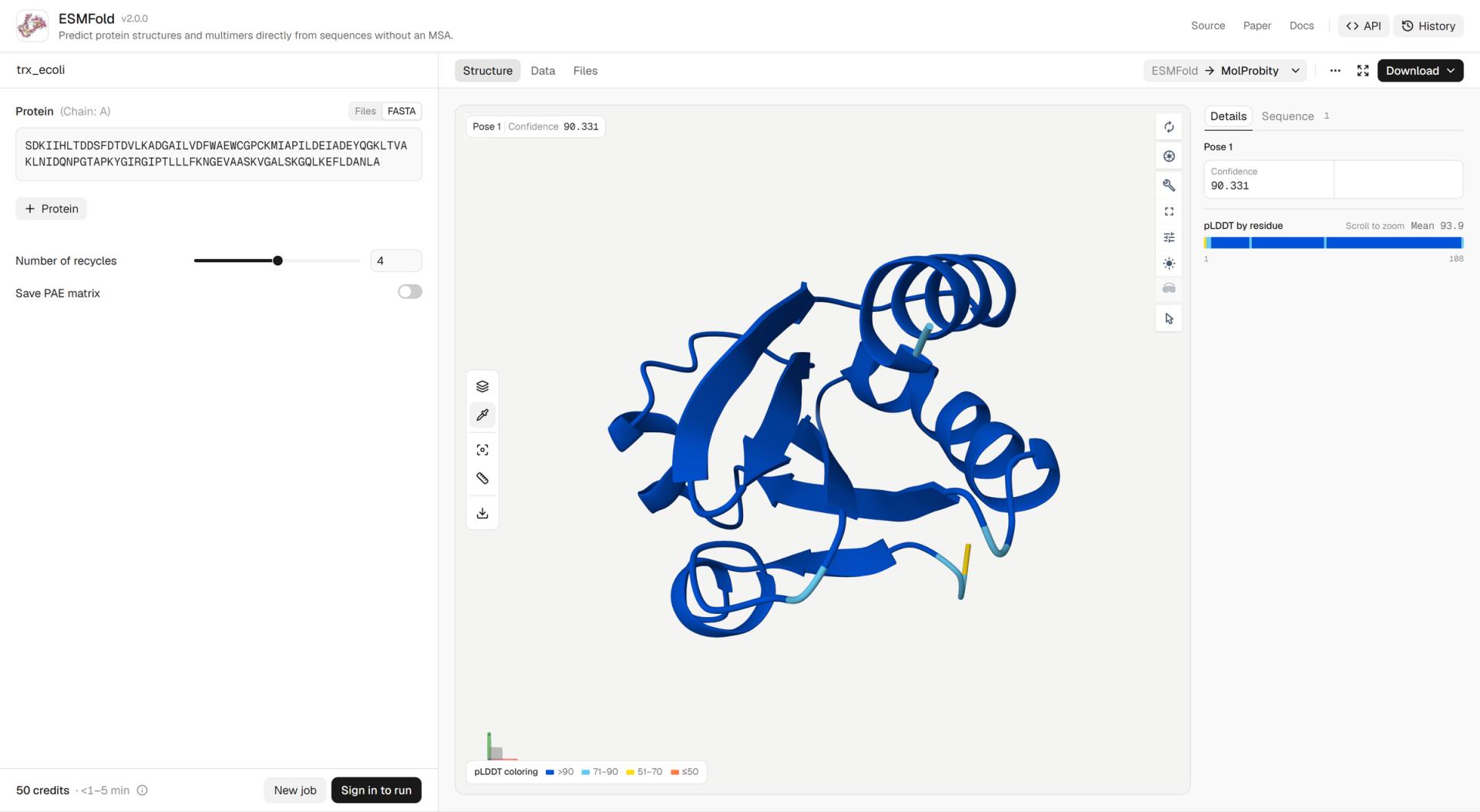
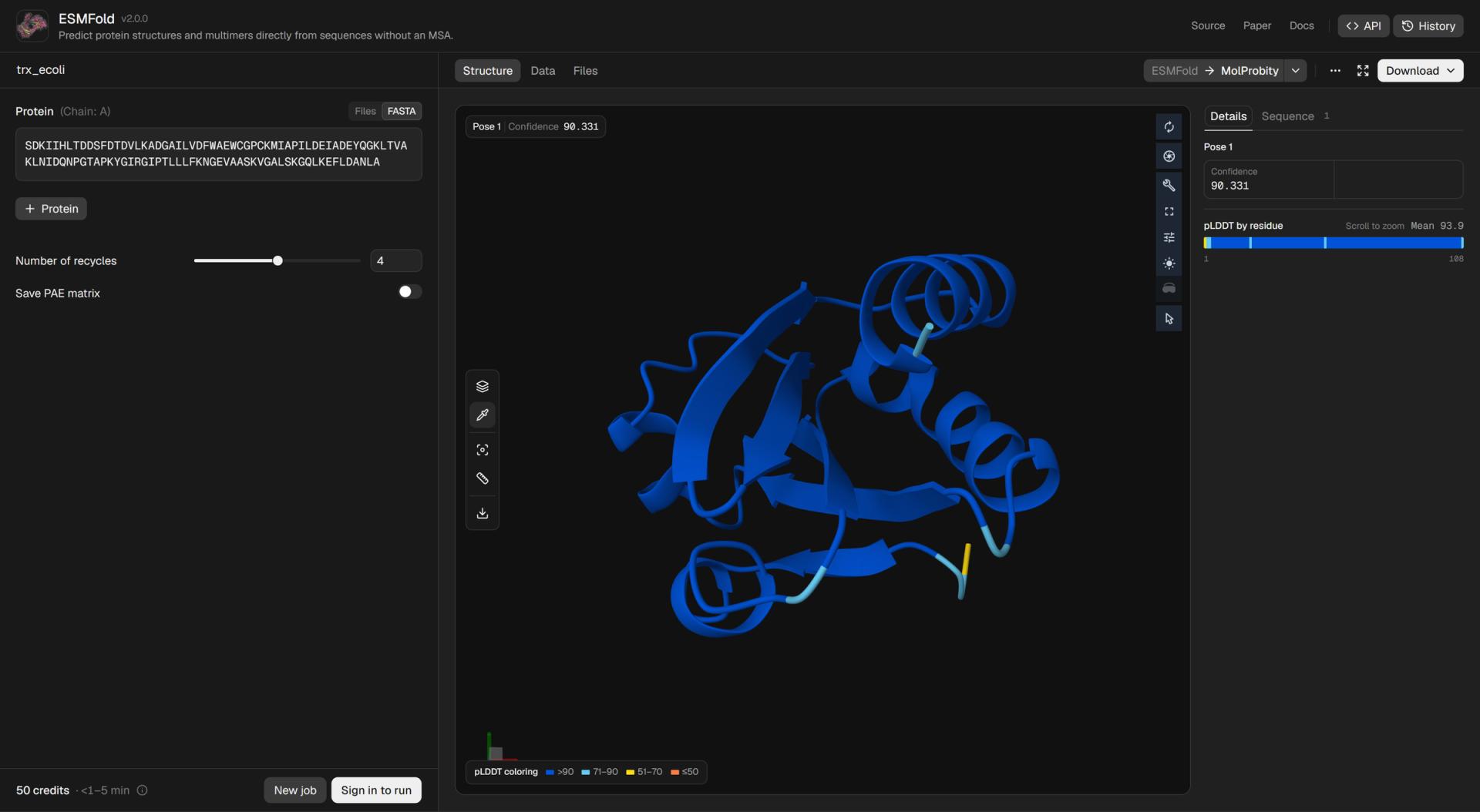
Stability tools need coordinates. Predict a structure from sequence with any of several models, or download an existing one, and read the confidence scores before you trust a region.
Make it express and stay soluble
Solubility and aggregation predictors flag sequences likely to fail in the host, and codon optimization adapts the gene without changing the protein.
Stabilize it
Scan every substitution and keep the ones more than one model calls stabilizing. StaB-ddG covers interface mutations in a complex.
Redesign weak regions
Redesign the sequence around a fixed backbone, hold catalytic residues in place, and choose a checkpoint for the problem: solubility, ligand context or heat.
Rank by predicted activity
Turnover is the hardest property to compute. Rank candidates so the first assays go to the most promising ones, and fit a model to your own measurements as they arrive.


Related use cases and research areas
Enzyme design
Build or redesign proteins around a reaction and an active site.
Protein sequence design
Generate sequences for a backbone and check that they refold.
Inverse folding
Go from a structure back to sequences that should fold into it.
Enzyme engineering
The research-area workflow for annotation, activity prediction and mutation design.
Protein engineering
The research-area workflow for stability, design and variant ranking.
Background for expression and activity work
Background guides on the methods, scores, and numbers behind these workflows.
Genetics · 20 min
Codon optimization: what it changes and when it helps
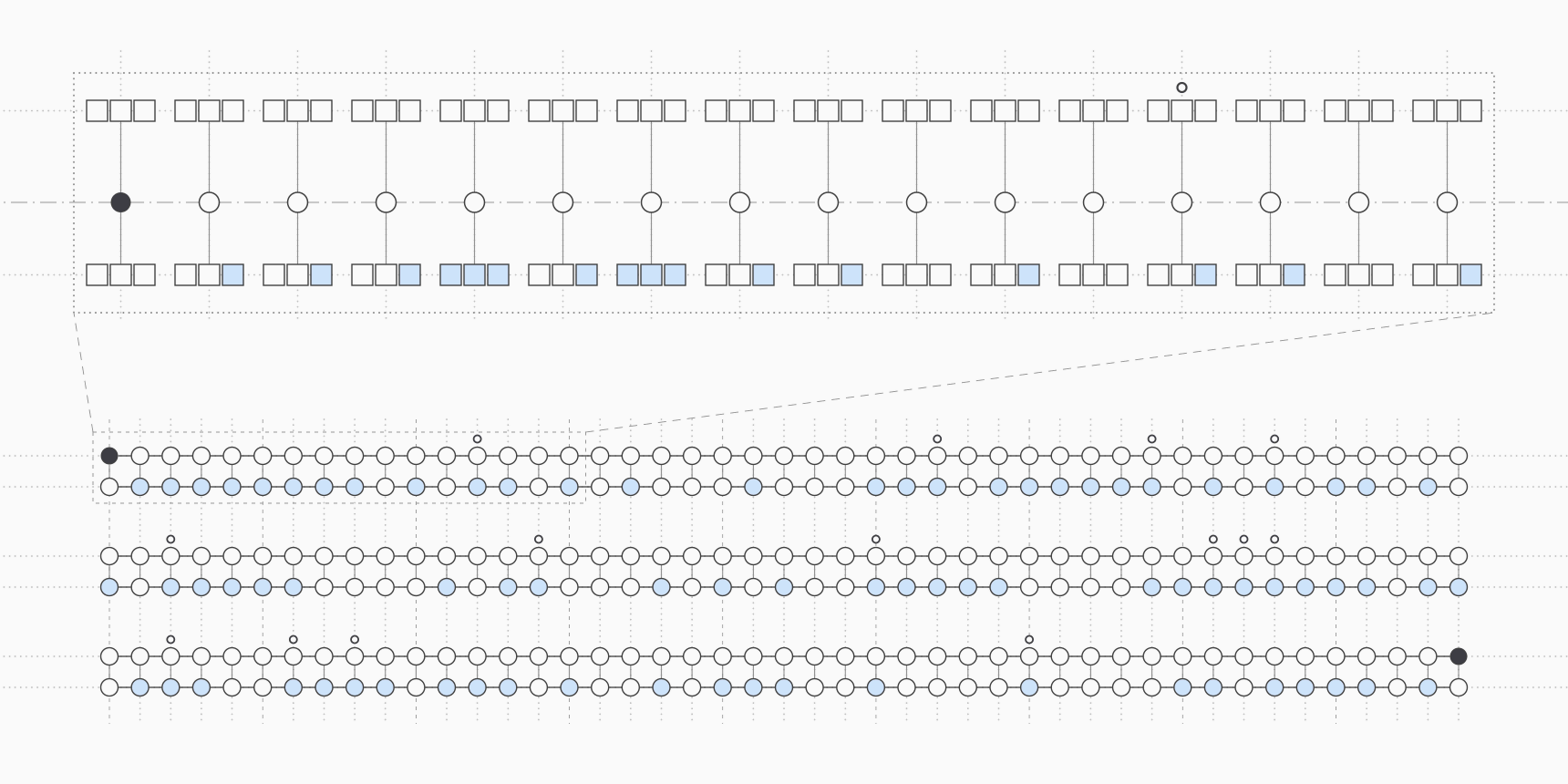
Codon optimization swaps synonymous codons so a gene matches its host, without changing the protein. It changes codon choice, GC content, restriction sites, repeats and mRNA folding near the start codon. It helps most when a gene comes from a distant species, and it can backfire when it tightens the start of the message or speeds up a protein that needs to fold slowly. A worked example rewrites human interleukin-2 for E. coli and scores it before and after.
Proteins · 17 min
Michaelis-Menten kinetics: Km, Vmax and kcat explained
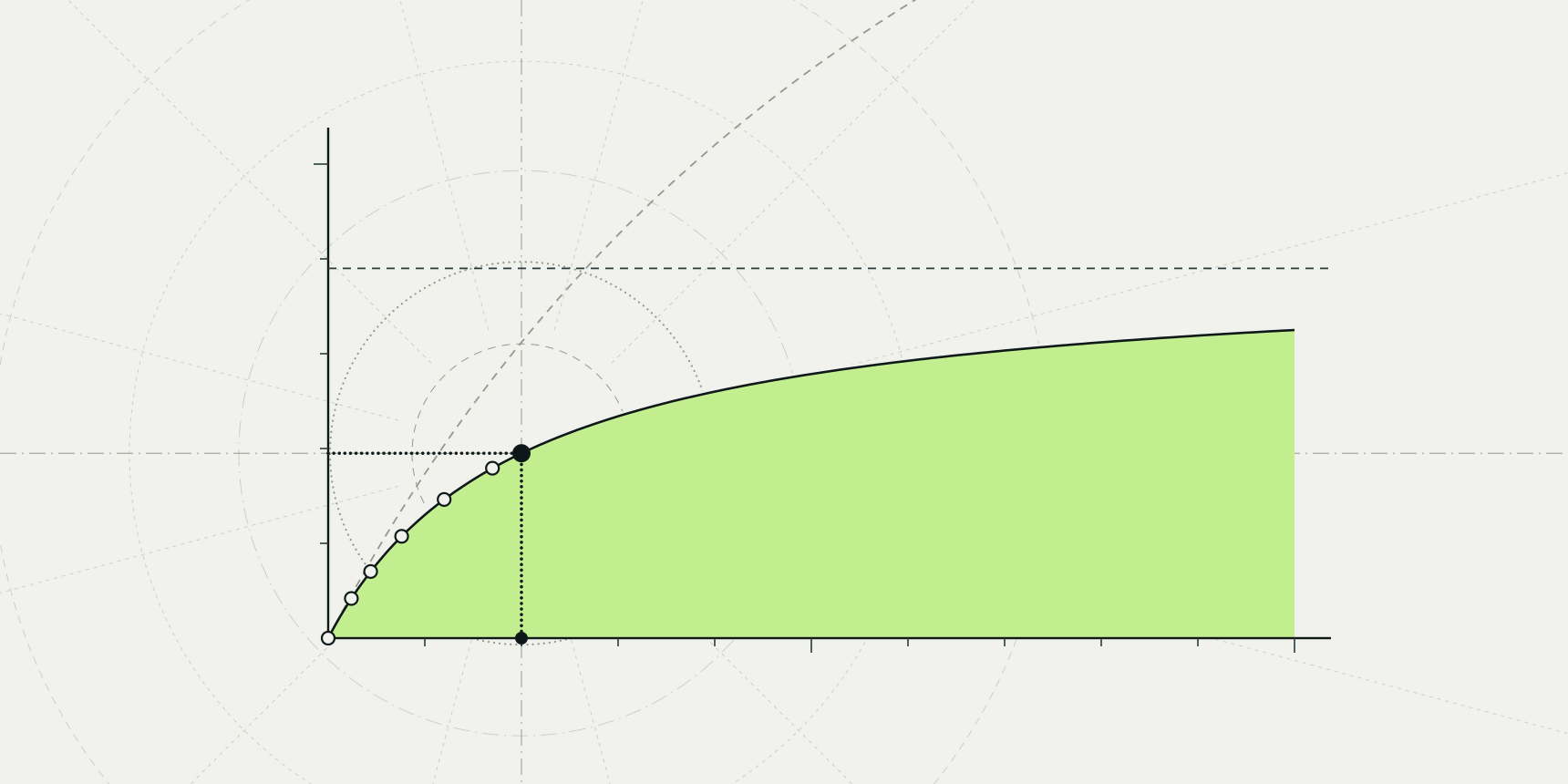
Km is the substrate concentration that gives half the maximum rate, Vmax is that maximum rate and kcat is Vmax per enzyme molecule. Learn what each number does and does not mean, why Km is not an affinity, why kcat/Km is the most reliable of the three, and how far predicted kcat and Km values from DLKcat and CatPred can be trusted.
Structures · 17 min
What is pLDDT, and what counts as a good score
pLDDT is the per-residue confidence score that AlphaFold, ESMFold and Boltz attach to predicted structures. Learn what the 90, 70 and 50 cutoffs mean and why neither a high nor a low score settles whether a region is real.
FAQs
Use it to rank, not to decide. ThermoMPNN and RaSP are trained on measured stability changes and agree on many mutations, but each has errors of its own. Mutations that both call stabilizing are the best first candidates to test, and the measured melting temperature still decides.
No. NetSolP and Protein-Sol predict solubility from sequence, which is one reason expression fails. Yield also depends on the host, the vector, the growth conditions and toxicity to the cell. A low score is a useful warning; a high score is not a guarantee.
Both predict turnover numbers from an enzyme sequence and a substrate. CatPred also predicts Km and Ki and reports uncertainty, which helps you judge how far to trust a value. Running both on the same candidates shows where the two models disagree.
AI answers from our docs. No sign-in needed.
Focus on research, not infrastructure
Start free with 200 credits a month and no installs. Upgrade when your project needs more compute.