Free
$0
The perfect starting place for your first project.
- All tools
- 200 credits, then 100/mo
- 3 jobs per day
- Up to 1,000 residues per job
- Academic license
An antibody engineering platform to design antibodies and nanobodies, model their structures, and review humanness and developability before synthesis.
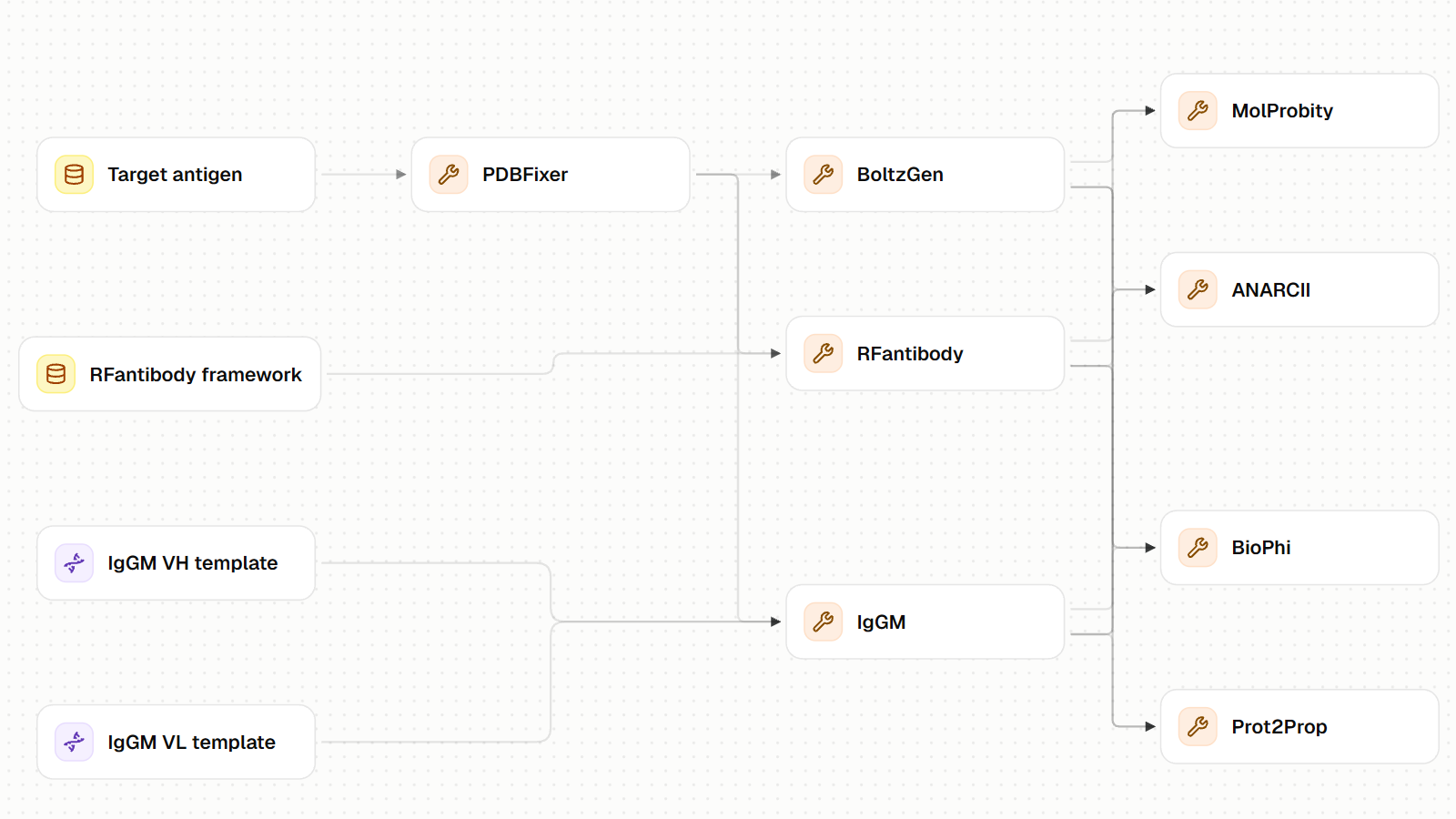
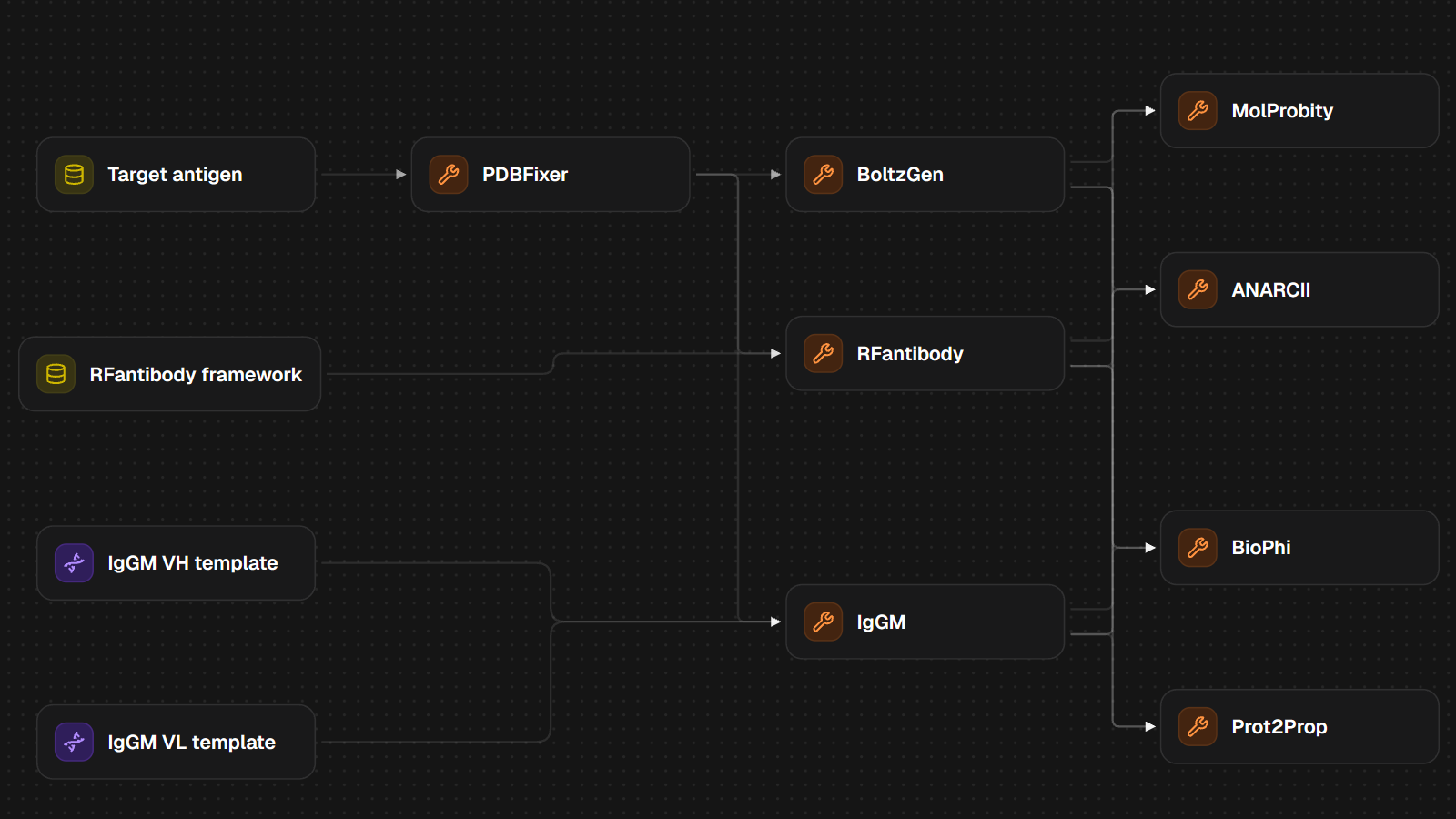
Repair the antigen structure, identify likely epitope regions, and review protonation before design.
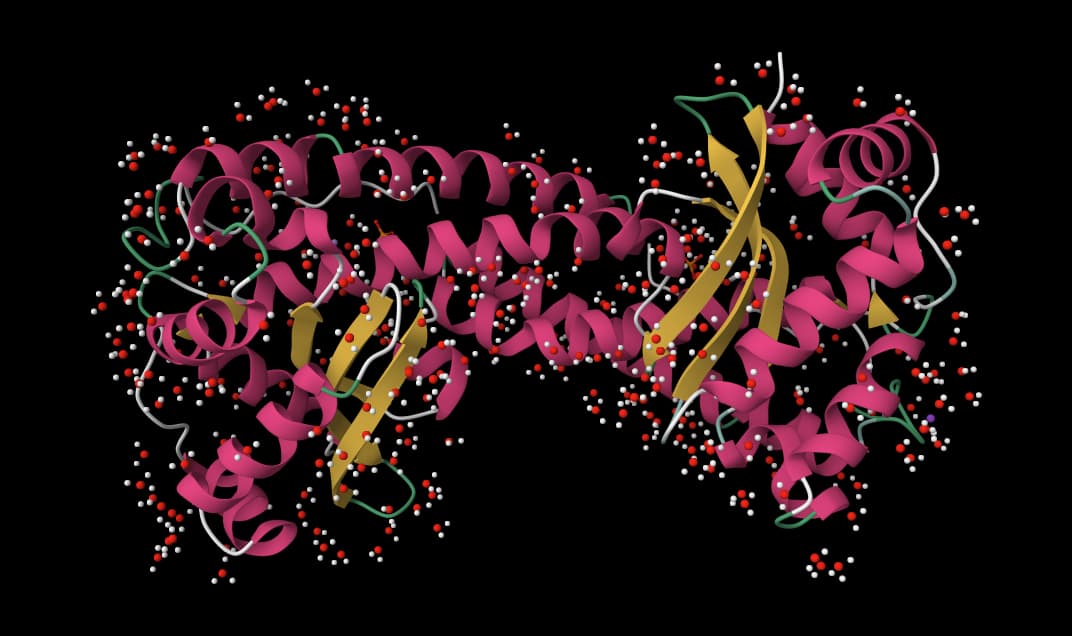
Fix PDB and mmCIF structures by adding missing atoms, residues, hydrogens, and solvent.
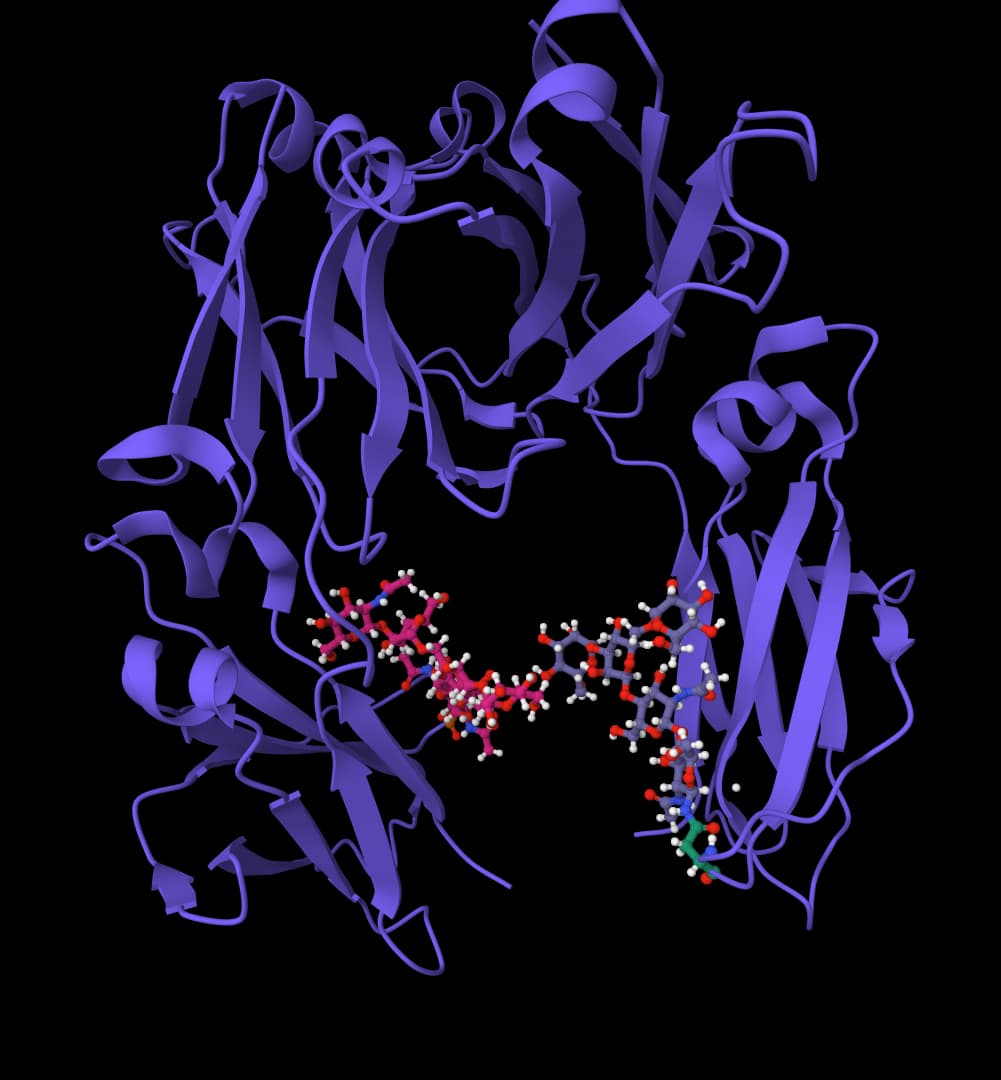
Predict protein binding sites using geometric deep learning on 3D structures.
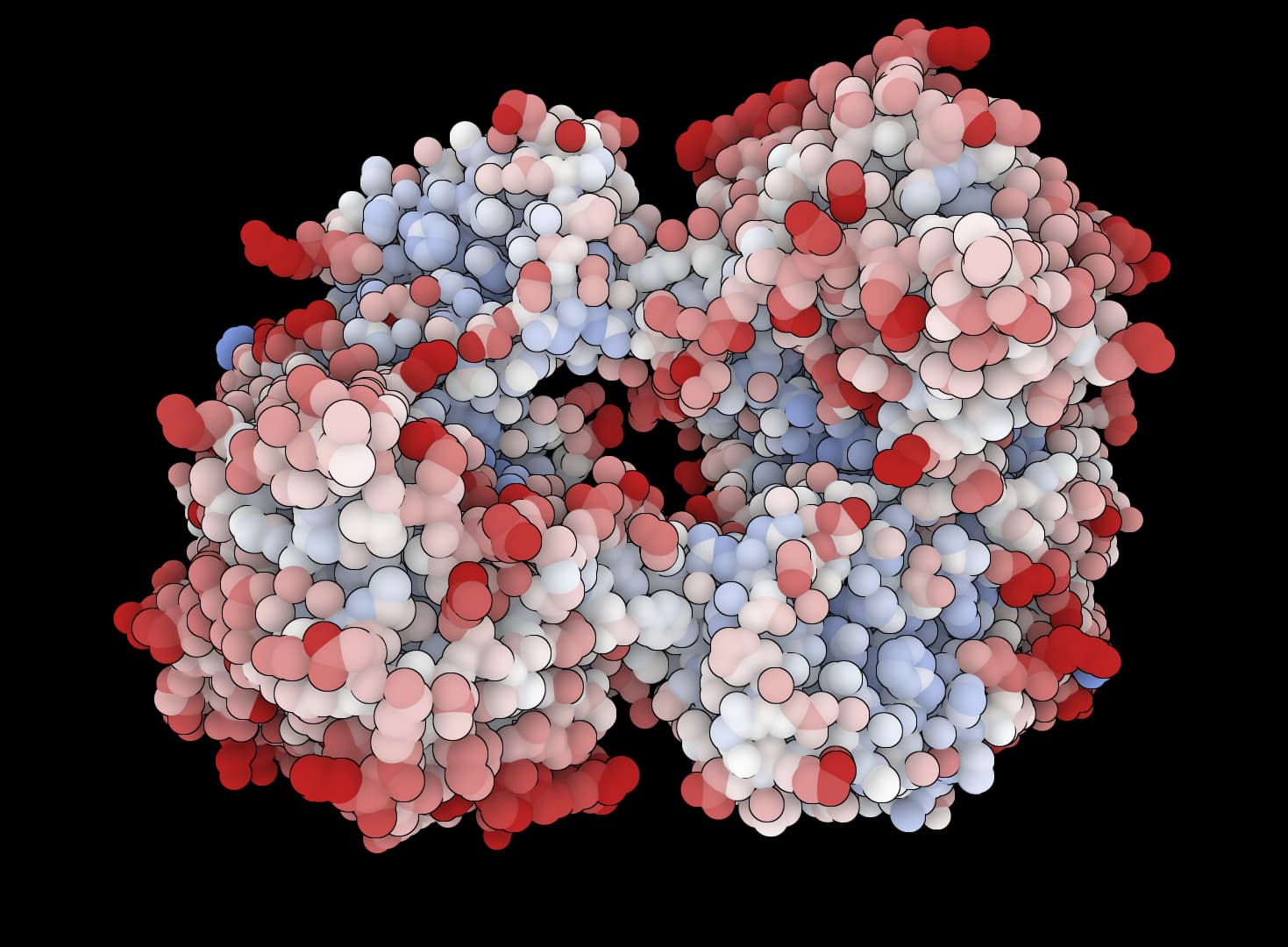
Predict pKa values of ionizable groups in proteins based on 3D structure.
Design antibody, Fab, and nanobody candidates with RFantibody, BoltzGen, IgGM, and mBER while preserving each method’s native ranking.
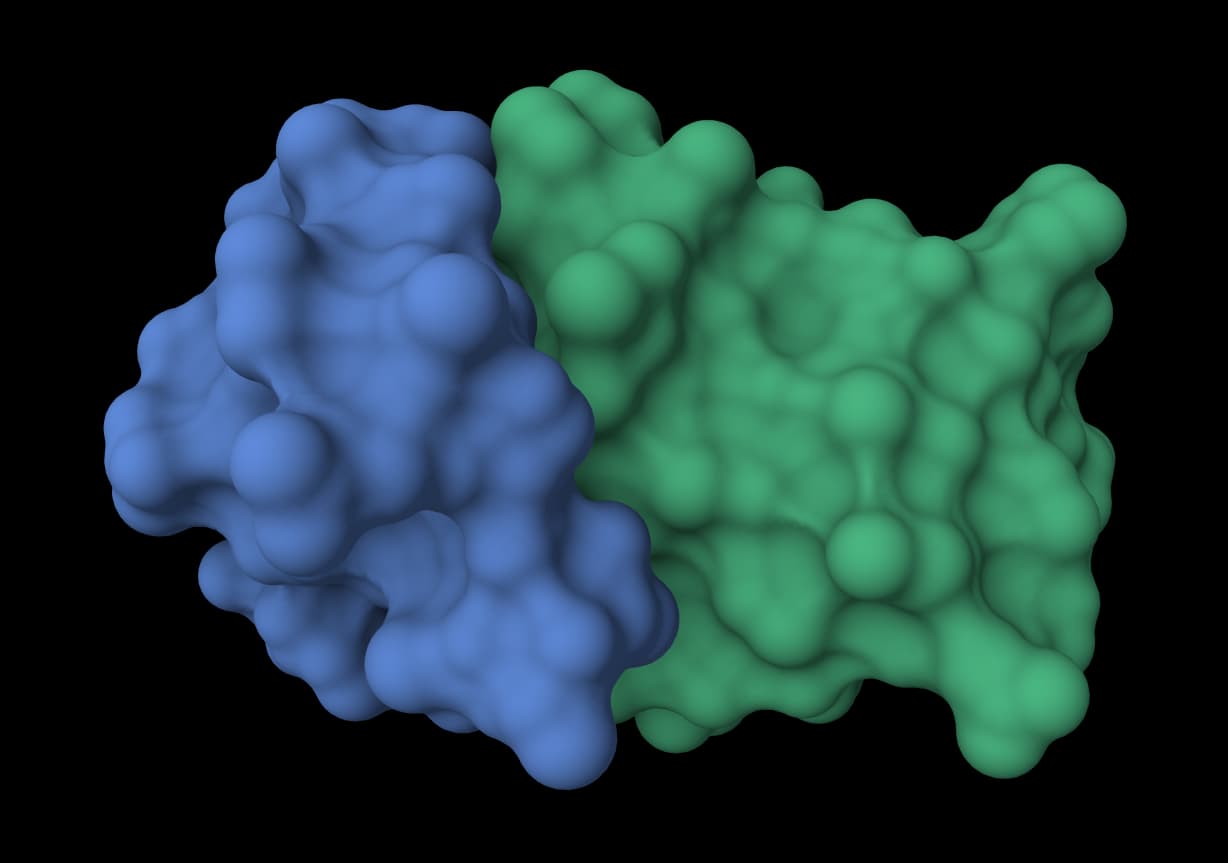
Design protein, peptide, and nanobody binders against protein or small-molecule targets.
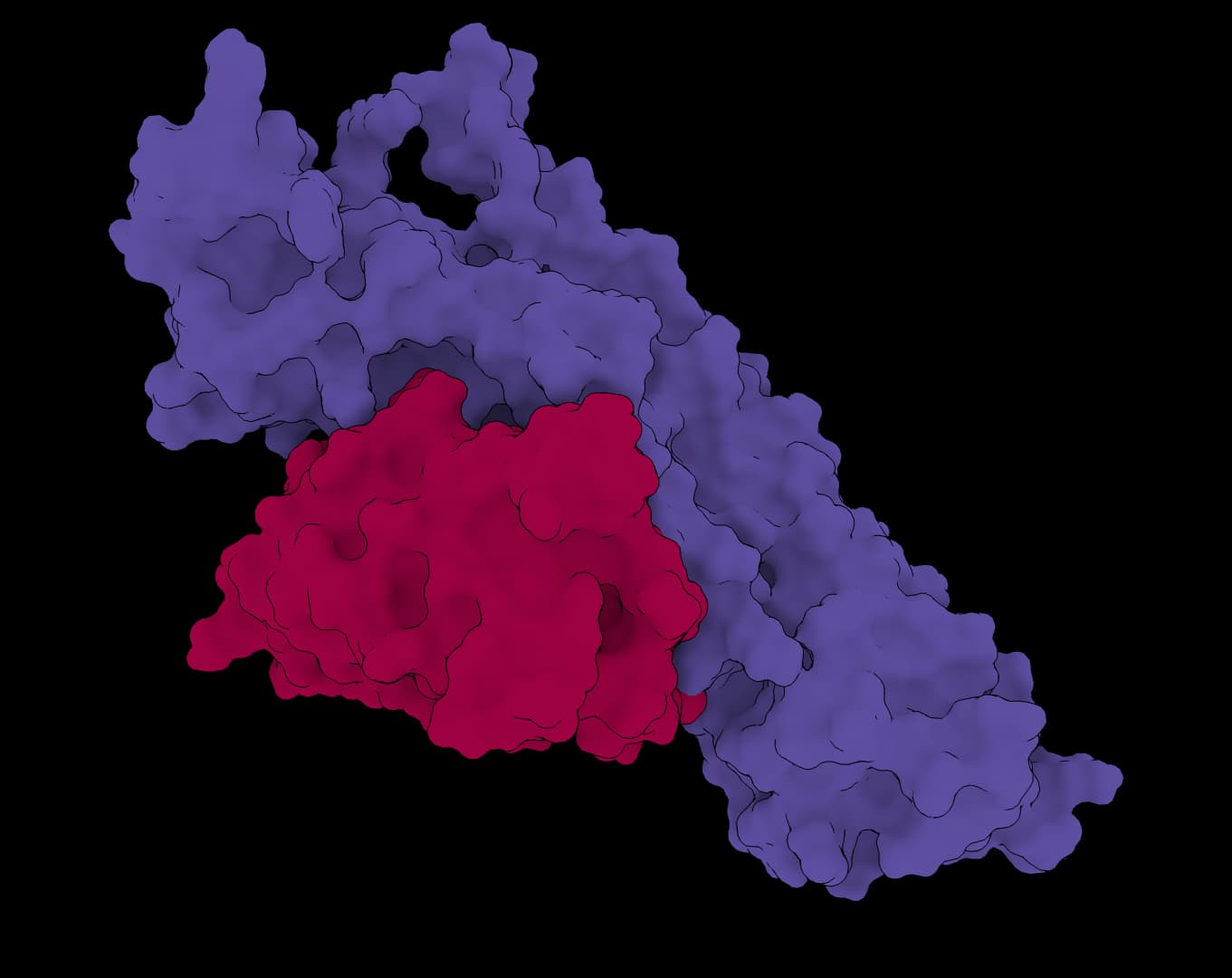
Design antibody and nanobody binders with an end-to-end RosettaCommons pipeline
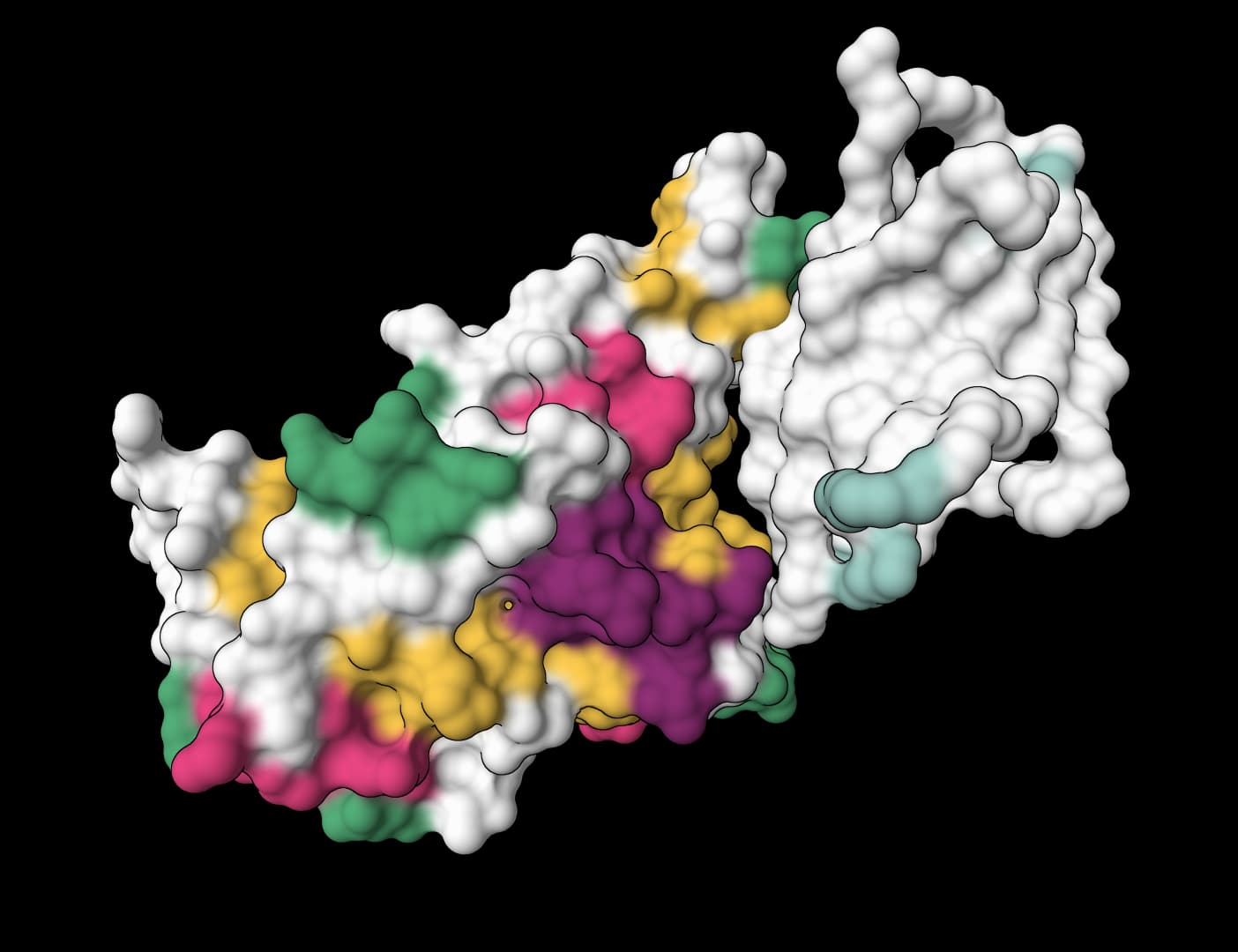
Design antibodies using a generative foundation model.
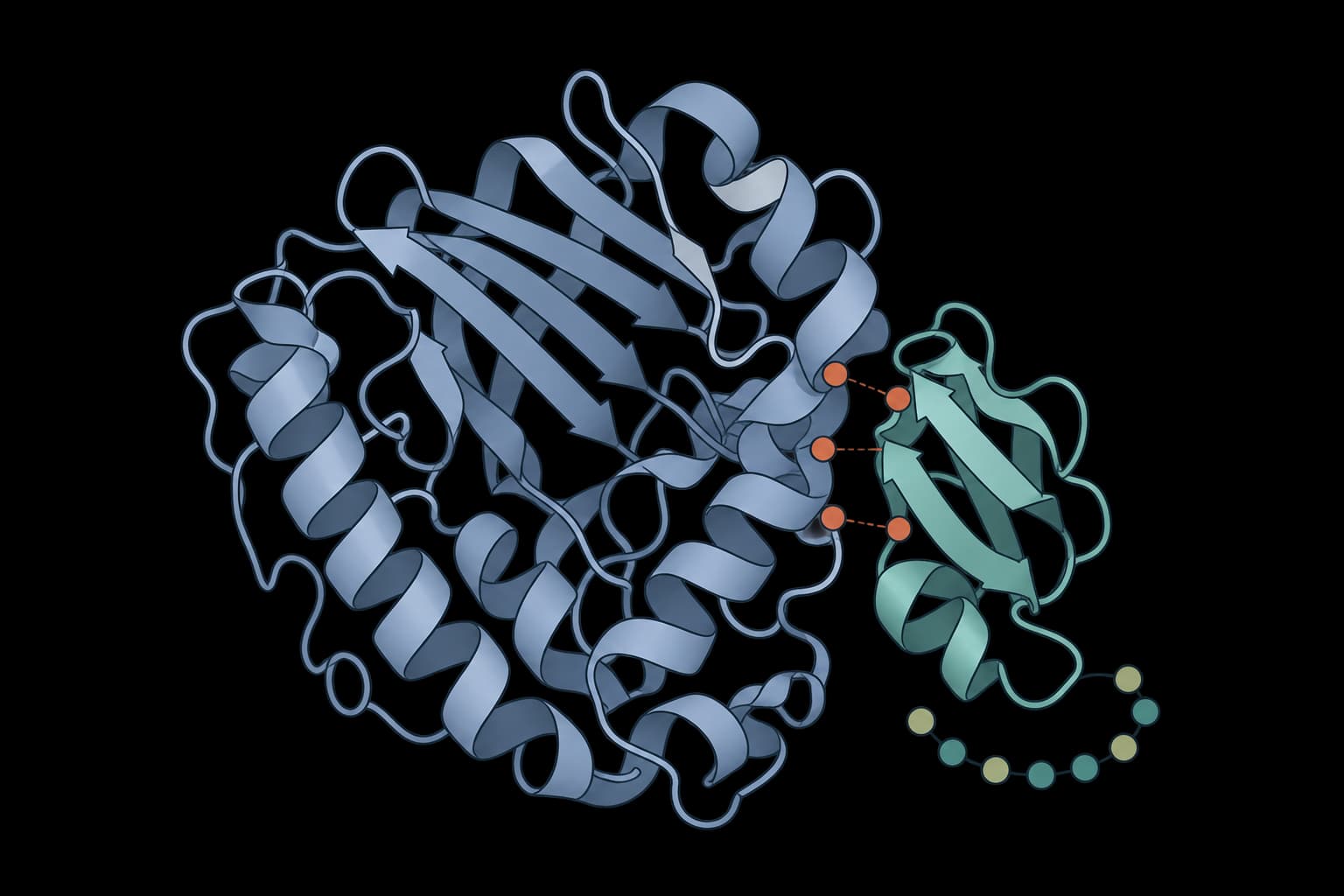
Protein, peptide, nanobody and antibody binder design.
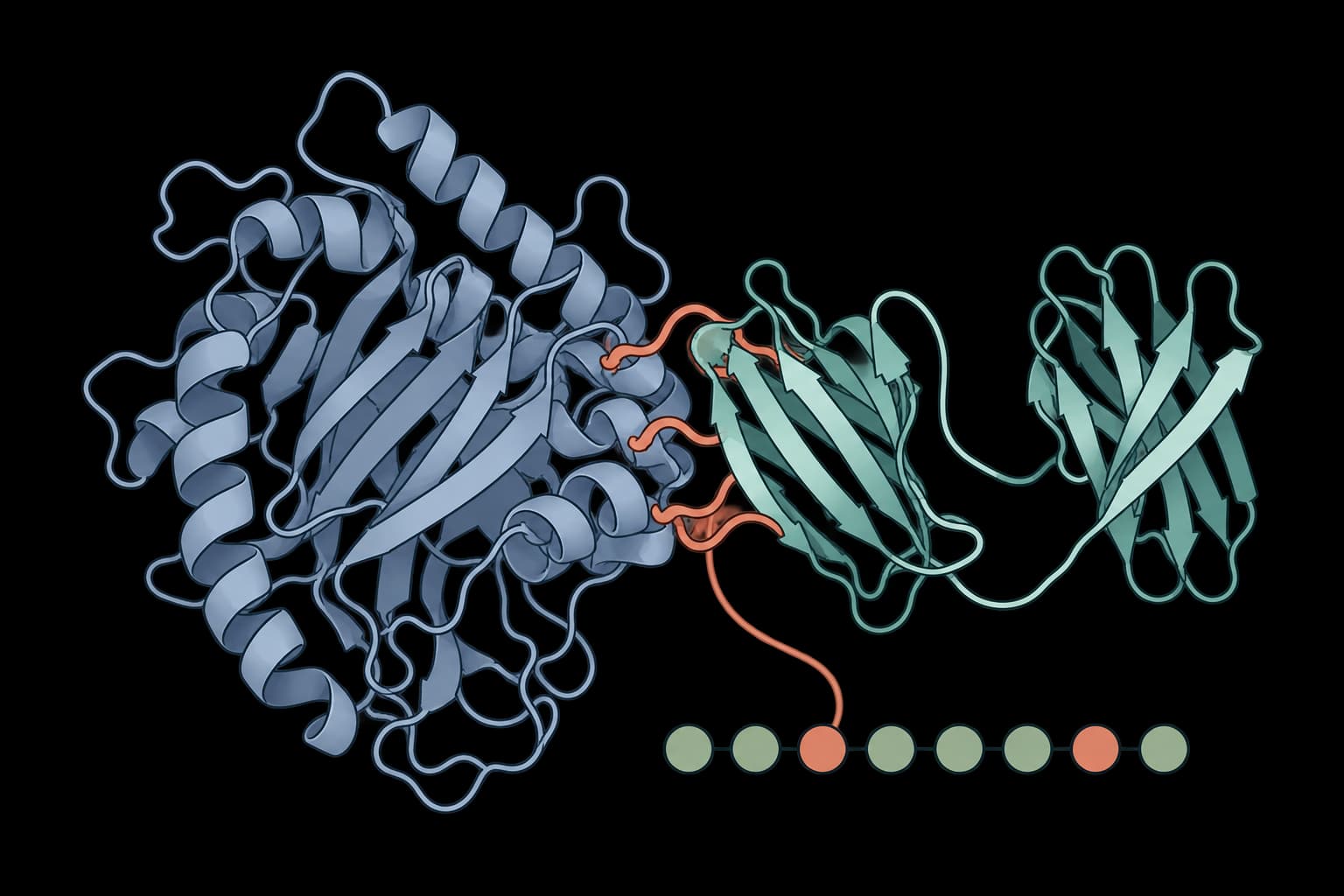
Design minibinders and antibody scFvs against a protein target.
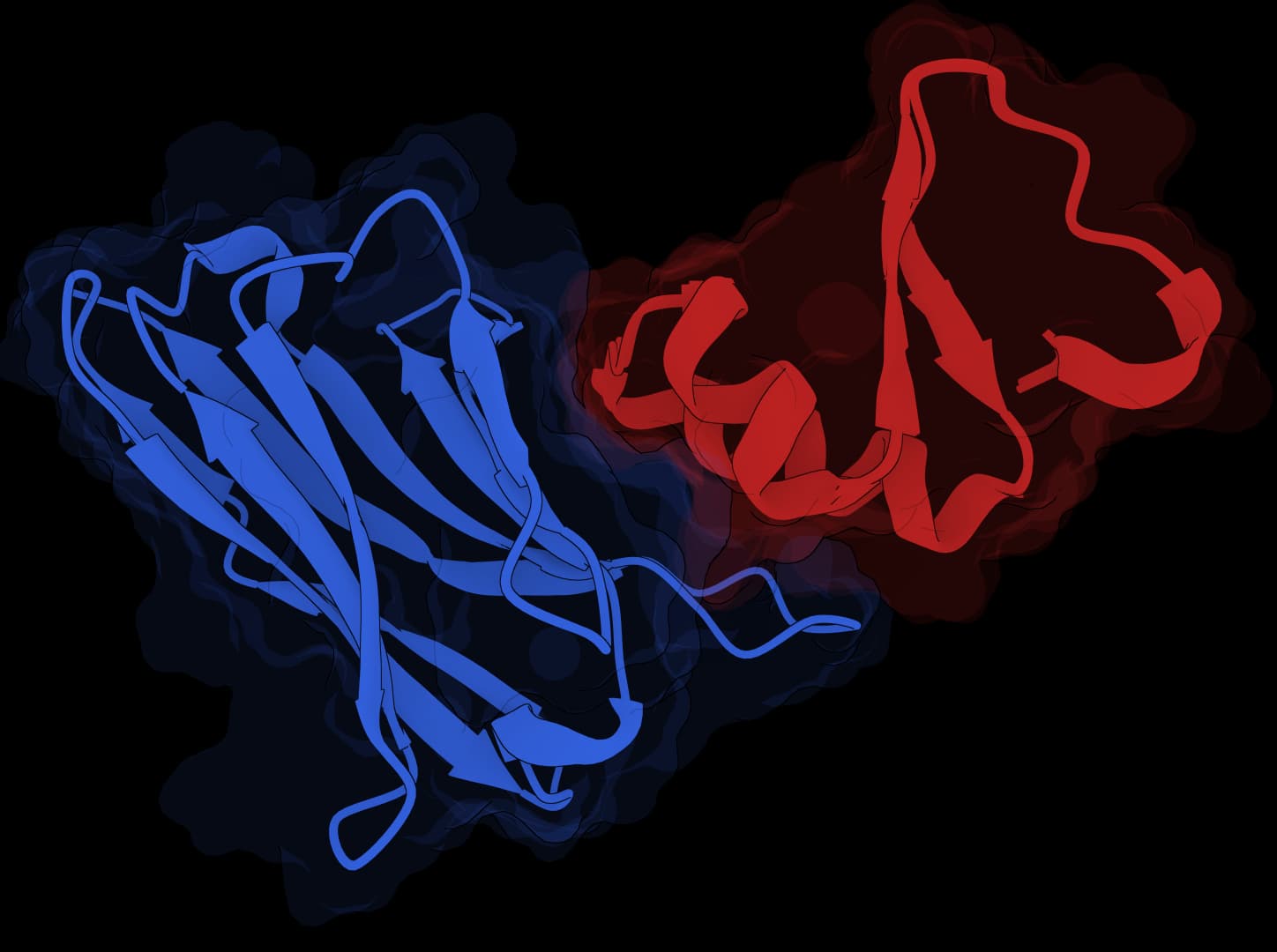
Design VHH nanobody binders using structure-guided modeling.
Model candidate structures, check their geometry, and score antibody–antigen interfaces before choosing what to make.
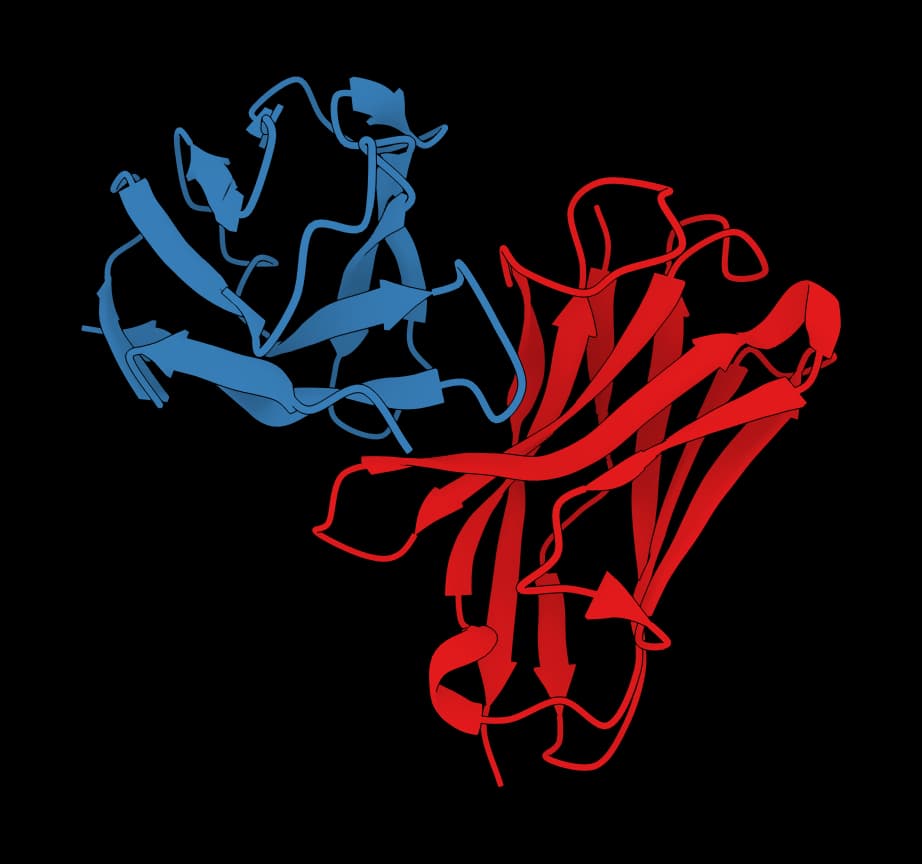
Predict paired antibody variable-domain structures from heavy and light chain sequences.
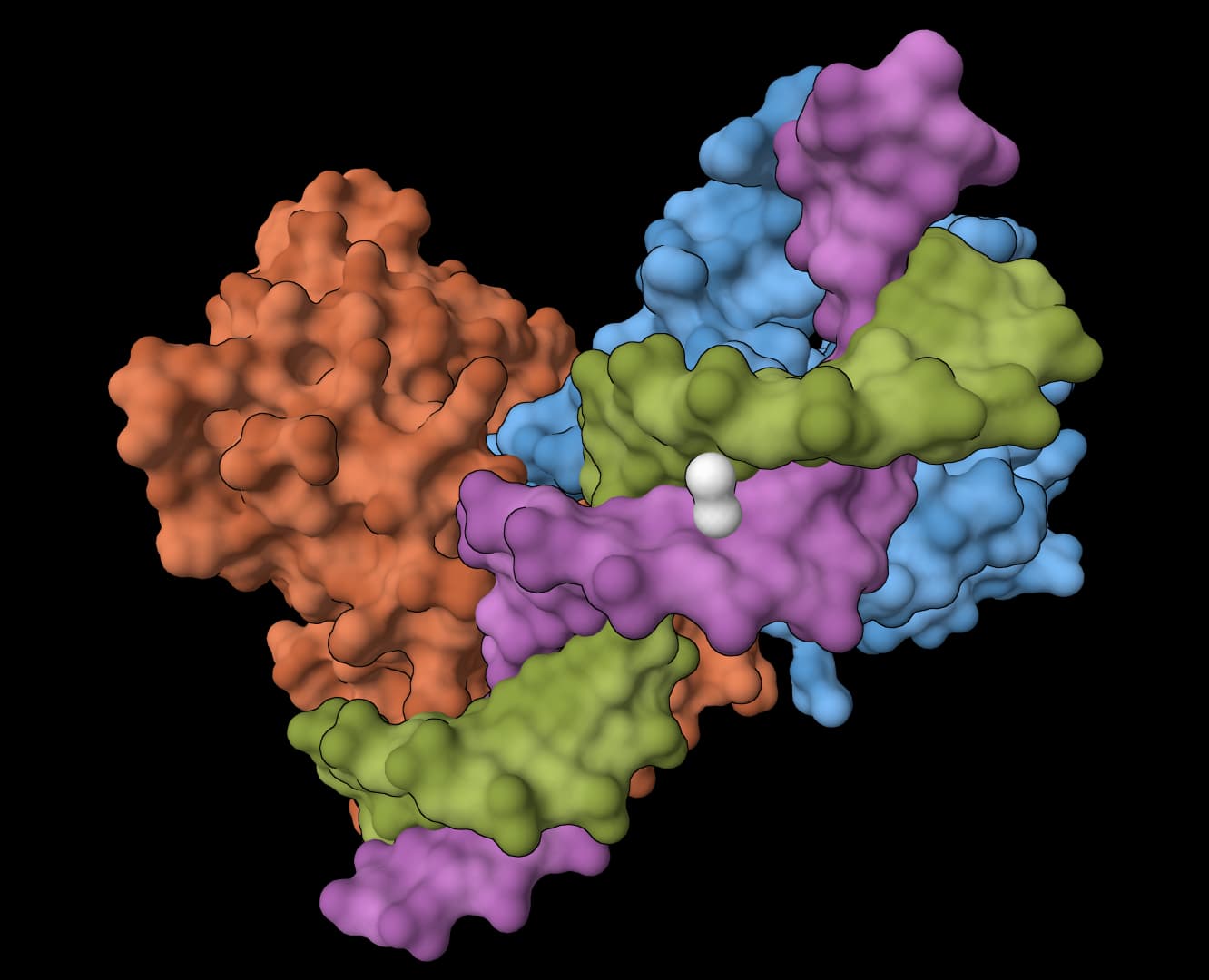
Validate protein structures with clashscore, Ramachandran, rotamer, and geometry checks.
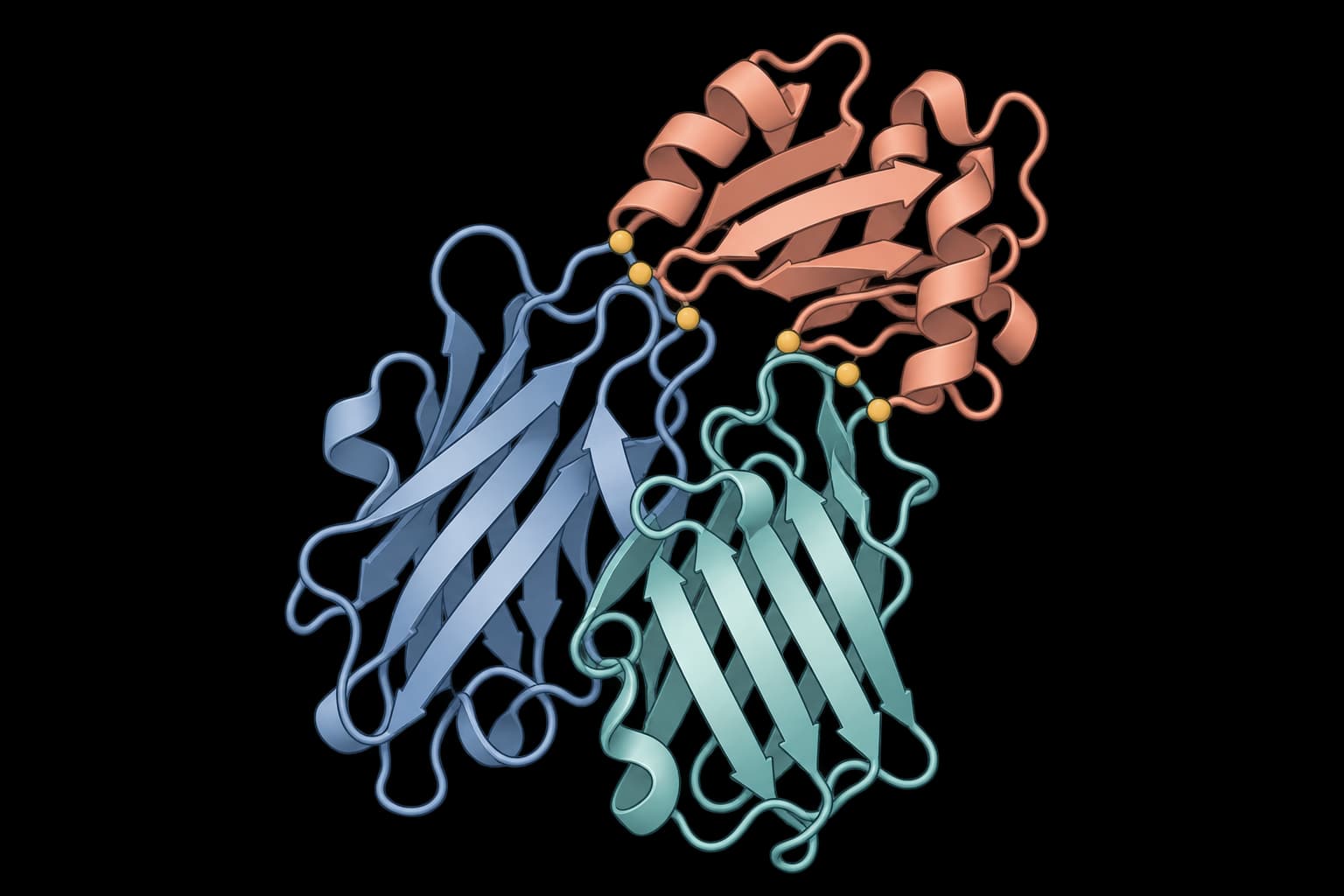
Score antibody and nanobody complexes with predicted DockQ.
Number variable regions and review humanness, solubility, viscosity, and developability risk before synthesis.
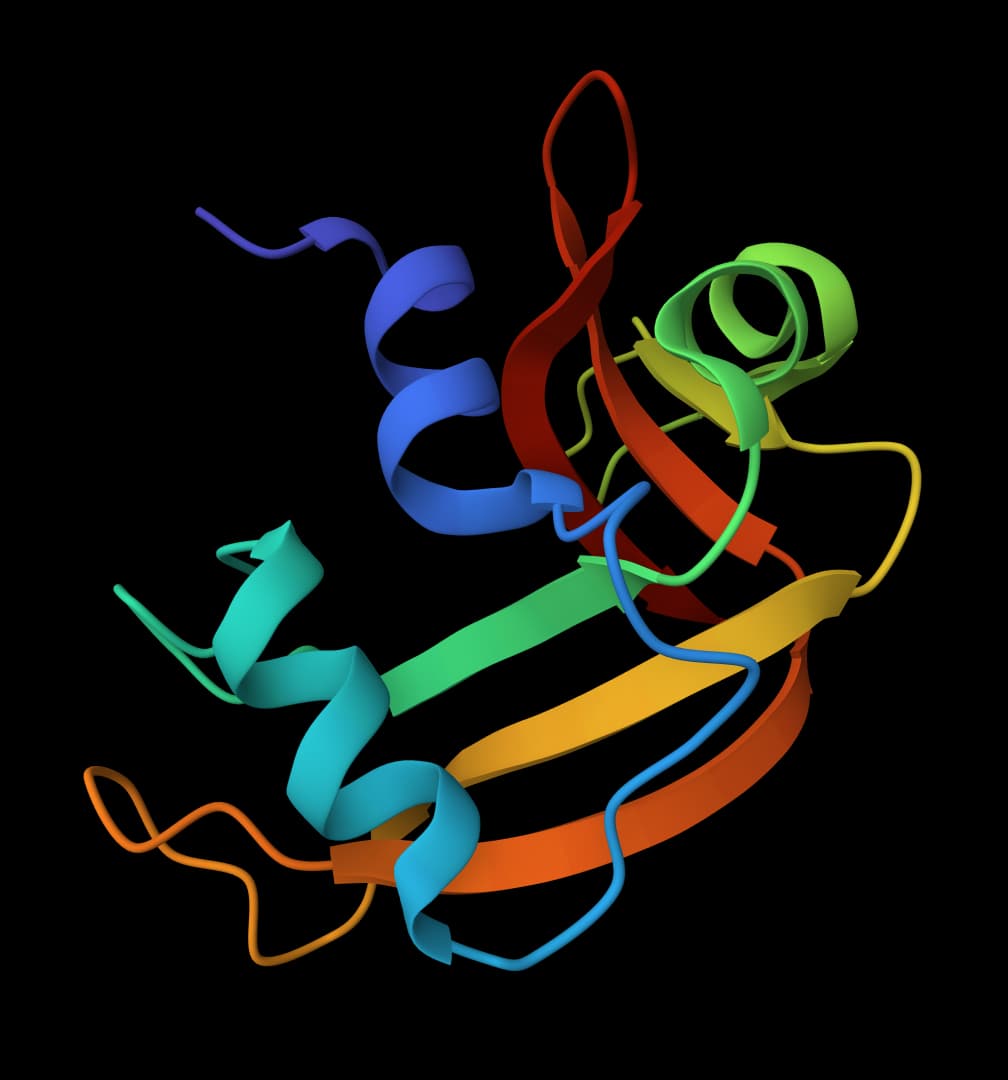
Language-model numbering for antibodies, T cell receptors, and VNAR/VHH domains
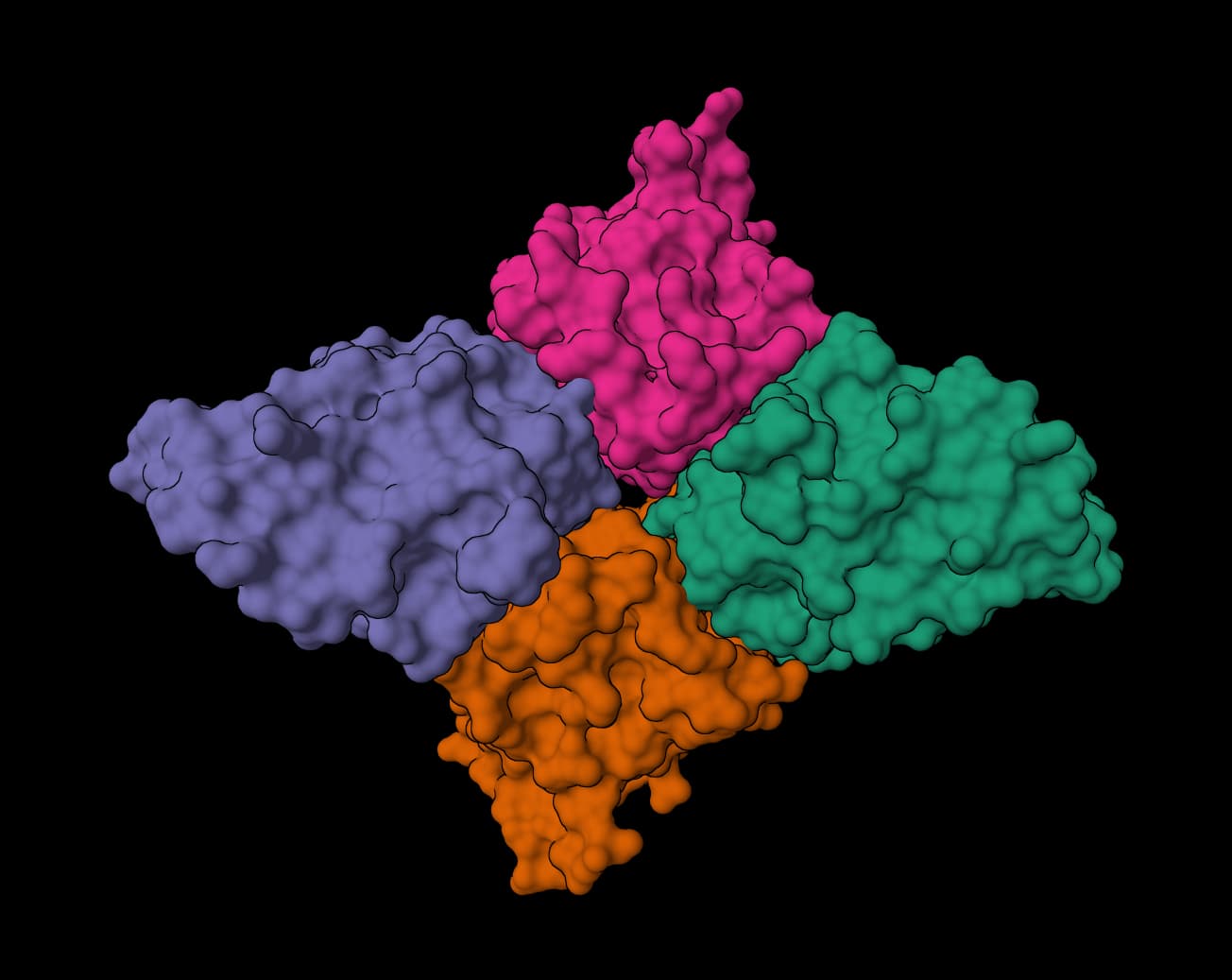
Humanize antibody sequences and evaluate humanness scores for therapeutic development.
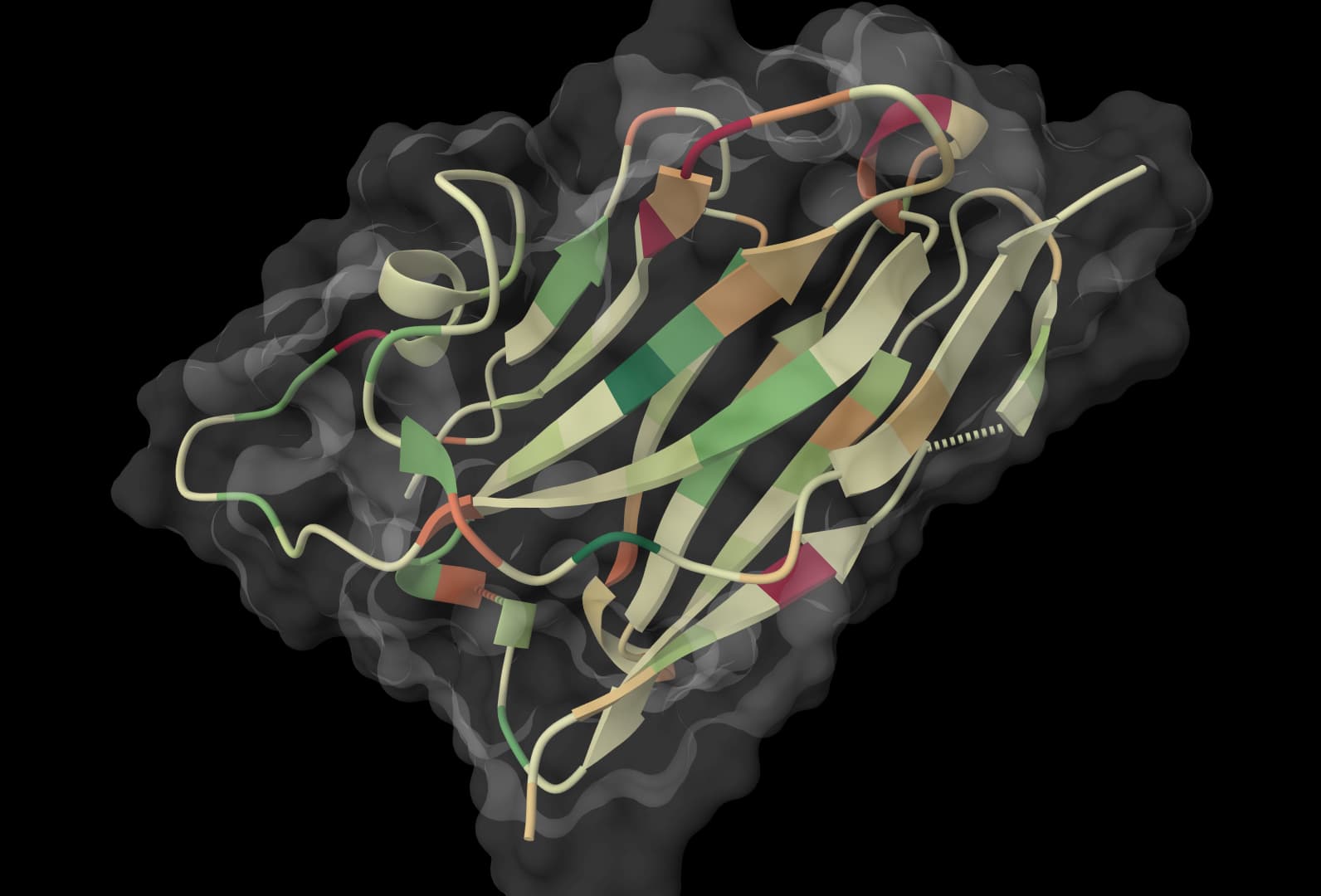
Contextualize antibody developability risks across hydrophobicity, charge patches, CDR length, and Fv charge symmetry.
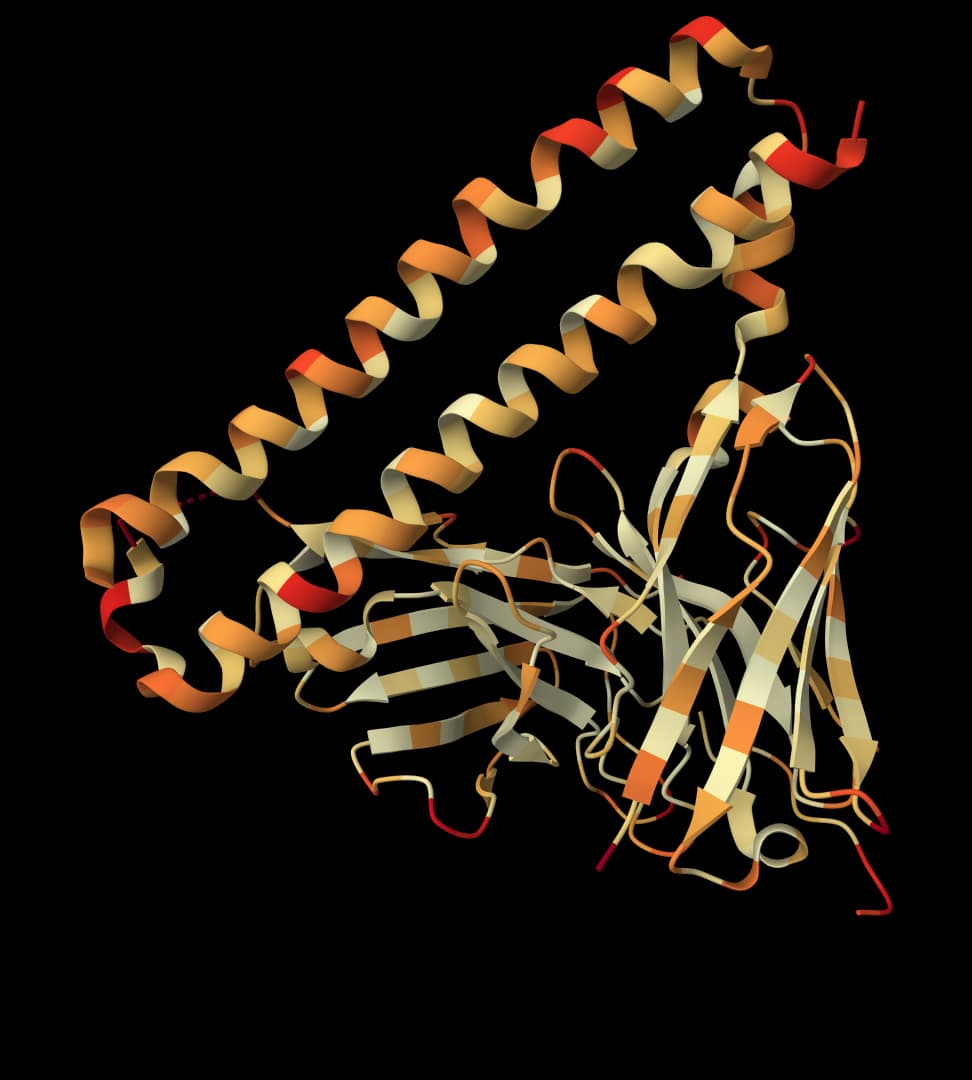
Screen paired antibody Fv sequences for high-concentration viscosity risk.
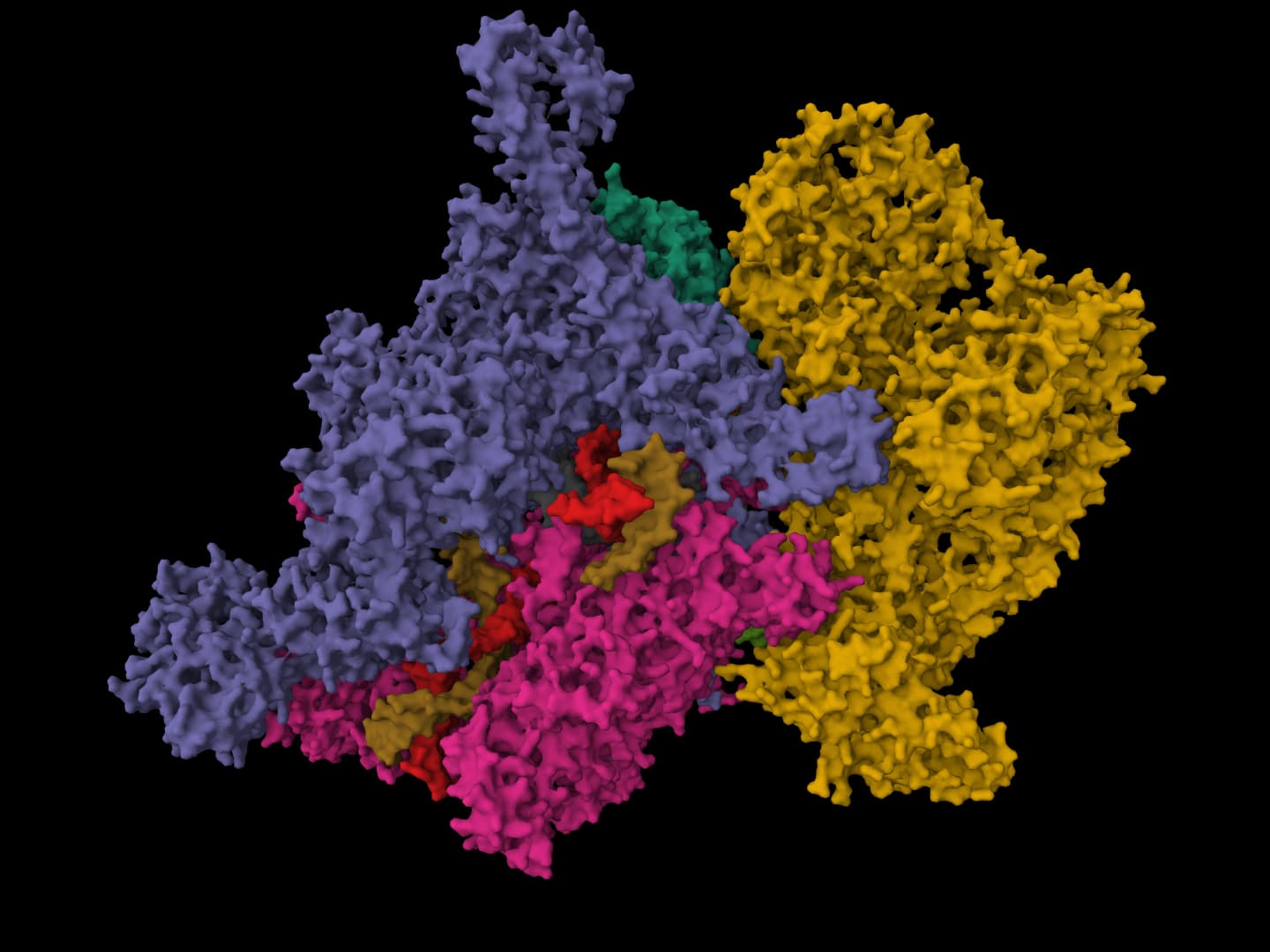
Predict protein solubility and purification usability for E. coli expression systems
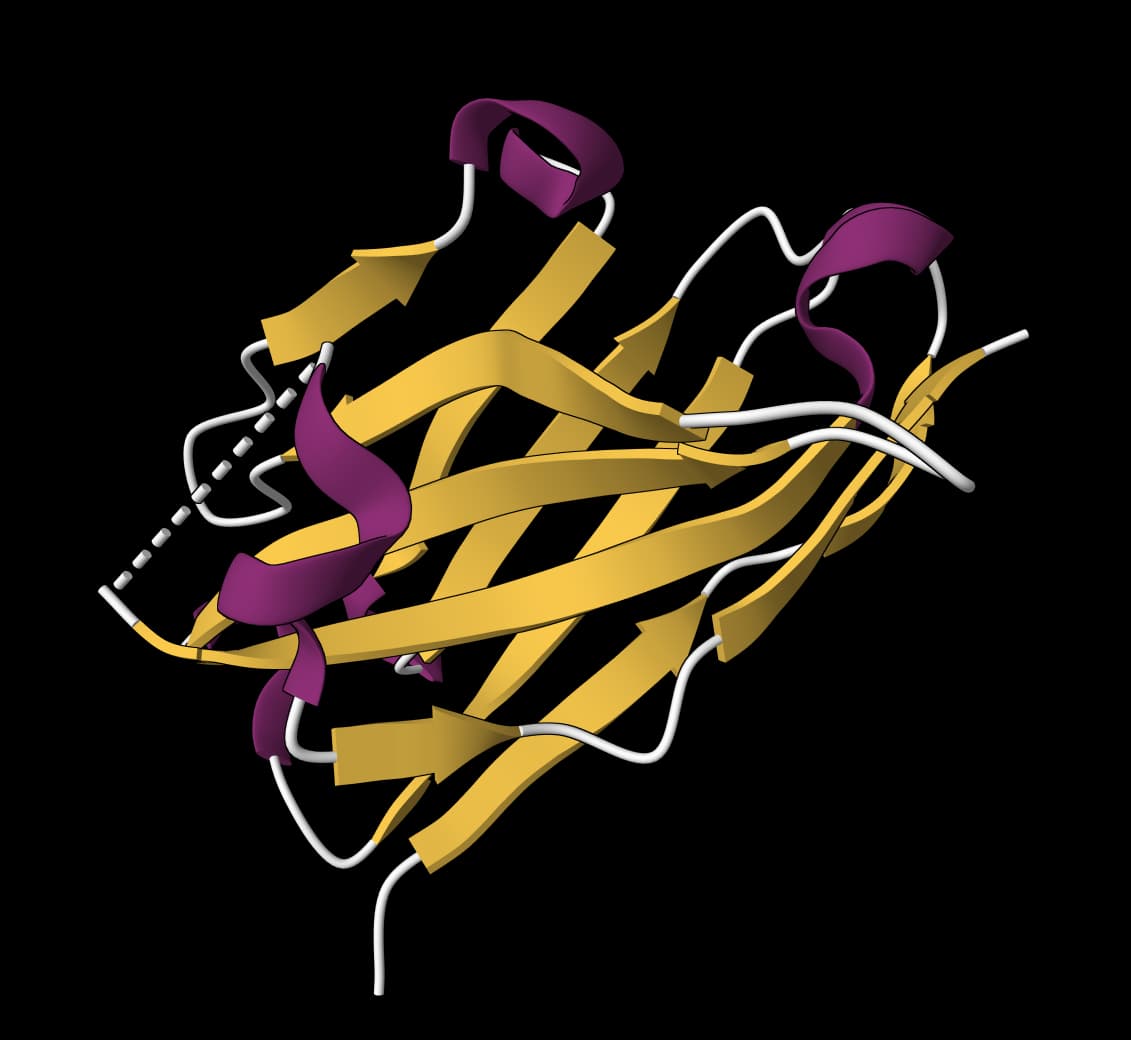
Predict non-germline residues and generate embeddings for paired or unpaired antibody sequences.
Background on the sequences, structures, and checks behind each step, written for scientists new to a method.
ProteinIQ connects those complementary analyses without separating the evidence from the candidate. Researchers can annotate heavy and light chains, assess humanness and sequence liabilities, generate or inspect structures, and compare docking or design outputs alongside the original inputs. Begin with an antigen, antibody sequence, framework, or candidate set and choose a focused tool or workflow. Each run preserves the resulting tables, residue annotations, structures, confidence values, logs, and downloadable files for a traceable synthesis shortlist.
The computational stages that come before synthesis: prepare the antigen, generate or collect antibody and nanobody candidates, model their structures, then number the sequences and review humanness and developability. The workflow ends with a ranked shortlist and its provenance. ProteinIQ does not cover expression, purification, or assay work, which happen in the lab afterwards.
ProteinIQ hosts RFantibody, BoltzGen, IgGM, and mBER for generating antibodies, Fabs, and nanobodies against an antigen structure, plus AntiFold, DiffAb, and IgDesign for redesigning an existing antibody. No single method suits every project, so the starting point decides: a target alone, a framework, or an existing complex. Running several generators from the same antigen and applying the same checks to each makes their outputs comparable.
Yes. ABodyBuilder3 and ImmuneBuilder run in the browser from heavy and light chain sequences, and ImmuneBuilder also models nanobodies. Each returns a PDB structure with confidence values, and no local installation or GPU is needed.
ProteinIQ supports antibody engineering workflows for numbering, germline context, humanness review, humanization triage, developability screening, antibody structure prediction, nanobody modeling, antibody-antigen docking, and design review. Each workflow keeps upstream scores, files, and tool conventions visible for scientific inspection.
ProteinIQ antibody tools can accept FASTA sequences, paired heavy and light chains, single-domain or nanobody sequences, PDB structures, and antigen structures depending on the upstream model. The platform keeps each accepted input format tied to the tool that produced the downstream annotation, model, or score.
Yes. ProteinIQ can run antibody humanization and humanness review workflows using tools such as BioPhi, AbLang-style language model review, and humanization comparison steps. The answers are presented as sequence-level evidence for review, not as a hidden replacement for expert antibody engineering judgment.
Yes. ProteinIQ includes antibody and nanobody structure workflows that can turn variable-region sequences into modeled structures when the selected upstream tool supports that input. The generated PDB or related structure files, confidence values, and logs remain available for inspection and export.
Yes. ProteinIQ supports antibody-antigen docking and exploratory complex modeling workflows that can combine antibody chains or modeled antibody structures with an antigen structure. Docking outputs are useful for hypothesis generation and triage, while binding, specificity, and epitope claims still need experimental evidence.
ProteinIQ keeps antibody numbering, germline calls, humanness scores, developability tables, modeled structures, docking files, and logs associated with the input sequence or structure that produced them. This helps reviewers avoid separating heavy chains, light chains, residue annotations, and downstream models during triage.
Yes. ProteinIQ workflows are useful when you want connected antibody annotation, humanization, structure, and docking steps, but individual tools such as ANARCI, BioPhi, ImmuneBuilder, RFantibody, ParaSurf, and LightDock can also be opened directly for focused analysis.
ProteinIQ antibody workflows can export numbered sequence tables, humanness and developability CSV files, predicted structures, designed sequences, docking models, logs, and upstream result files depending on the tool. Exported outputs preserve the upstream labels and formats needed for review outside the platform.
No. ProteinIQ organizes computational antibody engineering evidence for prioritization and review. Expression, binding, specificity, immunogenicity, developability, and manufacturability experiments are still required before making biological, therapeutic, or clinical claims.
AI answers from our docs. No sign-in needed.
The perfect starting place for your first project.
Everything an academic lab needs to scale.
Everything in Free
More compute and a commercial license for industry.
Everything in Plus
Custom credits, seats, and security review.
Everything in Pro