Free
$0
The perfect starting place for your first project.
- All tools
- 200 credits, then 100/mo
- 3 jobs per day
- Up to 1,000 residues per job
- Academic license
Design peptide binders, check cleavage and immunogenicity risk, and model how they sit on the target before synthesis.
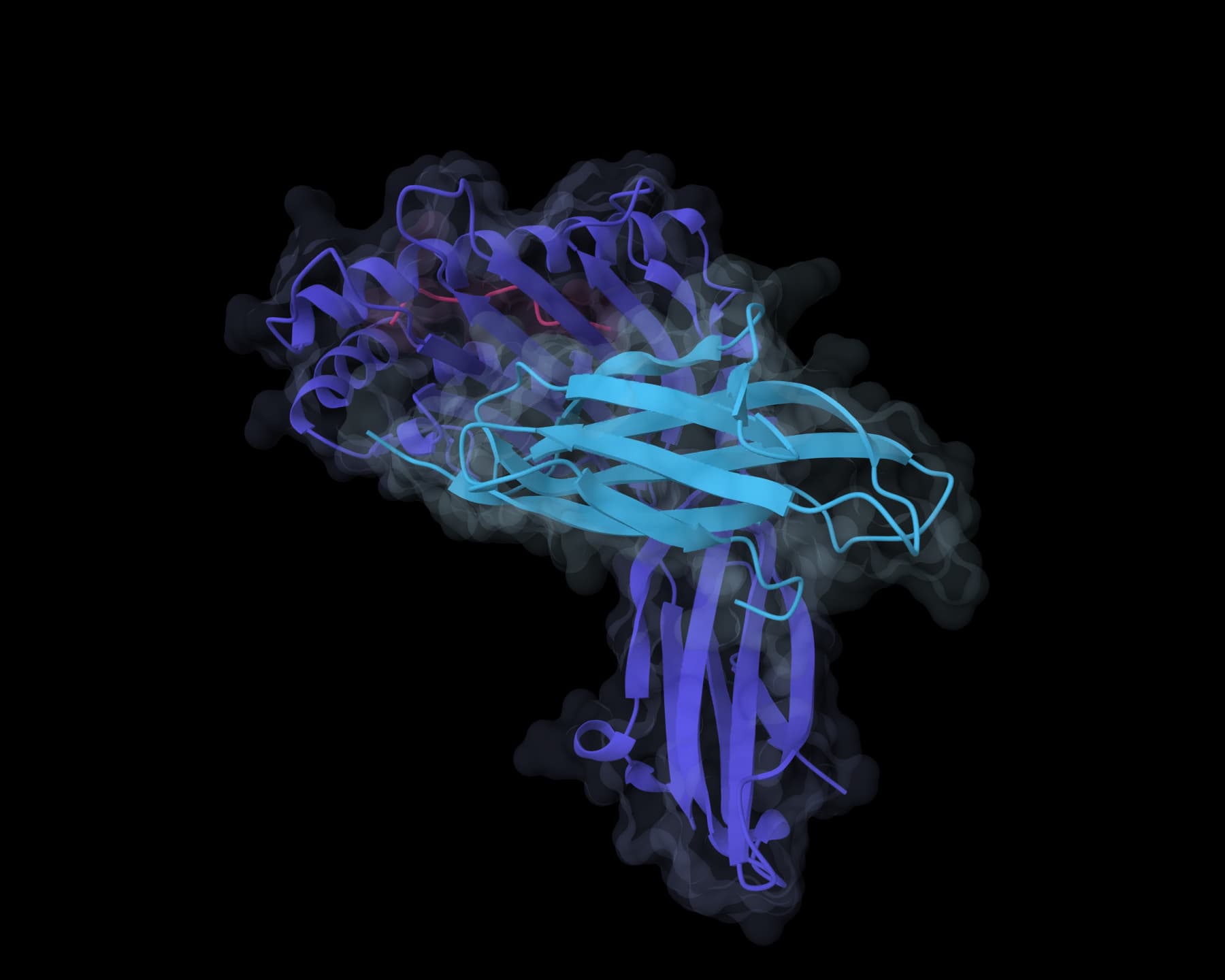
Generate or extend peptide sequences from target context while keeping each design method’s native ranking and files.
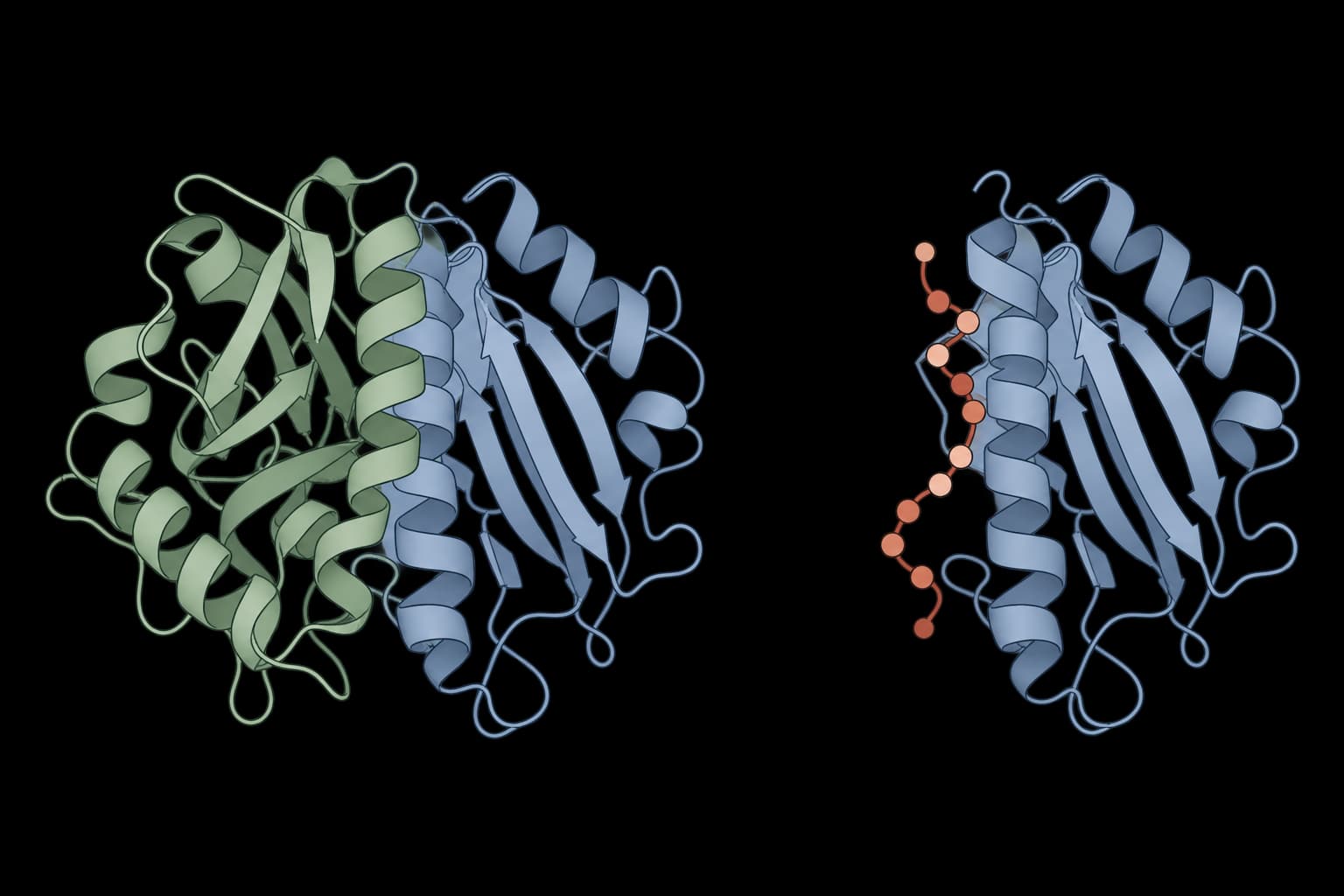
Peptide binder design through binding interface mimicry with a latent diffusion model
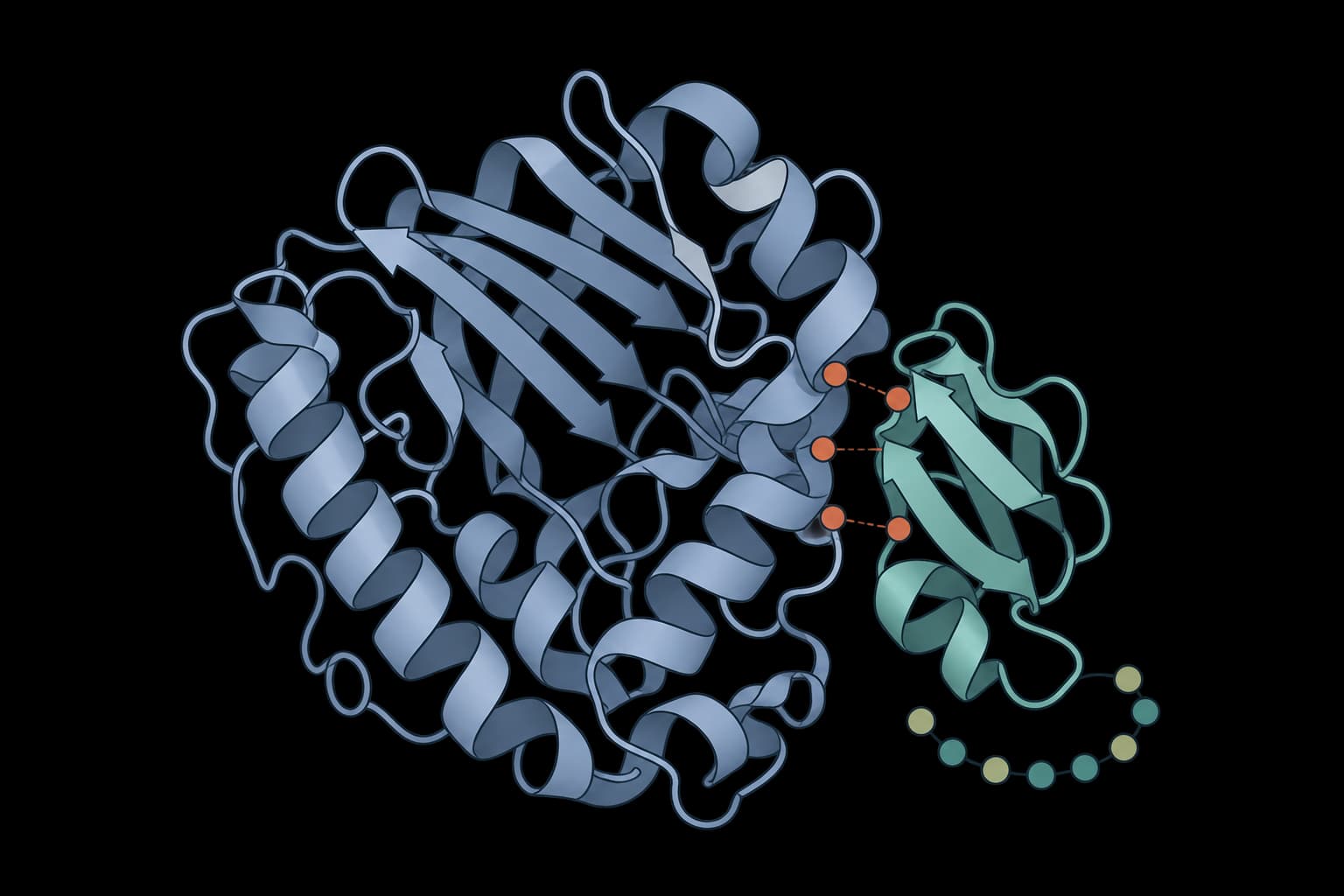
Protein, peptide, nanobody and antibody binder design.
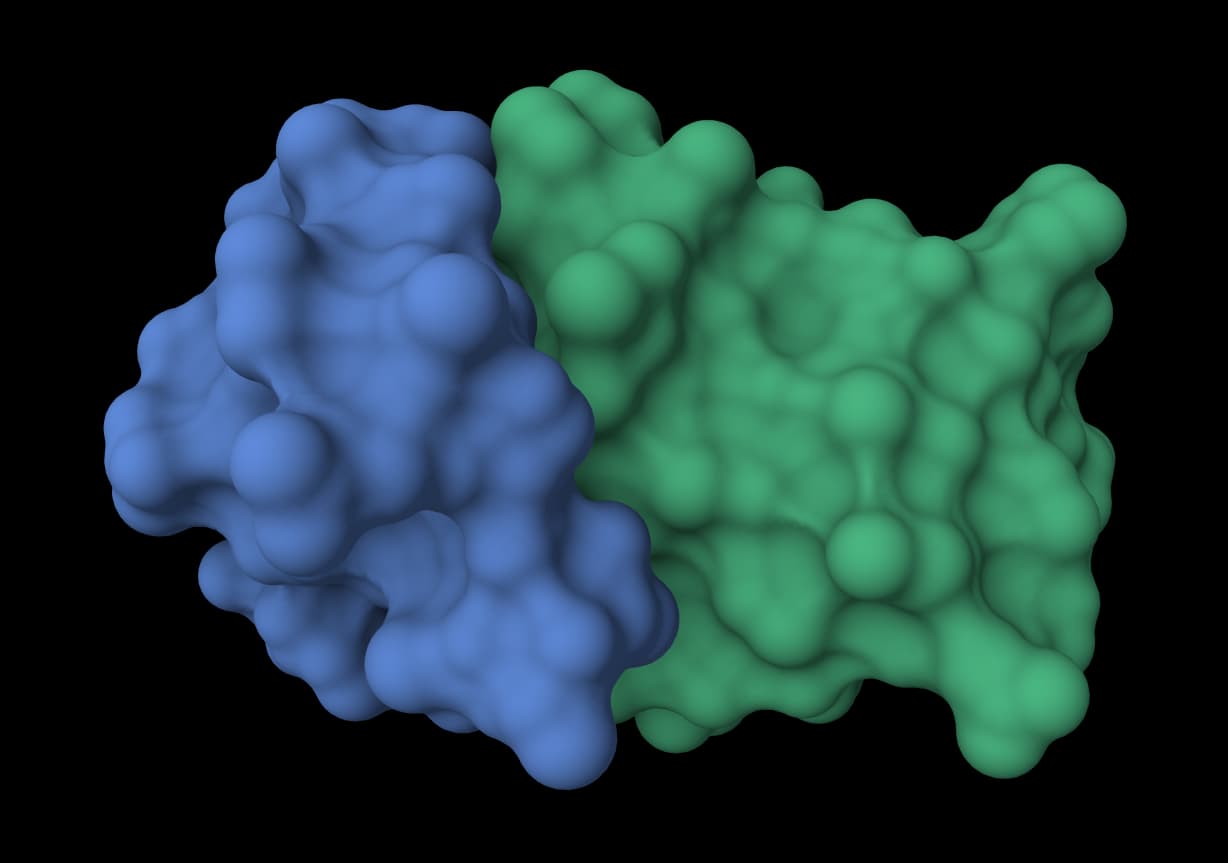
Design protein, peptide, and nanobody binders against protein or small-molecule targets.
Calculate baseline sequence properties and identify cleavage liabilities before advancing candidates.
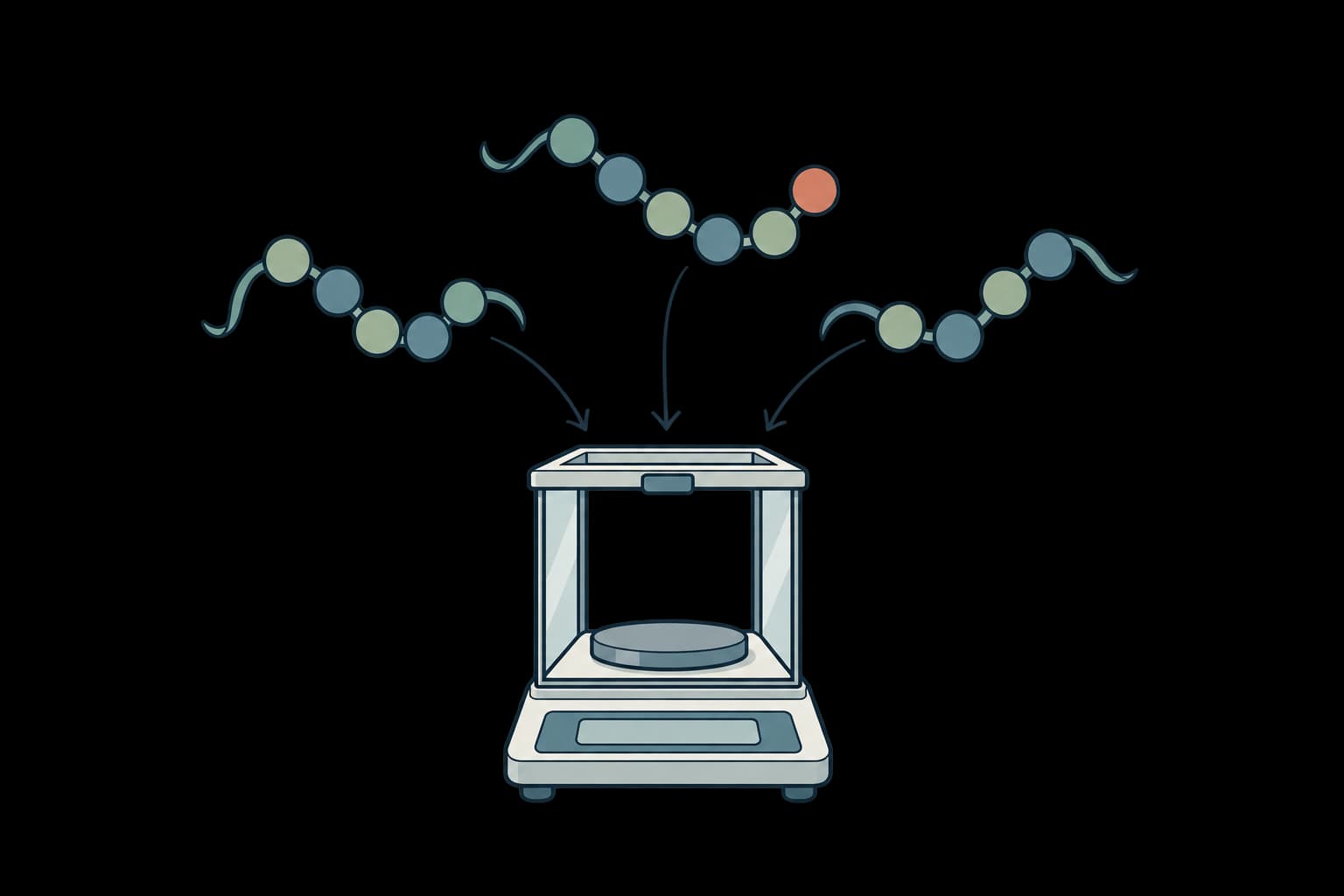
In-silico proteolytic digestion with peptide mass calculation for mass spectrometry experiment planning.
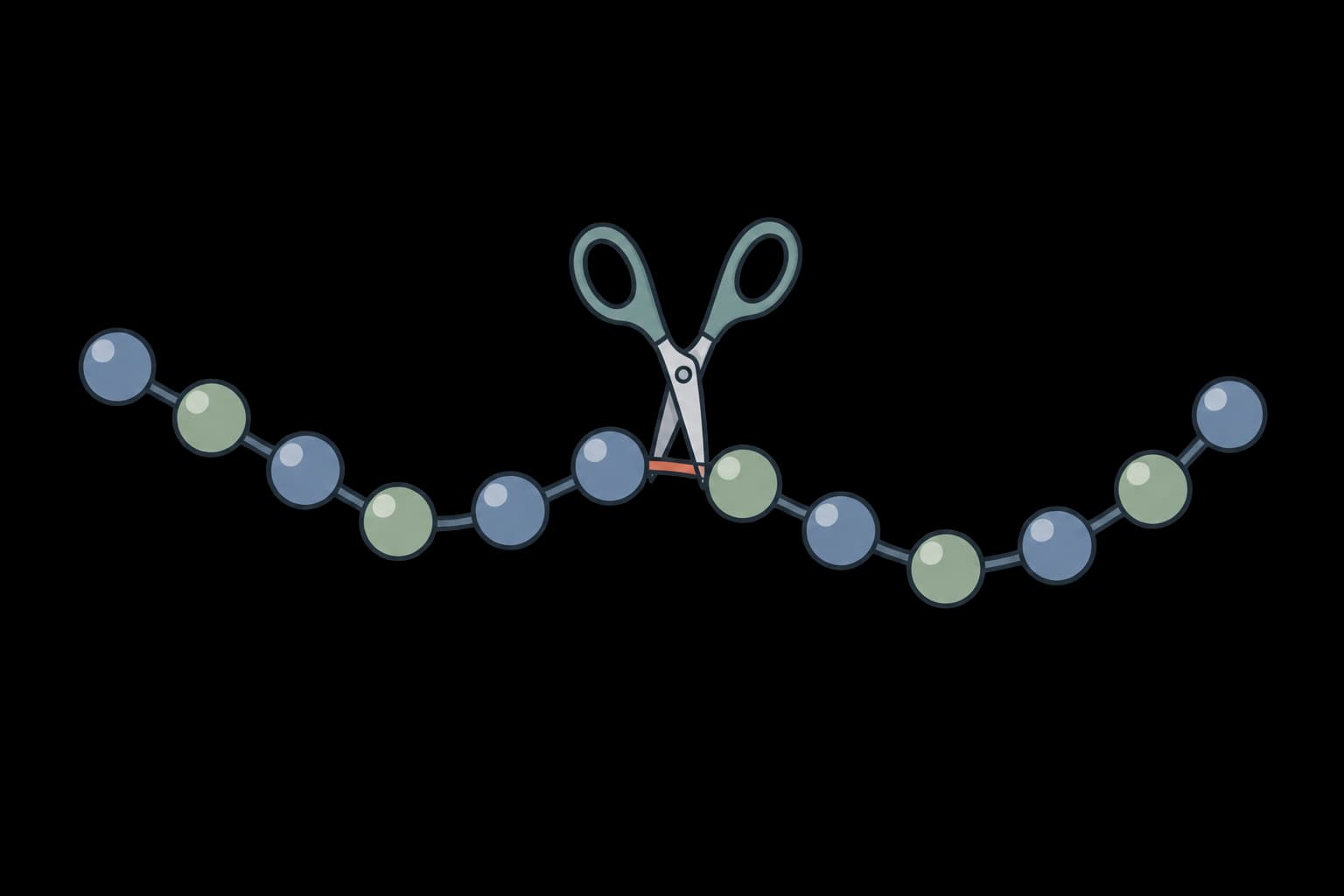
Map protease and chemical cleavage sites across protein sequences for proteomics experiment planning.
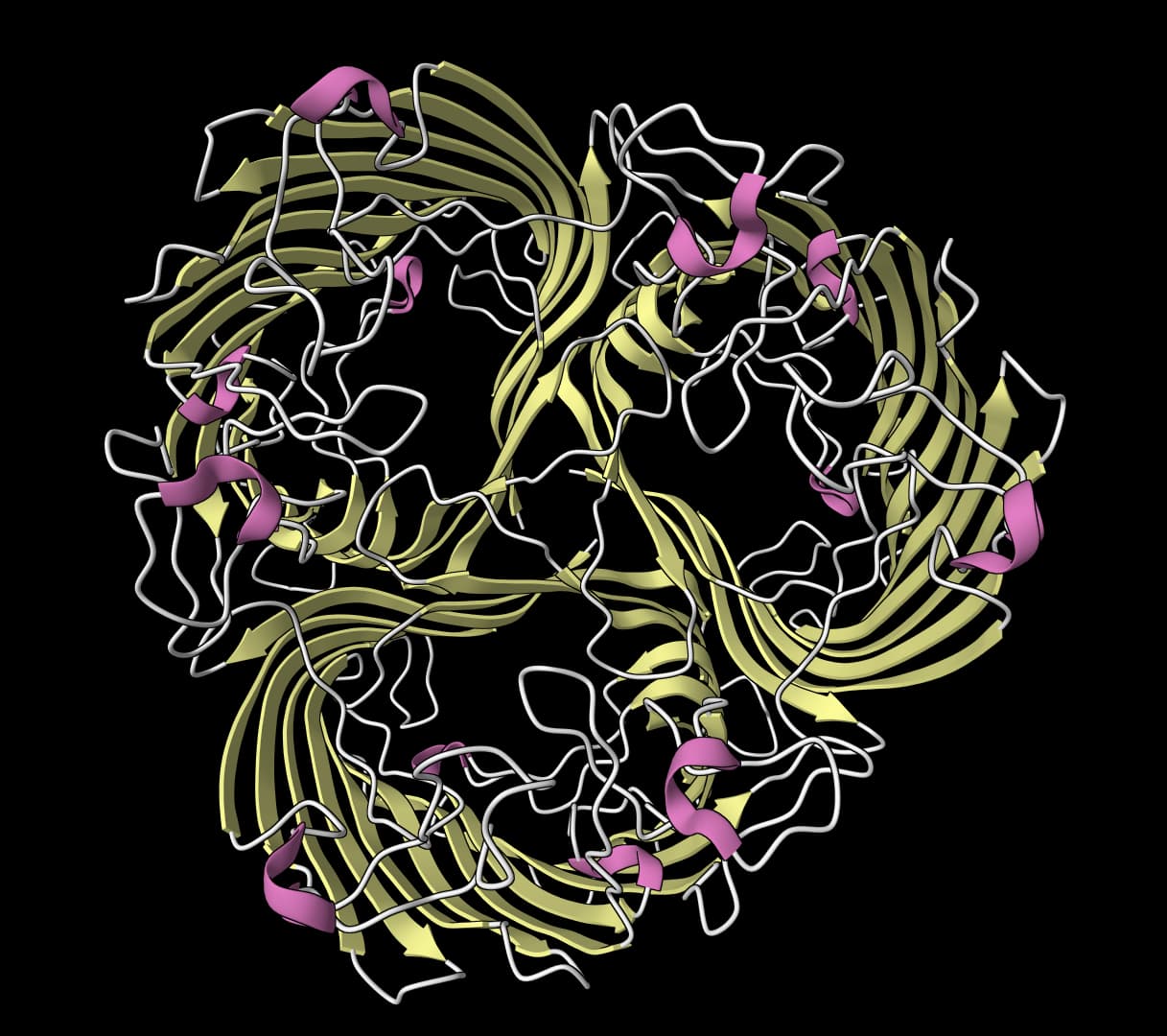
Predict MMP cleavage z-scores, evaluate substrates, and generate conditional peptides.
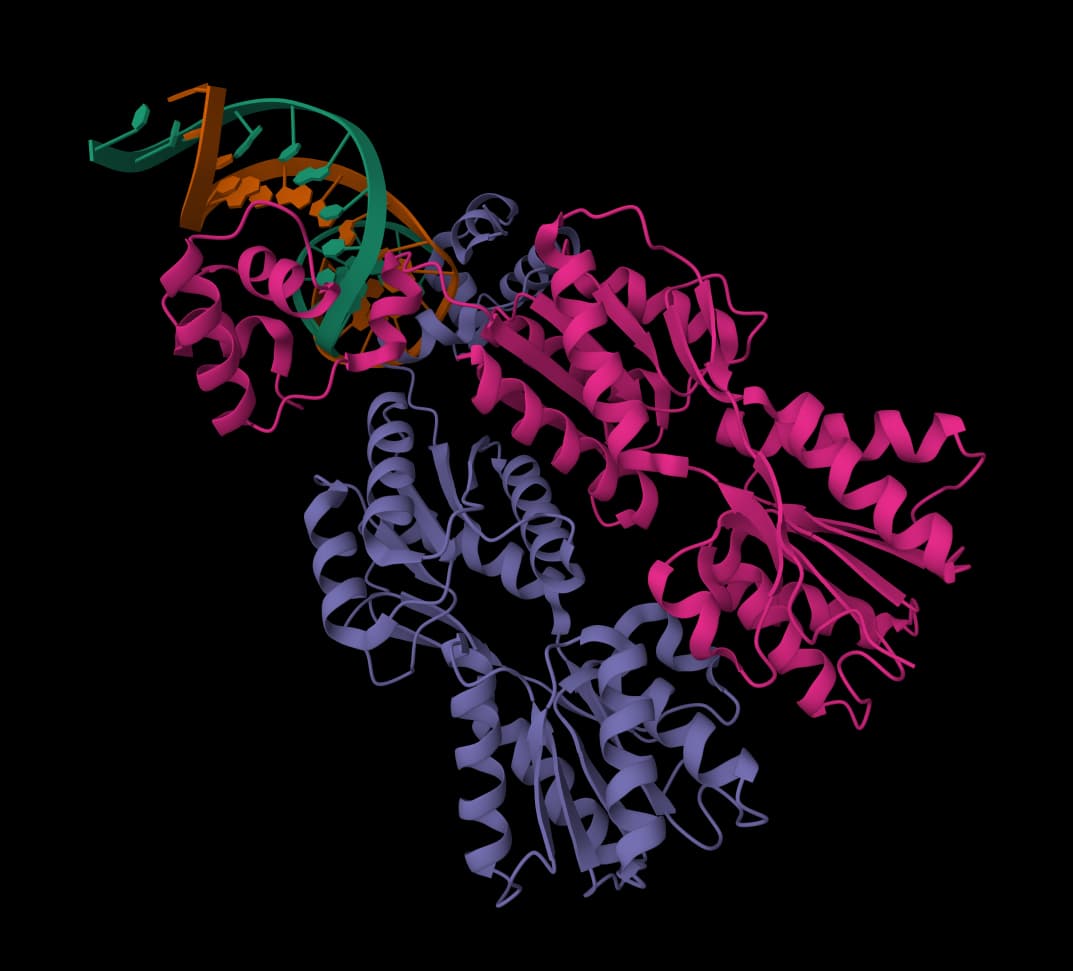
Calculate molecular weight, pI, extinction coefficients, composition, and sequence indices.
Compare immune-response risk, solubility, and stability signals before structural follow-up.
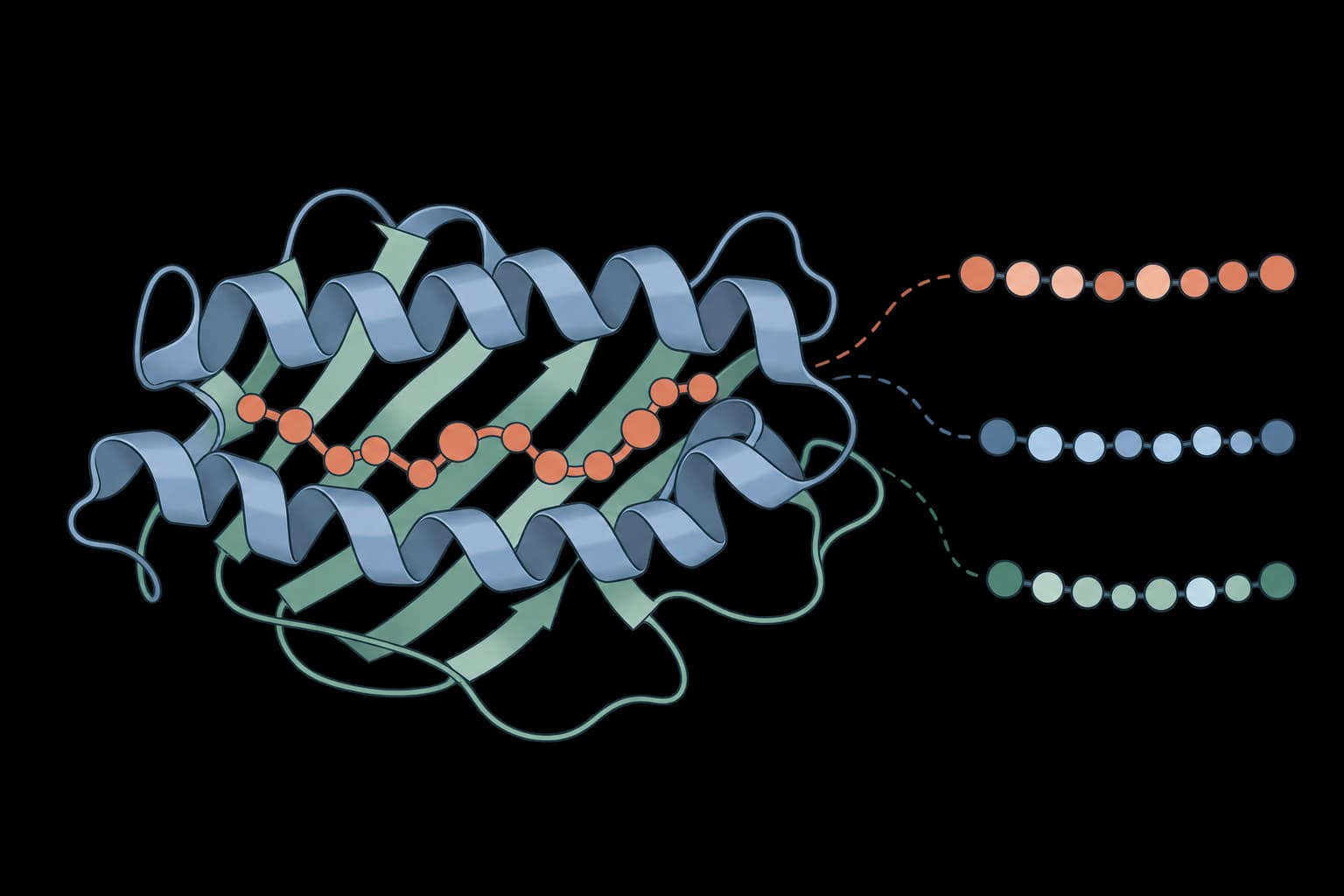
Score, compare, and generate peptide candidates with the official DeepImmuno models.
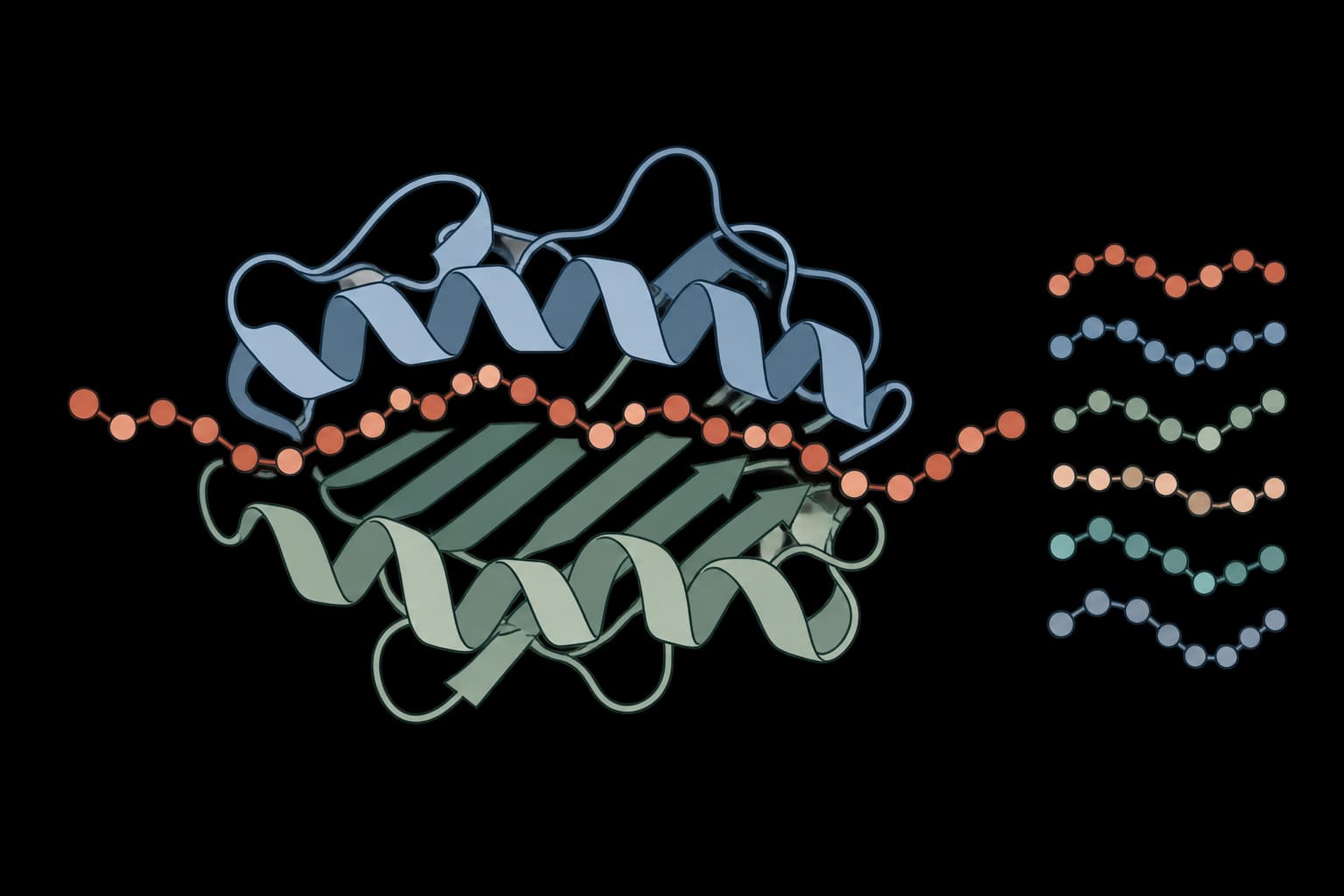
Transfer learning-based MHC-II immunogenicity prediction for CD4+ T cell epitopes
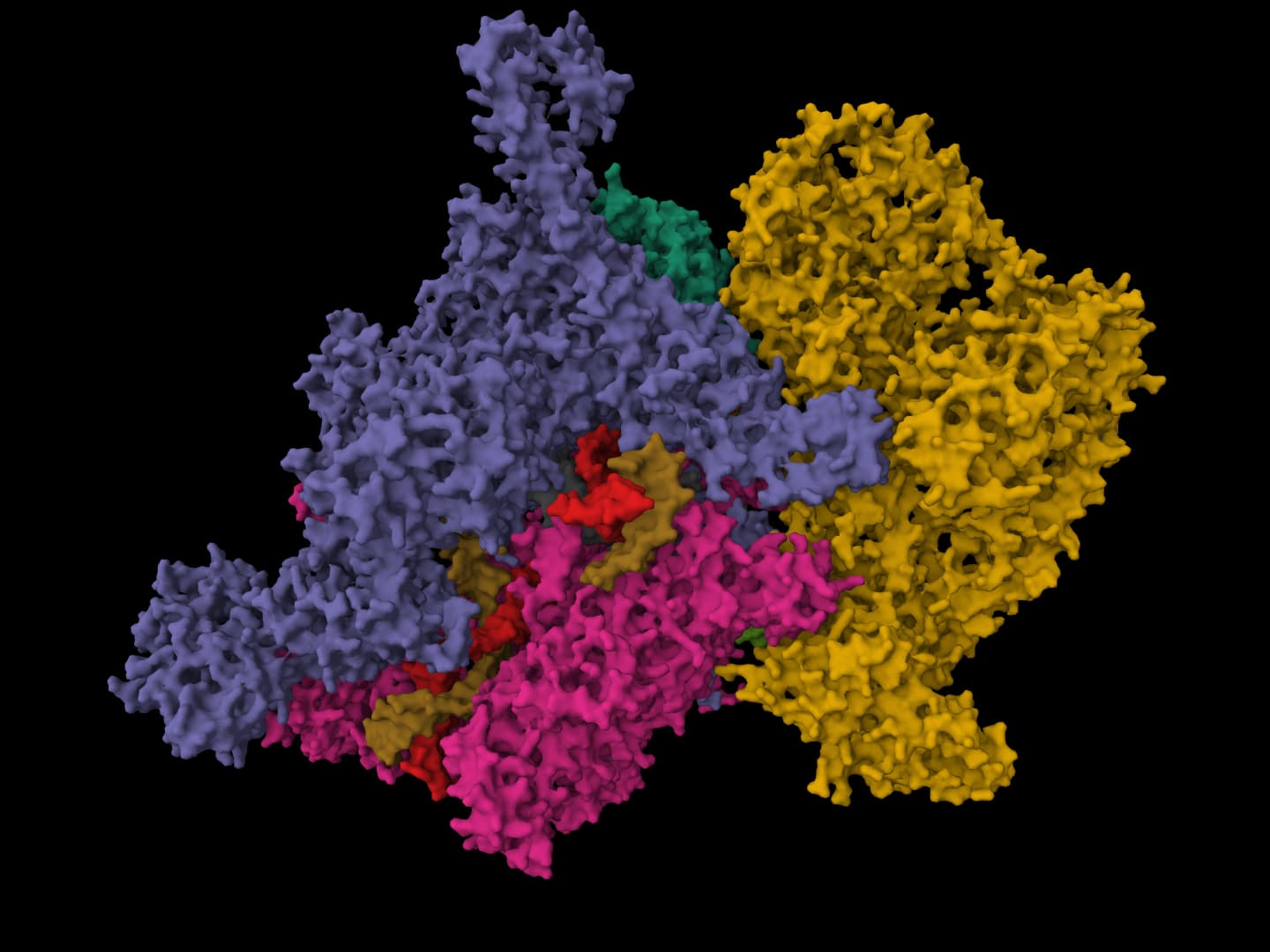
Predict protein solubility and purification usability for E. coli expression systems
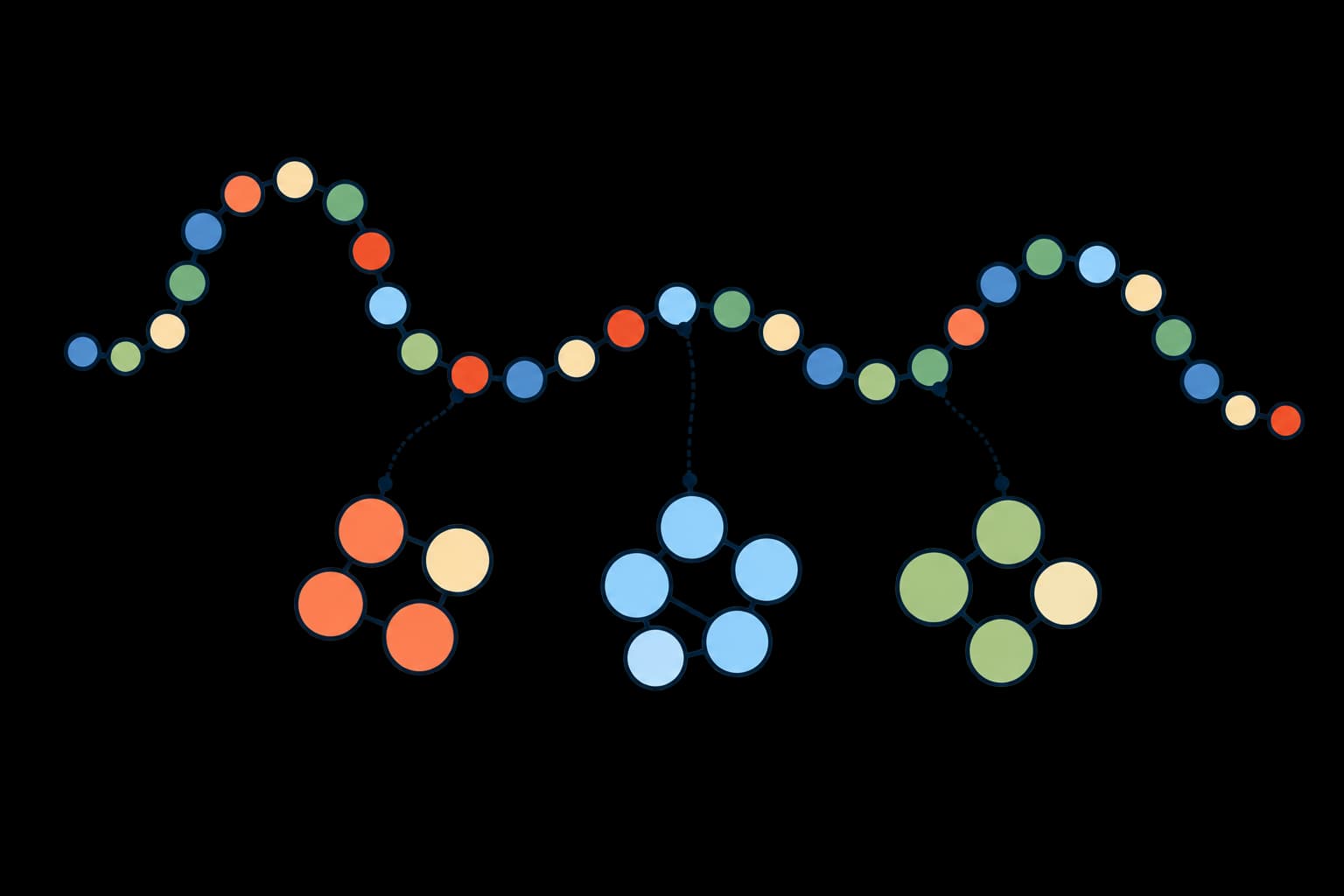
Compare independently interpretable sequence properties related to protein stability.
Model shortlisted peptides, validate geometry, and dock them against the target to explore compatible peptide–target complexes.
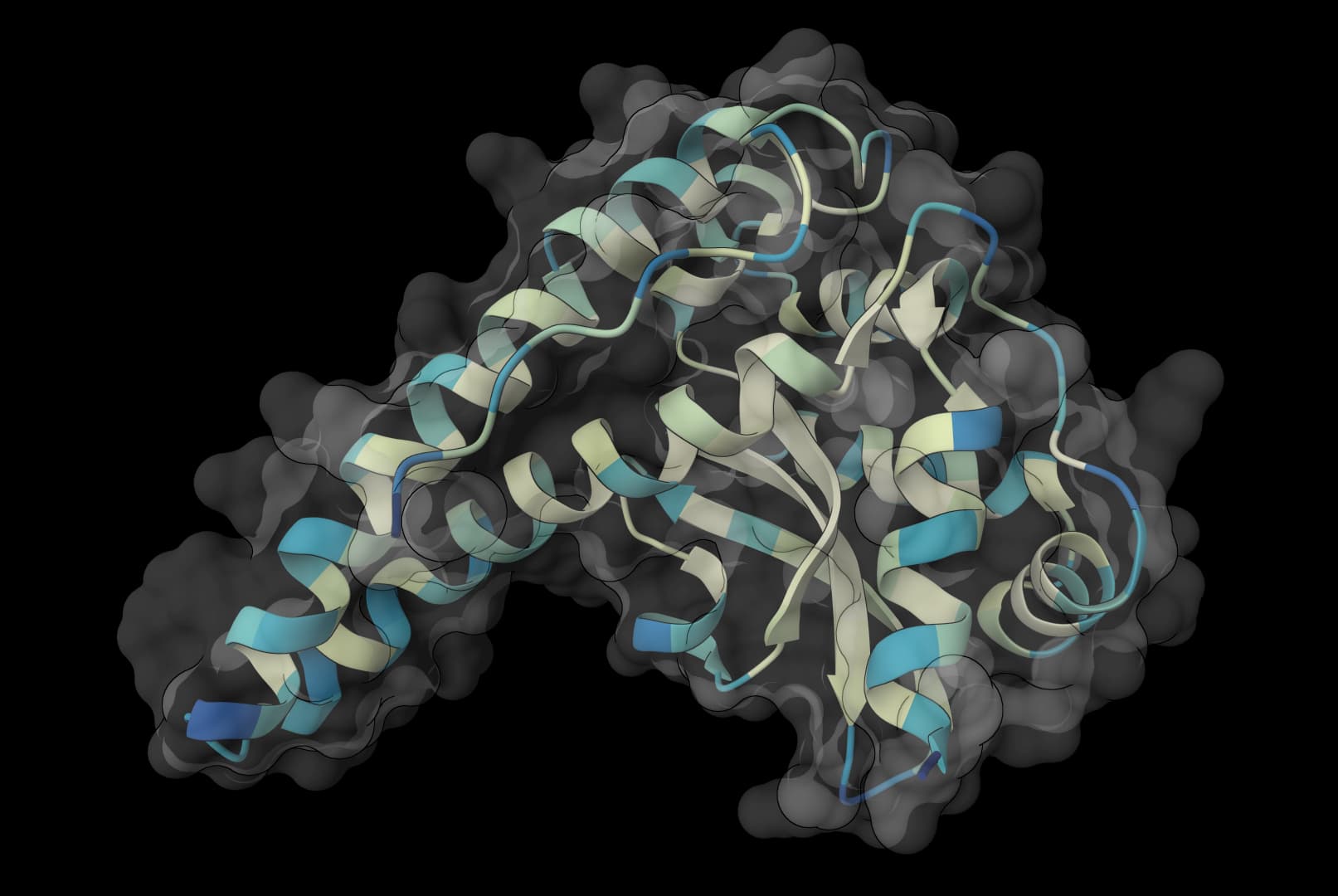
Cyclic peptide structure prediction with CycPOEM-enhanced AlphaFold2
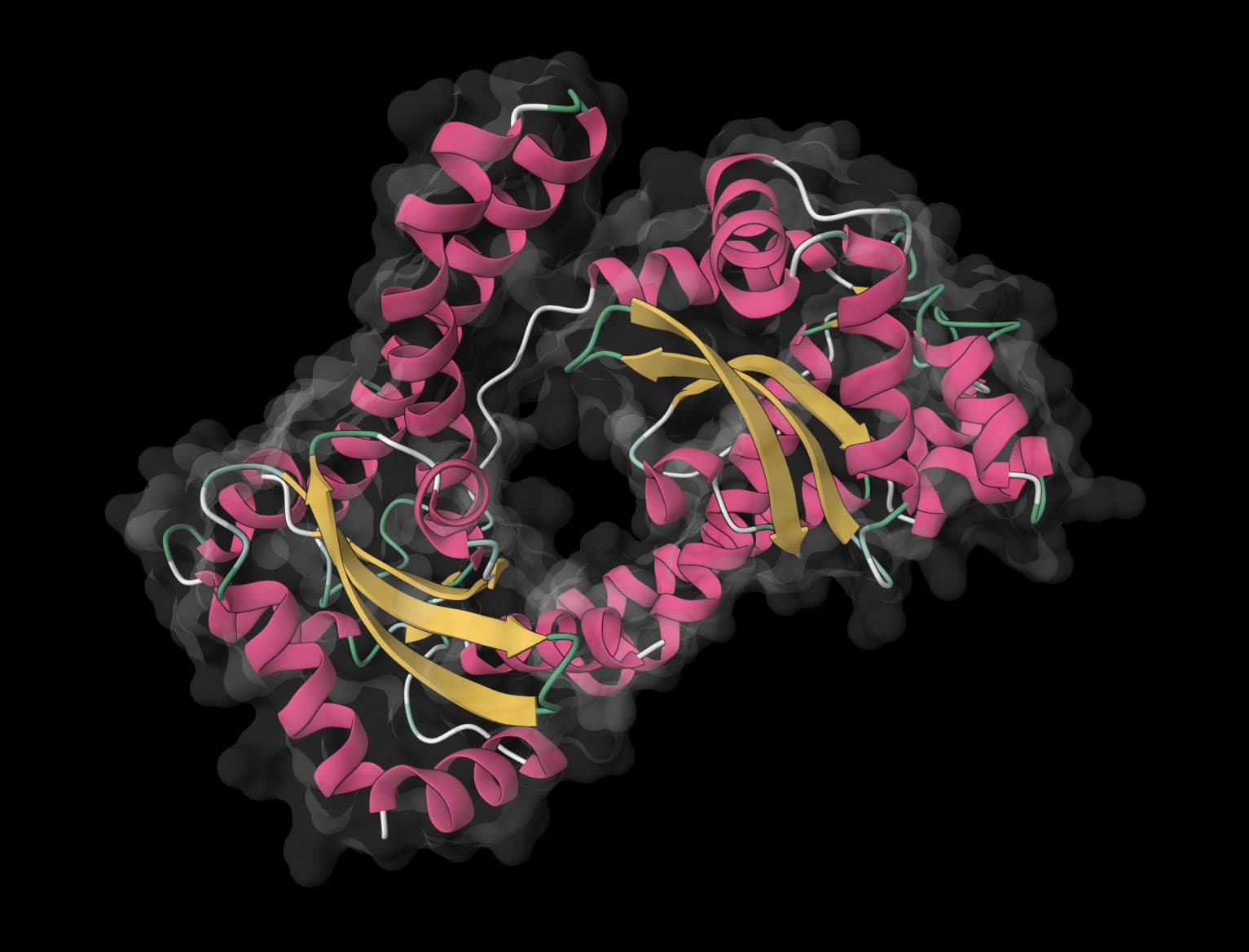
Predict protein structures and multimers directly from sequences without an MSA.
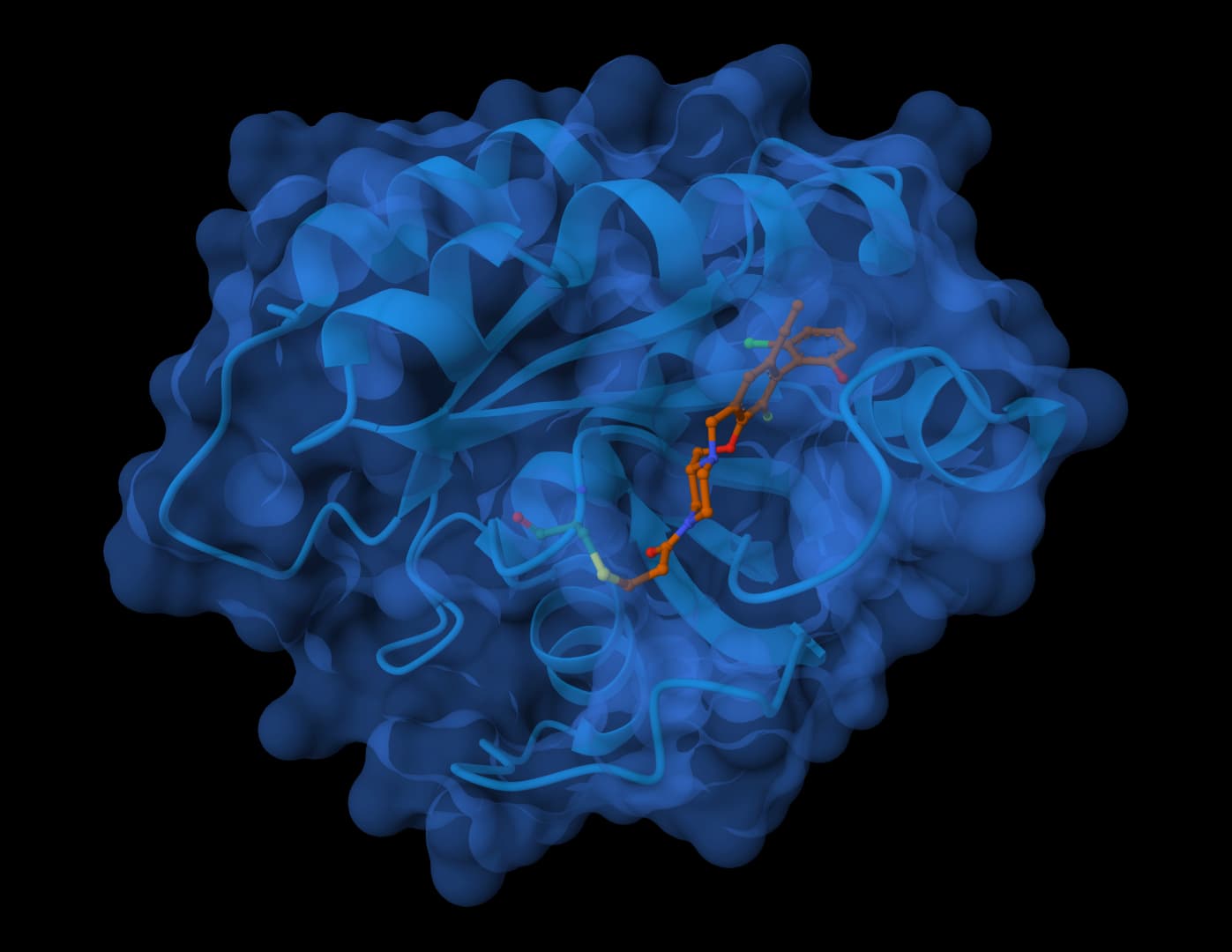
Predict biomolecular complex structures and binding affinities for proteins, ligands, DNA, and RNA.
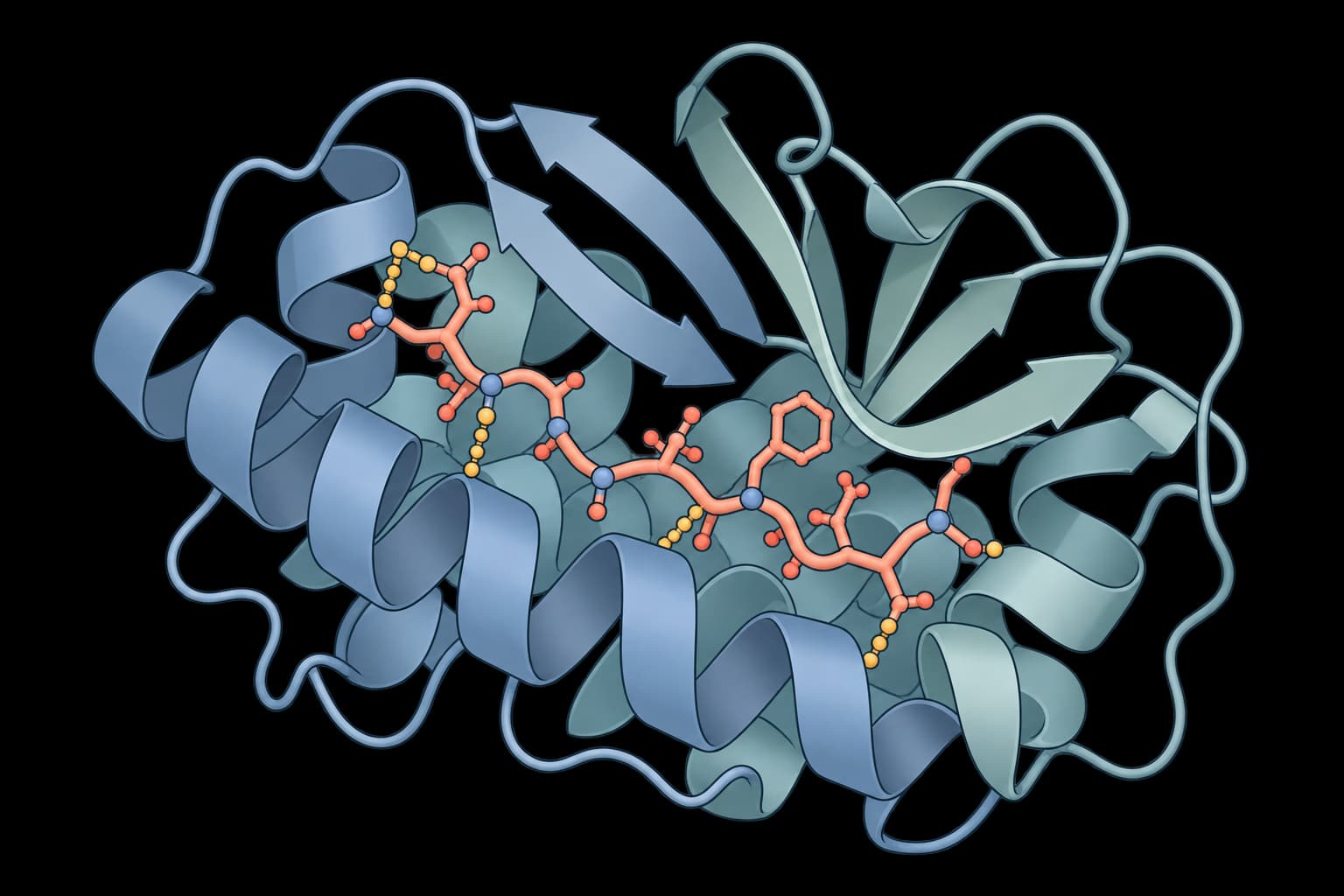
All-atom protein-peptide docking with unranked samples.
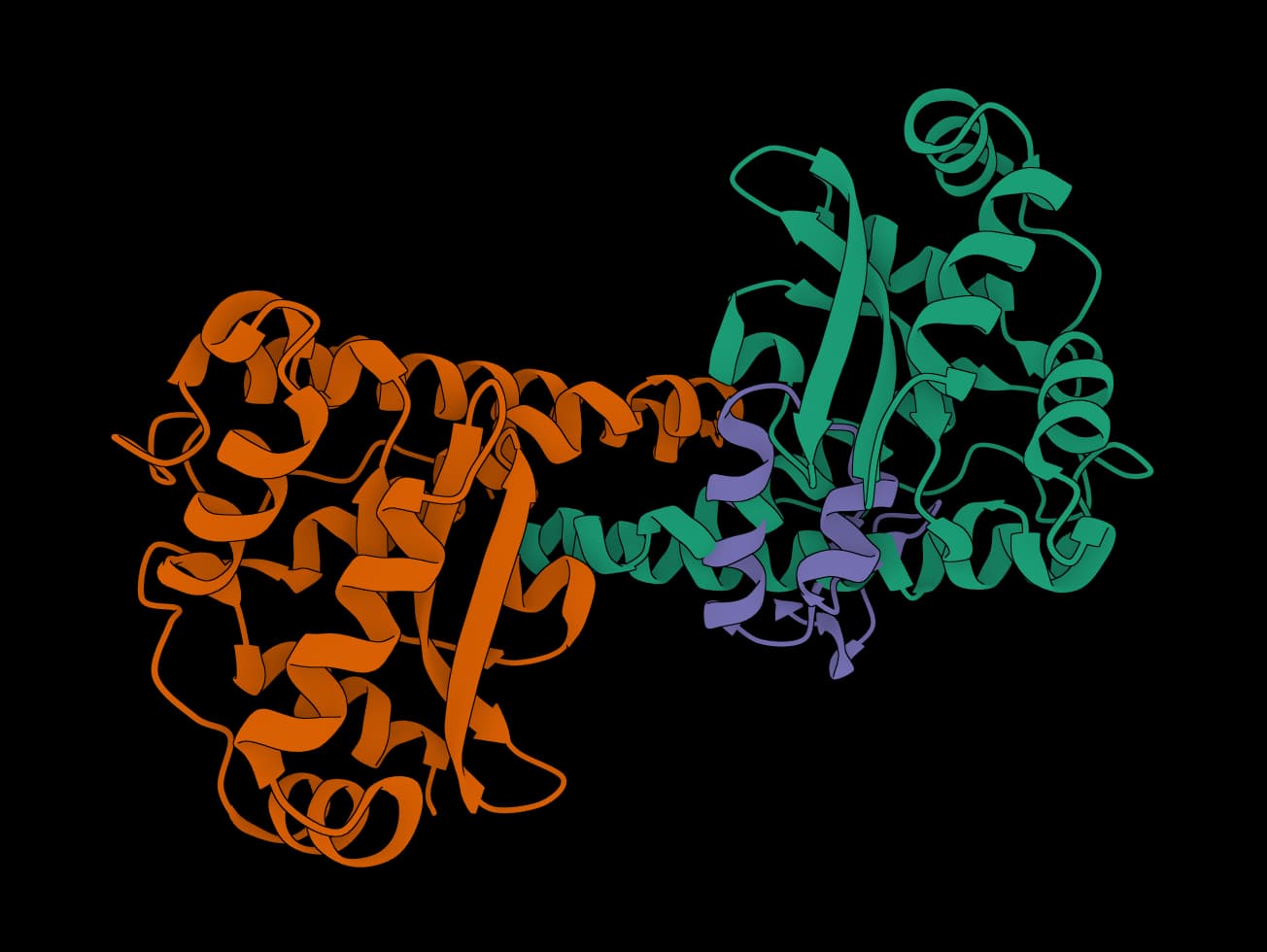
Protein-protein, protein-peptide, and protein-DNA docking using Glowworm Swarm Optimization
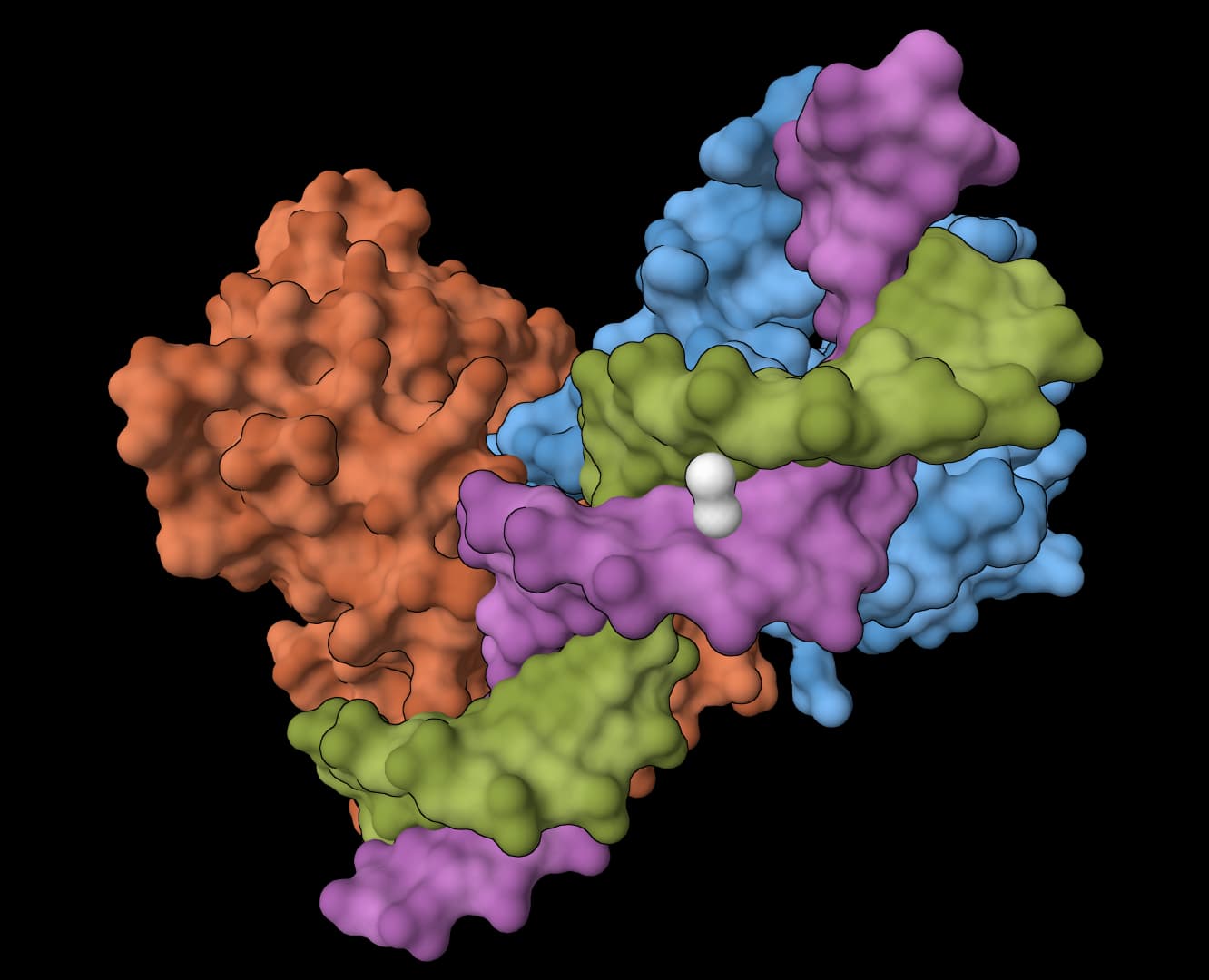
Validate protein structures with clashscore, Ramachandran, rotamer, and geometry checks.
ProteinIQ helps keep those signals together before laboratory testing. You can design or import peptides, calculate sequence properties, screen activity-related predictions, model structures, and compare the resulting tables and files without losing the relationship to each candidate. Start with a peptide sequence, a target, or a candidate library and run the checks needed for your decision. ProteinIQ returns the method-specific scores, structures, logs, and exports so a shortlist can be reviewed with its supporting evidence intact.
ProteinIQ supports peptide discovery workflows for sequence design, peptide property calculation, cleavage analysis, activity prediction, solubility review, immunogenicity-style triage, and structure follow-up. You can use these workflows to move from candidate sequences to reviewable computational evidence without writing local scripts.
ProteinIQ peptide tools commonly start from raw peptide sequences or FASTA records. Structure follow-up tools may require protein-style FASTA inputs or existing structure files, and each ProteinIQ workflow keeps those input requirements tied to the upstream tool being run.
Yes. ProteinIQ can run peptide design tools that generate candidate sequences, then route those candidates into property, activity, solubility, cleavage, and structure checks. The generated peptides should be treated as computational candidates for prioritization, not as experimentally validated hits.
ProteinIQ can help review peptide activity and liability signals such as antimicrobial or functional activity predictions, cleavage behavior, sequence properties, and developability-related descriptors when supported by the selected tool. The platform keeps the prediction labels and score tables visible so researchers can compare candidates directly.
ProteinIQ peptide property tools can calculate descriptors such as mass, charge, composition, cleavage products, hydropathy, and related sequence features depending on the tool. These calculations are presented as inspectable tables and downloads so the peptide sequence remains connected to the property evidence.
Yes. ProteinIQ can route peptide or short protein sequences into compatible structure prediction and modeling tools when the upstream method supports the input. Structure outputs can include PDB or CIF files, confidence information, logs, and other artifacts for downstream review.
Yes. ProteinIQ peptide workflows are useful when you want connected design, property, activity, and structure checks, but individual tools such as peptide mass, peptide cleavage, activity prediction, and folding tools can also be opened directly for a narrower question.
Yes. ProteinIQ peptide workflows can export FASTA sequences, generated candidate lists, CSV property tables, activity prediction tables, structure files, logs, and upstream result artifacts depending on the tool. Exports are intended to keep the computational evidence available for review outside ProteinIQ.
No. ProteinIQ provides computational peptide discovery and prioritization evidence. Experimental activity, toxicity, stability, permeability, immunogenicity, and developability assays are still required before making biological, therapeutic, or product claims about a peptide candidate.
AI answers from our docs. No sign-in needed.
The perfect starting place for your first project.
Everything an academic lab needs to scale.
Everything in Free
More compute and a commercial license for industry.
Everything in Plus
Custom credits, seats, and security review.
Everything in Pro