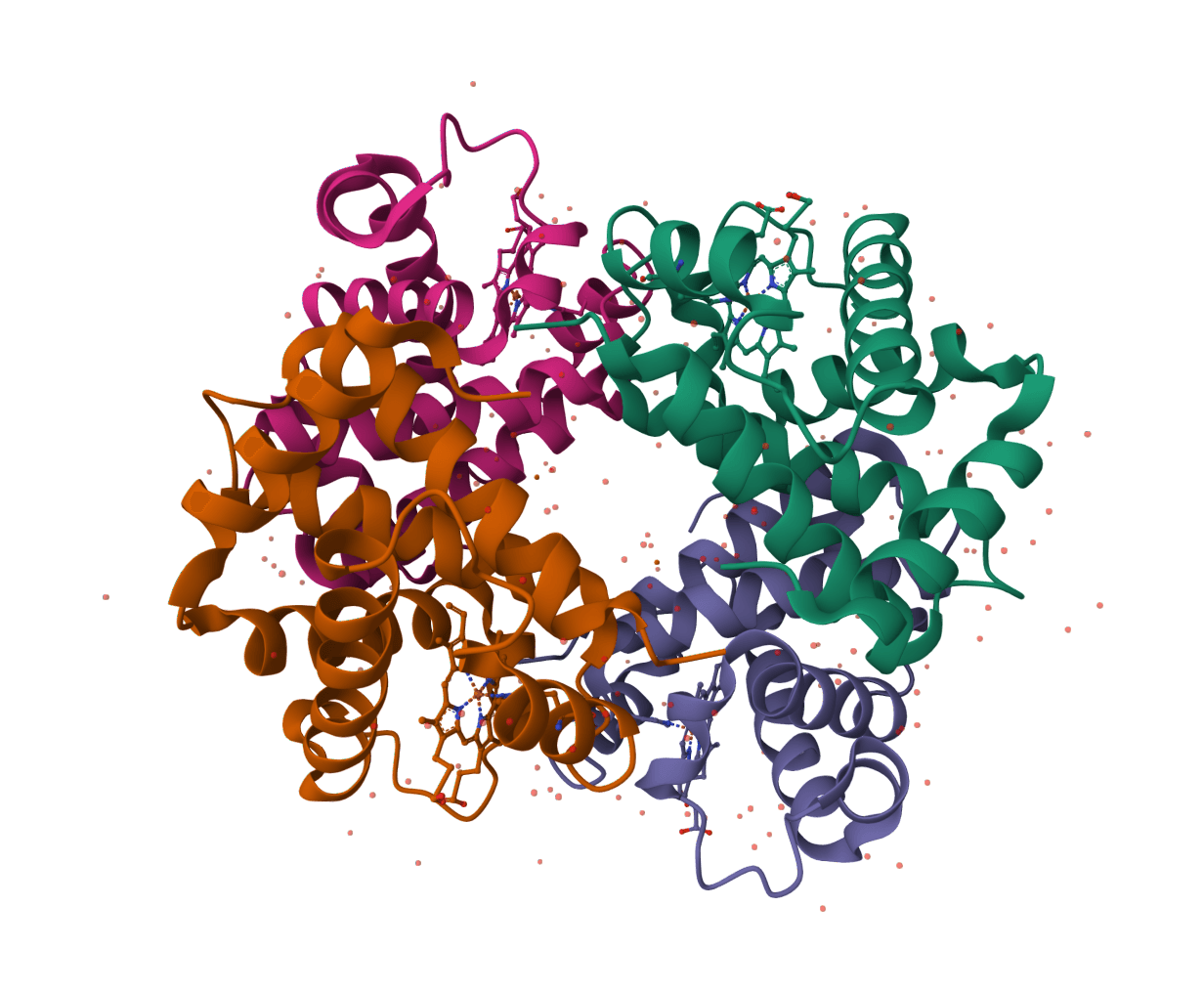
Fetch UniProt protein sequence files, JSON records, and available sequence content by accession. Learn more
Input
What is UniProt Download?
UniProt Download is a direct-record retrieval tool for UniProtKB, the protein knowledgebase maintained by the UniProt Consortium. A UniProt accession identifies one protein record and its associated sequence, annotation, identifiers, and cross-references. The tool retrieves that record as FASTA or JSON, rather than searching a collection of gene names or protein descriptions.
That distinction matters for reproducibility. An accession such as P00533 identifies the human epidermal growth factor receptor record, while a gene symbol or protein name can match multiple organisms, entries, or isoforms. Use the database search page to discover a record when its accession is not known, then use this tool to keep a specific record with an analysis.
How to use UniProt Download online
ProteinIQ retrieves a UniProtKB record from its accession and returns the available FASTA, JSON, mapped experimental structure files, and summary metadata. Enter an accession such as P00533, choose all available formats or a specific one, then download the returned files or copy their text content for sequence and annotation workflows.
Input
| Input | Description |
|---|---|
Entry ID | A UniProtKB accession, for example P00533 (EGFR), P69905 (hemoglobin subunit alpha), or Q8W3K0. Direct download is accession-based, so a gene symbol, protein name, or PDB ID should first be resolved through database search. |
Accessions are normalized to uppercase before the record is requested. A not-found result means that UniProtKB did not return a record for that exact identifier.
Settings
| Setting | Default | Description |
|---|---|---|
Database | UniProt | Keeps the request in the UniProt download workflow. Selecting another database changes the active download source and its accepted identifier type. |
Output format | All formats | Returns every available file, or filters results to FASTA, JSON, or CIF. FASTA includes both the UniProt FASTA download and the generated sequence-only FASTA when sequence content is present. |
Results and downloads
| Result | Format | What it contains | Availability |
|---|---|---|---|
FASTA | .fasta | The UniProtKB FASTA record, including its UniProt header and amino-acid sequence. | Returned for the retrieved record. |
JSON | .json | The complete machine-readable UniProtKB response, including the fields supplied by UniProt for that entry. | Returned for the retrieved record. |
Protein sequence | .fasta | A compact FASTA file generated from the sequence field, with the accession and sequence label in its header. | Returned when the record includes sequence content. |
| PDB cross-reference | .cif | An mmCIF coordinate file from RCSB PDB for an experimental structure linked from the UniProt record. | One file per linked PDB entry, when present. |
CIF does not represent a structure predicted from the UniProt sequence. It is an experimental-structure cross-reference recorded by UniProt and fetched from the Protein Data Bank. A record can therefore return no CIF files, or several when multiple PDB structures are cross-referenced. For a known archive entry, PDB Download retrieves its coordinate and sequence files directly.
The Files panel preserves the file label, generated filename, format, and source URL. Text formats are also loaded for inline inspection when available. The Details tab summarizes the accession, protein title, record type, source database, file count, and the original UniProt record URL.
Choosing the right file for a protein workflow
The two FASTA outputs often contain the same amino-acid sequence, but they serve slightly different purposes. The UniProt FASTA carries the provider's complete record header, which is useful when retaining the original provenance. The generated Protein sequence FASTA is deliberately compact and is convenient when a downstream program needs a simple sequence file.
JSON is the better choice when the workflow needs more than the sequence. It retains structured fields that may include the protein name, organism, gene names, entry status, sequence length, functional comments, and cross-references. Field availability depends on the selected UniProt record, so downstream parsing should not assume that every annotation category is present.
For sequence comparison, send the FASTA file to Clustal Omega. For rapid quality checks before an analysis, protein parameters and amino acid composition calculate complementary sequence properties. A linked CIF file is appropriate for inspecting an already deposited experimental model; an AlphaFold Database model is a separate, predicted structure resource.
Interpreting record status and structure links
UniProt labels entries as reviewed or unreviewed. A reviewed UniProtKB/Swiss-Prot record has undergone manual curation, while an unreviewed UniProtKB/TrEMBL record is computationally analyzed and awaits manual review. The status is displayed in the record details and should be retained when comparing annotations or assembling a reference dataset.
PDB cross-references indicate that the UniProt record is linked to one or more structural archive entries. They do not mean that the full UniProt sequence was resolved in each deposited model. Experimental constructs can omit termini, contain mutations, or cover only one domain. Compare sequence coverage and experimental metadata in the PDB record before treating a linked coordinate file as a full-length structural representation.
When direct UniProt download is the right starting point
Direct retrieval is best for a known accession that needs to be carried into a reproducible analysis, such as P69905 before a multiple sequence alignment or a saved JSON record accompanying a functional-annotation review. It is not a bulk proteome downloader, a gene-name disambiguation service, or a structure-prediction method. Search first when the identifier is uncertain, and use a structure-prediction tool only when no suitable experimental or database model answers the biological question.
Related tools
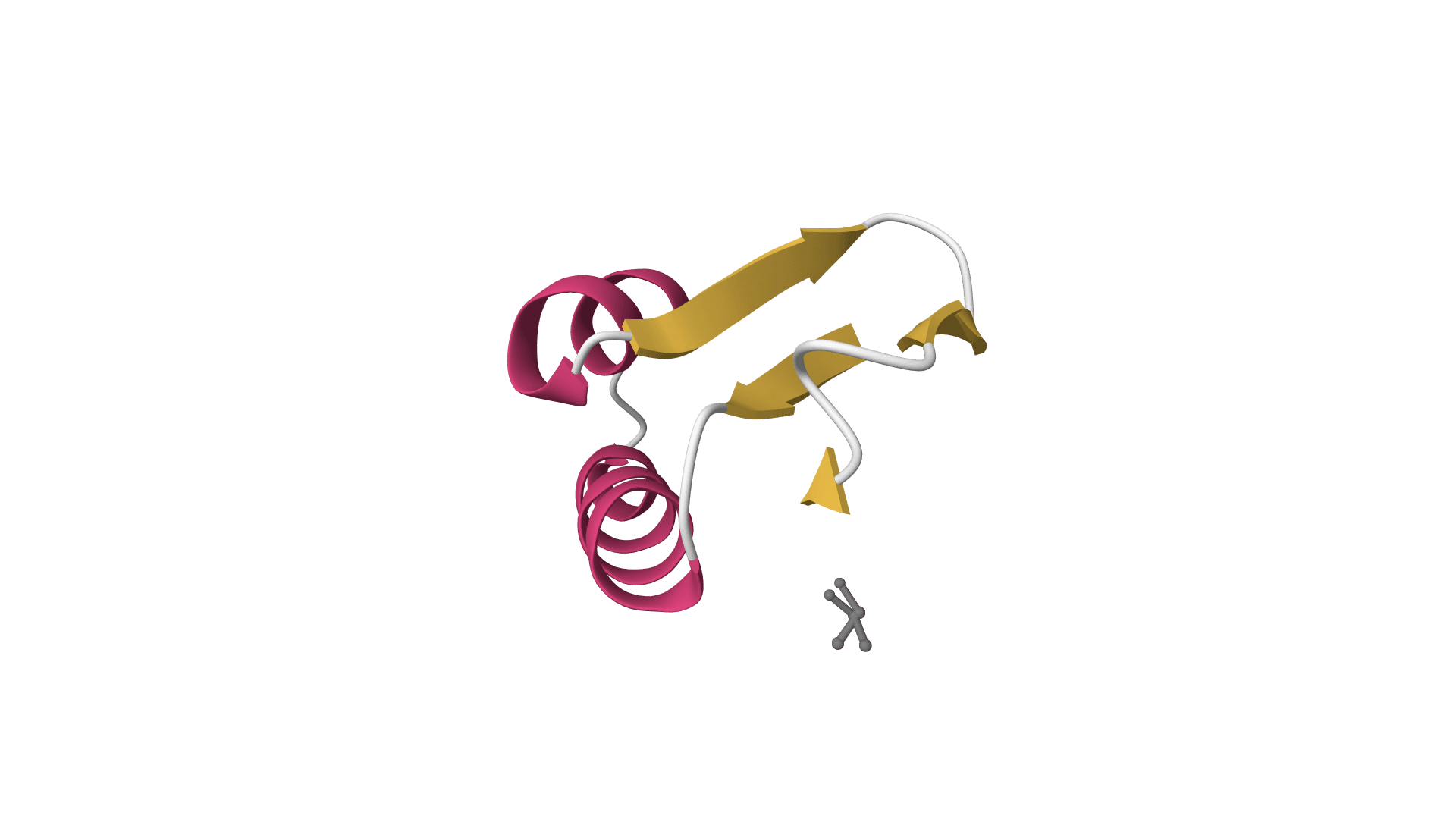
PDB Download
Download PDB, CIF, and FASTA files from RCSB PDB by 4-character structure ID.
AlphaFold Database Download
Download AlphaFold DB predicted structures and confidence files by UniProt accession.
BindingDB Download
Download BindingDB binding record files by BindingDB monomer ID.
InterPro Download
Download InterPro protein family and domain records as JSON by InterPro ID.
PDBe Download
Download PDBe structure files as PDB and CIF by PDB ID.
QuickGO Download
Download QuickGO Gene Ontology term records as JSON by GO ID.
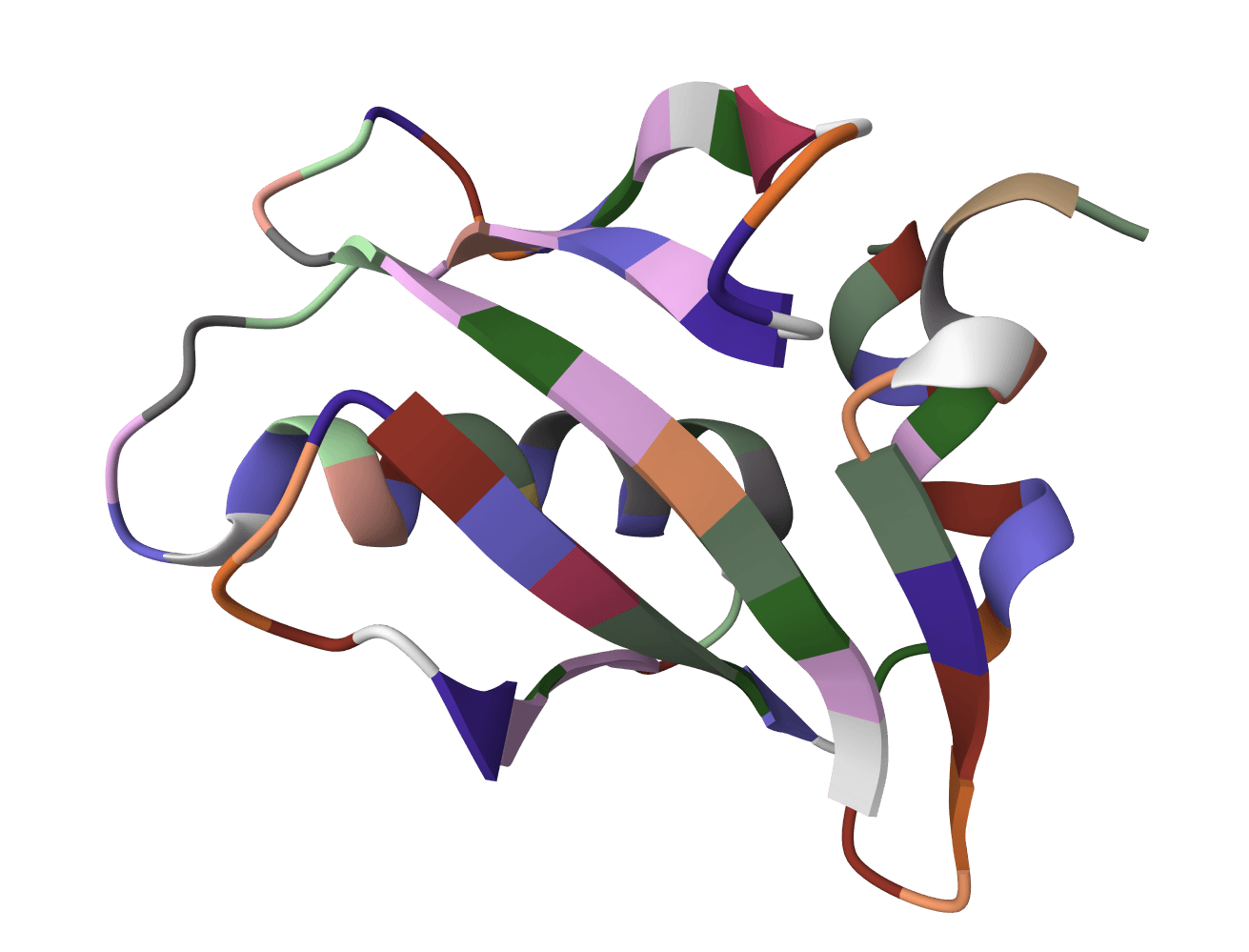
Amino acid composition
Analyze amino acid composition of protein sequences. The tool accepts FASTA sequences and outputs the percentage of each amino acid in the sequence.
Protein motif scanner
Scan protein sequences for biologically important motifs including glycosylation sites, phosphorylation sites, nuclear localization signals, prenylation motifs, and more.
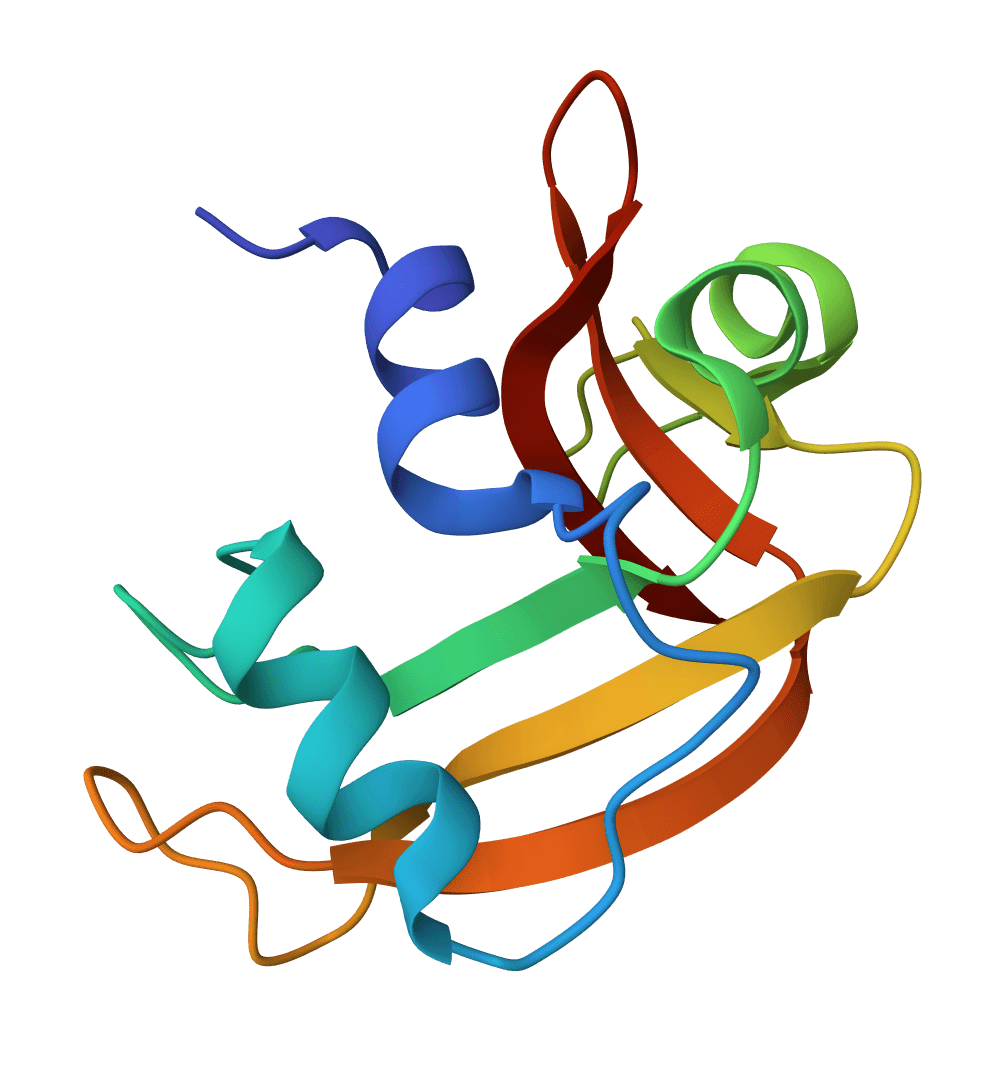
ANARCI
Number antibody and T cell receptor variable domain sequences using IMGT, Chothia, Kabat, Martin, AHo, or Wolfguy. Reports chain type, the best HMM species match, and optional germline assignments.
ChEBI Download
Download ChEBI chemical entity records as JSON by ChEBI ID.