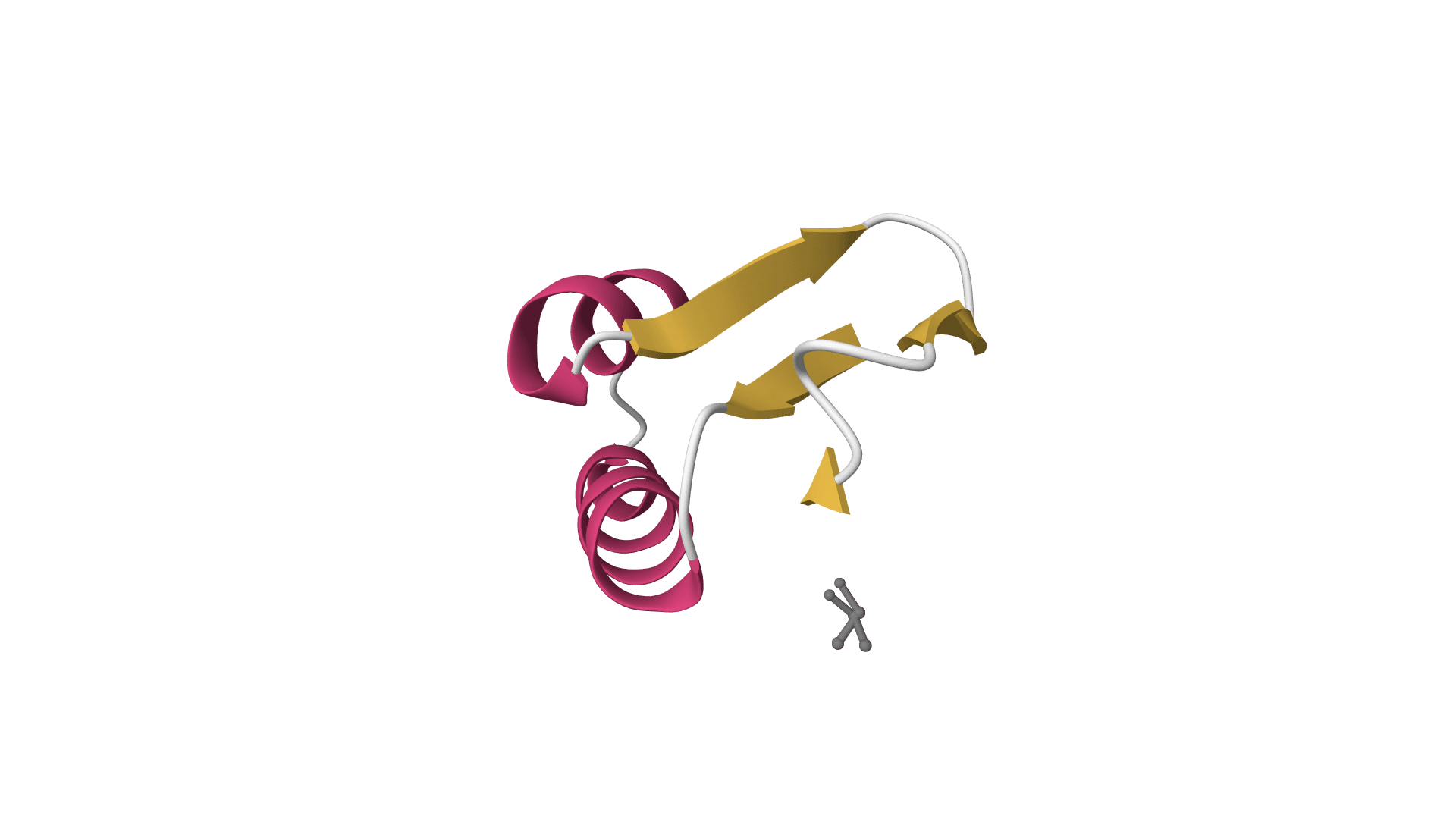
Fetch structure coordinate and sequence files from RCSB PDB by PDB ID. Learn more
Input
What is PDB Download?
PDB Download is a direct-retrieval tool for archived macromolecular structure records in RCSB Protein Data Bank. Given a known four-character PDB identifier, it retrieves the entry coordinate files and its structure-associated polymer sequences in formats commonly needed for structural biology workflows.
The tool downloads the deposited archive entry, not a predicted structure, a prepared receptor, or a biological assembly. For example, 4HHB retrieves the archived hemoglobin entry files. Experimental method, resolution, missing residues, alternate conformations, chain composition, ligands, and assembly annotations remain properties of that deposited record and should be reviewed on its RCSB entry page before scientific interpretation.
PDBx/mmCIF is the current archival coordinate format and is generally the best choice for new analysis pipelines. Legacy PDB remains useful for software that requires its fixed-column syntax, but it has format limits and will not be available for every future archive entry.
How to use PDB Download online
ProteinIQ retrieves RCSB PDB files from a known structure ID such as 1CRN, 4HHB, or 1Q0L. Enter the four-character ID, select PDB, mmCIF, FASTA, or all available formats, then download the returned coordinate or sequence files for inspection, conversion, or downstream analysis.
Input and settings
| Field | Description |
|---|---|
Entry ID | A released, four-character PDB identifier. Letter case is accepted, so 4hhb and 4HHB refer to the same entry. This tool retrieves one known record and does not search by protein name, gene, ligand, or UniProt accession. |
| Setting | Description |
|---|---|
Database | RCSB PDB is the default source. Selecting another database changes the data source and can require a different identifier or offer different file formats. |
Output format | All formats returns PDB, mmCIF, and FASTA files. Select PDB, mmCIF, or FASTA to retrieve only that representation. |
An unknown, withdrawn, unreleased, or malformed identifier returns an entry-not-found result. The tool does not infer an ID from a protein name, so use the RCSB PDB search service first when the archive identifier is not known.
Files returned
| Result item | Extension | Contents | Appropriate use |
| --- | --- | --- |
| PDB | .pdb | Deposited coordinates in the legacy PDB text format. | A viewer, script, or established method that explicitly requires PDB input. |
| CIF | .cif | Deposited coordinates and PDBx/mmCIF data categories. | Modern structure software, larger or more complex entries, and workflows that need the fuller archive representation. |
| FASTA | .fasta | Full deposited polymer sequences associated with the PDB entry. | Sequence search, alignment, construct comparison, or sequence-based analysis. |
The file list keeps each selected format separate. Download names are normalized as rcsb-<entry-id>-<format>.<extension>, for example rcsb-4HHB-cif.cif and rcsb-4HHB-fasta.fasta.
Choosing the right file
The PDB and mmCIF files represent the same deposited entry, but they are not interchangeable formats. Choose mmCIF whenever the next program supports it. It carries the PDBx data model used by the archive and avoids legacy PDB field limitations. Choose PDB only when compatibility with a particular program or script is the deciding factor.
FASTA describes the deposited polymer sequence, which can include residues not resolved as coordinates in the experiment. It is therefore not necessarily the same as the residue set visible in a coordinate file. To extract observed residues, choose chains, or control how missing residues are represented after downloading, use PDB to FASTA.
PDB Download returns the archive entry coordinates, not a biological assembly file. An asymmetric unit can differ from the biologically relevant assembly, particularly for multimeric proteins. When assembly state, experimental quality, or ligand context matters, inspect the corresponding RCSB record and retain the exact file choice with the analysis.
Working with downloaded structures
Coordinate files often need preparation for the next scientific question. Use PDB to CIF when a PDB-only source must be converted for an mmCIF-capable workflow. Use PDB Fixer when a modeling or simulation workflow needs a cleaned structure with decisions about missing atoms, residues, or heterogens made explicitly.
For a second download route to the same worldwide Protein Data Bank archive, PDBe Download retrieves PDB and mmCIF files through the European partner. It is useful when a workflow already cites PDBe or relies on its entry pages and services.
Related tools
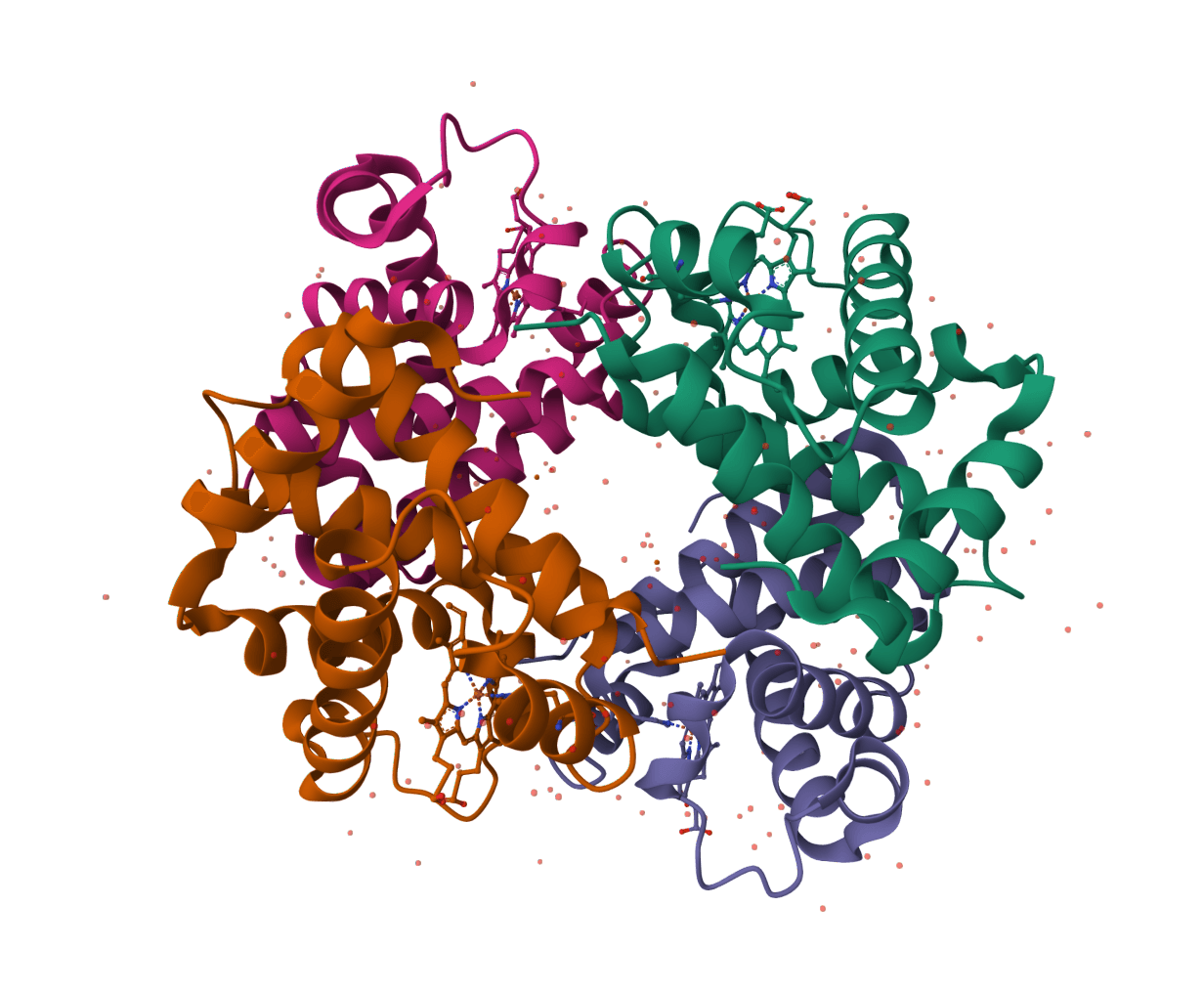
AlphaFold Database Download
Download AlphaFold DB predicted structures and confidence files by UniProt accession.
PDBe Download
Download PDBe structure files as PDB and CIF by PDB ID.
UniProt Download
Download UniProt protein sequence records as FASTA and JSON by accession.
BindingDB Download
Download BindingDB binding record files by BindingDB monomer ID.
InterPro Download
Download InterPro protein family and domain records as JSON by InterPro ID.
QuickGO Download
Download QuickGO Gene Ontology term records as JSON by GO ID.
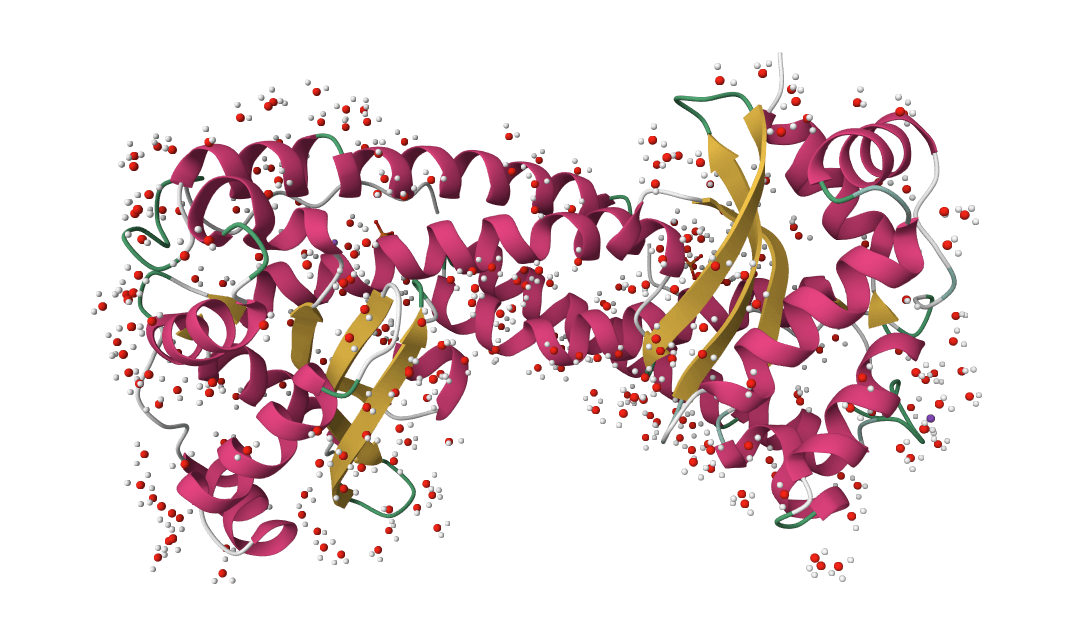
PDBFixer
PDBFixer is an OpenMM-based tool used for fixing problems in protein/DNA/RNA structure files, including adding missing atoms, adding missing residues, and fixing improper formatting.
PDB to CIF Converter
Convert Protein Data Bank files to Crystallographic Information File format
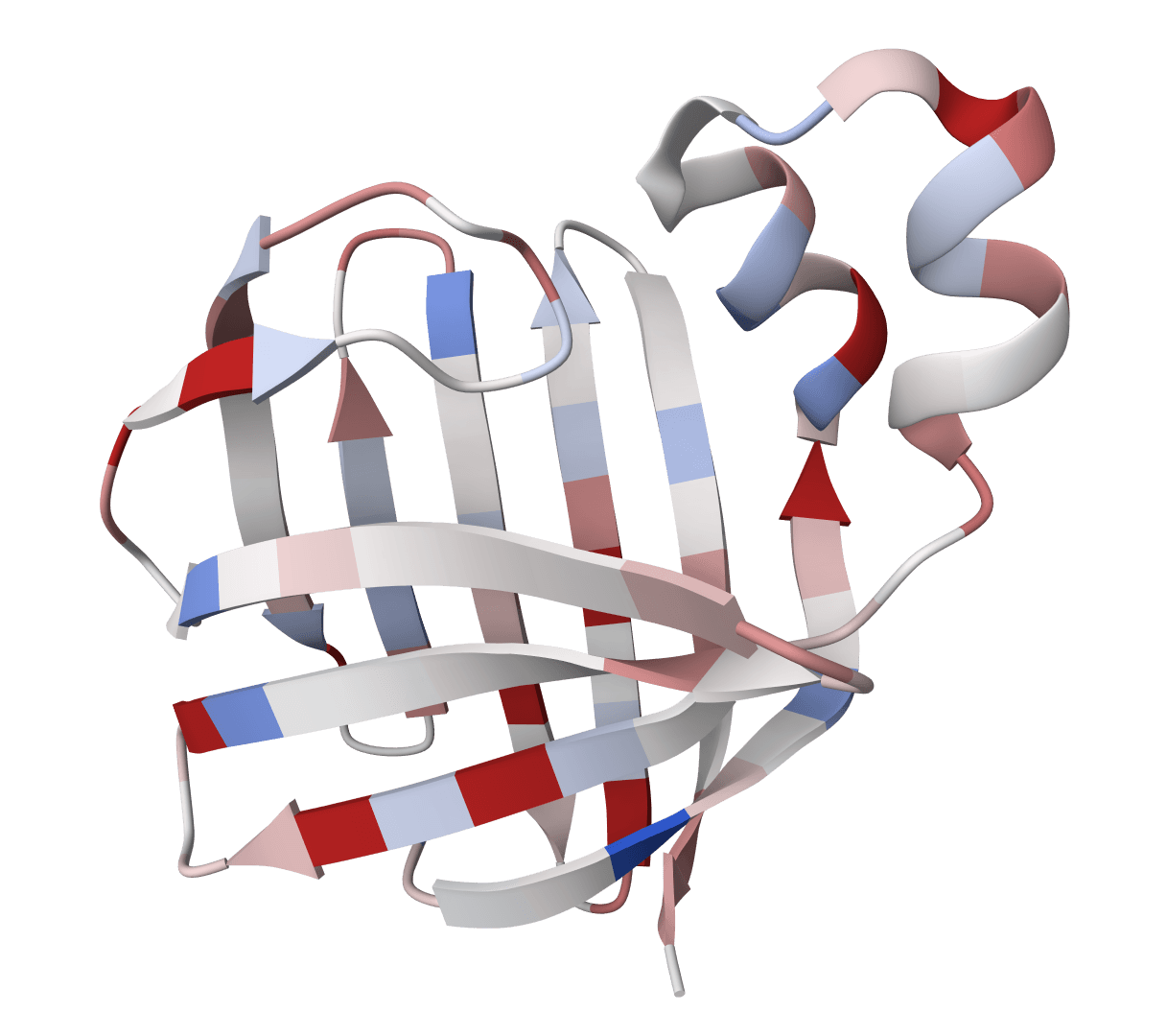
PDB to FASTA converter
Convert Protein Data Bank files to FASTA sequence format
ChEBI Download
Download ChEBI chemical entity records as JSON by ChEBI ID.