Food and nutrition
Compare food enzymes and digestion peptides
Compare enzyme activity and stability, and list the peptides a protease releases, before bench work.
Trusted by 16,500+ researchers and published in
Compare and tune the enzyme
Rank candidate enzymes by predicted kinetics, then look for mutations that make the best one tolerate heat.
Check protein solubility
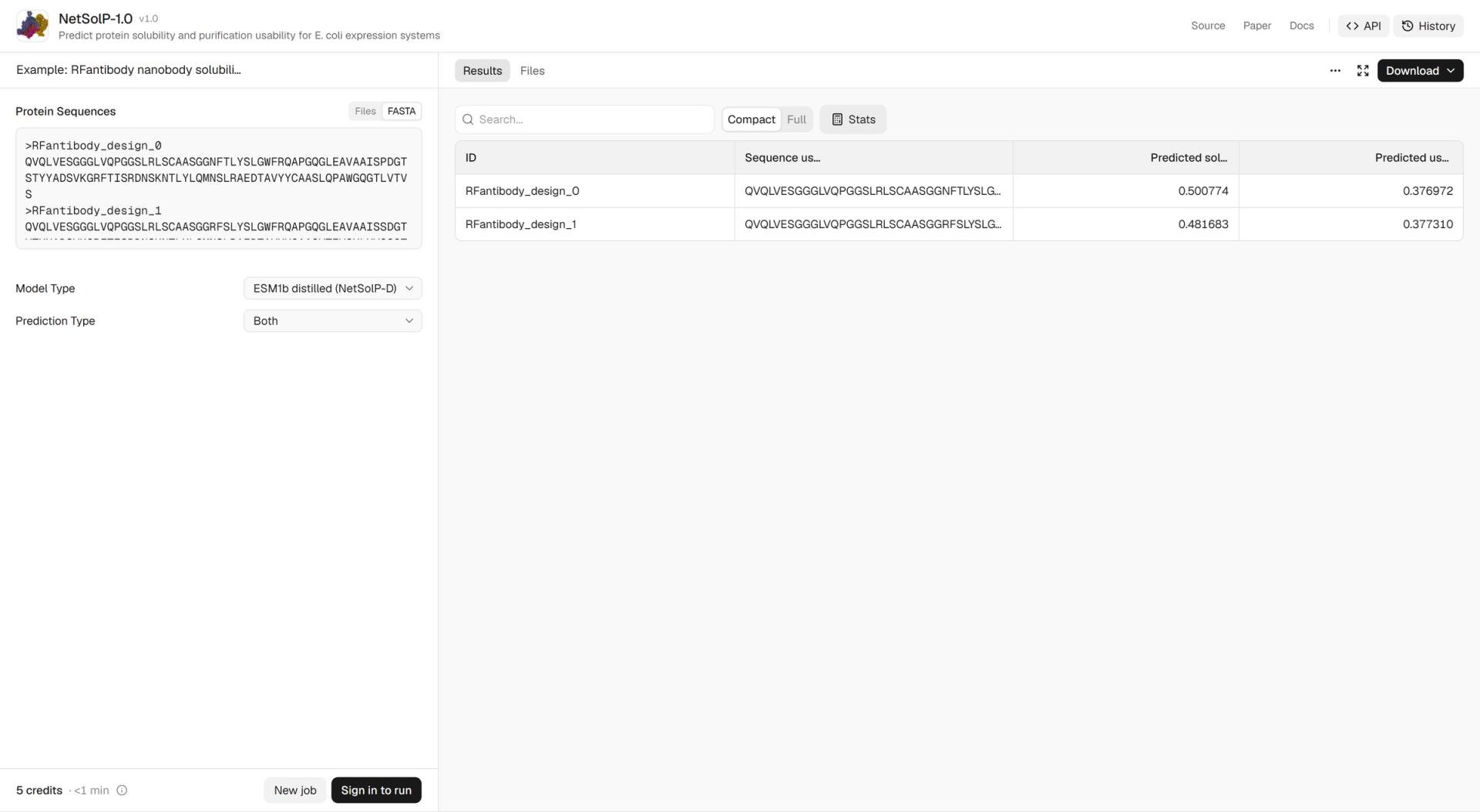
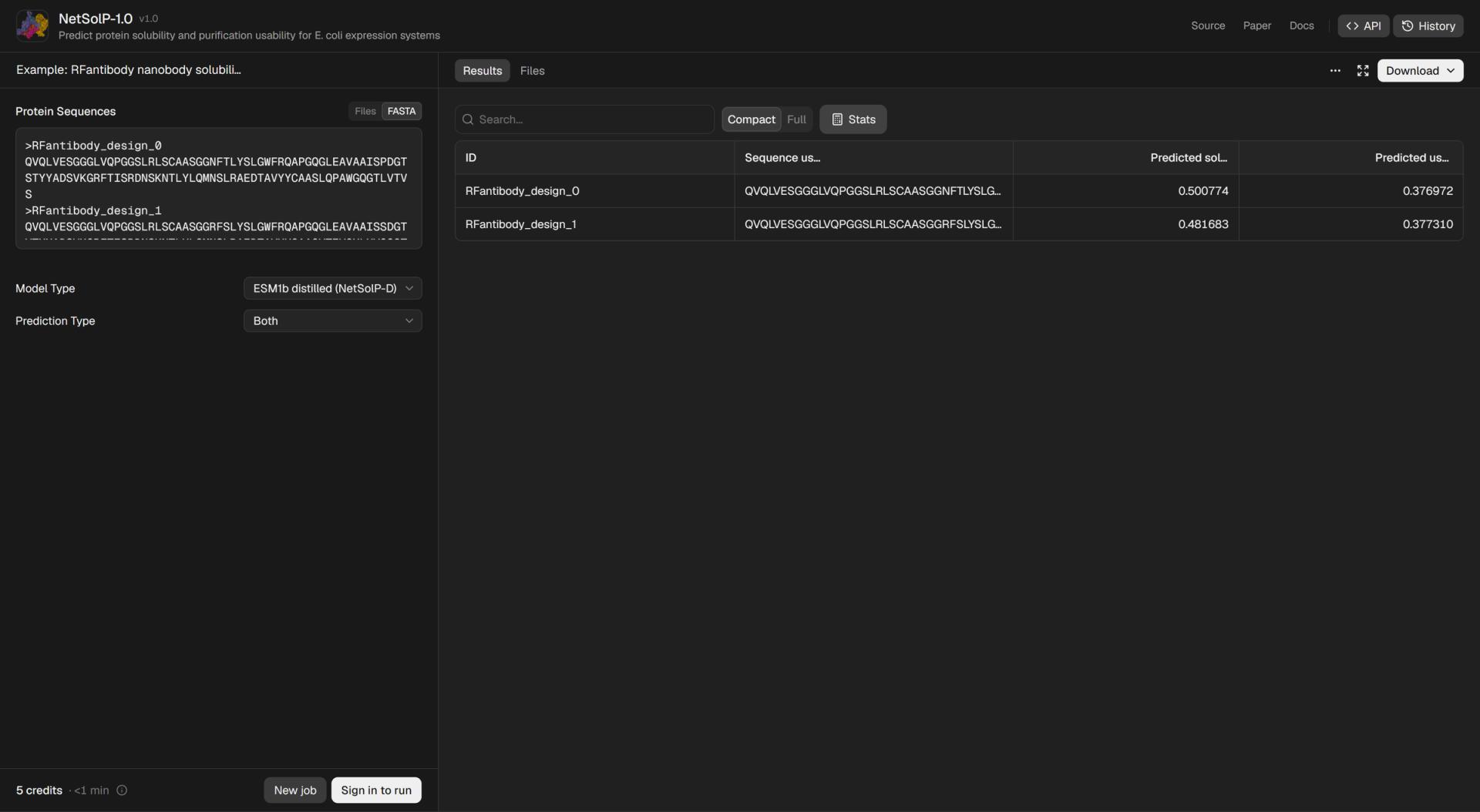
Solubility decides whether a protein ingredient can be made and used. Run the predictors and compare, then look at where the sequence is hydrophobic.
Map digestion and find peptides
List where proteases are expected to cut, calculate the fragment masses, and match them against a mass spectrometry run.
Characterize the ingredient
Size, charge and stability explain how a protein behaves in a formulation, and why it can fall out of solution near its isoelectric point.


Related use cases and research areas
Enzyme design
Redesign an enzyme around its reaction when a natural one does not fit your process.
Protein language models
Score sequences and variants with models trained on millions of proteins.
Peptide design
Design and screen peptides once digestion points you to a sequence of interest.
Enzyme engineering
The research-area workflow for activity prediction and mutation design.
Peptide discovery
The research-area workflow for peptide properties and structure.
Background for enzyme and protein work
Background guides on the methods, scores, and numbers behind these workflows.
Proteins · 17 min
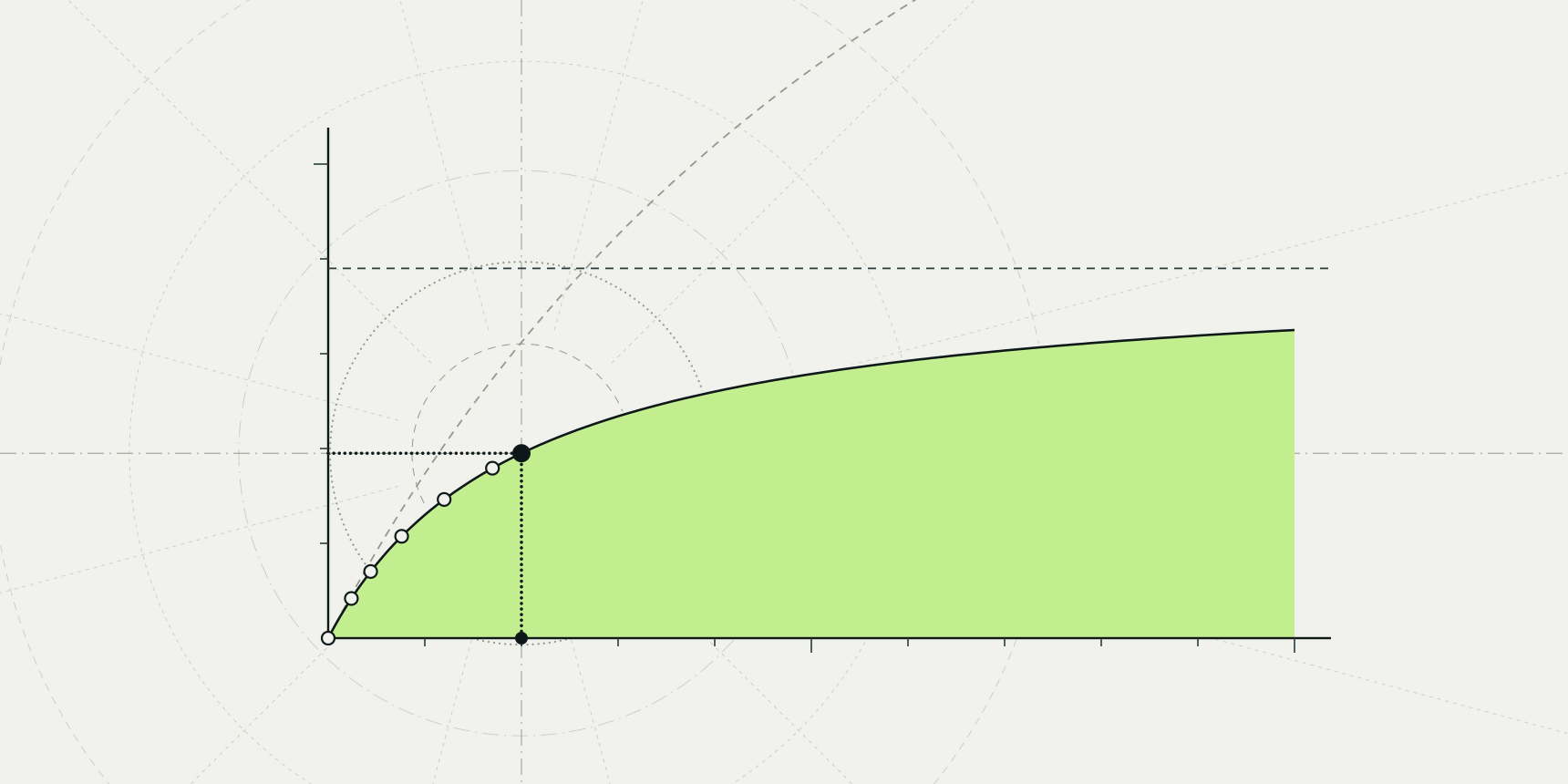
Michaelis-Menten kinetics: Km, Vmax and kcat explained
Km is the substrate concentration that gives half the maximum rate, Vmax is that maximum rate and kcat is Vmax per enzyme molecule. Learn what each number does and does not mean, why Km is not an affinity, why kcat/Km is the most reliable of the three, and how far predicted kcat and Km values from DLKcat and CatPred can be trusted.
Proteins · 16 min
Isoelectric point of a protein: what pI means and how it is calculated
The isoelectric point (pI) is the pH at which a protein carries zero net charge. Learn how calculators find it from the sequence, why EMBOSS, ExPASy (Bjellqvist), Lehninger and IPC 2.0 give different values, how pI is distributed across the human proteome, and how to use it for isoelectric focusing, ion exchange and solubility.
Proteins · 16 min
Peptide mass fingerprinting and peptide mapping explained
Peptide mass fingerprinting identifies a protein from the masses of its tryptic peptides alone, with no sequencing. A handful of masses can name one protein among 91,000, but only inside a tolerance tight enough to tell a match from a coincidence or a unit mistake. We calculate one BSA peptide by hand, show what the tolerance does to it, and separate the method from peptide mapping in biopharma.
FAQs
No. None of the tools on this page predicts a pH or temperature optimum. CatPred, DLKcat and ThermoMPNN rank enzymes and variants by predicted kinetics and stability, and process conditions still have to be measured.
No. It applies published cleavage rules to a sequence and shows where a protease could cut. Real digestion adds missed cleavages, protein structure, enzyme mixtures and food matrix effects, so treat the output as a list of candidate peptides to confirm by mass spectrometry.
NetSolP is trained to predict solubility and usability for E. coli expression, so it fits recombinant ingredients made by fermentation. Protein-Sol predicts solubility from sequence more generally. Neither models a particular food matrix, salt level or pH, so use them to compare candidates.
AI answers from our docs. No sign-in needed.
Focus on research, not infrastructure
Start free with 200 credits a month and no installs. Upgrade when your project needs more compute.