Protein language model
Embed, score and generate protein sequences
Embed protein sequences, score substitutions without assay data, generate new sequences, and fold the results with ESM-2, ESM-C, ProGen2, ESM-IF1, AbLang, and ESMFold.
Trusted by 16,500+ researchers and published in
Score variants
ESM-C Mutation Scoring ranks every single substitution by log-likelihood ratio, and EvoIF adds a structure and a homolog alignment. ProteusAI fits a model to your own fitness data. These are rankings, not measured effects.
Fold and check candidates
ESMFold predicts a structure from sequence alone and reports pLDDT, pTM and optional PAE. A confident fold does not show that a sequence works.


More protein engineering workflows
Read the scores before you trust them
Background guides on the methods, scores, and numbers behind these workflows.
Proteins · 18 min
What is a protein language model, and what is it used for
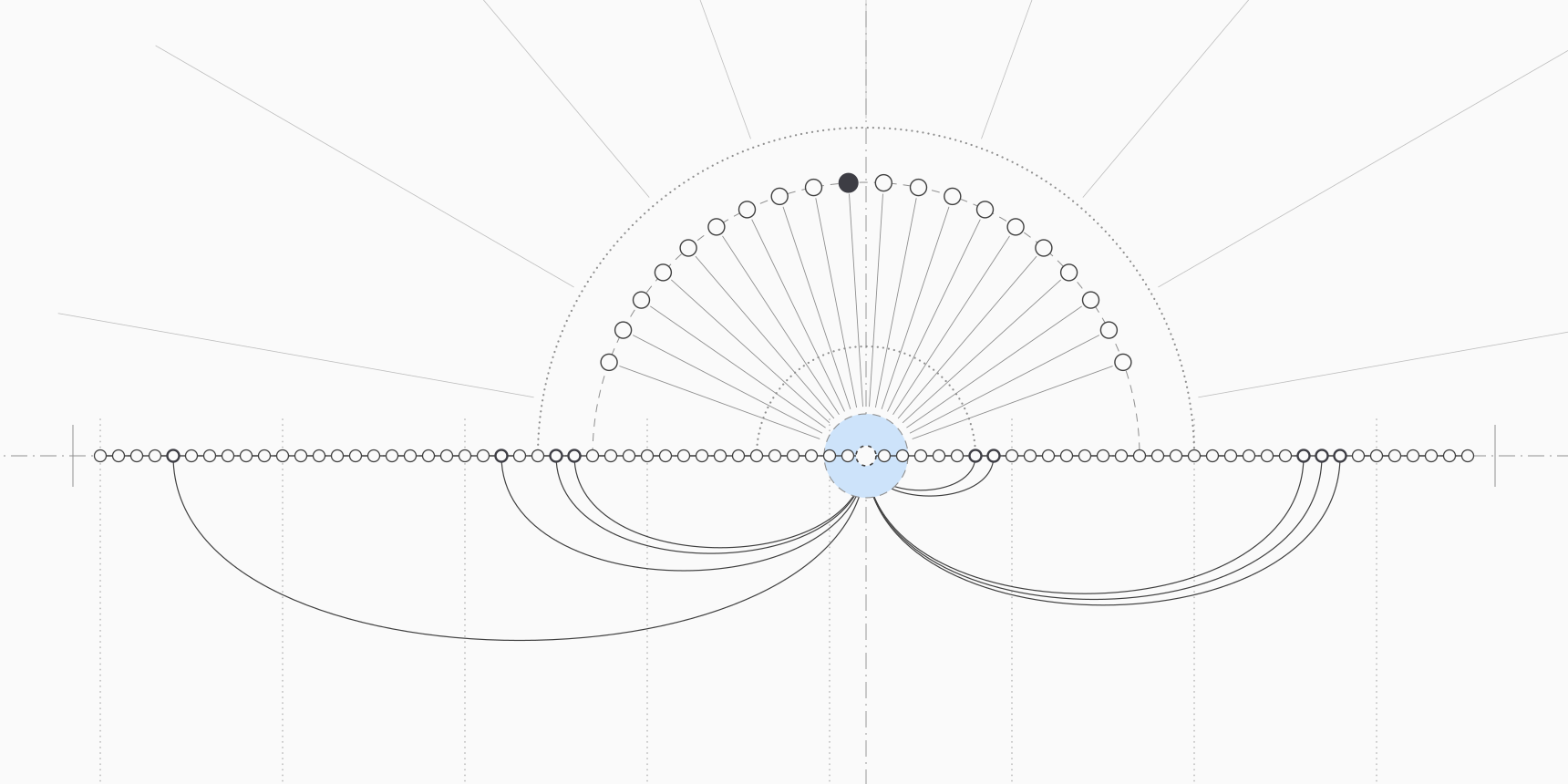
A protein language model is a neural network trained to predict amino acids from the rest of a sequence. Learn how ESM-2, ESM C, ESM3, ProtT5 and ProGen2 differ, what their embeddings and likelihoods are used for, how they compare with alignment-based methods like AlphaFold2, and which licences allow commercial use.
Structures · 17 min
What is pLDDT, and what counts as a good score
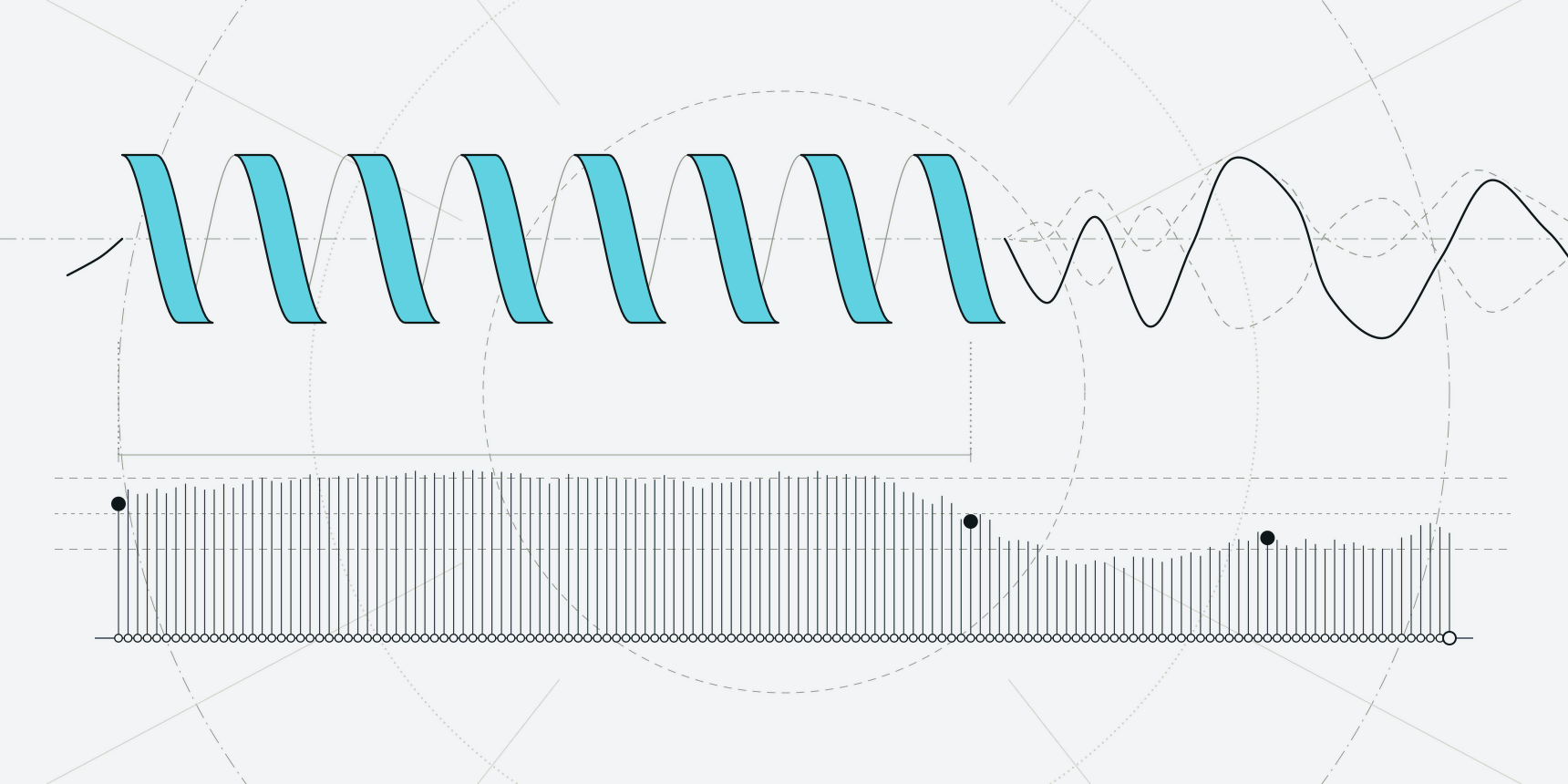
pLDDT is the per-residue confidence score that AlphaFold, ESMFold and Boltz attach to predicted structures. Learn what the 90, 70 and 50 cutoffs mean and why neither a high nor a low score settles whether a region is real.
Structures · 16 min
What is PAE, and how to read a PAE plot
PAE (predicted aligned error) is the pairwise confidence matrix that AlphaFold, Boltz and Chai-1 write next to a predicted structure. Learn how to read its blocks and stripes and use it for domains and interfaces.
FAQs
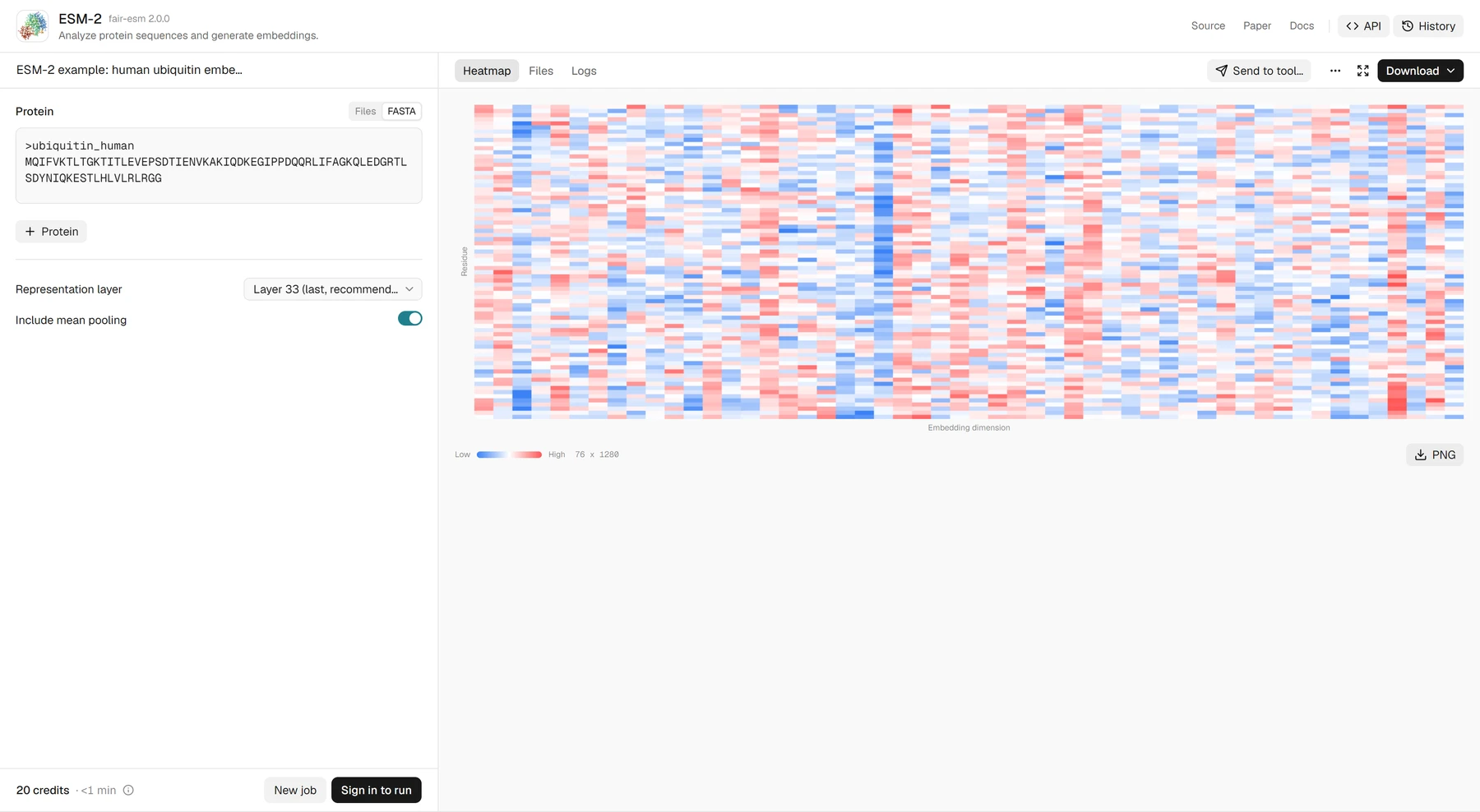
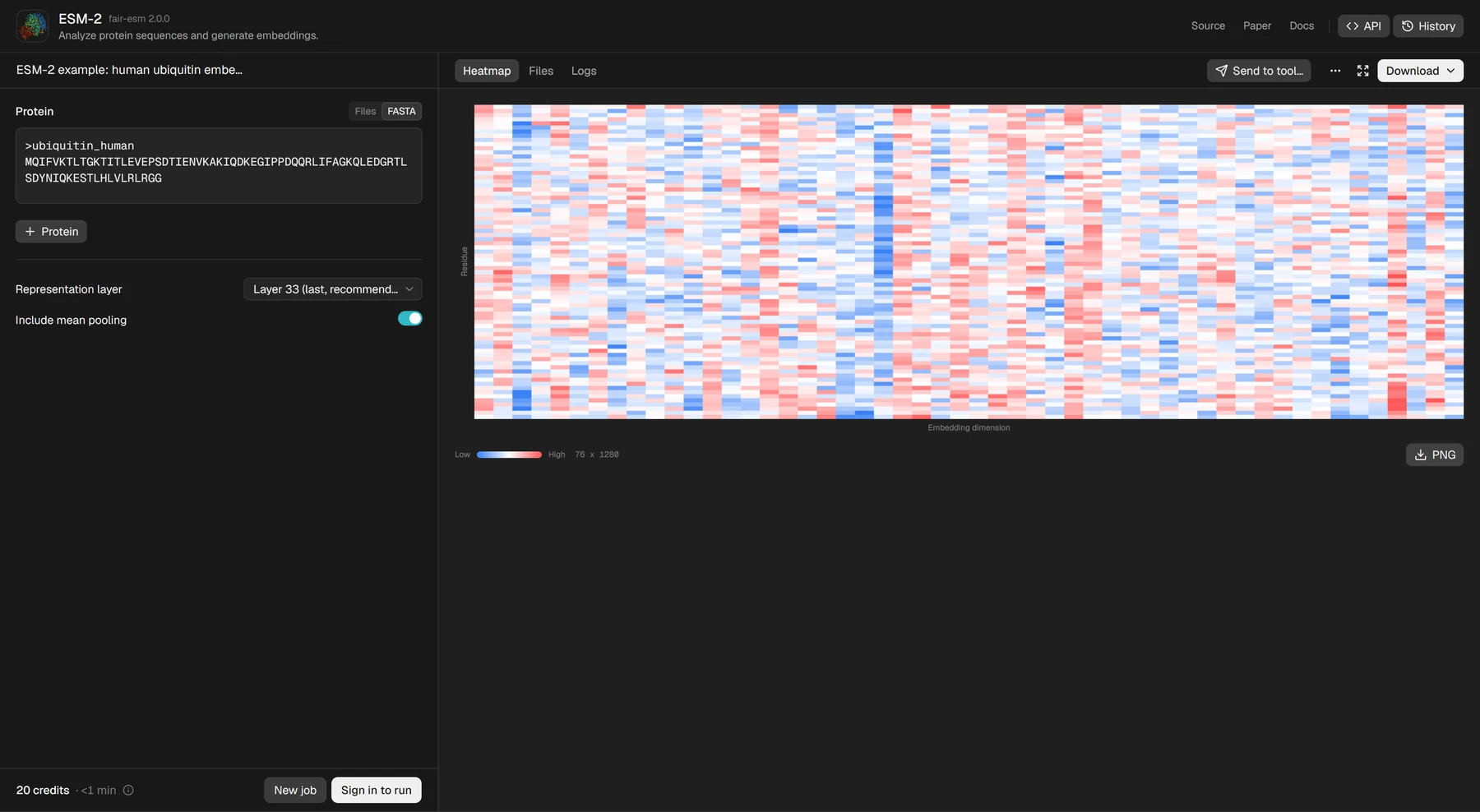
No provider publishes a fixed price for a custom protein language model project, so complete projects are quote-based. Running published models yourself is metered per job: an ESM-2 job costs 20 credits and an ESM-C embedding job 30 credits, quoted before the run.
The cost of a job depends on the tool and the workload. ESM-C Mutation Scoring is metered at 23 credits per minute for the 300M and 600M models and 42 credits per minute for 6B, and ESMFold starts at 50 credits for inputs up to 800 residues.
ProteinIQ’s paid plans start at $9 per month for Lite, with Plus at $29 and Pro at $99. Work that goes beyond running the published models, such as adapting a model to your assay data, is scoped separately.
For embeddings on a labeled dataset, run ESM-2 and ESM-C on the same sequences and keep whichever gives better held-out performance. For substitution ranking, start with ESM-C Mutation Scoring. For antibodies, use AbLang-2, which was trained on antibody repertoires. For a fixed backbone, use ESM-IF1.
The ESM-C tools take up to 50 sequences per job, with 2,046 tokens per sequence and 20,000 in total. The Free plan accepts 10 sequences per ESM-2 job, and AbLang-2 accepts 10 on Free and 1,000 on Lite. ProGen2 accepts one context per run and limits generated sequences by checkpoint, from 20 down to 1.
No for ESM-2, ESM-C, ESM-C Mutation Scoring, ProGen2, AbLang, and AbLang-2, which take sequence only. ESM-IF1 needs a backbone structure, and EvoIF needs a structure plus a homolog alignment. ProFam takes a set of related sequences.
ProteinIQ has no self-serve fine-tuning, and the hosted tools run the published checkpoints unchanged. Teams that want a model adapted to their own measurements can arrange a project with us through the enterprise page or the sales contact.
Before that, ProteusAI fits a regression model to your measured fitness data, optionally on ESM-2 representations, with the language model left frozen. It is a quicker way to learn whether the embeddings carry signal for your assay.
No. Log-likelihood ratios and pseudo-likelihoods describe how well a variant fits sequences the model saw during training. They help decide which variants to make first, and the assay decides whether they work.
AI answers from our docs. No sign-in needed.
Focus on research, not infrastructure
Start free with 200 credits a month and no installs. Upgrade when your project needs more compute.