Free
For trying ProteinIQ
$0
- Free forever
- 100 one-time credits
- 3 jobs per day
- Limited atom and residue inputs
- Access to most tools
- Academic license
Model RNA structures, compare interactions, and screen compounds.
RNA discovery examines RNA sequences and structures to understand folding, interactions, regulation, or potential therapeutic targets. Depending on the question, the work may require secondary-structure prediction, three-dimensional modeling, RNA–RNA interaction analysis, inverse design, or small-molecule screening.
ProteinIQ supports these distinct evidence layers without treating them as interchangeable. You can run matched RNA methods, compare structures and interaction signals, and retain the energies, confidence values, coordinates, plots, tables, and files returned by each analysis.
Start with an RNA sequence and the biological question you need to answer, then choose the relevant folding, modeling, interaction, design, or screening workflow. ProteinIQ keeps every result connected to the original sequence and ready for inspection, export, or experimental planning.
Predict minimum-energy and alternative folds, pairing probabilities, and local accessibility from RNA sequence.
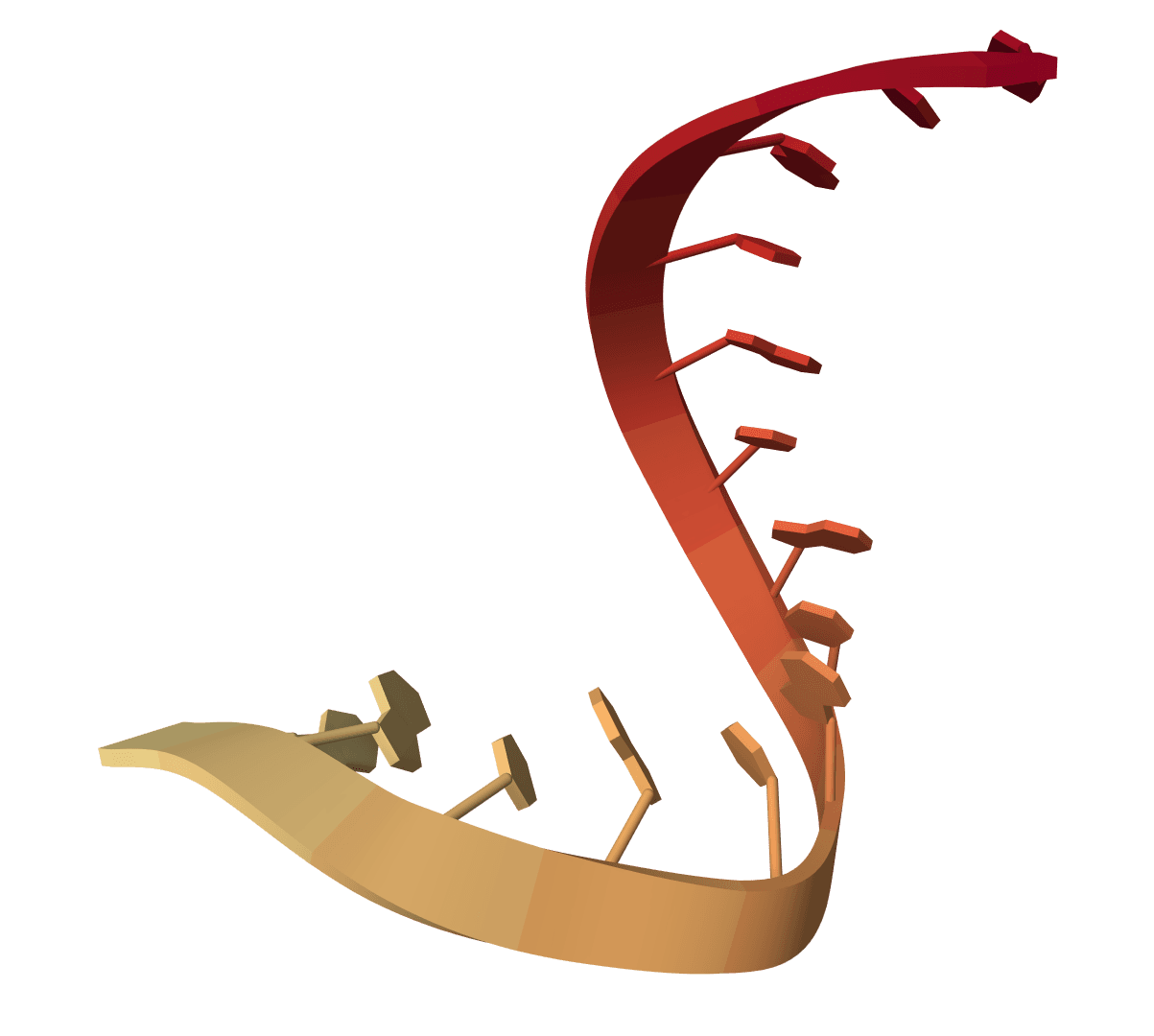
RNAfold predicts RNA secondary structure using minimum free energy (MFE) algorithms and optionally returns partition-function ensemble metrics when explicitly enabled.
RNAsubopt enumerates all RNA secondary structures within a specified energy range above the minimum free energy (MFE). Useful for exploring the structural ensemble and identifying alternative conformations.
RNAplfold computes local base pair probabilities using a sliding window approach. Useful for analyzing accessibility and identifying binding sites in long RNA sequences.
ViennaRNA supports a curated set of ViennaRNA 2.7.2 workflows for RNA folding, density-of-states analysis, interaction prediction, local accessibility, plotting, inverse folding, and structure analysis.
Compare joint folds, duplexes, accessible interaction sites, and hybridization energies for two RNA sequences.
RNAcofold predicts the joint secondary structure of two interacting RNA molecules and optionally reports partition-function and concentration-dependent equilibrium metrics.
RNAduplex computes the hybridization structure between two RNA sequences. Predicts the optimal duplex formation and binding energy.
RNAup predicts accessibility-aware RNA-RNA interactions, reporting opening-energy terms alongside interaction energies and downloadable native output files.
RNAplex predicts fast query-target RNA interactions, reporting parsed hit coordinates, structures, and energies.
Generate independent atomic-coordinate hypotheses and compare the confidence returned by each structure predictor.
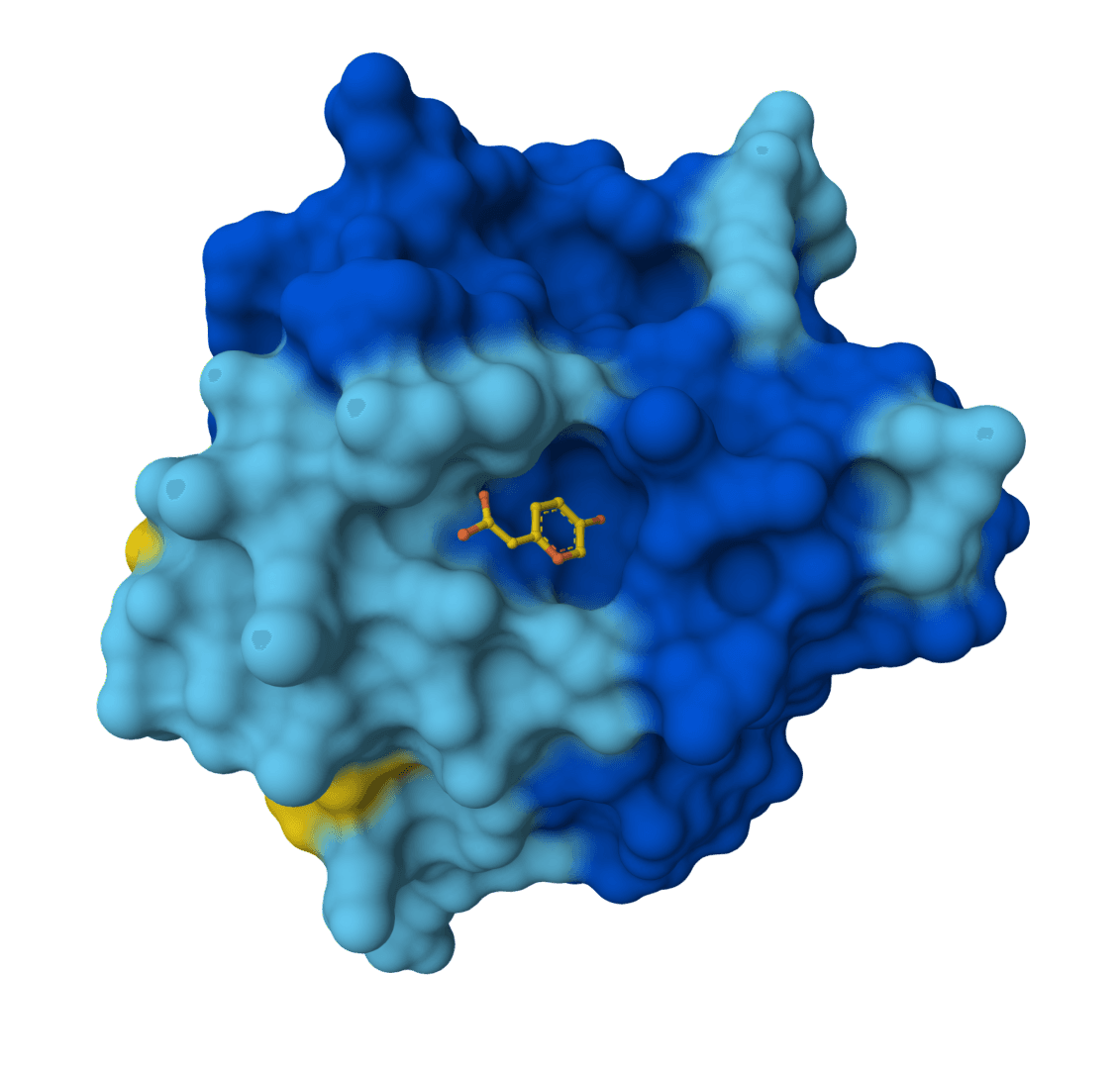
Chai-1 is a multi-modal foundation model for molecular structure prediction. Predicts 3D structures for proteins, ligands, DNA, RNA, and multi-component complexes with high accuracy.
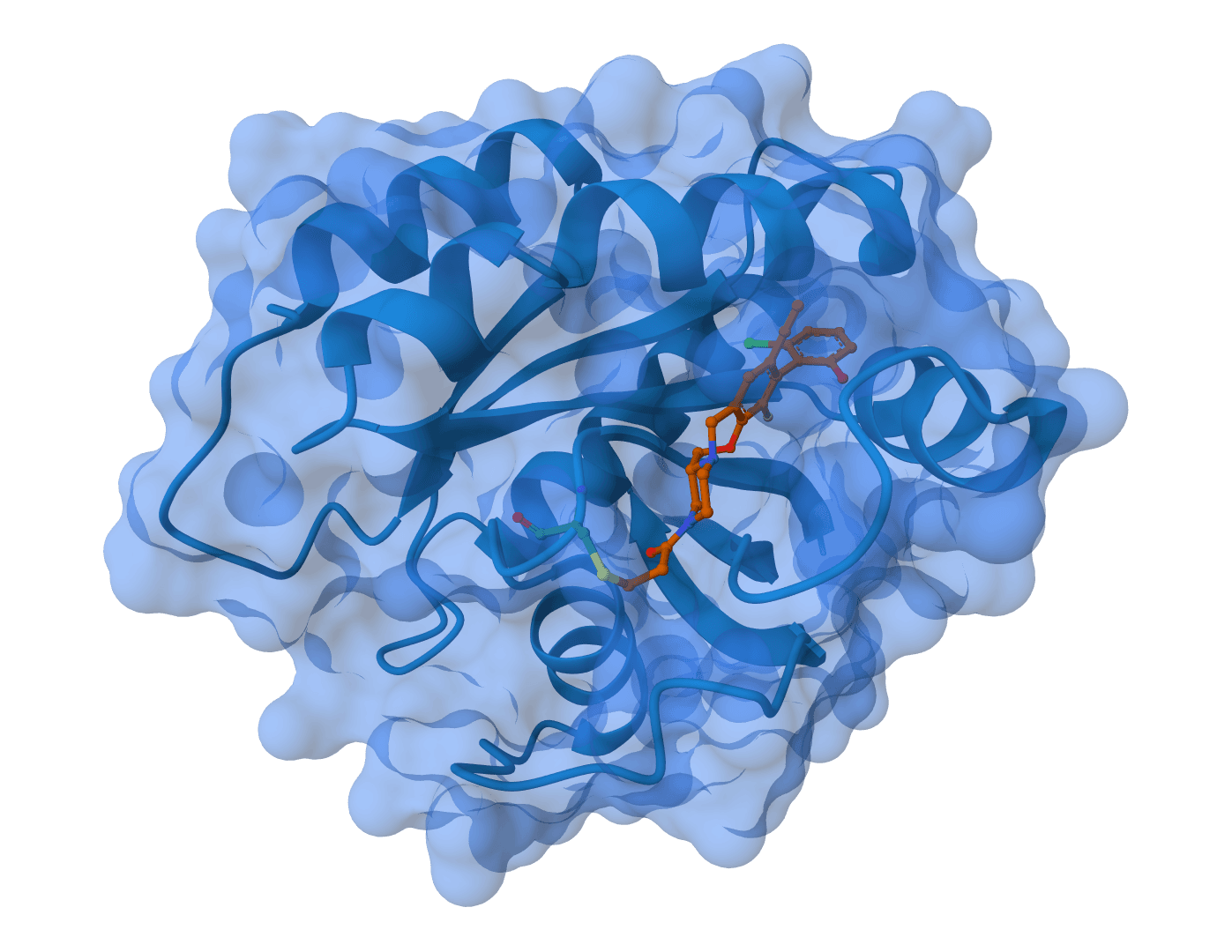
Boltz-2 is a biomolecular foundation model for structure and binding affinity prediction. Supports proteins, ligands, DNA, and RNA in multi-component complexes. Automatically scales GPU resources for large complexes. Predicts binding affinity with near-FEP accuracy at 1000x faster speed.
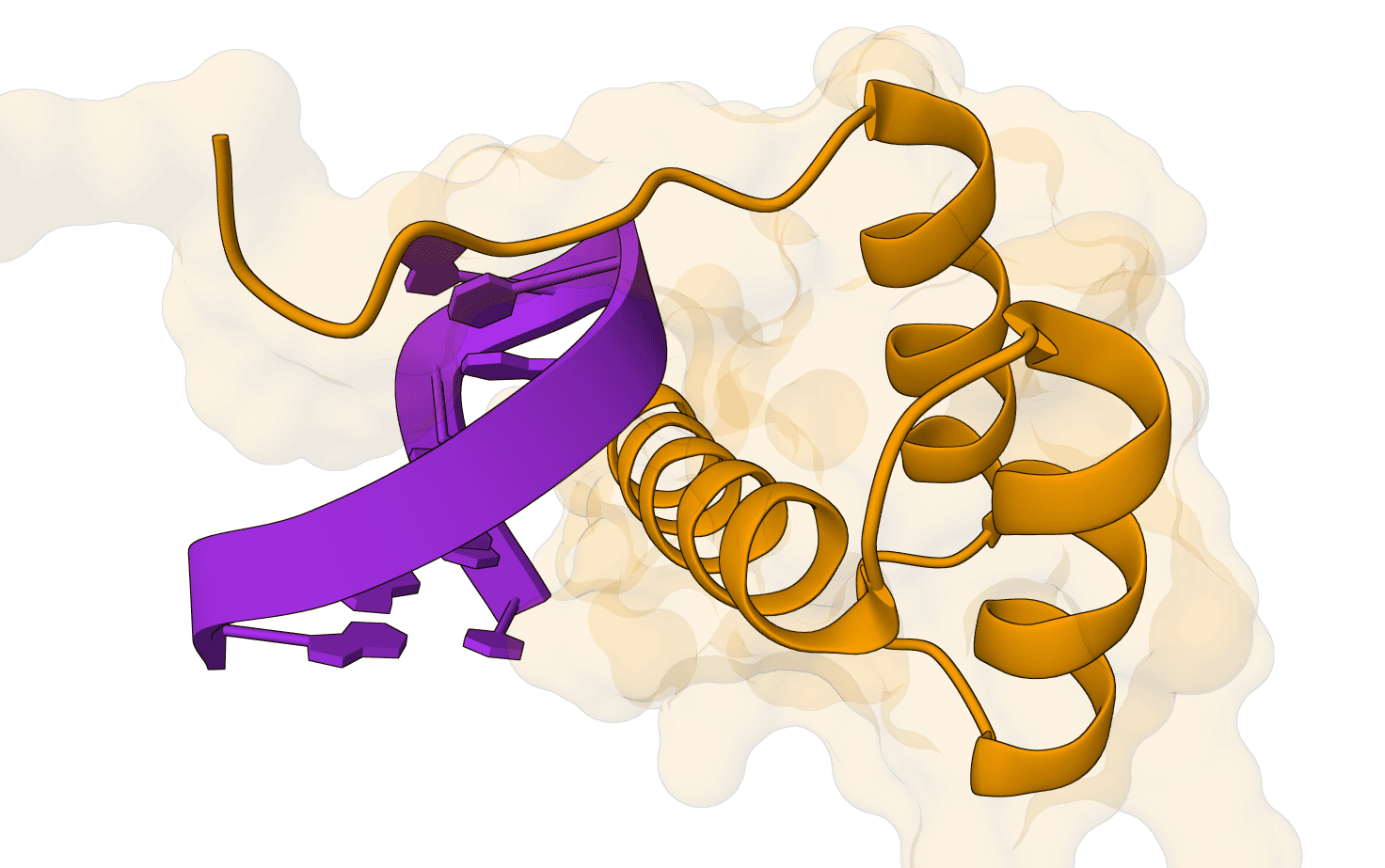
OpenFold-3 is an open-source AI model for biomolecular structure prediction, aiming to reproduce AlphaFold3. Predicts 3D structures for proteins, RNA, DNA, and small molecule ligands with high accuracy.
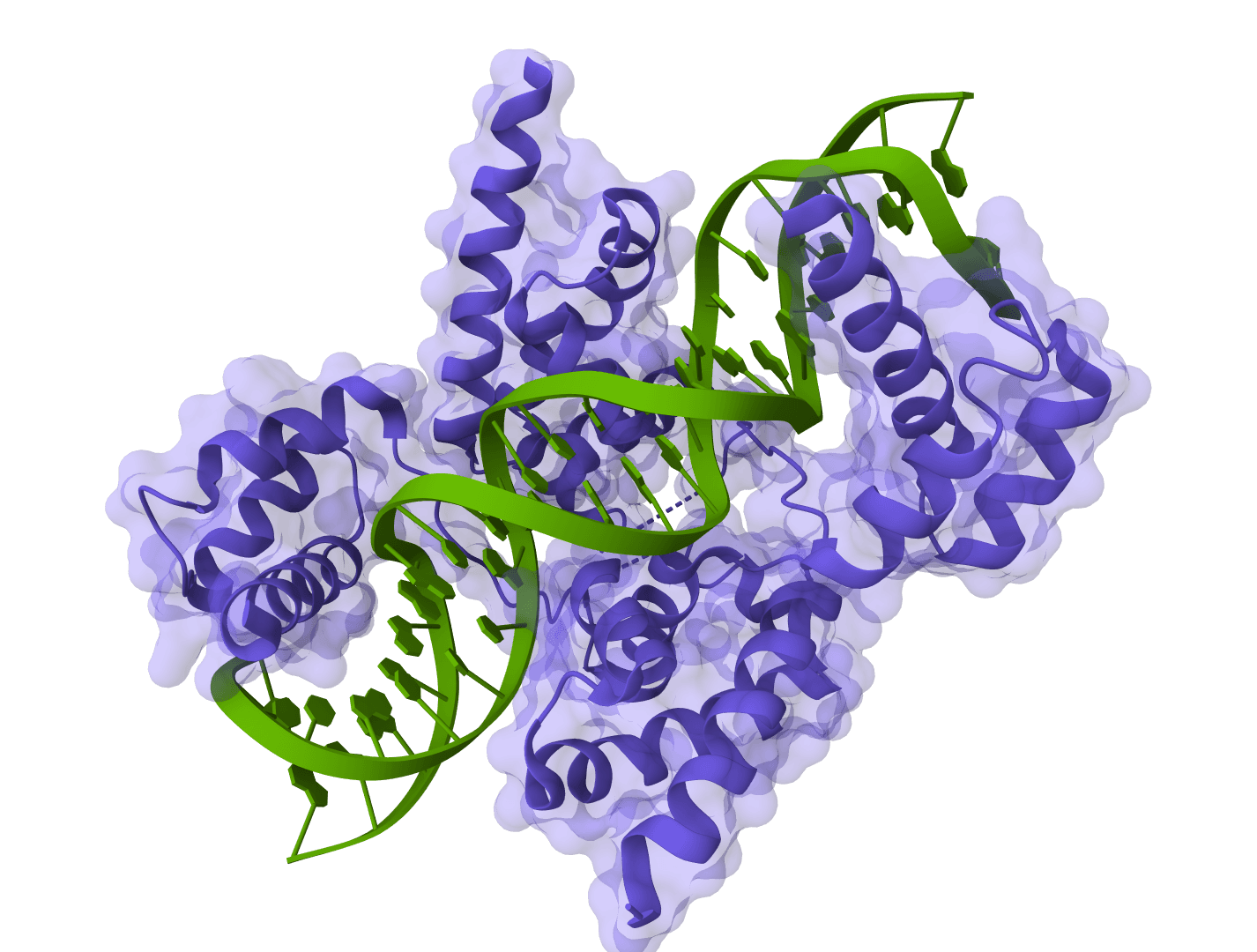
Enhanced Protenix v2 biomolecular structure prediction by ByteDance. Predicts 3D structures for proteins, RNA, DNA, and small molecule ligands with high accuracy.
Design sequences for a target fold or score RNA–small-molecule pairs, depending on the question the campaign needs to answer.
RNAinverse designs RNA sequences for a specified target secondary structure using ViennaRNA inverse-folding semantics.
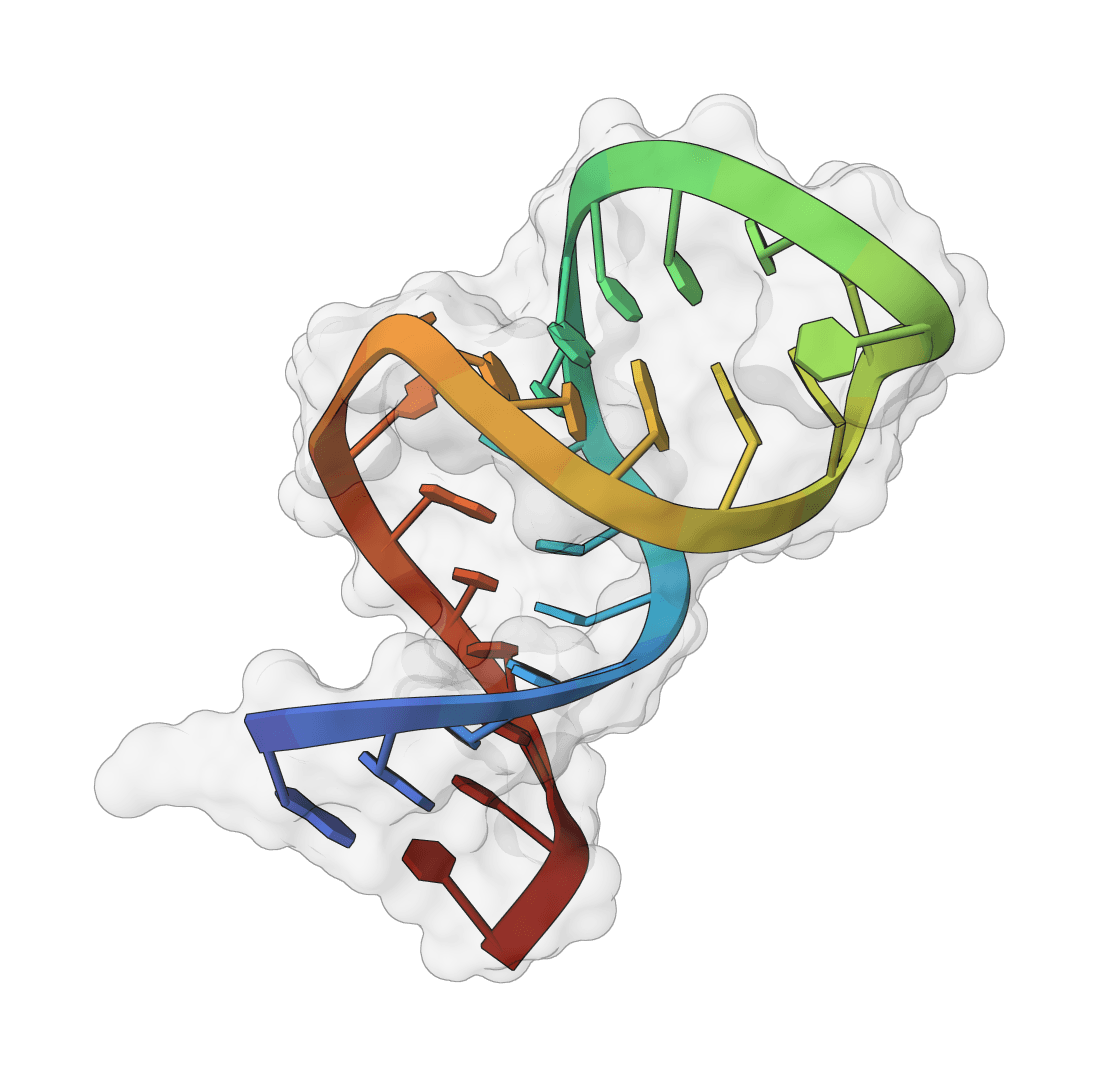
Deep learning framework for predicting small molecule-RNA interactions using RNA secondary structure. Combines language models, CNNs, and graph attention networks for binding prediction.
For trying ProteinIQ
For academics
Everything in Free
For commercial research
Everything in Plus
For organizations at scale
Everything in Pro
ProteinIQ supports RNA secondary-structure prediction, ensemble and accessibility analysis, RNA three-dimensional structure prediction, RNA–RNA interaction prediction, RNA inverse folding, and RNA-targeted small-molecule screening. Each method returns its own scores, structures, tables, and files rather than collapsing unlike evidence into one result.
Most RNA workflows start from RNA sequence in FASTA or plain-text form. Depending on the method, you may also provide a second RNA sequence, a dot-bracket structure, an alignment, supported folding constraints, known molecular partners, or named compounds with SMILES strings.
Yes. RNAfold, RNAsubopt, RNAplfold, and related ViennaRNA methods return base-pairing and ensemble evidence, while Chai-1, Boltz-2, OpenFold 3, and Protenix v2 generate atomic-coordinate hypotheses. These outputs answer different questions and should be reviewed separately.
Yes. ProteinIQ can compare RNAcofold, RNAduplex, RNAup, and RNAplex outputs for two supplied RNA sequences. Results can include joint structures, duplex coordinates, accessibility terms, and interaction energies, depending on the selected method.
Yes. SMRTnet accepts named RNA sequences with dot-bracket structures and named compounds with SMILES strings, then returns binding probabilities, interaction calls, and the selected RNA window. These are prioritization signals, not measurements of binding affinity or activity.
Treat a predicted fold or coordinate model as a testable structural hypothesis. Review alternative folds, ensemble evidence, confidence, sequence context, known modifications, molecular partners, and agreement with probing, binding, cryo-EM, NMR, crystallography, or other experimental evidence when available.
Yes. Depending on the tool, ProteinIQ can export FASTA, dot-bracket structures, CSV or JSON tables, plots, CIF or PDB coordinates, confidence data, model files, and logs while preserving the identifiers and settings used for the run.
No. Computational RNA models support prioritization and experiment design. Structural probing, binding assays, activity measurements, cell-based studies, and high-resolution structural methods remain necessary before making biological or therapeutic claims.
AI answers from our docs. No sign-in needed.