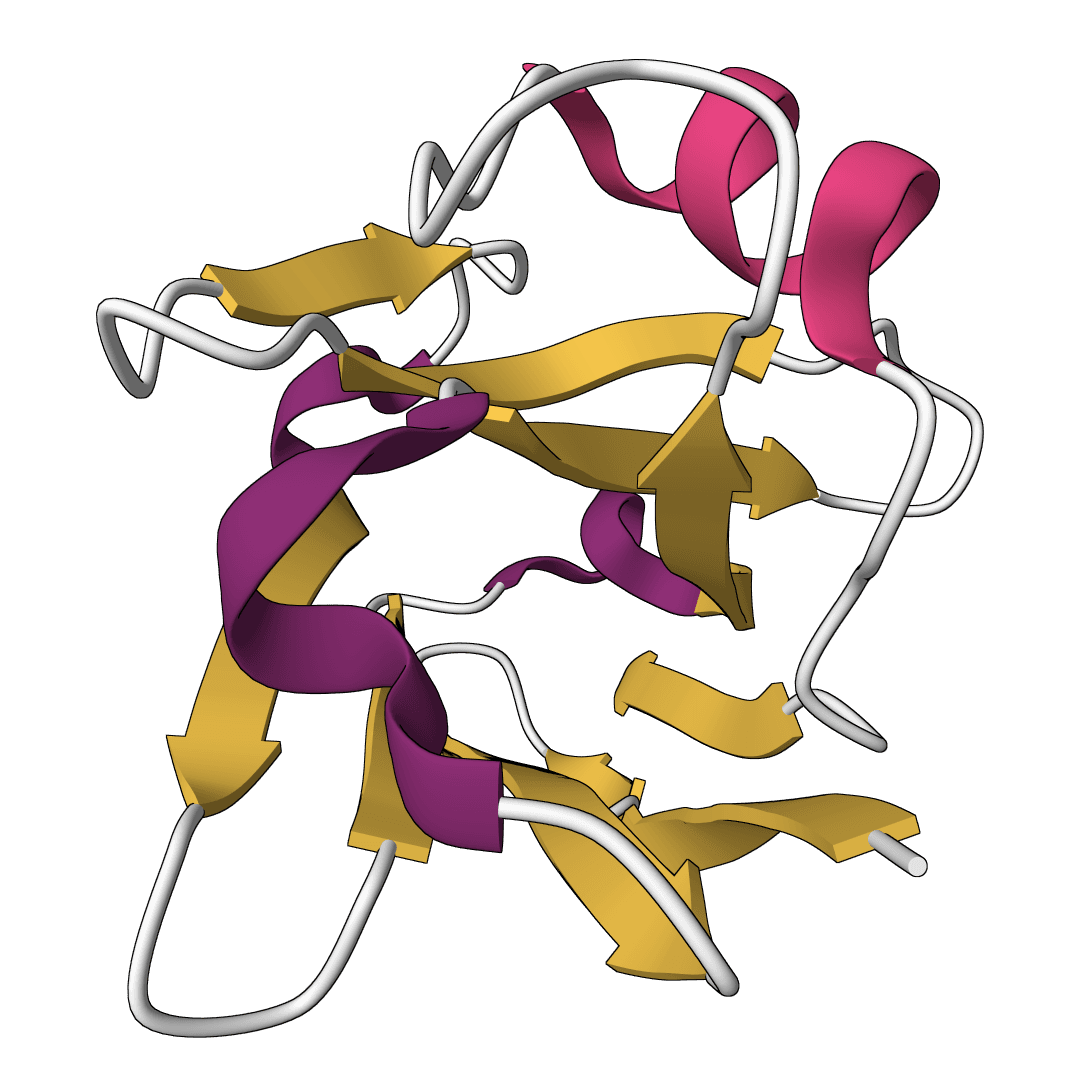
AbLang
Restore missing antibody residues, generate 768-dimensional sequence or residue representations, and calculate amino-acid likelihood scores with the original AbLang heavy- and light-chain models.
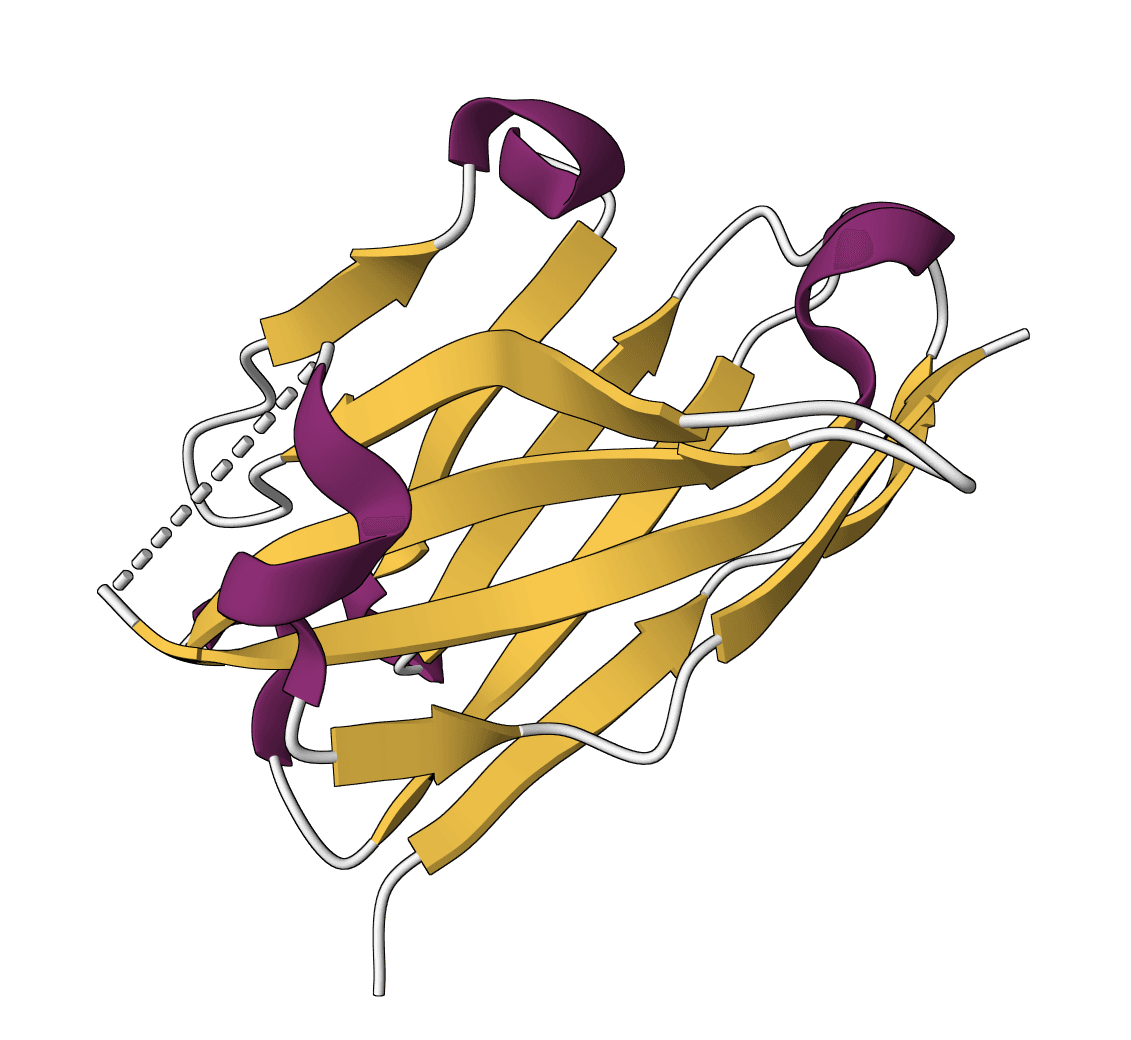
AbLang-2
Antibody-specific language model for predicting non-germline residues (NGL) in antibody sequences. AbLang-2 addresses germline bias in existing antibody language models by focusing on somatic hypermutation patterns, enabling more accurate prediction of amino acid likelihoods and generation of context-aware embeddings for antibody sequences.
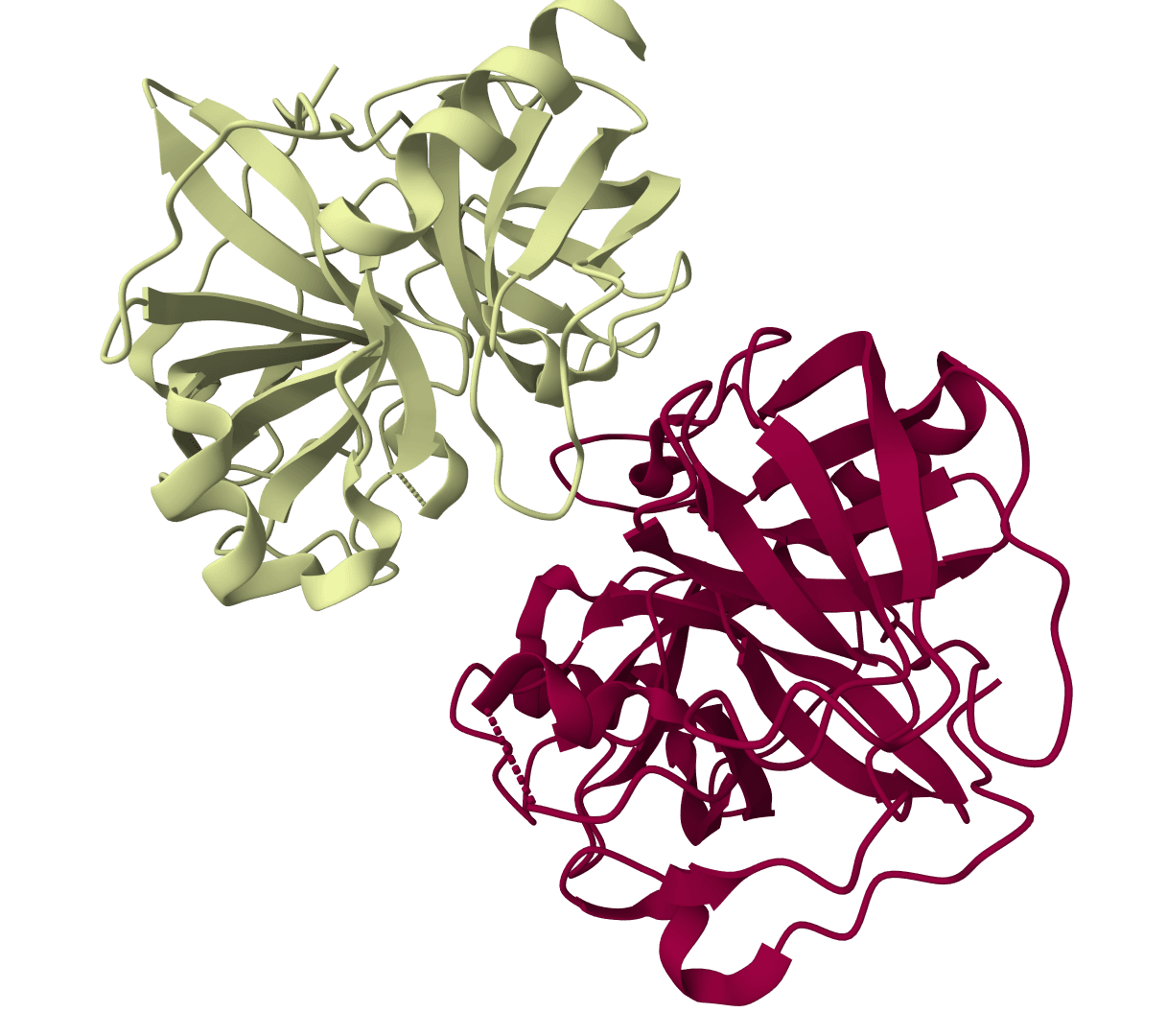
AF-Cluster
Cluster protein multiple sequence alignments with the source AF-Cluster DBSCAN workflow to prepare subgroup MSAs for alternative-conformation prediction.
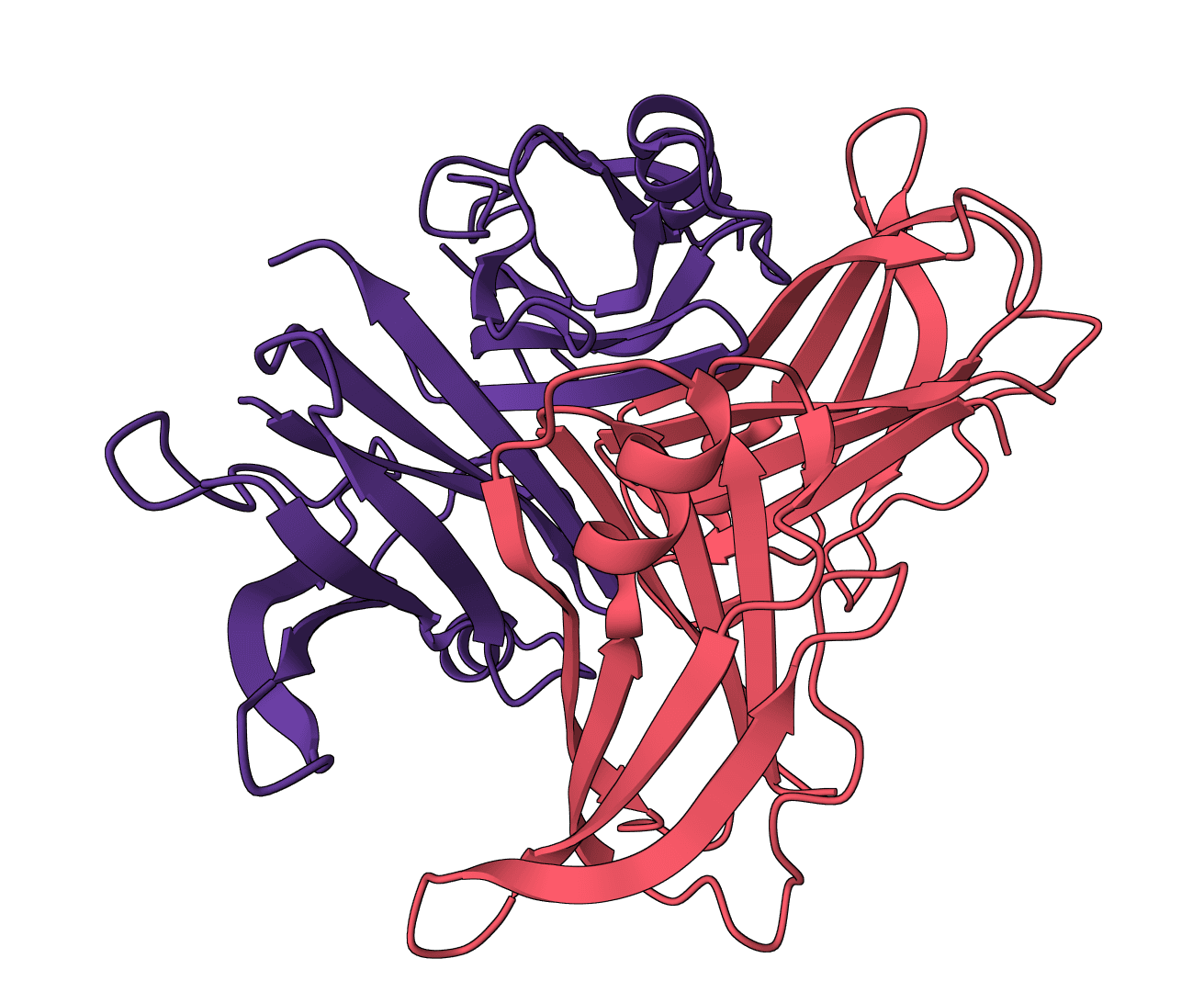
Aggrescan3D
Static-mode Aggrescan3D analysis for per-residue aggregation propensity from a single protein structure.
AllMetal3D
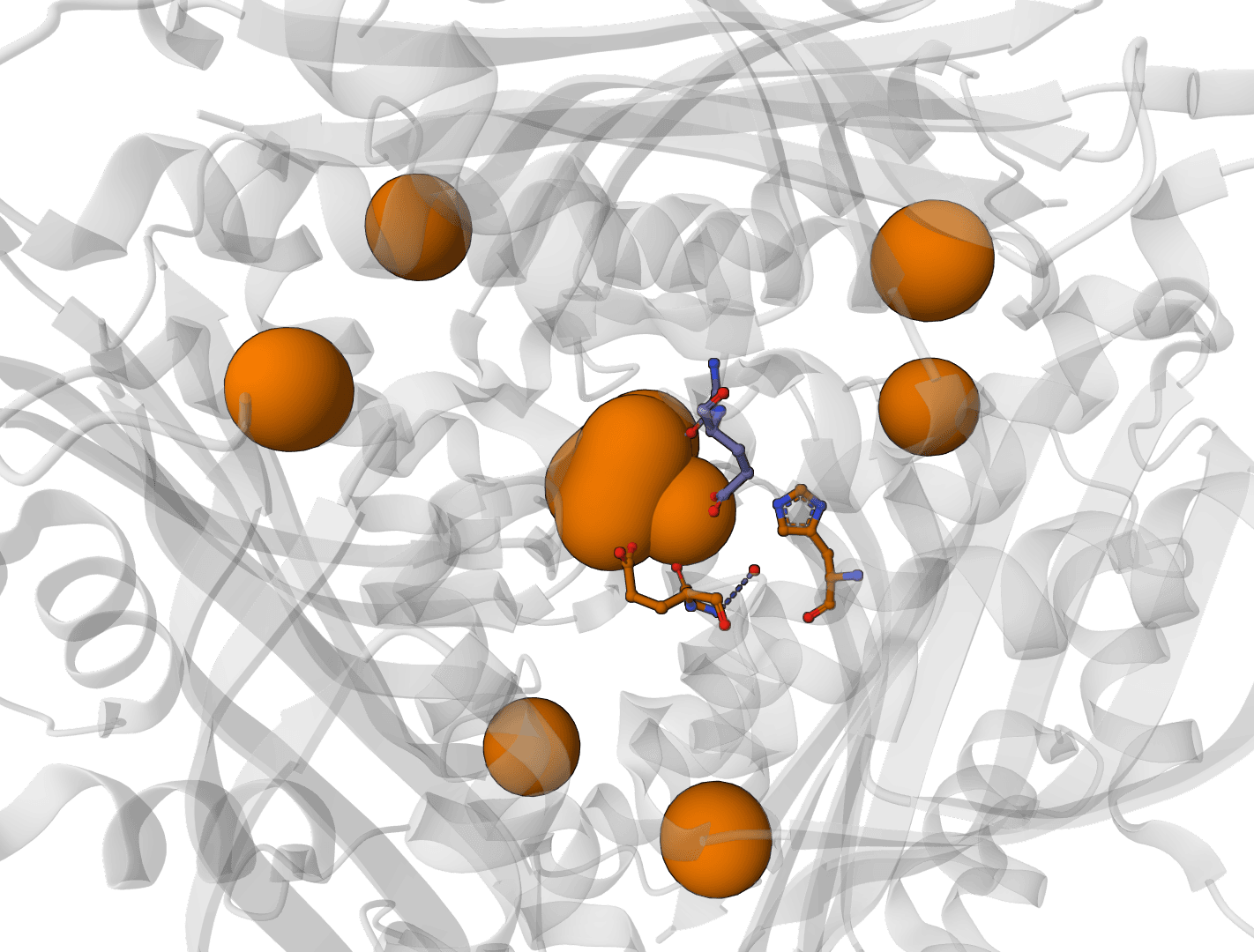
Predict metal and water binding sites in protein structures using 3D convolutional neural networks (AllMetal3D + Water3D).
AlphaGenome
AlphaGenome predicts variant effects on gene expression by comparing reference and alternate alleles. ProteinIQ currently supports RNA-seq analysis windows up to 512K base pairs. Requires a DeepMind API key; ProteinIQ credits scale with window size.
CANYA
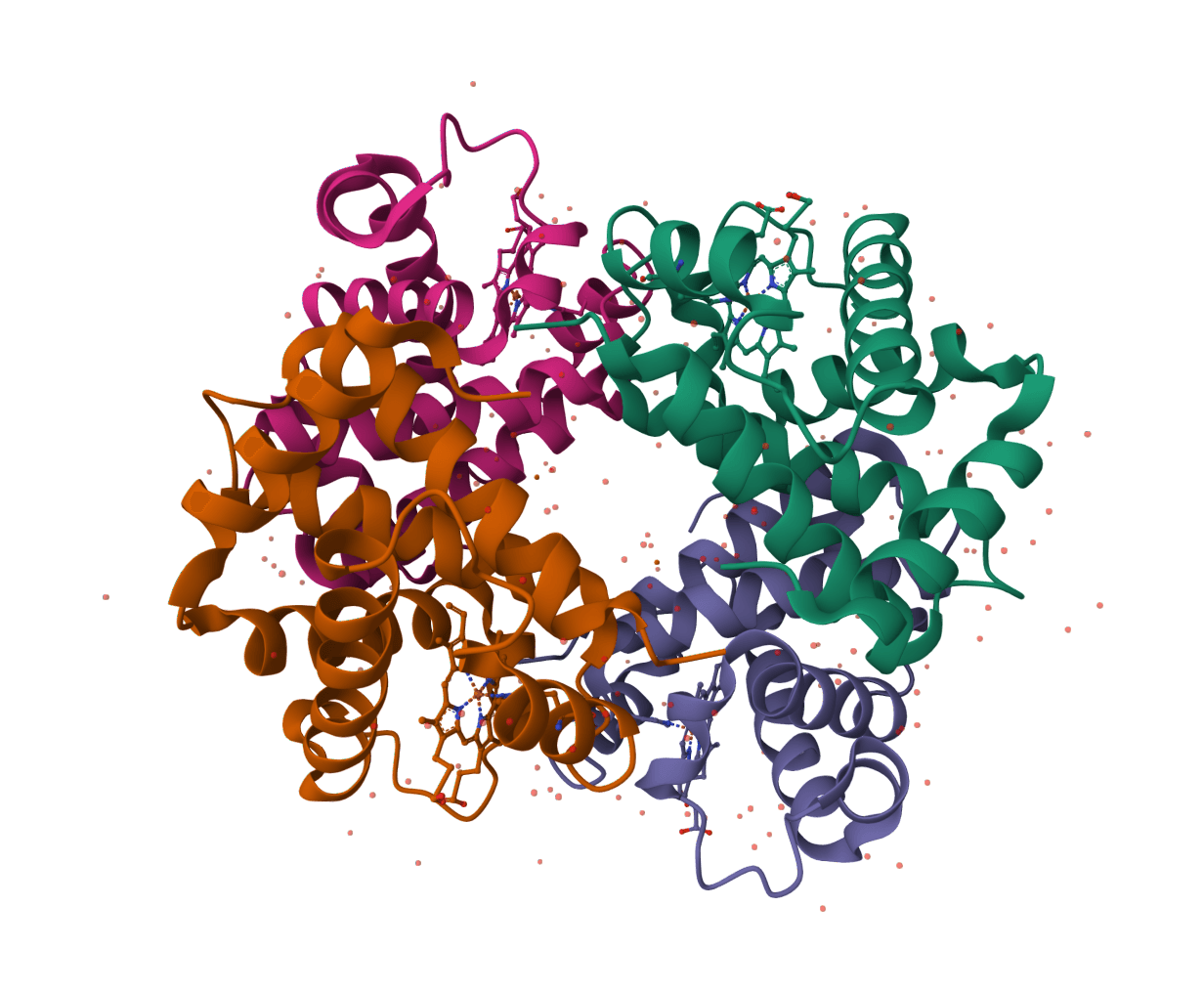
Predict protein aggregation nucleation propensity from amino acid sequences using the Lehner Lab CANYA neural network.
Carbon
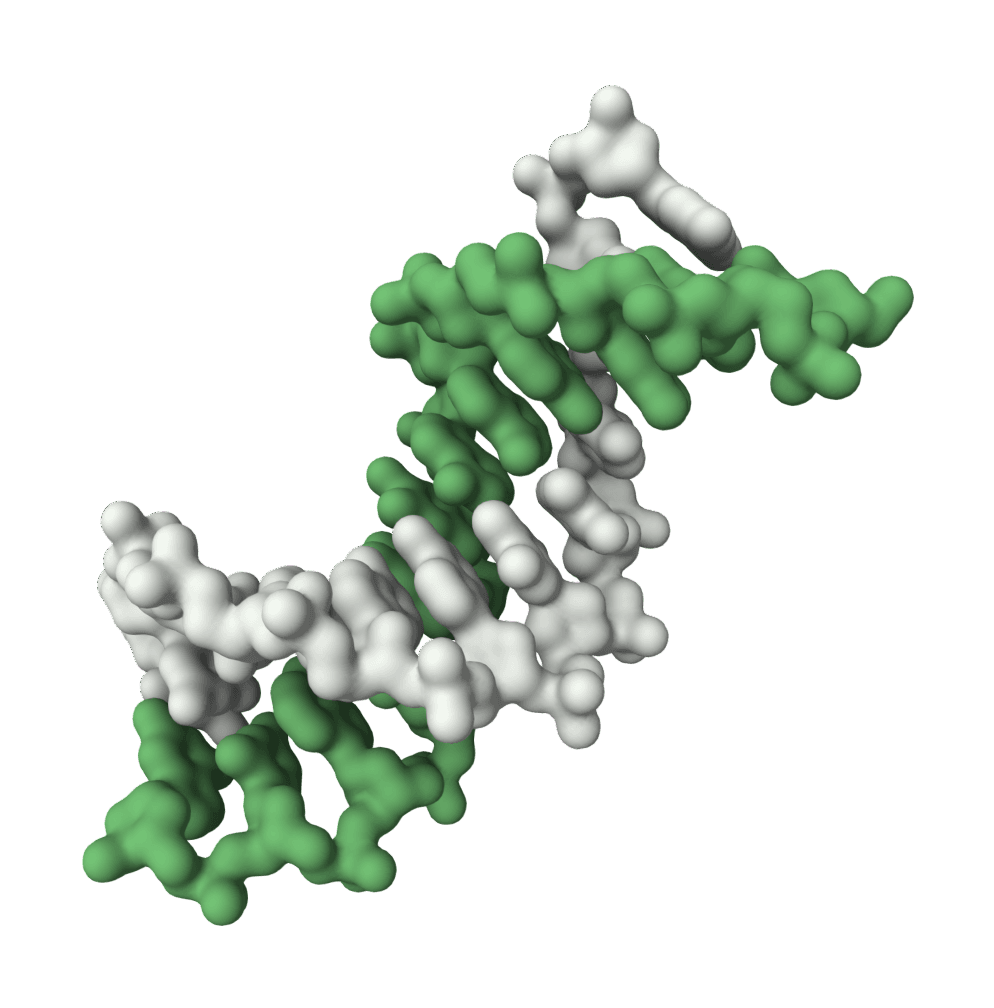
Carbon is a DNA language model for generation, scoring, and sequence comparison using the native Hugging Face Carbon model family.
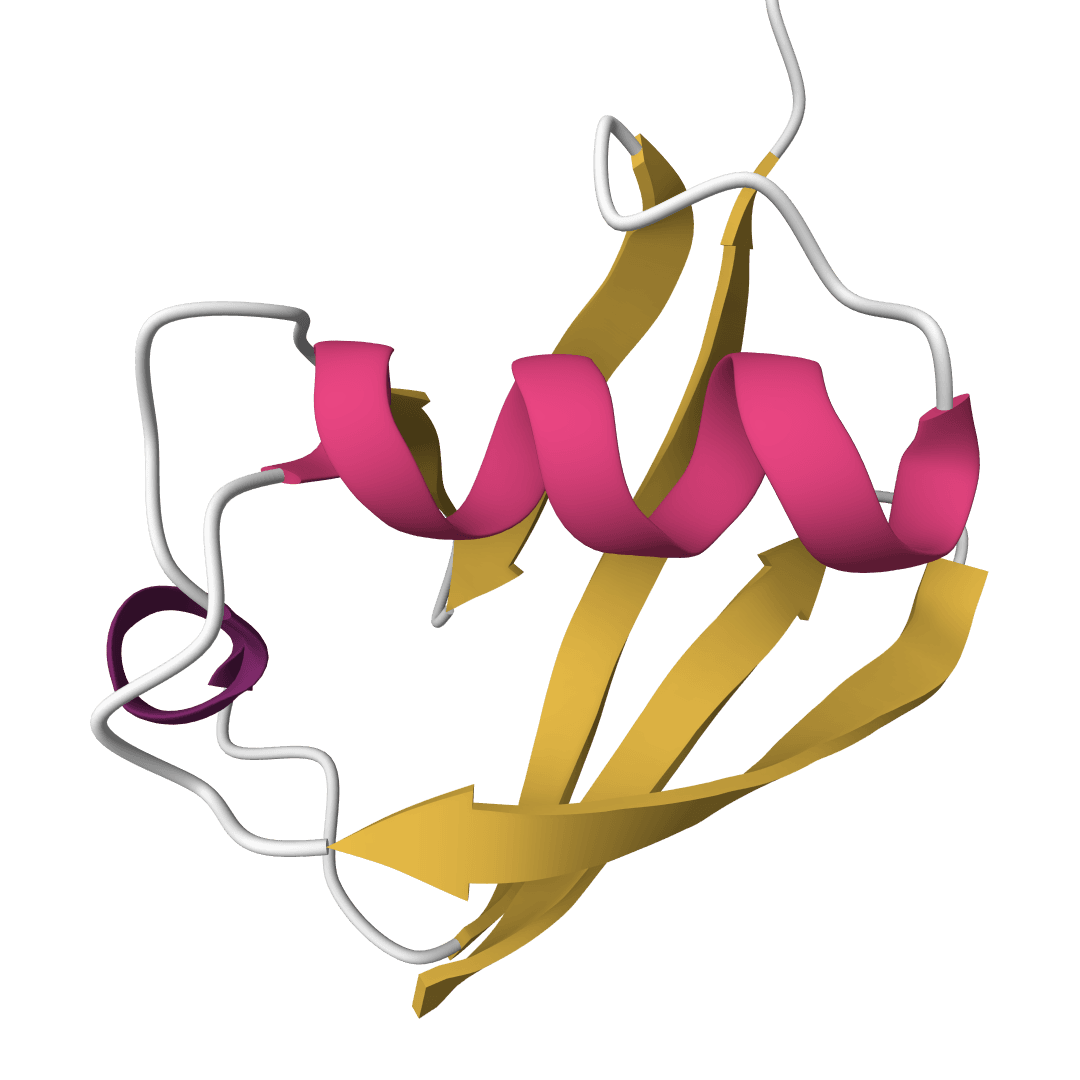
Chou-Fasman
Predict protein secondary structure using the classic Chou-Fasman algorithm based on amino acid propensities
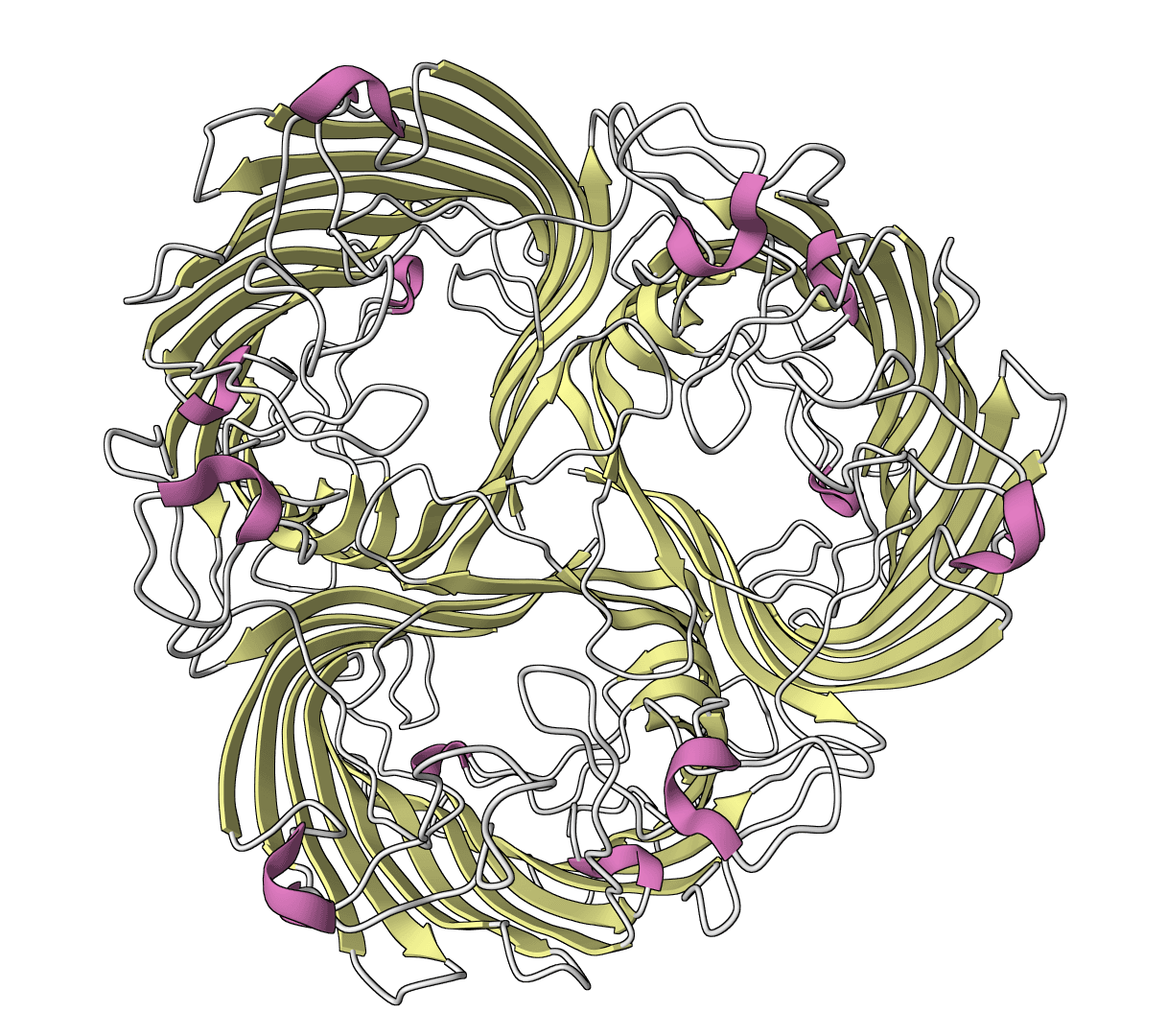
CleaveNet
Official CleaveNet tool for matrix metalloproteinase cleavage prediction and peptide generation. Predict cleavage z-scores plus uncertainty across 18 MMP variants, evaluate against truth z-scores, or generate candidate peptides unconditionally or from MMP z-score profiles.
CpG Island Finder
Identify CpG islands in DNA sequences using the Gardiner-Garden and Frommer criteria. Analyze GC content, CpG density, and observed/expected ratios.
DeepEMhancer
DeepEMhancer is a deep learning-based post-processing tool for cryo-EM maps. It performs sharpening, masking, and denoising in a single step without requiring an atomic model, with half-map and manual normalization support.
DeepImmuno
Score peptide-HLA immunogenicity, rank the official HLA panel, or generate candidate peptides with the pinned DeepImmuno models.
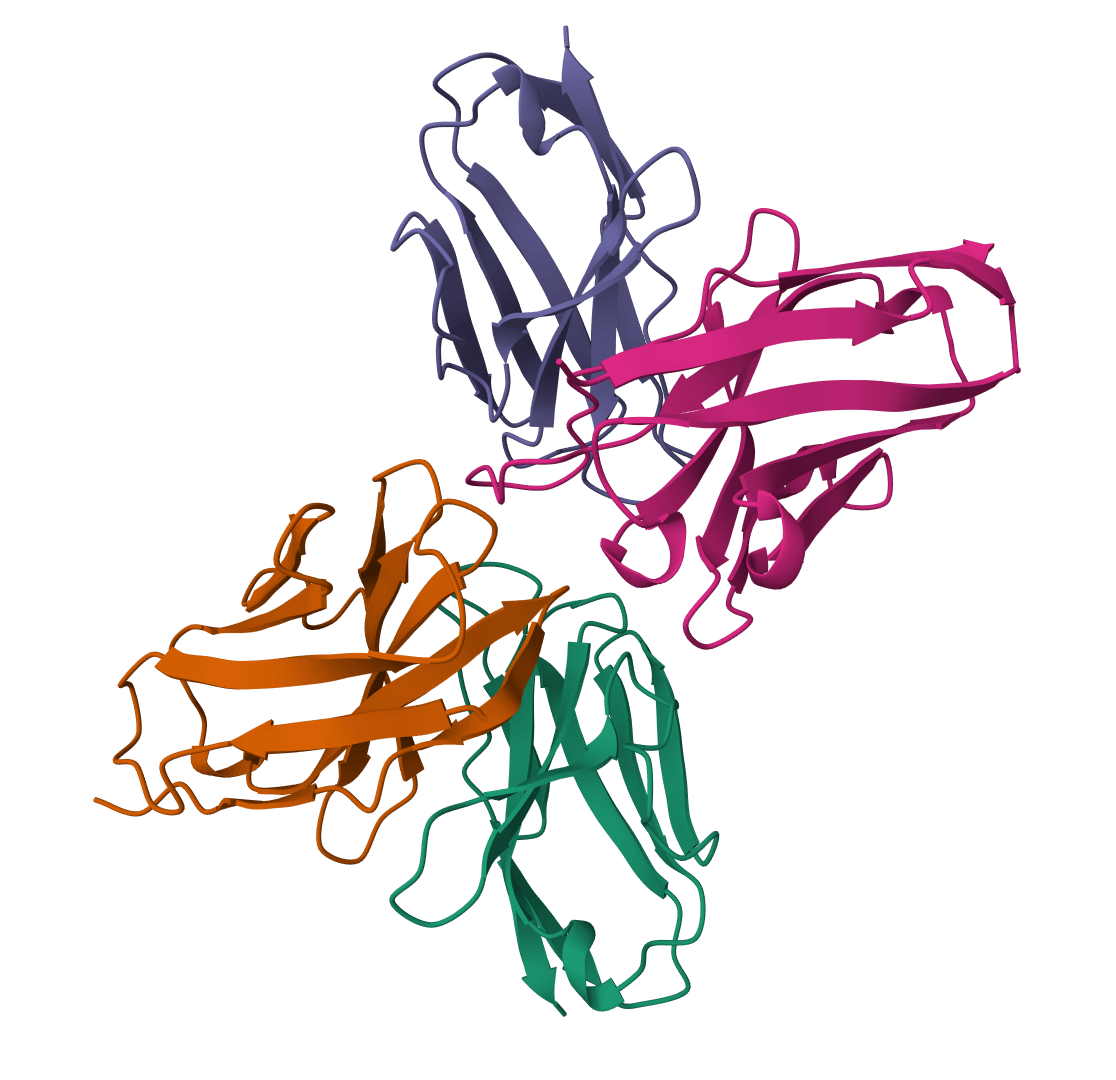
DeepSP
Predict 30 antibody spatial descriptors from paired heavy- and light-chain variable-domain sequences, including SAP-positive and positive/negative SCM values across CDR and variable-domain regions.
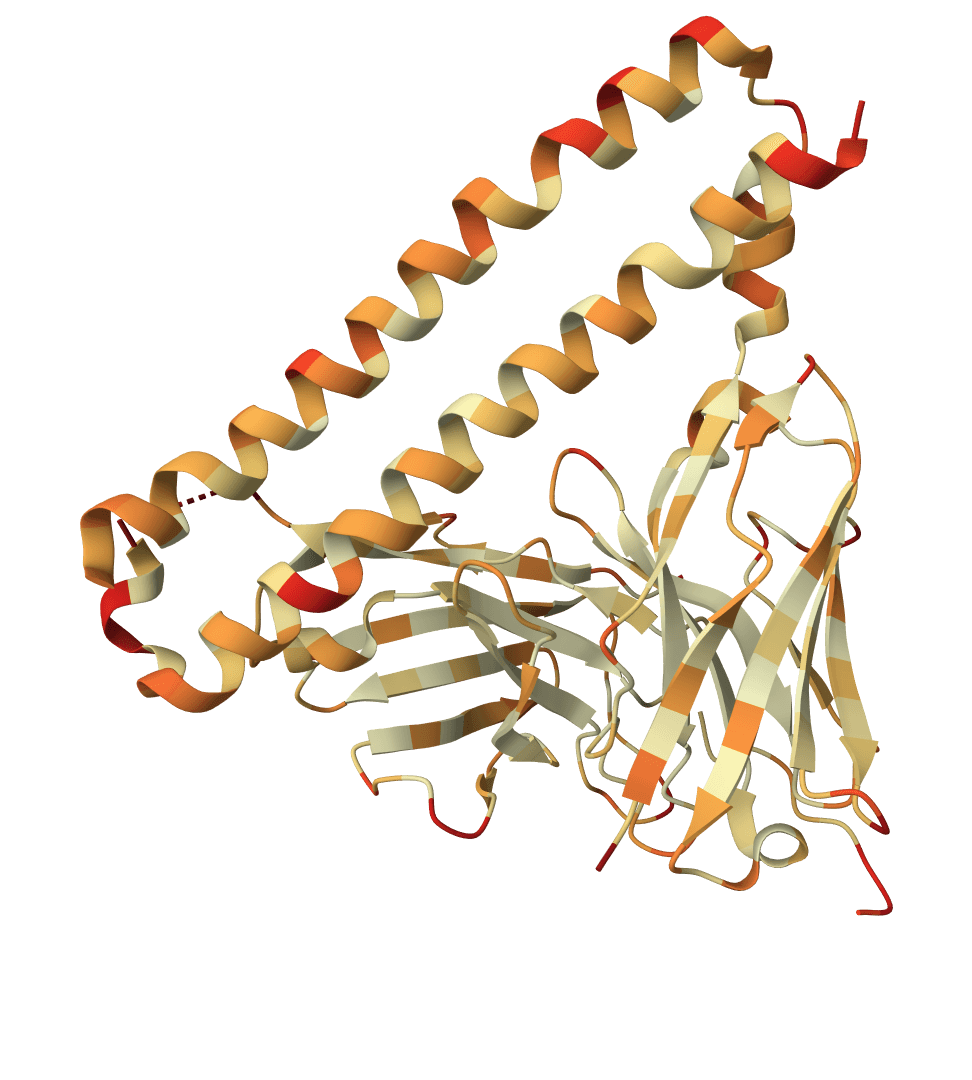
DeepViscosity
Classify paired monoclonal antibody Fv sequences as low viscosity (at or below 20 cP) or high viscosity (above 20 cP) at 150 mg/mL, with ensemble probabilities and 30 DeepSP descriptors.
DNA ligation calculator
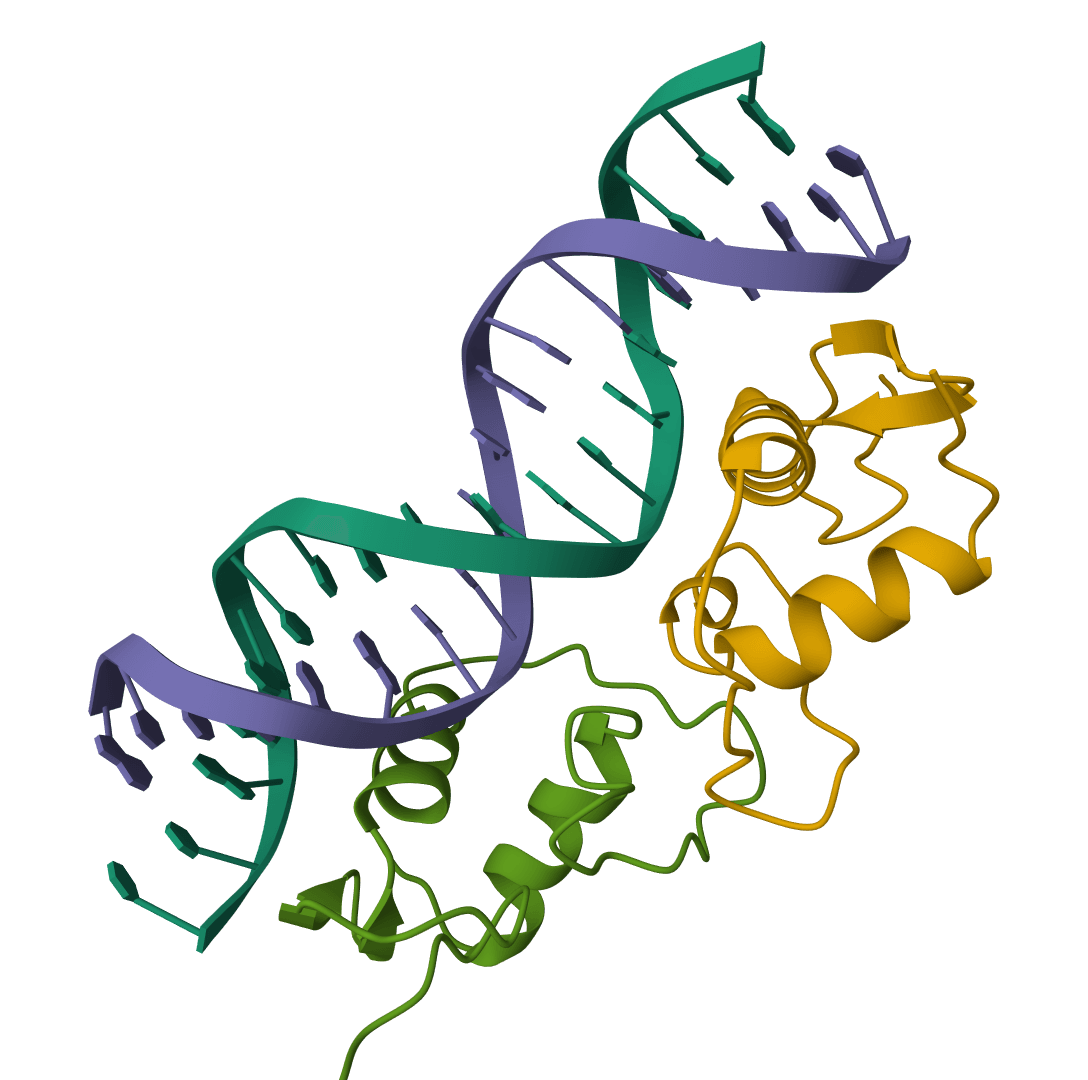
Calculate insert DNA mass for a target insert:vector molar ratio, compare common ratios, and optionally convert DNA stock concentrations into pipetting volumes.
DockQ
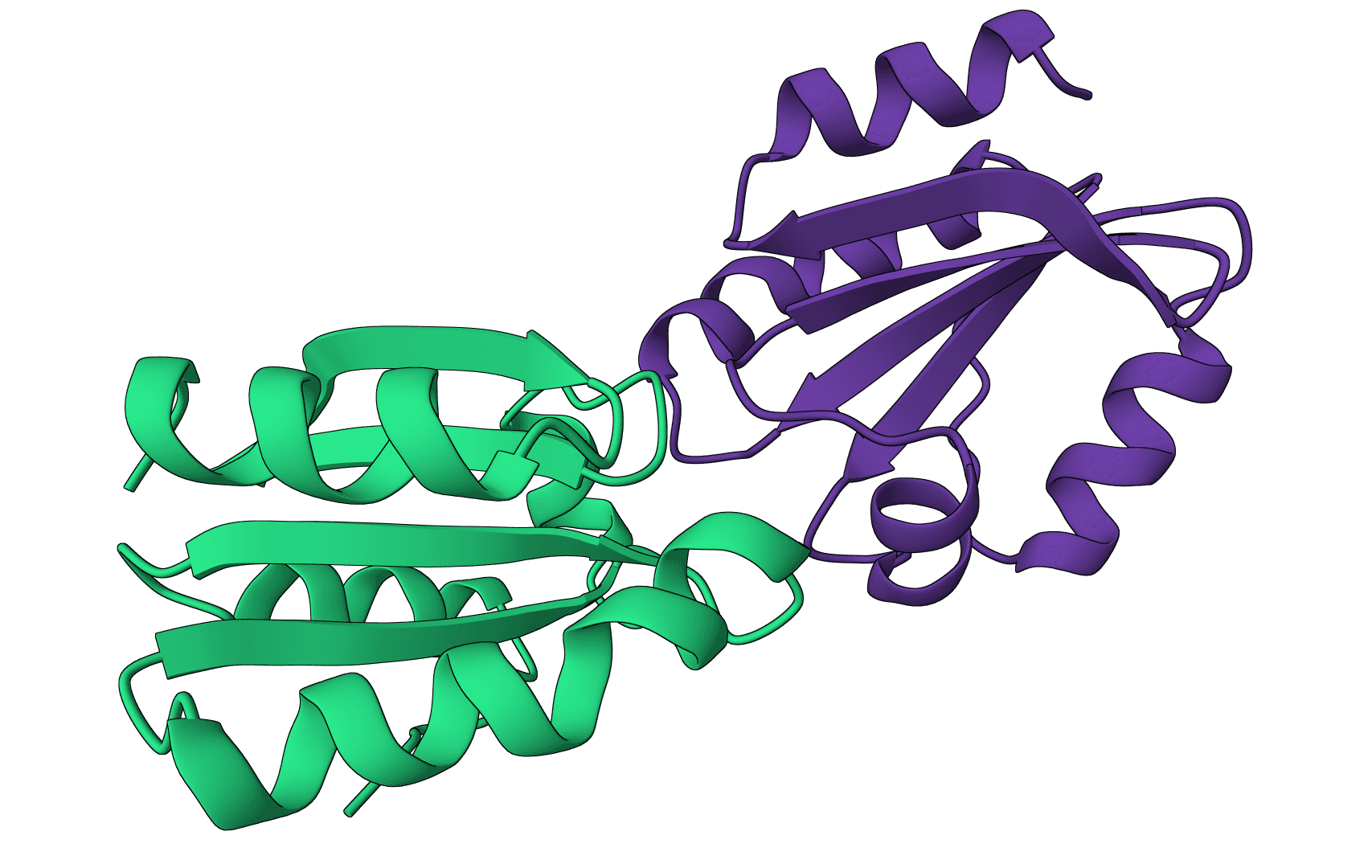
Assess docking model quality by comparing predicted complexes against native references. DockQ v2.1.3 supports protein, nucleic-acid, and supported small-molecule interfaces with native metrics.
DR-BERT
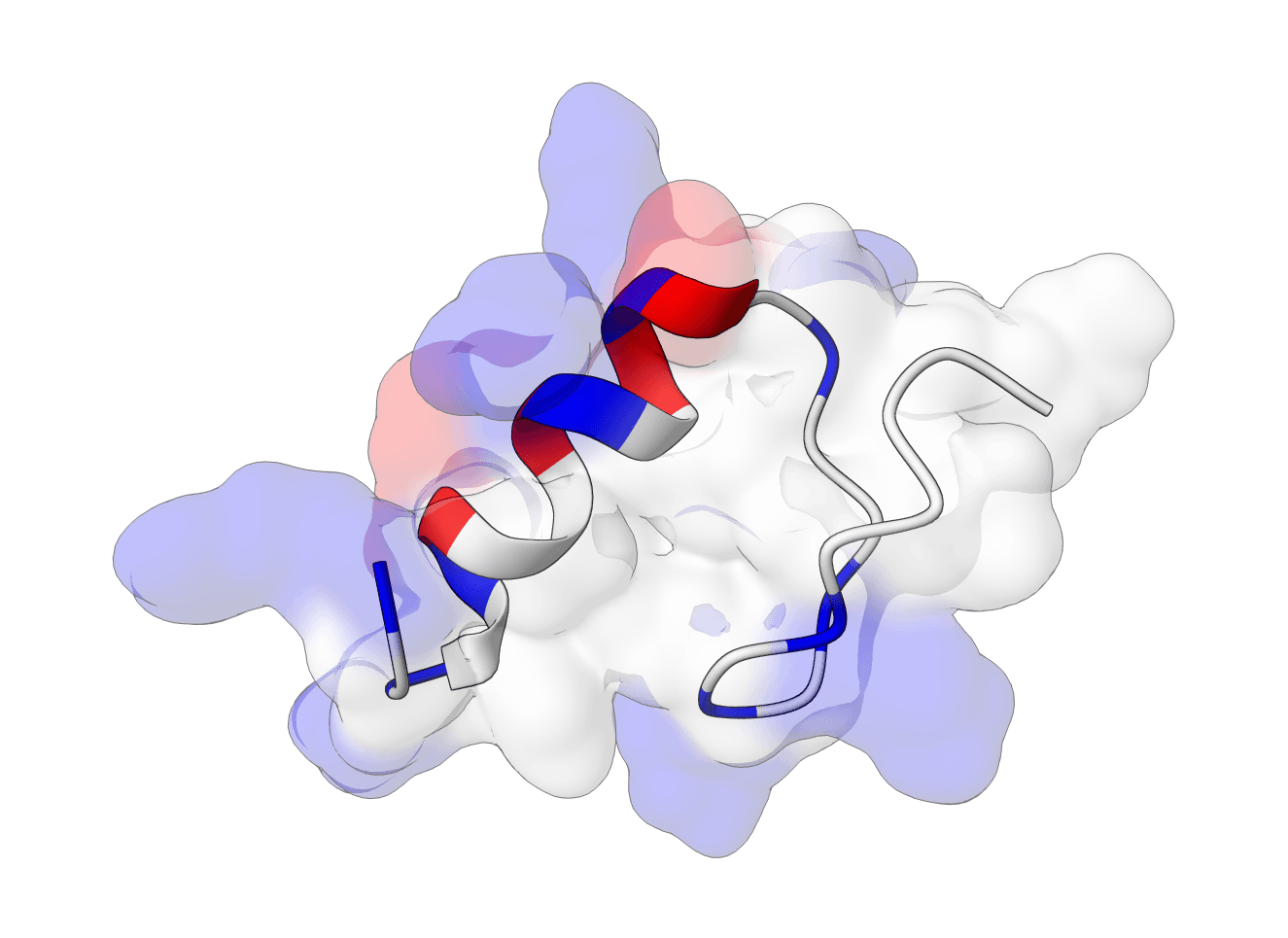
DR-BERT is a compact protein language model that predicts intrinsically disordered regions (IDRs) in proteins. It outputs per-residue disorder probability scores (0–1) from amino acid sequences, enabling fast and accurate annotation of disordered regions without structural data.
DSSP
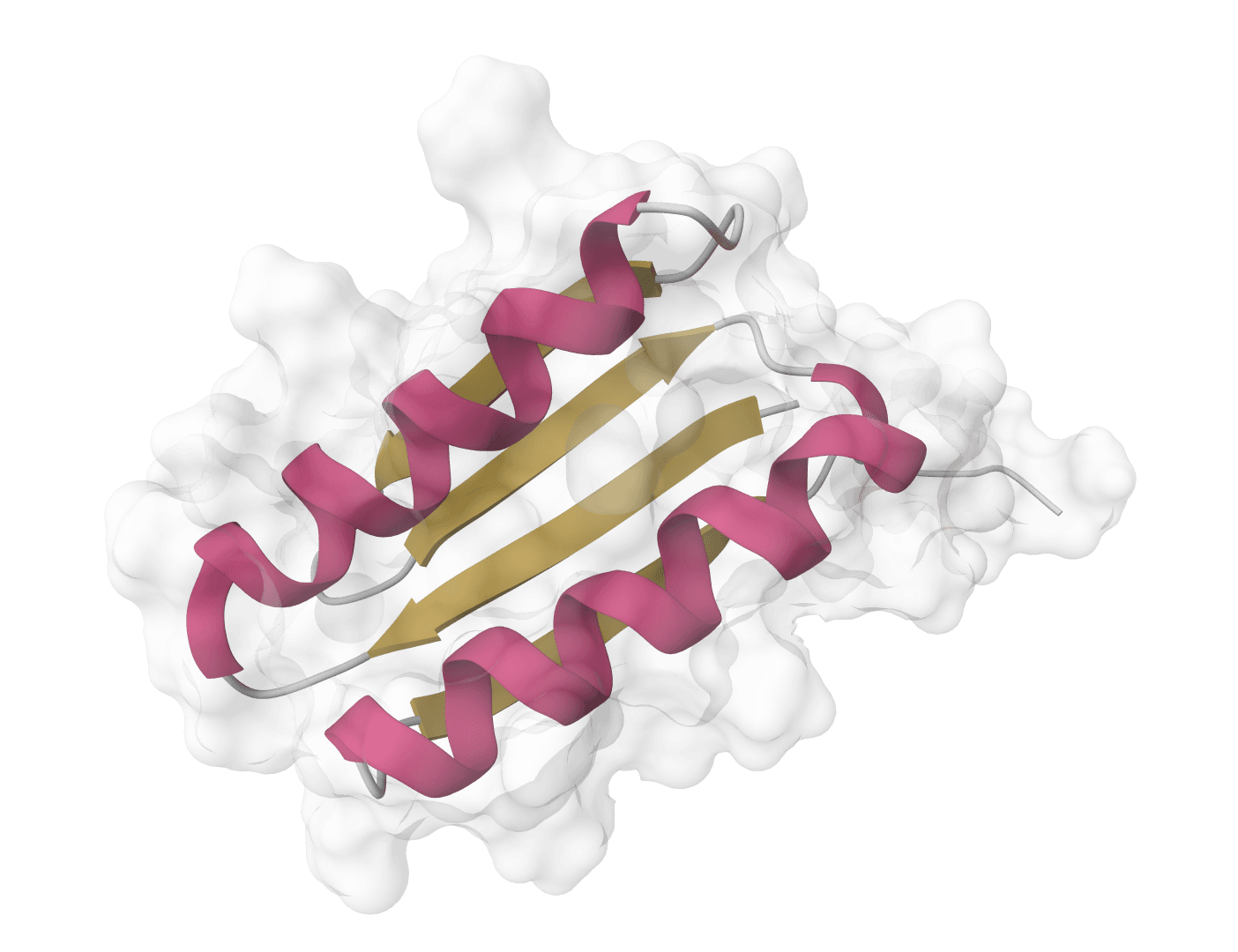
Assign protein secondary structure with the source DSSP program and return annotated mmCIF, legacy DSSP, residue geometry, hydrogen-bond statistics, and native files.
ESM-2
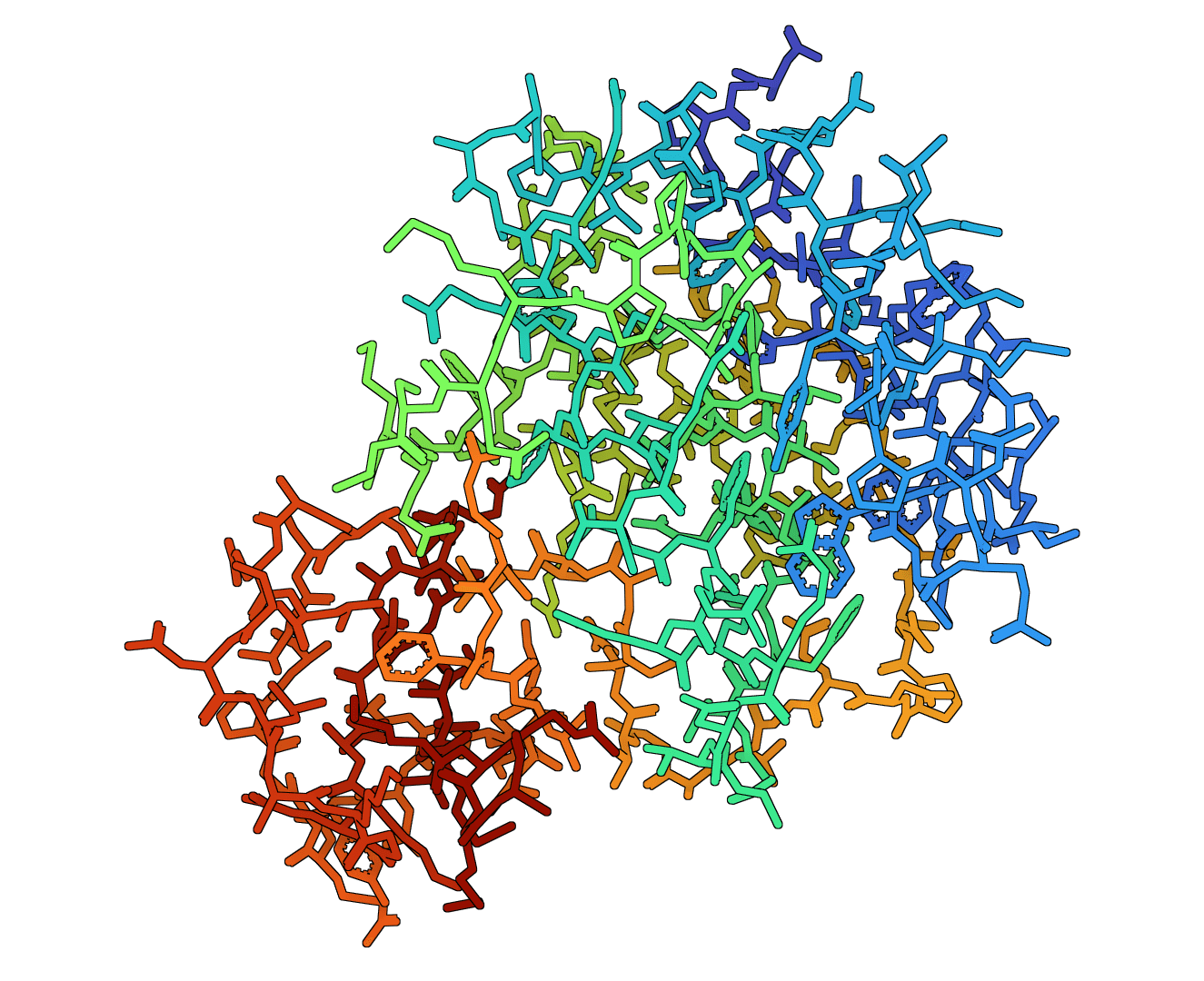
ESM-2 is a 650M parameter protein language model from Meta AI trained on 250M protein sequences. Generate rich sequence representations for downstream tasks like structure prediction, function annotation, and variant effect prediction.
ESM-C
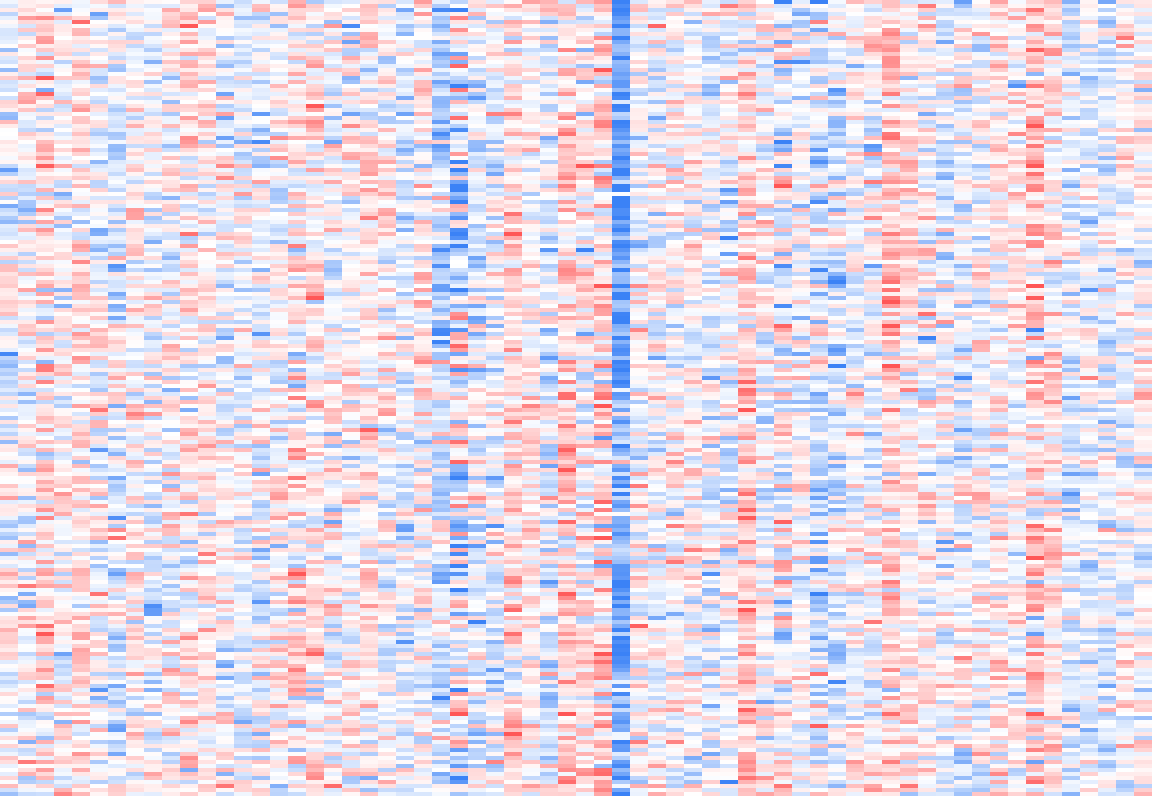
ESM-C generates protein sequence representations and optional forward-pass sequence logits using Biohub protein language models. It supports the 300M, 600M, and 6B model variants for embedding extraction from tokenizer-compatible protein sequences.
EvoIF
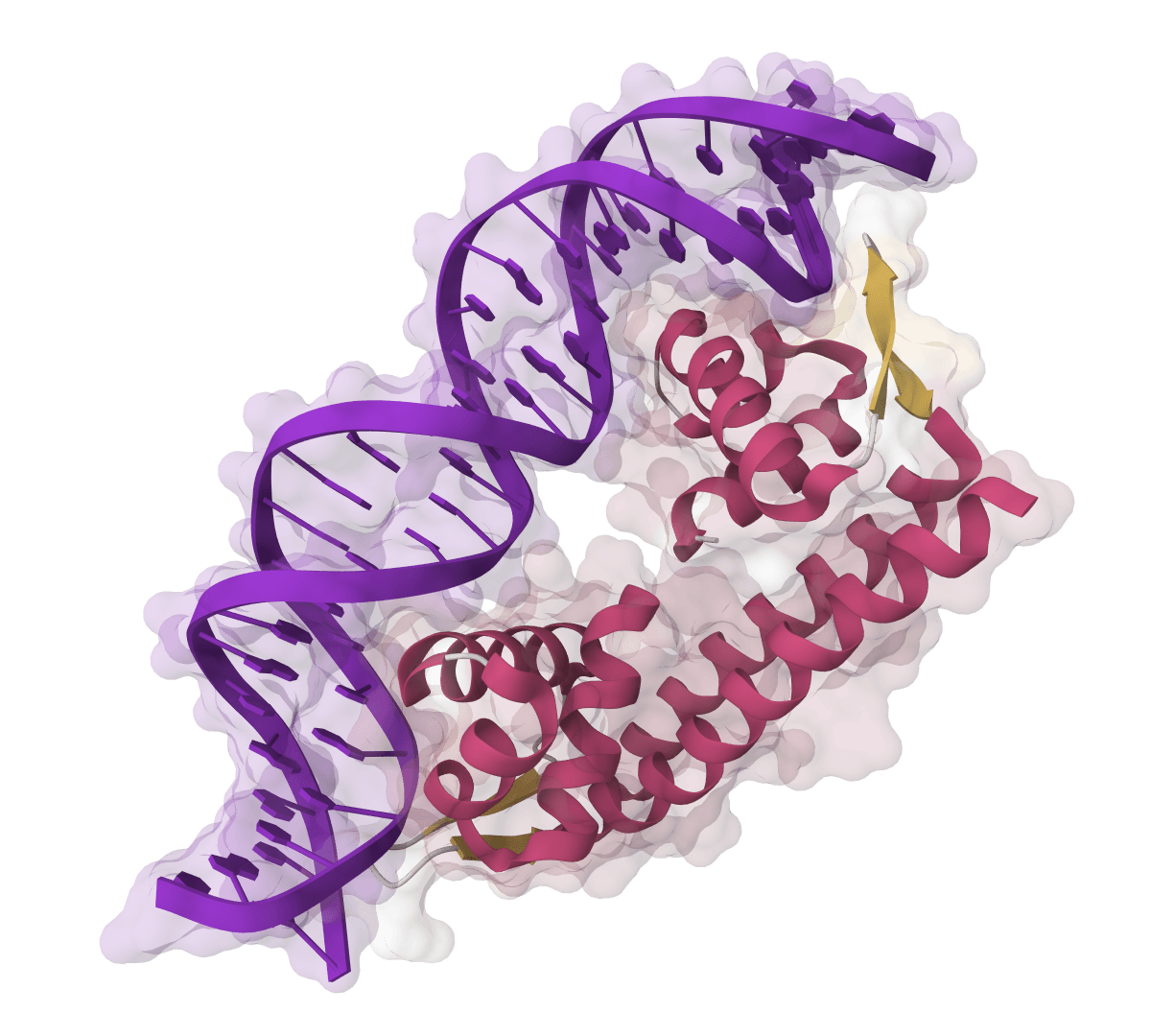
Score protein mutations with evolutionary profiles from homologous sequences and inverse folding. EvoIF returns a dimensionless log-odds score for each submitted single or multi-site mutation.
FindPept
Match experimental peptide masses against theoretical digest fragments of a protein sequence. Identify peptides from mass spectrometry data by peptide mass fingerprinting.
GC content calculator
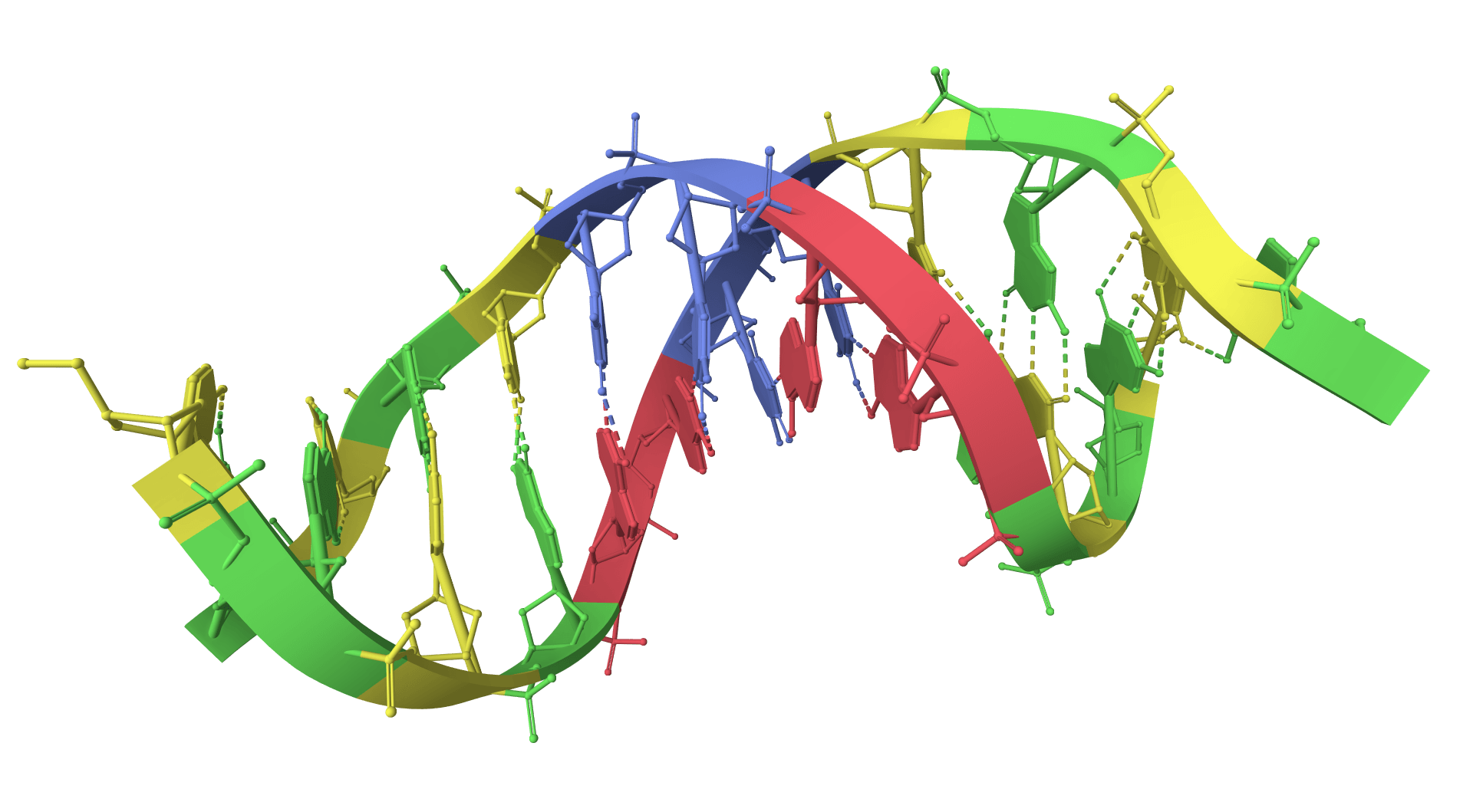
Calculate GC content, GC/AT skew, melting temperature, and CpG islands for DNA/RNA sequences, with a sliding-window GC plot. Analyze individual sequences or get combined statistics.
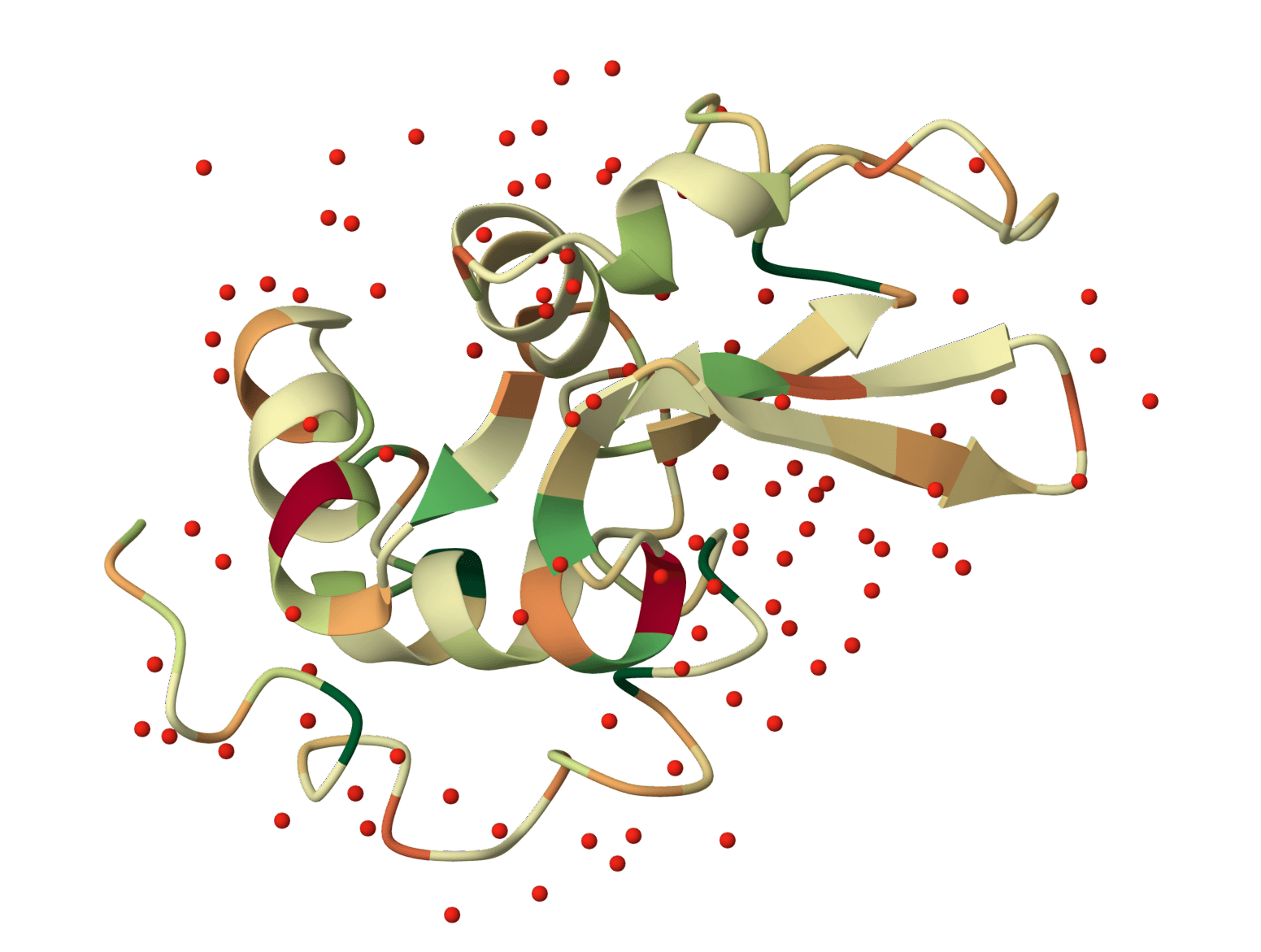
Hydropathy plot
Generate Kyte-Doolittle hydropathy plots to visualize hydrophobic and hydrophilic regions along protein sequences. Identify transmembrane domains and surface-exposed regions.
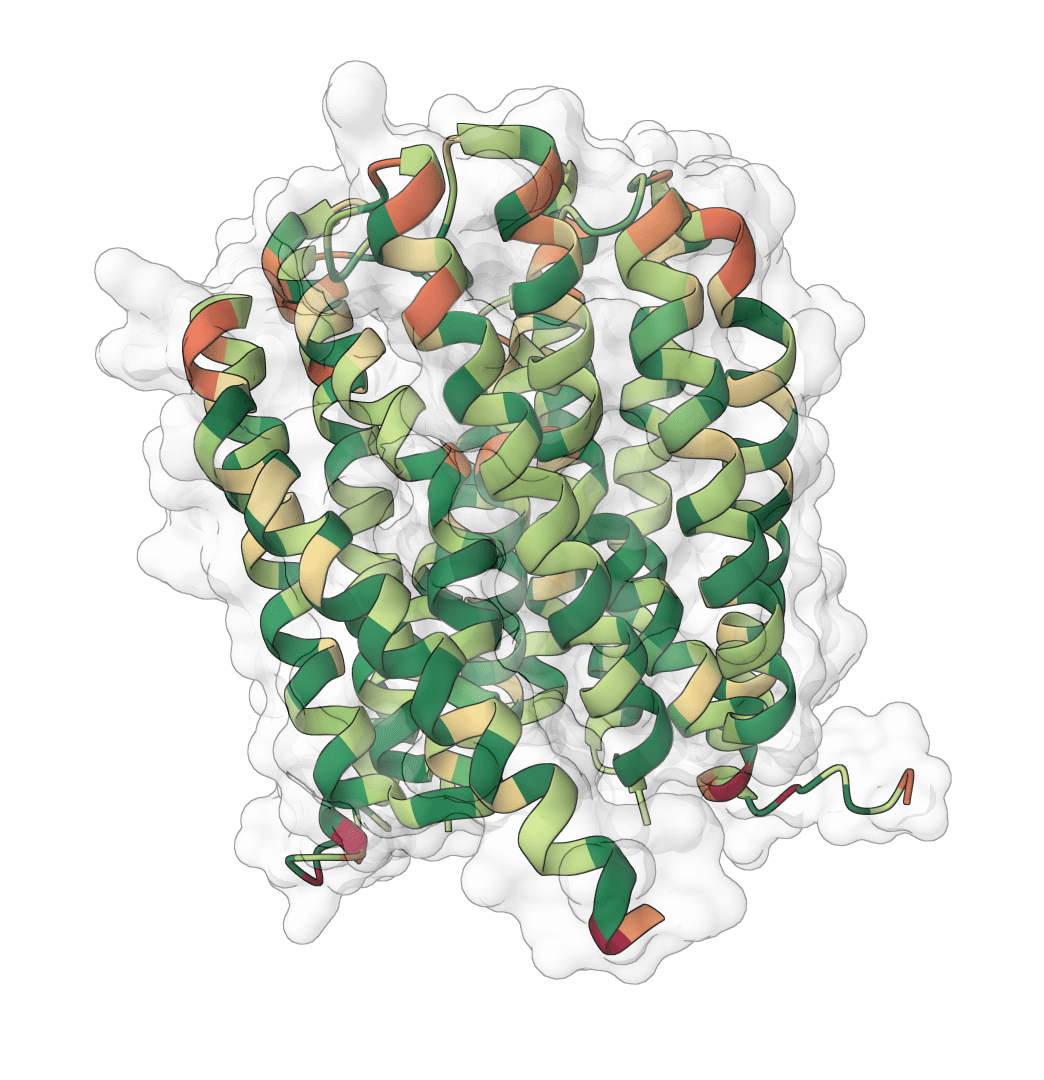
Hydrophobicity plot
Generate hydrophobicity plots using 24 different amino acid scales. Visualize hydrophobic and hydrophilic regions for protein analysis, epitope prediction, and membrane protein studies.
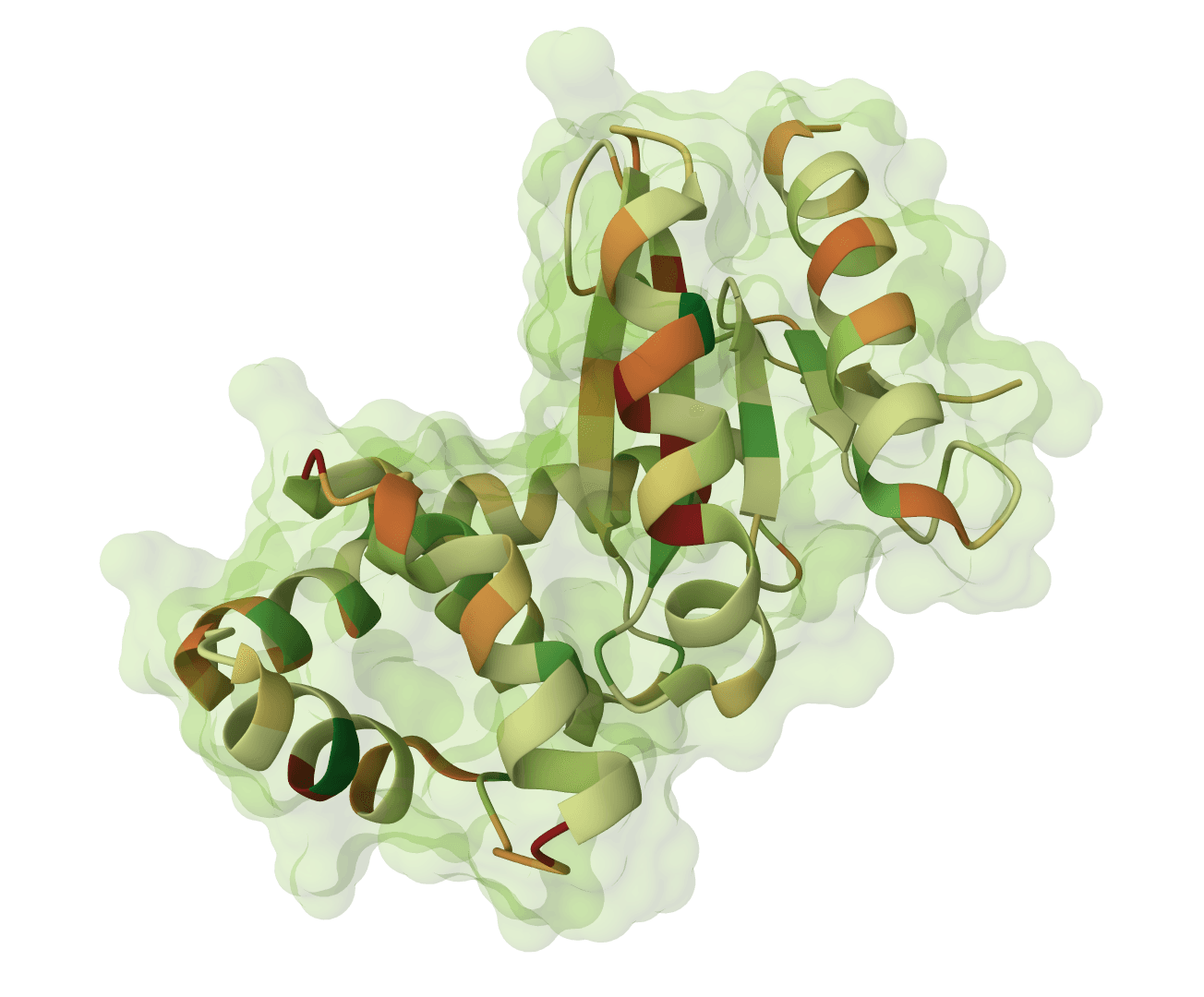
IPC 2.0 (isoelectric point calculator)
Isoelectric Point Calculator 2.0 - Predict protein/peptide isoelectric point (pI) using 18+ validated pKa scales, SVR models, and deep learning. Supports proteins, peptides, and comprehensive analysis.
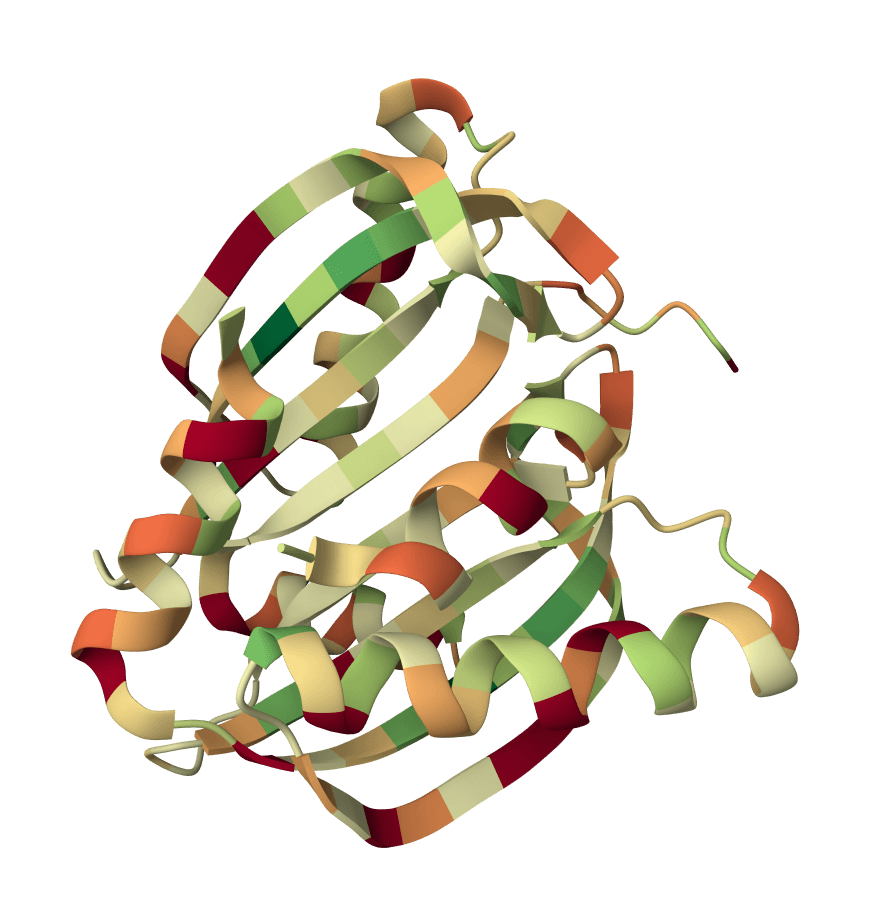
IPSAE
Scoring function for interprotein interactions in AlphaFold2, AlphaFold3 and Boltz predictions. Calculates ipSAE, ipTM, pDockQ, pDockQ2, and LIS scores to assess protein-protein interface quality.
LocScale
LocScale performs physics-informed local sharpening of cryo-EM density maps using half-maps or full MRC/MAP volumes, with optional mask and reference-map inputs.
Molecular descriptors
Compute 200+ RDKit molecular descriptors, drug-likeness rule violations, and structural fingerprints for QSAR, virtual screening, and ML workflows
MolProbity
Validate protein structure quality with all-atom contact analysis, Ramachandran plots, rotamer assessment, and geometry checks.
Oligo analyzer
Analyze unmodified DNA oligos with Primer3 thermodynamic Tm, hairpin, self-dimer, heterodimer, physical, and OD260 calculations.
ORF Finder
Find open reading frames in DNA with the native NCBI ORFfinder search, translations, coordinates, and output files.
PDBsum
Generate a downloadable PDBsum structural summary report archive for a single protein structure.
Peptide cutter
Predict protease and chemical cleavage sites across a protein sequence for up to 39 enzymes simultaneously. Identify where each enzyme cuts, the cleavage residue, and context window around each site.
Peptide mass calculator
Cleave a protein sequence with a chosen protease and compute the masses of the resulting peptides. Supports multiple enzymes, missed cleavages, chemical modifications, and different ion types for mass spectrometry experiment planning.
PLIP
Analyze noncovalent interactions in protein-ligand complex structures with PLIP, including hydrogen bonds, hydrophobic contacts, pi interactions, salt bridges, water bridges, halogen bonds, and metal complexes.
PolyXpert
Predict low or high antibody polyreactivity from paired VH and VL variable-domain sequences with the source PolyXpert ESM-2 classifier.
PoseBusters
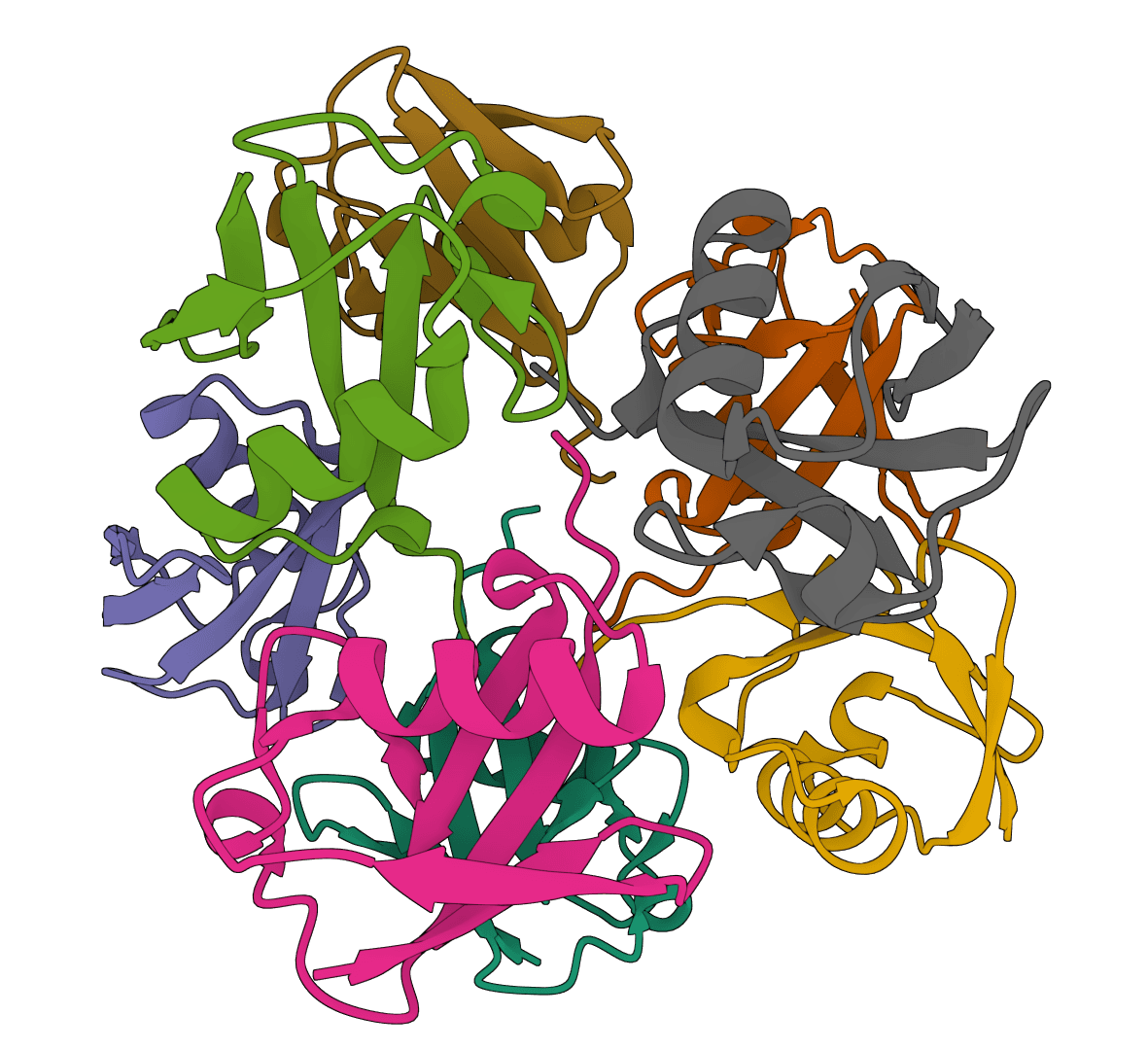
PoseBusters validates generated or docked molecular poses with chemically and structurally grounded quality checks for molecular geometry, intermolecular interactions, and optional reference-pose agreement.
PPAP
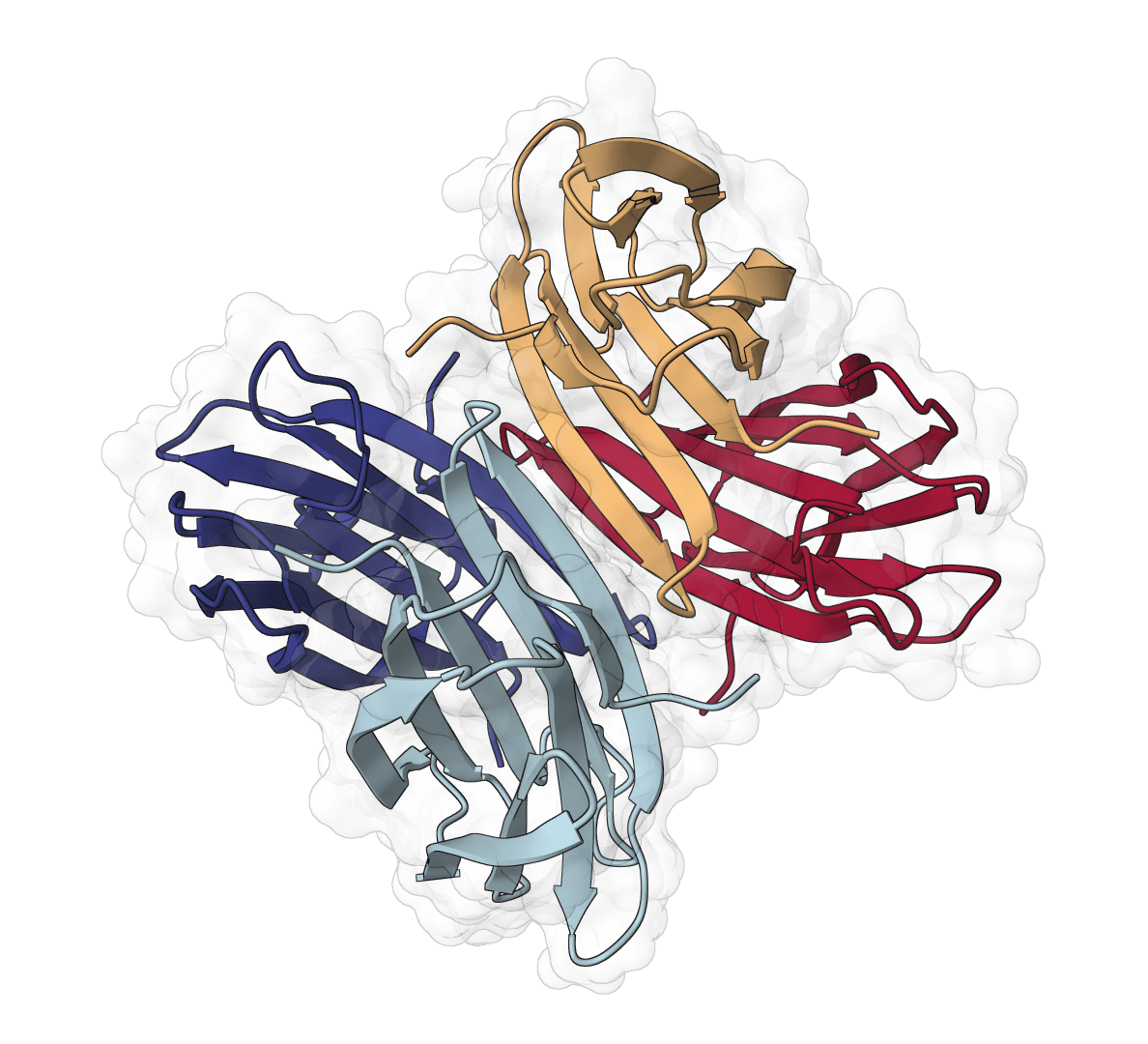
PPAP predicts protein-protein binding affinity as −ΔG and Kd from a multi-chain PDB complex using interfacial graph features and ESM2-3B embeddings.
ProLIF
ProLIF calculates protein-ligand interaction fingerprints from 3D structures, returning residue-level interaction tables, interaction metadata, and native fingerprint files.
PROPKA 3
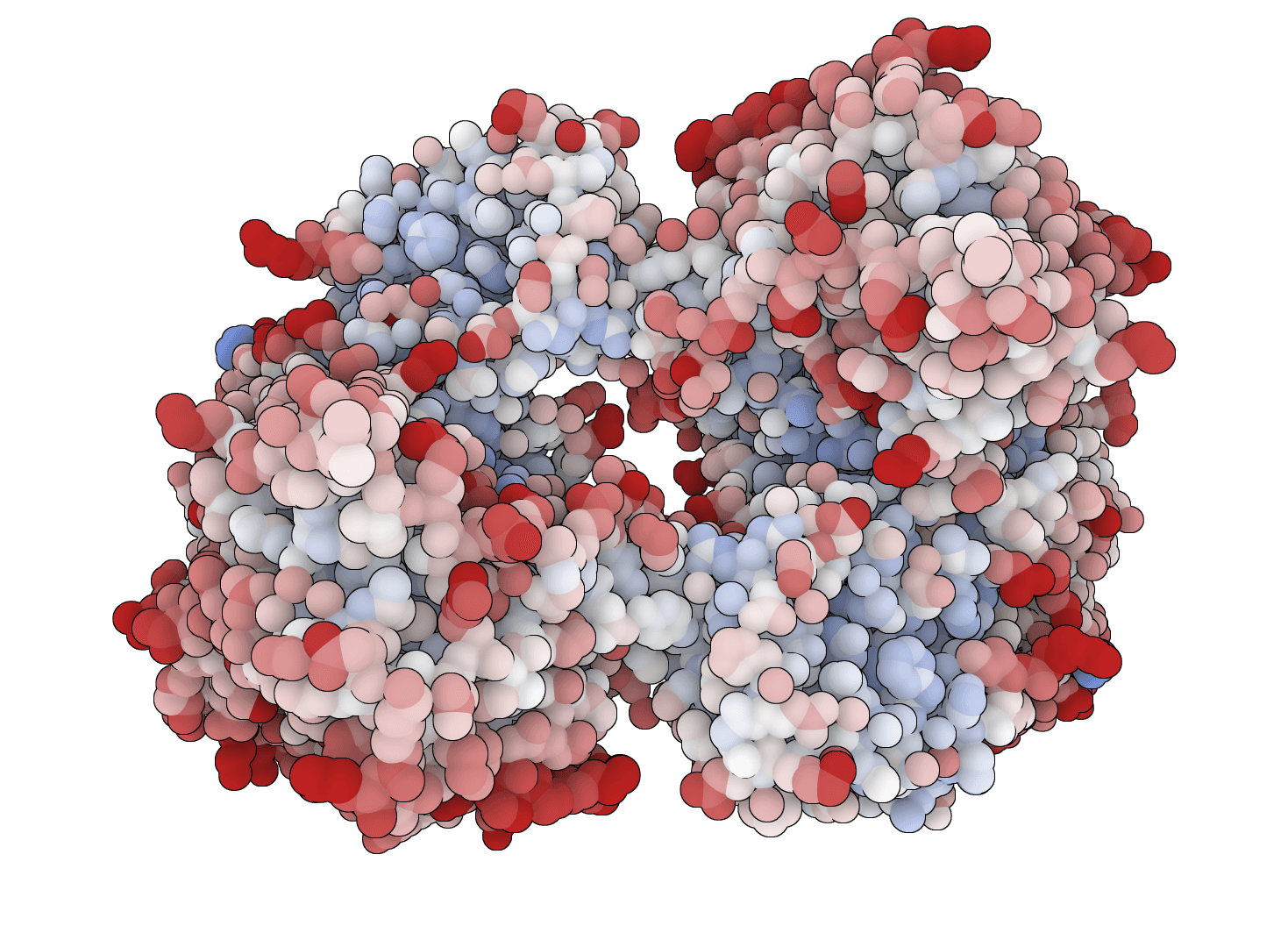
Predict pKa values of ionizable groups in proteins and protein-ligand complexes from 3D structure. PROPKA calculates environment-driven pKa shifts for standard ionizable residues, terminal groups, and supported ligand atom types.
ProstT5
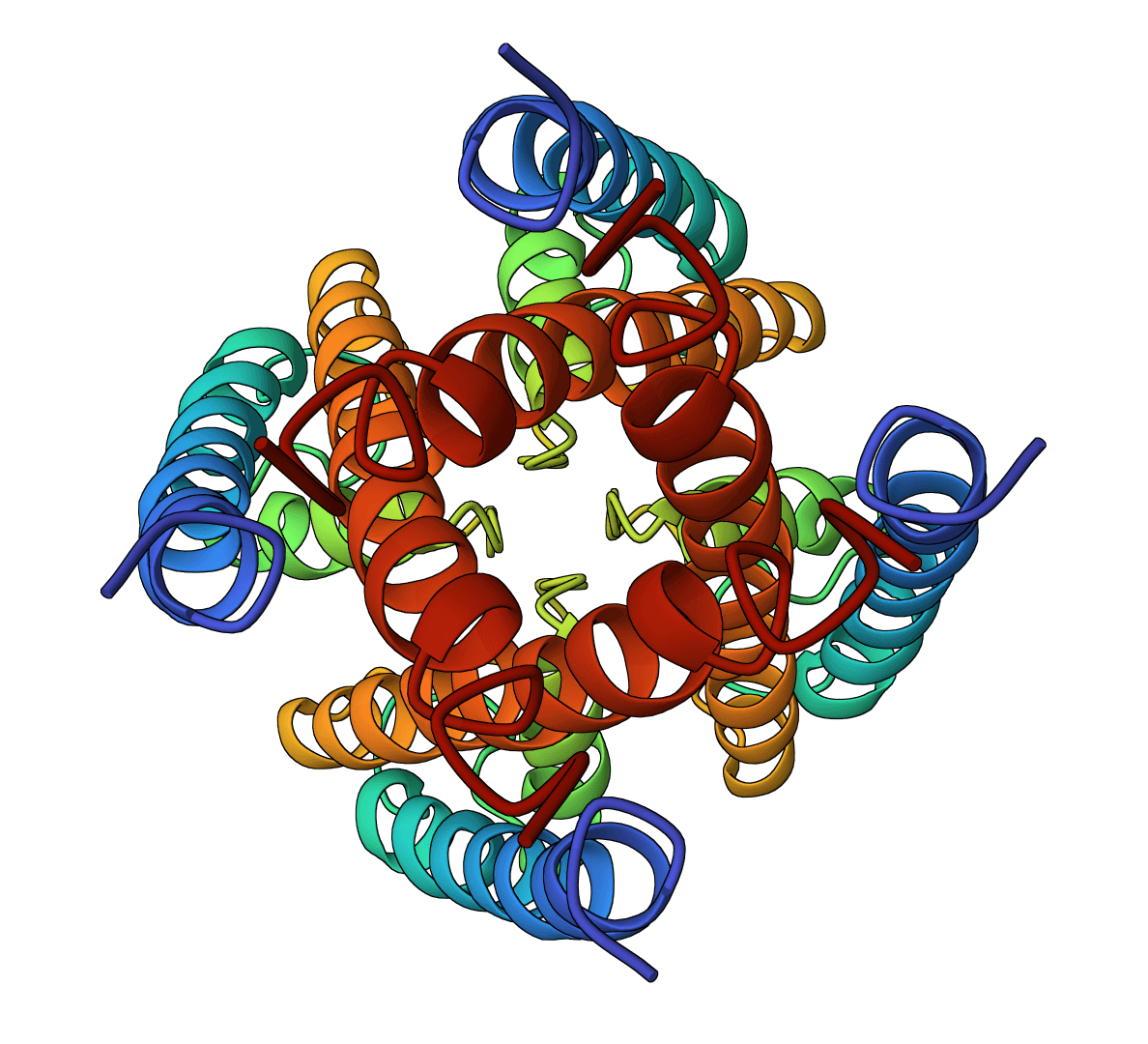
ProstT5 is a protein language model that bidirectionally translates between amino acid sequences and 3Di structural tokens. It enables fast structure-based searches and inverse folding by encoding structural information into a sequence-like representation.
Prot2Prop
Predict multiple protein developability properties from amino-acid sequences using a multitask ProstT5 adapter.
Protein charge plot
Plot net charge vs pH for protein sequences. Visualize how protein charge changes across pH 0-14 and identify the isoelectric point (pI) where the net charge crosses zero.
Protein parameters
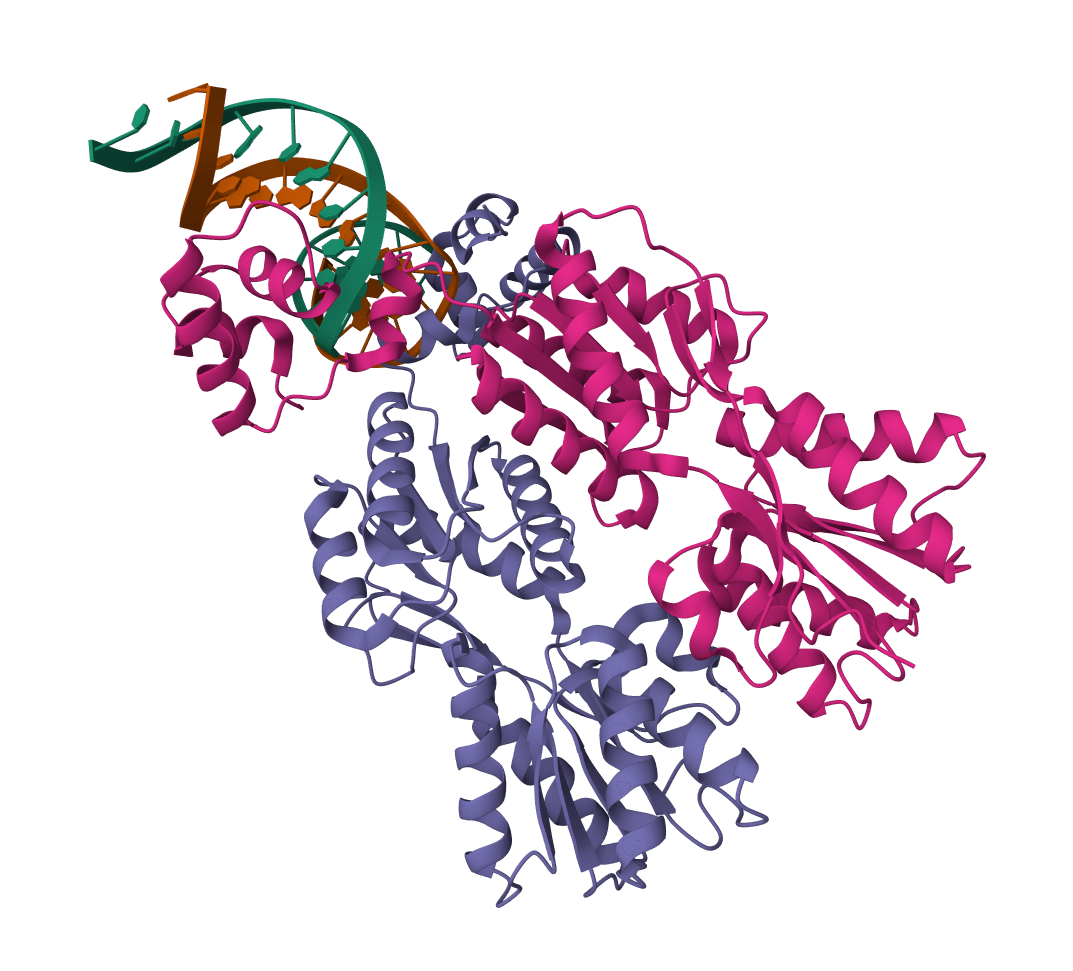
Calculate sequence-derived protein properties including molecular weight, theoretical pI, extinction coefficients, aromaticity, secondary structure fractions, composition classes, instability, aliphatic index, and GRAVY.
Protein scale profiler
Generate amino acid property profiles using 42 different scales spanning hydrophobicity, secondary structure propensity, flexibility, polarity, surface accessibility, antigenicity, and more.
Protein stability prediction
Calculate sequence-derived indicators related to protein stability, including the Guruprasad instability index, aliphatic index, GRAVY, aromaticity, estimated net charge, and charged-residue fraction.
Protein-Sol
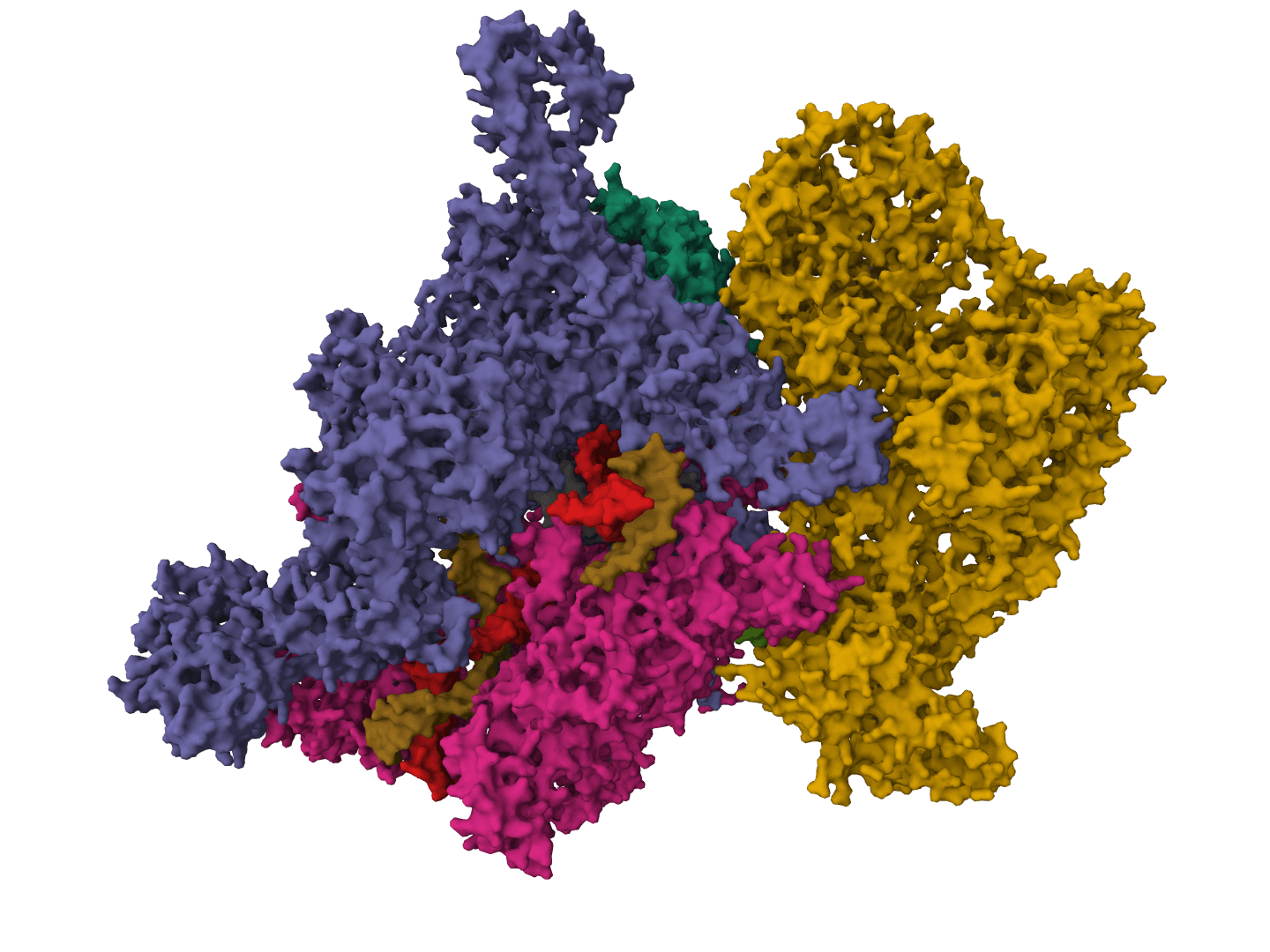
Predict protein solubility from amino acid sequence using the University of Manchester Protein-Sol method.
pyRMSD
Calculate pairwise RMSD matrices for PDB structure ensembles with pyRMSD, including the condensed matrix and source statistics files.
pySCA
Statistical Coupling Analysis for protein families. Identifies co-evolving residue groups (sectors) from multiple sequence alignments using the SCA method from the Ranganathan Lab.
Radius of gyration
Calculate the radius of gyration (Rg) for protein structures from PDB files. Supports multiple chains and atom selection options.
Ramachandran plot
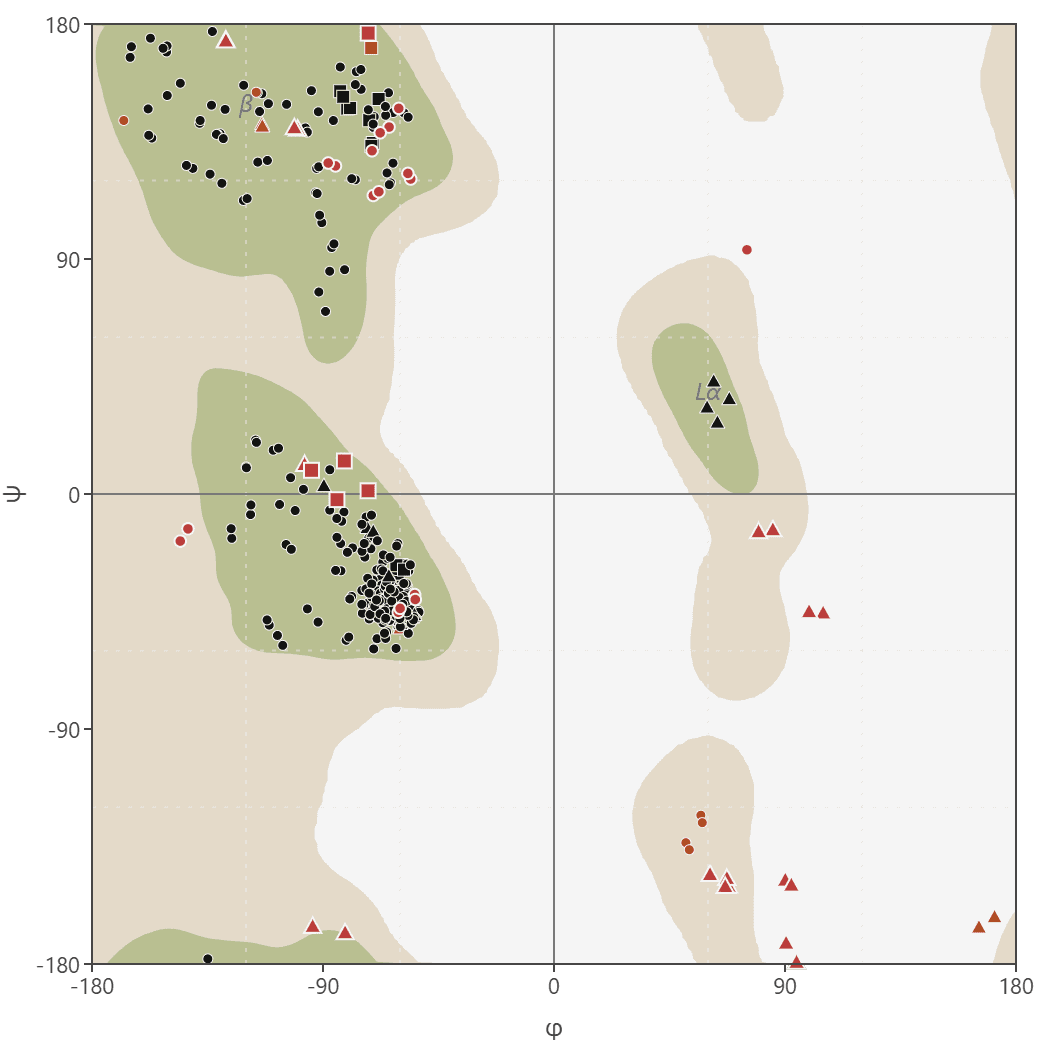
Generate Ramachandran plots from PDB or mmCIF structures to analyze protein backbone dihedral angles (phi/psi). Visualize favored, allowed, and outlier regions.
RAxML-NG
Perform maximum-likelihood phylogenetic tree inference with RAxML-NG for aligned protein, DNA, or binary character data. Supports ML search, bootstrap analysis, and native automatic model-family selection.
RMSD calculator
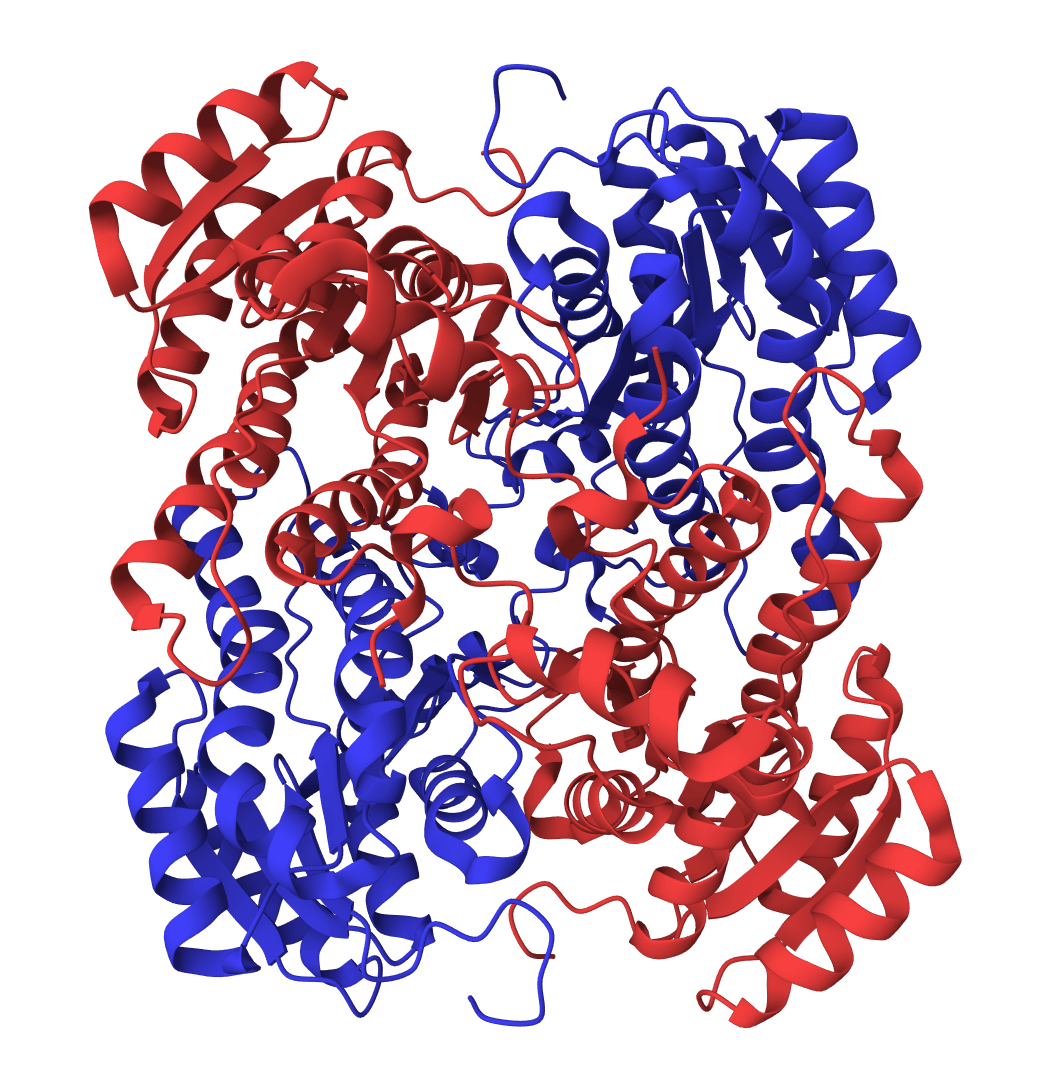
Calculate RMSD between protein structures with independent fit and measurement regions, explicit chain mappings, displacement profiles, coverage diagnostics, and fitted overlays.
RNAcofold
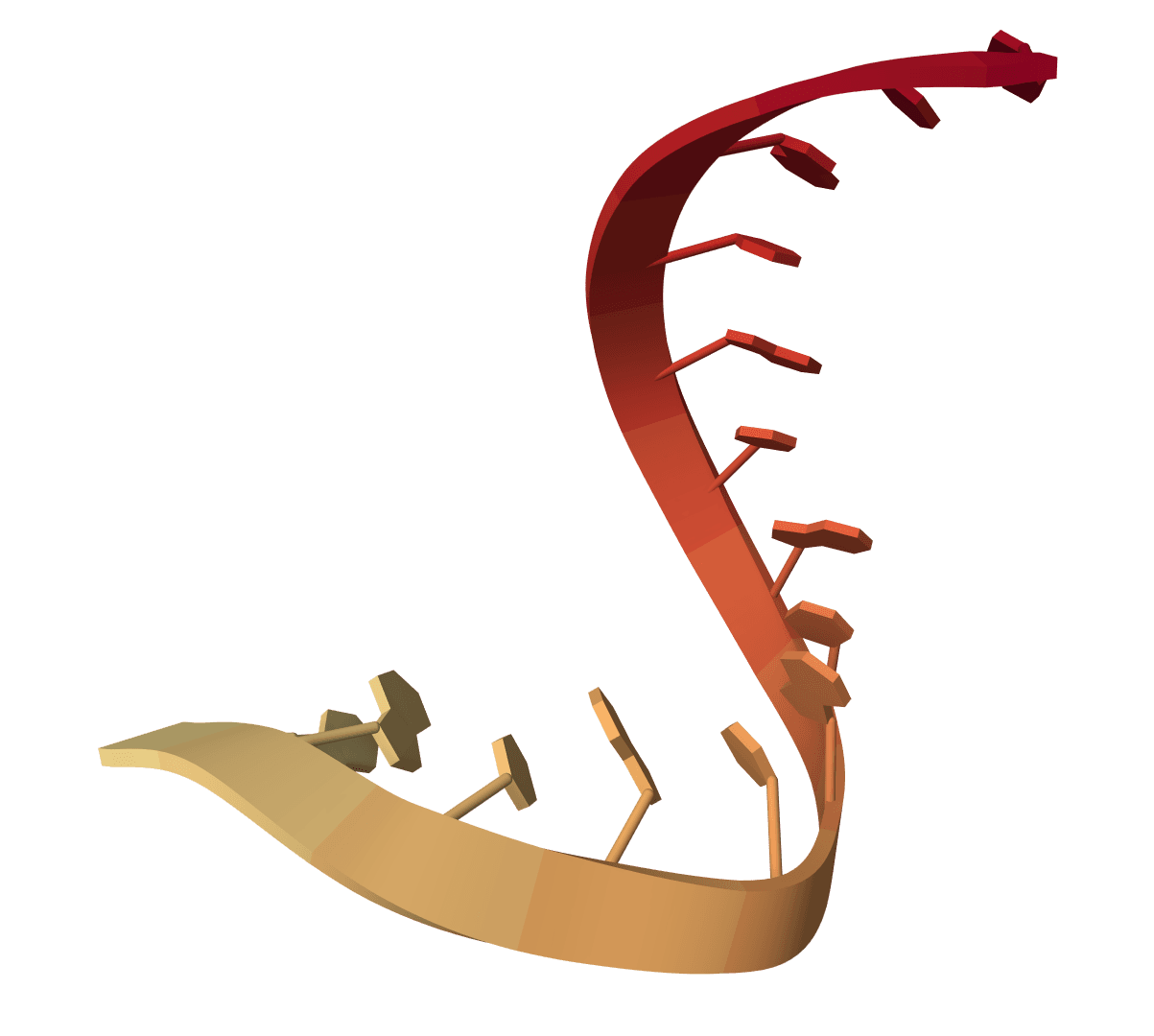
RNAcofold predicts the joint secondary structure of two interacting RNA molecules and optionally reports partition-function and concentration-dependent equilibrium metrics.
RNAdistance
RNAdistance compares RNA secondary structures using the selected native ViennaRNA distance representation and comparison mode.
RNAdos
RNAdos calculates density-of-states summaries for RNA sequences, reporting representative structures and state counts across energy bands.
RNAduplex
RNAduplex computes the hybridization structure between two RNA sequences. Predicts the optimal duplex formation and binding energy.
RNAeval
RNAeval calculates the free energy of an RNA secondary structure for a given sequence. Evaluates if a proposed structure is thermodynamically favorable.
RNAfold
RNAfold predicts RNA secondary structure using minimum free energy (MFE) algorithms and optionally returns partition-function ensemble metrics when explicitly enabled.
RNALfold
RNALfold reports locally stable RNA secondary structures within a sliding window and returns their start and end positions on the input sequence.
RNAplex
RNAplex predicts fast query-target RNA interactions, reporting parsed hit coordinates, structures, and energies.
RNAplfold
RNAplfold computes local base pair probabilities using a sliding window approach. Useful for analyzing accessibility and identifying binding sites in long RNA sequences.
RNAplot
RNAplot renders ViennaRNA secondary-structure plot files from a supplied RNA sequence and dot-bracket structure.
RNAsubopt
RNAsubopt enumerates all RNA secondary structures within a specified energy range above the minimum free energy (MFE). Useful for exploring the structural ensemble and identifying alternative conformations.
RNAup
RNAup predicts accessibility-aware RNA-RNA interactions, reporting opening-energy terms alongside interaction energies and downloadable native output files.
SASA calculator
Calculate Solvent Accessible Surface Area (SASA) for protein structures using the Shrake-Rupley algorithm.
ScanNet
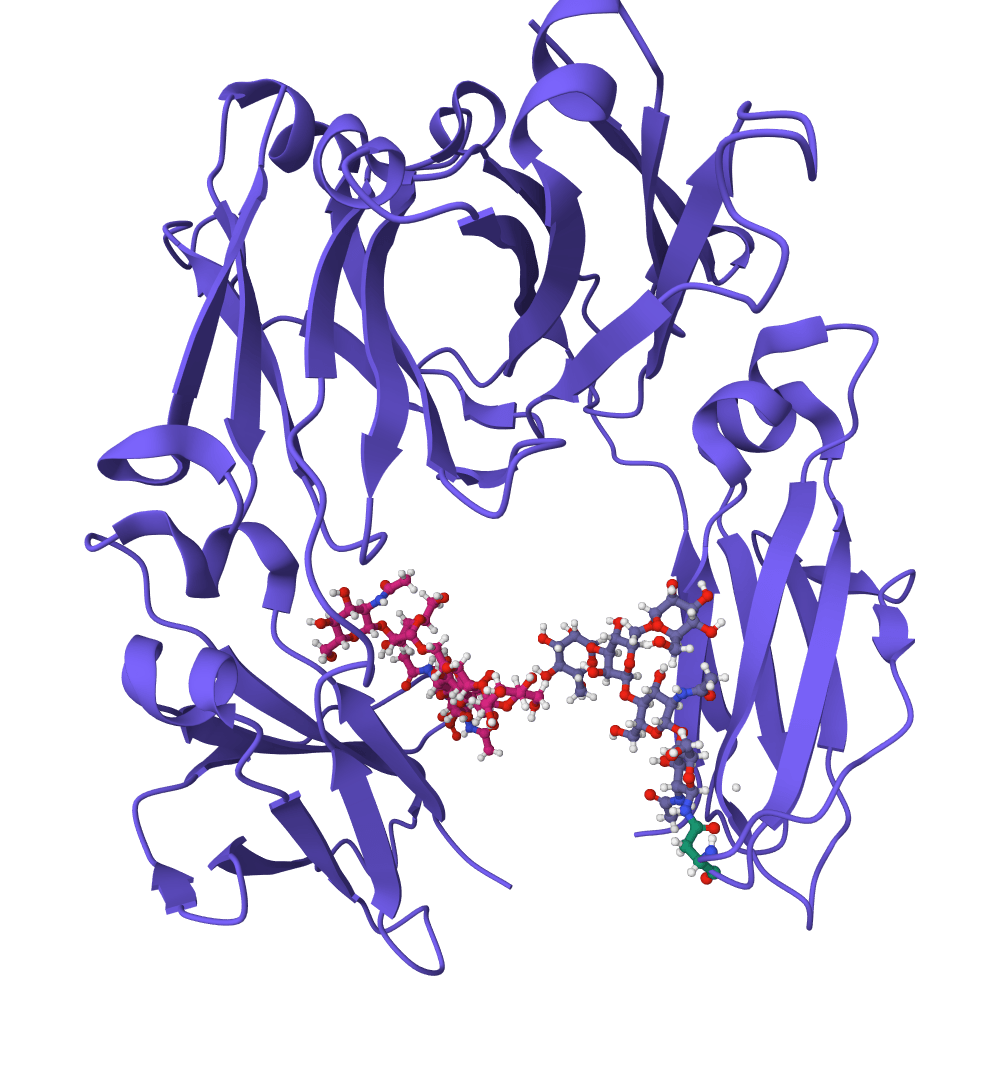
Geometric deep learning model for predicting protein binding sites directly from 3D structure. Identifies where proteins interact with other proteins, antibodies, or disordered proteins with high accuracy, including for novel protein folds.
SuperWater
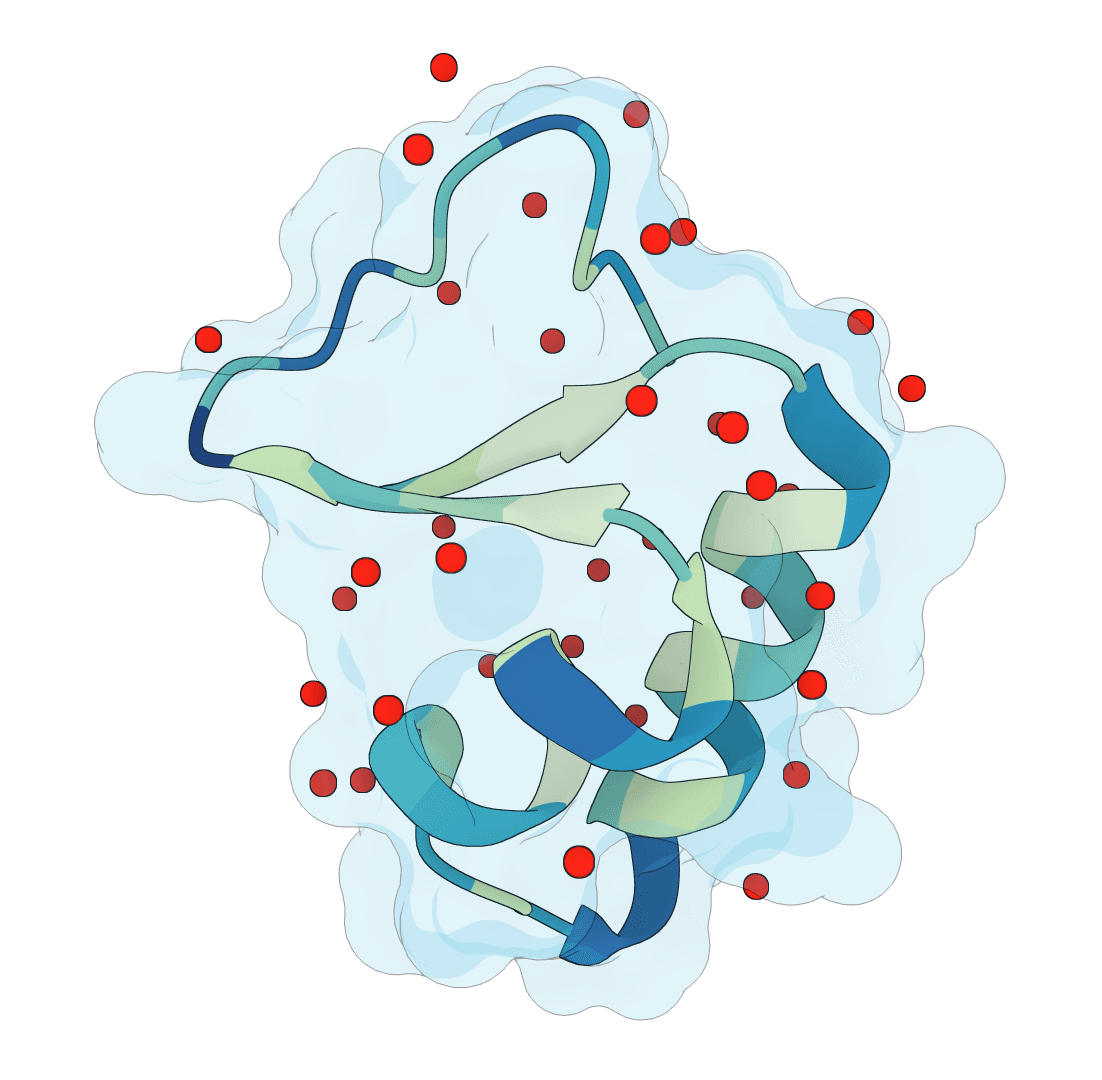
Predict protein hydration sites from a structure using a diffusion model with ESM features and a confidence-filtering head.
TAP2
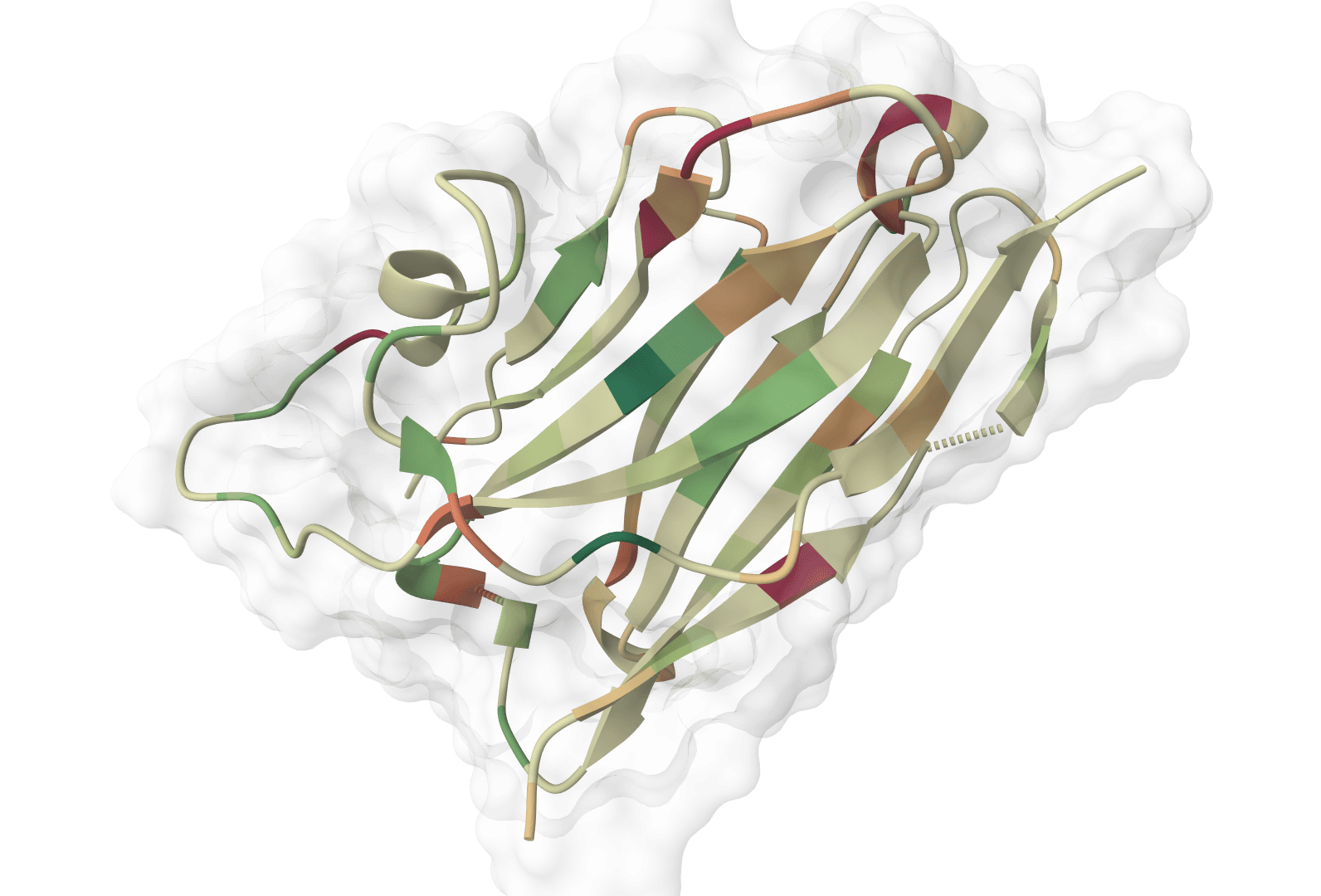
Therapeutic Antibody Profiler 2 evaluates VH/VL developability from an ABodyBuilder2 model. It returns total CDR length, surface hydrophobicity, positive and negative charge patches, Fv charge symmetry, reference flags, residue-level data, and the profiled structure.
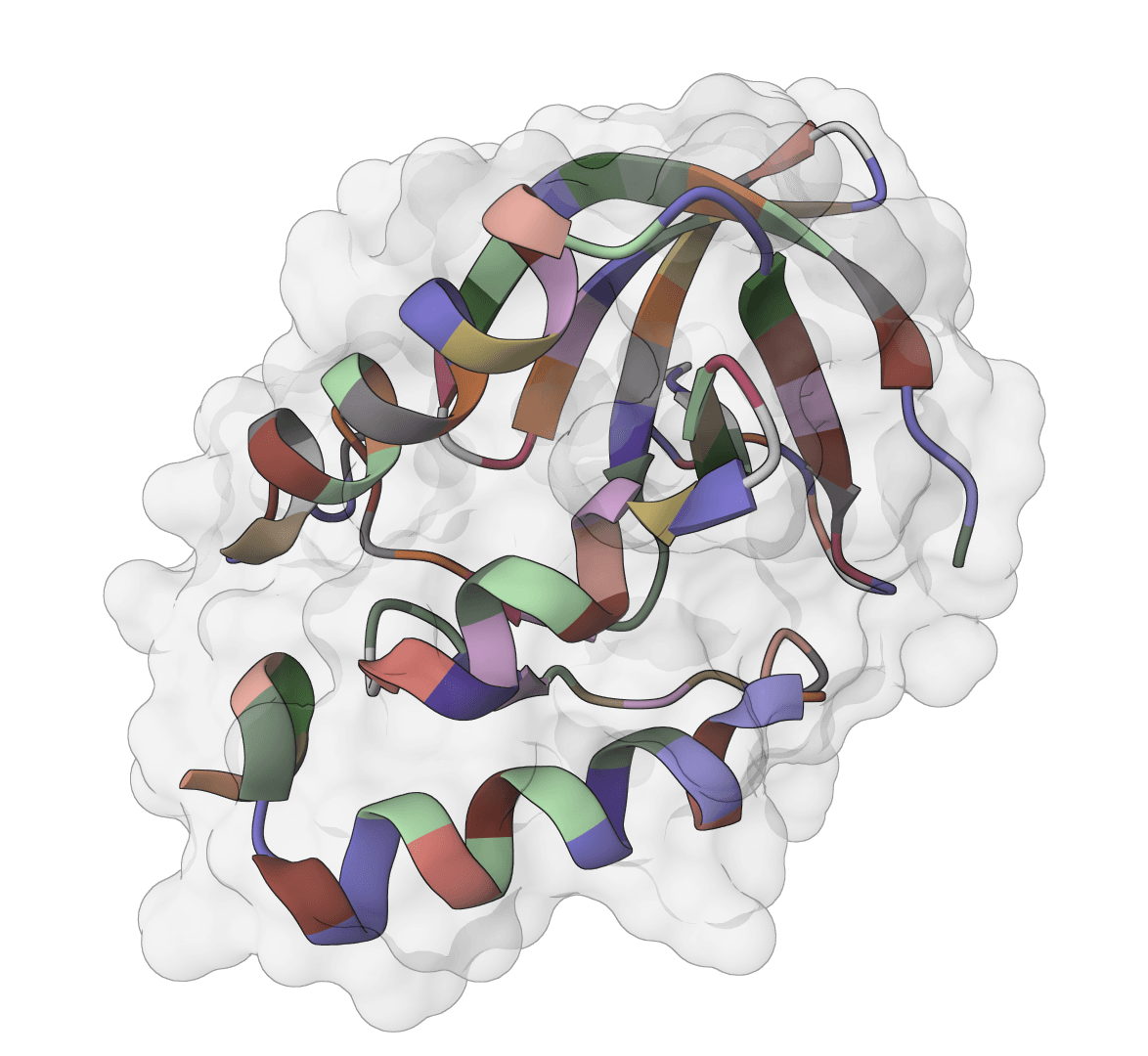
ThermoMPNN
Predict protein thermostability changes (ΔΔG) for point mutations using a graph neural network. Enables computational saturation mutagenesis screening to identify stabilizing mutations.
TLimmuno2
Predict MHC class II peptide immunogenicity (CD4+ T cell response) using transfer learning with LSTM.
TNP
Profile nanobody developability with the Therapeutic Nanobody Profiler, including CDR geometry, surface hydrophobicity and charge, clinical-reference flags, and predicted structures.
ViennaRNA
ViennaRNA supports a curated set of ViennaRNA 2.7.2 workflows for RNA folding, density-of-states analysis, interaction prediction, local accessibility, plotting, inverse folding, and structure analysis.