Cell biology guides
Guides on cells, organelles, metabolism, and the numbers behind human biology.
Cells ·
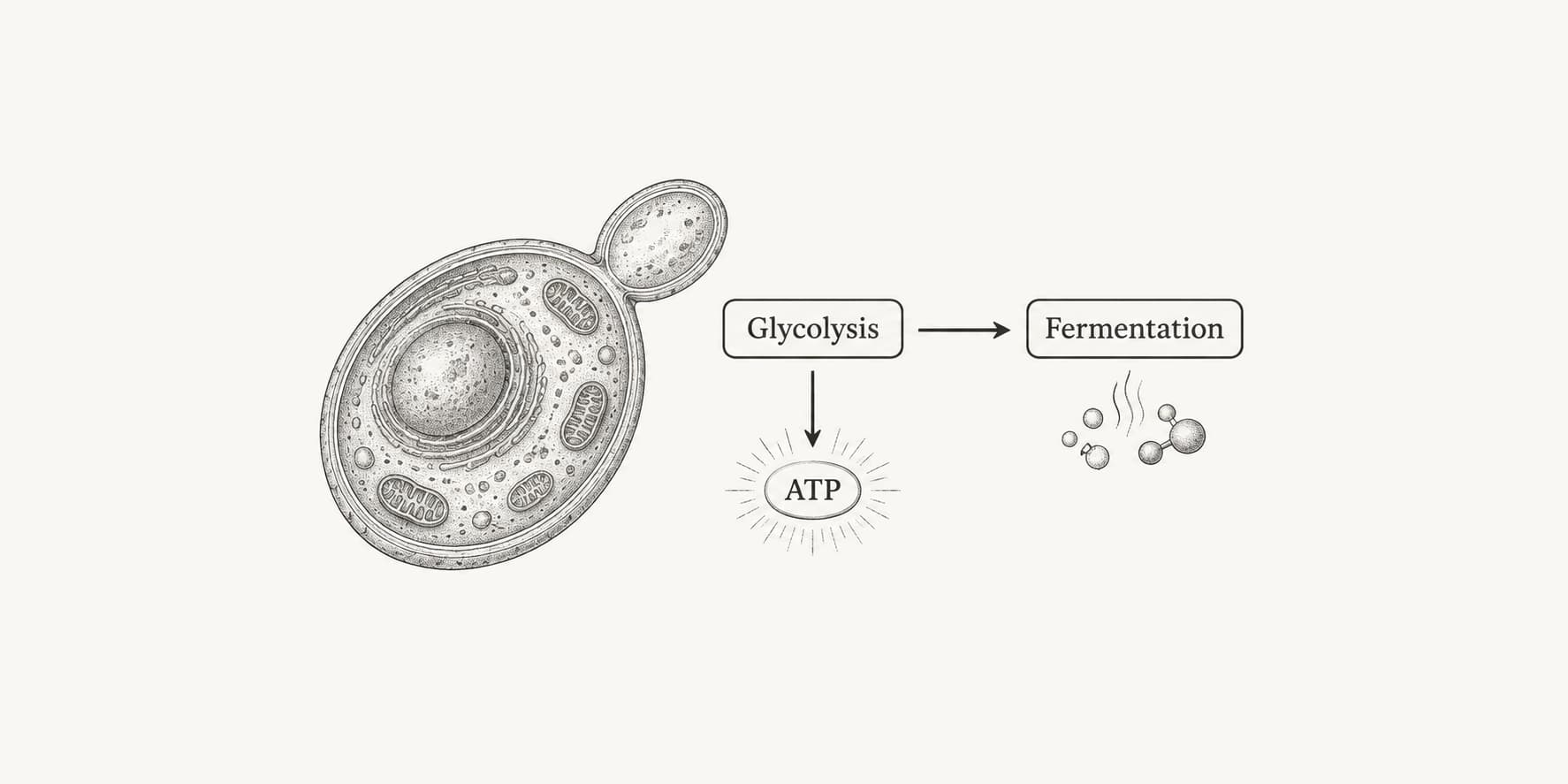
How many ATP are produced in fermentation?
Lactic acid and alcoholic fermentation each yield two net ATP per glucose. All of that ATP comes from glycolysis; the fermentation reactions add no more.
Cells ·
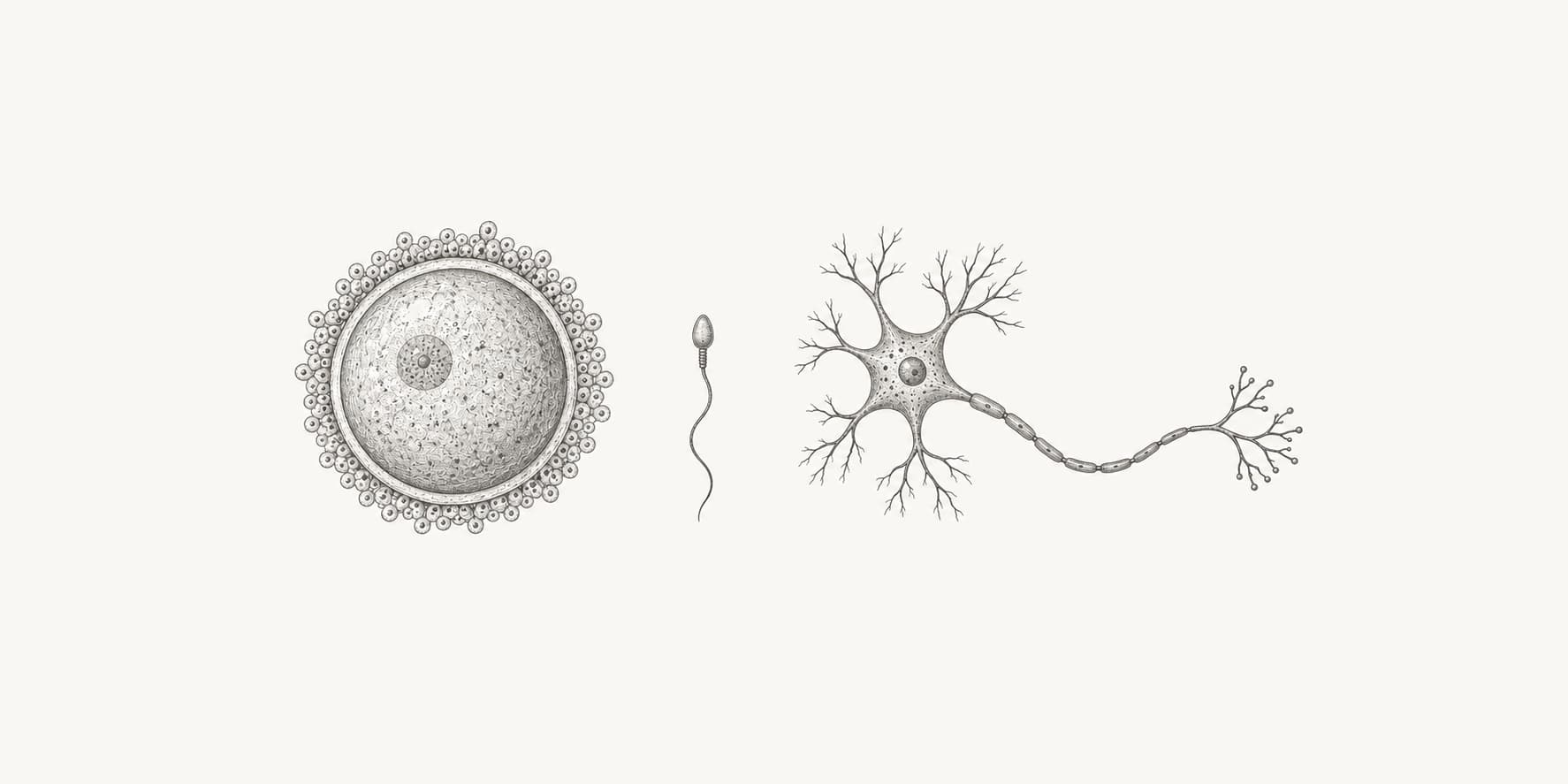
What are the largest and smallest cells in the human body?
The egg is the largest human cell at about 115 µm, sperm the smallest and a sensory neuron the longest. We also ranked 401 human cell types by mass.
Cells ·
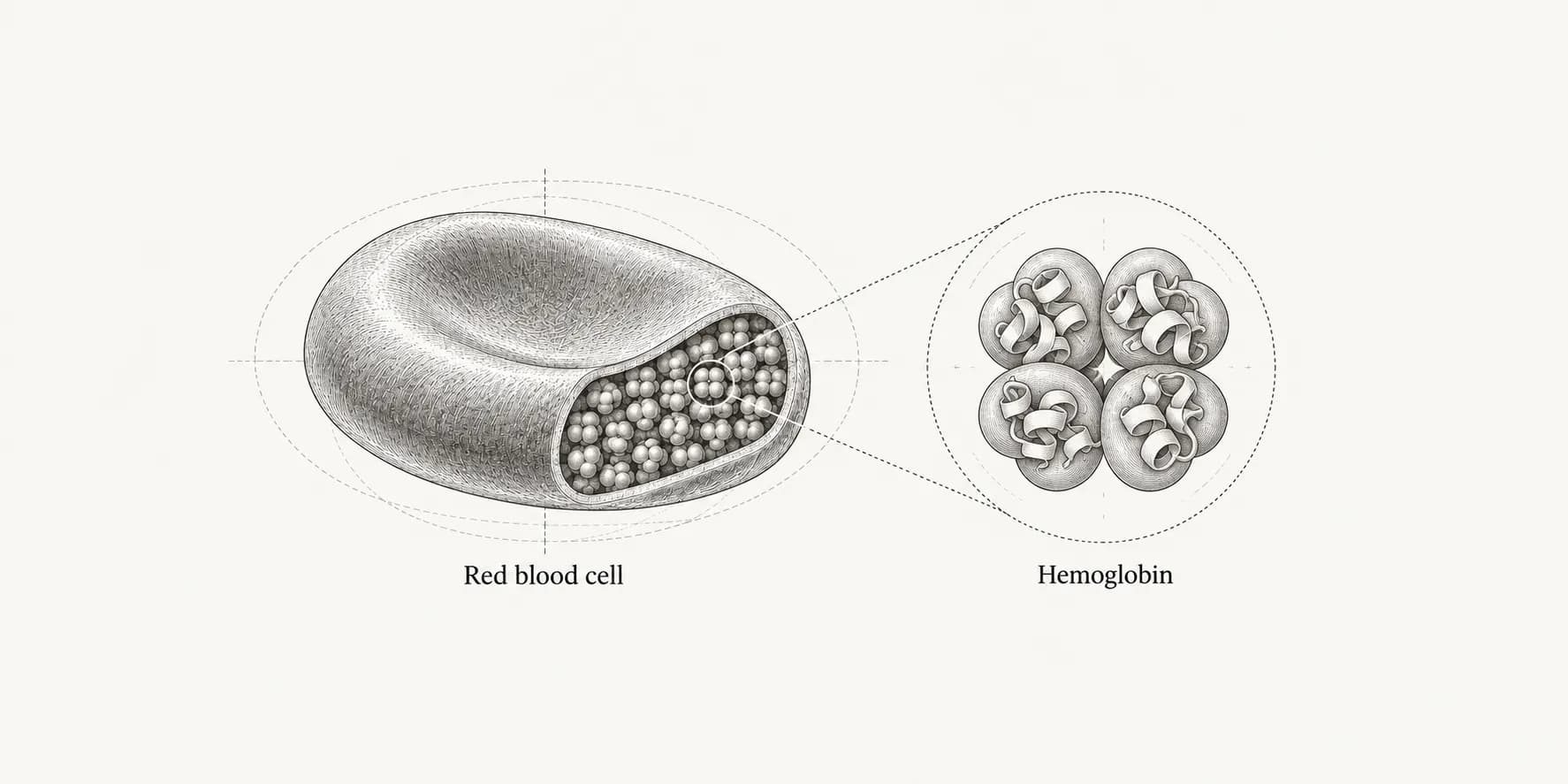
How many hemoglobin molecules are in a red blood cell?
A typical adult red blood cell holds about 270 million hemoglobin molecules, or about 1.1 billion heme groups. See how the count is calculated and why textbooks quote 250 to 300 million.
Cells ·
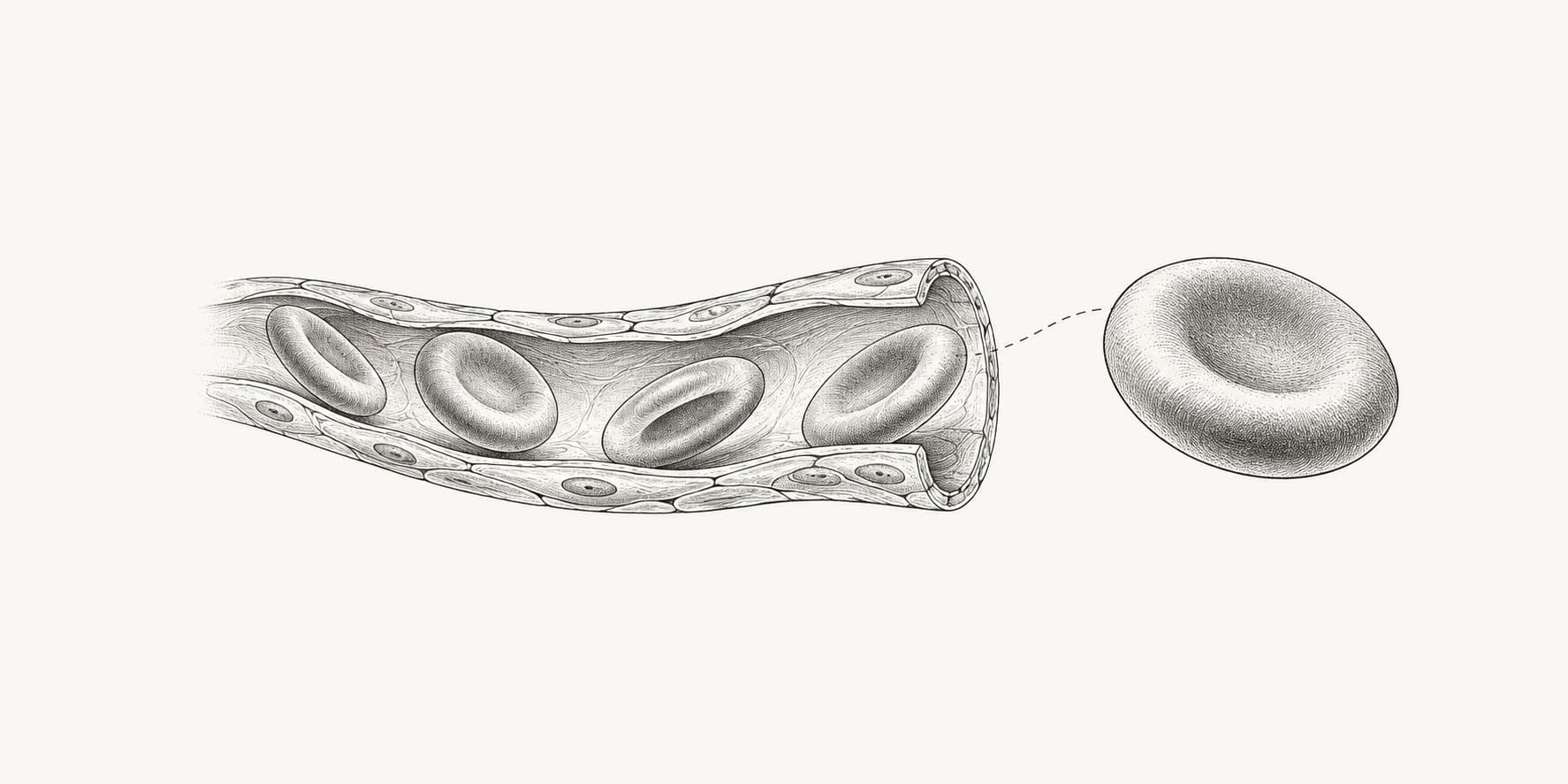
How many red blood cells are in the human body?
An average adult man has about 25 trillion red blood cells, and a reference woman about 20 trillion. See how many are in a drop of blood and how many are made each second.
Genetics ·
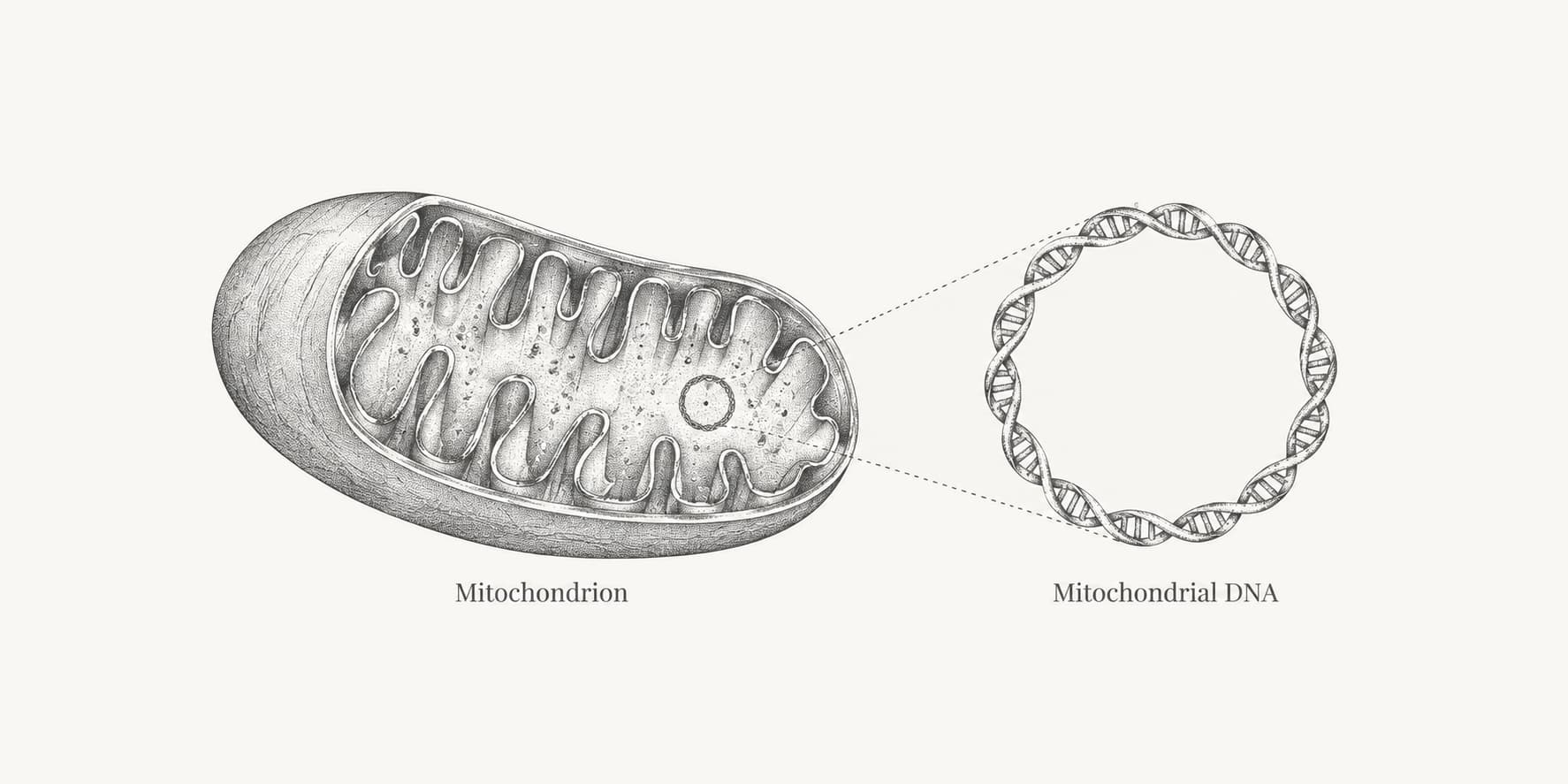
How many genes are in mitochondrial DNA?
Human mitochondrial DNA has 37 canonical genes. Compare the standard count with evidence for additional small proteins and mtDNA copy numbers across tissues.
Cells ·
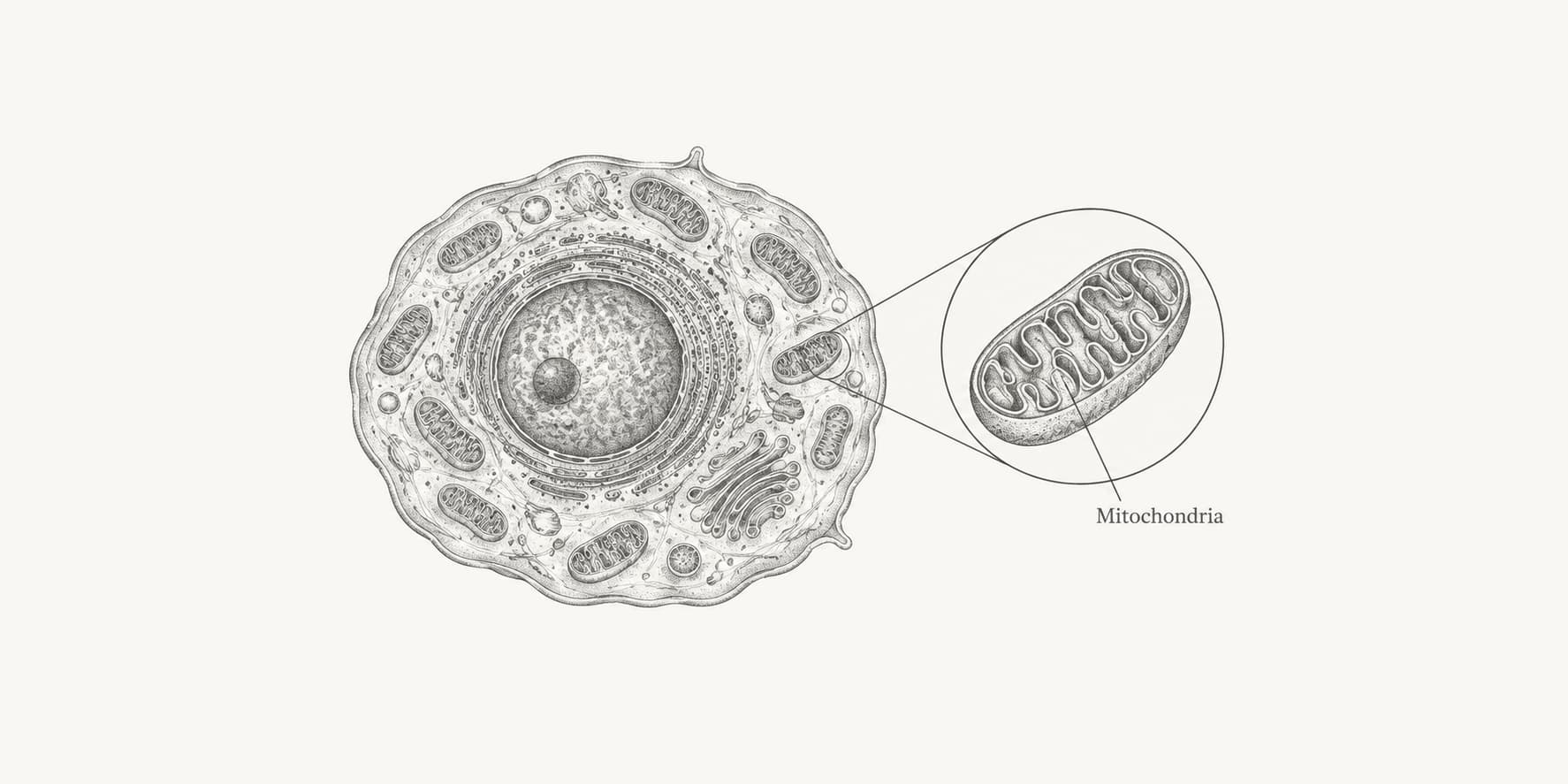
How many mitochondria are in a cell?
Many human cells contain hundreds of mitochondria. Liver cells have about 1,000 to 2,000, mature red blood cells have none, and a mature egg cell can contain about 100,000.
Proteins ·
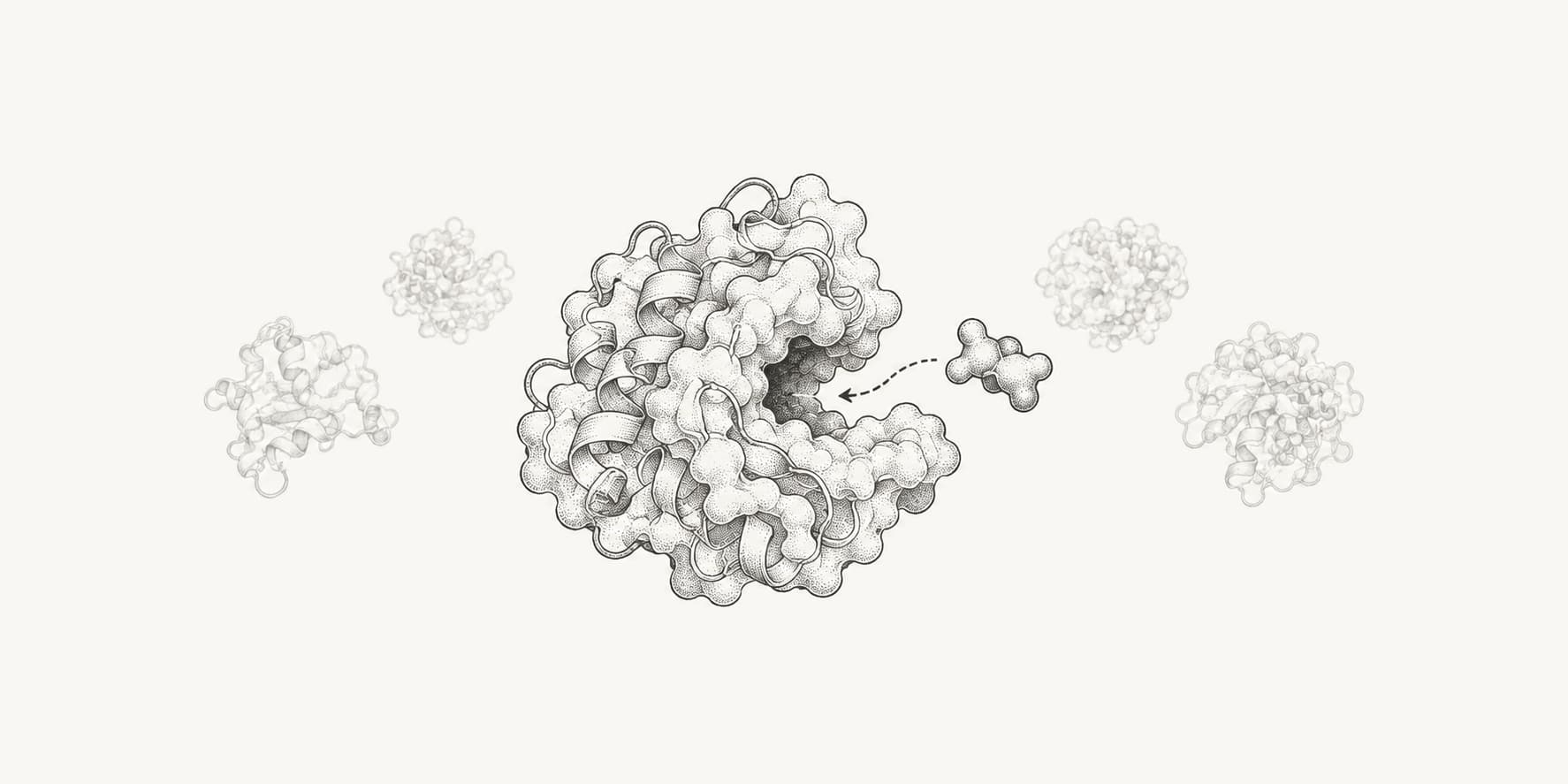
How many enzymes are in the human body?
Humans have about 3,800 enzyme-coding genes. Gene counts, reviewed enzyme proteins, EC activities, isoenzymes, and physical molecules give different totals.
Cells ·
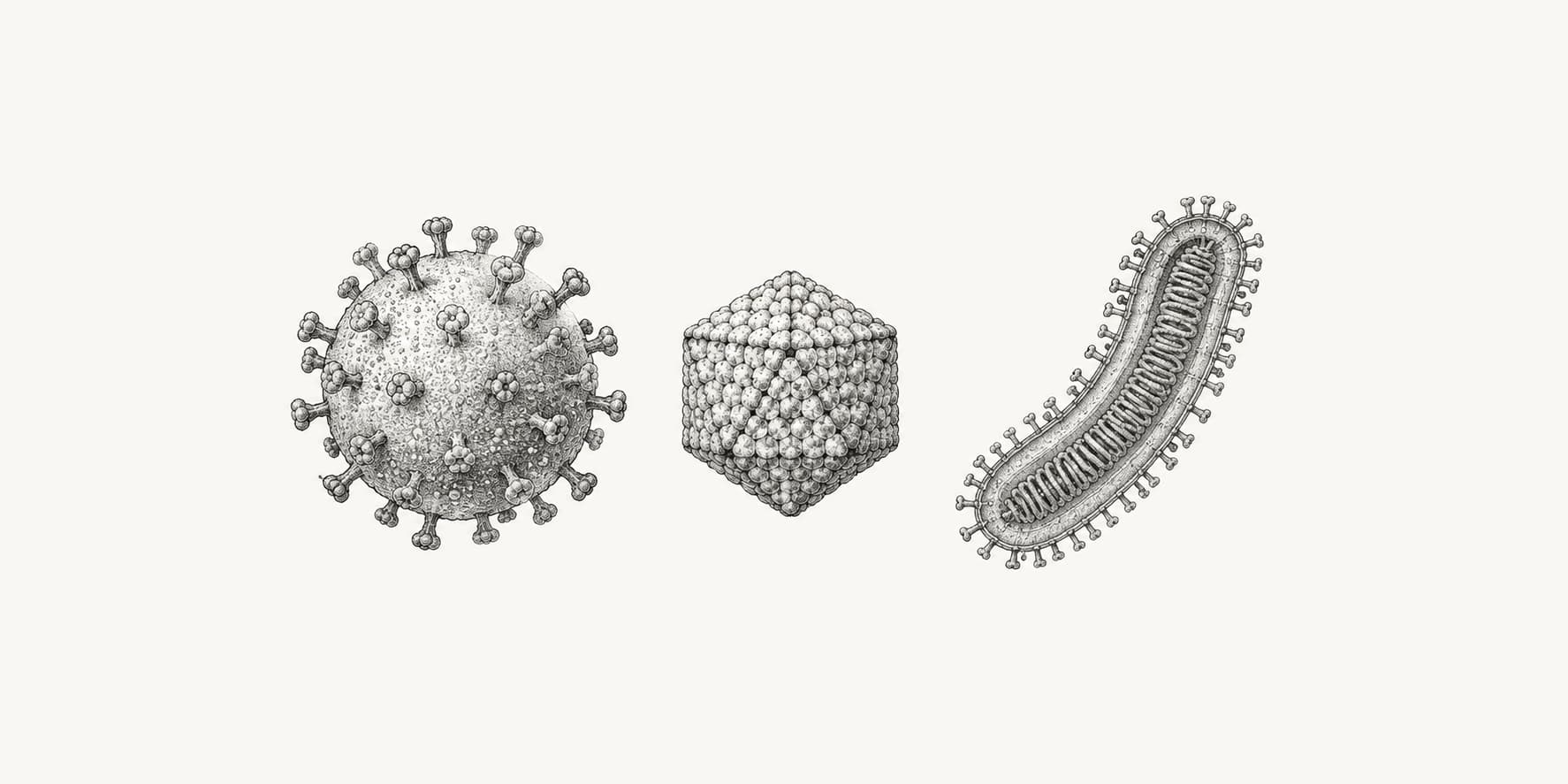
How many viruses infect humans?
The commonly cited estimate is about 270 known human-infecting viruses, but published totals range from 219 to 1,131 because studies use different evidence standards.
Proteins ·
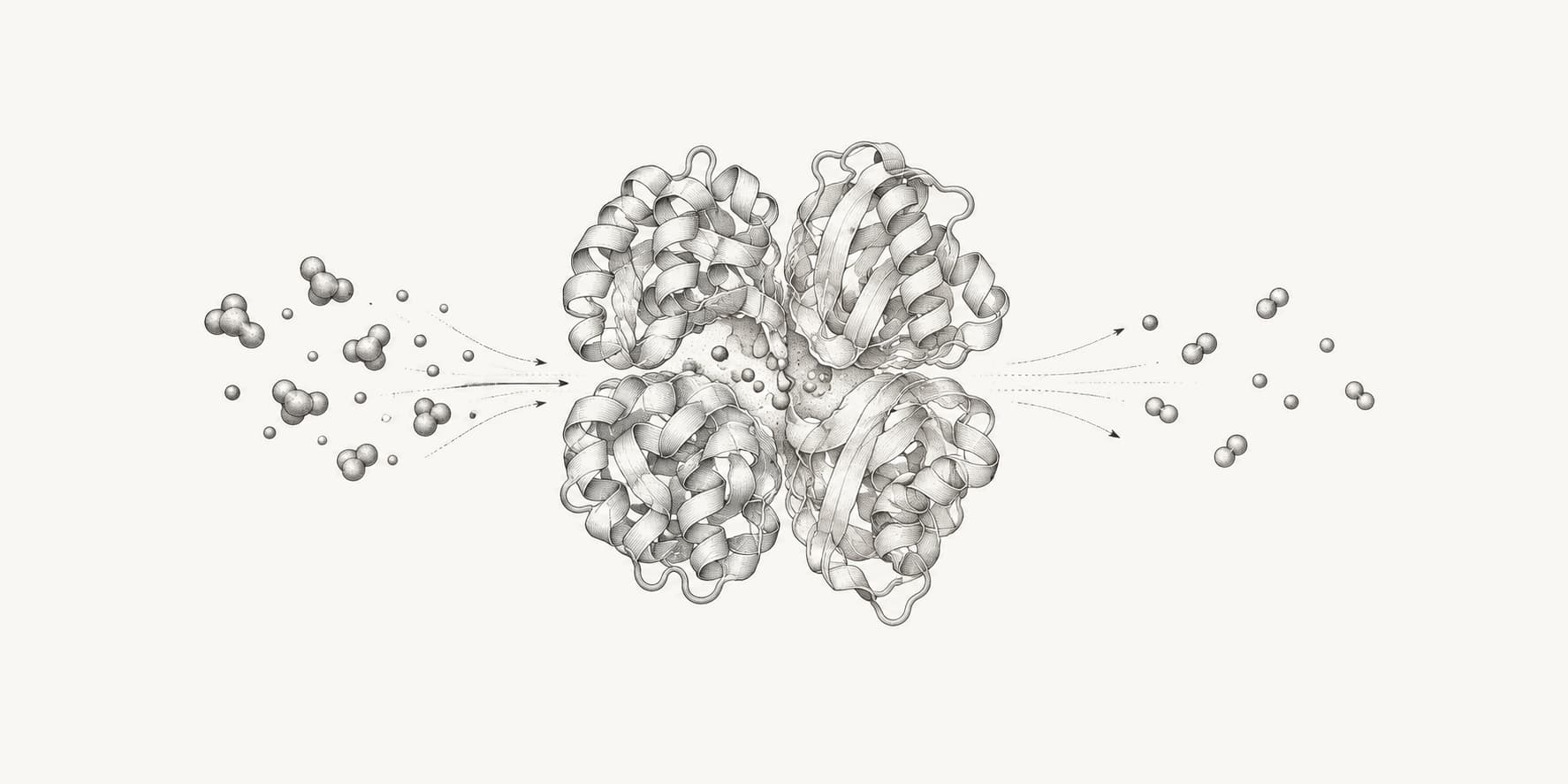
What is the fastest enzyme?
Catalase is the fastest enzyme by maximum turnover number. One catalase molecule can decompose an estimated 16 million to 44 million hydrogen peroxide molecules per second.
Genetics ·
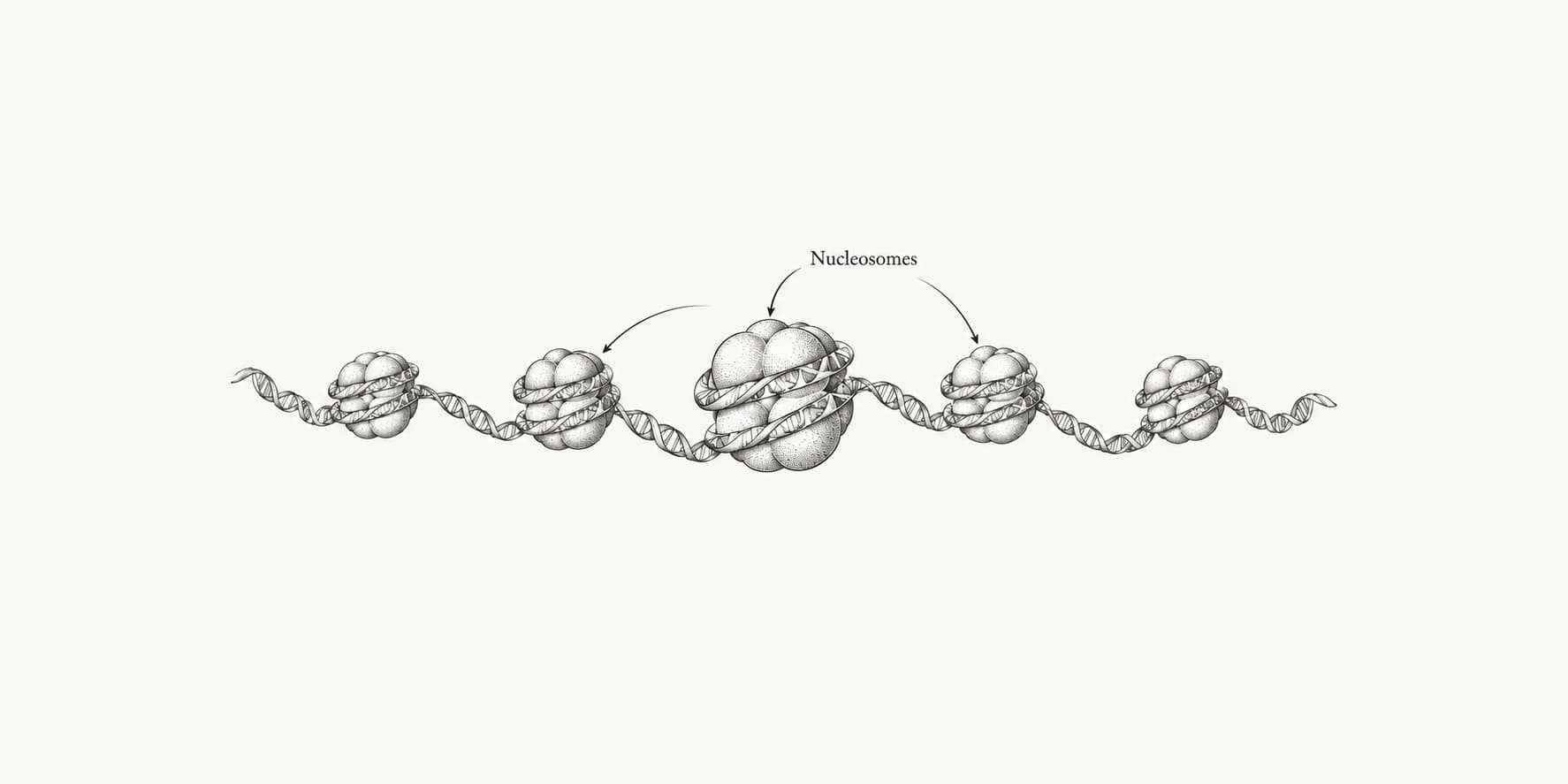
How many nucleosomes are in a human cell?
A typical diploid human cell contains about 30 million nucleosomes. See how that estimate is calculated and why a nucleosome can be described as containing 146, 166, or about 200 base pairs.
Cells ·
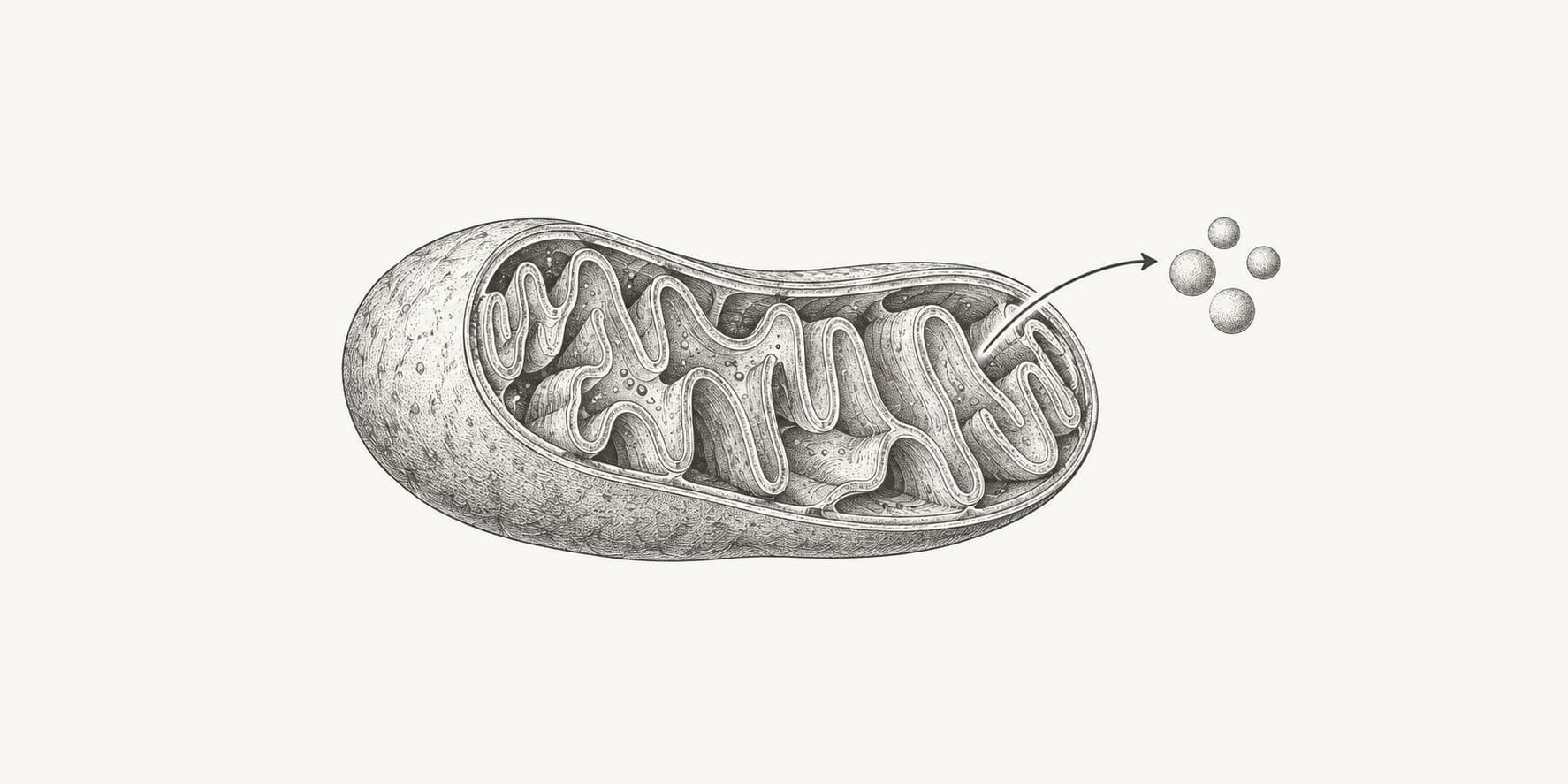
How many ATP are produced in cellular respiration?
Cellular respiration produces about 30 to 32 ATP molecules per glucose in human cells: 4 directly and 26 to 28 through oxidative phosphorylation.
Cells ·
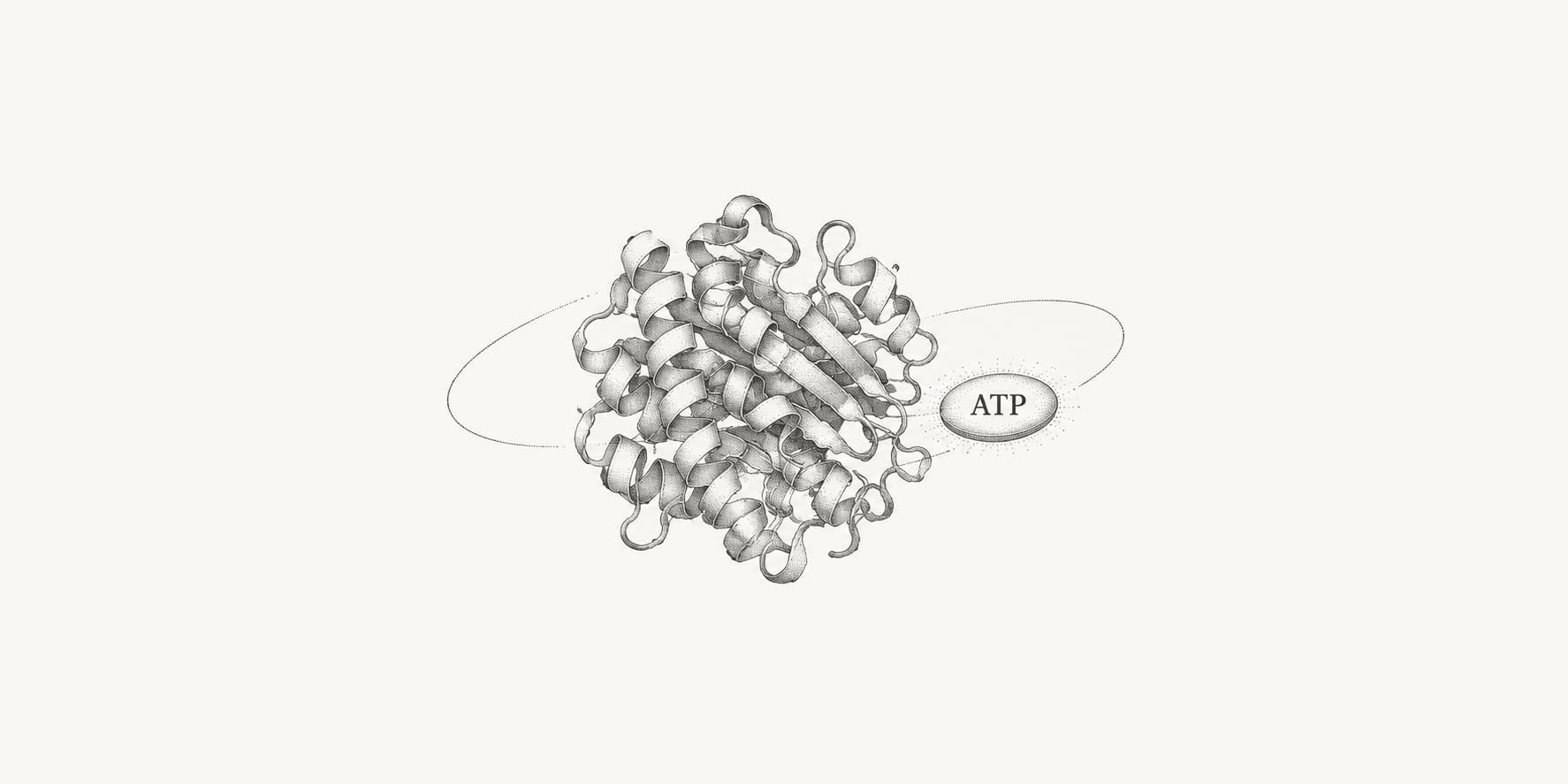
How many ATP are produced in glycolysis?
Glycolysis produces four ATP molecules and consumes two ATP molecules, for a net yield of two ATP per glucose.
Cells ·
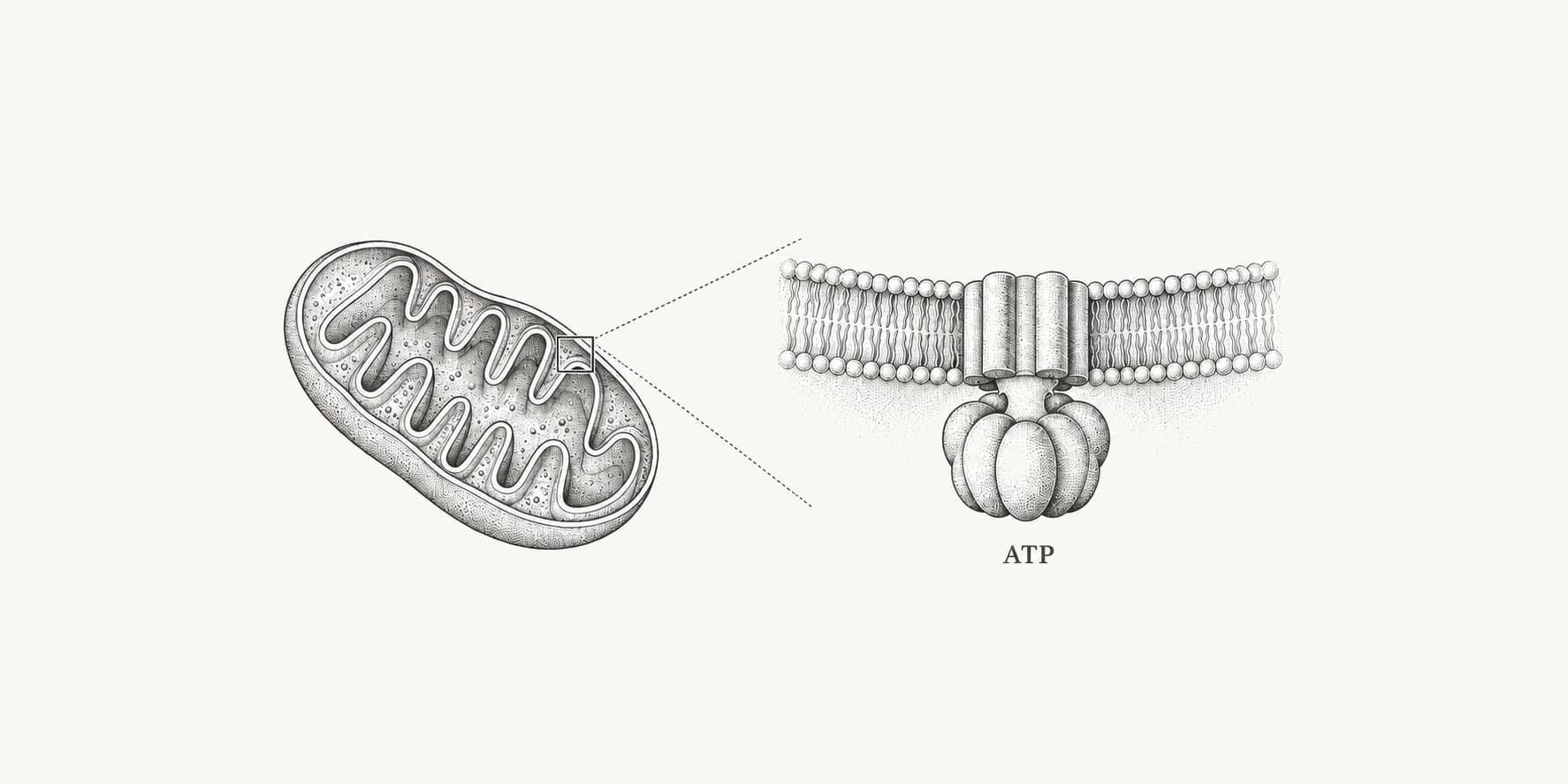
How many ATP are produced in oxidative phosphorylation?
Oxidative phosphorylation produces about 26 to 28 ATP per glucose. See how NADH, FADH2, and the two mitochondrial shuttle systems produce that range.
Cells ·
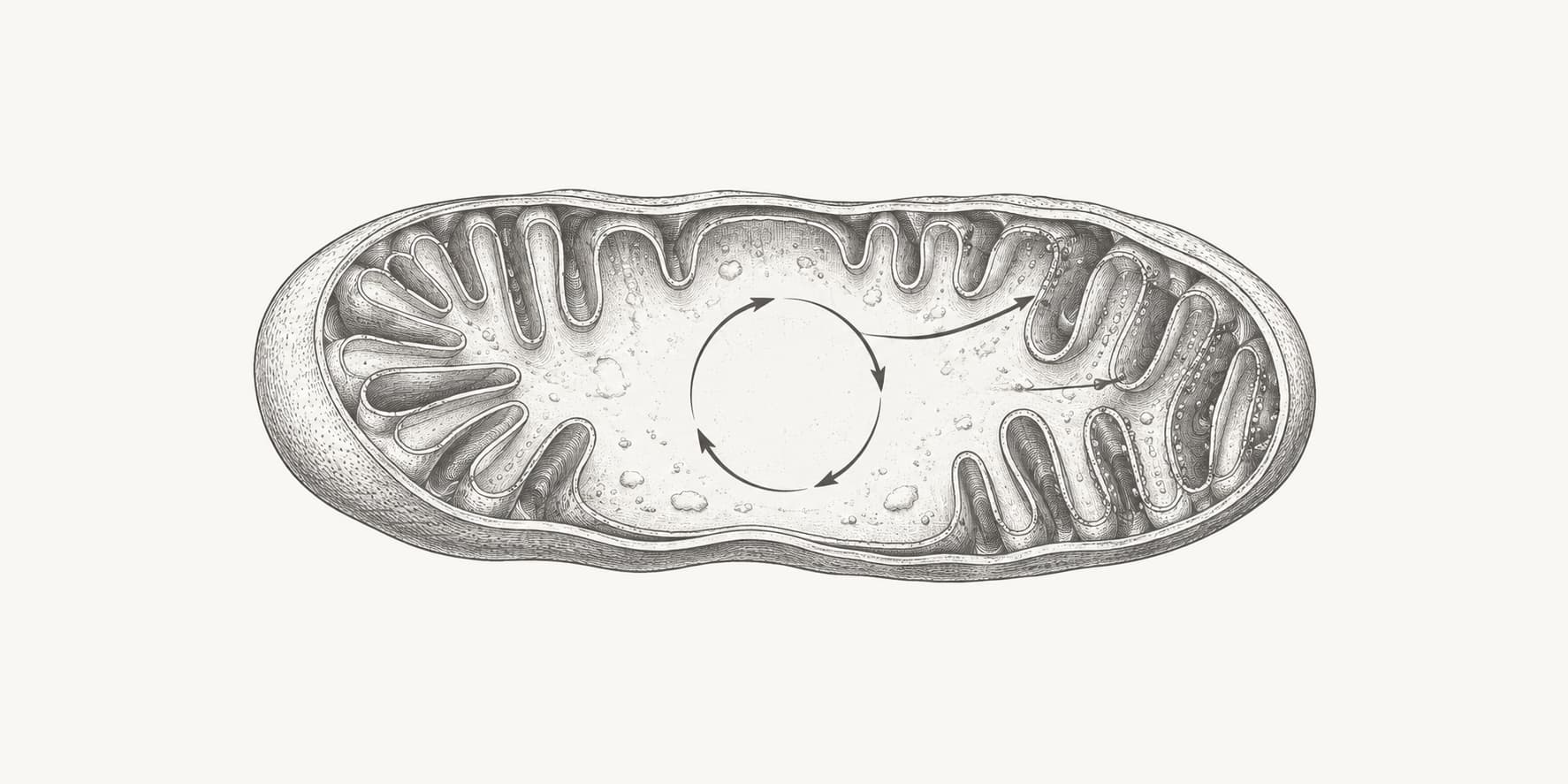
How many ATP are produced in the Krebs cycle?
The Krebs cycle directly produces 2 ATP equivalents per glucose, plus 6 NADH and 2 FADH2 that can support another 18 ATP through oxidative phosphorylation.
Cells ·
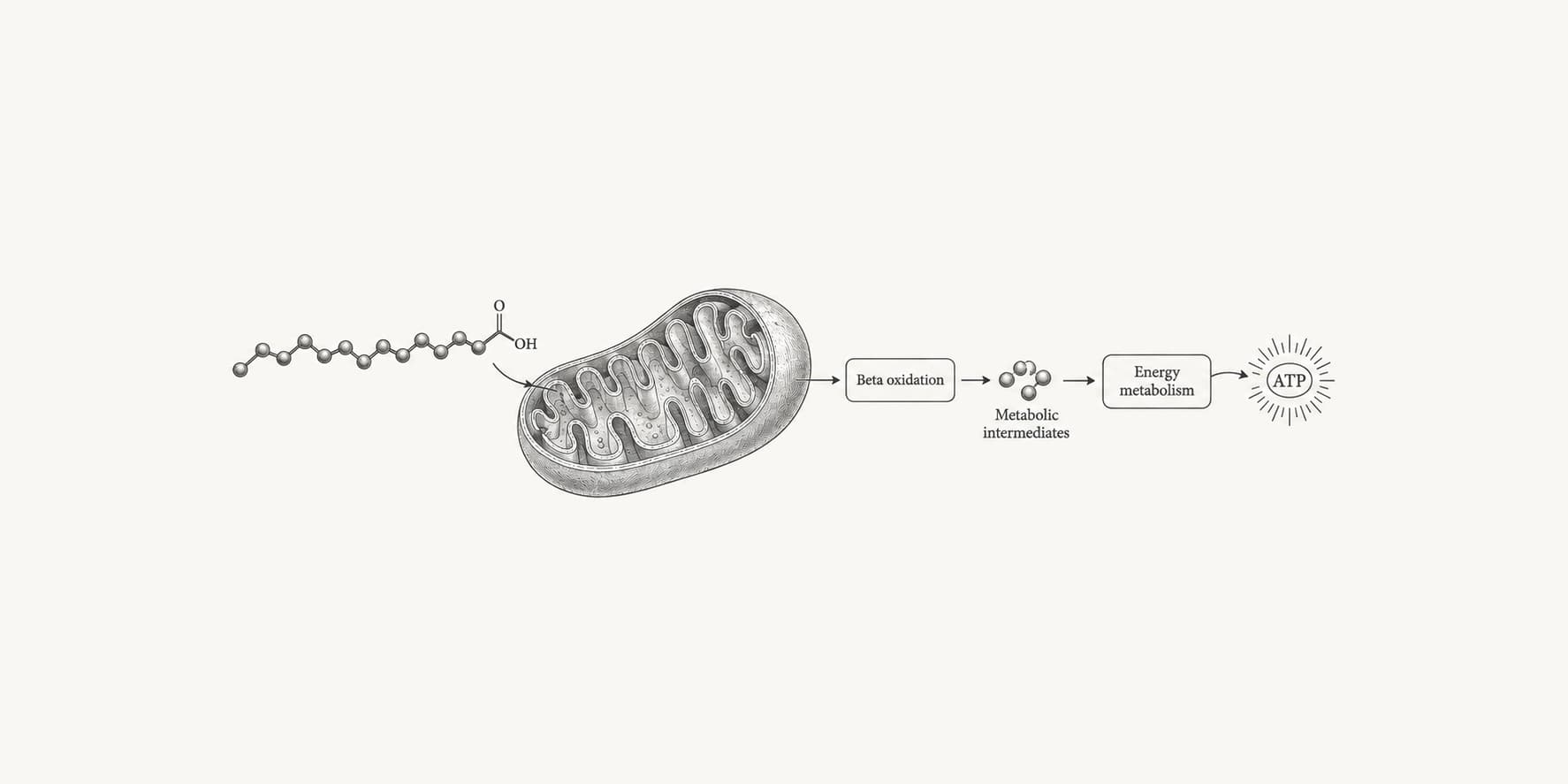
How many ATP does beta oxidation produce?
Complete oxidation of palmitate yields 106 net ATP: 28 from the NADH and FADH2 made during beta oxidation, 80 from acetyl-CoA, minus 2 ATP equivalents for activation.
Cells ·
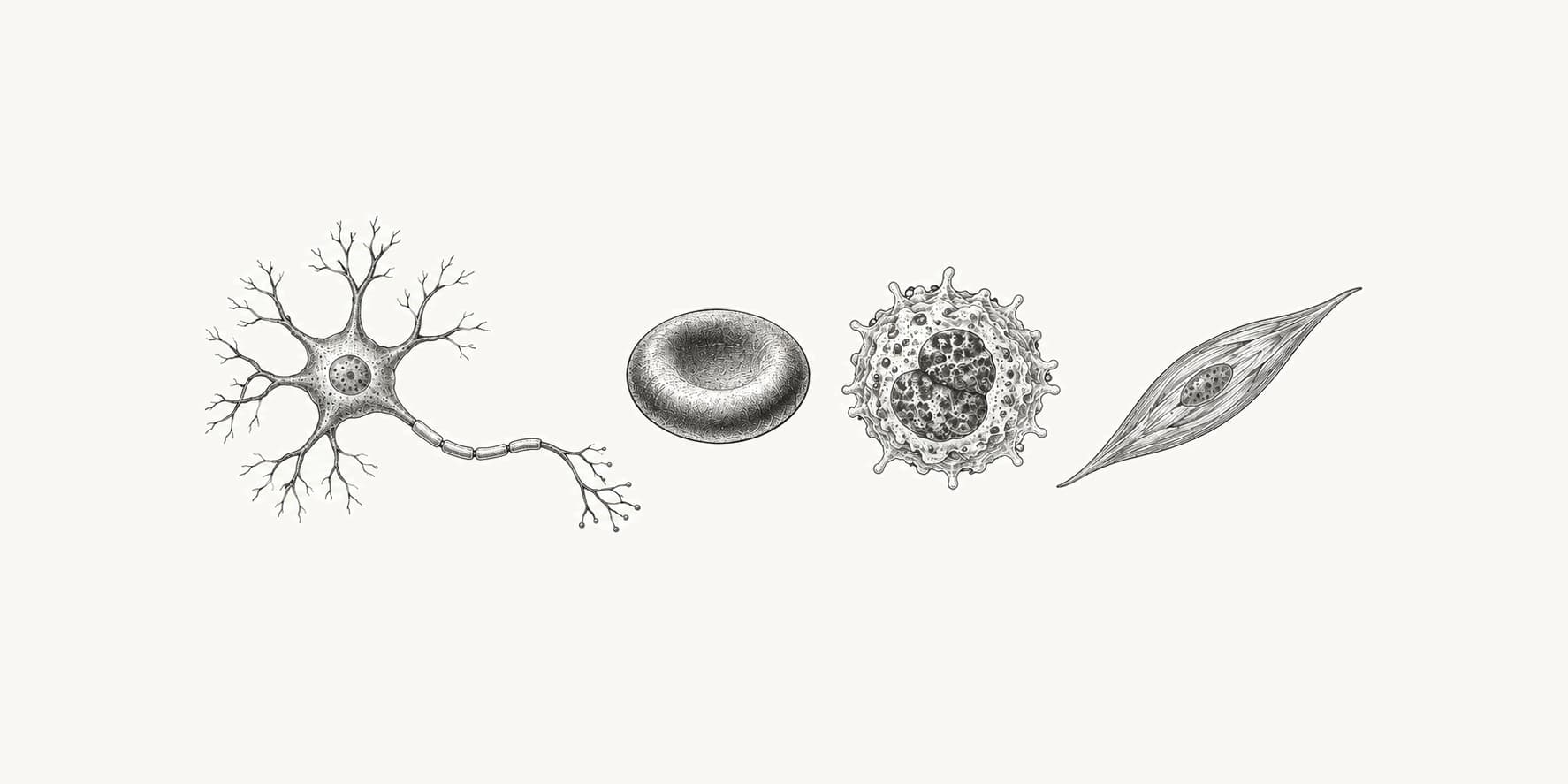
How many cell types are in the human body?
Modern atlases identify several hundred human cell types. Tabula Sapiens classified 475, while finer molecular studies find thousands of subtypes in the brain alone.
Cells ·
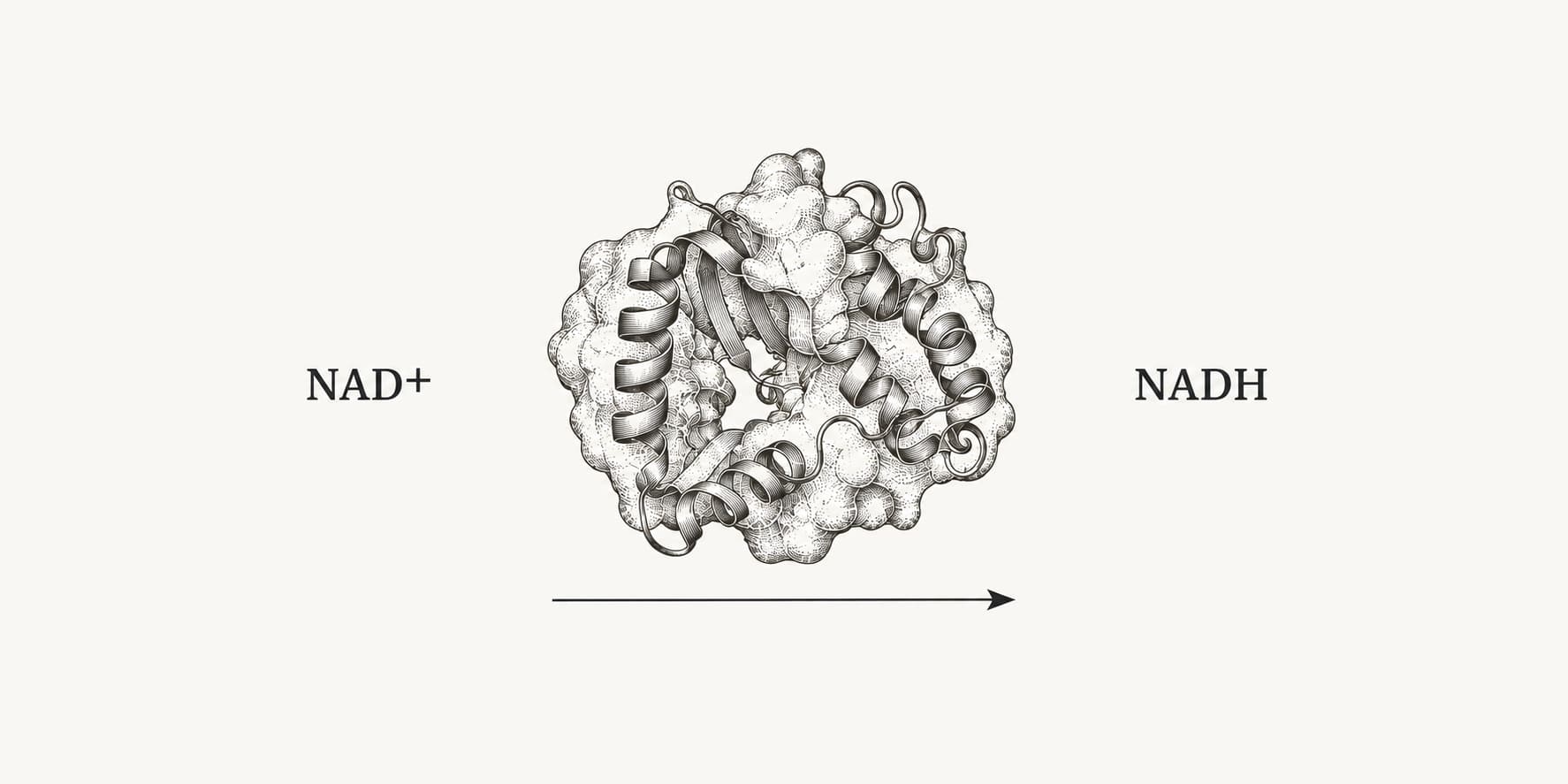
How many NADH are produced in glycolysis?
Glycolysis produces two NADH molecules per glucose molecule. See where they form, how much ATP their electrons can produce, and what happens without oxygen.
Cells ·
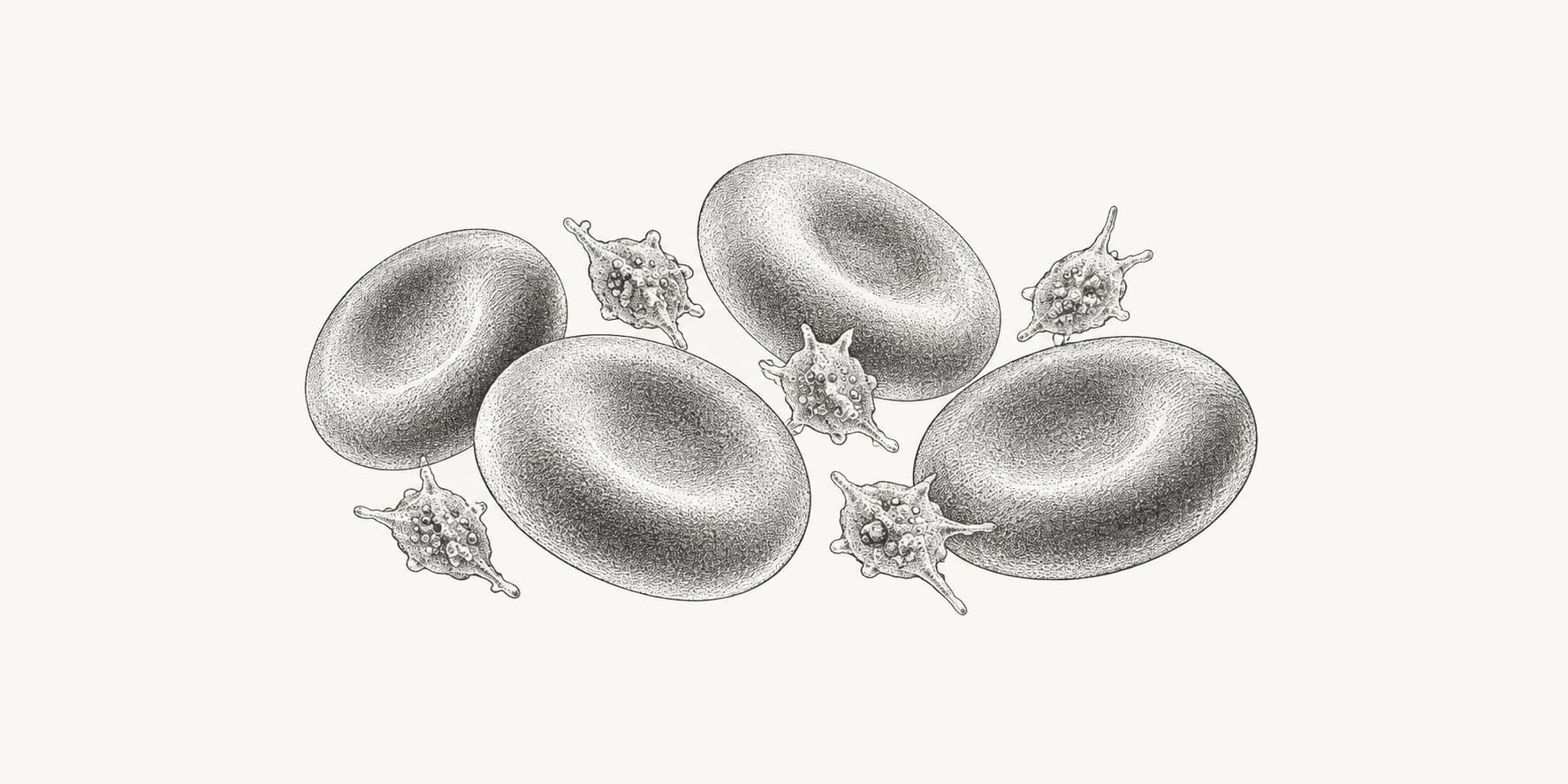
How many platelets are in the human body?
A typical adult has about 1 trillion circulating platelets and about 1.5 trillion platelets across the blood and spleen. Around 100 billion are produced each day.
Cells ·
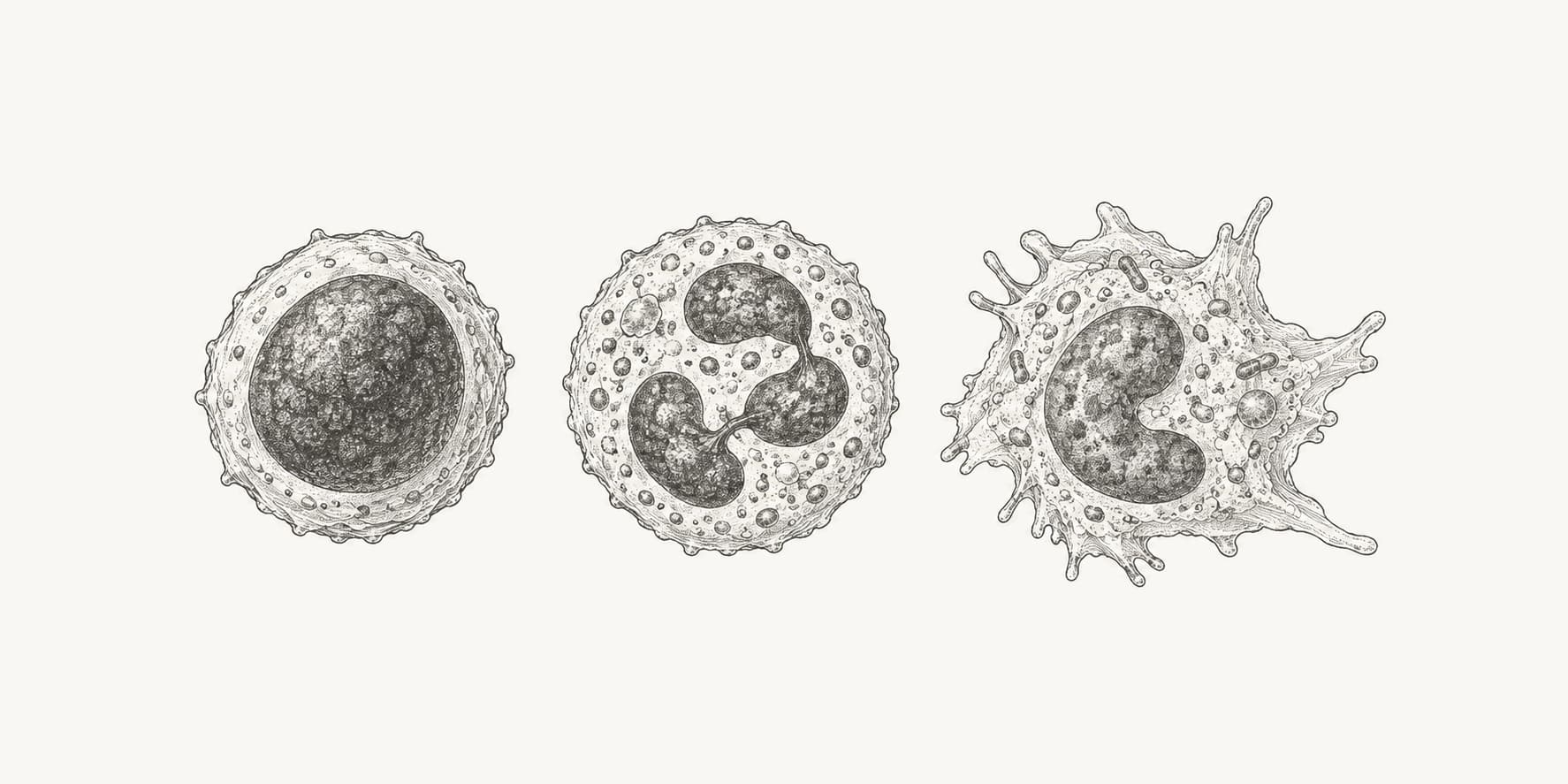
How many white blood cells are in the human body?
The human body contains an estimated 1.8 trillion immune cells. About 23 to 55 billion white blood cells circulate in an adult's blood at common reference concentrations.
Cells ·
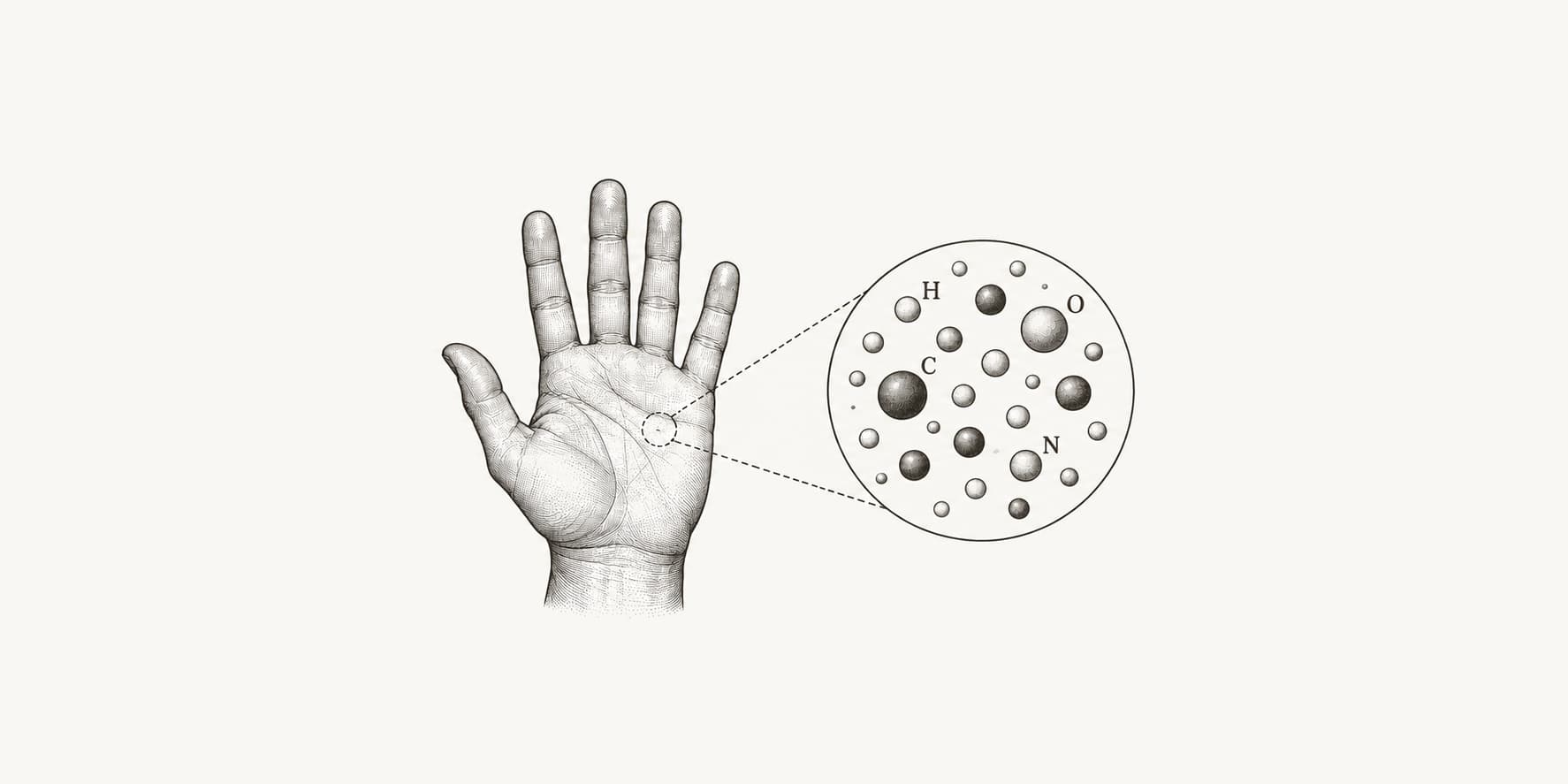
How many atoms are in the human body?
A 70-kilogram human body contains about 7 × 10^27 atoms, including roughly 4.2 octillion hydrogen atoms, 1.6 octillion oxygen atoms, and 800 septillion carbon atoms.
Cells ·
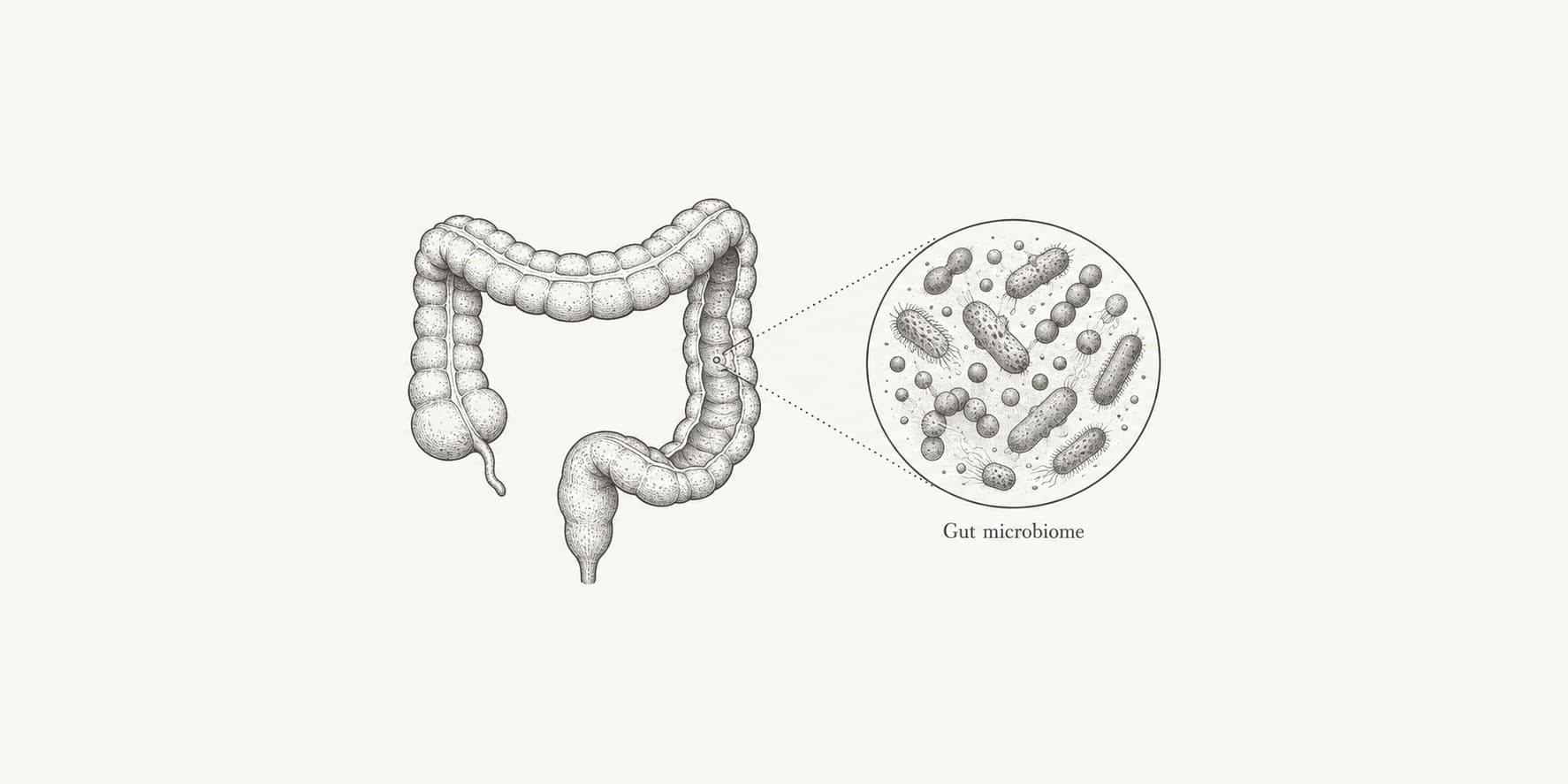
How many bacteria are in the human body?
The human body carries about 38 trillion bacterial cells, with nearly all of them in the colon. Current estimates put the bacteria-to-human-cell ratio near 1:1.
Cells ·
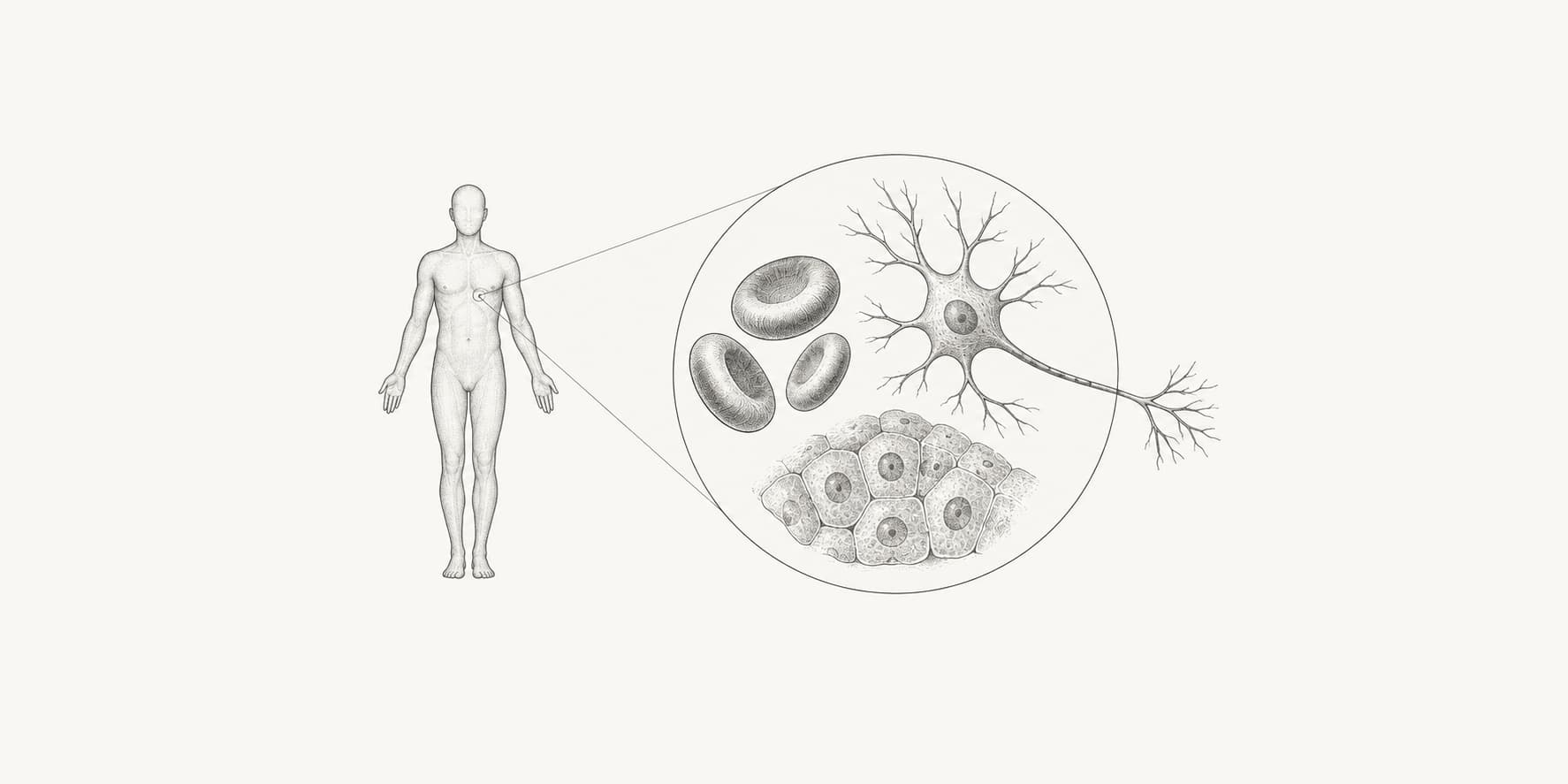
How many cells are in the human body?
The human body contains about 36 trillion cells in a reference adult male, 28 trillion in a reference adult female, and 17 trillion in a 10-year-old child.
Cells ·
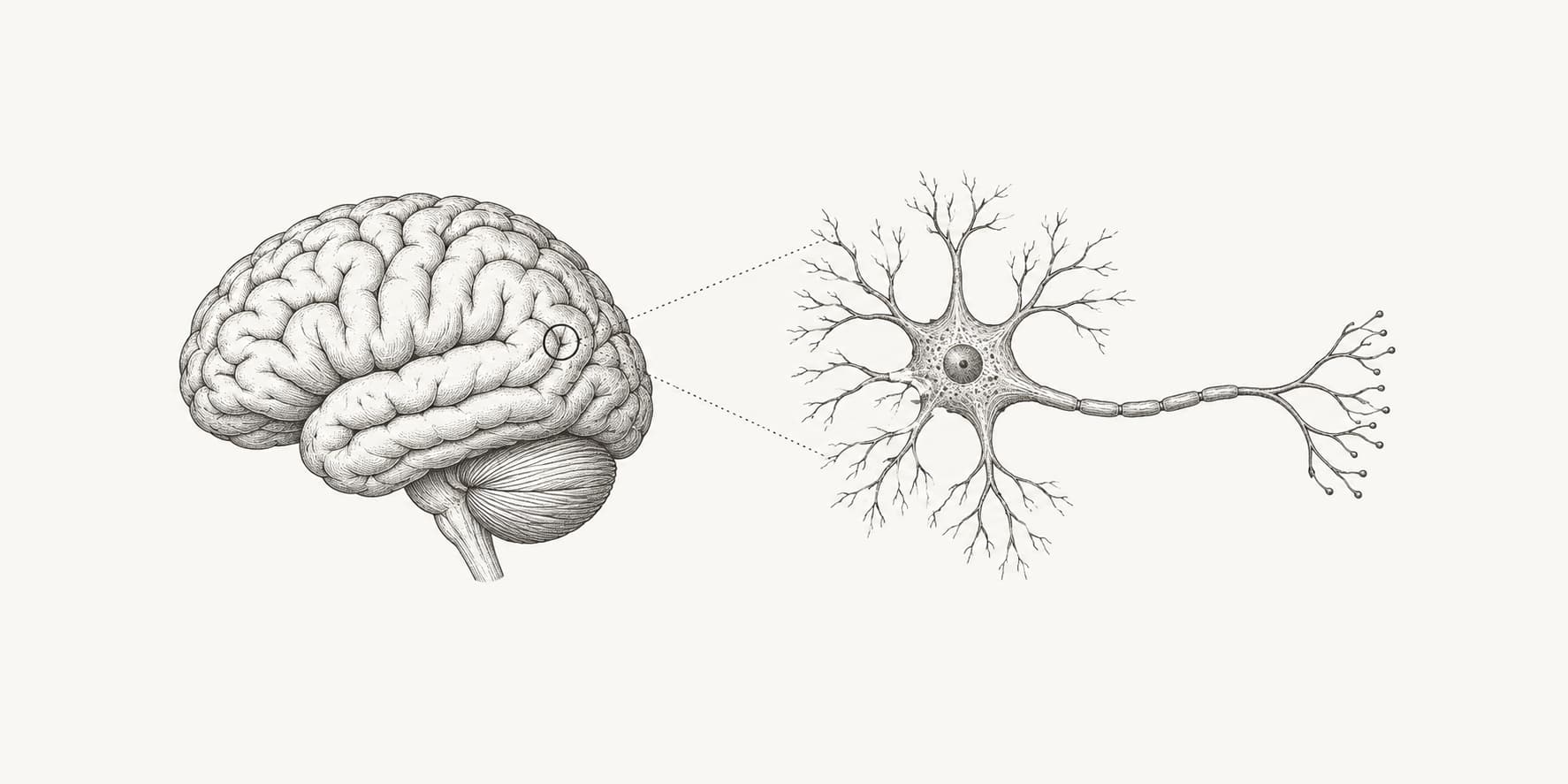
How many neurons are in the human brain?
An adult human brain is usually said to contain about 86 billion neurons. Direct whole-brain studies found roughly 62 to 95 billion, with most neurons in the cerebellum.
Cells ·
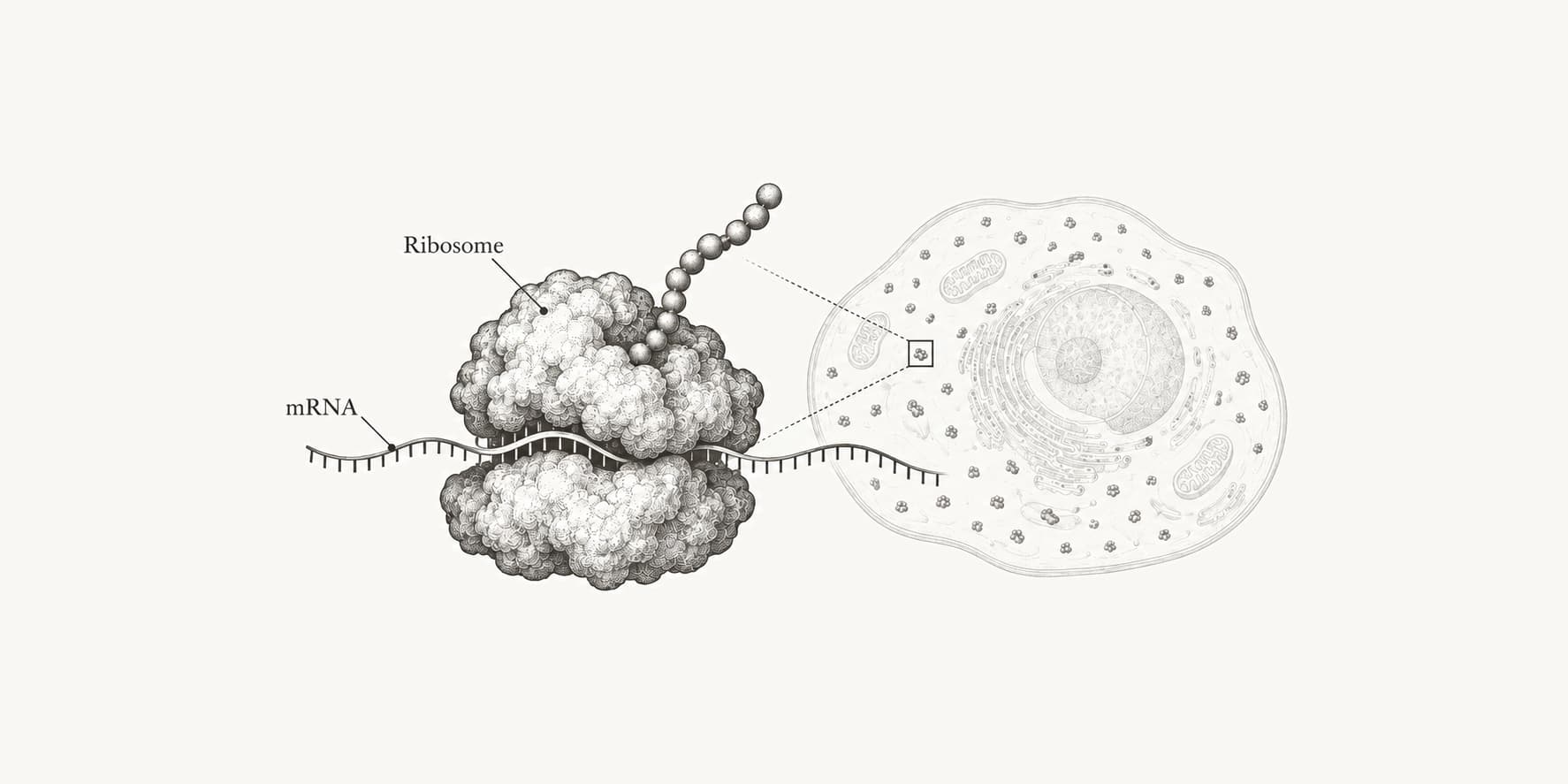
How many ribosomes are in a cell?
Ribosome counts range from thousands in bacteria to millions in mammalian cells. Compare bacterial, yeast, and mammalian cells, translation speeds, protein output, and polysomes.