Drug discovery guides
Guides on drug development, clinical trials, approved medicines, and drug prices.
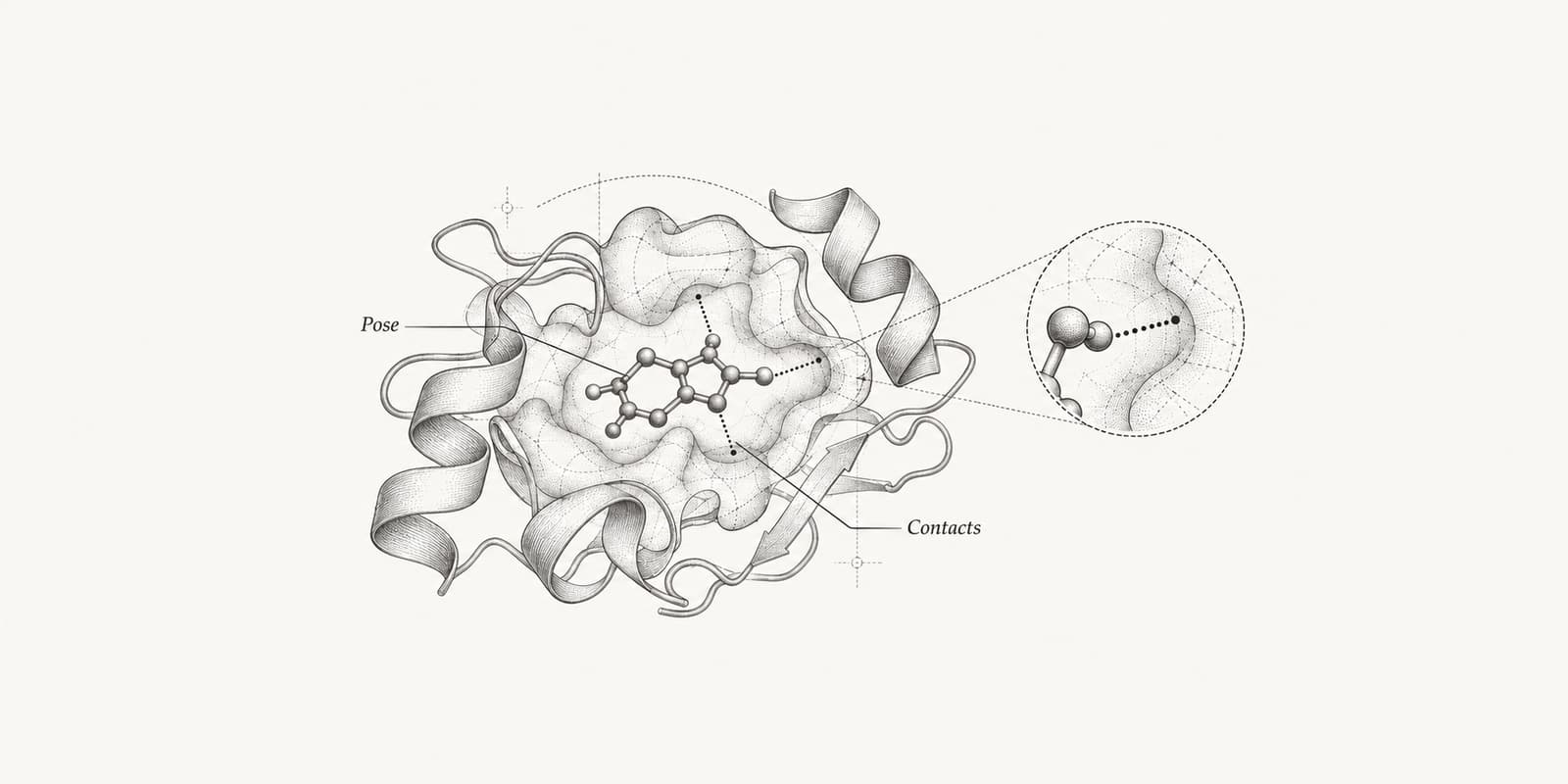
Docking ·
What is a Vina score, and what counts as good
The AutoDock Vina score is a docking score in kcal/mol, not a measured binding energy. Learn what the output columns mean, why there is no universal good score, and how far Vina tracks experimental affinity.
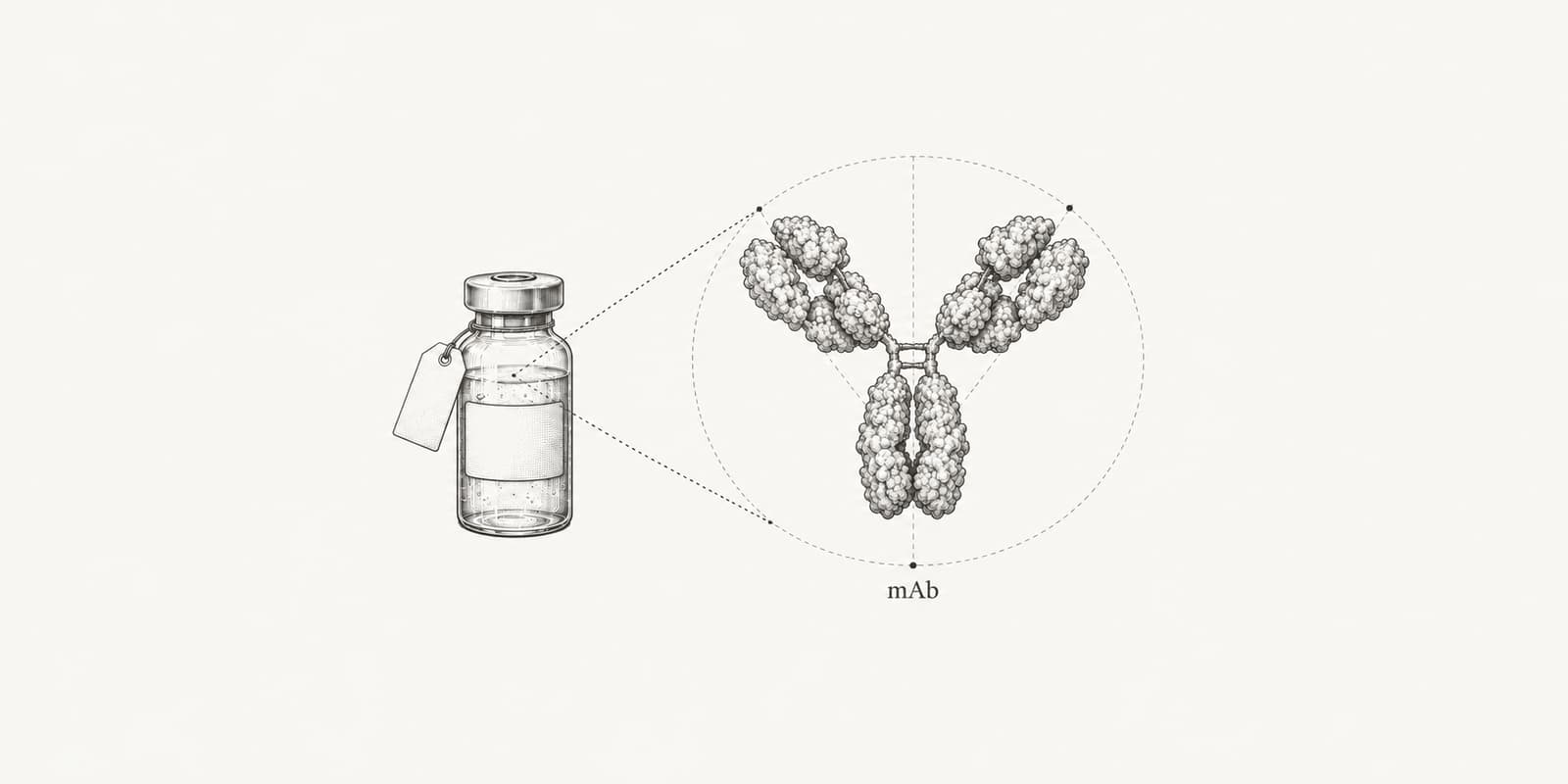
Antibodies ·
How much do monoclonal antibodies cost?
Monoclonal antibody treatment averaged about $96,700 a year at US list price, from under $600 per preventive dose to over $12,500 per cancer dose. See how Medicare rates compare with manufacturing costs.
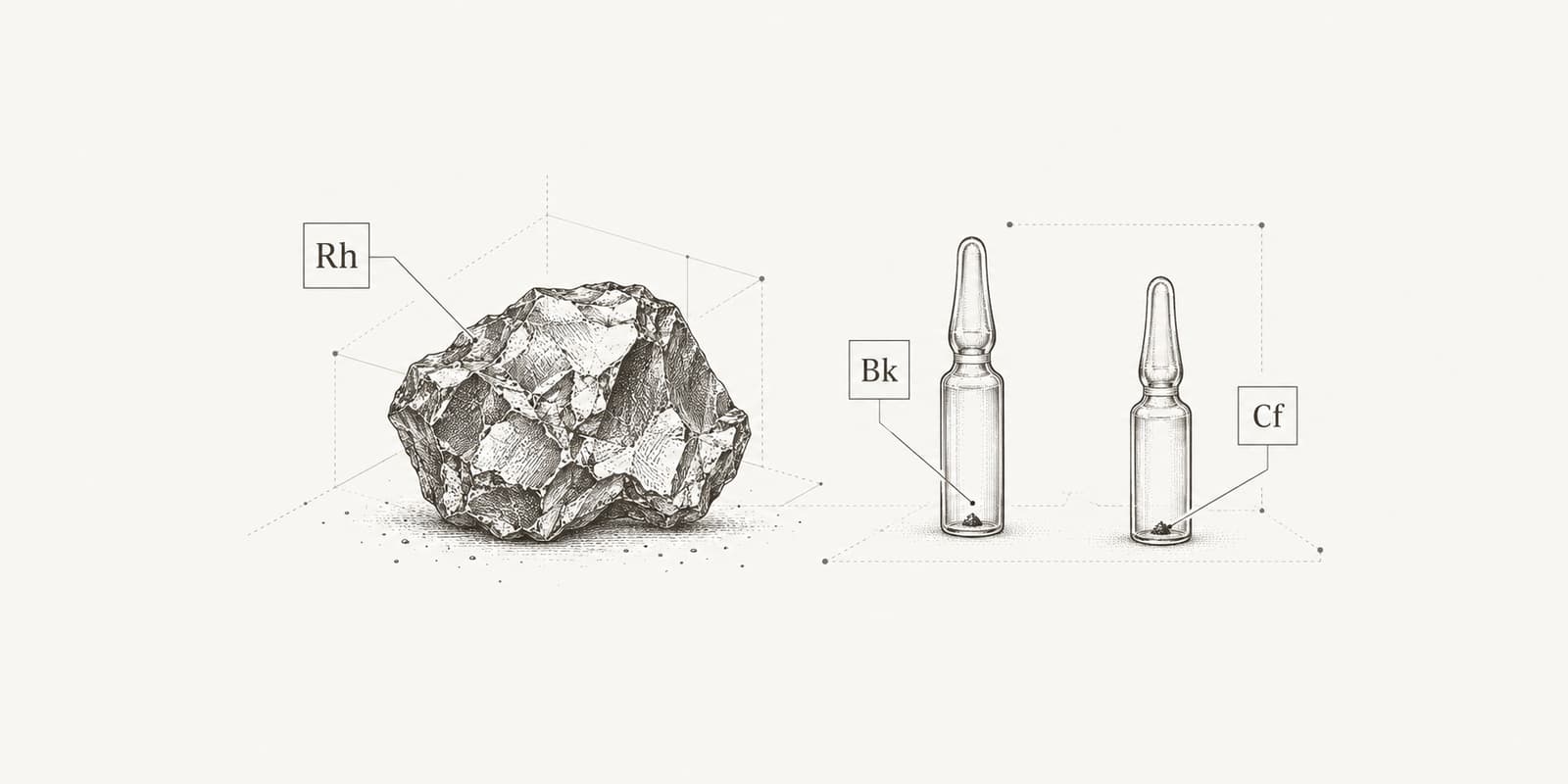
Drugs ·
What is the most expensive element?
Rhodium is the most expensive element you can buy, at about $289 per gram in October 2026. Berkelium-249 and californium-252 cost far more, about $186 million and $60 million per gram.
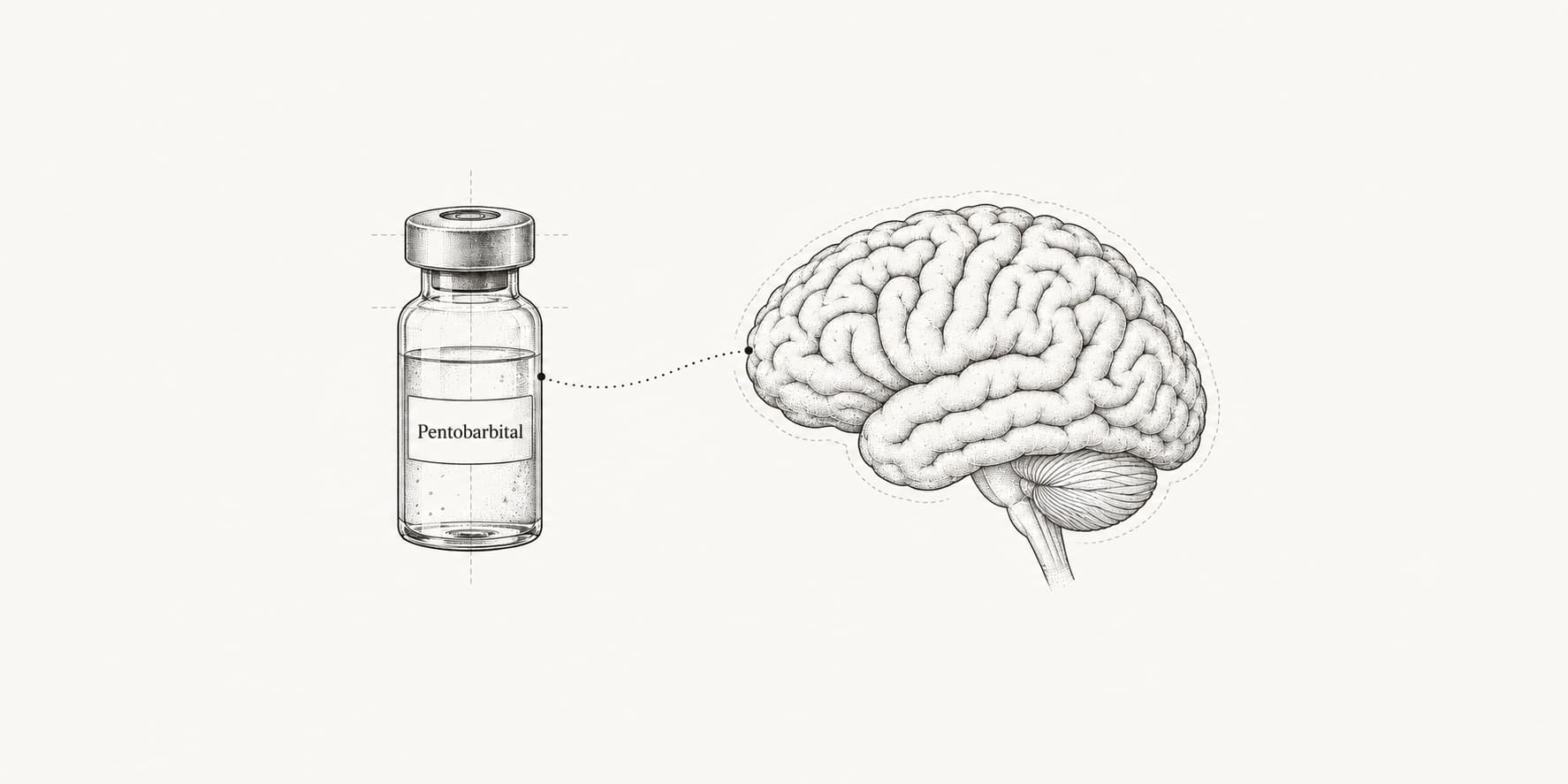
Drugs ·
What is pentobarbital?
Pentobarbital is a short-acting barbiturate. Its chemistry, how it acts on the brain, the 5-gram lethal injection dose, and why formulation and delivery matter.
Drugs ·
Insulin prices and price history in the United States
Trace U.S. insulin price history, the gap between list and net prices, the 2023–2024 price cuts, and what the Medicare insulin cap means in 2026.
Drugs ·
15 most expensive drugs in the world
Lenmeldy, a one-time gene therapy for metachromatic leukodystrophy, is the most expensive drug in the world at a US list price of $4.25 million. See the full ranking.
Drugs ·
Ozempic: What it is & latest statistics
Ozempic and GLP-1 statistics on use, weight loss, health outcomes, safety, sales and prices, with original sources and clearly defined comparisons.
Drugs ·
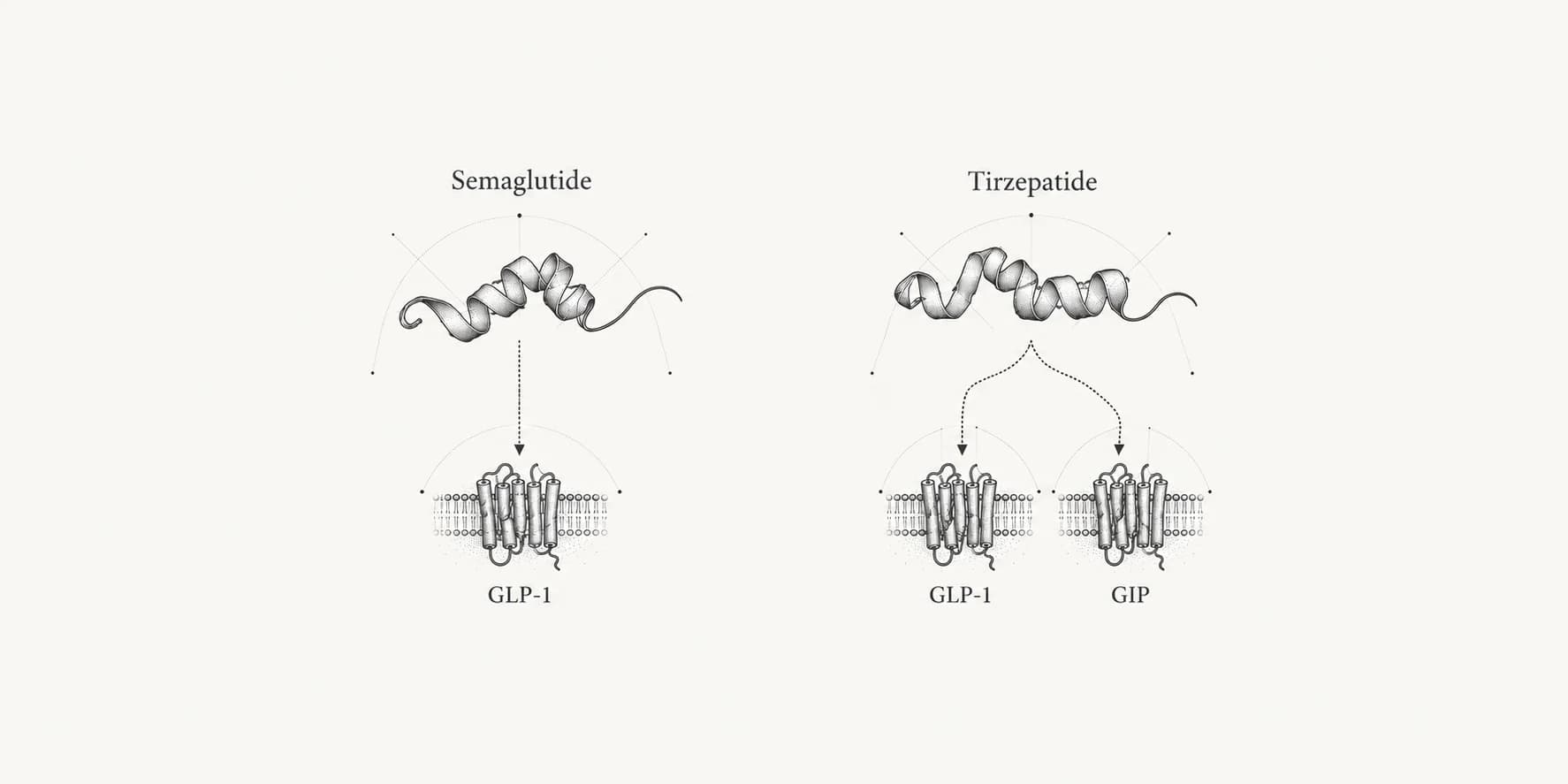
Semaglutide vs tirzepatide
Semaglutide (Ozempic, Wegovy) vs tirzepatide (Mounjaro, Zepbound): head-to-head weight loss and diabetes results, side effects and U.S. prices, with sources.
Drugs ·
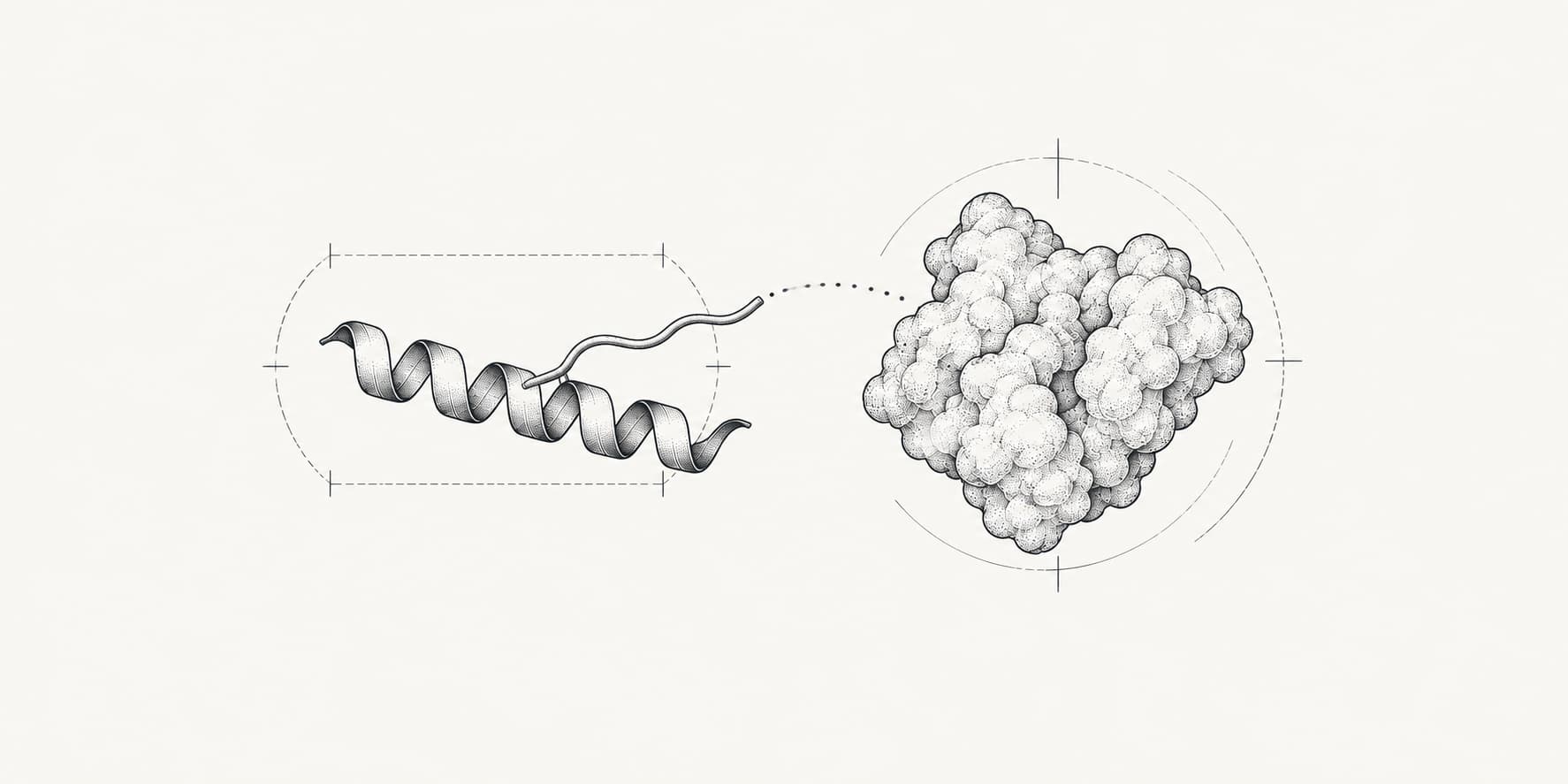
What is semaglutide?
Semaglutide’s amino-acid sequence, molecular weight, GLP-1 mechanism and oral delivery, with our molecular calculations and audit of two PDB structures.
Drugs ·
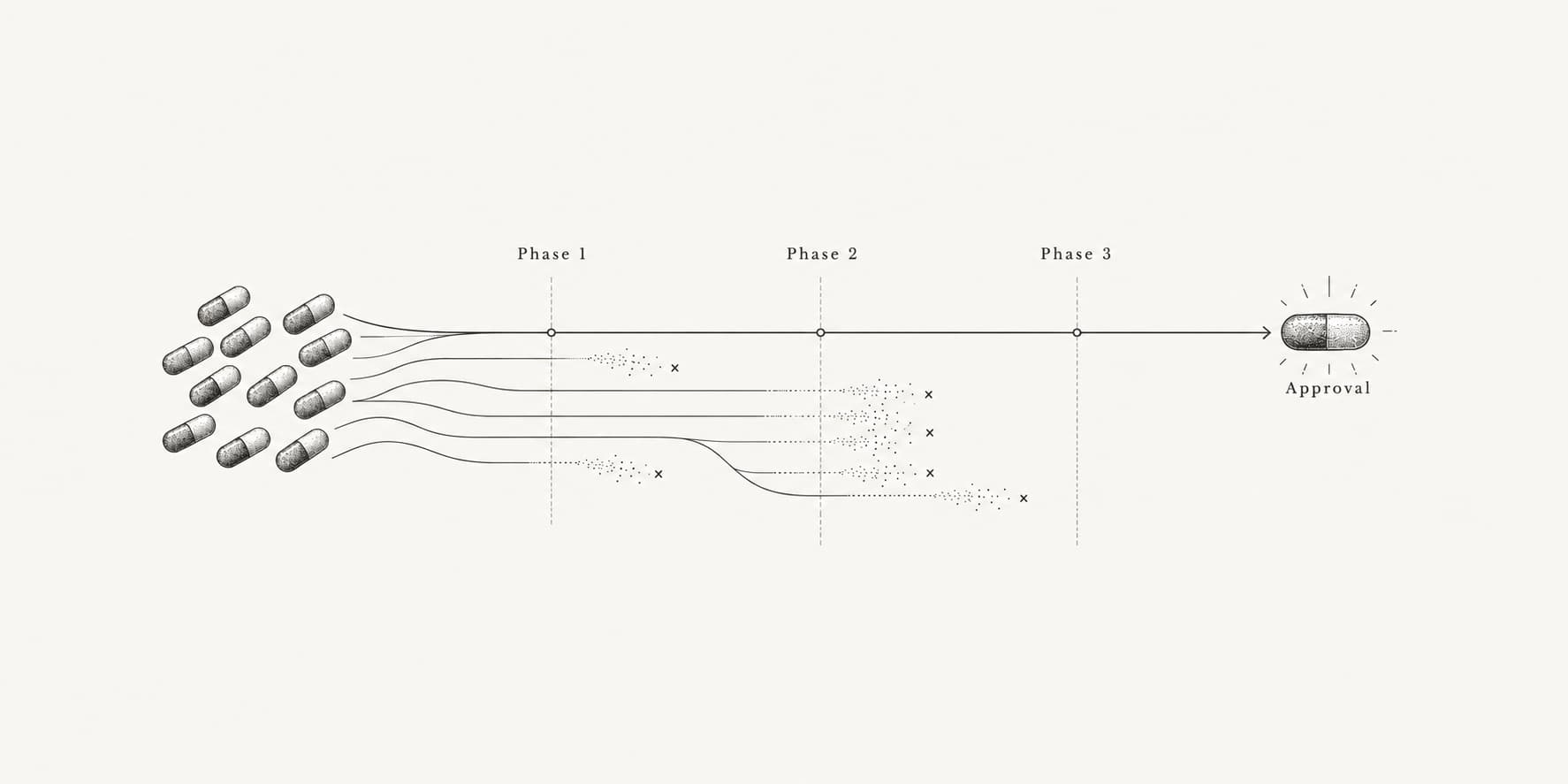
What percentage of clinical trials fail?
Historical estimates imply 86% to 93% attrition before approval. Our analysis of 33,667 registered trials separately measures early termination and reported stopping reasons.
Drugs ·
How many diseases are there? Counts, types, and stages
Compare rare, neurodegenerative, heart, and liver disease counts, and distinguish fatty-liver grades from fibrosis, cirrhosis, hepatitis C, and liver cancer stages.
Drugs ·
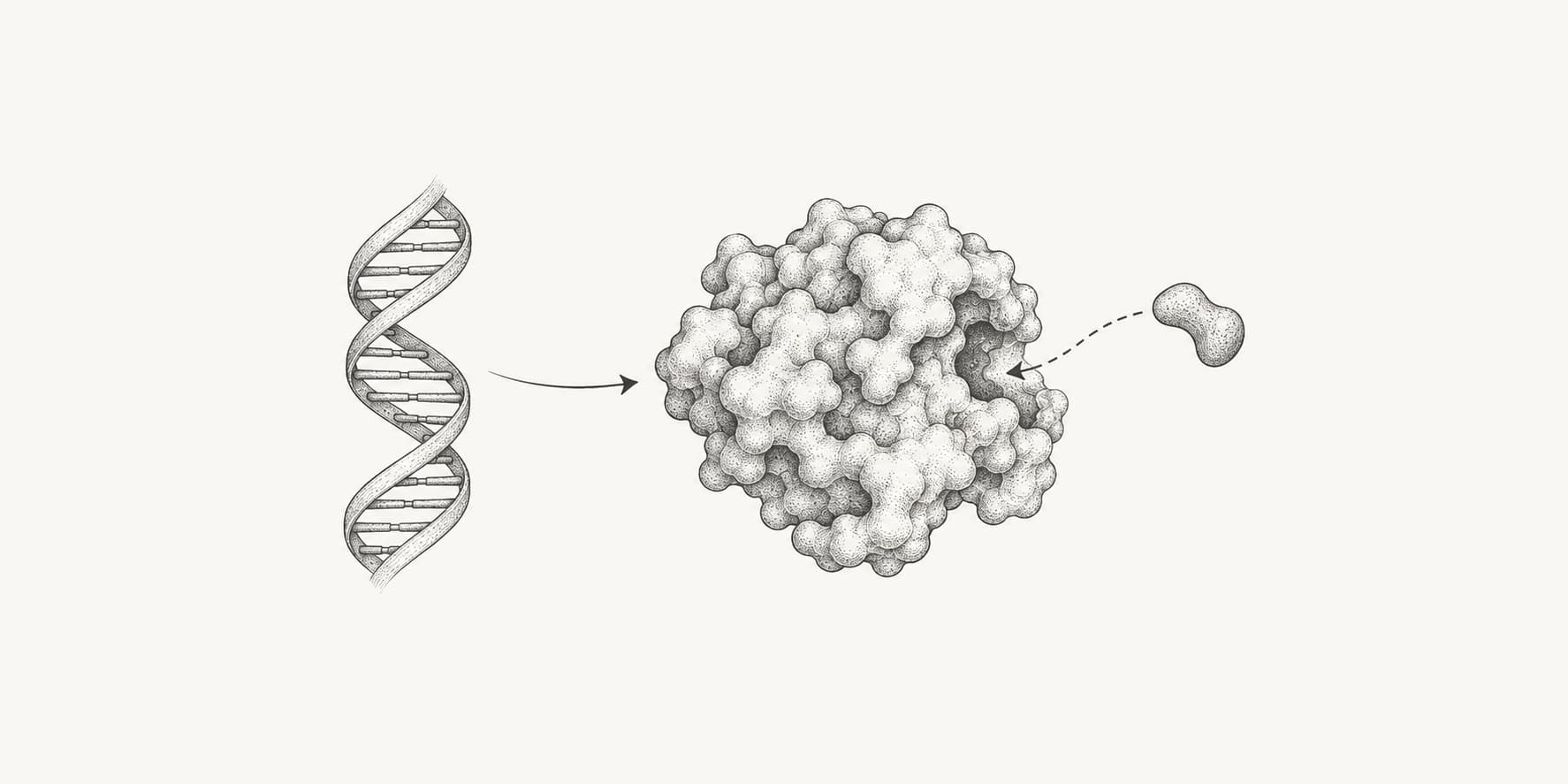
How many druggable genes are there?
About 4,500 human genes are considered part of the druggable genome. A major analysis counted 4,479 drugged or druggable genes, equal to 22% of protein-coding genes.
Drugs ·
Drug discovery statistics [2026]
Current drug discovery statistics on FDA novel drug approvals, clinical success rates, development cost, biosimilars, cell and gene therapies, AAV products, and CRISPR trials.
Drugs ·
How long does a drug patent last?
A US drug patent usually lasts 20 years from filing, not FDA approval. Actual market exclusivity before generic entry averages about 12 to 15 years.
Antibodies ·
How many monoclonal antibodies are FDA approved?
The FDA had approved 169 antibody-based biologics by the end of 2025. The total includes 113 IgG-based antibodies, 15 bispecifics, 14 antibody-drug conjugates, and other antibody formats.
Drugs ·
How much is the pharmaceutical industry worth?
Global medicine spending reached about 1.94 trillion US dollars in 2025. See current figures for pharmaceutical advertising, marketing, profit, lobbying, companies, and employment.
Drugs ·
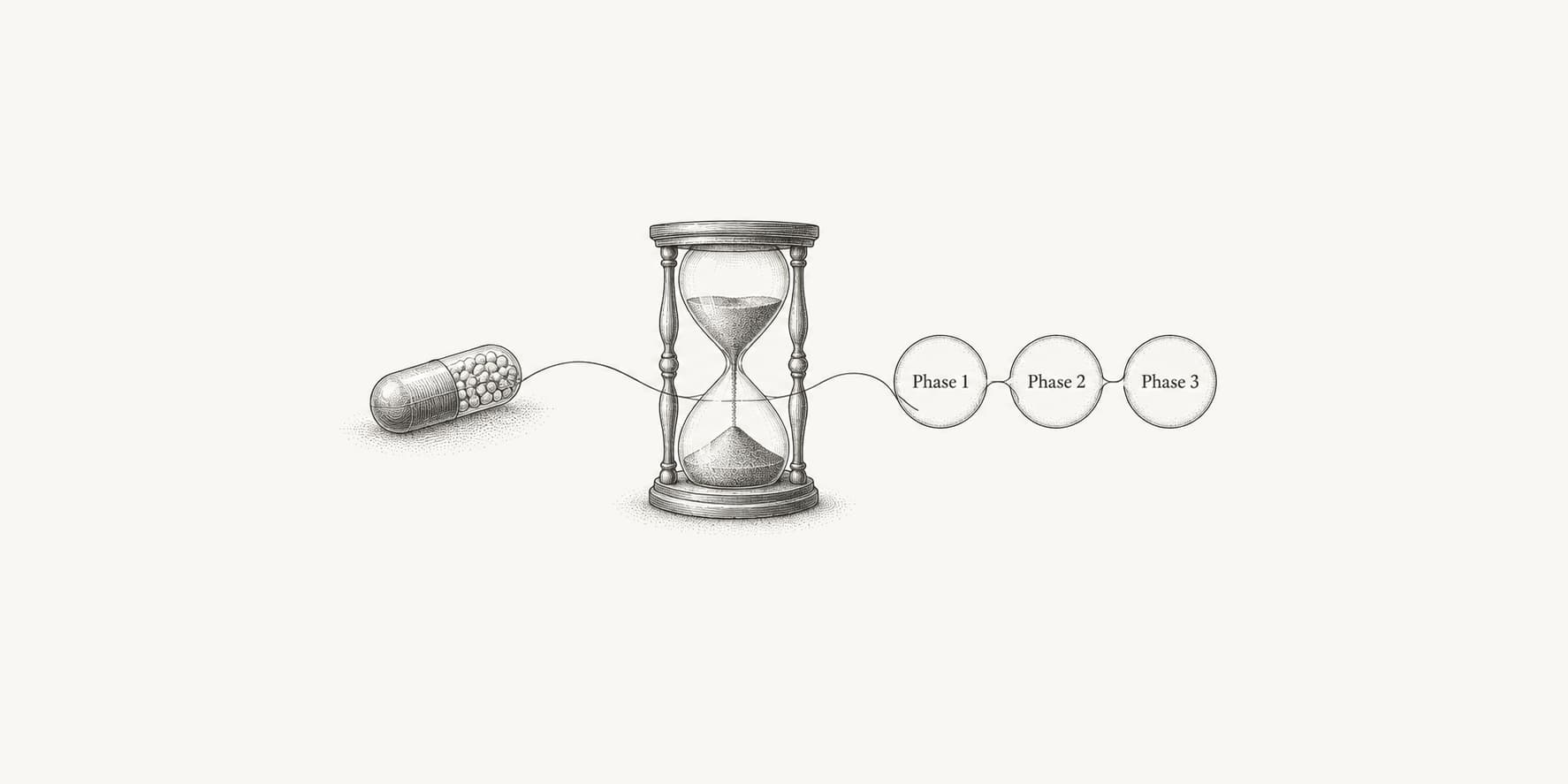
How long do clinical trials take?
A clinical trial can last from several months to several years. See FDA ranges and observed ClinicalTrials.gov durations for Phase 1, Phase 2, and Phase 3 trials.
Drugs ·
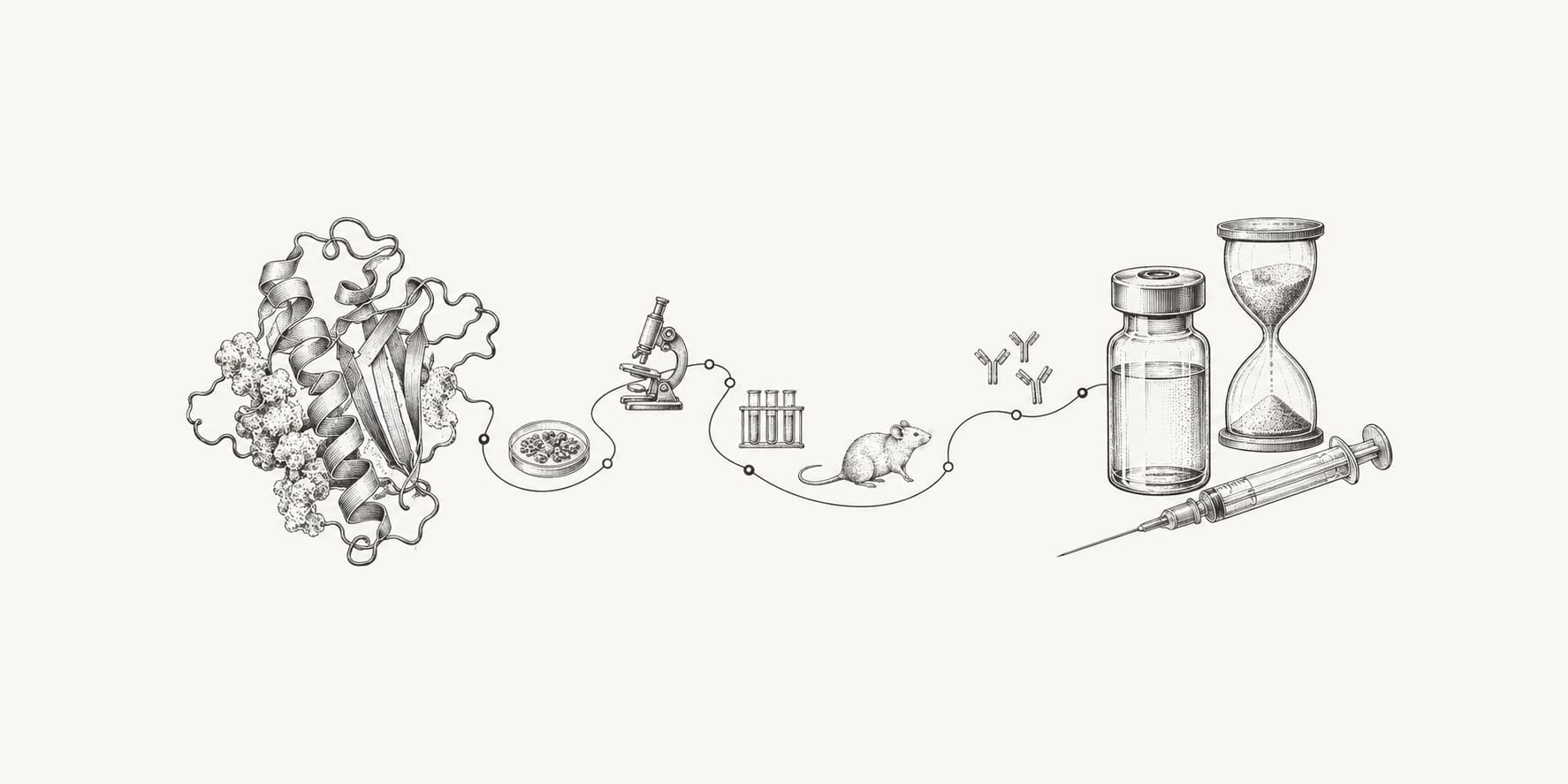
How long does it take to develop a vaccine?
A successful new vaccine usually takes 10 to 15 years to develop. See how research, clinical trials, FDA review, cost, and the COVID-19, polio, mumps, MMR, and Ebola timelines compare.
Drugs ·
How many antibiotics are there?
The WHO classified 268 antibiotics used in humans in 2025, including 50 on its Essential Medicines List. The exact total depends on whether the count covers active substances, products, or classes.
Drugs ·
How many medicines are there in the world?
There is no single worldwide count of medicines. DrugBank lists 4,815 approved drugs and 19,879 total drug entries, while the 2025 WHO Essential Medicines List contains 523 medicines.
Drugs ·
How many FDA-approved drugs are there?
FDA data contain 26,715 active prescription and OTC drug product records as of July 2026. These represent 13,961 applications, 4,539 drug names, and 2,329 distinct nonblank ingredient entries.
Drugs ·
How much does drug development cost?
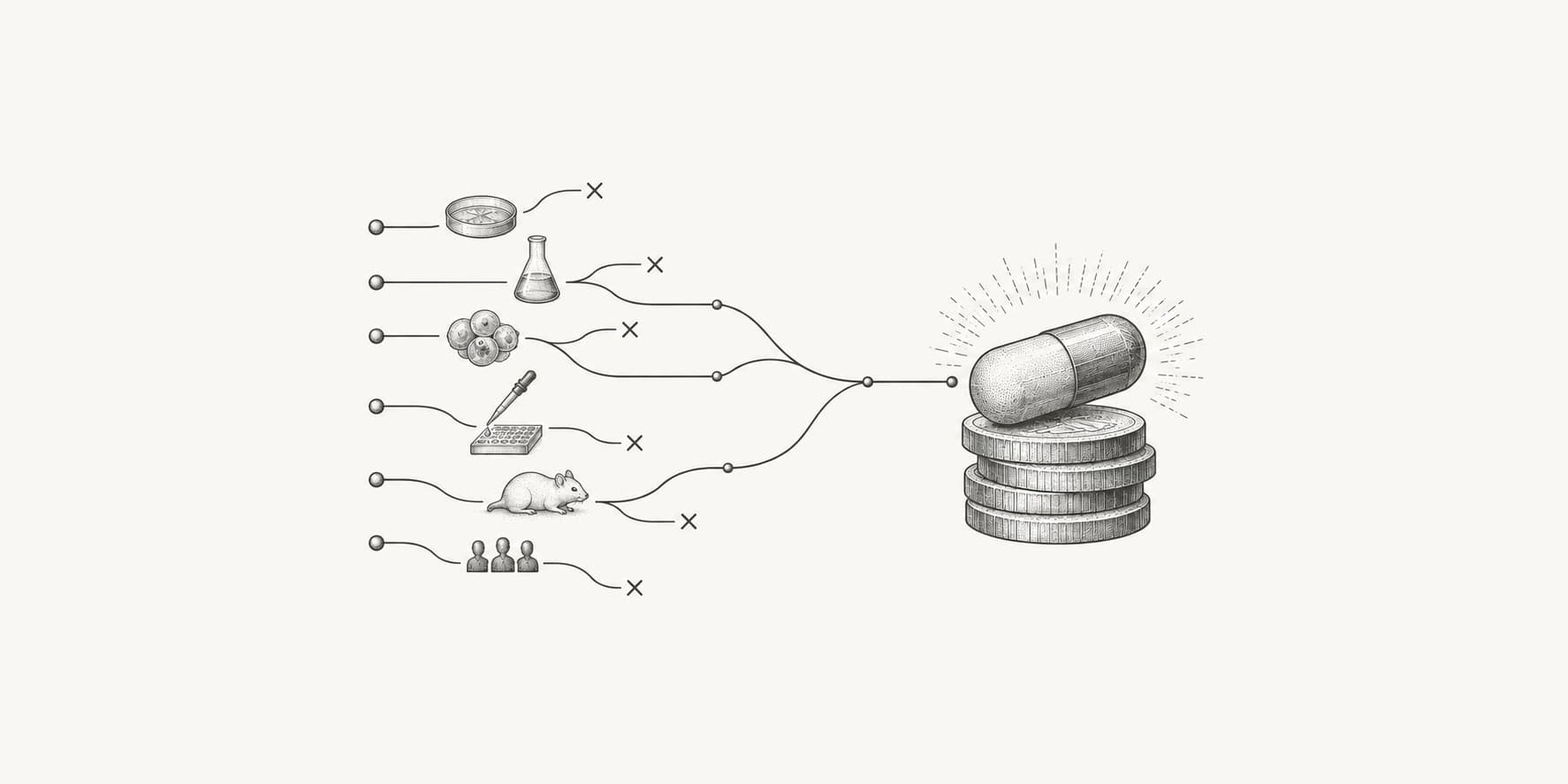
Drug development cost estimates range from 161 million to 4.54 billion US dollars. Transparent recent studies put the typical approved drug near 700 million to 1.3 billion after failure and capital costs.
Drugs ·
AI drug discovery statistics [2026]
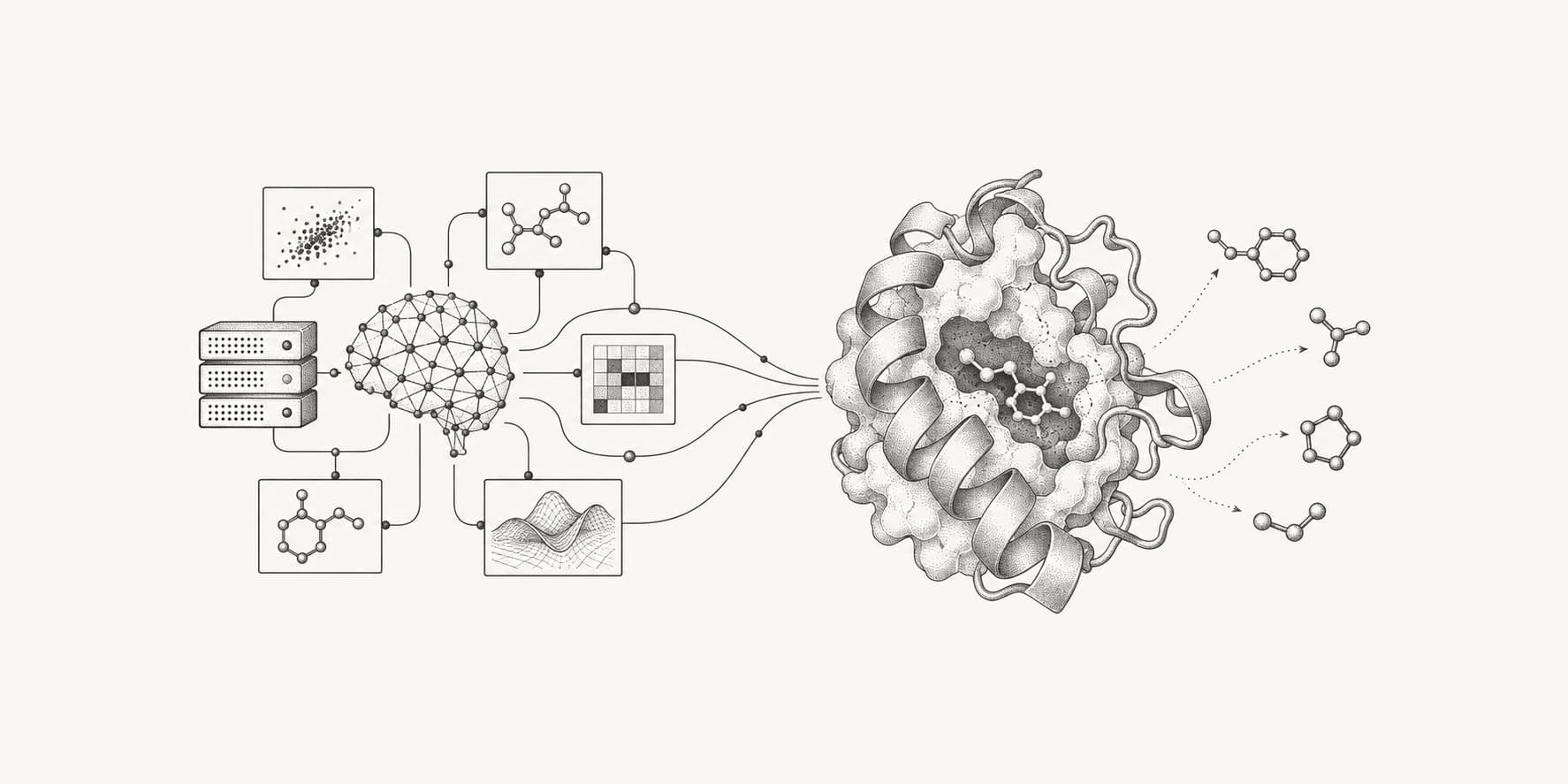
AI drug discovery statistics for 2026, including more than 500 FDA submissions with AI components from 2016 to 2023, 75 AI-discovered molecules that entered the clinic by 2023, and 241 million AlphaFold DB predictions.
Drugs ·
Drug discovery trends statistics [2026]
Drug discovery trends in 2026 include 46 FDA CDER novel approvals in 2025, 104 EMA human medicine recommendations, and over 500 FDA submissions with AI components from 2016 to 2023.