Genetics guides
Guides on DNA, genes, chromosomes, genome sequencing, and sequence file formats.
Genetics ·
Oligo analyzer comparison
Oligo analyzers and primer Tm calculators disagree by several degrees on the same primer, mostly because they assume different salt, Mg2+ and oligo concentrations. We compare the methods, corrections, hairpin and dimer checks, outputs and access of IDT OligoAnalyzer, Primer3, NEB, Thermo Fisher, Promega and ProteinIQ.
Genetics ·
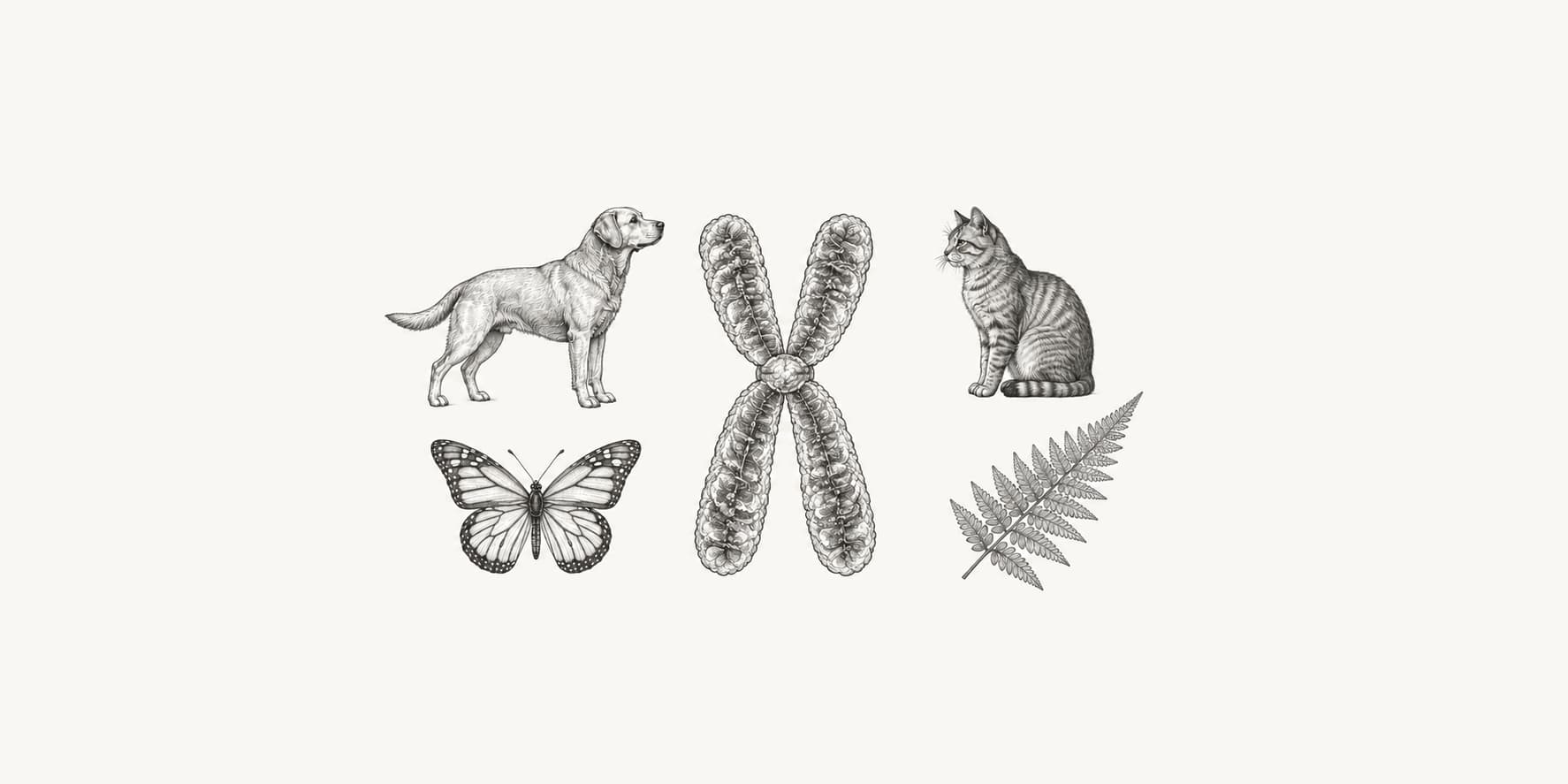
How many chromosomes do different species have?
Dogs have 78 chromosomes, cats 38, humans 46 and chimpanzees 48. See which other animals share our 46, which have the most and fewest, and why counts differ.
Genetics ·
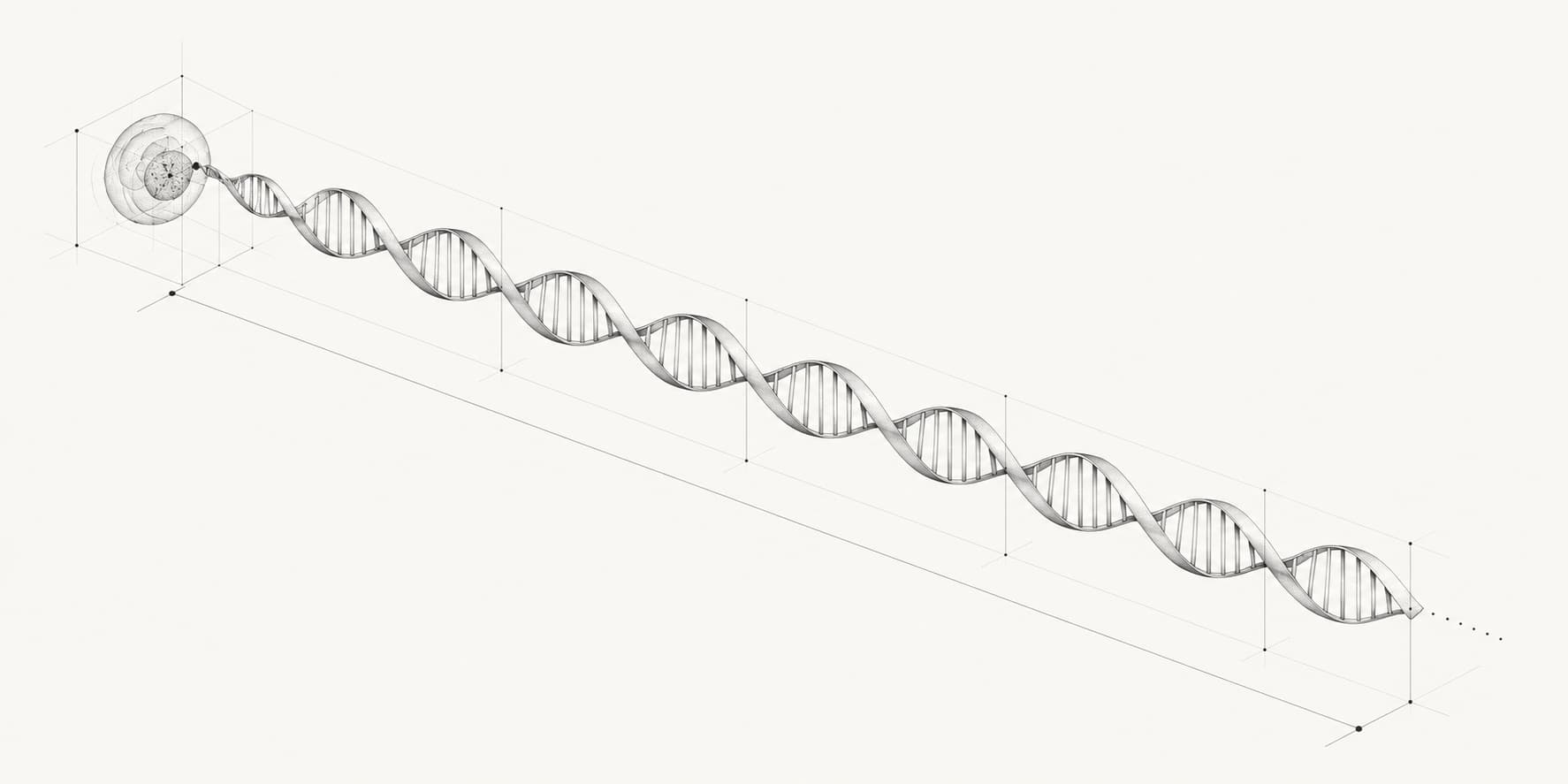
How long is human DNA?
Each human cell holds about 2 m of DNA, and the whole body about 14 billion km, or 96 times the distance from Earth to the Sun. Each base pair adds 0.34 nm.
Genetics ·
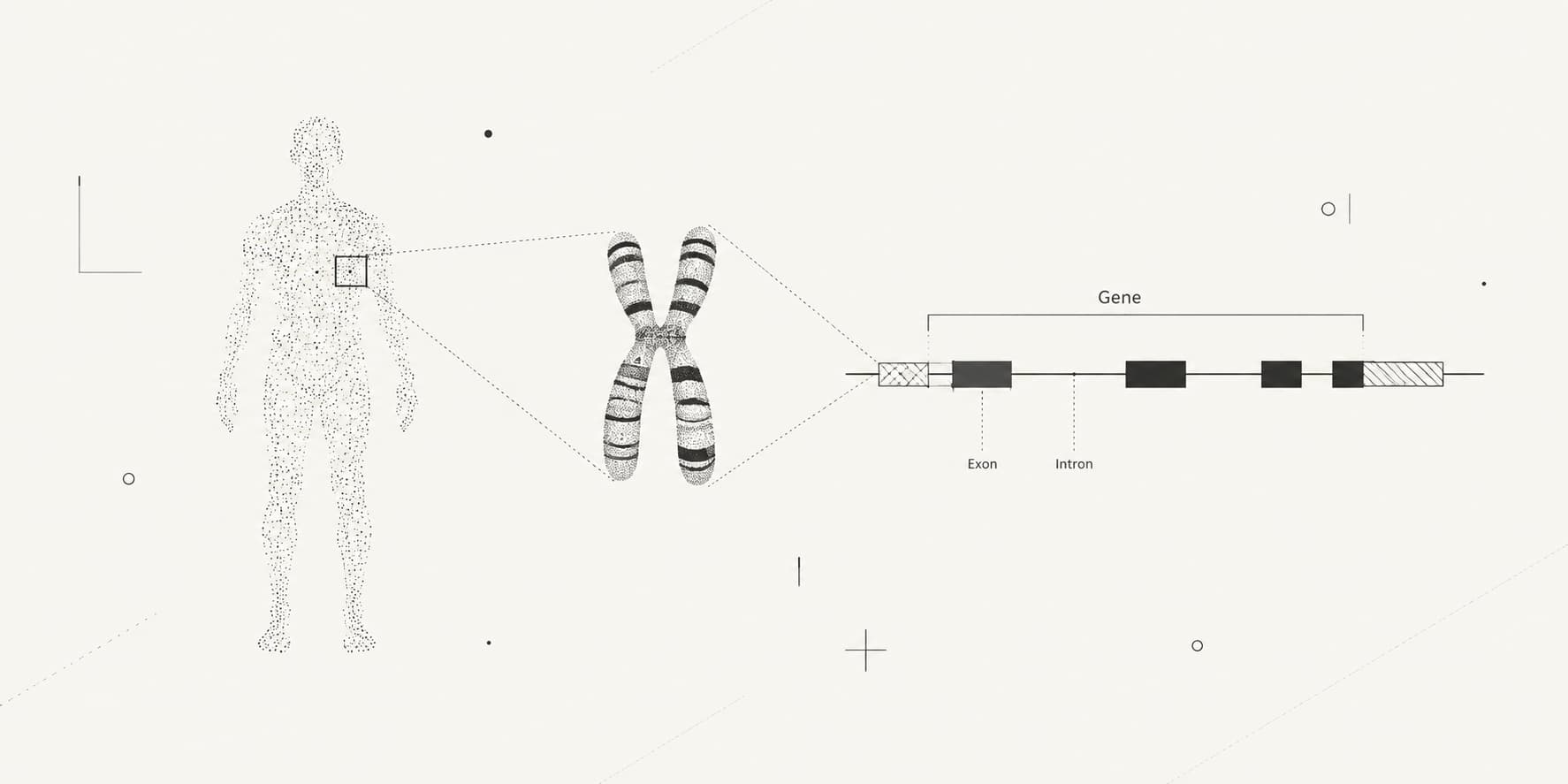
How many genes do humans have?
Humans have about 20,000 protein-coding genes: 19,442 in GENCODE v50, 19,878 in Ensembl 116 and 19,838 in CHESS 3.1.3. With RNA genes and pseudogenes, GENCODE lists 78,733.
Genetics ·
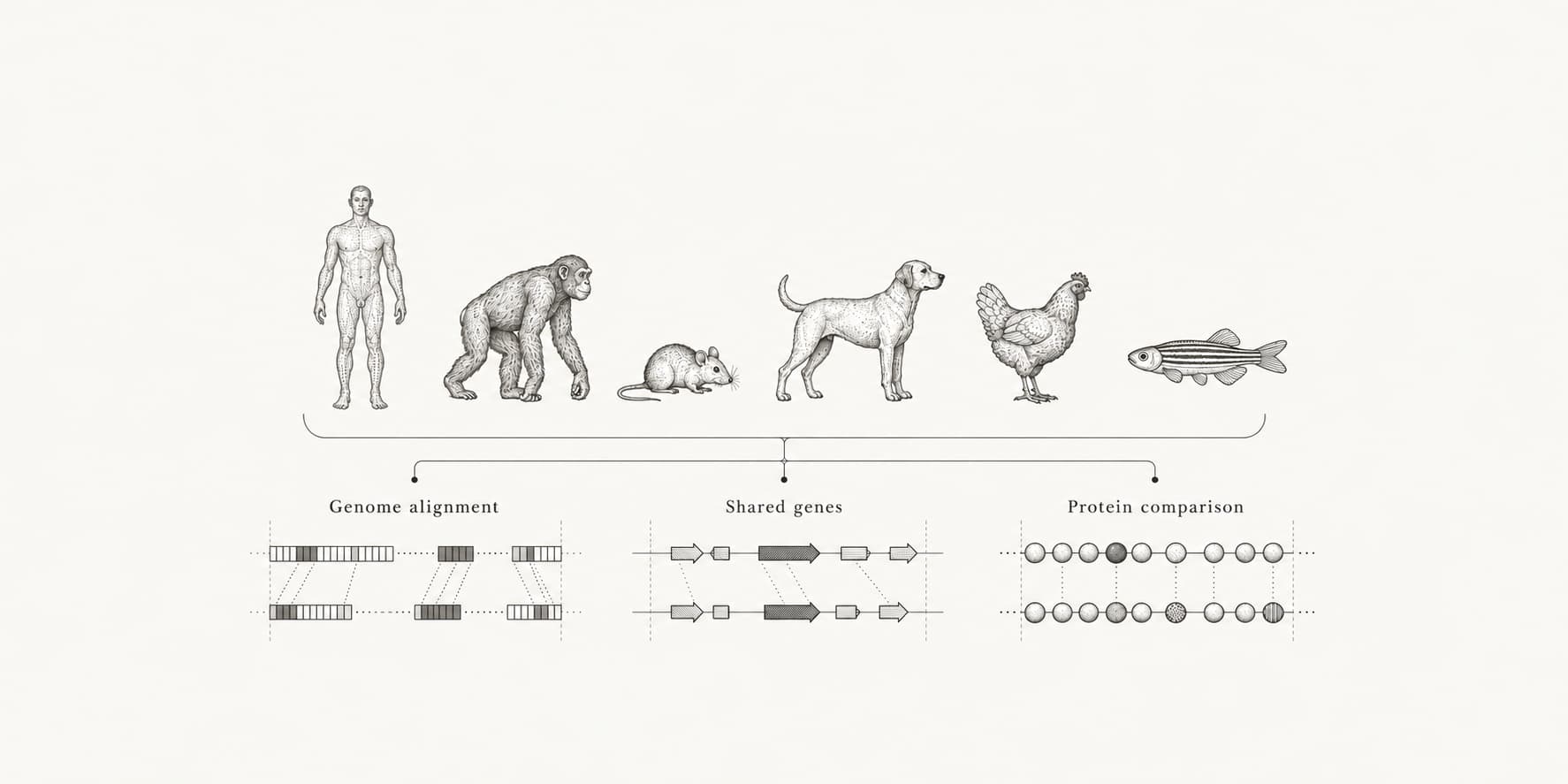
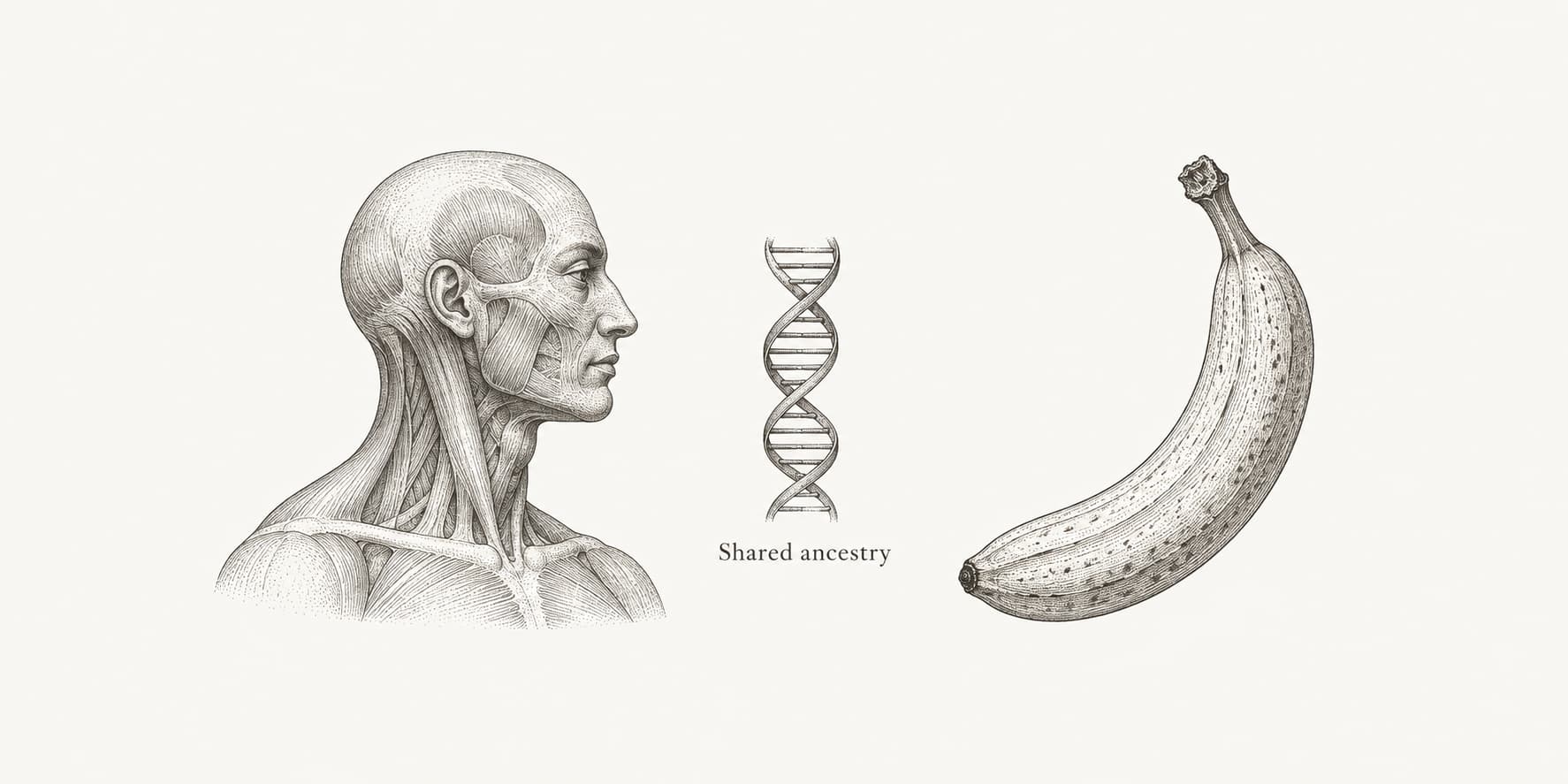
How much DNA do humans share with other animals?
Pigs do not share 98% of human DNA. Measured the same way for every species, a typical pig protein is 89% identical to the human one, against 99% for chimpanzees and 86% for rats.
Genetics ·
How much DNA do humans share with bananas?
Yes, but not 50%. About 18% of human genes have a banana counterpart, their proteins are about 40% identical, and only 0.08% of the human genome matches.
Genetics ·
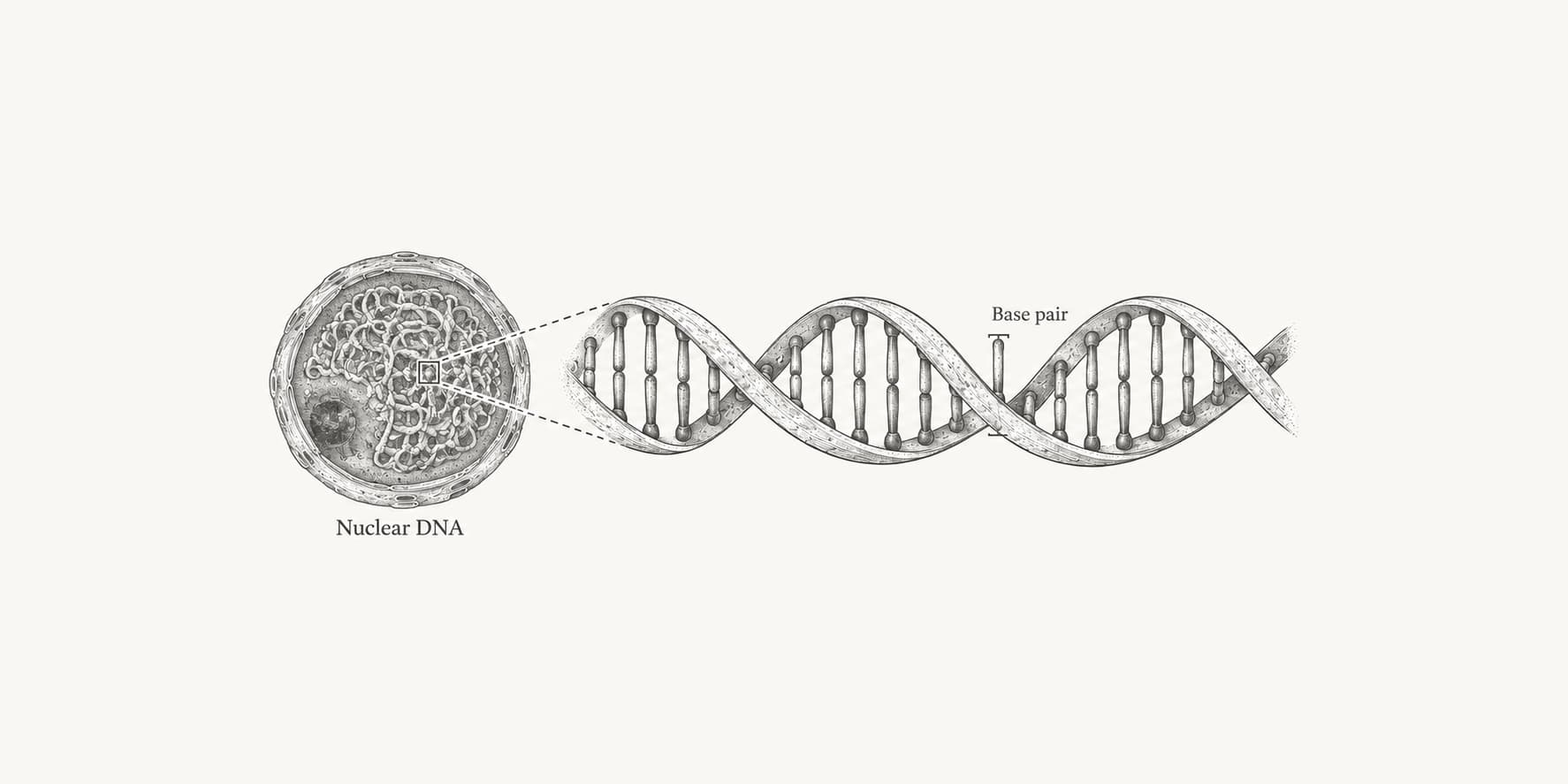
How big is the human genome?
The human genome is about 3.1 billion base pairs long per chromosome set, or 6.3 billion per cell. Compare GRCh38, T2T-CHM13 and genome file sizes in GB.
Genetics ·
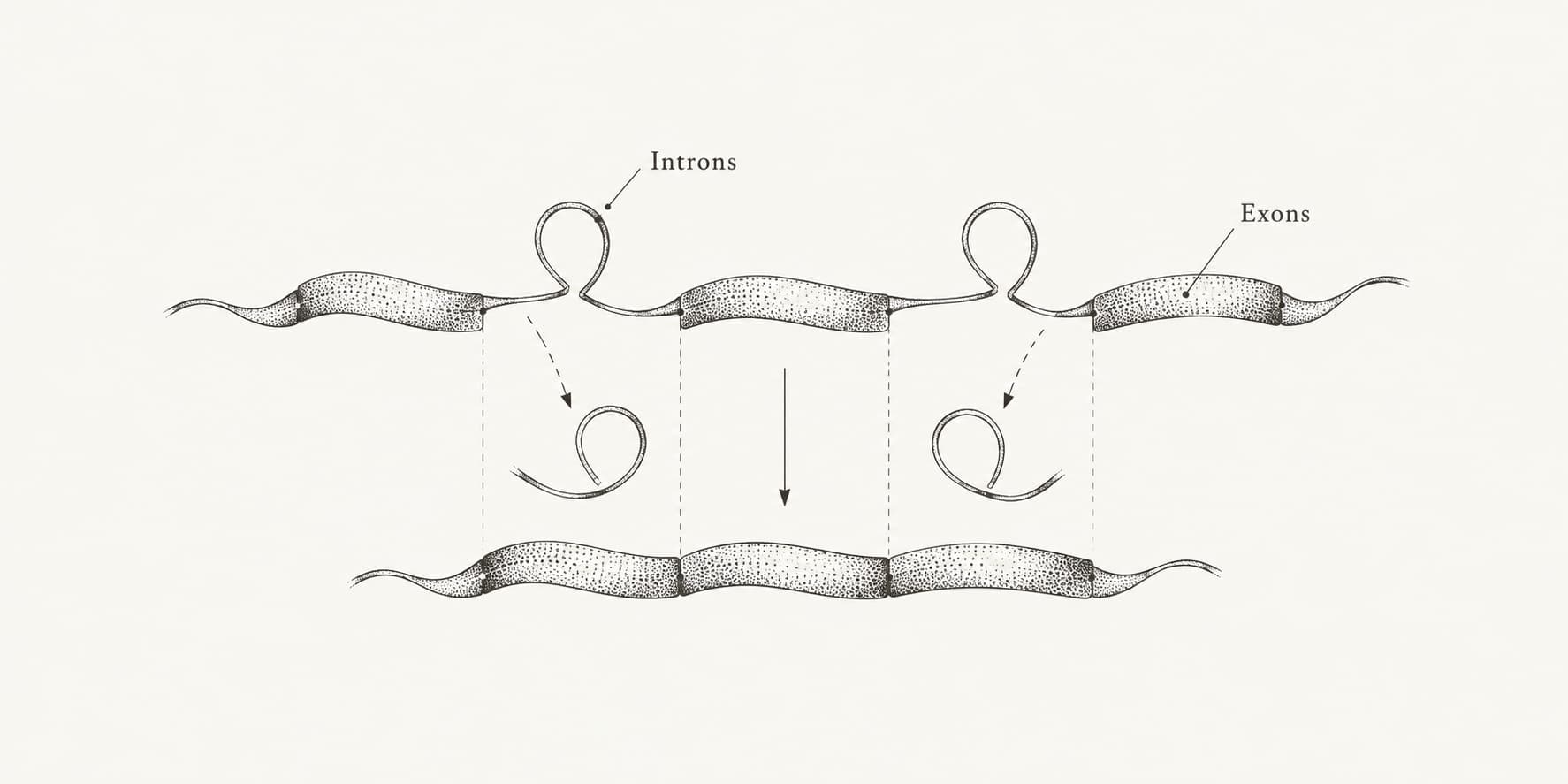
Introns vs exons: what is the difference?
Exons are the parts of a gene kept in mature RNA, while introns are removed by splicing. Learn how much of a human gene is intron, why exons are not the same as coding DNA, and what happens when splicing fails.
Genetics ·
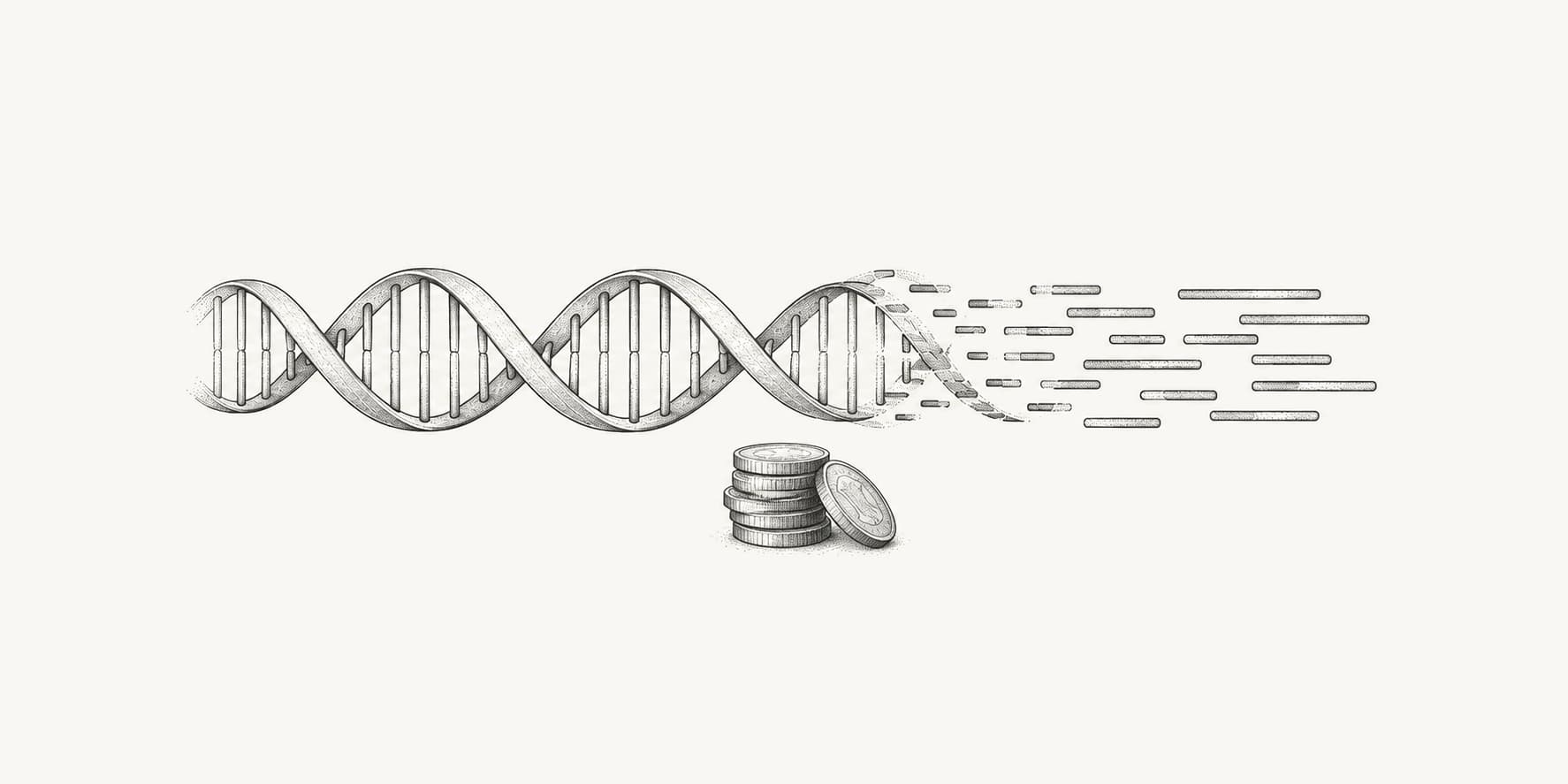
How much does it cost to sequence a genome?
A human genome costs about $220 to $450 at university sequencing labs and $399 to $595 as a consumer test. ProteinIQ's survey of US core facilities puts the median lab price at $419 before analysis.
Genetics ·
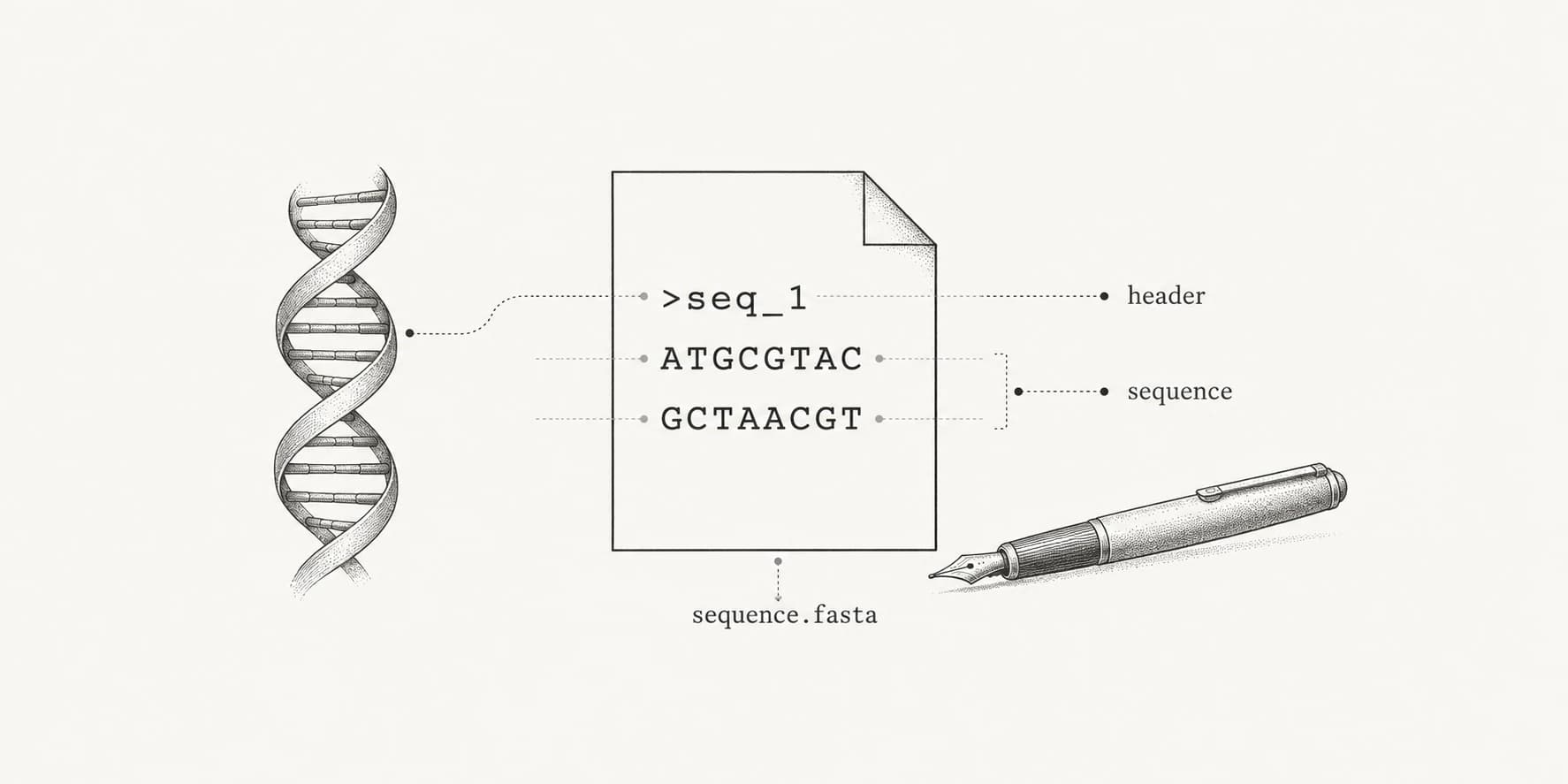
How to make a FASTA file
Create a FASTA file in Notepad or TextEdit, convert text, Word, or Excel data to FASTA, download FASTA from NCBI or UniProt, and avoid the mistakes that make tools reject the file.
Genetics ·
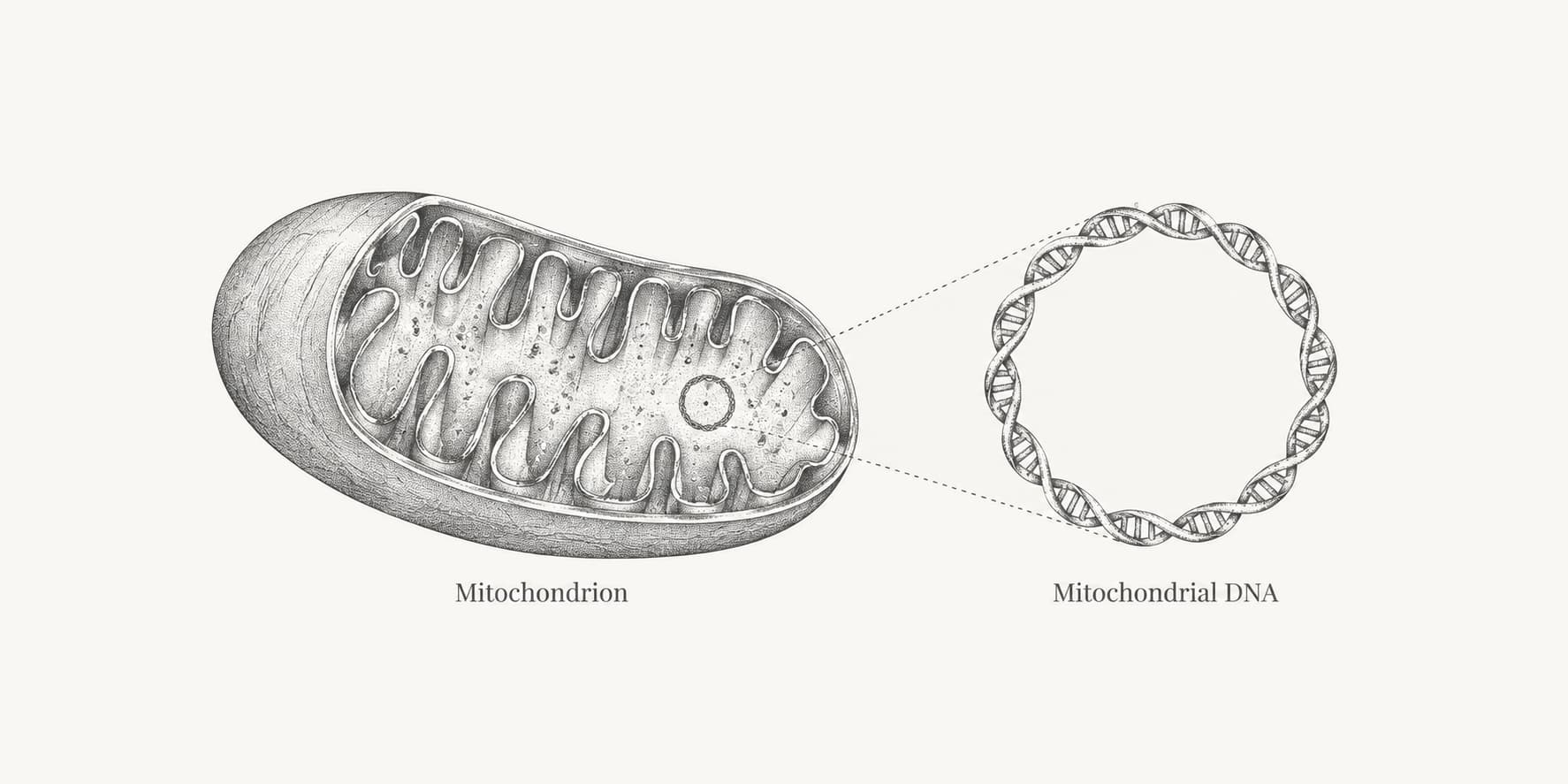
How many genes are in mitochondrial DNA?
Human mitochondrial DNA has 37 canonical genes. Compare the standard count with evidence for additional small proteins and mtDNA copy numbers across tissues.
Genetics ·
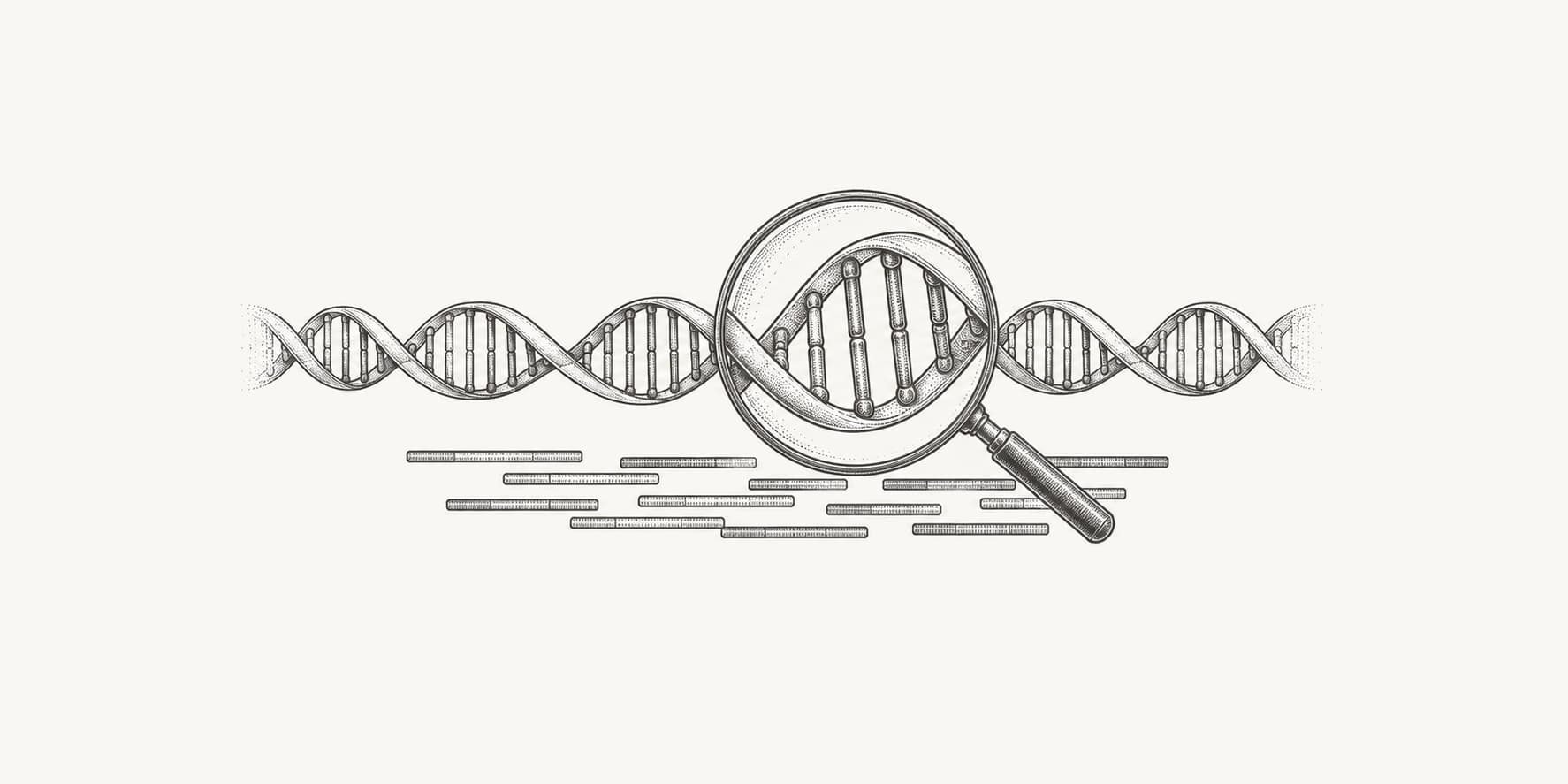
How accurate is DNA sequencing?
DNA sequencing accuracy ranges from about 99% per raw base to above 99.9% for high-quality or consensus reads. The exact figure depends on the platform, chemistry, software, sample, and metric.
Genetics ·
How many genomes have been sequenced?
NCBI indexes 3.67 million current public genome assemblies. See bacterial, plant, human, species, and GenBank sequence counts for 2026.
Genetics ·
How many types of RNA are there?
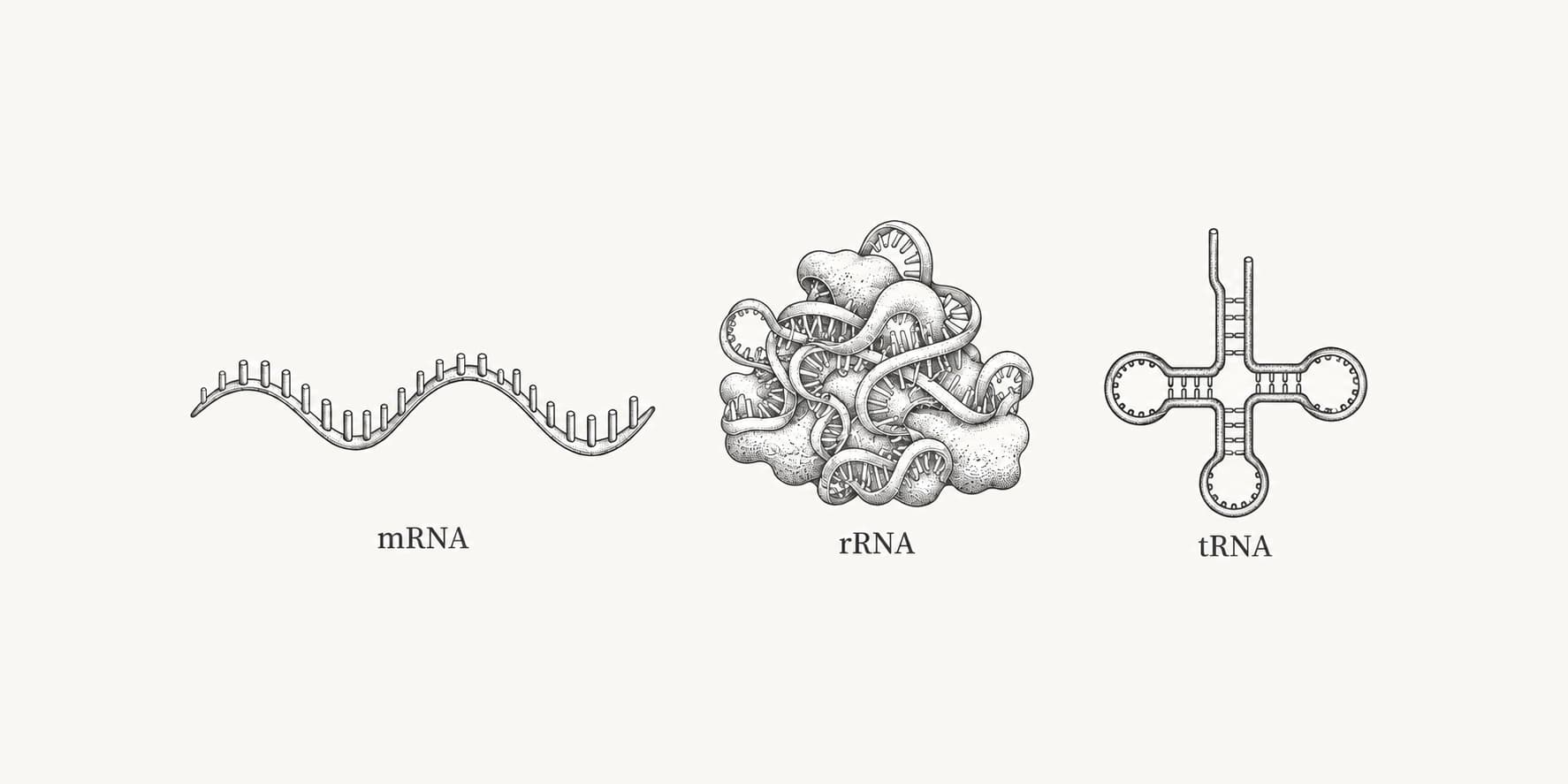
There are three major RNA types: mRNA, rRNA, and tRNA. rRNA is the most abundant by mass, tRNA is the smallest of the three, and mRNA can be the longest.
Genetics ·
How many transcripts are in the human transcriptome?
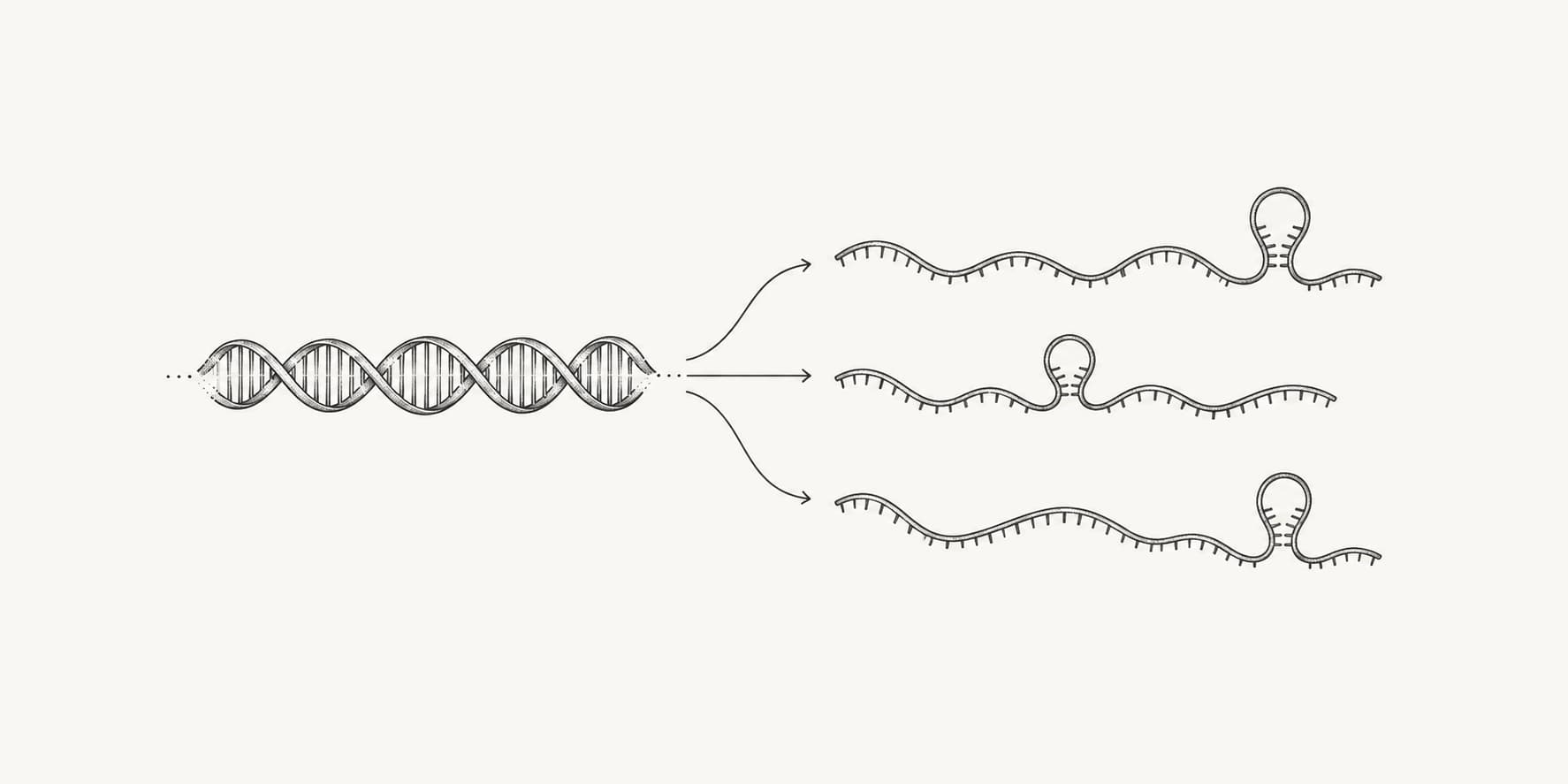
The current human reference annotation contains 644,292 transcript models, 278,455 of them protein-coding. Database records, expressed isoforms and RNA molecules are different counts.
Genetics ·
Which organisms have the largest and smallest genomes?
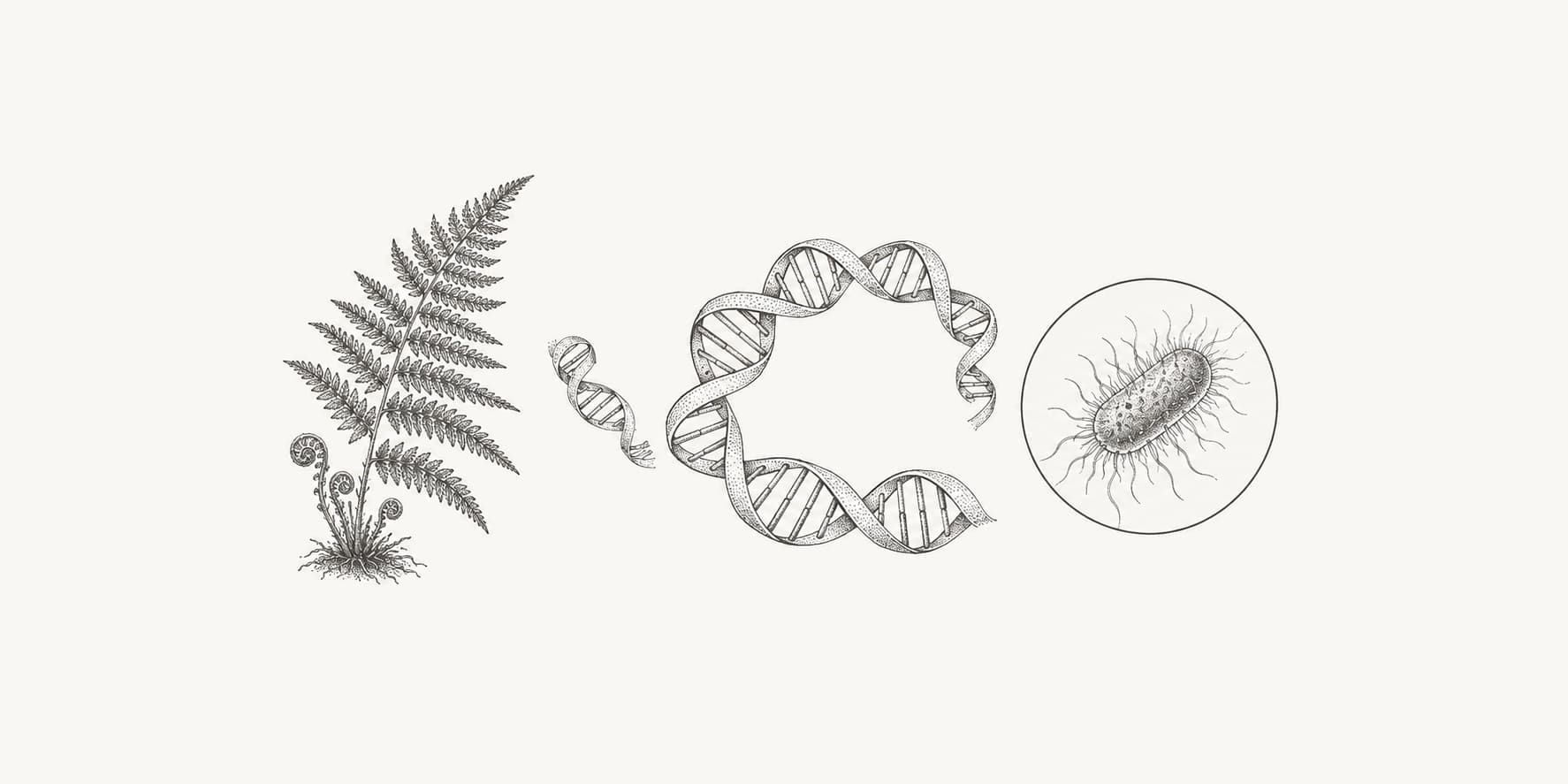
Compare 27 genome size records across animals, plants, fungi, protists, and bacteria, from a 160.45-billion-base-pair fern genome to a 50,141-base-pair bacterial symbiont genome.
Genetics ·
What are the largest and smallest human genes?
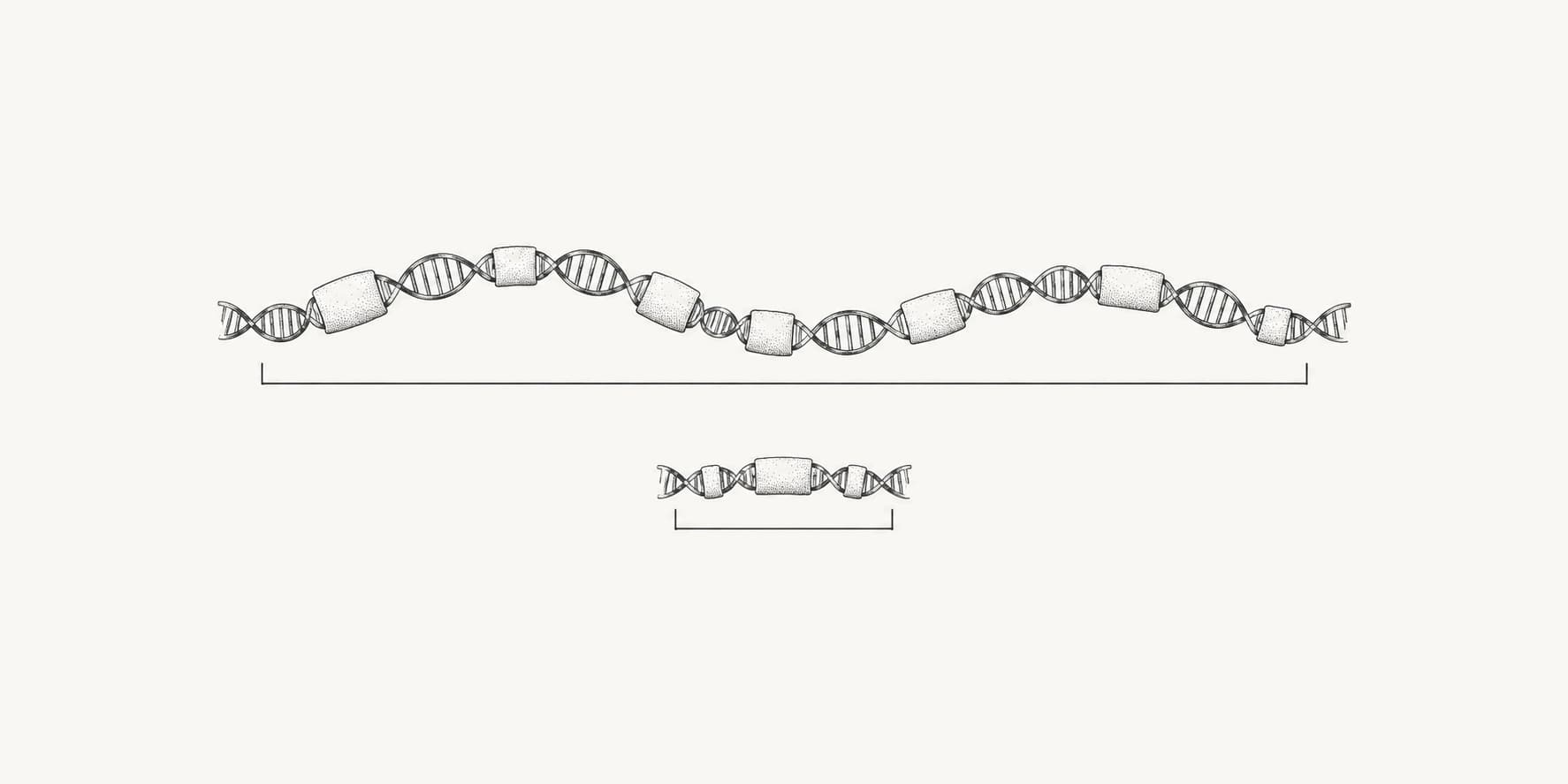
RBFOX1 is the largest human protein-coding gene by GENCODE v50 genomic span. MLDHR is the shortest under an HGNC-approved protein-coding filter, at 96 base pairs.
Drugs ·
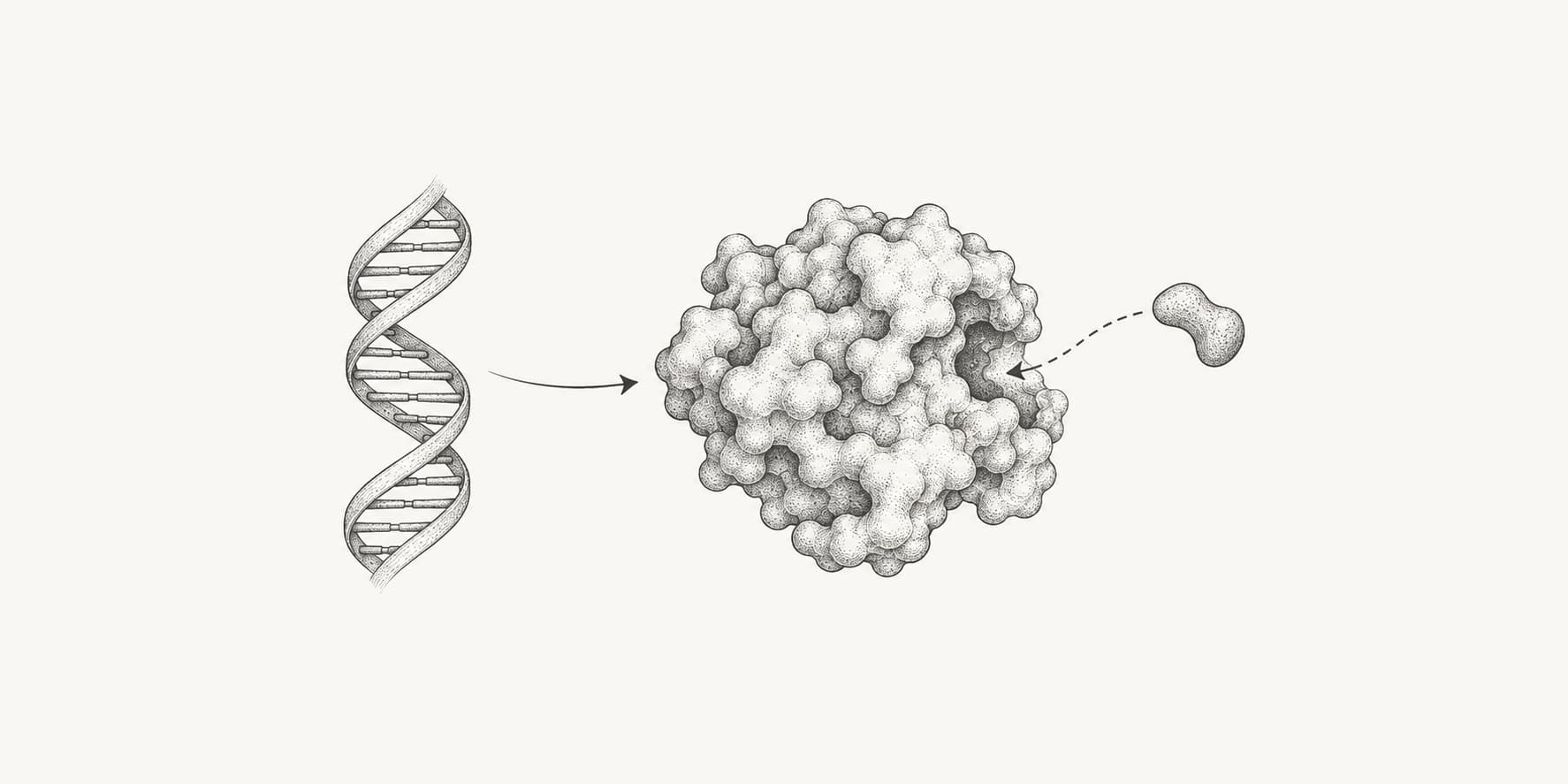
How many druggable genes are there?
About 4,500 human genes are considered part of the druggable genome. A major analysis counted 4,479 drugged or druggable genes, equal to 22% of protein-coding genes.
Genetics ·
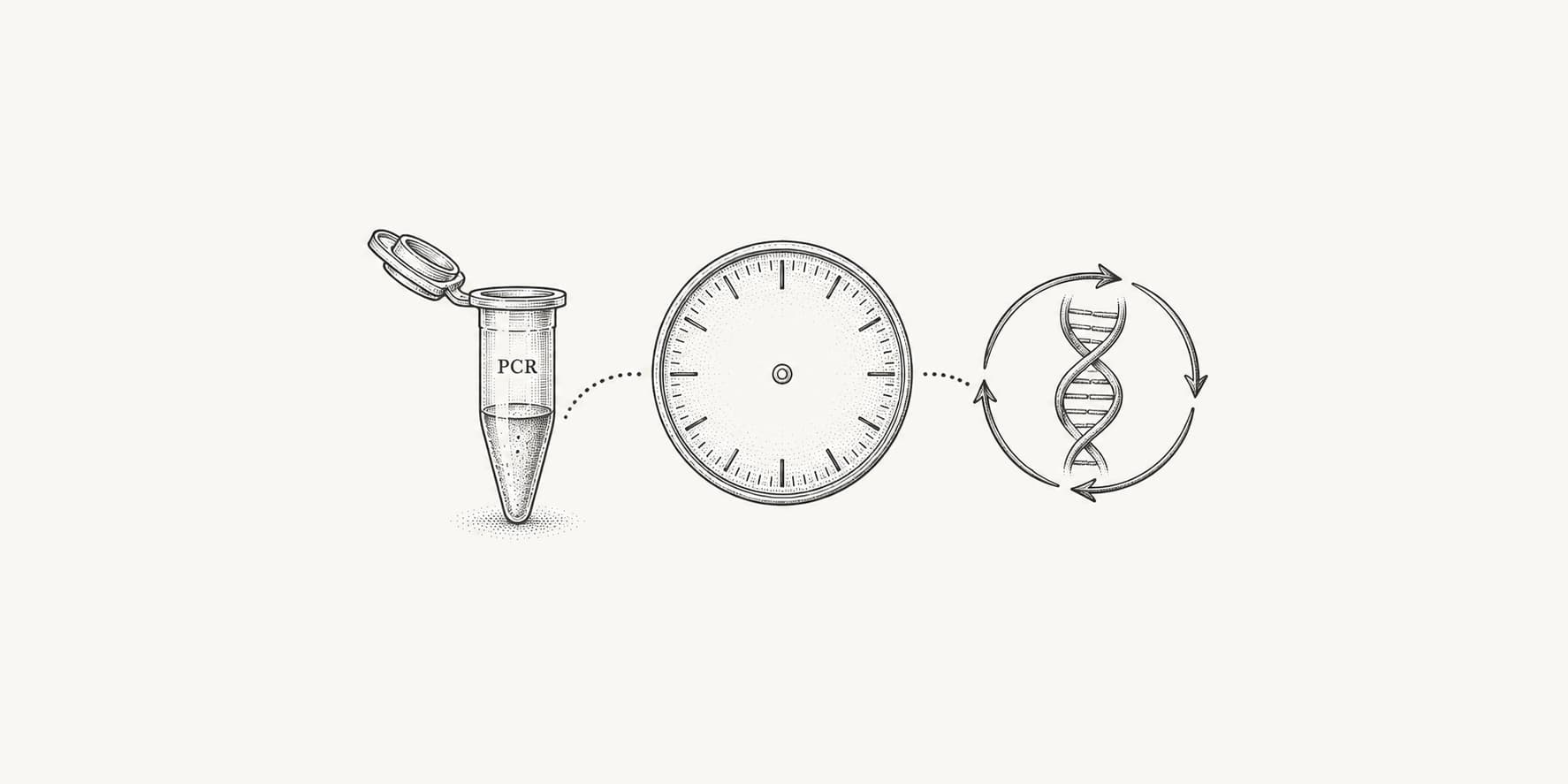
How long does PCR take?
Most PCR runs take about 45 minutes to 2 hours in a thermocycler. Compare conventional PCR, qPCR, and RT-qPCR times and see how cycle count and target length affect the run.
Genetics ·
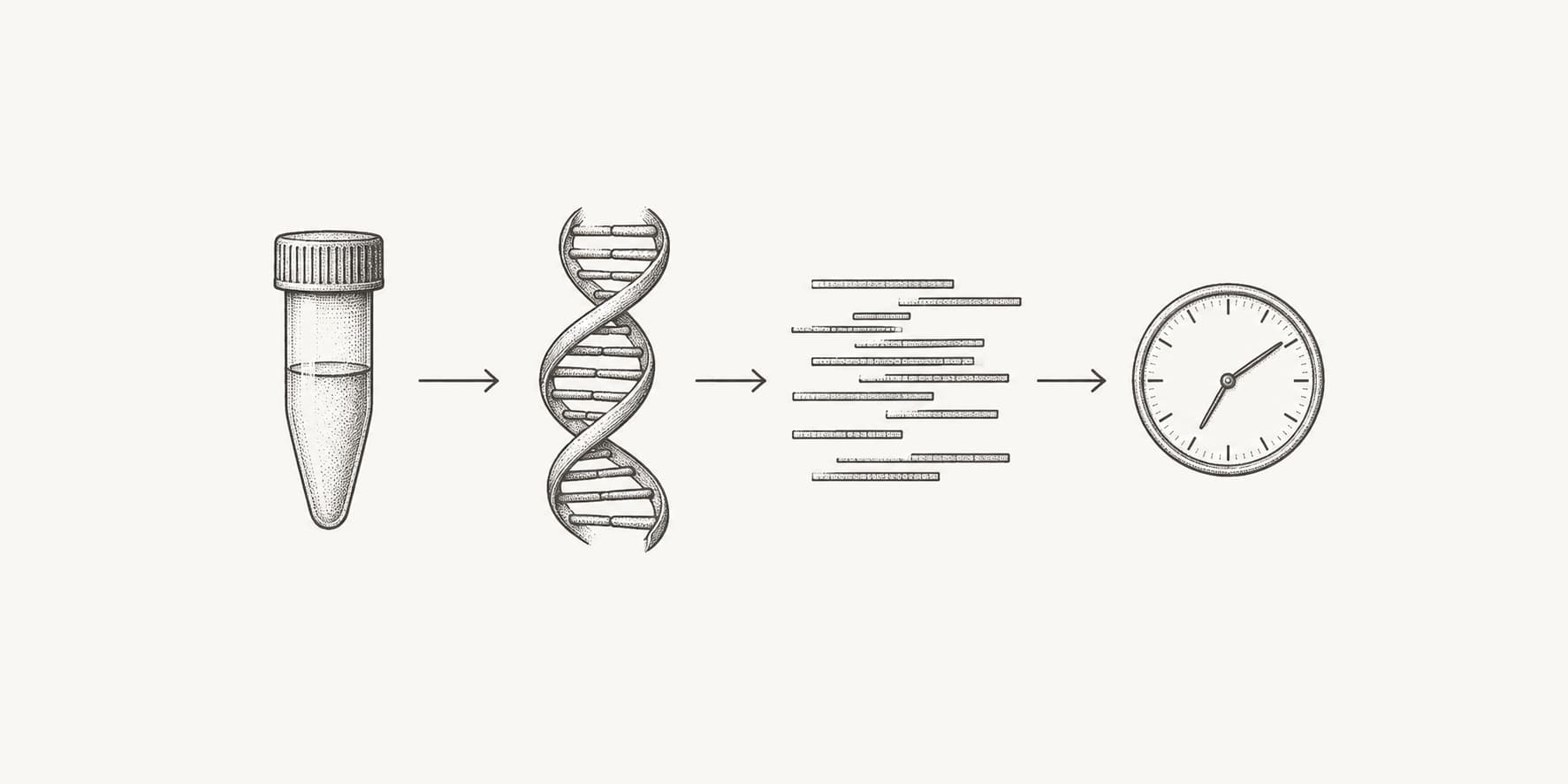
How long does whole-genome sequencing take?
Human whole-genome sequencing can generate genome data in hours to about a day. Sample preparation, analysis, interpretation, and reporting can extend the full turnaround to weeks.
Genetics ·
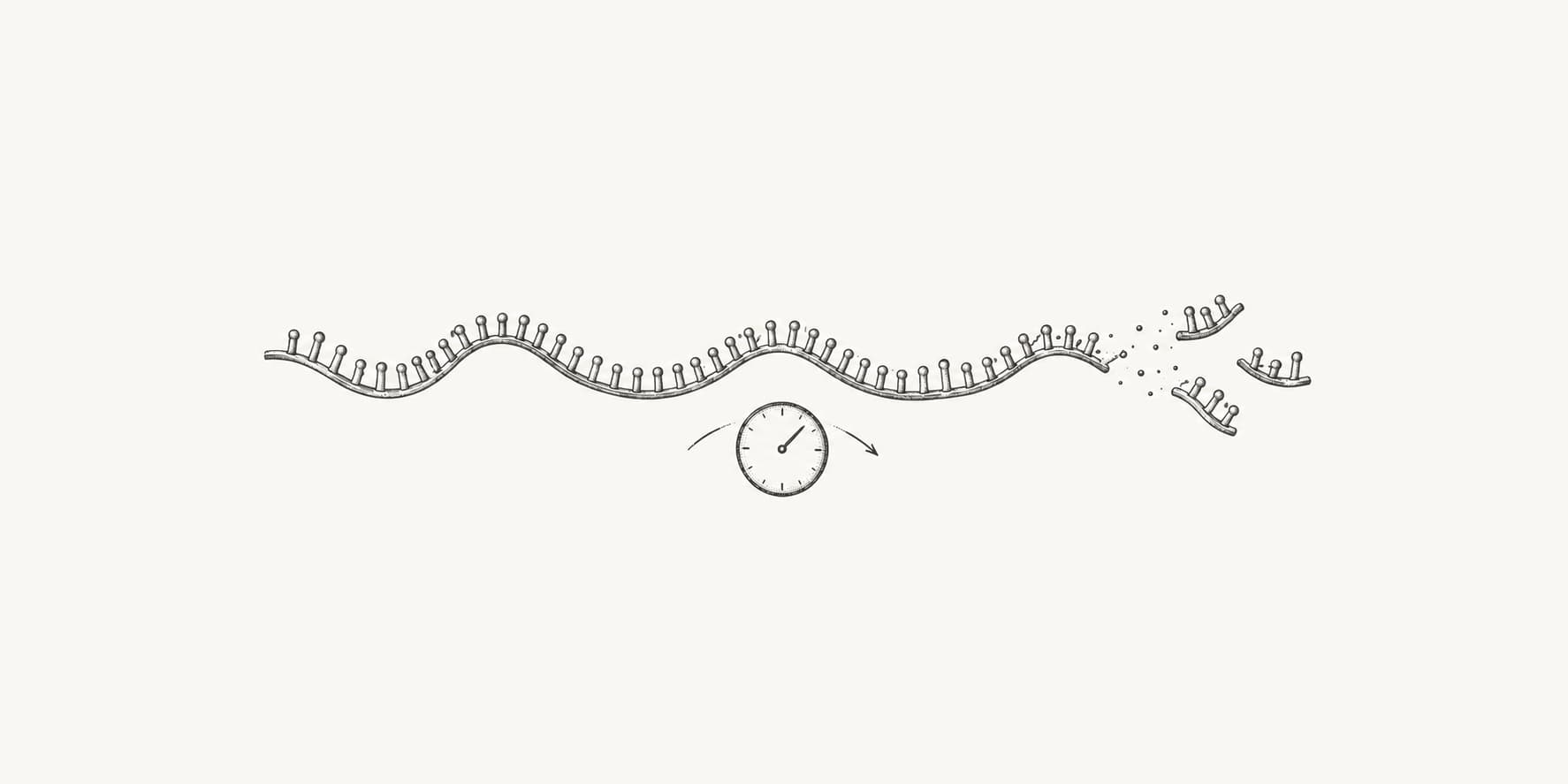
How long does mRNA last in a cell?
Cellular mRNA has a half-life of a few minutes in bacteria, about 18 minutes in budding yeast, and several hours in cultured human cells.
Genetics ·
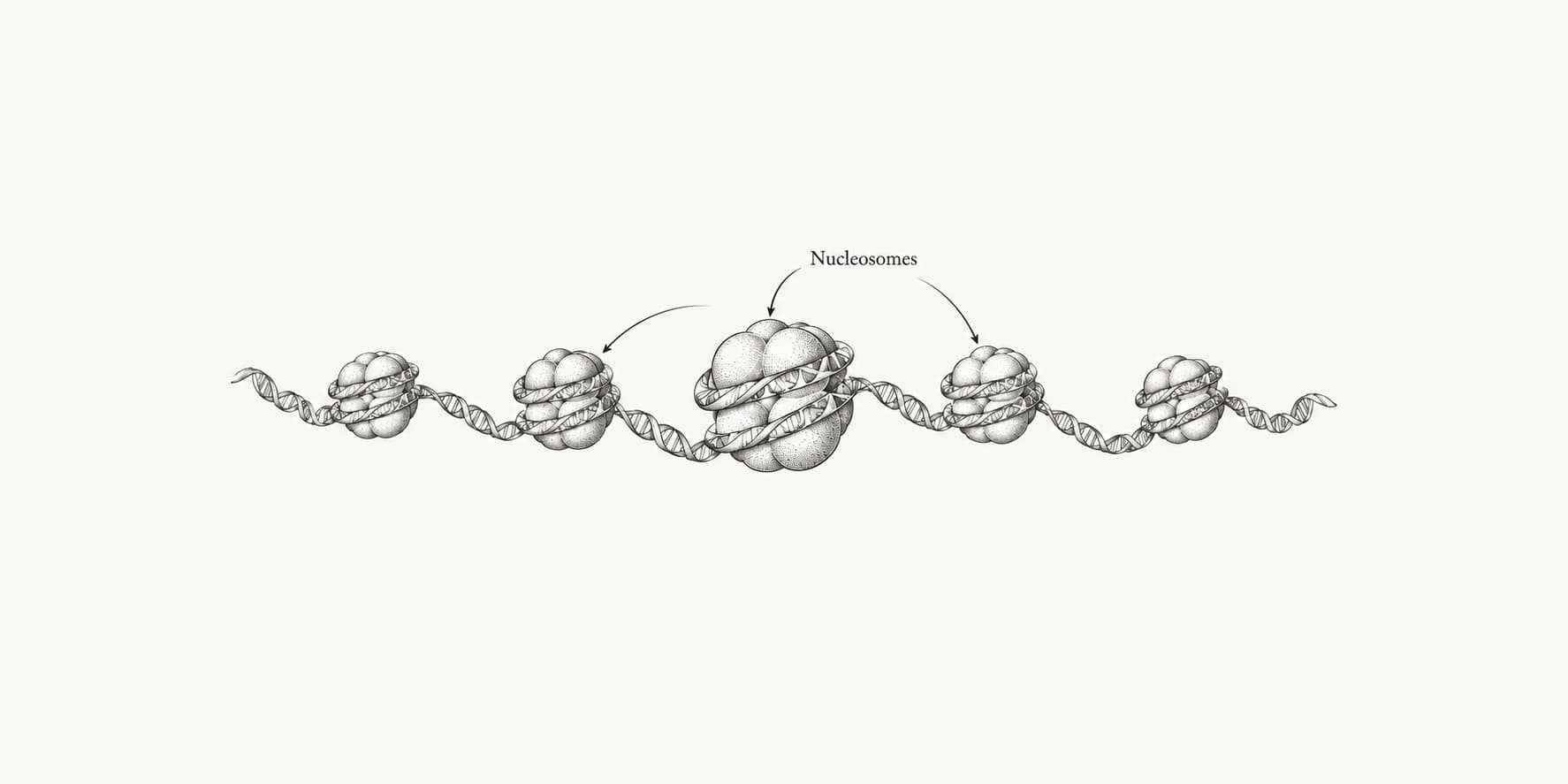
How many nucleosomes are in a human cell?
A typical diploid human cell contains about 30 million nucleosomes. See how that estimate is calculated and why a nucleosome can be described as containing 146, 166, or about 200 base pairs.
Genetics ·
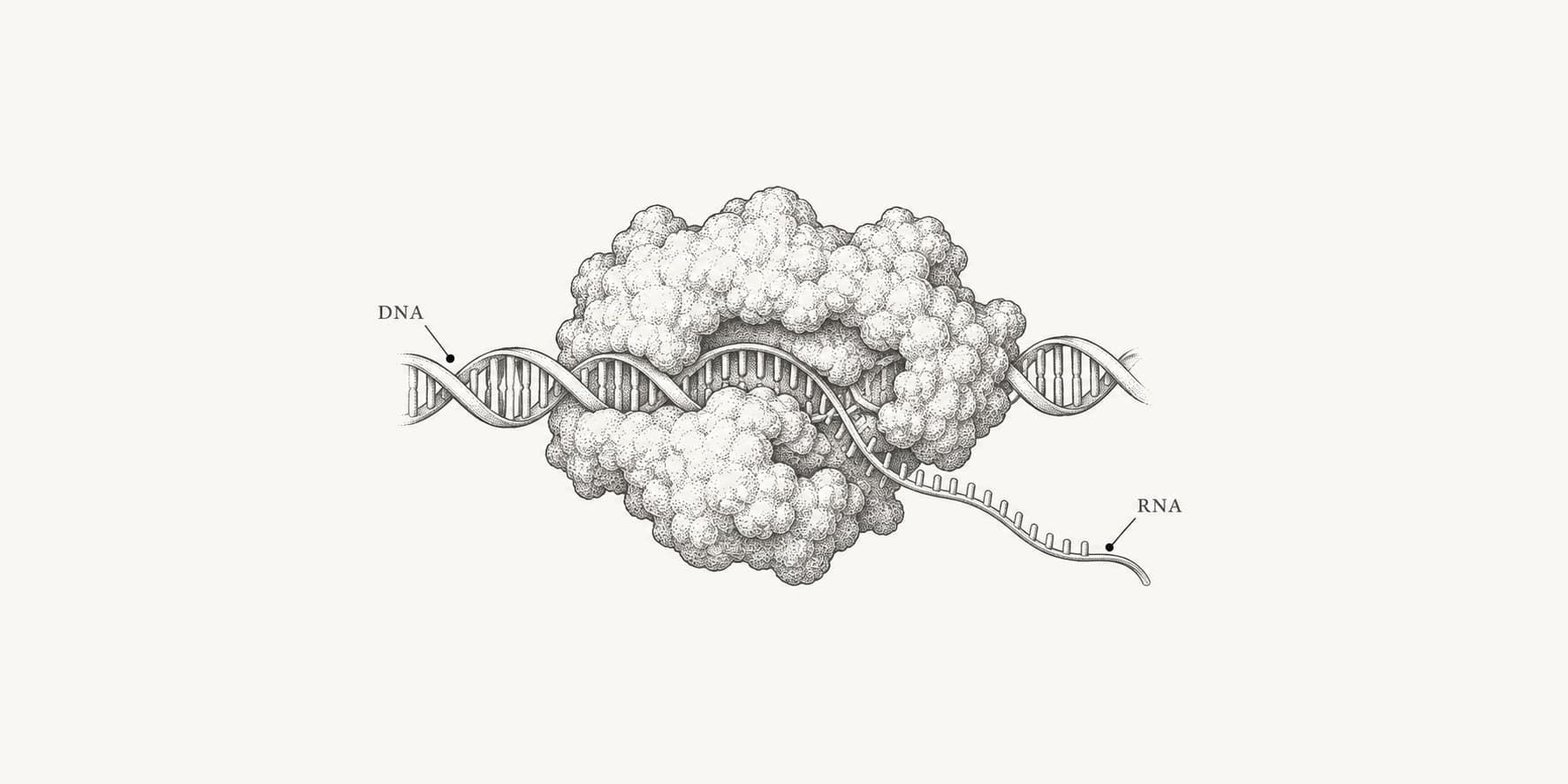
How many RNA polymerases do eukaryotes have?
Eukaryotes have three canonical nuclear RNA polymerases, while land plants have five. DNA polymerase counts vary by species, from five in E. coli to 16 in humans.
Genetics ·
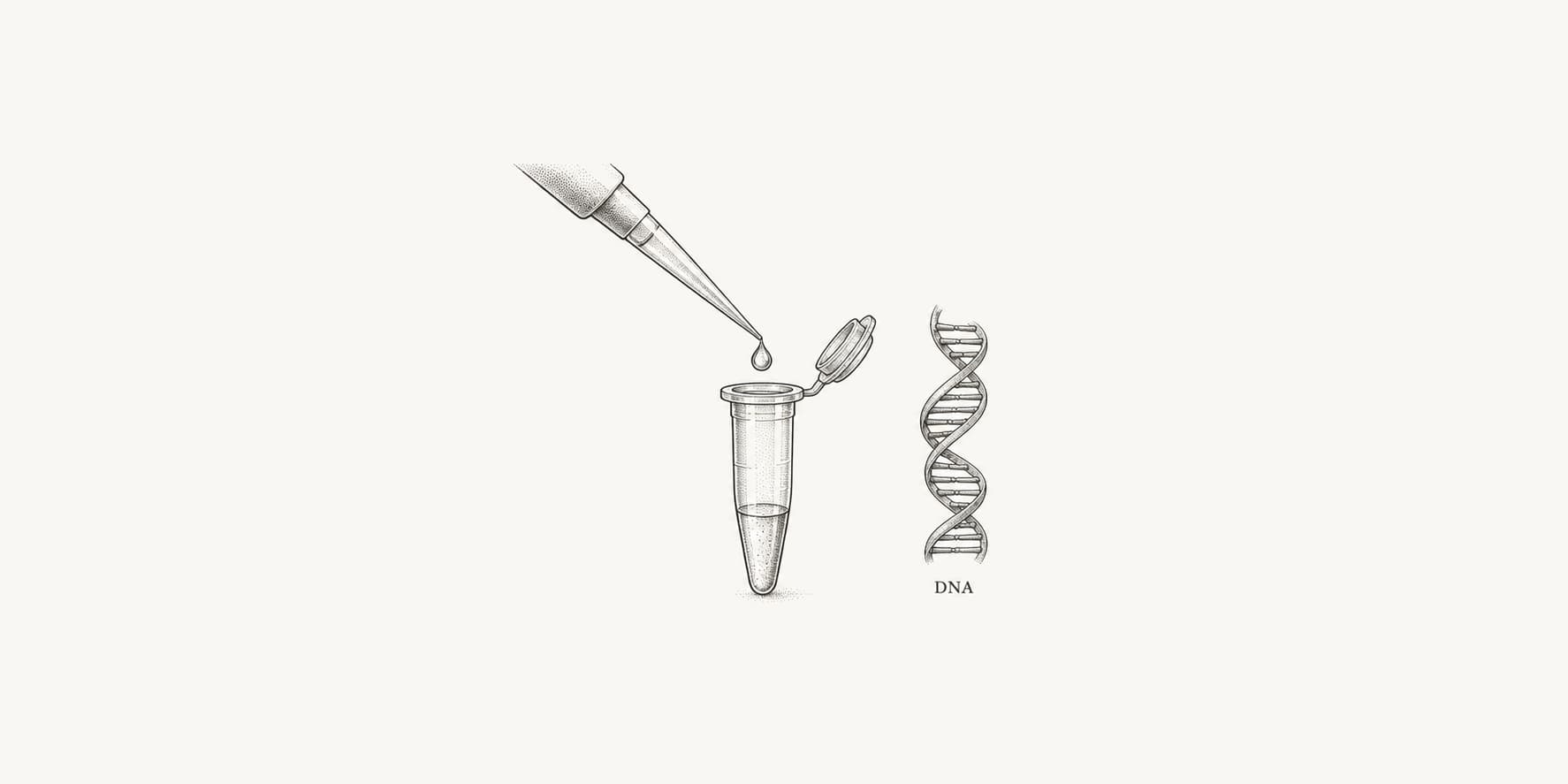
How much DNA is needed for sequencing?
Most DNA sequencing workflows start with 1 ng to 1 µg of DNA. Illumina DNA Prep recommends 100–500 ng for human DNA, while Nanopore ligation libraries use 1 µg for fragments longer than 10 kb.