TL;DR
- Gallup estimated that 11% of U.S. adults were using GLP-1 medicines for weight loss in 2026. This is not an Ozempic-only count.
- In STEP 1, semaglutide 2.4 mg produced an average 14.9% weight reduction over 68 weeks in adults without diabetes; this was an obesity-treatment trial.
- Novo Nordisk reported DKK 127.089 billion in global Ozempic sales for 2025.
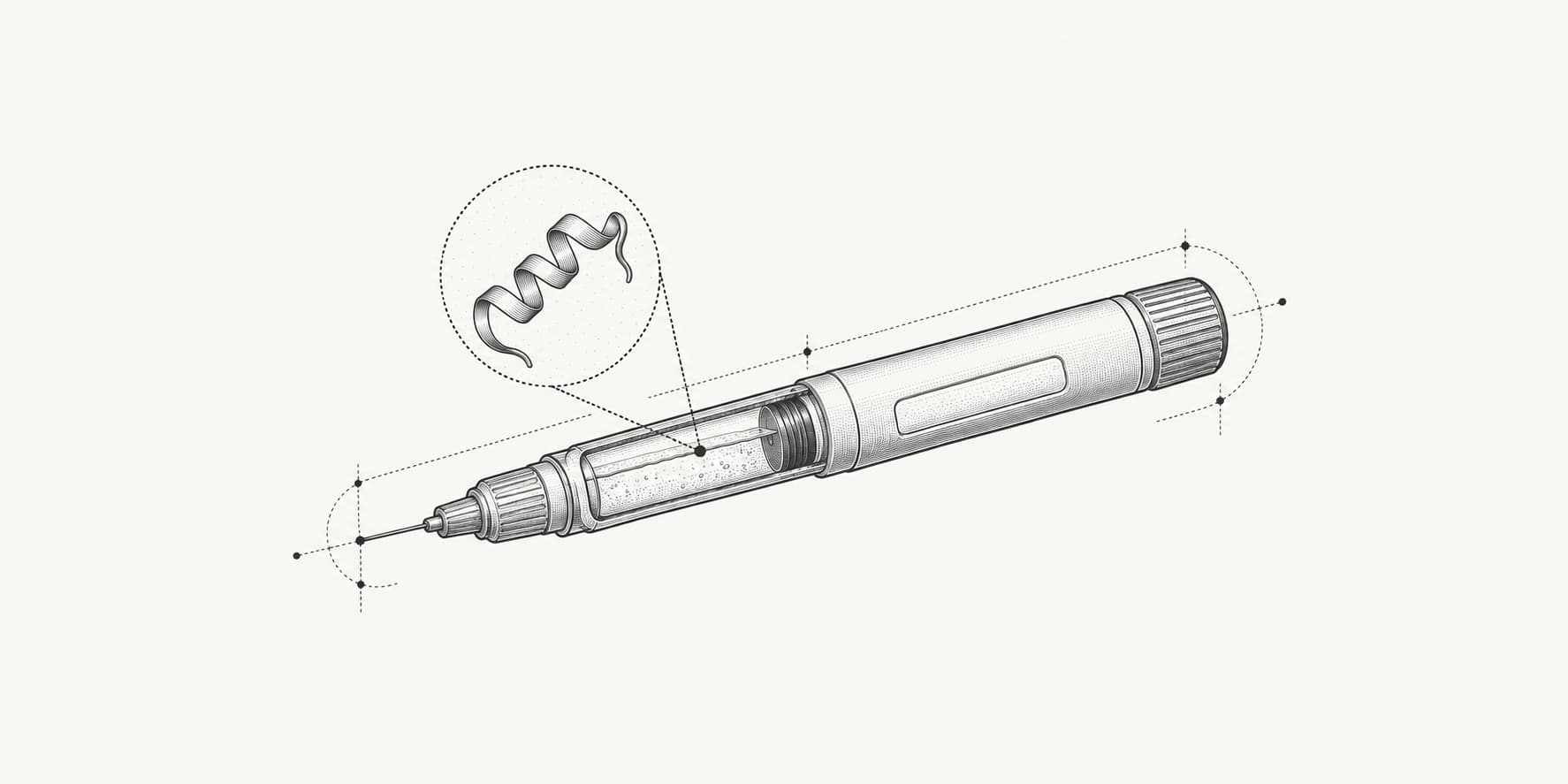
Ozempic is a weekly injection for type 2 diabetes whose active ingredient, semaglutide, has become one of the most consequential medicines of the past decade. It also sits at the center of a larger story: the rapid rise of GLP-1 medicines for weight loss, a series of large outcome trials, and annual Ozempic sales of more than DKK 127 billion.
Figures from these stories are often run together. The share of adults taking any GLP-1 medicine is not the share taking Ozempic, and weight loss measured with Wegovy, a higher-dose semaglutide brand for obesity, is not automatically an Ozempic result. The sections below keep those categories apart, moving from what Ozempic is to who uses it, what the trials show, what the risks are, and what it costs.
Clinical evidence updated September 22, 2026; prices checked September 20, 2026. Approvals and prices refer to the United States unless stated otherwise; sales are global.
Is Ozempic the same as semaglutide or Wegovy?
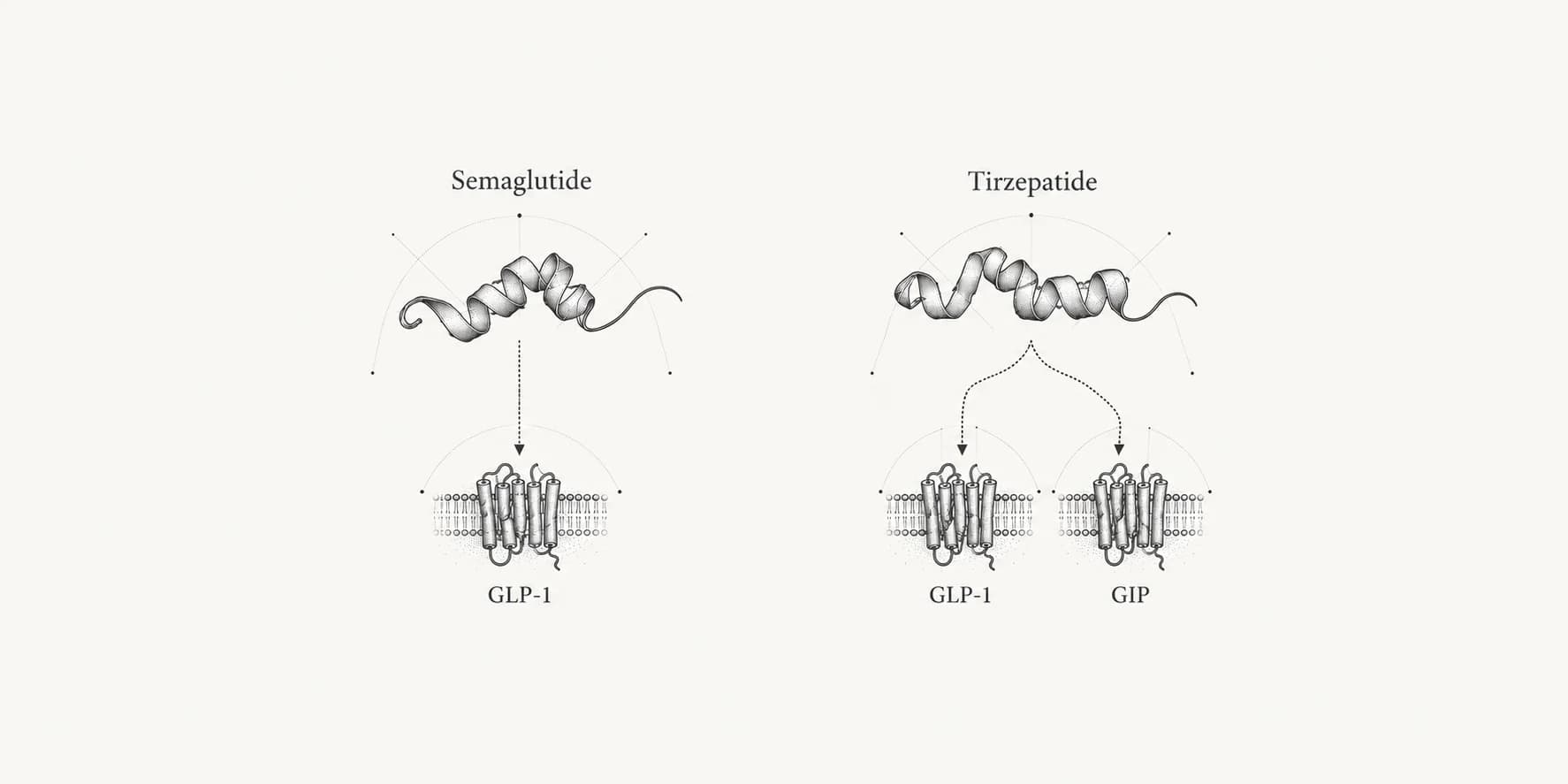
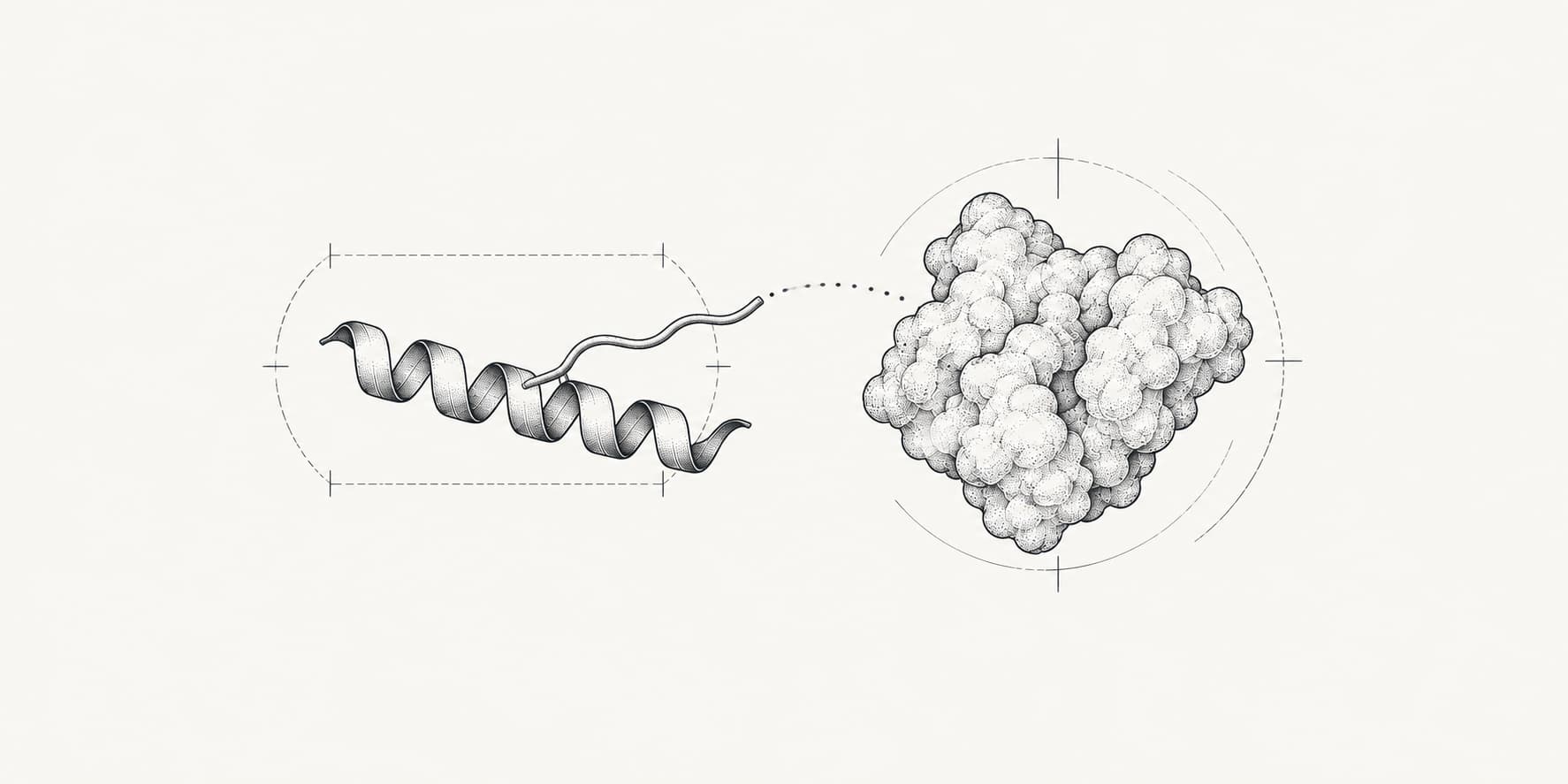
Ozempic is a brand name; semaglutide is the molecule inside it. Semaglutide mimics GLP-1, a hormone released by the gut after meals that prompts the pancreas to release insulin when blood sugar is high and reduces appetite. In the United States, Ozempic injection is approved for type 2 diabetes and for lowering specified cardiovascular and kidney risks in adults with that condition. Weight management is not one of its labeled uses.[1]
Wegovy contains the same molecule, at different doses, and is approved for weight management among other uses. Both brands now also come as tablets in the United States, so neither name identifies a single dose or route. Semaglutide belongs to the class of GLP-1 receptor agonists; it is not insulin.[2][3] This distinction between molecule, brand and dose runs through every statistic below.
How many people use Ozempic and GLP-1 medicines?
About one in nine U.S. adults, 11%, reported currently using a GLP-1 medicine for weight loss in Gallup's 2026 survey, up from 3% in 2024. The survey of 5,065 adults ran from May 28 to June 5, and its estimates were revised on September 8 after updated weighting.[4] Because respondents were asked about the drug class rather than a brand, the figure includes Wegovy, Mounjaro, Zepbound and other products as well as Ozempic.
KFF asked a broader question in 2025, covering use for weight loss or for chronic conditions such as diabetes, and found current use of 12% and lifetime use of 18%. Use peaked in late middle age: 22% of adults aged 50 to 64 were current users, compared with 4% of those aged 18 to 29.[5]
| Survey | What it measures | Currently using | Ever used |
|---|---|---|---|
| Gallup, 2026 | U.S. adults; GLP-1 use for weight loss | 11% | 15% |
| KFF, 2025 | U.S. adults; GLP-1 use for weight loss or chronic conditions | 12% | 18% |
No published survey counts Ozempic users specifically, and prescription totals would not fill the gap: refills add to prescription volume without adding patients.
How much weight do people lose with semaglutide?
How much weight people lose depends heavily on the dose and on whether they have diabetes. In SUSTAIN FORTE, a trial of Ozempic doses in 961 adults with type 2 diabetes, those assigned to 2 mg weekly lost an average of 6.4 kg over 40 weeks, compared with 5.6 kg on 1 mg, a difference that was not statistically significant. These estimates include the effect of stopping treatment or adding rescue medication; the frequently quoted 6.9 kg and 6.0 kg describe a scenario in which everyone stayed on treatment.[6]
Larger losses come from obesity trials, which used higher doses in people without diabetes:
| Study or label analysis | Population and duration | Semaglutide weight reduction | Comparator reduction |
|---|---|---|---|
| SUSTAIN FORTE, 2 mg weekly | 961 adults with type 2 diabetes; 40 weeks | 6.4 kg | 5.6 kg with 1 mg |
| STEP 1, 2.4 mg weekly | 1,961 adults with overweight or obesity, without diabetes; 68 weeks | 14.9% | 2.4% with placebo |
| Wegovy tablet study, 25 mg daily | 307 adults with overweight or obesity, without diabetes; 64 weeks | 13.6% | 2.4% with placebo |
| Wegovy 7.2 mg study | 1,407 adults with obesity, without diabetes; 72 weeks | 18.8% | 15.5% with 2.4 mg; 3.9% with placebo |
The best-known of these figures, the 14.9% average loss in STEP 1, came from semaglutide 2.4 mg, the Wegovy dose, taken with lifestyle support by adults without diabetes over 68 weeks.[7] It is often attached to Ozempic, but it describes a different dose, population and brand. When semaglutide was compared directly with tirzepatide, the active ingredient in Mounjaro and Zepbound, in the SURMOUNT-5 trial, average losses at 72 weeks were 13.7% and 20.2%, respectively.[8]
What is Ozempic's success rate?
There is no single success rate, because success can mean reaching a blood-sugar target, losing a set share of body weight or avoiding a heart attack. For weight, a common benchmark is losing at least 5% of starting weight. In STEP 1, 86.4% of participants taking semaglutide 2.4 mg reached it at 68 weeks, compared with 31.5% of those on placebo.[7] That is the result of a defined trial endpoint, not the probability that any individual will reach a personal goal.
What happens after two years on semaglutide?
With continued treatment, weight loss largely held. In STEP 5, 304 adults without diabetes were randomly assigned to semaglutide 2.4 mg or placebo, both with behavioral support. After 104 weeks, average weight loss was 15.2% with semaglutide and 2.6% with placebo, and the semaglutide group's loss was similar at one and two years.[9]
Does the weight stay off after treatment stops?
Largely not. In the STEP 1 extension, participants regained about two-thirds of the weight they had lost within a year of stopping semaglutide, at the same time as their structured lifestyle support ended.[10] Set beside STEP 5, the result suggests that for many people semaglutide controls weight while it is being taken rather than resetting it permanently.
Why do people stop taking Ozempic and other GLP-1 medicines?
Many people stop, often within the first year. A U.S. records study of 125,474 adults who started liraglutide, injectable semaglutide or tirzepatide between 2018 and 2023 estimated that 64.8% of those without type 2 diabetes and 46.5% of those with it discontinued within a year, defined as going at least 60 days without medication on hand.[11]
Where clinical notes recorded a reason, side effects and cost were the most common. Moderate or severe gastrointestinal side effects were linked with a higher chance of stopping, and greater weight loss with a lower one, although such associations cannot explain any individual decision. Stopping was not always permanent; the study also tracked people who later restarted.[11]
Is the weight lost all body fat?
No. In a 140-person STEP 1 substudy that measured body composition with DXA, a low-dose X-ray scan that separates fat from lean tissue, fat mass fell by 19.3% and lean mass by 9.7% with semaglutide.[12] Lean mass includes organs and body water as well as muscle, so the figure is not a direct measure of muscle loss, and the substudy, published as a conference abstract, did not assess strength.
What benefits extend beyond weight loss?
Semaglutide's clinical case rests on more than weight. Two large trials tested whether it prevents serious events in people who already have cardiovascular or kidney disease:
| Trial | Population and treatment | Primary outcome result |
|---|---|---|
| SELECT | 17,604 adults with cardiovascular disease and overweight or obesity, without diabetes; 2.4 mg weekly | Cardiovascular death, nonfatal heart attack or nonfatal stroke: 6.5% with semaglutide versus 8.0% with placebo; mean follow-up 39.8 months |
| FLOW | 3,533 adults with type 2 diabetes and chronic kidney disease; 1 mg weekly | Major kidney disease events or kidney-related or cardiovascular death: 331 of 1,767 versus 410 of 1,766 participants; median follow-up 3.4 years |
SELECT reported a hazard ratio of 0.80, meaning the rate of its combined cardiovascular outcome was 20% lower with semaglutide than with placebo. That is a relative reduction; in absolute terms, the share of participants with an event fell from 8.0% to 6.5%. FLOW reported a hazard ratio of 0.76, a 24% relative reduction in a composite of kidney failure, a sustained decline of at least half in kidney function, or death from kidney-related or cardiovascular causes.[13][14] Because both trials enrolled people with established disease, their results apply most directly to similar patients.
What do the safety statistics show?
The most common side effects are gastrointestinal. In the placebo-controlled trials behind the Ozempic label, nausea affected about one in six people on 0.5 mg and one in five on 1 mg, compared with about one in sixteen on placebo.
| Reaction | Placebo, n=262 | 0.5 mg weekly, n=260 | 1 mg weekly, n=261 |
|---|---|---|---|
| Nausea | 6.1% | 15.8% | 20.3% |
| Vomiting | 2.3% | 5.0% | 9.2% |
| Diarrhea | 1.9% | 8.5% | 8.8% |
The label also warns about pancreatitis, gallbladder disease and severe gastrointestinal reactions. Ozempic should not be used by people with a personal or family history of medullary thyroid carcinoma or multiple endocrine neoplasia syndrome type 2, or with a serious allergy to semaglutide. Its boxed warning about thyroid tumors reflects findings in rodents; whether the risk applies to humans is unknown.[1]
Rarer risks have emerged from wider use. In June 2025, the European Medicines Agency concluded that NAION, damage to the optic nerve that can cause sudden vision loss, is a very rare side effect of semaglutide, a category meaning up to 1 in 10,000 people who take it.[15] Other suspected links have not held up under regulatory review. In January 2026, the FDA said it found no increased risk of suicidal thoughts or behavior with GLP-1 medicines and asked for that warning to be removed from the relevant weight-management labels.[16]
Compounded semaglutide, made by pharmacies rather than the manufacturer, is not an FDA-approved generic. The FDA had received 990 adverse-event reports linked to compounded semaglutide by May 31, 2026. Without knowing how many people used these products, the reports cannot give a rate of harm, and a report alone does not show that the product caused the event.[17]
How much does Ozempic sell, and what do patients pay?
Novo Nordisk reported DKK 127.089 billion in global Ozempic sales in 2025, up 6% in Danish kroner and 10% at constant exchange rates.[18] Revenue measures what the manufacturer sold, not how many patients were treated or what they paid.
The first half of 2026 shows why reported revenue needs care. Reported Ozempic sales rose, but the increase came from a one-time reversal of rebate provisions linked to the U.S. 340B Drug Pricing Program, under which drug makers give discounts to qualifying hospitals and clinics. Excluding that reversal, sales of Ozempic injection fell 6%.[19]
| Ozempic injection sales, January to June 2026 | DKK billion | Change from a year earlier, in DKK |
|---|---|---|
| Reported | 71.855 | +11% |
| Adjusted | 59.200 | −6% |
Full-year 2026 figures were not yet available when this article was updated. For patients, there is likewise no single Ozempic price:
| Price measure | Published price | What it covers |
|---|---|---|
| Manufacturer list price | $997.58 per pen | Before rebates, insurance or assistance |
| Self-pay offer, 0.25, 0.5 or 1 mg | $349 per month | Eligible patients under the offer terms |
| Self-pay offer, 2 mg | $499 per month | Eligible patients under the offer terms |
| Introductory offer, 0.25 or 0.5 mg | $199 per monthly fill for two fills | Eligible new participants; advertised through December 31, 2026 |
The introductory price covers only two fills, so multiplying it by three does not give the cost of a three-month supply; that depends on the prescribed strength and the patient's own offer or insurance terms.
Access is where these threads meet. In KFF's 2025 survey, 56% of adults who had used GLP-1 medicines said they were difficult to afford.[5] The chemistry of a long-acting peptide, the trial evidence and the commercial scale of Ozempic are well documented. Whether people can afford to stay on treatment long enough to keep its benefits is the less settled part of the story.
The chart data reproduce the published values shown in the figures. When citing a statistic from this page, keep its product, population, period and measurement, and credit the original study. This page is a statistical reference, not prescribing advice.