How many NADH are produced in glycolysis?
Glycolysis produces two NADH molecules per glucose molecule. They carry electrons captured when two glyceraldehyde 3-phosphate molecules are oxidized.
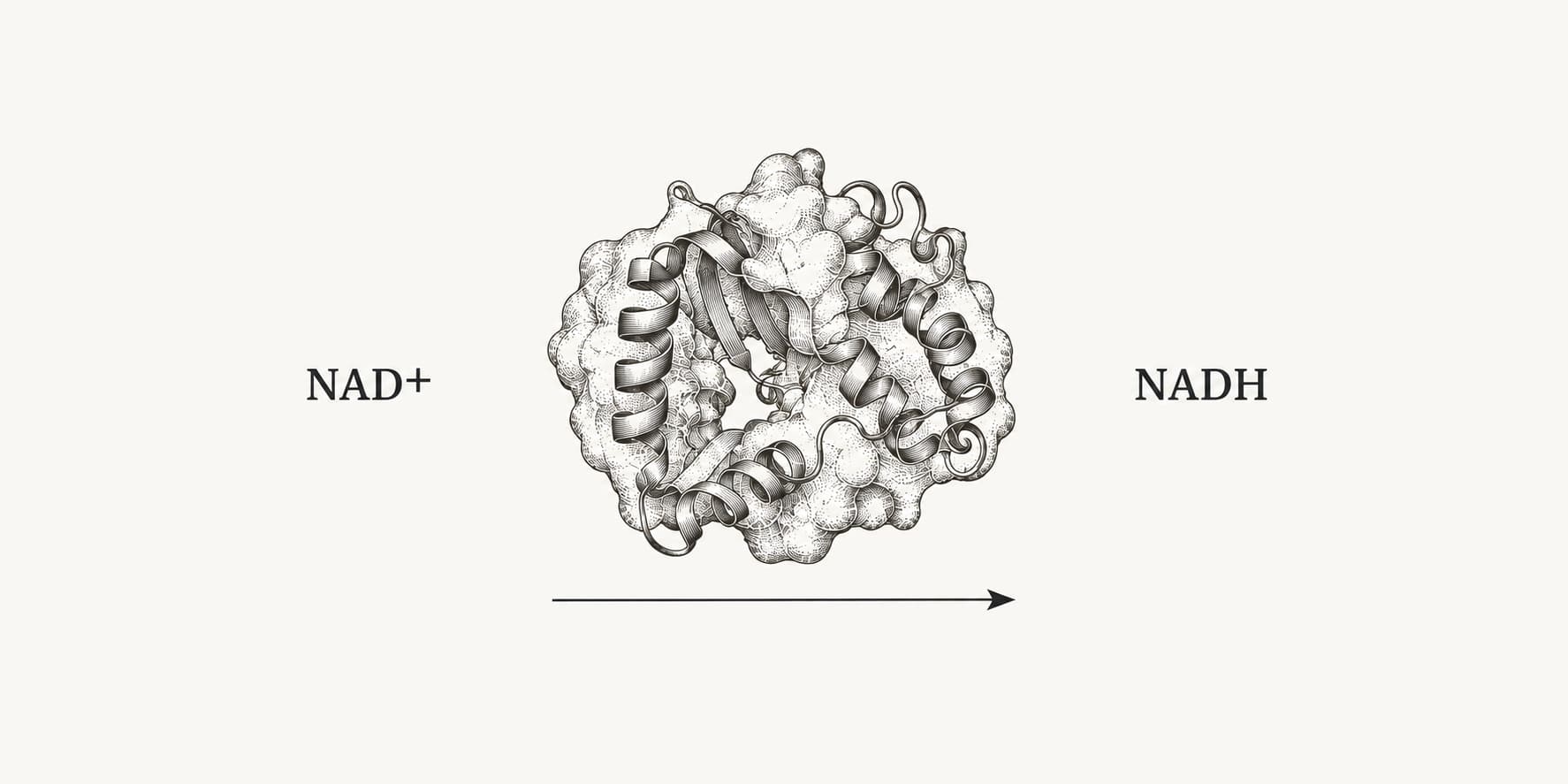
Glycolysis produces two NADH molecules per glucose molecule. Both form during the same reaction, which occurs twice because one six-carbon glucose is split into two three-carbon molecules.
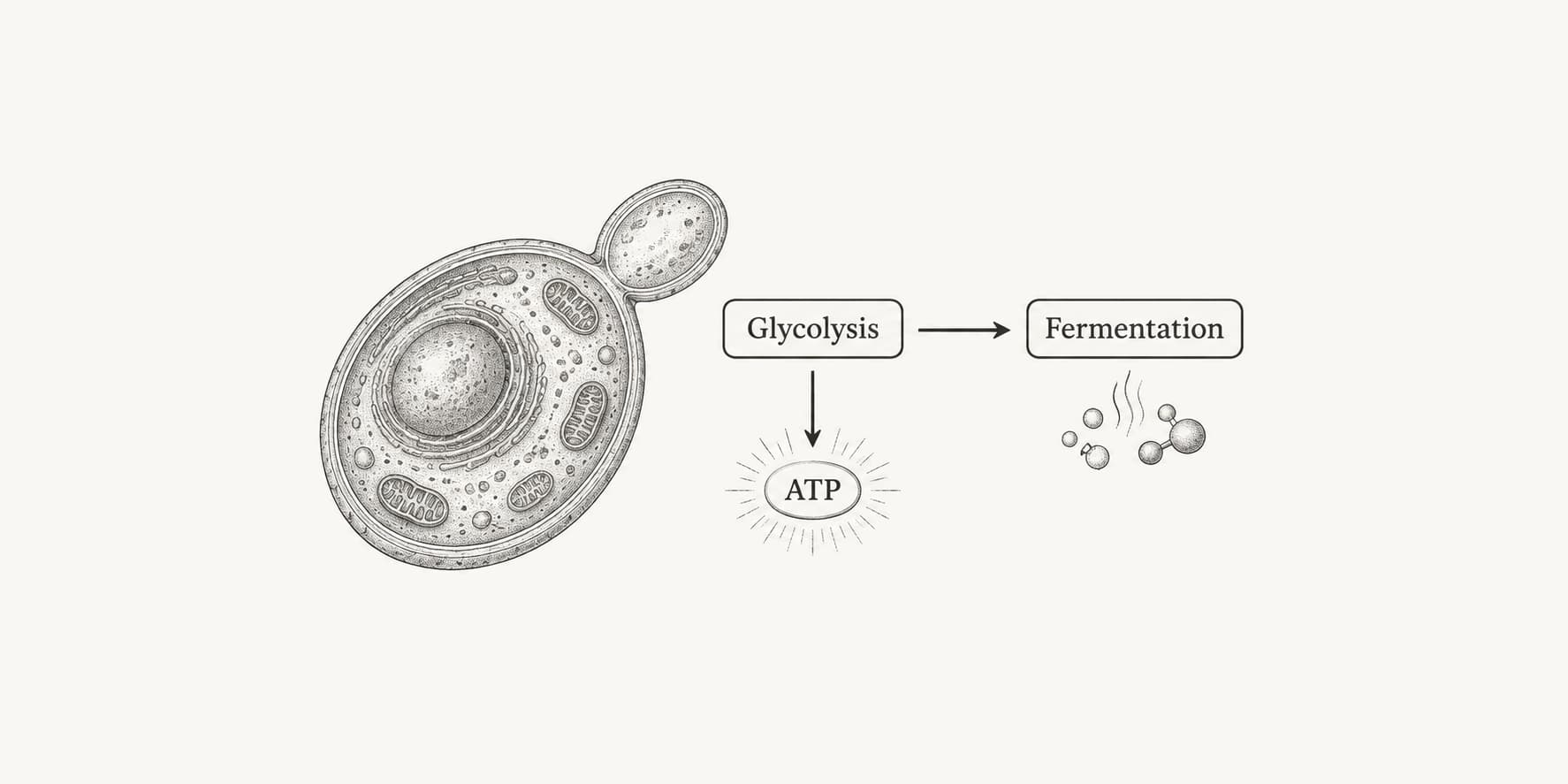
NADH does not add to glycolysis's direct ATP count. It carries electrons that cells can use later in aerobic respiration, or return to NAD⁺ during fermentation.
How many NADH are produced in glycolysis?
One round of glycolysis produces two NADH molecules from two NAD⁺ molecules for every glucose molecule broken down.[1][2]
The pathway also ends with two pyruvate molecules and a net gain of two ATP. The NADH count is already net because glycolysis produces NADH but does not consume it.
The overall accounting is:
Glucose + 2 NAD⁺ + 2 ADP + 2 inorganic phosphate → 2 pyruvate + 2 NADH + 2 H⁺ + 2 ATP + 2 water
At which step of glycolysis is NADH produced?
NADH is produced at step 6 of glycolysis, when glyceraldehyde 3-phosphate dehydrogenase oxidizes glyceraldehyde 3-phosphate and reduces NAD⁺.[1]
One glucose molecule first splits into two three-carbon molecules. Both are converted to glyceraldehyde 3-phosphate, so the step-6 reaction occurs twice. Each reaction produces one NADH, giving two NADH per glucose.
This is glycolysis's only NADH-producing step. It also creates 1,3-bisphosphoglycerate, whose high-energy phosphate supports ATP formation in the next reaction.
How much of cellular respiration's NADH comes from glycolysis?
Glycolysis produces 2 of the 10 NADH molecules formed during the complete aerobic breakdown of one glucose molecule, equal to 20% of the total.
Pyruvate oxidation produces another two NADH, and two turns of the Krebs cycle produce six.[1] The chart counts NADH where it is formed, before its electrons enter oxidative phosphorylation.
Most NADH is therefore produced after glycolysis. Even so, glycolytic NADH explains part of the range in estimates for the ATP yield of cellular respiration.
How much ATP can the NADH from glycolysis produce?
The two NADH produced in glycolysis can contribute about three or five ATP in human cells, depending on which shuttle transfers their electrons into mitochondria.
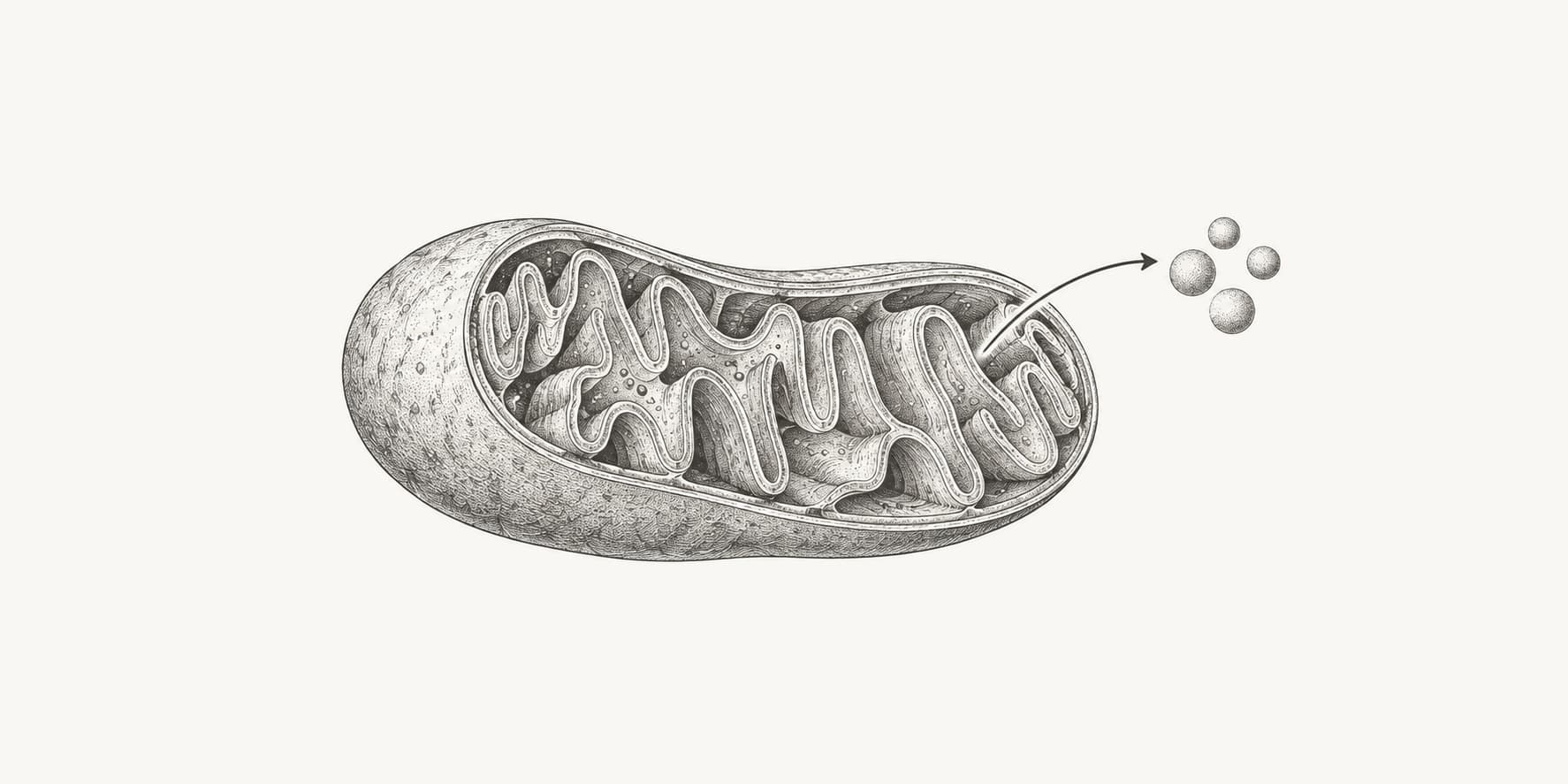
NADH forms in the cytosol, but the inner mitochondrial membrane does not allow NADH itself to cross. The malate-aspartate and glycerol 3-phosphate shuttles transfer its reducing equivalents across the membrane instead.[3]
The malate-aspartate shuttle preserves entry through mitochondrial NADH, commonly estimated at about 2.5 ATP per electron pair. This gives about 5 ATP from the two glycolytic NADH. The glycerol 3-phosphate shuttle passes the electrons into the respiratory chain at a lower-energy point, commonly estimated at about 1.5 ATP per pair, for about 3 ATP.[4]
Without sufficient oxygen, cells can use NADH to reduce pyruvate to lactate. This converts the two NADH back to two NAD⁺, allowing glycolysis to continue but producing no extra ATP beyond glycolysis's net two. The same recycling principle applies to fermentation.[1]