How many ATP are produced in the Krebs cycle?
The Krebs cycle directly produces 2 ATP equivalents per glucose. Its NADH and FADH2 can support another 18 ATP through oxidative phosphorylation.
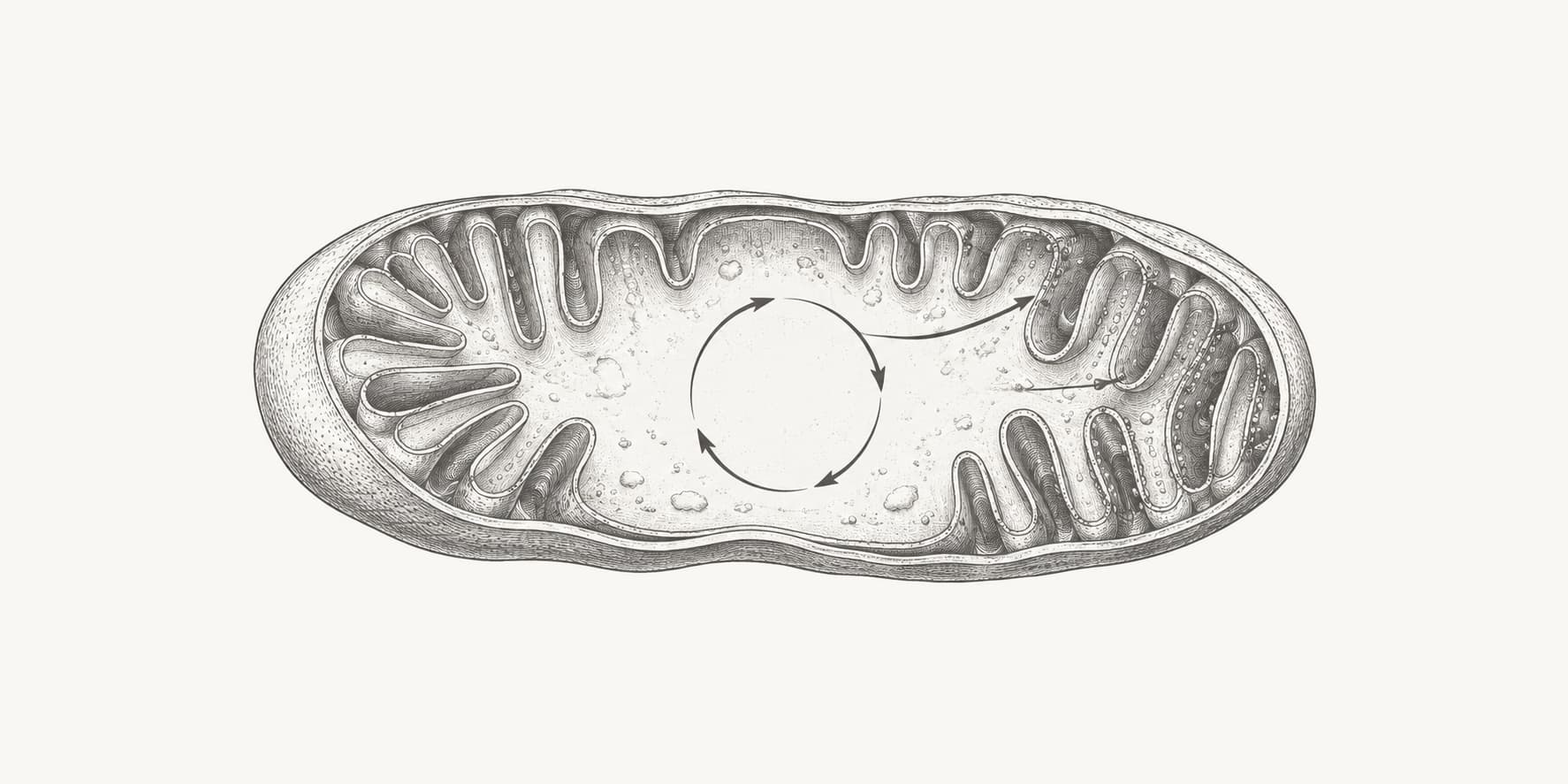
The Krebs cycle directly produces 2 ATP equivalents per glucose molecule. It also produces 6 NADH and 2 FADH₂, which carry most of the captured energy to oxidative phosphorylation.
Using the conventional values of 2.5 ATP per NADH and 1.5 ATP per FADH₂, those electron carriers can support another 18 ATP. This is why the answer may be given as either 2 ATP or 20 ATP equivalents, depending on what is being counted.
How many ATP are produced in the Krebs cycle?
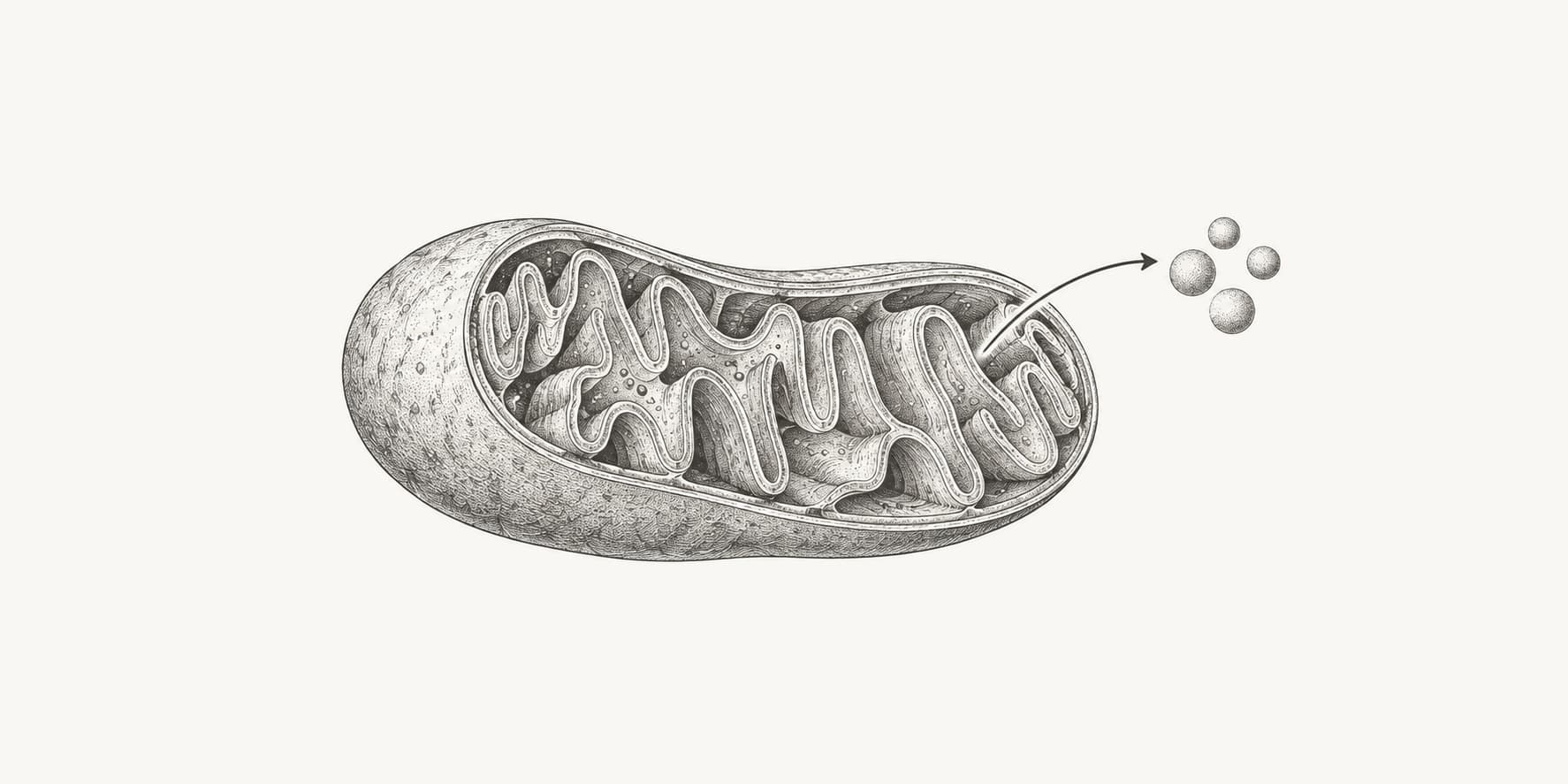
The Krebs cycle directly produces 2 ATP equivalents per glucose, one during each of its two turns.[1][2][3]
Each glucose forms two acetyl-CoA molecules, so the cycle turns twice. One turn produces one GTP or ATP by substrate-level phosphorylation. In human cells, the commonly described product is GTP, whose terminal phosphate can transfer to ADP to form ATP.[1][2]
The distinction between GTP and ATP does not change the energy count. One GTP is treated as one ATP equivalent, giving 2 ATP equivalents per glucose.
This direct yield equals the net ATP from glycolysis, although the two pathways form it through different enzyme reactions.
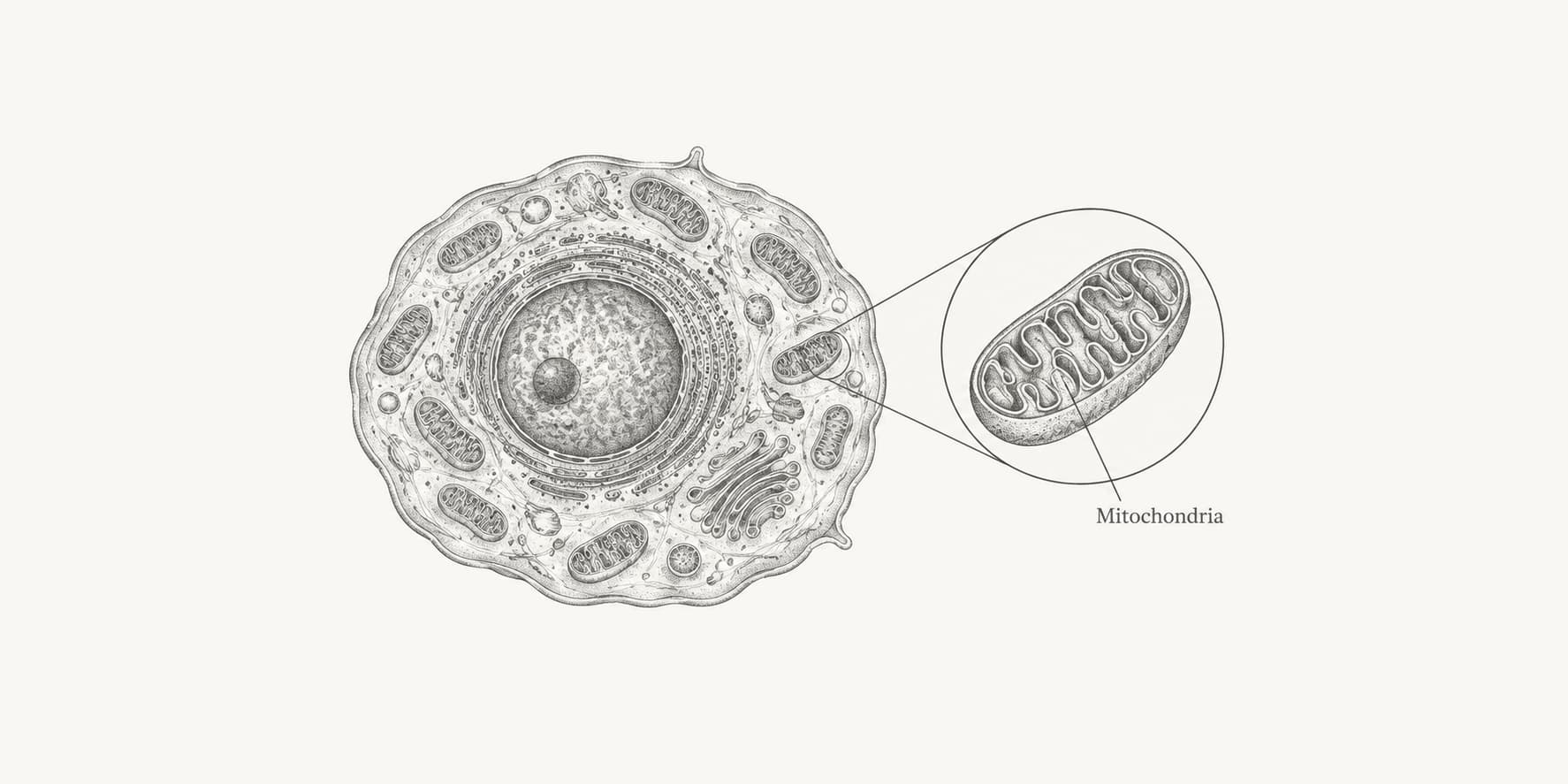
The cycle runs mainly in the mitochondrial matrix. Succinate dehydrogenase is the exception because it sits in the inner mitochondrial membrane, where it also functions as complex II of the electron transport chain.[5] The number and structure of mitochondria vary greatly among human cell types.
How many NADH and FADH₂ are produced in the Krebs cycle?
Per glucose, the Krebs cycle produces 6 NADH and 2 FADH₂. It also releases 4 carbon dioxide molecules and forms 2 GTP or ATP equivalents.[2][3]
The outputs double because one glucose supplies two acetyl-CoA molecules:
| Product | Per turn | Per glucose |
|---|---|---|
| ATP or GTP | 1 | 2 |
| NADH | 3 | 6 |
| FADH₂ | 1 | 2 |
| Carbon dioxide | 2 | 4 |
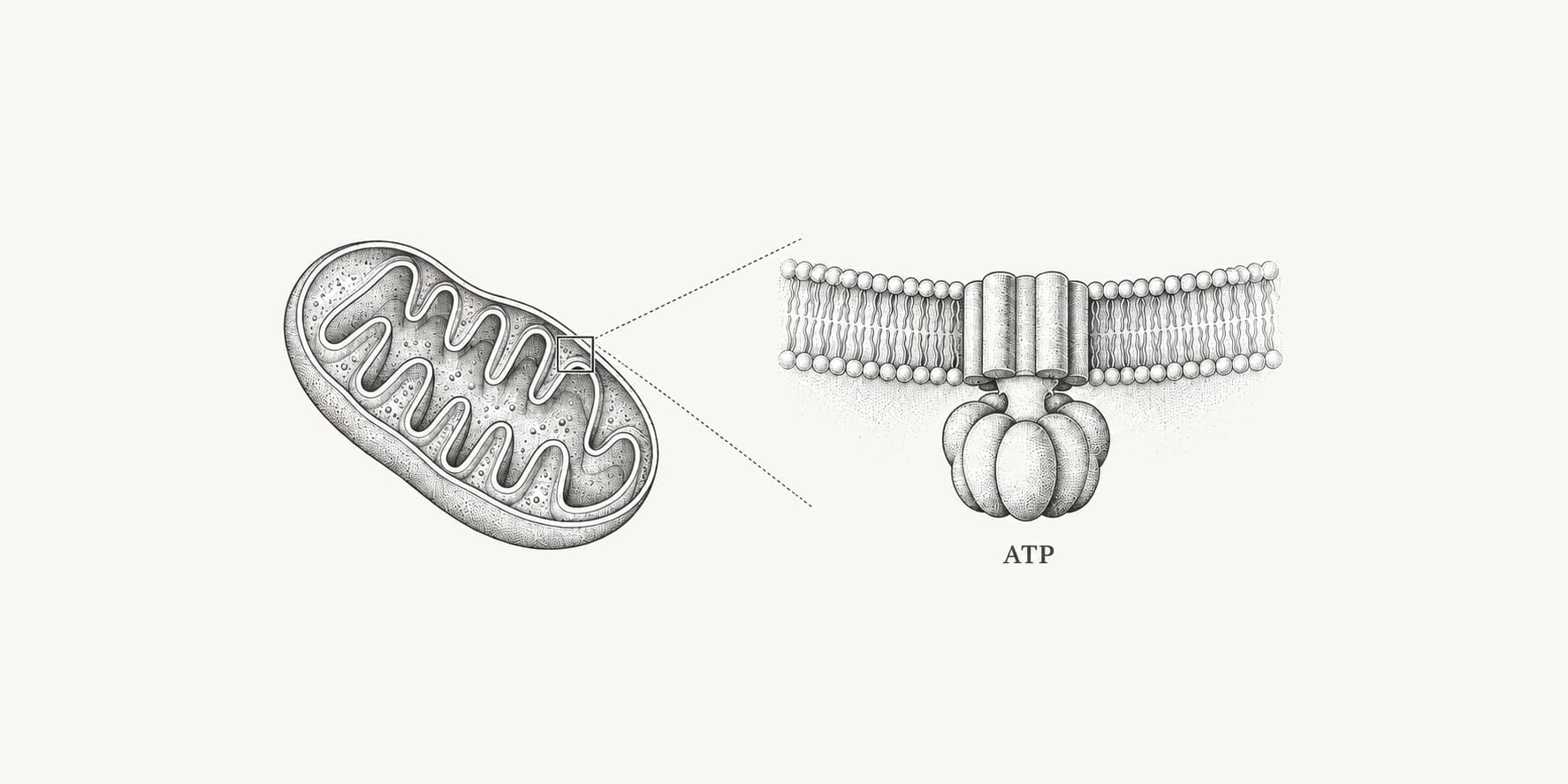
NADH and FADH₂ are not ATP. They carry electrons to the respiratory chain, which uses their energy to create the proton gradient that drives ATP synthase. The cycle therefore stores far more energy in electron carriers than it captures through direct phosphorylation.
How many ATP does the citric acid cycle produce in total?
The products of the citric acid cycle account for about 20 ATP equivalents per glucose under conventional modern accounting: 2 directly, 15 from 6 NADH, and 3 from 2 FADH₂.[2][4]
Only the 2 ATP equivalents from GTP are made inside the cycle. The remaining 18 are produced later through oxidative phosphorylation, using the electrons carried by NADH and FADH₂.
The 20-ATP figure uses the common textbook estimates of 2.5 ATP per NADH and 1.5 ATP per FADH₂. These values are useful accounting conventions, not fixed molecule-for-molecule yields in every mitochondrion. Proton leak, membrane transport, ATP synthase structure, and cellular conditions can change the measured yield.[4]
Why do some sources say the Krebs cycle produces 24 ATP?
Older sources often assign 3 ATP to each NADH and 2 ATP to each FADH₂. By that accounting, the products from two turns yield 18 ATP from NADH, 4 from FADH₂, and 2 directly, for a total of 24 ATP equivalents per glucose.[1]
Modern estimates lowered the nominal yields because electron transport and ATP synthesis are not coupled in exact multiples of three ATP per NADH and two per FADH₂.[4] The direct answer remains unchanged: two turns of the cycle form 2 ATP equivalents. The difference between 20 and 24 comes from how later oxidative phosphorylation is counted.