How many ATP are produced in glycolysis?
Glycolysis produces four ATP molecules but uses two, leaving a net gain of two ATP per glucose molecule.
Glycolysis produces four ATP molecules, but it also consumes two ATP molecules. The net gain is therefore two ATP per glucose molecule.
The pathway also converts one glucose into two pyruvate molecules and produces two NADH. Those products can release more energy later, but they are not part of glycolysis's direct ATP total.
How many ATP are produced in glycolysis?
Glycolysis produces four ATP molecules and uses two, giving a net yield of two ATP for each glucose molecule.[1]
Both numbers are correct. “Four ATP” is the gross production in the payoff phase. “Two ATP” is the net amount left after subtracting the ATP spent in the investment phase:
4 ATP produced - 2 ATP consumed = 2 net ATP
Glycolysis takes place in the cytosol and consists of ten enzyme-catalyzed reactions. One six-carbon glucose becomes two three-carbon pyruvate molecules, so every reaction after the split occurs twice per glucose.[1][2]
Why does glycolysis produce four ATP but only two net ATP?
Two early reactions consume one ATP each, while two later reactions produce two ATP each. This is why the gross yield is four ATP and the net yield is two ATP.
Hexokinase uses the first ATP to phosphorylate glucose. Phosphofructokinase-1 uses the second to phosphorylate fructose 6-phosphate. These two reactions make up the pathway's ATP investment.
After the six-carbon sugar splits, phosphoglycerate kinase and pyruvate kinase each form one ATP from each of the two three-carbon intermediates. Each ATP-producing reaction therefore happens twice, yielding four ATP in total.[1][2]
The chart shows ATP molecules consumed or produced per glucose. It displays the magnitude of each step; the reaction labels state whether ATP is spent or made.
Does glycolysis produce the same amount of ATP with and without oxygen?
Glycolysis has the same direct net yield of two ATP per glucose whether oxygen is present or absent.[1]
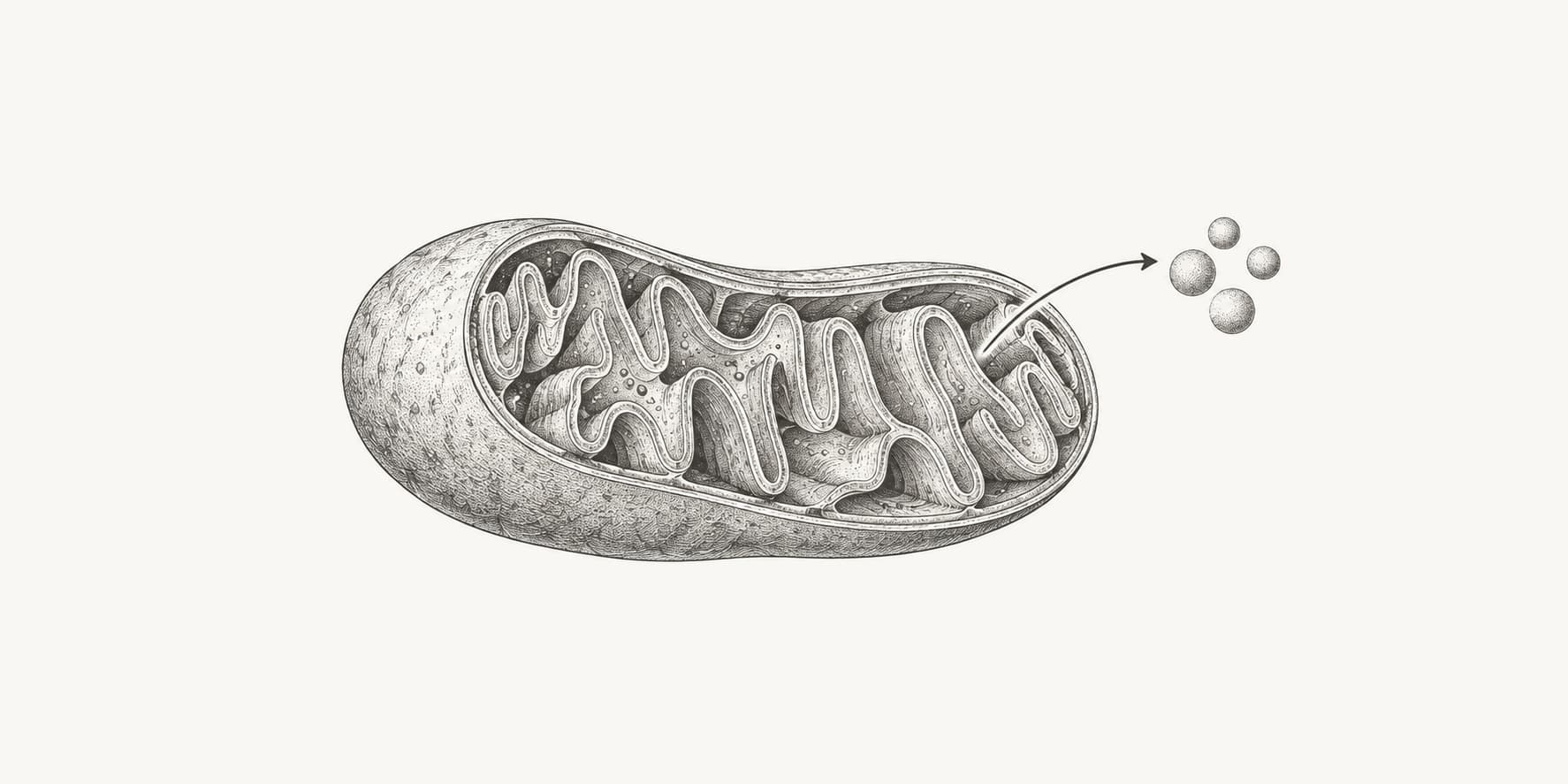
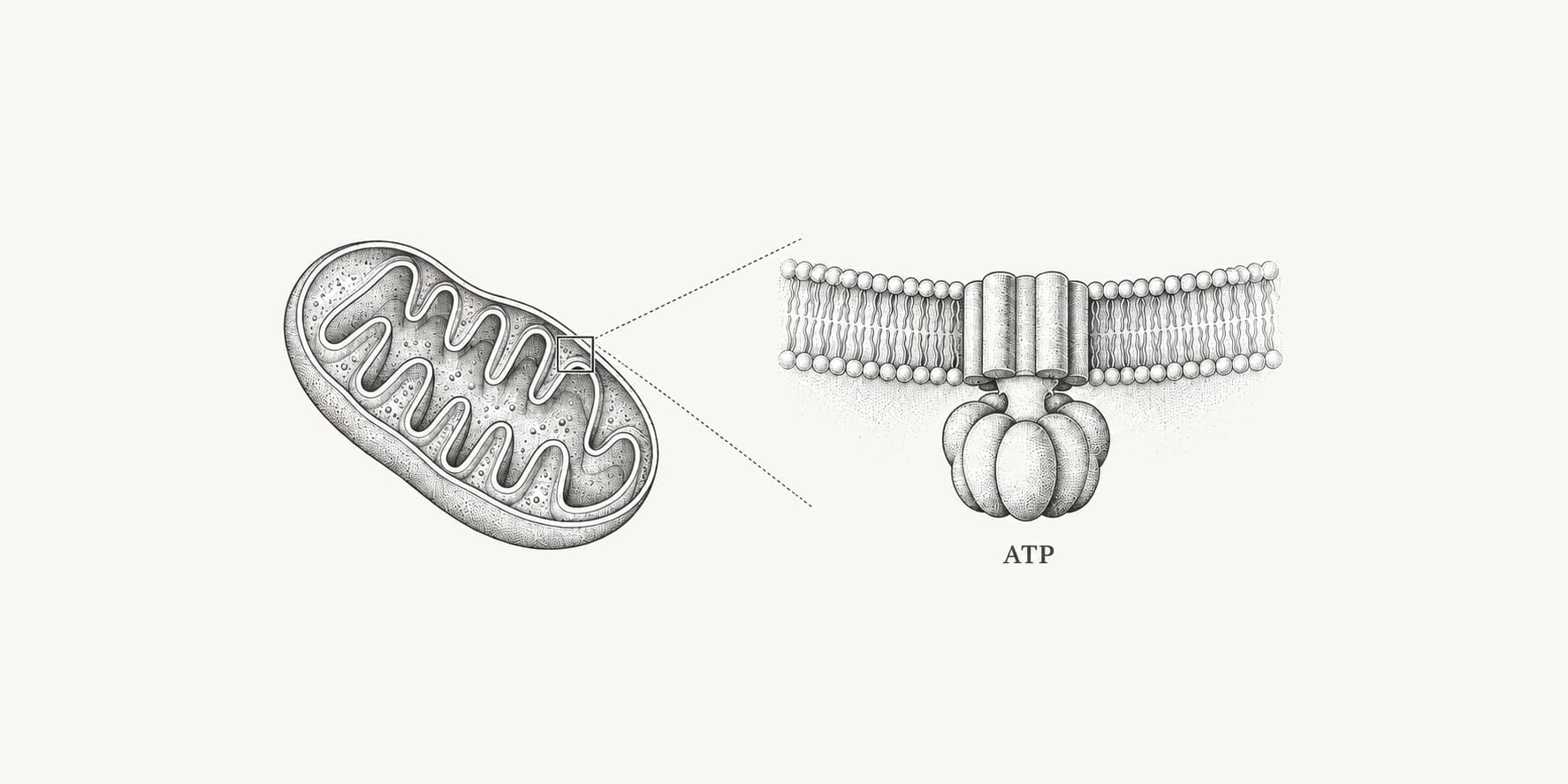
Oxygen changes what happens after glycolysis. Under aerobic conditions, cells can pass the electrons from glycolytic NADH into mitochondrial oxidative phosphorylation, while pyruvate can continue into aerobic metabolism. That later ATP is part of cellular respiration, not the direct glycolytic yield.[1][2]
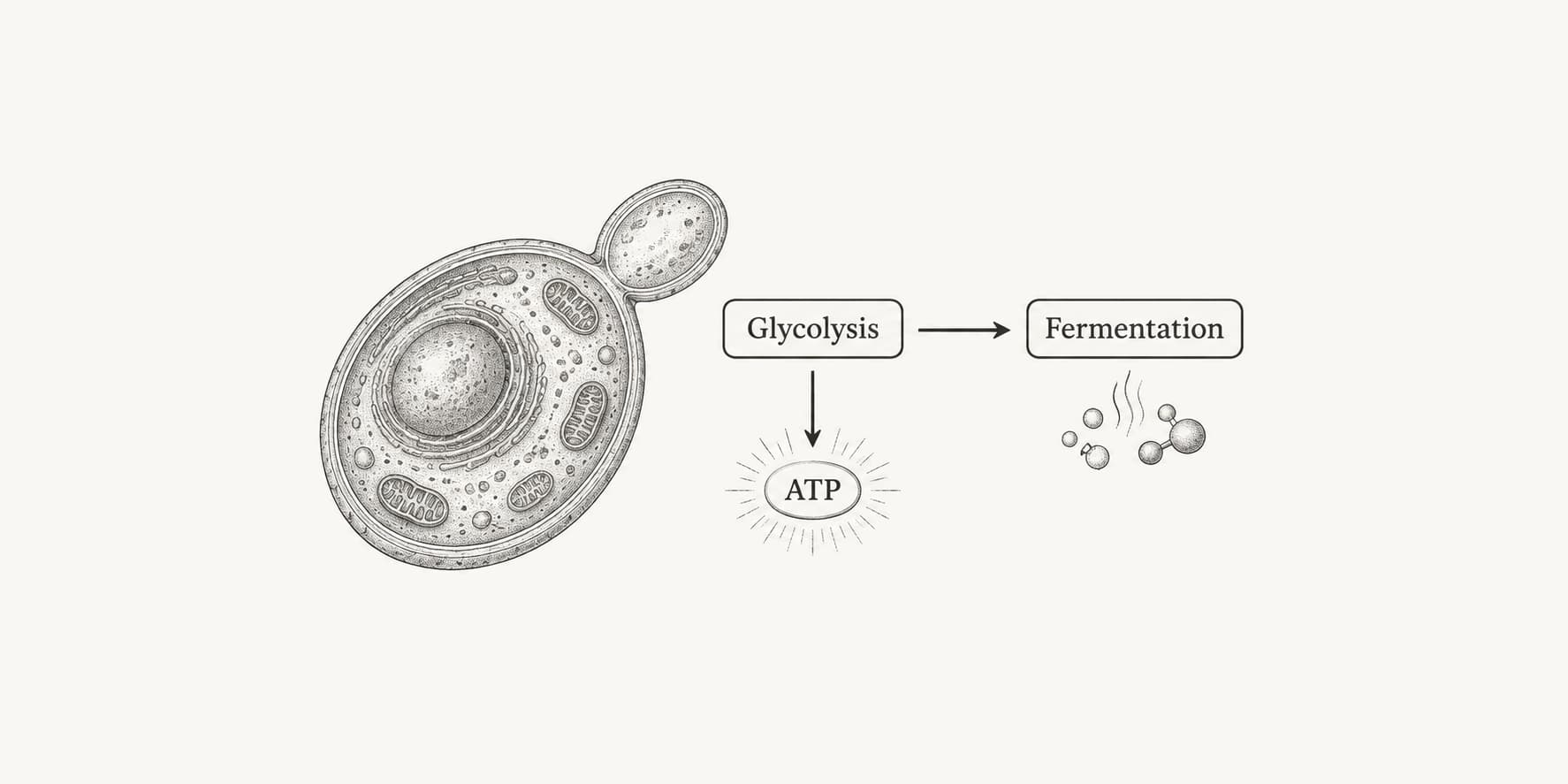
Without oxygen, fermentation regenerates the NAD+ needed to keep glycolysis running. It does not add ATP beyond the two net ATP made by glycolysis. Cells without functional mitochondria, including mature red blood cells, depend on this cytosolic pathway for ATP.[1][2]