How many red blood cells are in the human body?
A 70-kilogram reference man has about 25 trillion red blood cells. Around 210 billion are removed and replaced each day.
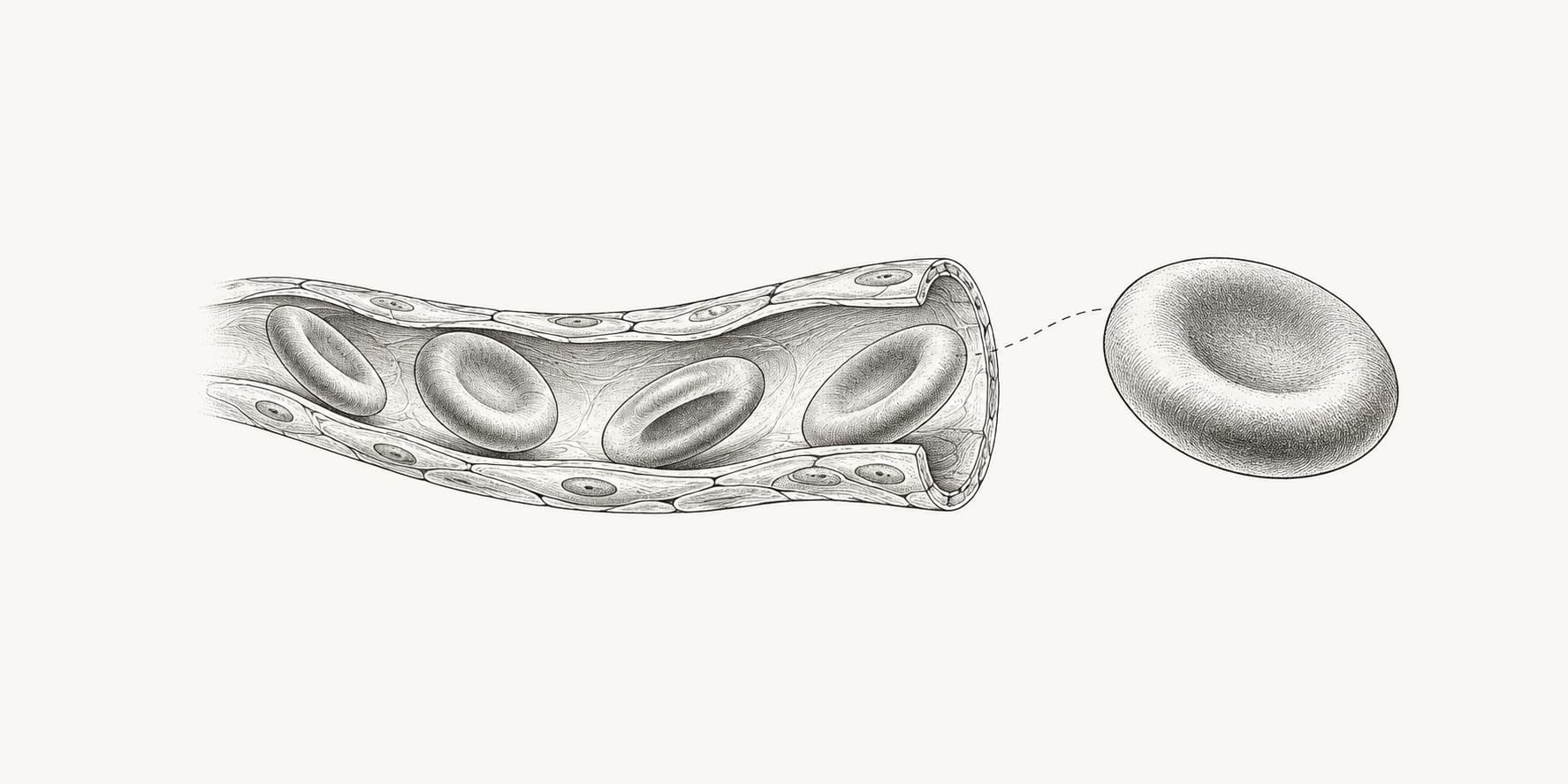
A 70-kilogram reference man has about 25 trillion red blood cells. They account for most of the human body's cell count, even though they make up only a small share of its mass.
Around 210 billion red blood cells are removed and replaced each day. That is about 2.4 million cells per second.
How many red blood cells are in the human body?
A 70-kilogram reference man has about 25 trillion red blood cells, making them the most numerous human cell type.[1]
The estimate multiplies an average blood volume of 4.9 liters by an average red blood cell concentration of 5 trillion cells per liter. Both values vary among people, so 25 trillion describes a reference body rather than every adult.[1]
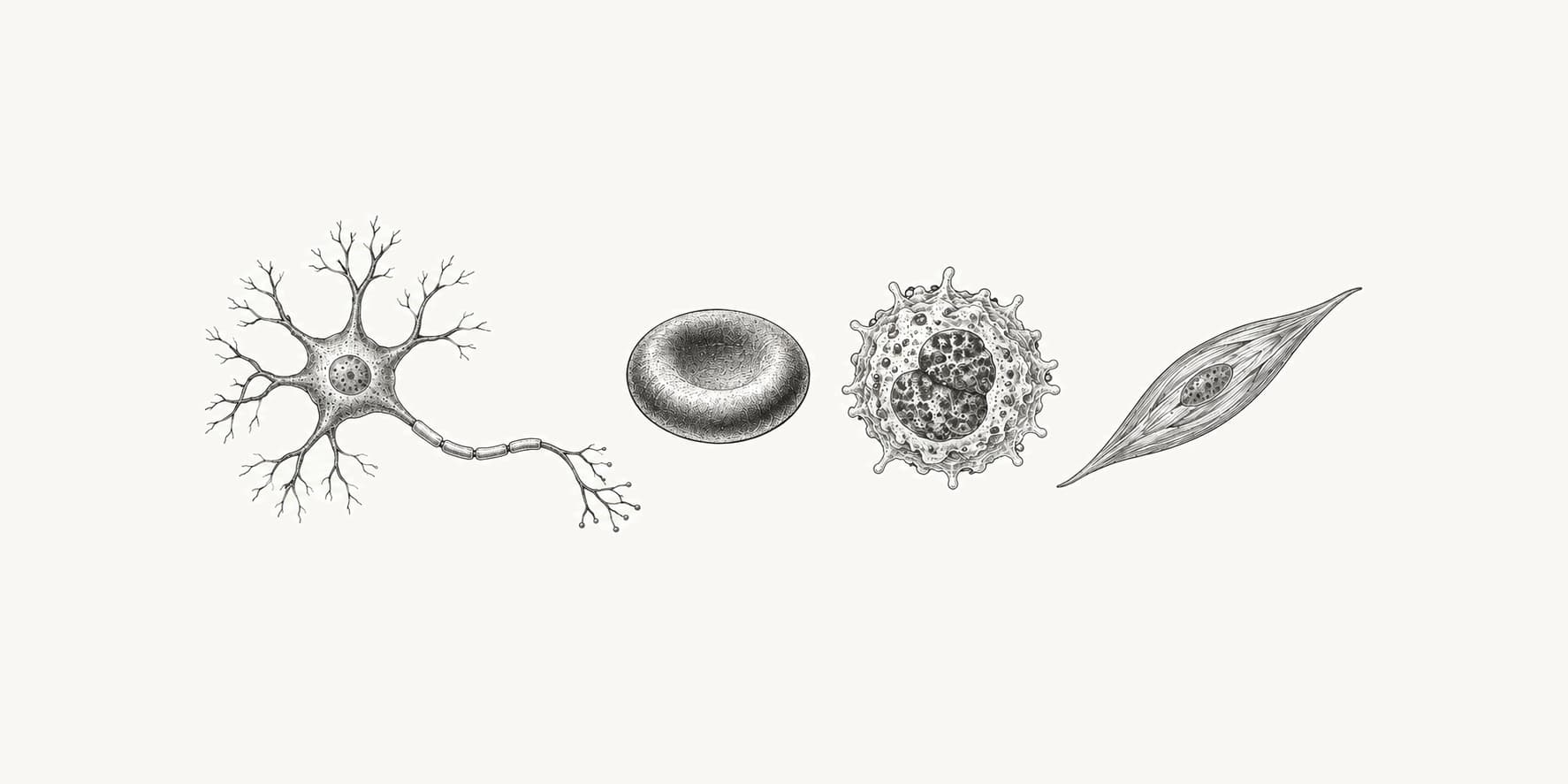
Red blood cells are unusually small. Their number dominates the cell census, while larger fat and muscle cells dominate cellular mass. Mature red blood cells also have no nucleus, so they do not contribute nuclear DNA to estimates of DNA length across the body.
How long do red blood cells live?
A red blood cell circulates for about 120 days before macrophages remove it, mainly in the spleen and liver.[3]
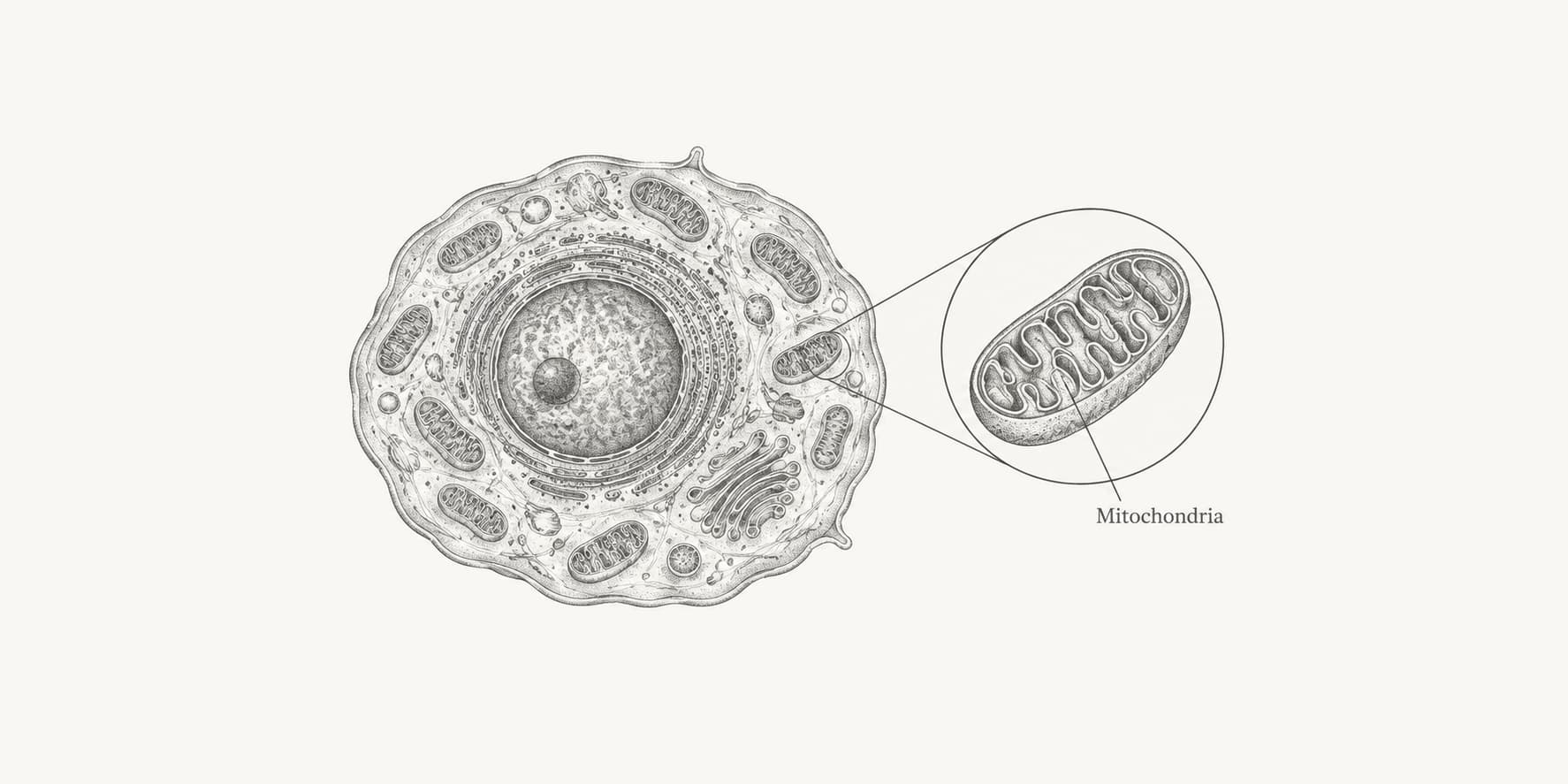
Mature red blood cells lack a nucleus and most organelles. Their biconcave shape and flexible membrane let them pass through narrow capillaries while their hemoglobin carries oxygen. Hemoglobin is the dominant protein inside these cells, although collagen remains the most abundant protein in the body as a whole.
How many red blood cells are produced each day?
The body removes and replaces about 210 billion red blood cells per day in a healthy reference adult.[2]
That works out to roughly 8.8 billion per hour, 146 million per minute, or 2.4 million per second. These are ProteinIQ calculations from the daily turnover estimate.
Red blood cells account for most of the body's cell turnover by number. Production in bone marrow normally balances removal, keeping the circulating population broadly stable even as individual cells age and disappear.