Protein guides, page 2
Guides on protein types, structure confidence scores, peptide synthesis, and protein numbers in the human body.
Proteins ·
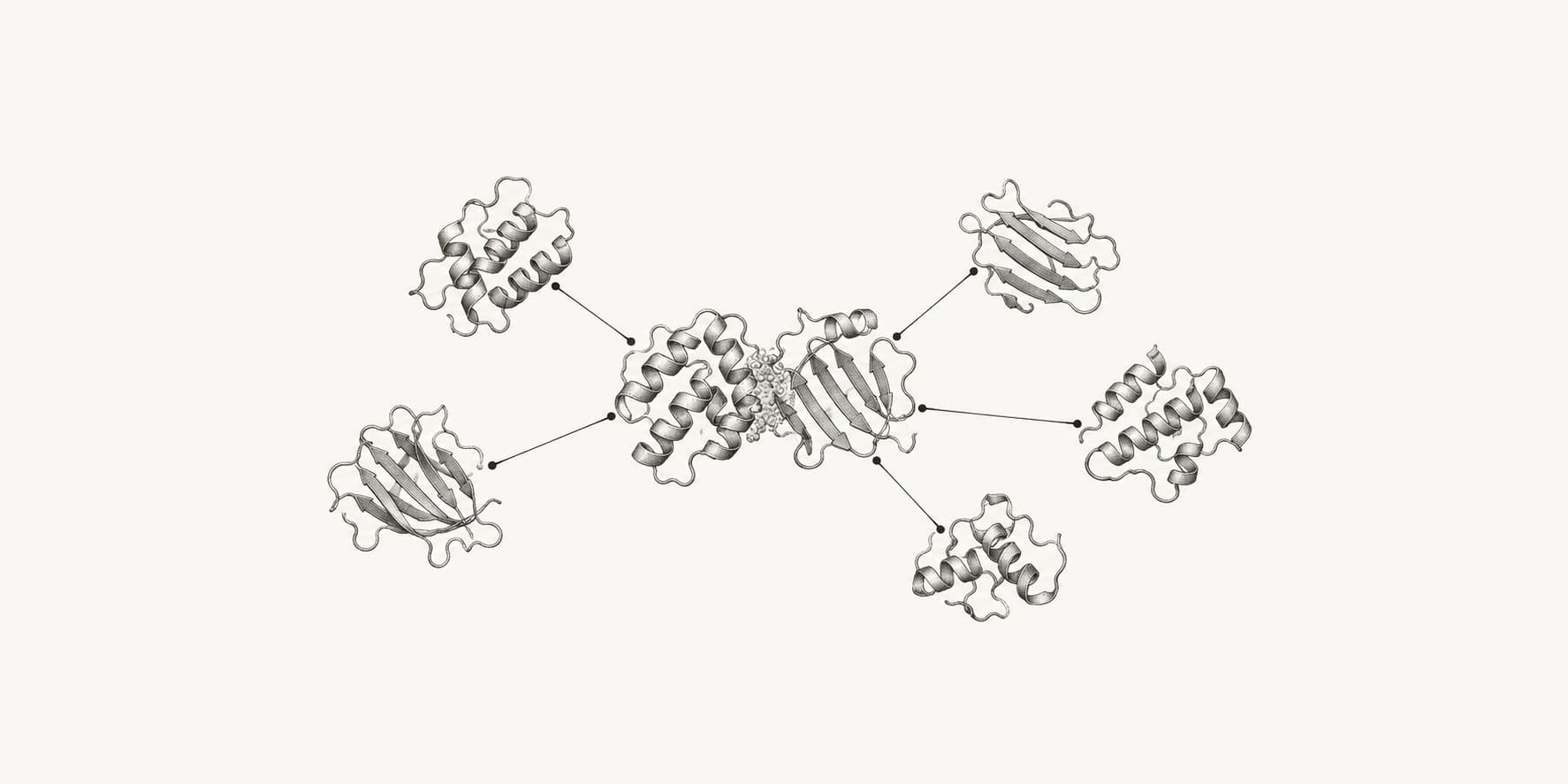
How many protein interactions are in the human interactome?
The human binary interactome probably contains hundreds of thousands to a few million protein-protein interactions. This guide separates estimates from experimental maps, curated evidence and predicted edges.
Proteins ·
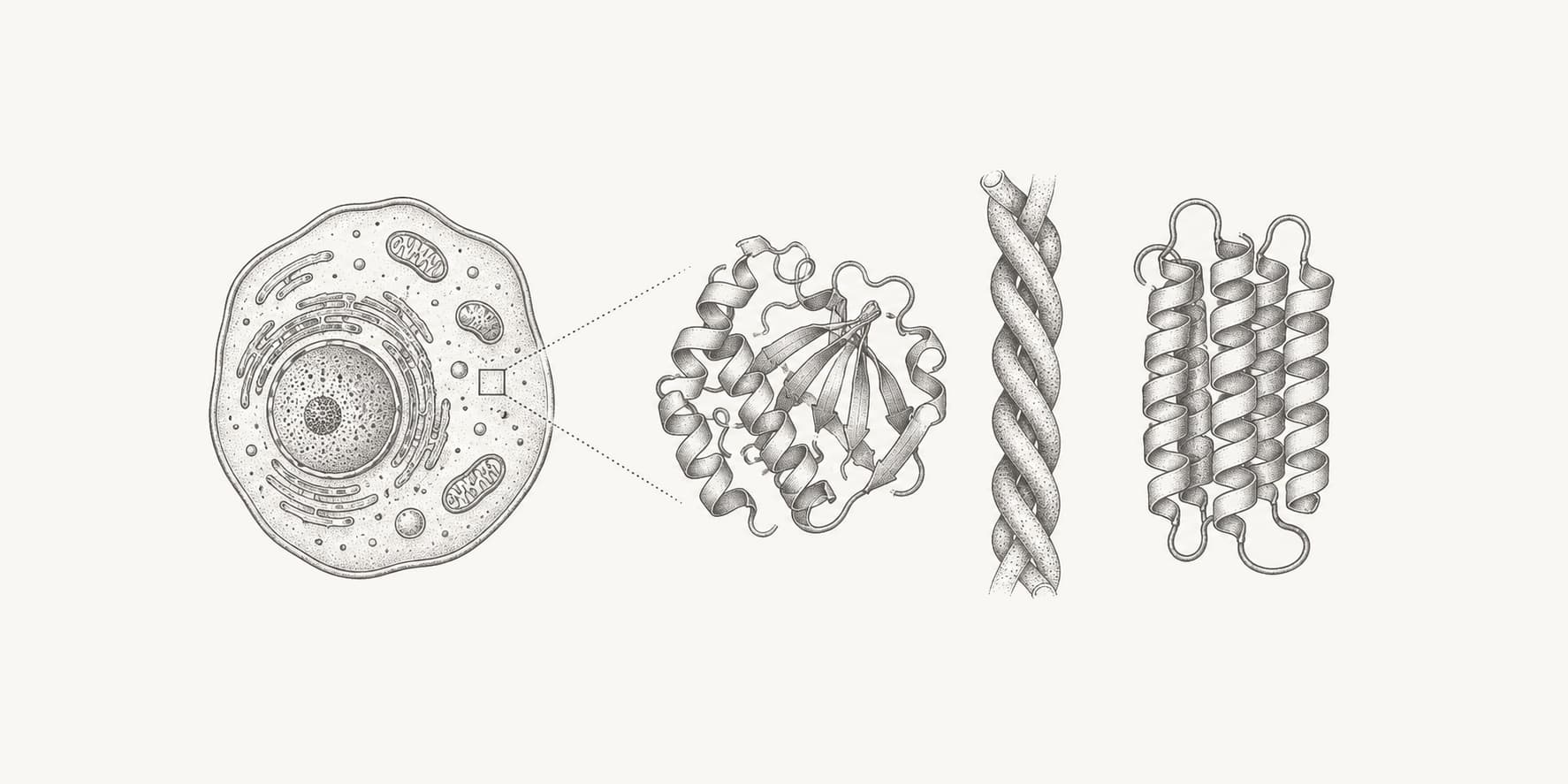
How many proteins are in the human body?
The human proteome has about 19,400 reference protein types, 172,117 annotated translations, and likely millions of proteoforms. Its measured subsets use different definitions and denominators.
Proteins ·
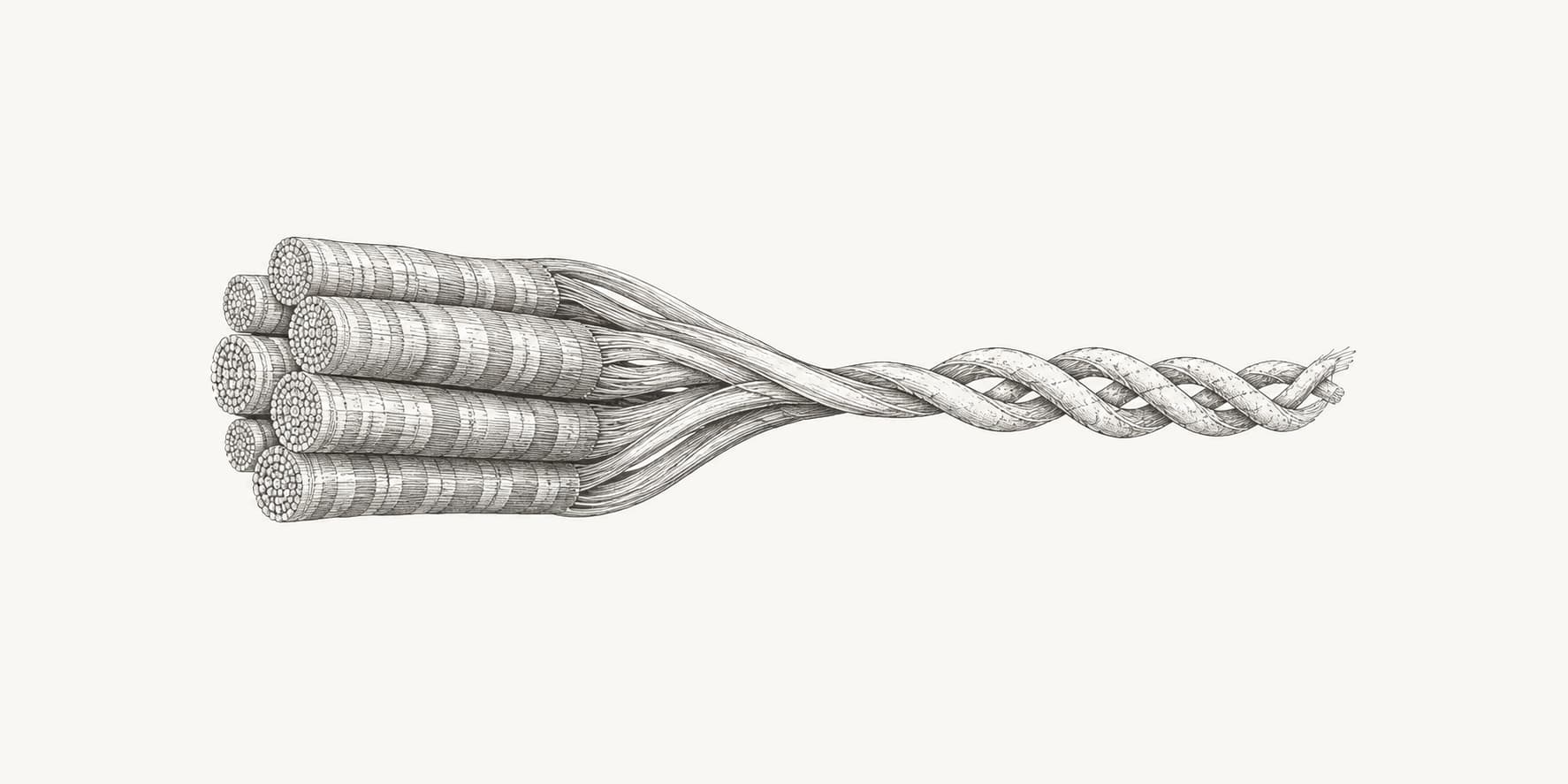
What is the most abundant protein in the human body?
Collagen is considered the most abundant protein in the human body by total mass, but actin, hemoglobin, and albumin lead under other definitions of abundance.
Proteins ·
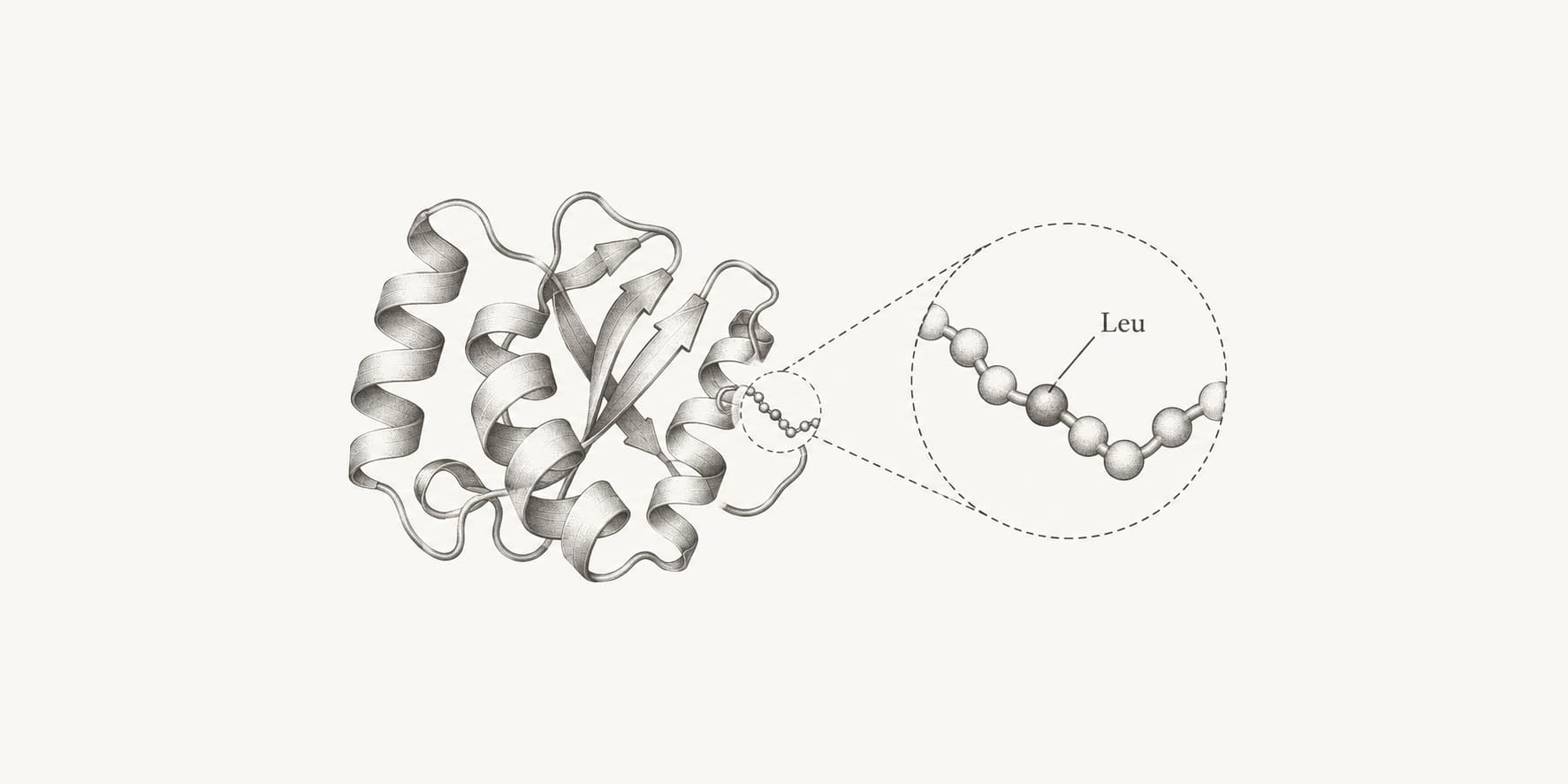
What's the most common amino acid?
Leucine is the most abundant standard amino acid in reviewed Swiss-Prot protein sequences at 9.65%. The answer differs for collagen, individual proteomes, diets, and free amino acids.
Proteins ·
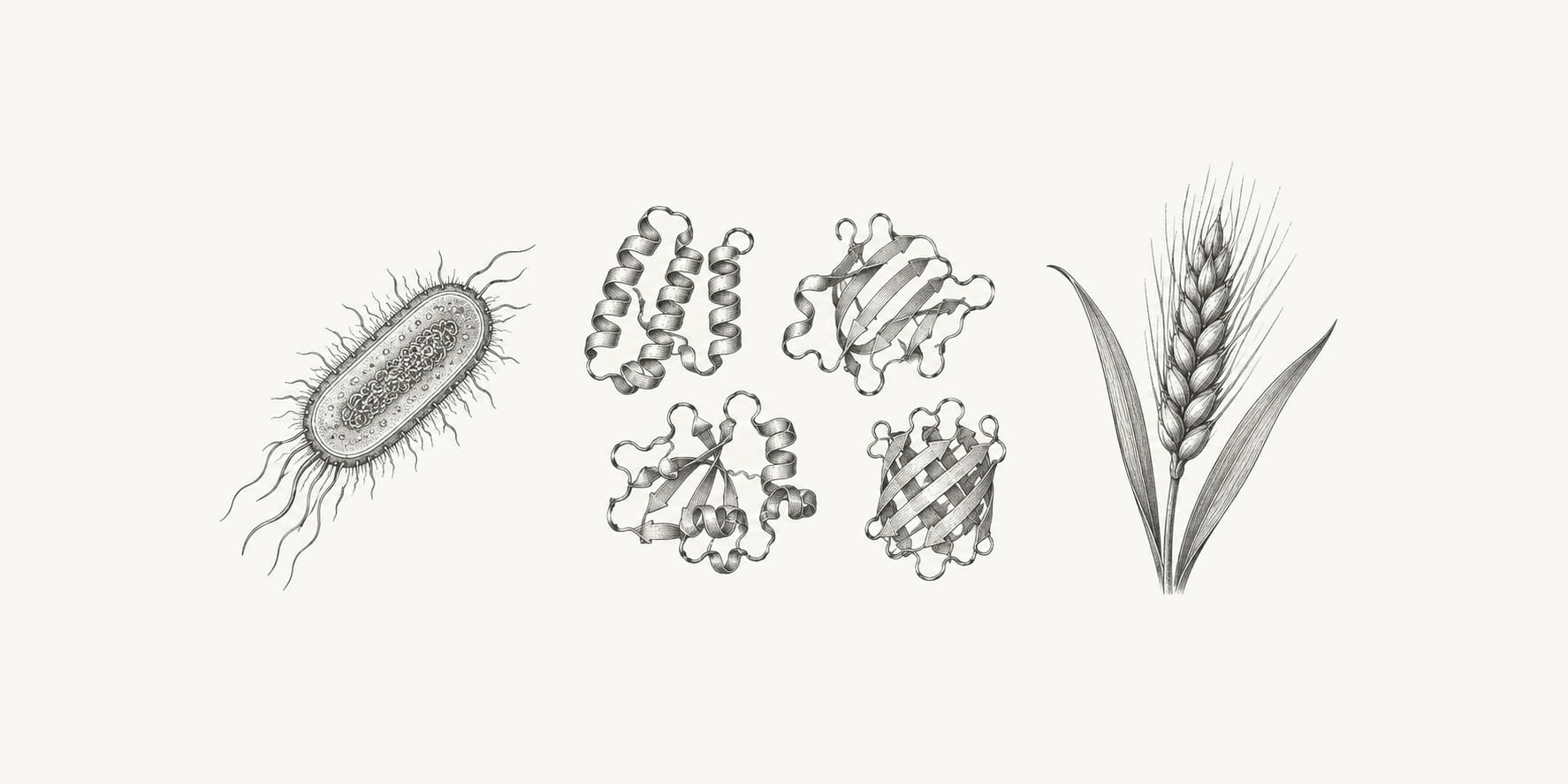
Proteome sizes by species: protein counts compared
Compare protein-coding genes, UniProtKB entries, and separate isoforms across 12 reference proteomes, with scope-aware examples of large and small proteomes.
Proteins ·
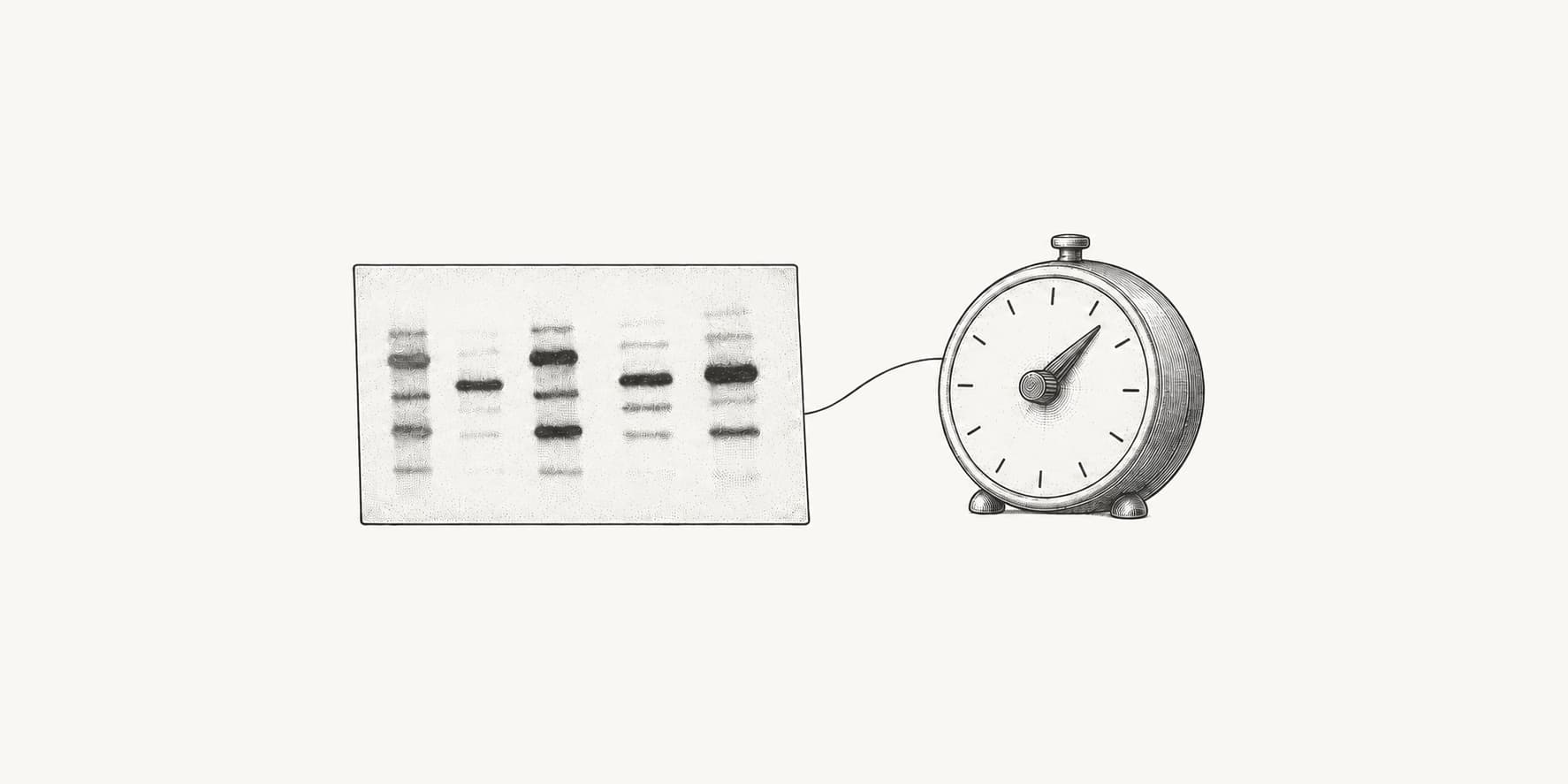
How long does a western blot take?
A western blot can be completed in one working day, but many laboratory protocols run across two days because the primary antibody incubates overnight at 4°C.
Proteins ·
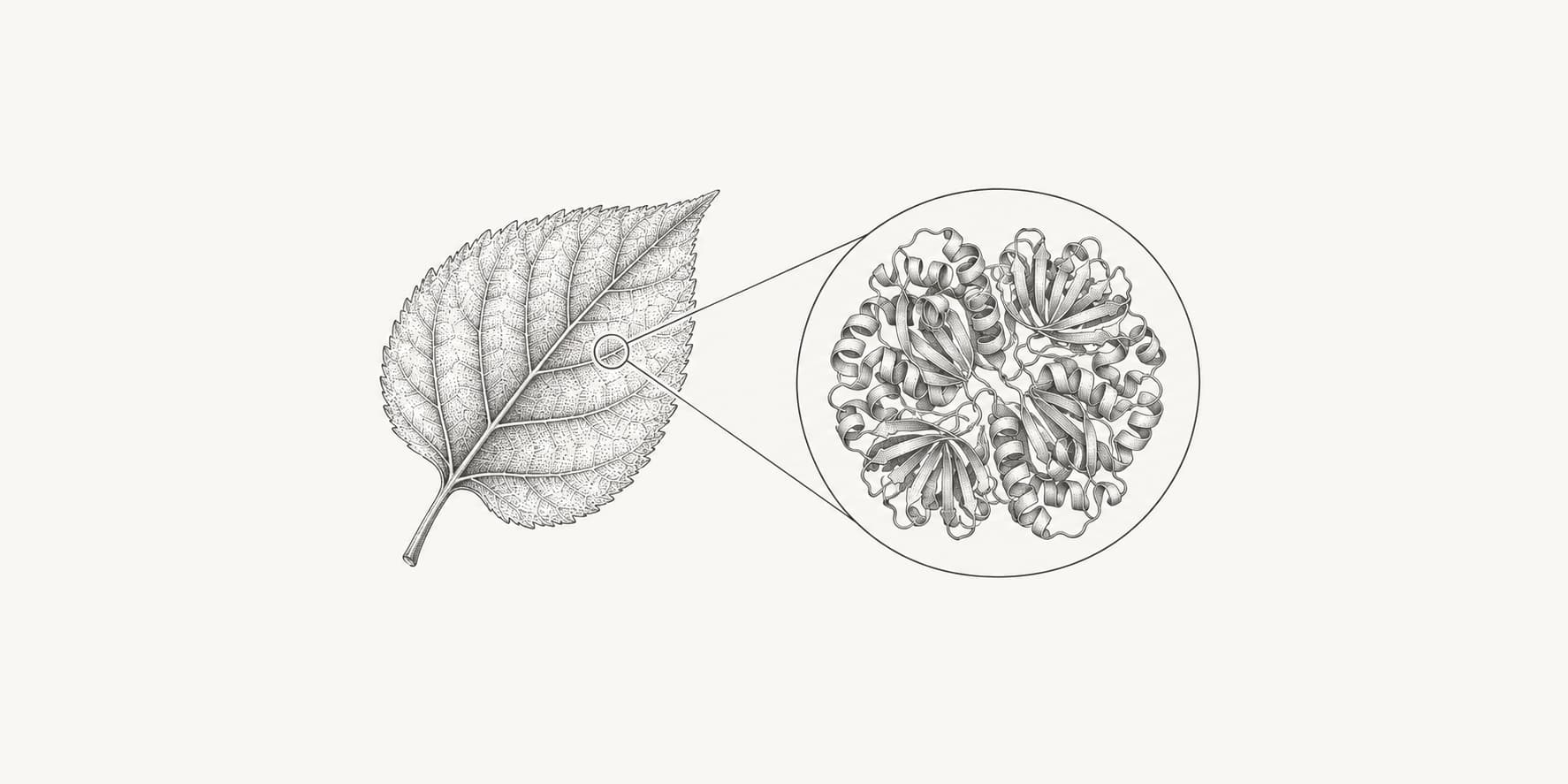
What is the most abundant protein on Earth?
Rubisco is considered the most abundant protein and enzyme on Earth, with an estimated global mass of about 0.7 gigatonnes. The ranking remains a well-supported claim rather than a complete census.
Proteins ·
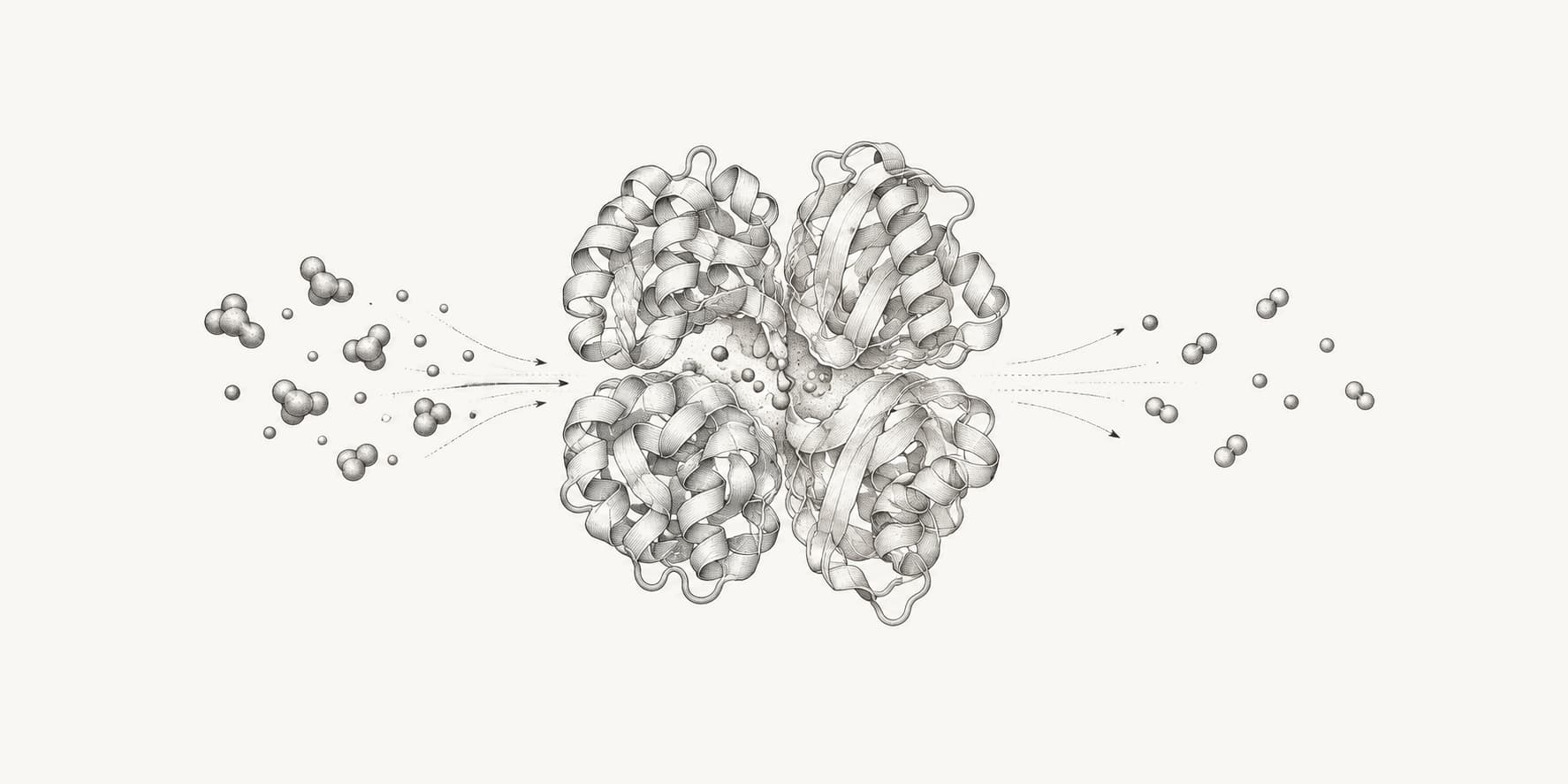
What is the fastest enzyme?
Catalase is the fastest enzyme by maximum turnover number. One catalase molecule can decompose an estimated 16 million to 44 million hydrogen peroxide molecules per second.

Proteins ·
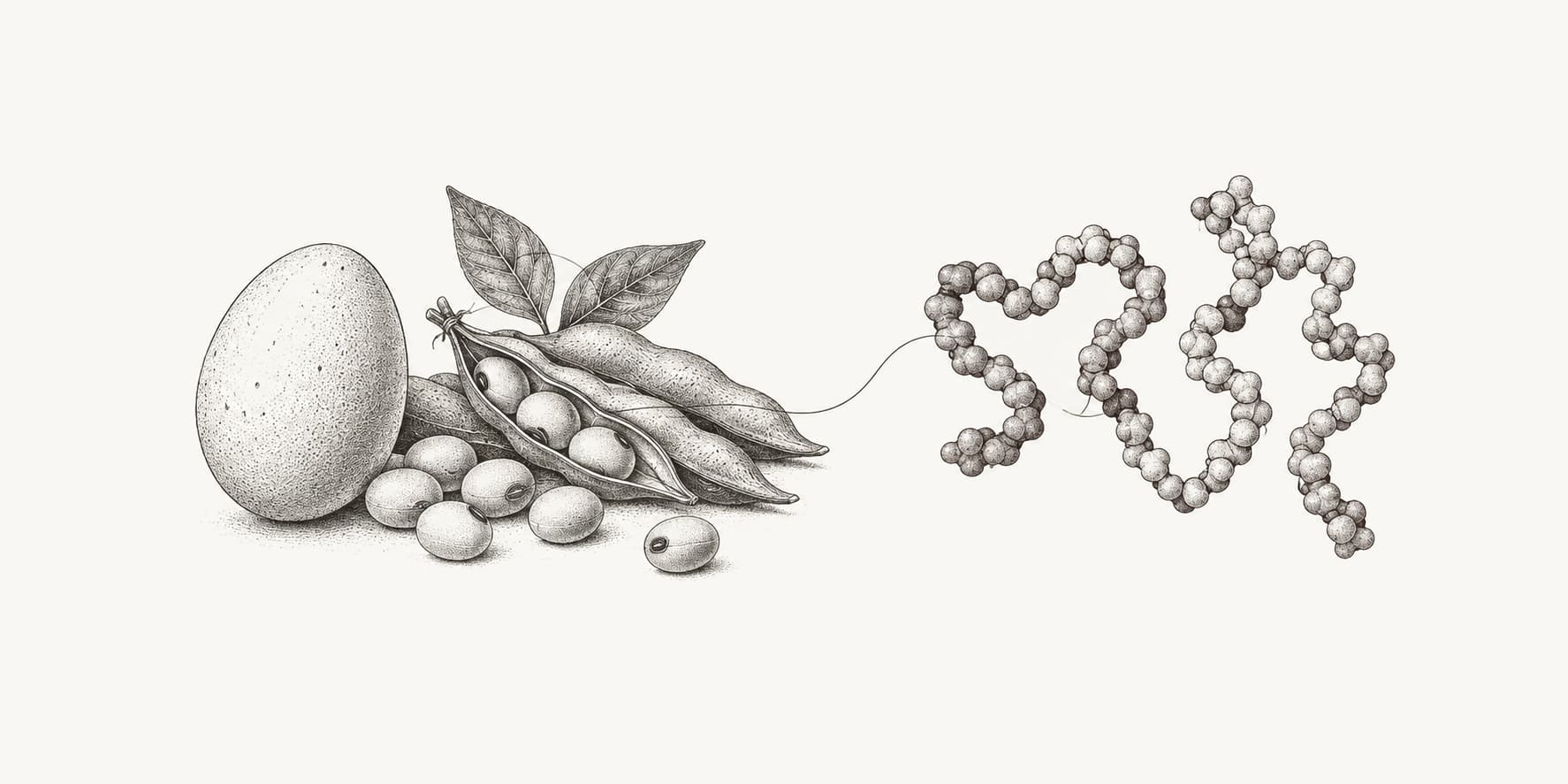
How many amino acids are in insulin?
Mature human insulin has 51 amino acid residues across two chains. Its 110-residue precursor is shortened during processing before the hormone is secreted.
Proteins ·
How many amino acids are in a complete protein?
A complete protein supplies all nine essential amino acids in adequate amounts. An incomplete protein has too little of one or more, but usually still contains all nine.
Proteins ·
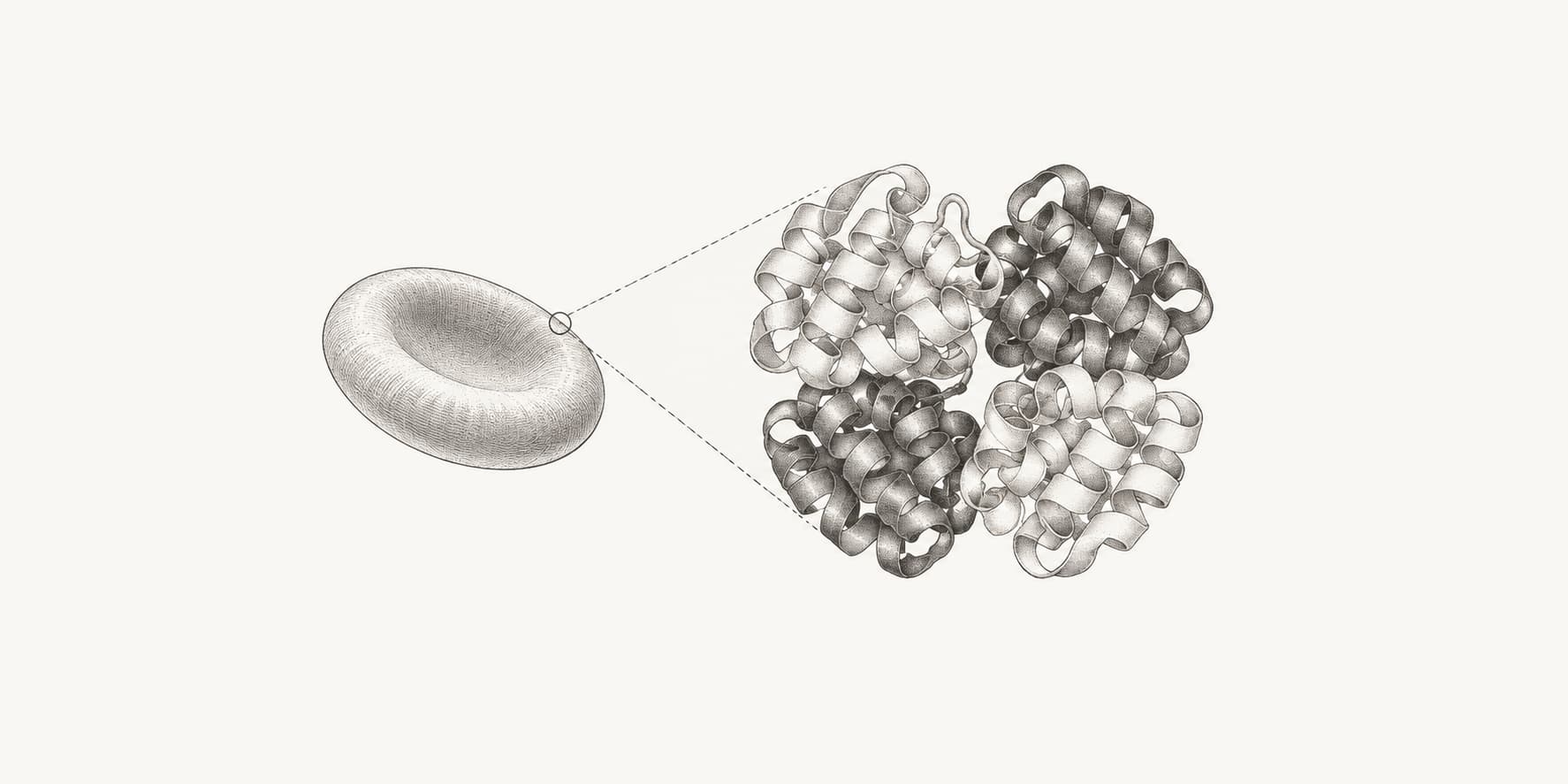
How many amino acids are in hemoglobin?
Mature adult hemoglobin A contains 574 amino acid residues across four subunits. Counts of 578, 142, or 147 include initiator methionines or refer to individual chains.
Proteins ·
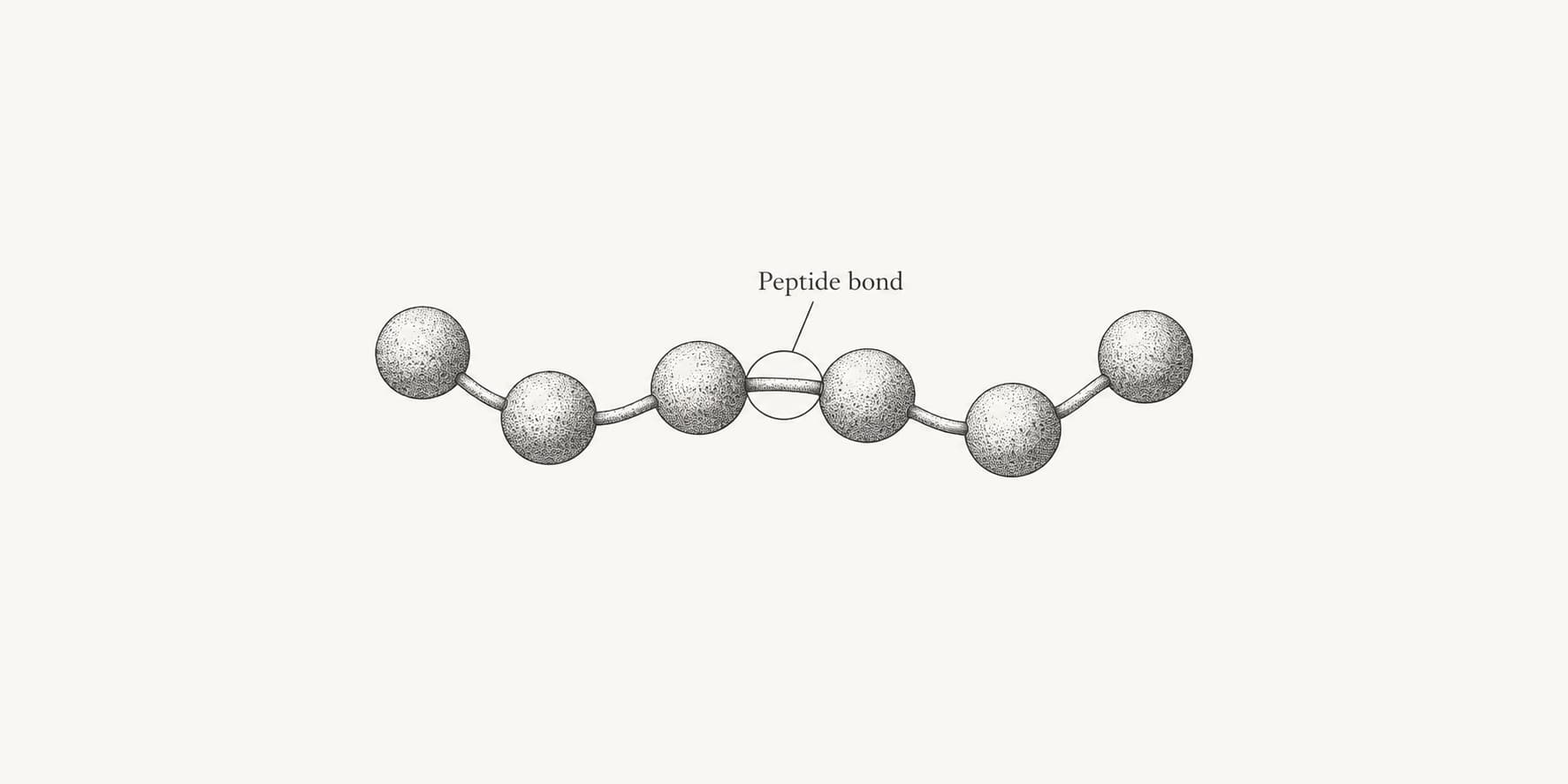
How many peptide bonds are in a peptide?
A single linear peptide chain has one fewer peptide bond than amino acid residues. See the counts for dipeptides through hexapeptides, 100-residue chains, insulin, and cyclic peptides.
Proteins ·
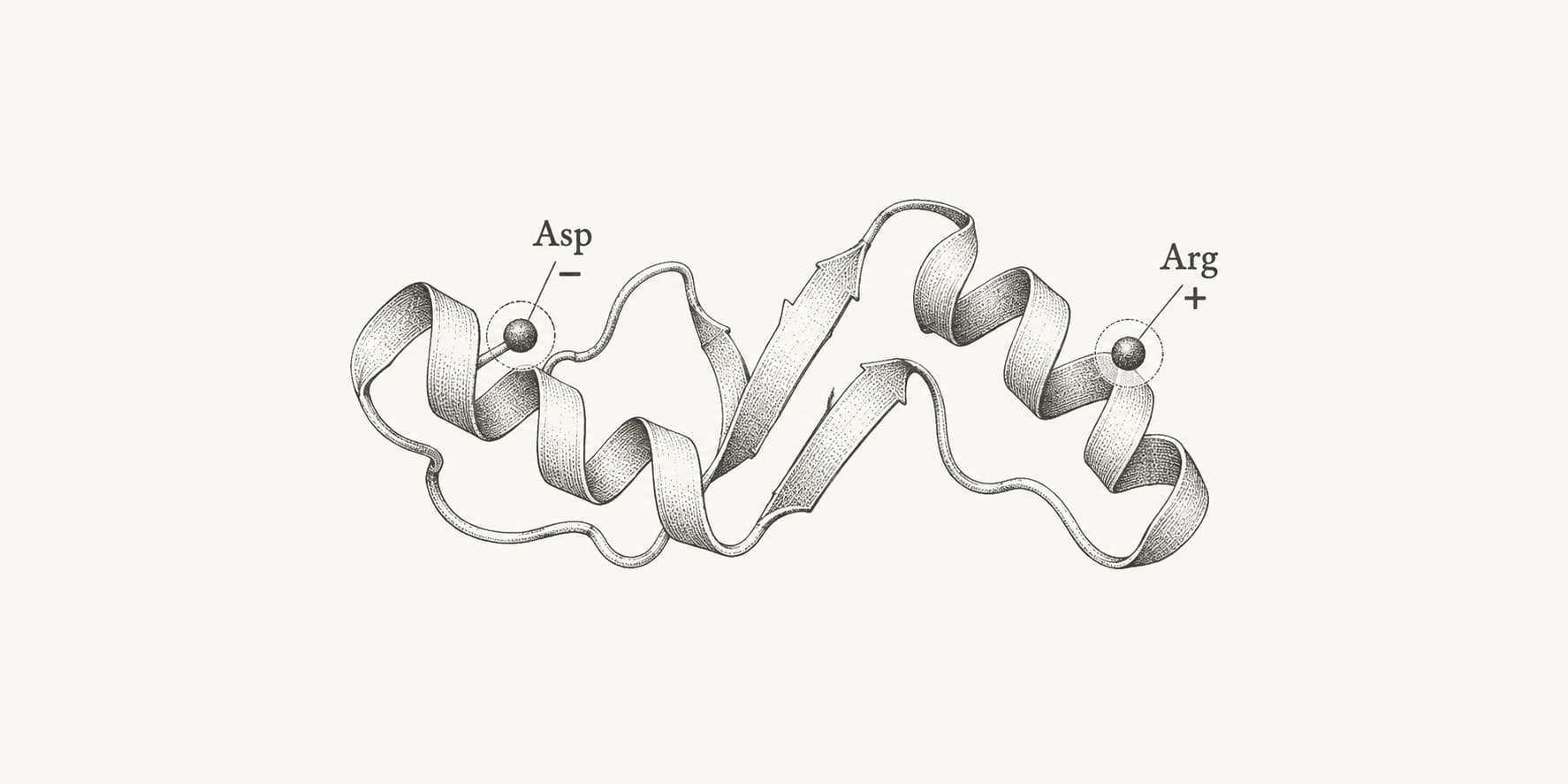
What are the most acidic and basic amino acids?
Arginine is the most basic standard amino acid, and aspartic acid is the most acidic, by side-chain pKa. At pH 7.4, arginine is about 99.999% positively charged.