Loading guides...
Guides
Proteins ·
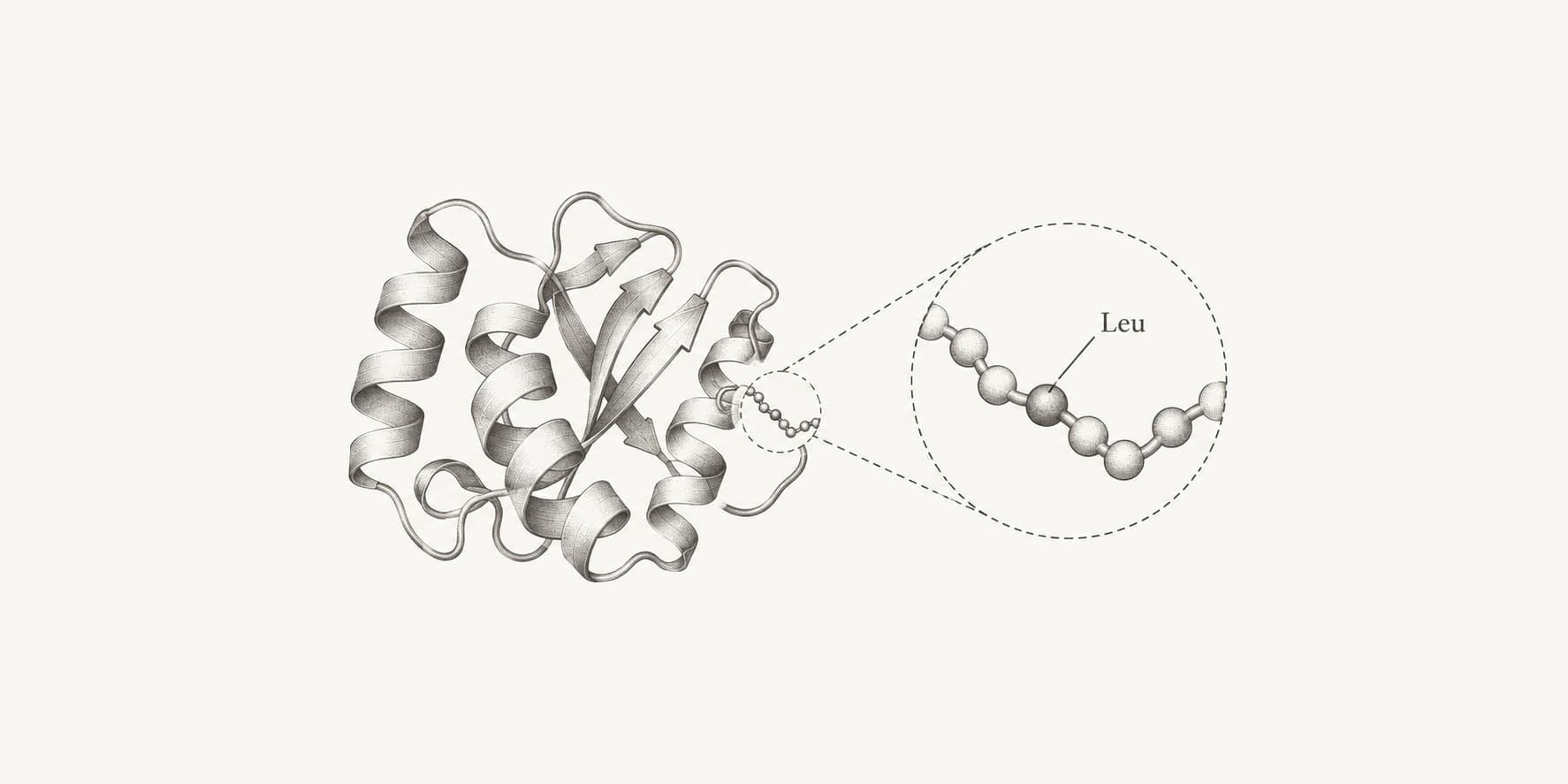
What's the most common amino acid?
Leucine is the most abundant standard amino acid in reviewed Swiss-Prot protein sequences at 9.65%. The answer differs for collagen, individual proteomes, diets, and free amino acids.
Proteins ·
Proteome sizes by species: protein counts compared
Compare protein-coding genes, UniProtKB entries, and separate isoforms across 12 reference proteomes, with scope-aware examples of large and small proteomes.
Structures ·
Protein Data Bank statistics 2026: size and coverage
Current Protein Data Bank statistics for archive size, protein sequence coverage, experimental methods, growth, usage, computed models, and structure data formats.
Antibodies ·
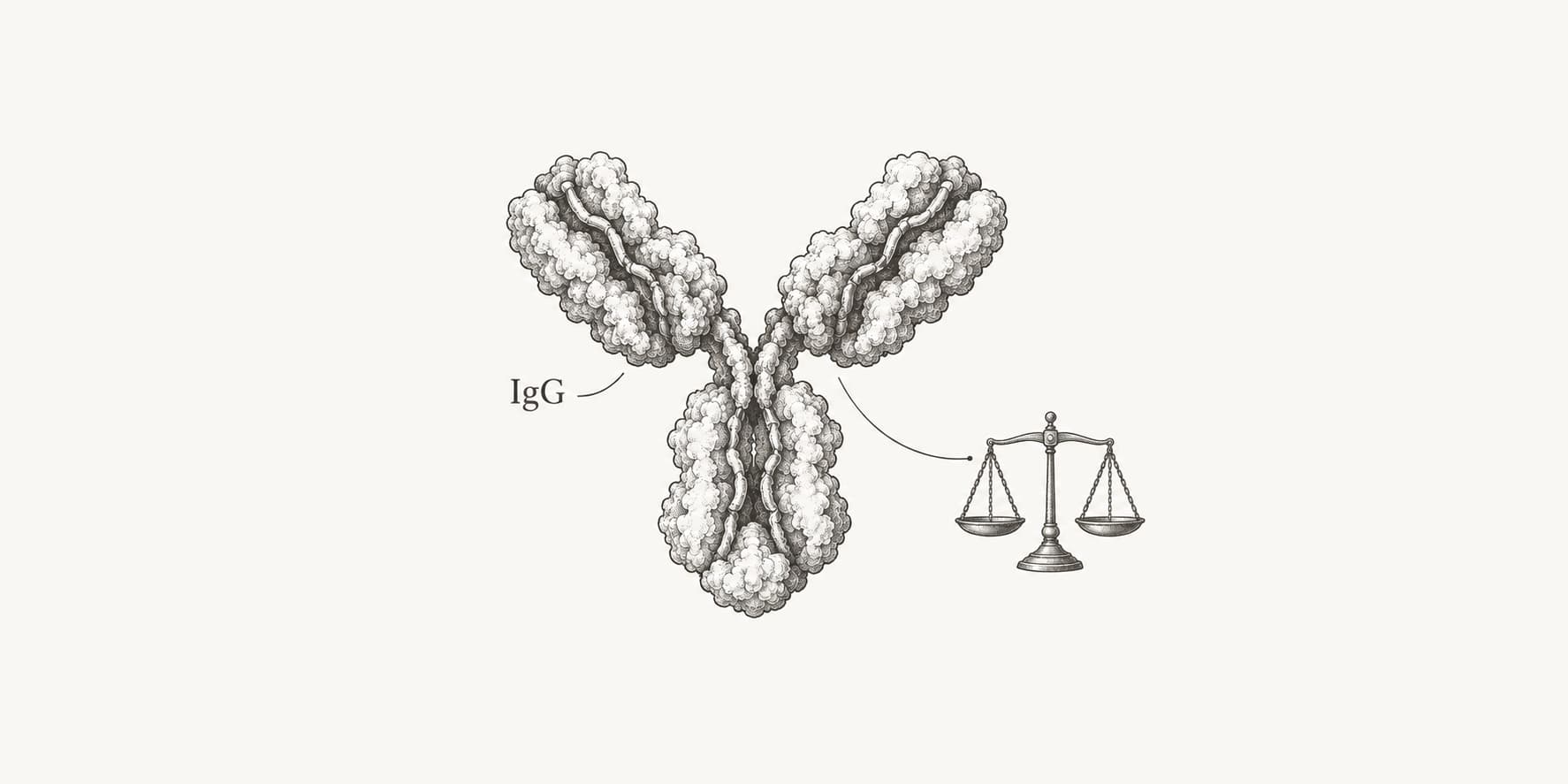
What is the molecular weight of an antibody?
A typical IgG antibody weighs about 150 kDa. Compare the molecular weights of IgG, IgM, IgA, Fab, Fc, and other antibody forms.
Drugs ·
Drug discovery statistics [2026]
Current drug discovery statistics on FDA novel drug approvals, clinical success rates, development cost, biosimilars, cell and gene therapies, AAV products, and CRISPR trials.

Drugs ·
How long does a drug patent last?
A US drug patent usually lasts 20 years from filing, not FDA approval. Actual market exclusivity before generic entry averages about 12 to 15 years.
Proteins ·
How long does a western blot take?
A western blot can be completed in one working day, but many laboratory protocols run across two days because the primary antibody incubates overnight at 4°C.
Genetics ·
How long does PCR take?
Most PCR runs take about 45 minutes to 2 hours in a thermocycler. Compare conventional PCR, qPCR, and RT-qPCR times and see how cycle count and target length affect the run.
Antibodies ·
How many monoclonal antibodies are FDA approved?
The FDA had approved 169 antibody-based biologics by the end of 2025. The total includes 113 IgG-based antibodies, 15 bispecifics, 14 antibody-drug conjugates, and other antibody formats.
Cells ·
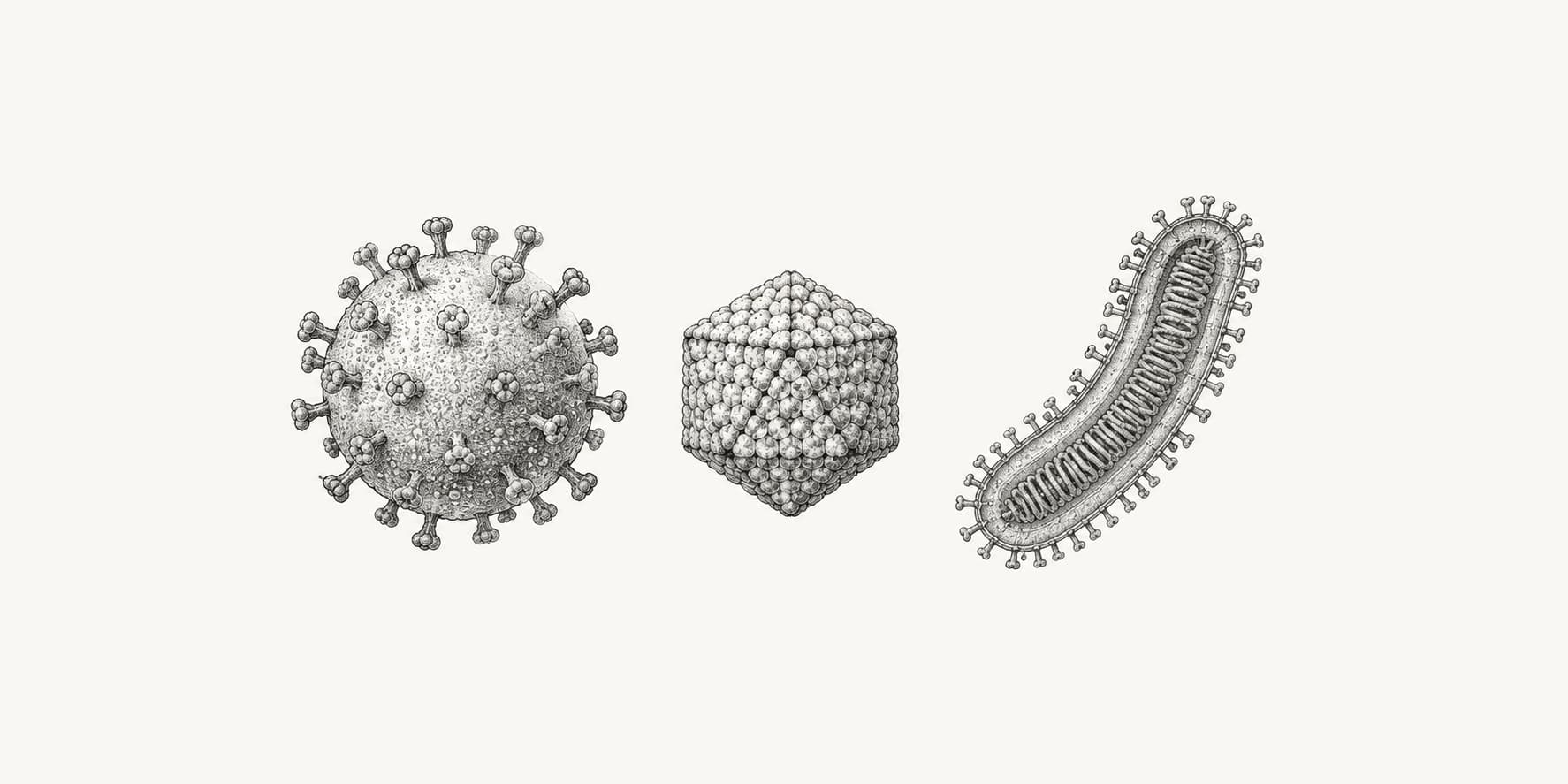
How many viruses infect humans?
The commonly cited estimate is about 270 known human-infecting viruses, but published totals range from 219 to 1,131 because studies use different evidence standards.

Drugs ·
How much is the pharmaceutical industry worth?
Global medicine spending reached about 1.94 trillion US dollars in 2025. See current figures for pharmaceutical advertising, marketing, profit, lobbying, companies, and employment.
Genetics ·
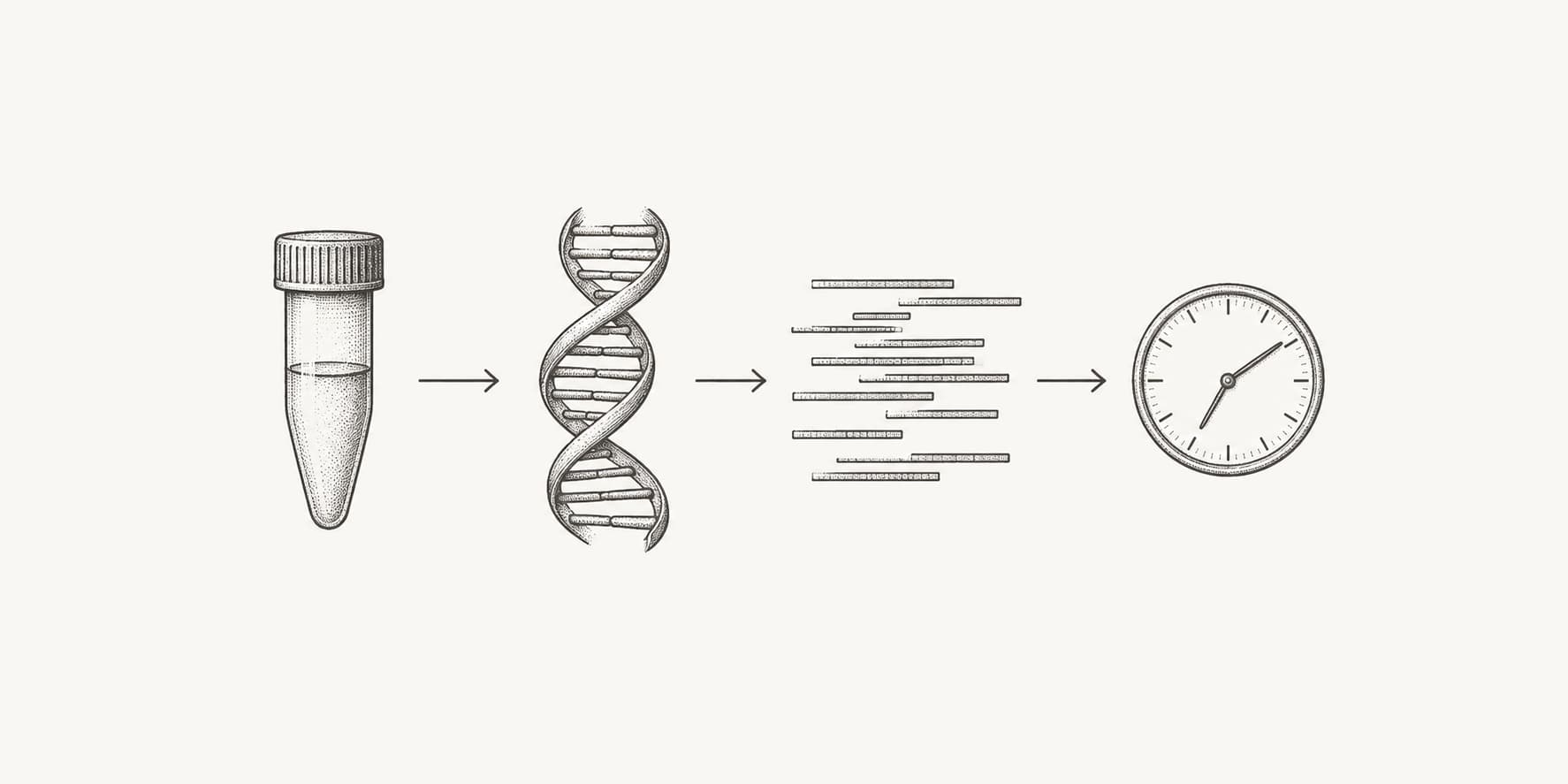
How long does whole-genome sequencing take?
Human whole-genome sequencing can generate genome data in hours to about a day. Sample preparation, analysis, interpretation, and reporting can extend the full turnaround to weeks.
Proteins ·
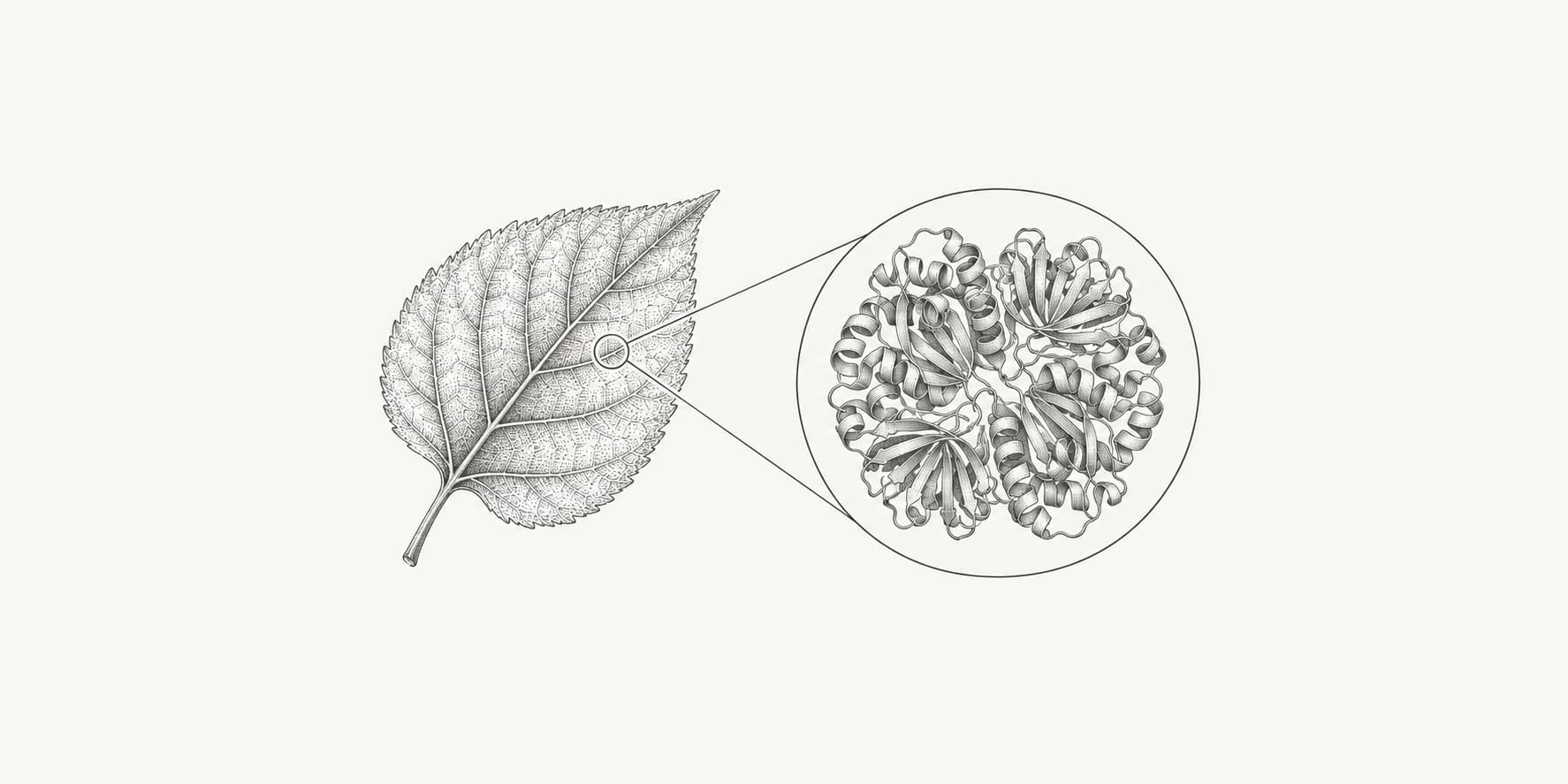
What is the most abundant protein on Earth?
Rubisco is considered the most abundant protein and enzyme on Earth, with an estimated global mass of about 0.7 gigatonnes. The ranking remains a well-supported claim rather than a complete census.
Proteins ·
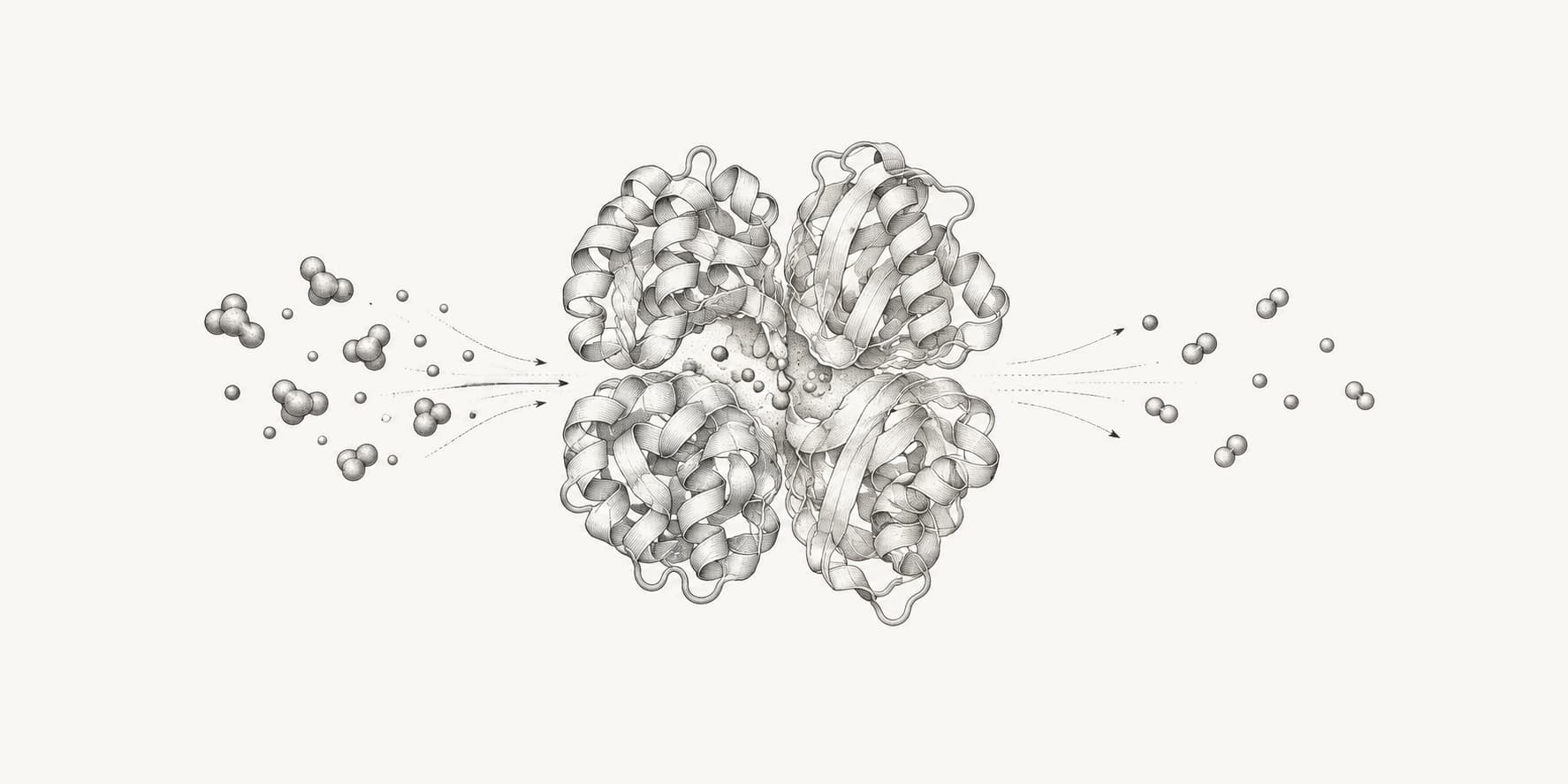
What is the fastest enzyme?
Catalase is the fastest enzyme by maximum turnover number. One catalase molecule can decompose an estimated 16 million to 44 million hydrogen peroxide molecules per second.

Drugs ·
How long do clinical trials take?
A clinical trial can last from several months to several years. See FDA ranges and observed ClinicalTrials.gov durations for Phase 1, Phase 2, and Phase 3 trials.
Drugs ·
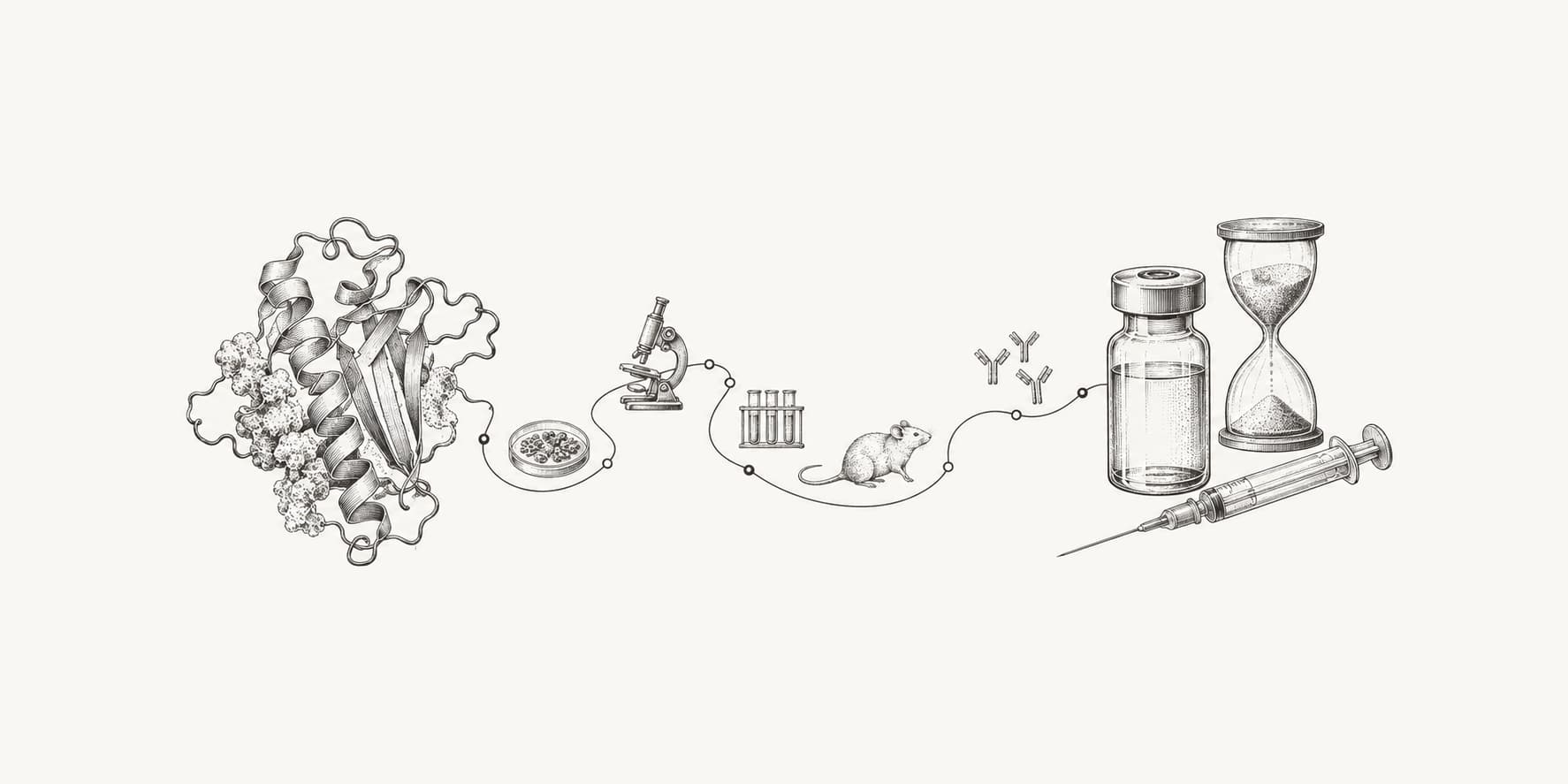
How long does it take to develop a vaccine?
A successful new vaccine usually takes 10 to 15 years to develop. See how research, clinical trials, FDA review, cost, and the COVID-19, polio, mumps, MMR, and Ebola timelines compare.
Genetics ·
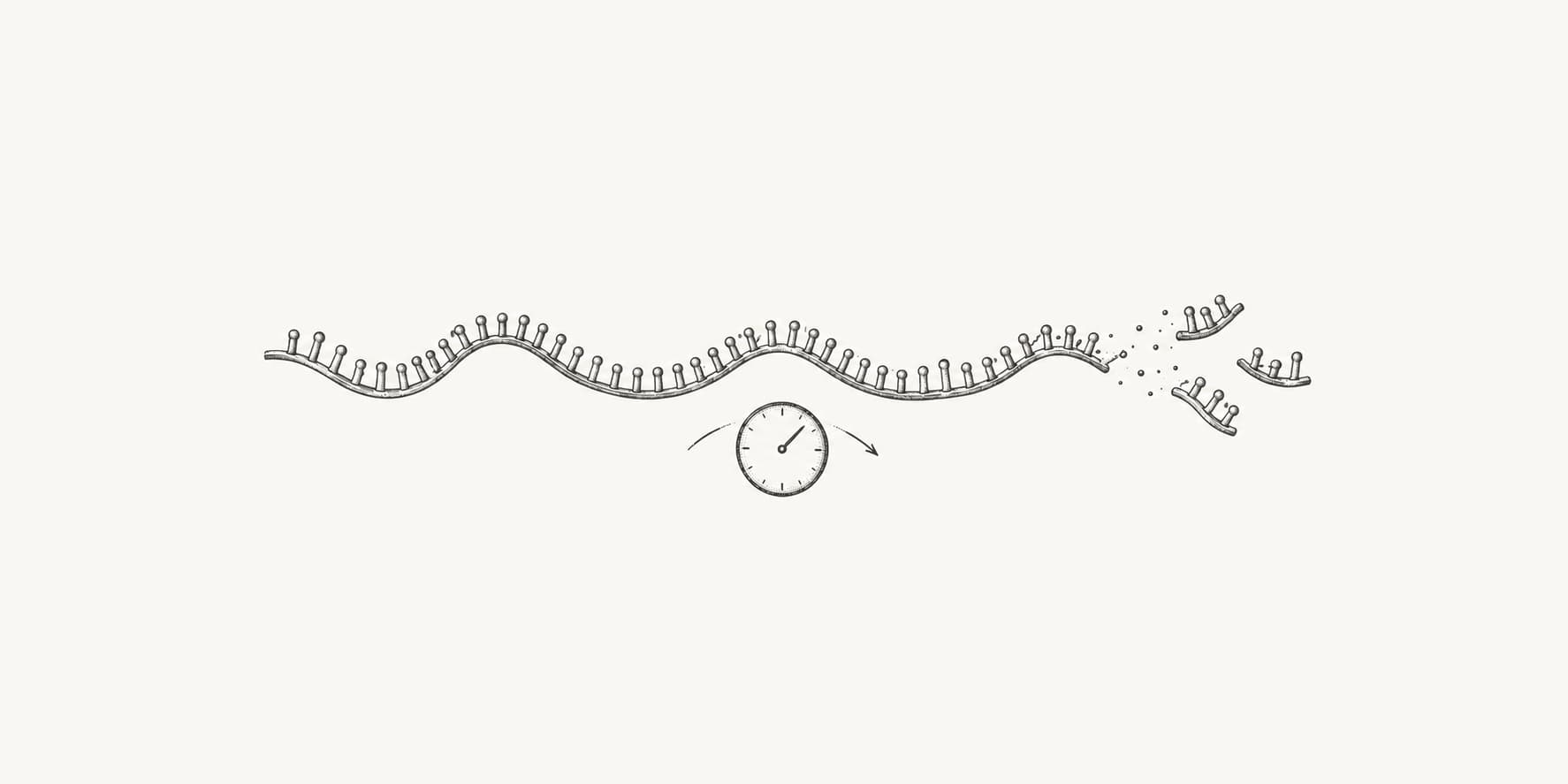
How long does mRNA last in a cell?
Cellular mRNA has a half-life of a few minutes in bacteria, about 18 minutes in budding yeast, and several hours in cultured human cells.
Proteins ·
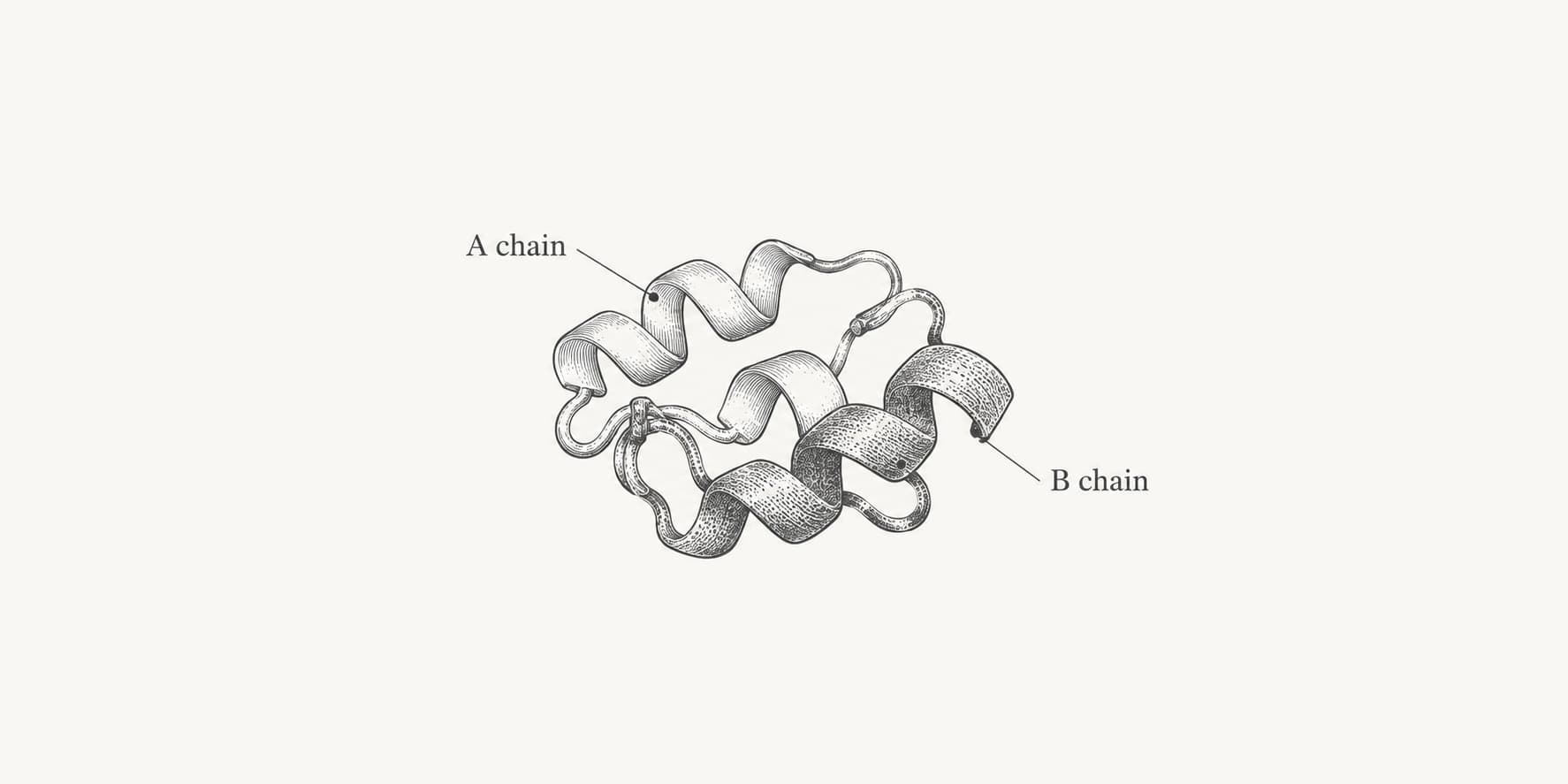
How many amino acids are in insulin?
Mature human insulin has 51 amino acid residues across two chains. Its 110-residue precursor is shortened during processing before the hormone is secreted.
Drugs ·
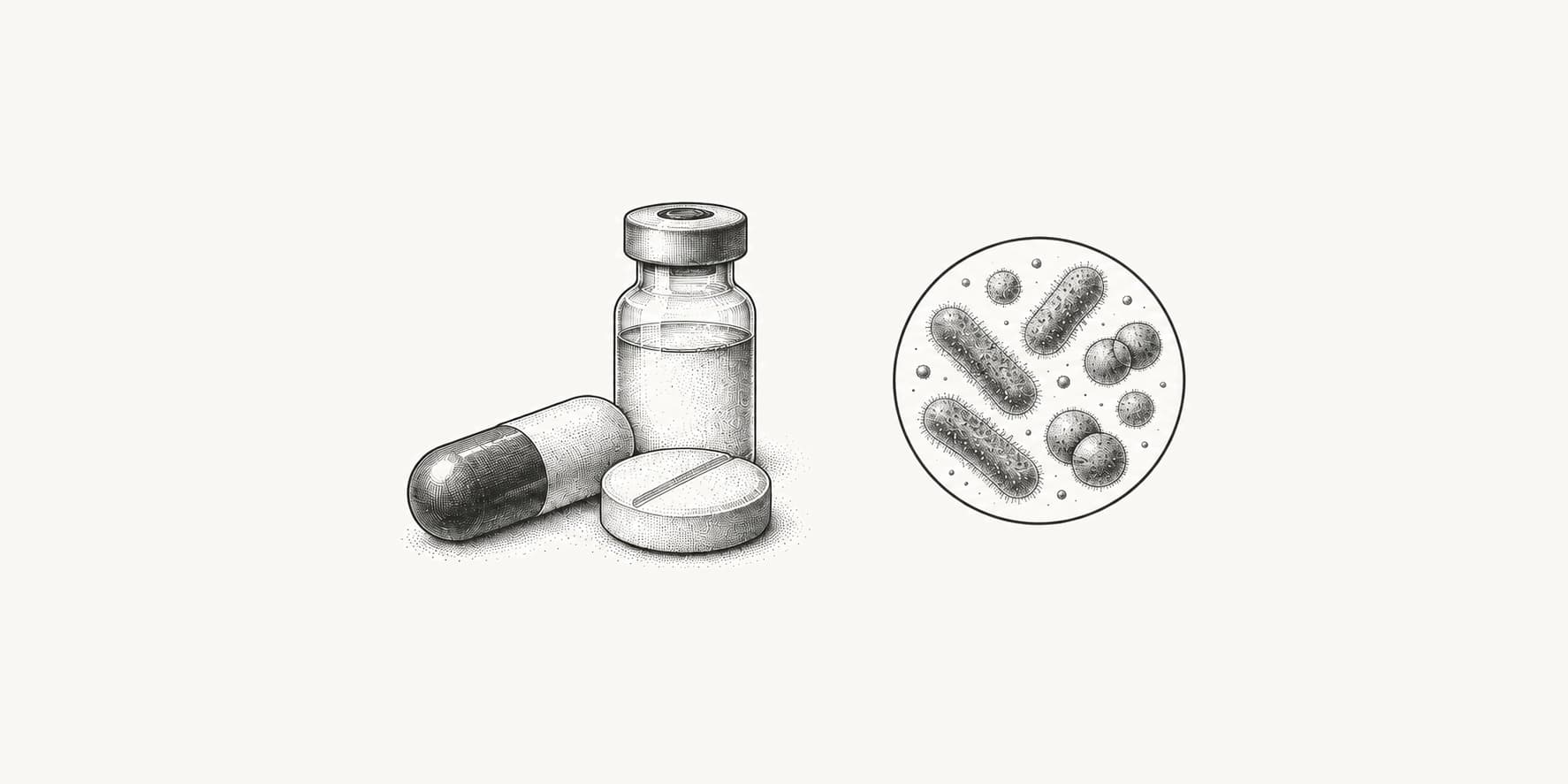
How many antibiotics are there?
The WHO classified 268 antibiotics used in humans in 2025, including 50 on its Essential Medicines List. The exact total depends on whether the count covers active substances, products, or classes.
Drugs ·
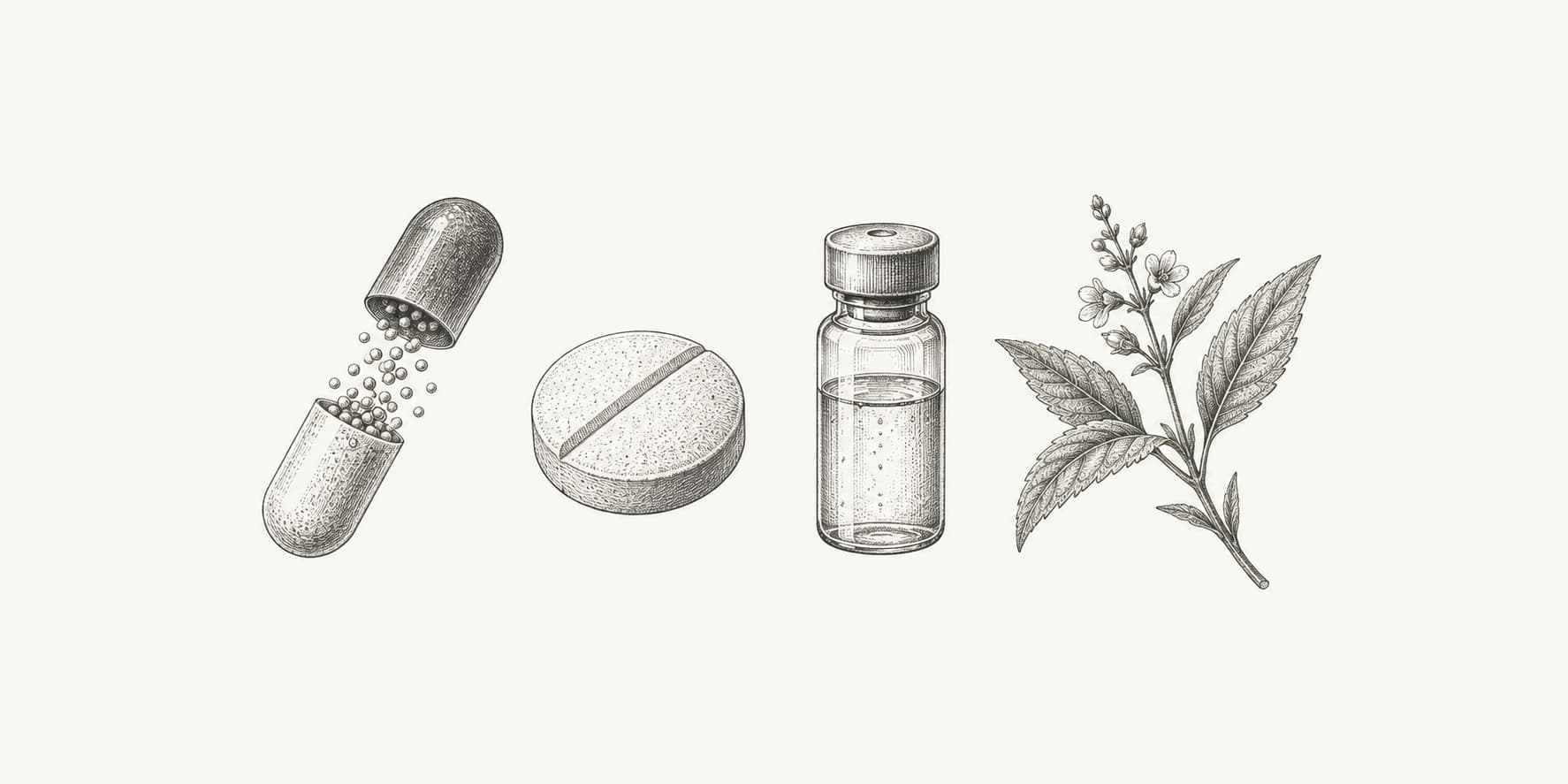
How many medicines are there in the world?
There is no single worldwide count of medicines. DrugBank lists 4,815 approved drugs and 19,879 total drug entries, while the 2025 WHO Essential Medicines List contains 523 medicines.
Genetics ·
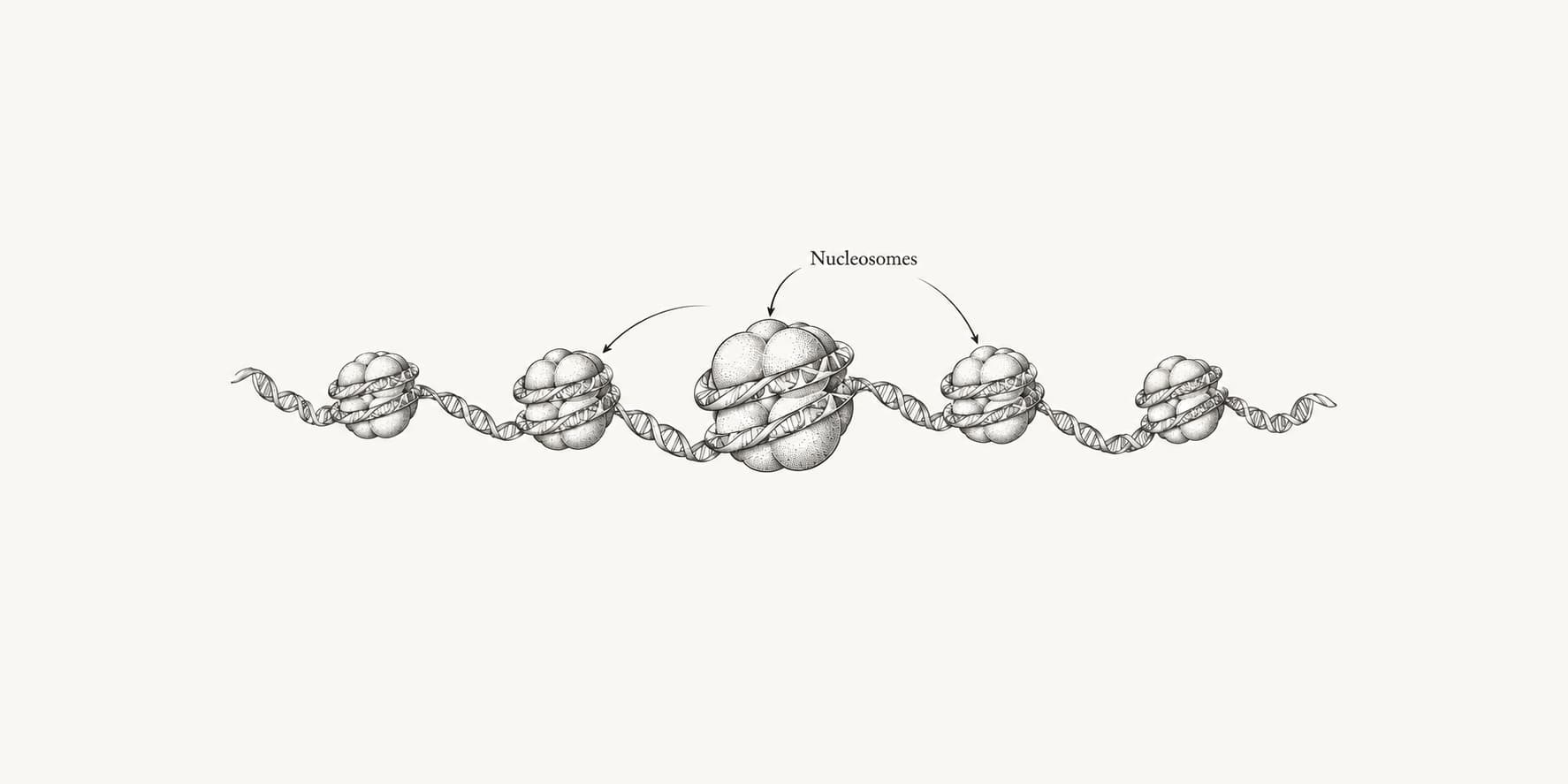
How many nucleosomes are in a human cell?
A typical diploid human cell contains about 30 million nucleosomes. See how that estimate is calculated and why a nucleosome can be described as containing 146, 166, or about 200 base pairs.
Genetics ·
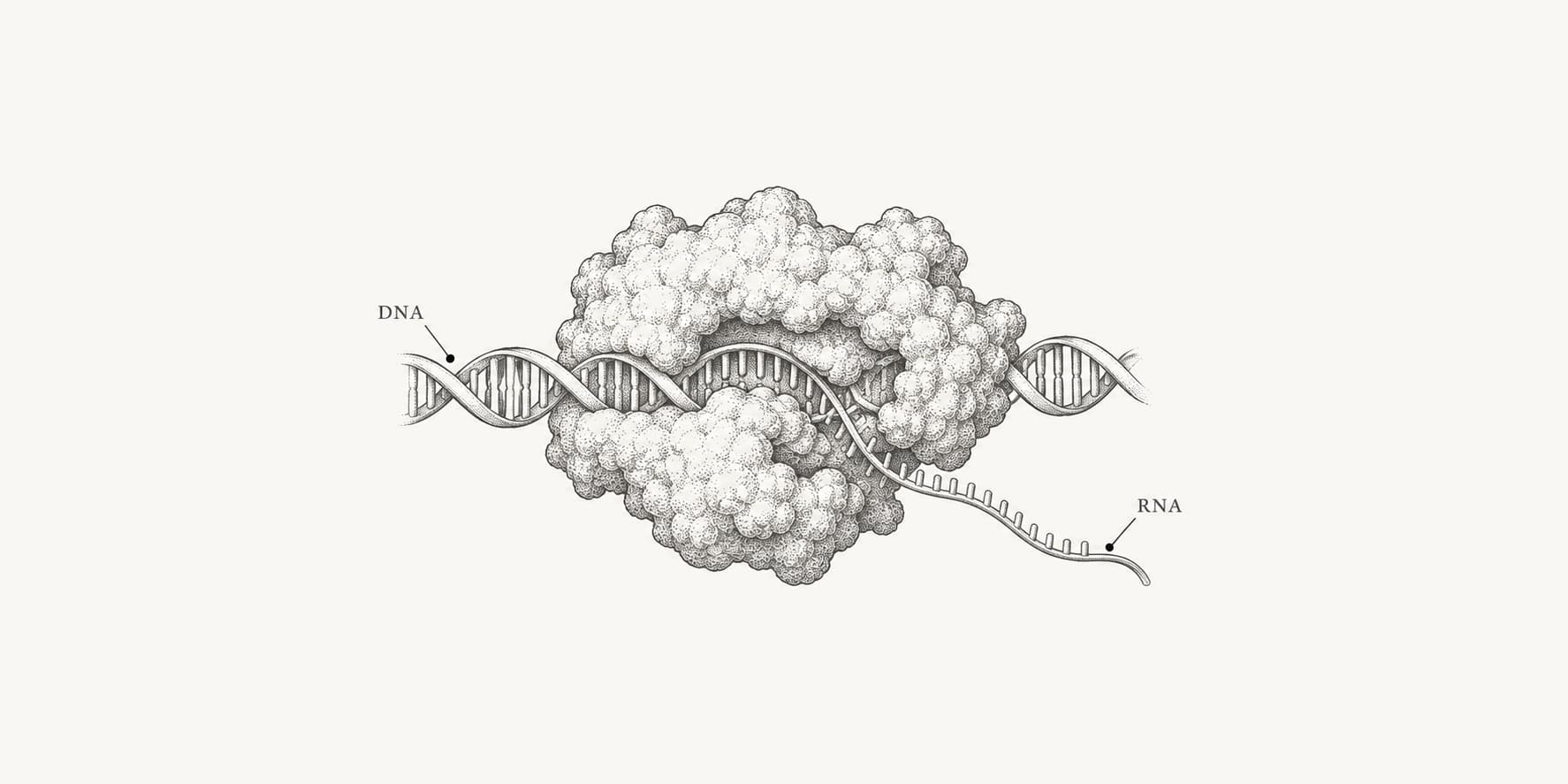
How many RNA polymerases do eukaryotes have?
Eukaryotes have three canonical nuclear RNA polymerases, while land plants have five. DNA polymerase counts vary by species, from five in E. coli to 16 in humans.
Genetics ·
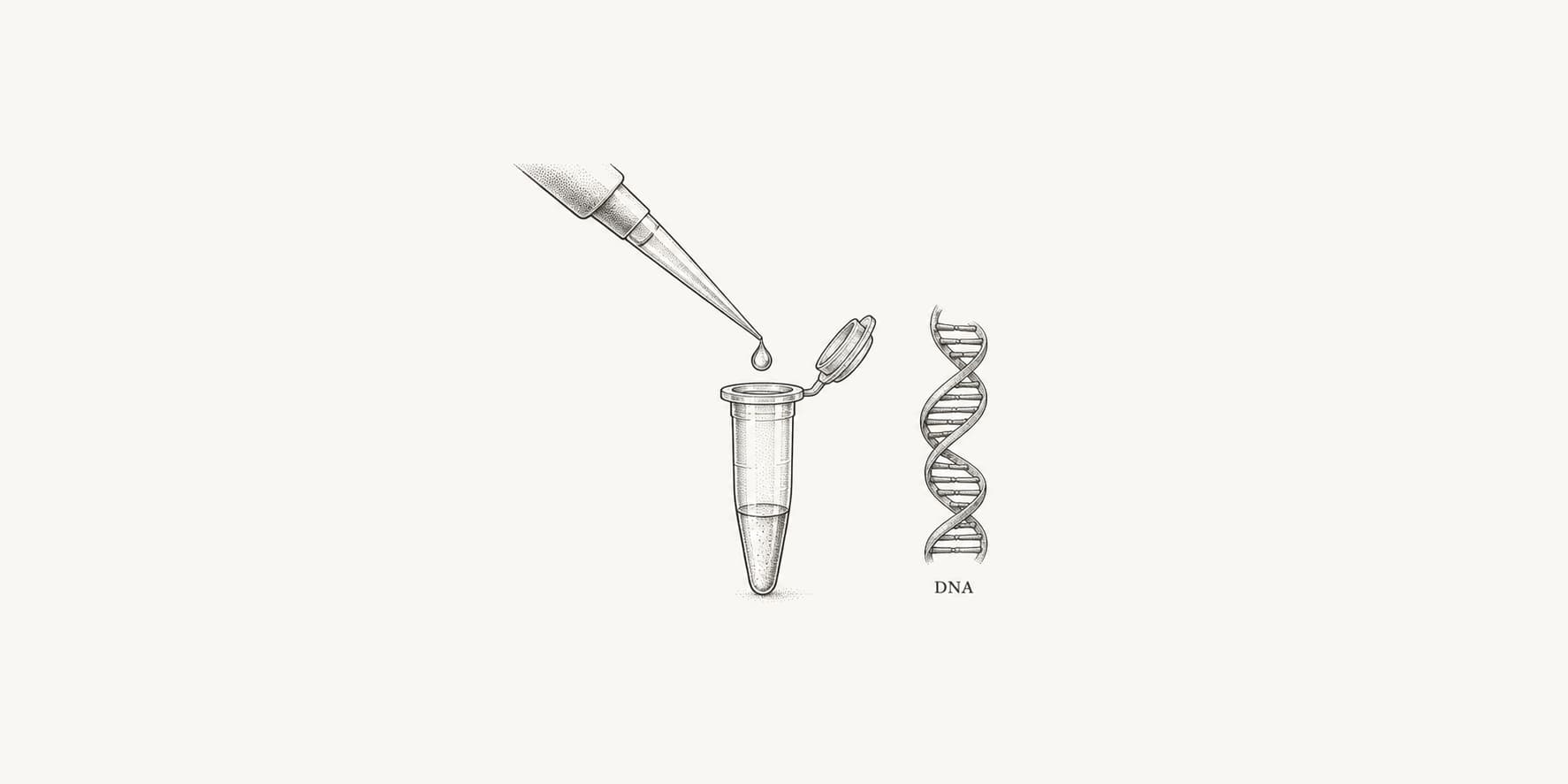
How much DNA is needed for sequencing?
Most DNA sequencing workflows start with 1 ng to 1 µg of DNA. Illumina DNA Prep recommends 100–500 ng for human DNA, while Nanopore ligation libraries use 1 µg for fragments longer than 10 kb.
Proteins ·
How many amino acids are in a complete protein?
A complete protein supplies all nine essential amino acids in adequate amounts. An incomplete protein has too little of one or more, but usually still contains all nine.