Loading guides...
Guides
Cells ·
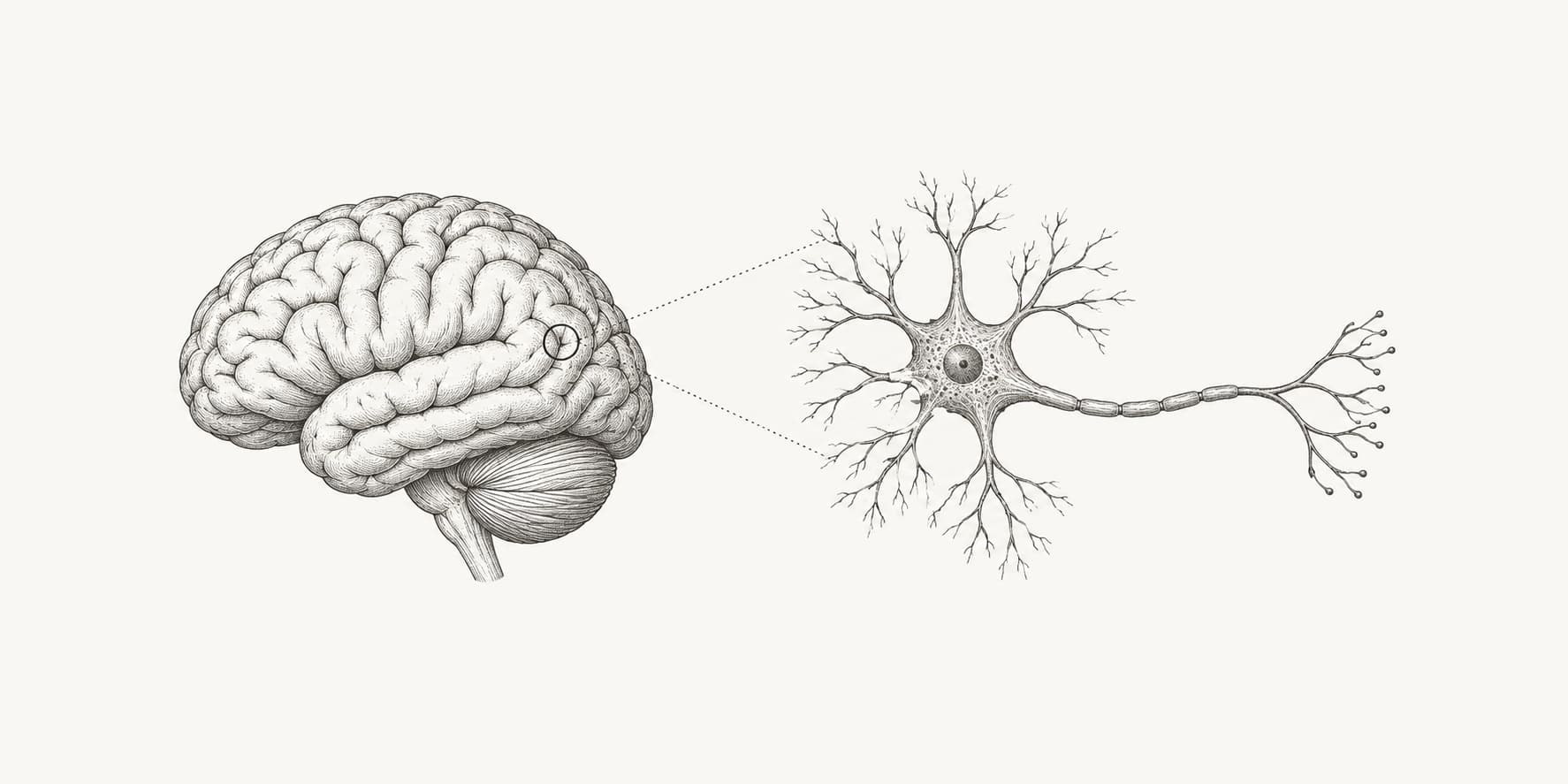
How many neurons are in the human brain?
An adult human brain is usually said to contain about 86 billion neurons. Direct whole-brain studies found roughly 62 to 95 billion, with most neurons in the cerebellum.
Cells ·
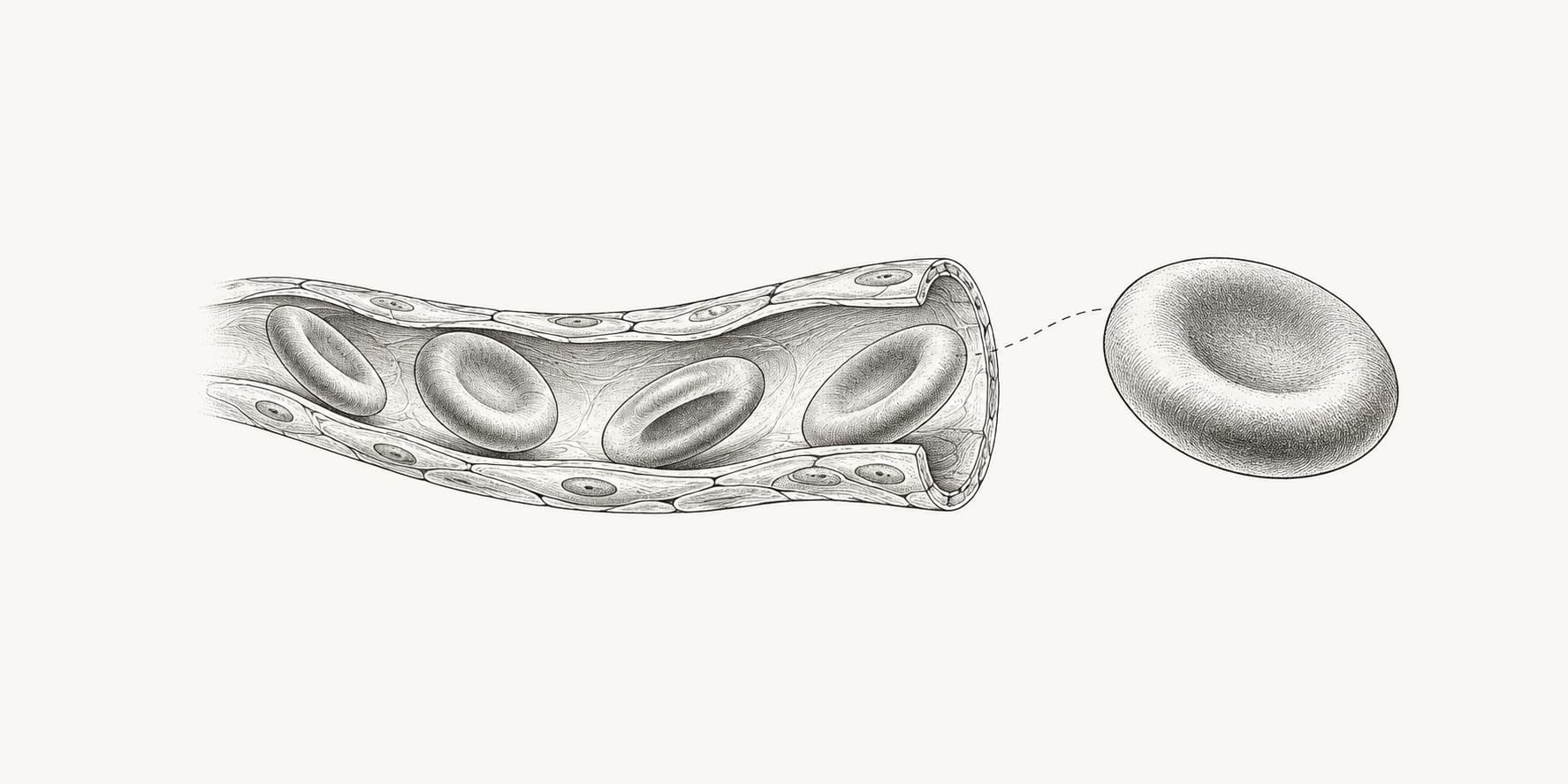
How many red blood cells are in the human body?
A 70-kilogram reference man has about 25 trillion red blood cells, making them the most numerous human cell type. About 210 billion turn over each day.
Cells ·
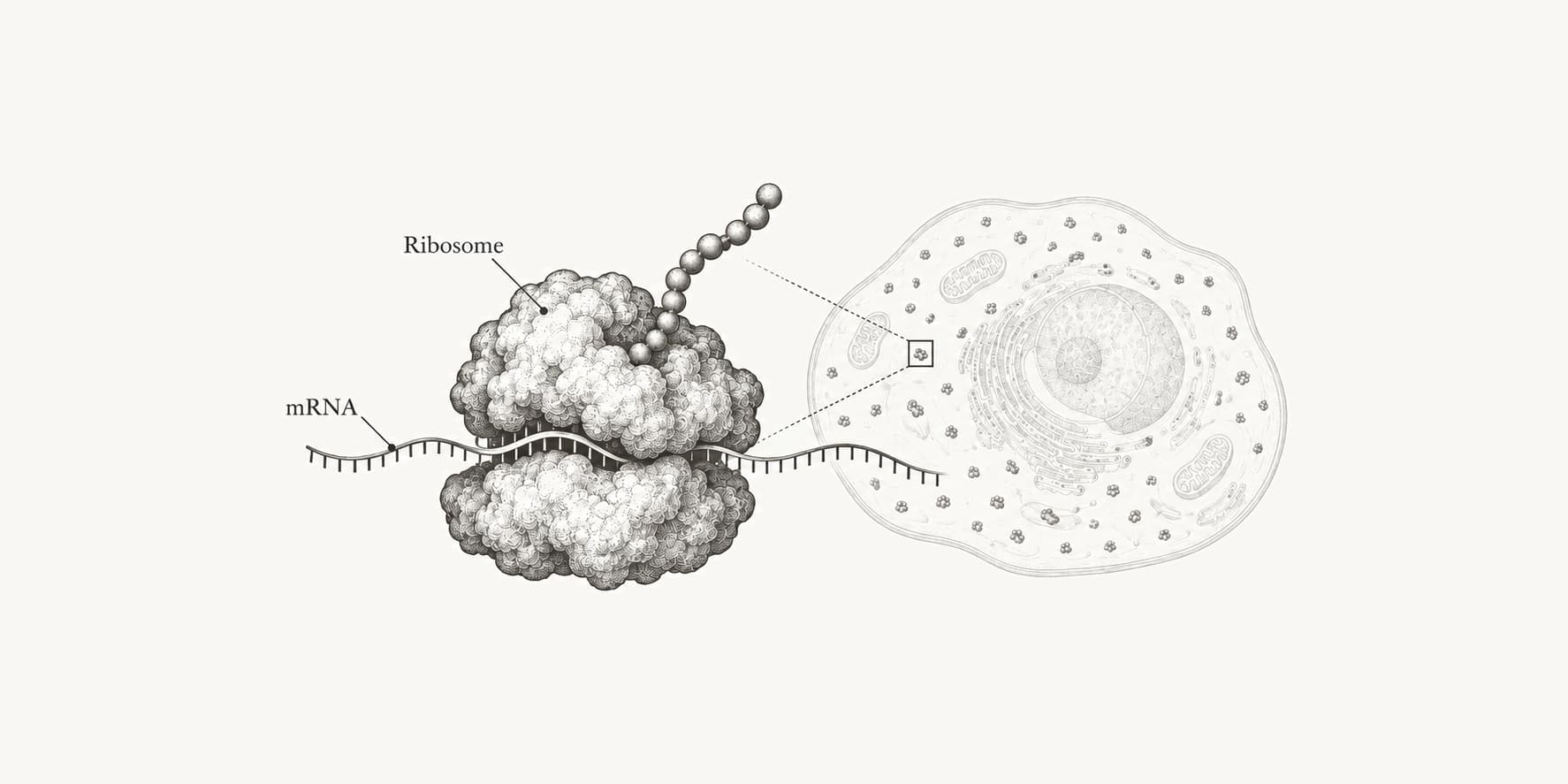
How many ribosomes are in a cell?
Ribosome counts range from thousands in bacteria to millions in mammalian cells. Compare bacterial, yeast, and mammalian cells, translation speeds, protein output, and polysomes.
Genetics ·
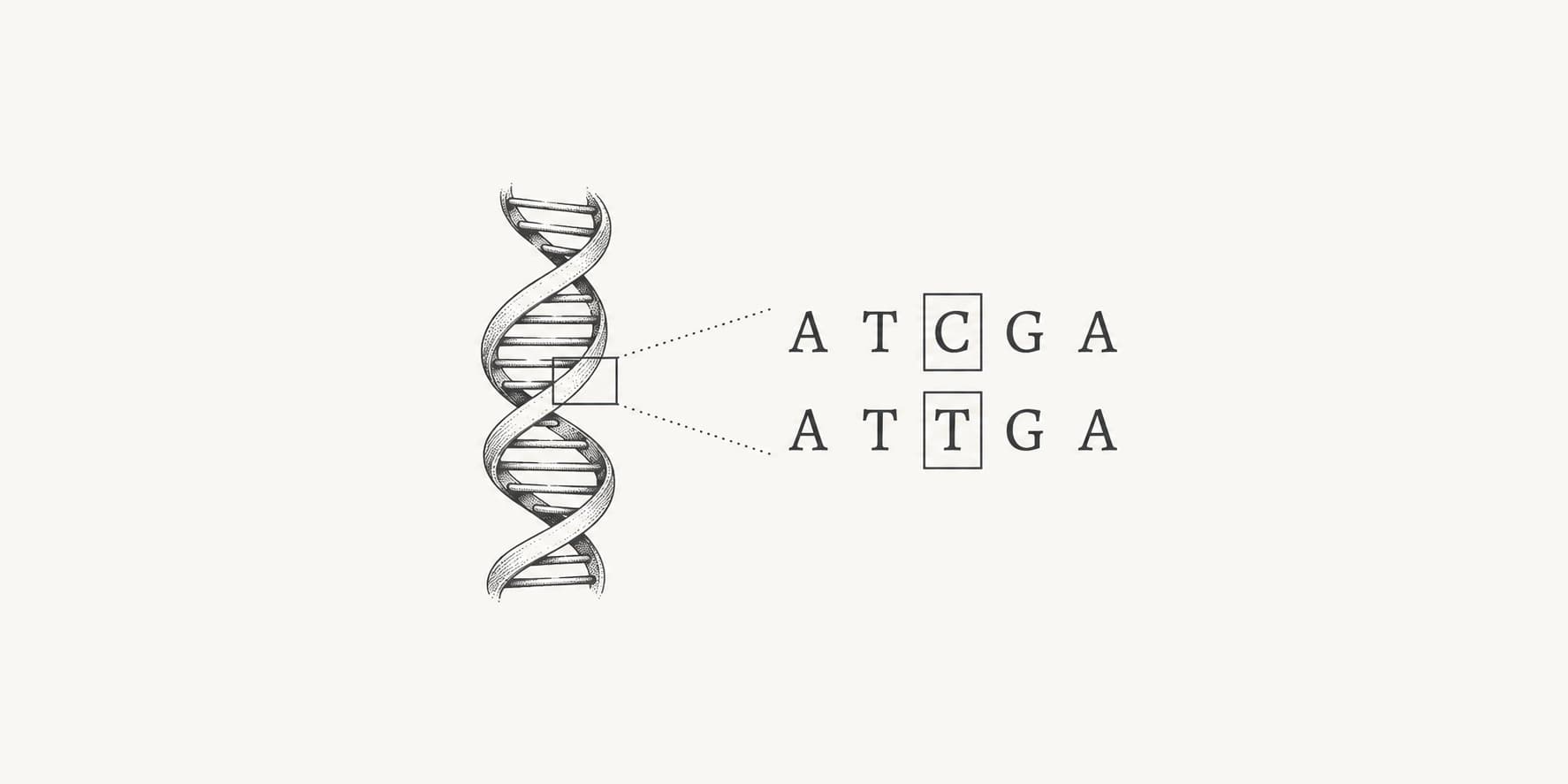
How many SNPs are in the human genome?
A typical human genome has about 5 million single-nucleotide variants relative to a reference. Roughly 10 million SNP sites are common across the population, while dbSNP Build 157 has 1.172 billion live reference records.
Genetics ·
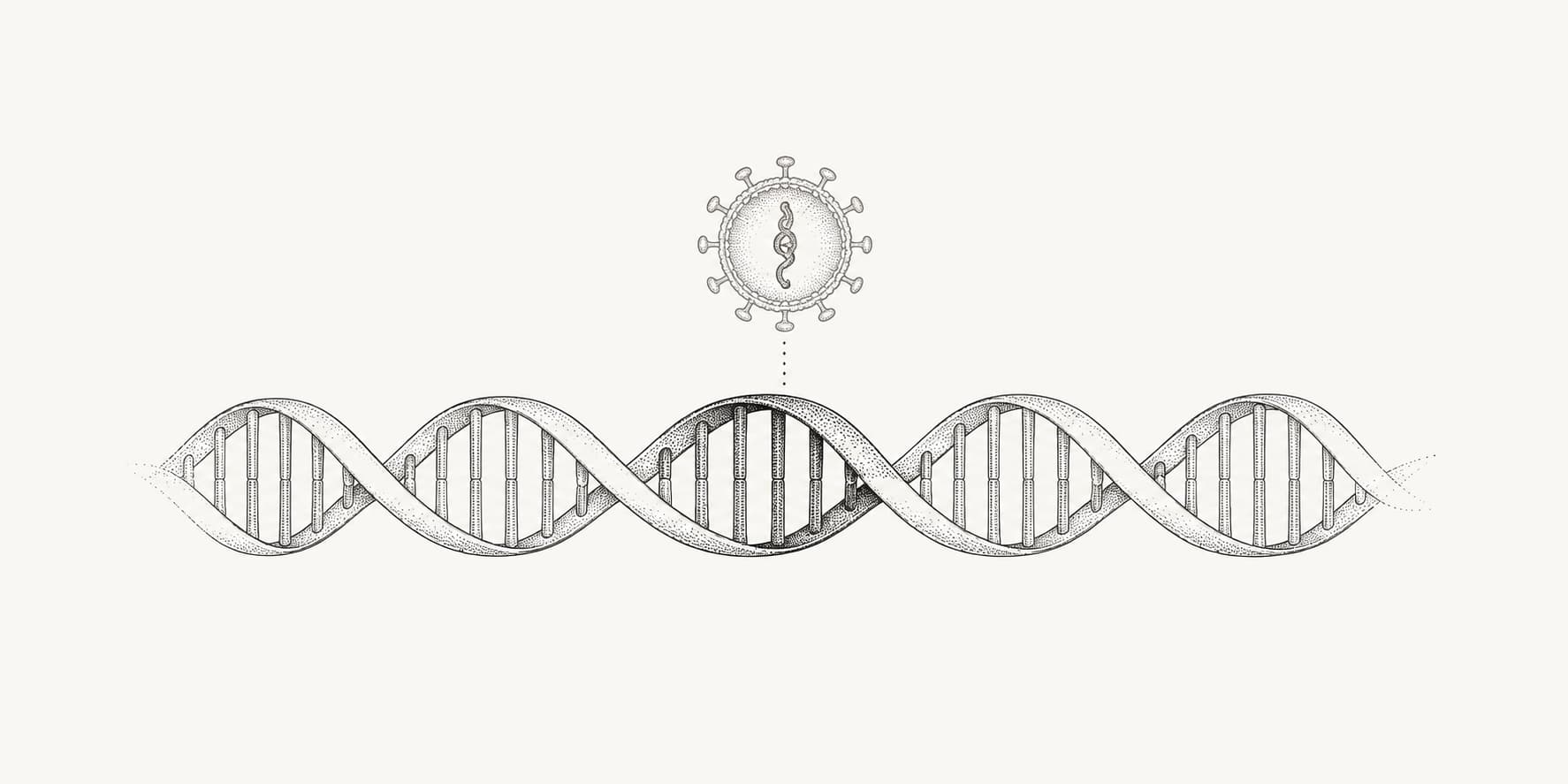
What percentage of the human genome is viral DNA?
About 8% of the human genome is viral DNA in the standard sense: inherited endogenous retrovirus sequences. That is about 250 million bases in a 3.1-billion-base reference genome.
Drugs ·
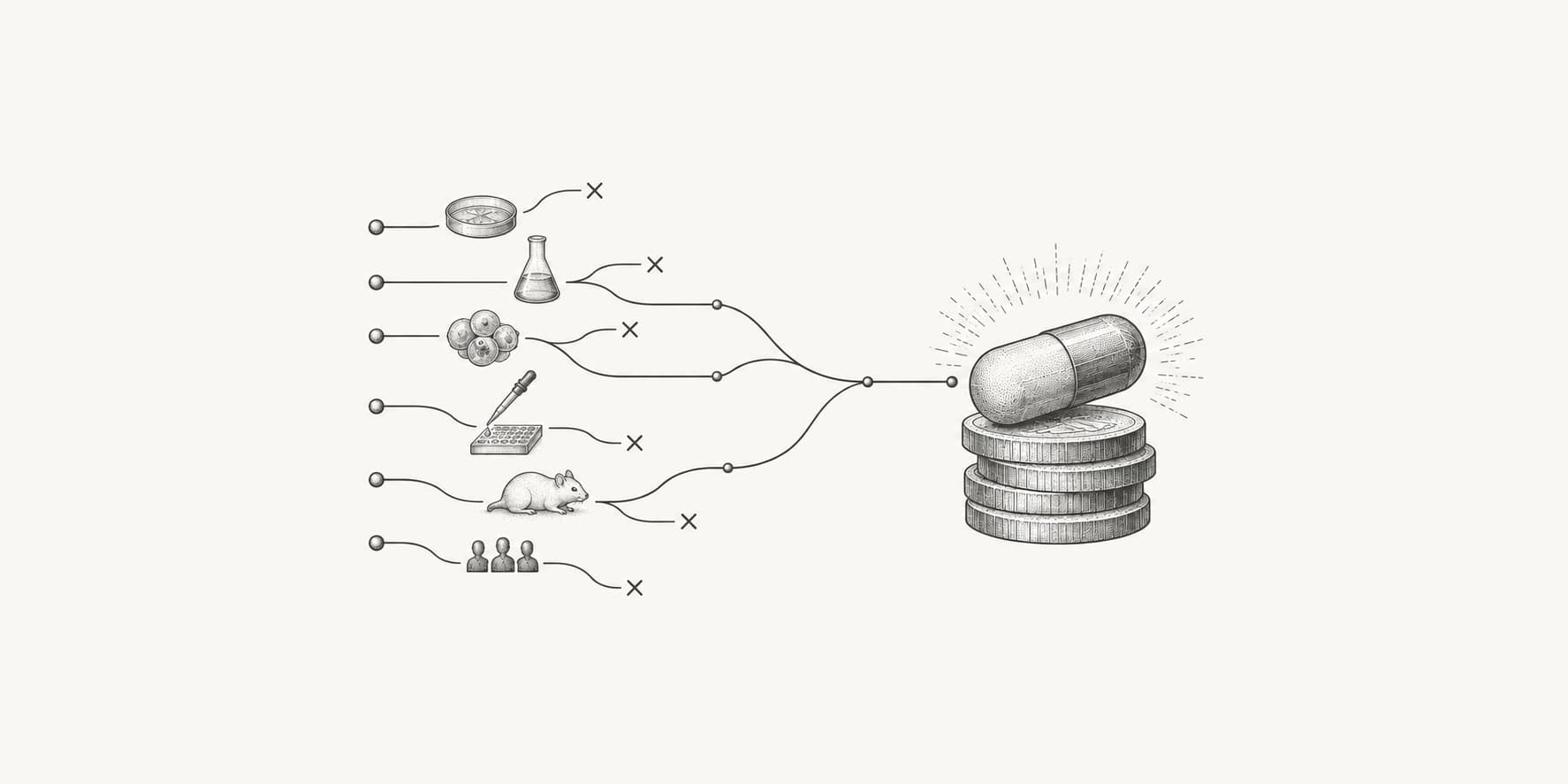
How much does drug development cost?
Drug development cost estimates range from 161 million to 4.54 billion US dollars. Recent transparent studies put the typical approved new drug near 700 million to 1.3 billion US dollars after failure and capital adjustments.
Cells ·
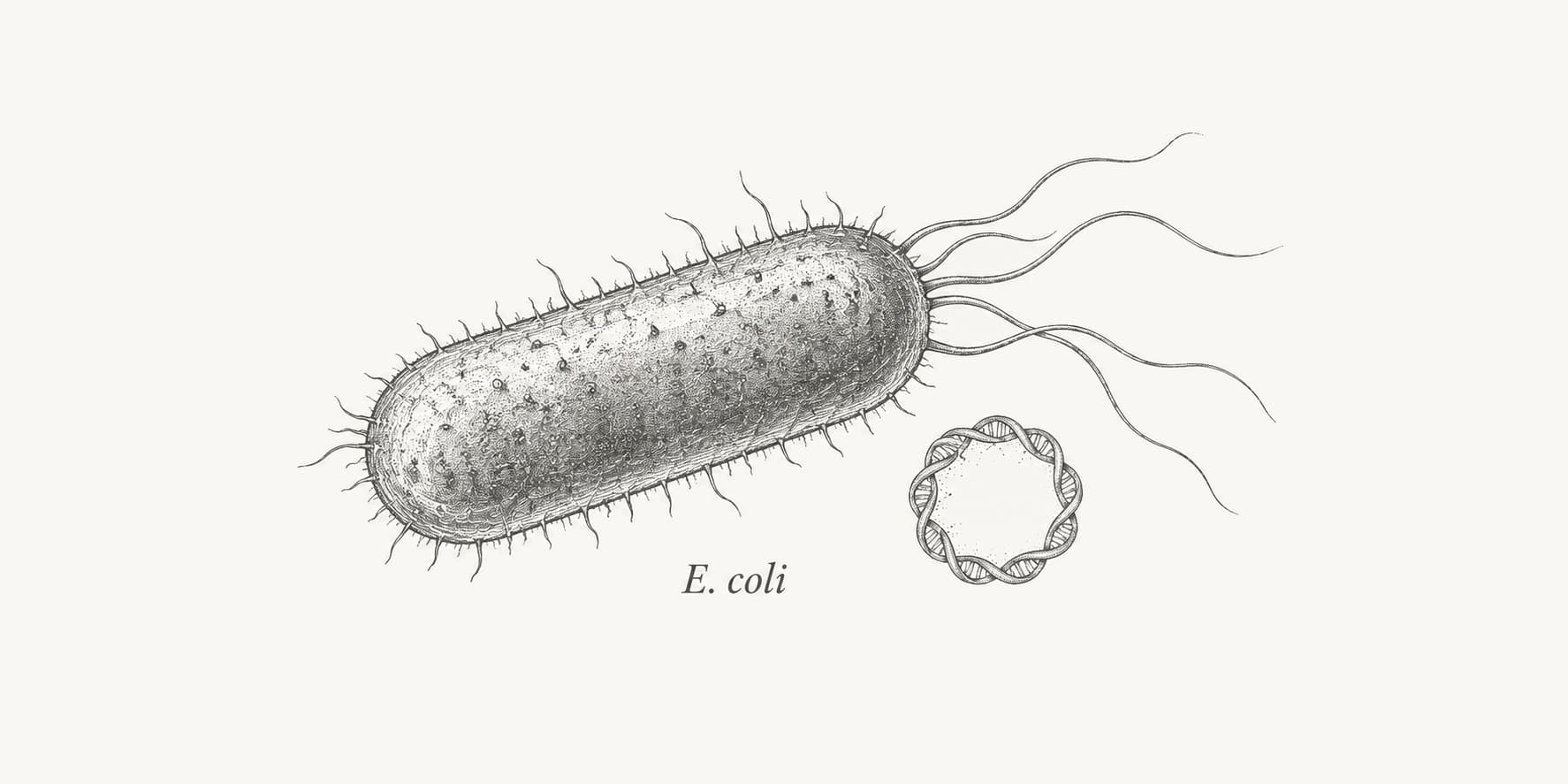
58 E. coli statistics [2026]
Up-to-date E. coli statistics covering the K-12 MG1655 reference genome, current gene and protein counts, cell size, growth rate, ribosomes, mutation rate, public genome assemblies, pathogenic groups, and U.S. STEC foodborne burden estimates.
Genetics ·
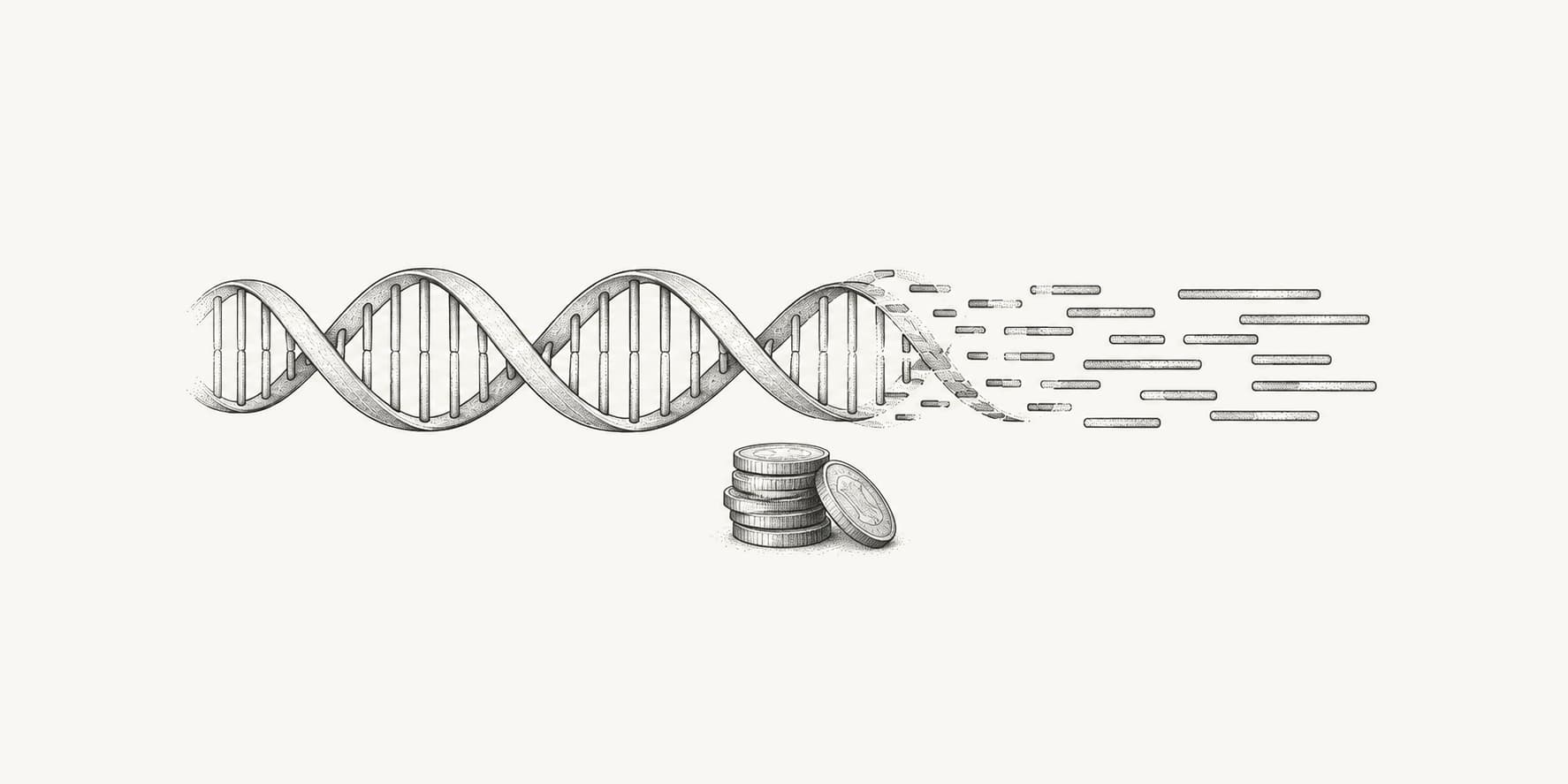
How much does it cost to sequence a genome?
Human whole-genome sequencing costs about $200 for a research service and roughly $550 to $600 for current consumer tests. Clinical analysis costs several thousand.
Genetics ·
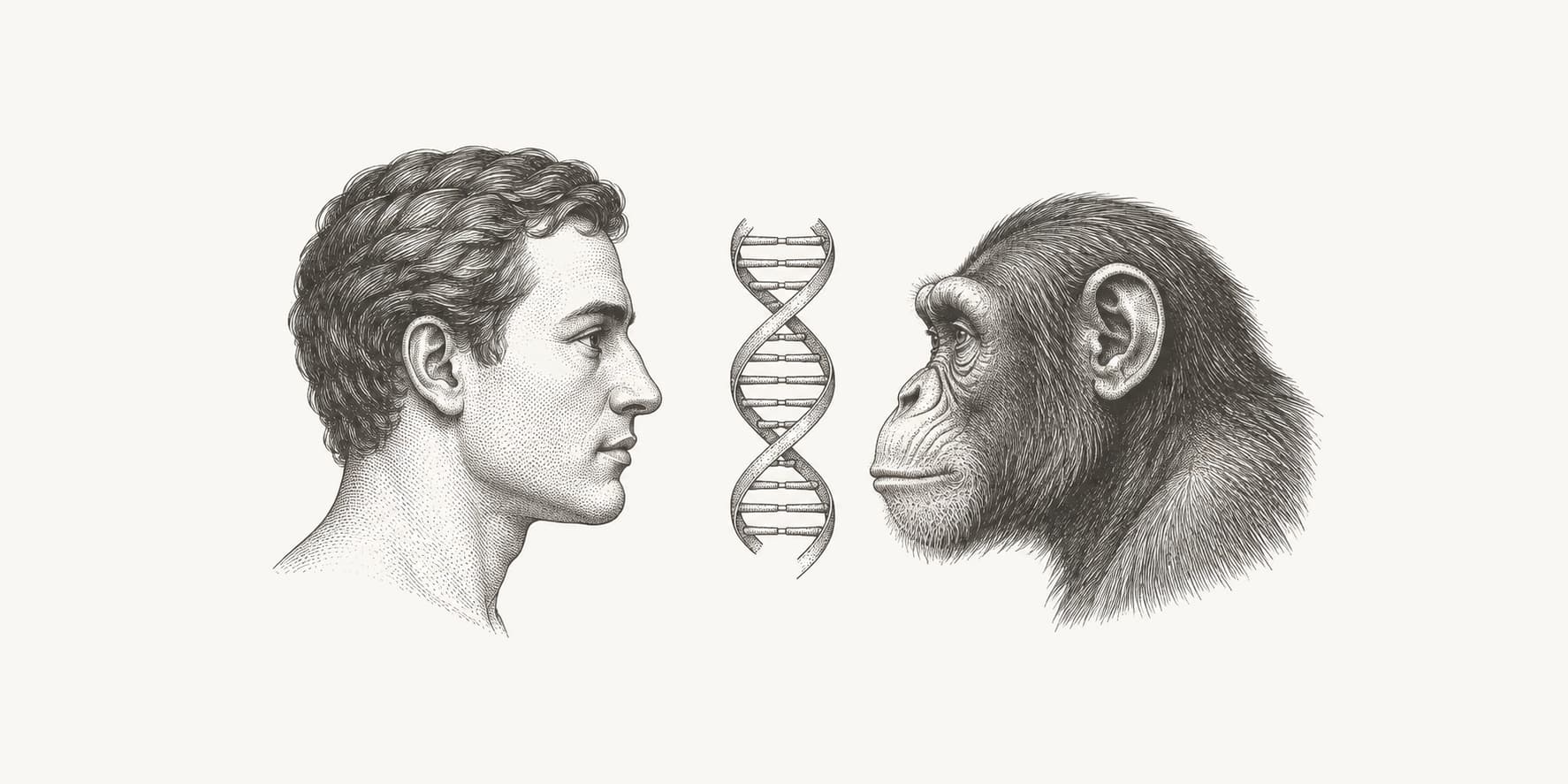
How much DNA do humans share with chimpanzees?
Humans and chimpanzees share about 98.8% of directly comparable DNA sequence, about 96% when insertions and deletions are included in the classic 2005 genome comparison, and lower strict one-to-one fractions in complete-assembly analyses.
Drugs ·
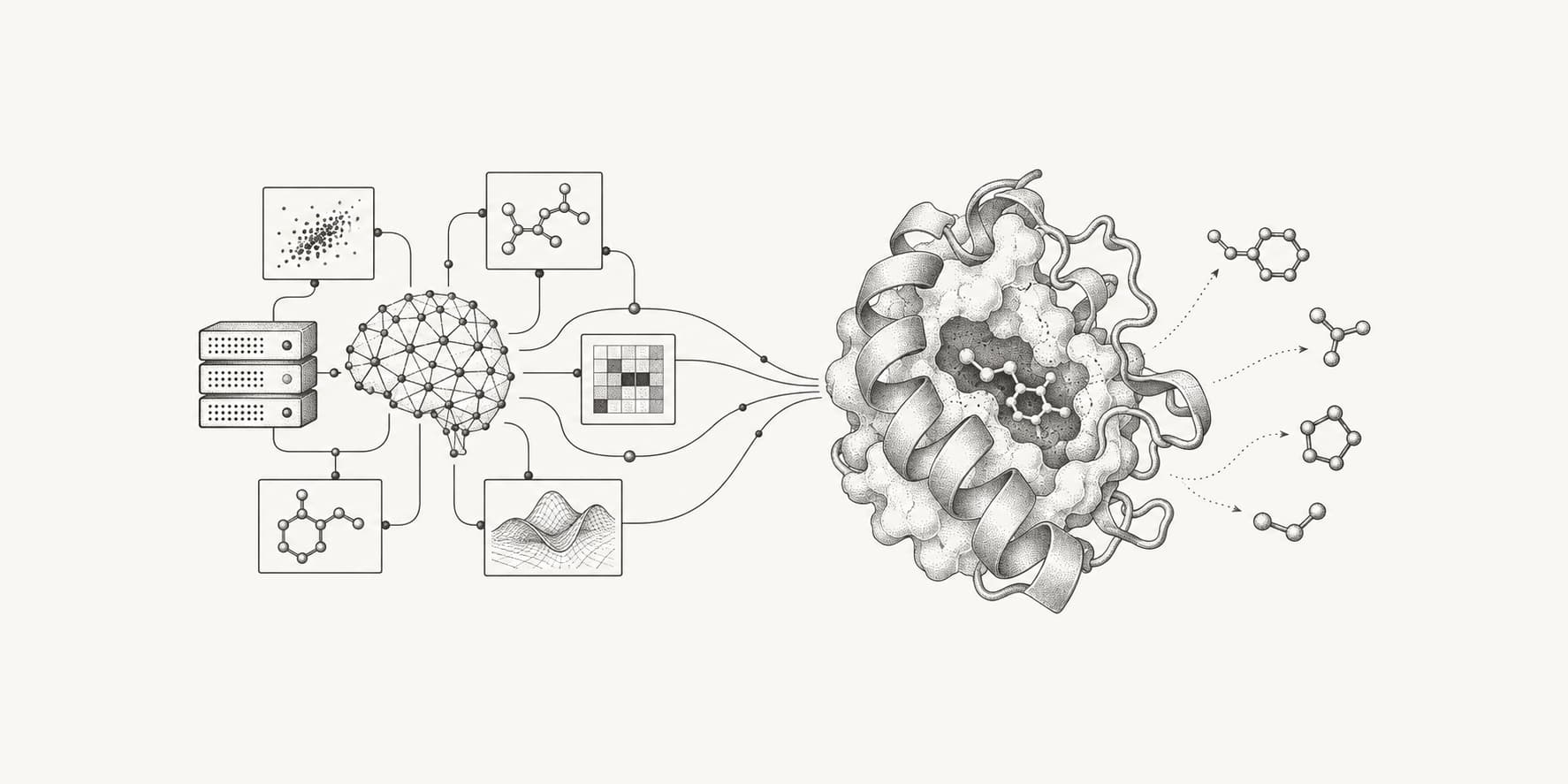
AI drug discovery statistics [2026]
AI drug discovery statistics in 2026 include more than 500 FDA submissions with AI components from 2016 to 2023, 75 AI-discovered molecules entered the clinic by 2023, 241 million AlphaFold DB predictions, and measurable virtual-screening and ADMET benchmarks.
Drugs ·
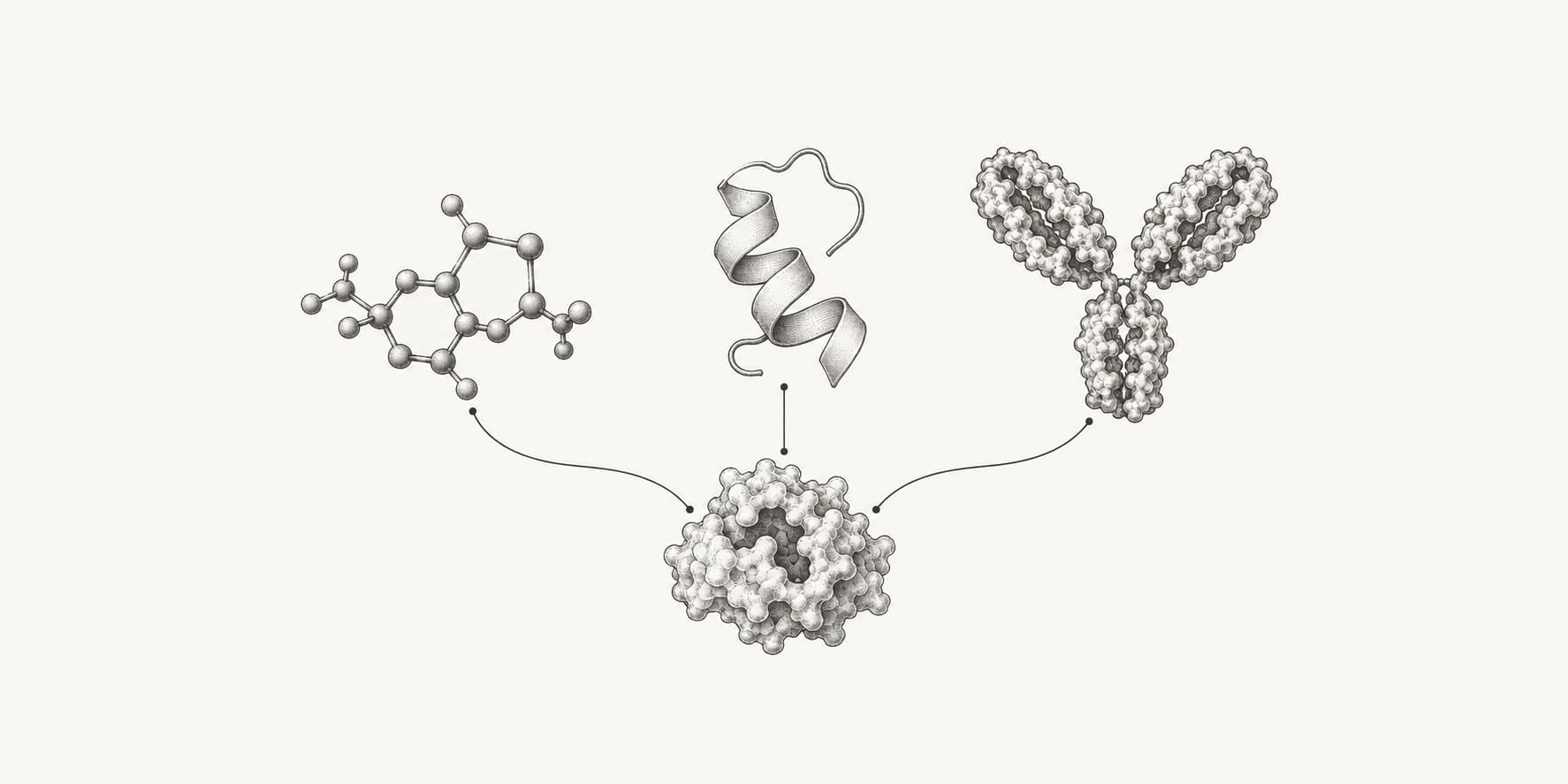
Drug discovery trends statistics [2026]
Drug discovery trends in 2026 include 46 FDA CDER novel approvals in 2025, 104 EMA human medicine recommendations, 218,766 interventional drug or biological studies in ClinicalTrials.gov, over 500 FDA submissions with AI components from 2016 to 2023, and strong growth in precision and modality-specific discovery.
Genetics ·
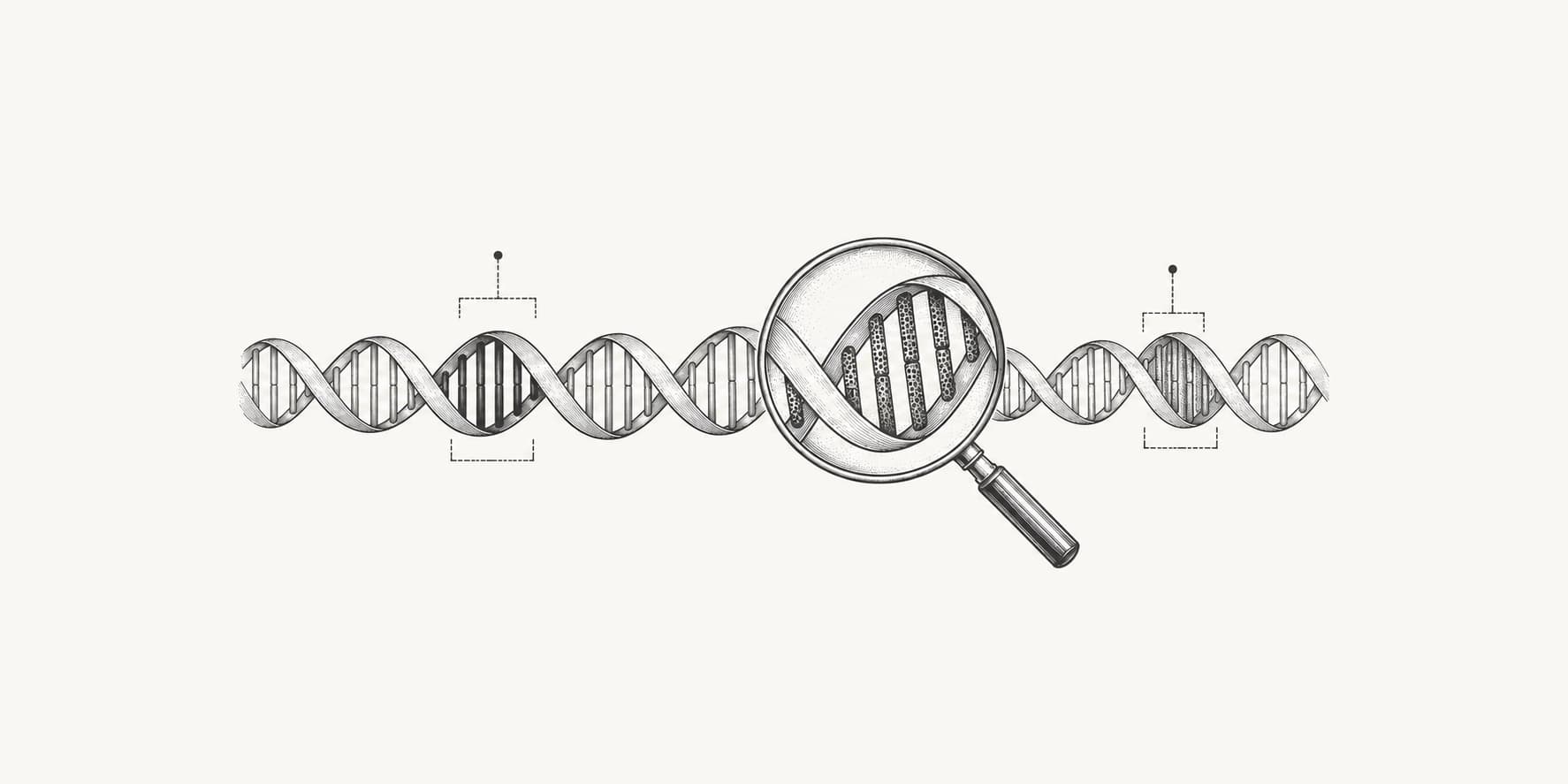
How much of the human genome is junk DNA?
Depending on how function is defined, between 8% and 80% of the human genome may be functional. By the stricter evolutionary definition, about 8–15% of DNA is under selective constraint, leaving the remaining 85–92% without evidence of function.
Proteins ·
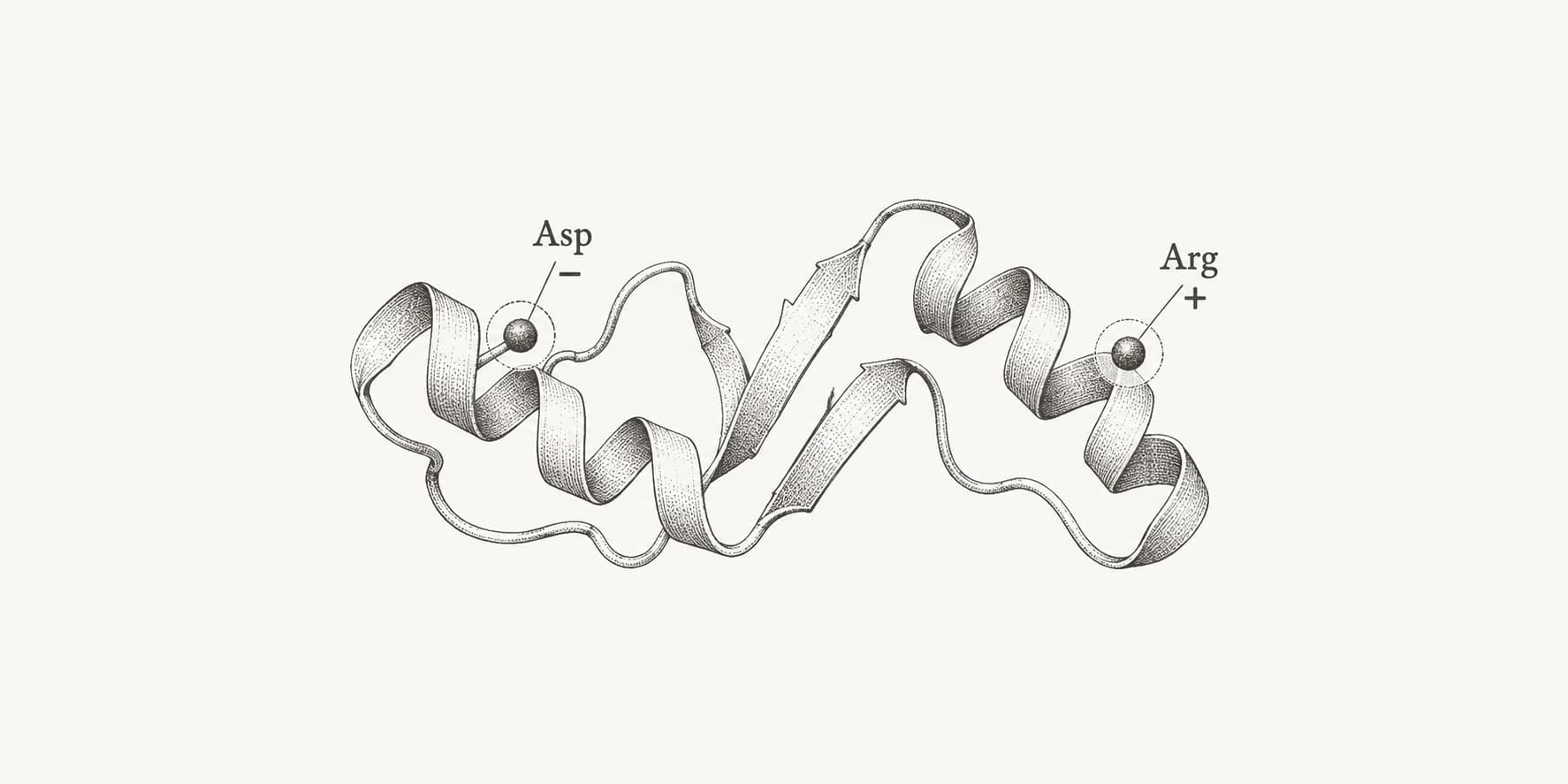
What are the most acidic and basic amino acids?
Arginine is the most basic standard amino acid by side-chain pKa, while aspartic acid is the most acidic. At pH 7.4, arginine is about 99.999% positively charged and aspartate is about 99.98% negatively charged.
Antibodies ·
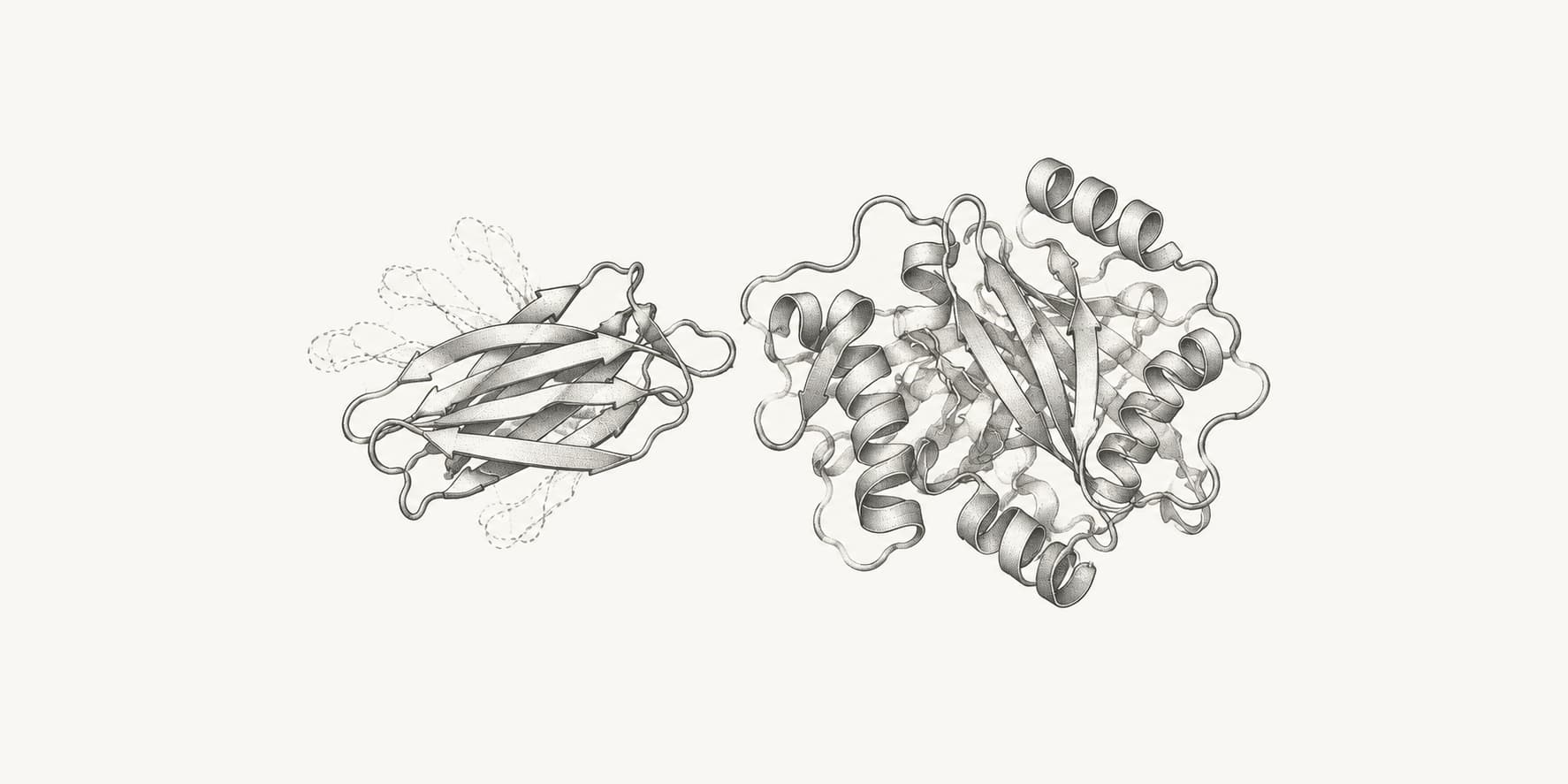
What is Chai-2? De novo antibody design explained
Chai-2 is an AI model for de novo antibody and protein binder design. Learn how it works, its performance benchmarks, access options, and alternatives for computational binder design.