- Molecular Docking
Molecular docking: What it is & how it works

What is molecular docking?
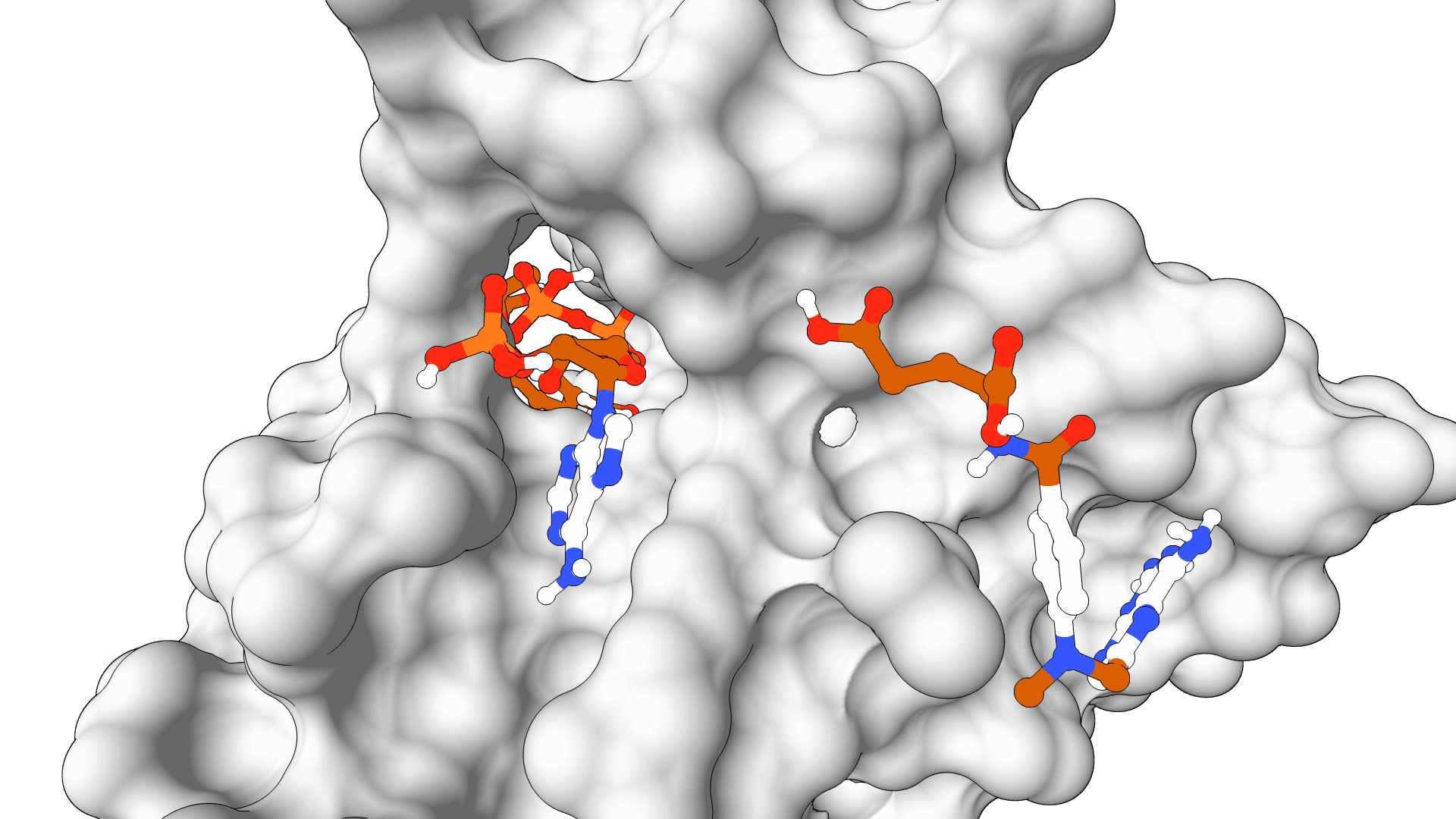
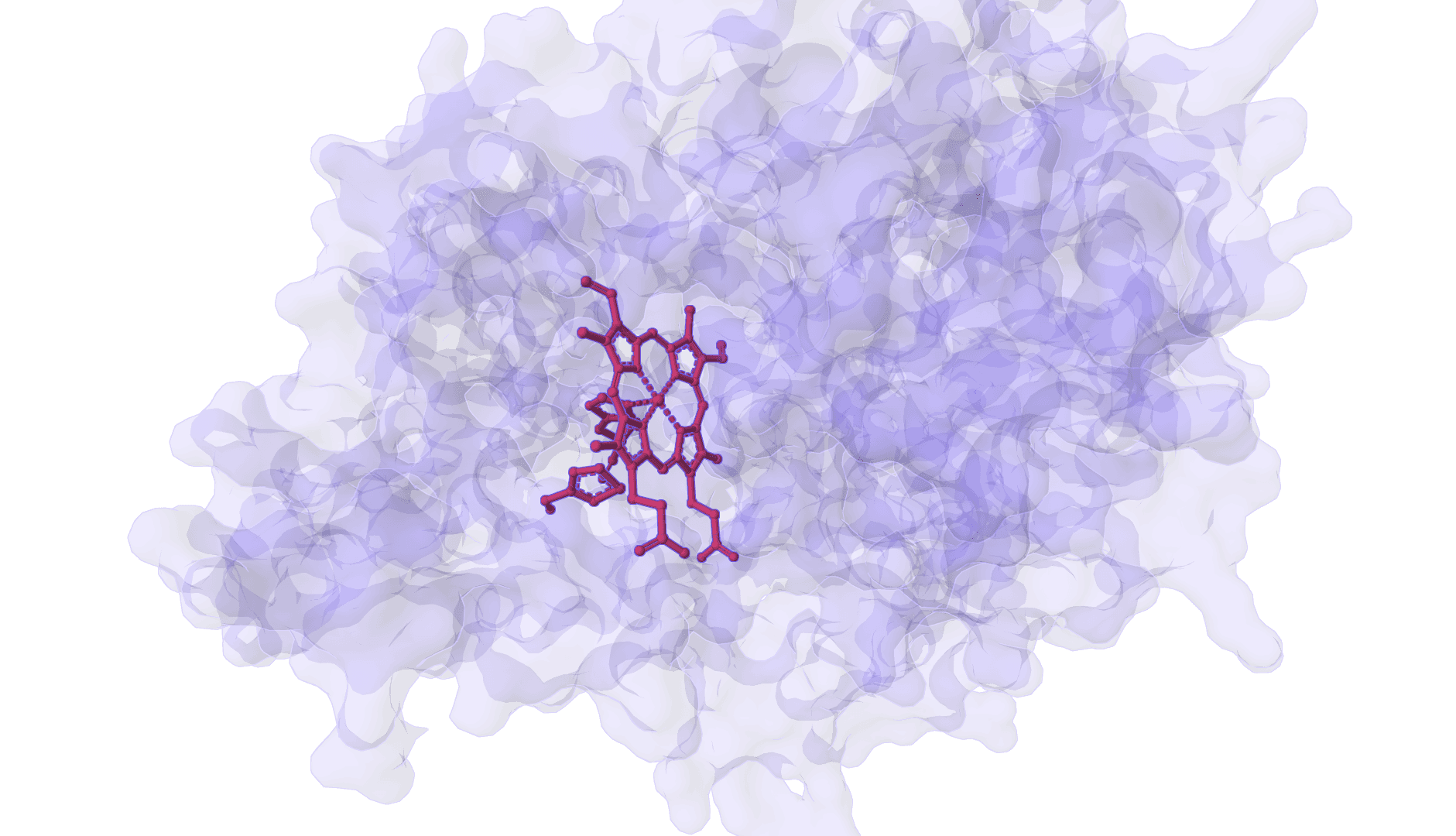
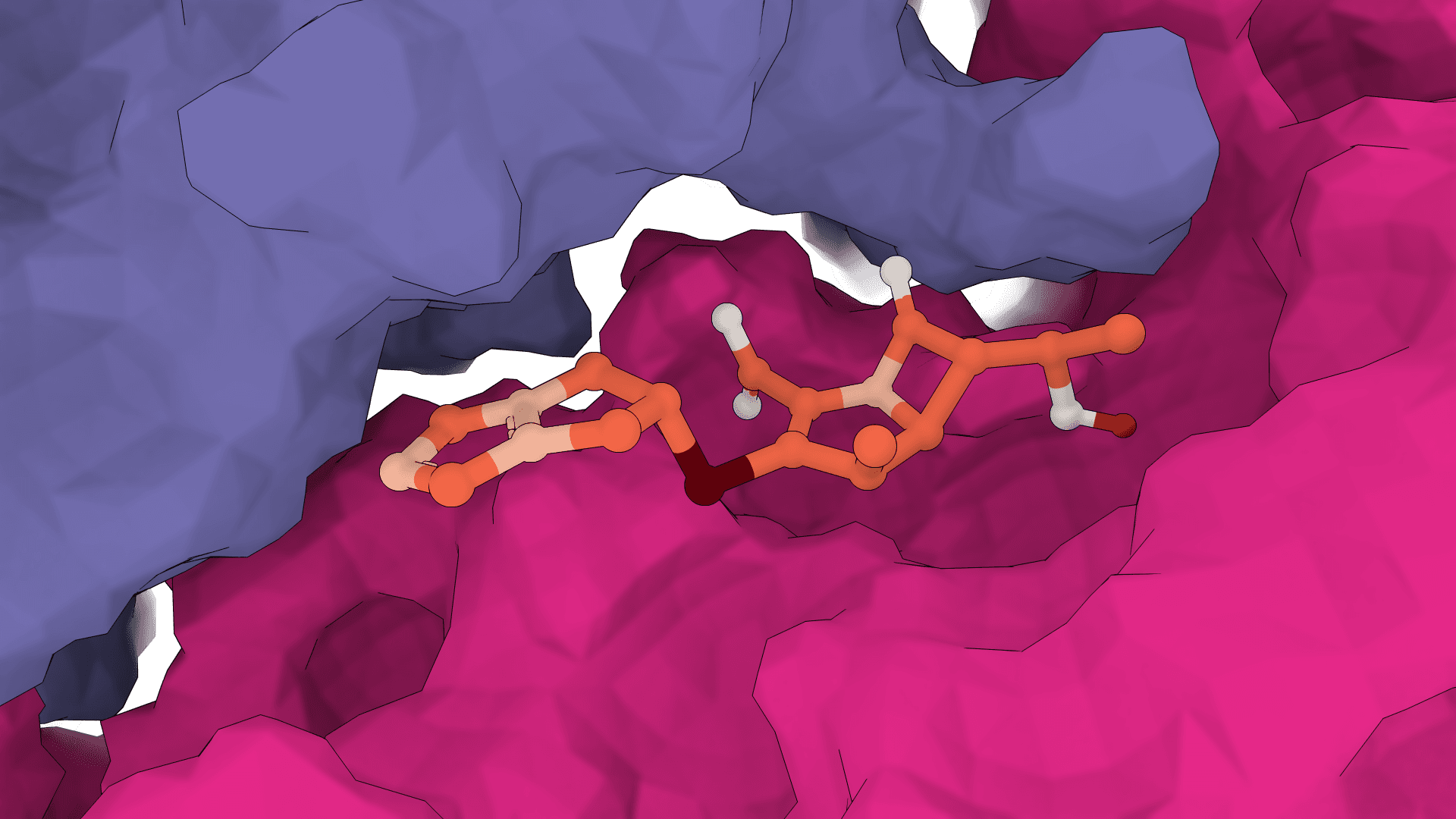
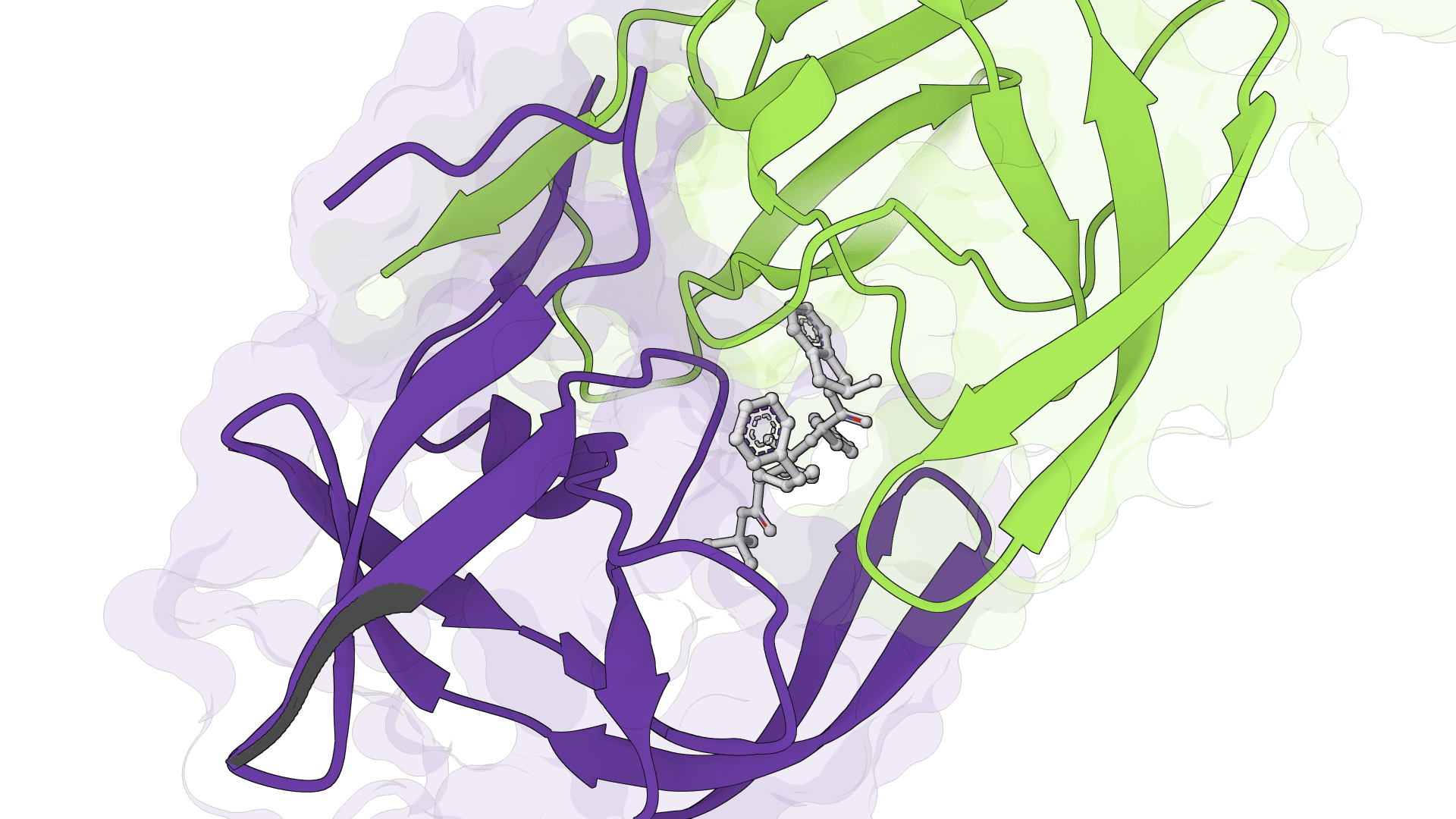
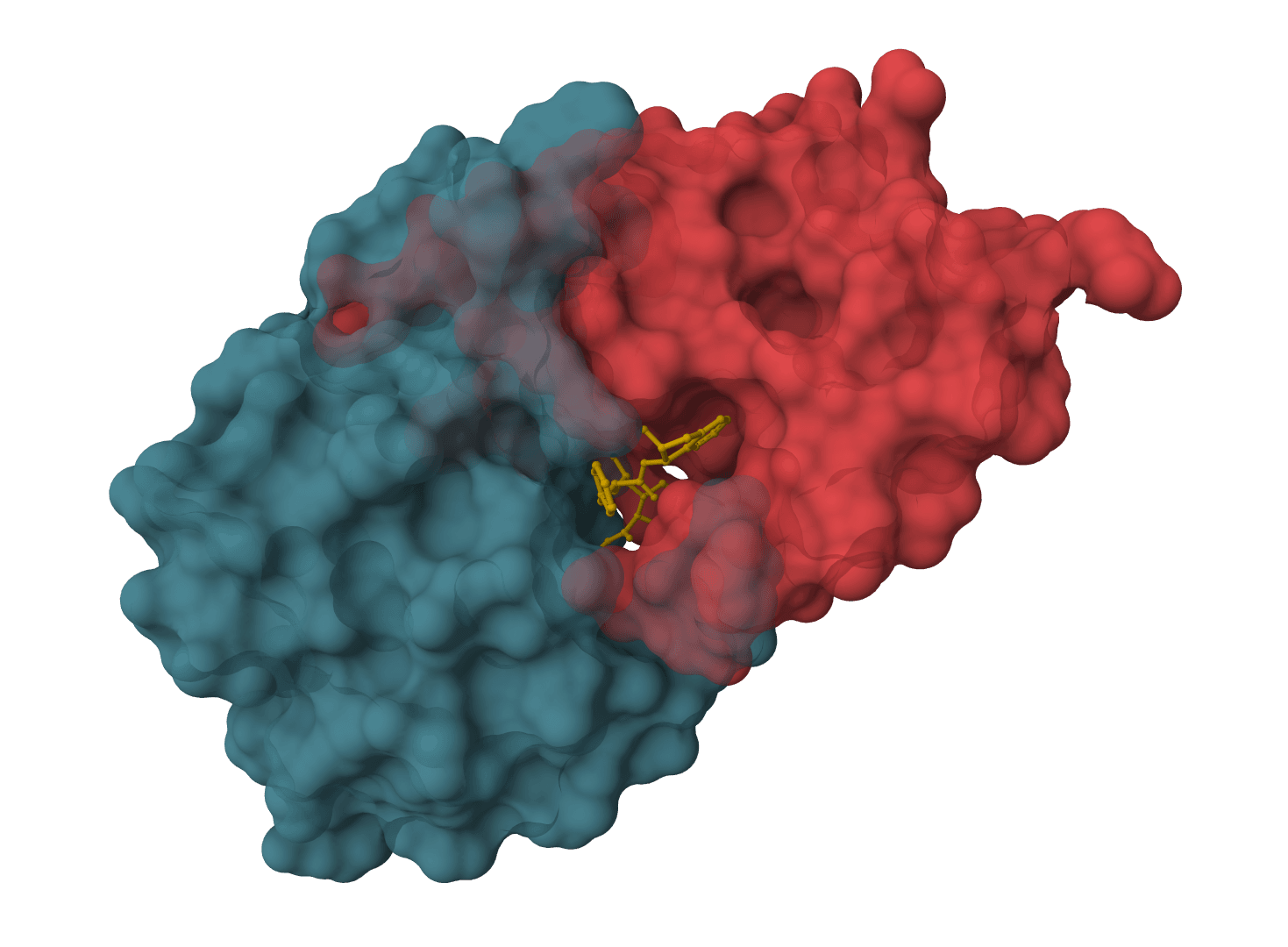
Molecular docking is a sophisticated computational method used to predict the preferred orientation of one molecule when bound to another to form a stable complex. At its core, this technique simulates the interaction between a "ligand" (typically a small molecule) and a "receptor" (usually a larger biomolecule, such as a protein or nucleic acid), at an atomic level.
The two primary goals of a docking experiment are:
- Pose prediction, which involves determining the most likely three-dimensional conformation of the ligand within the receptor's binding site
- Affinity prediction, which involves ranking different ligands based on their predicted binding strength.
The concept of molecular docking is often likened to a "lock-and-key" model, where the ligand serves as the key and the receptor acts as the lock. However, the reality is more dynamic, often described by the "induced-fit" theory, which posits that both the ligand and the receptor can adjust their conformations to achieve the optimal fit and minimize the free energy of the system.

How does molecular docking work?
At its heart, every molecular docking simulation is composed of two interdependent components: a search algorithm and a scoring function.
The success of the entire process hinges on how well these two elements work in concert. The search algorithm is responsible for generating a wide variety of potential binding poses—the "sampling" part of the problem. The scoring function then evaluates and ranks these poses, estimating their binding affinity, which is the "scoring" part.
Sidenote: It's good to remember that modern docking methods are generally more successful at pose prediction than they are at accurately ranking molecules by affinity.
Search algorithms
The primary role of a search algorithm is to generate a range of possible orientations and conformations of the ligand within the receptor's binding site. This is a computationally intensive task due to the high number of rotational and translational degrees of freedom for the ligand, and potentially for the receptor as well.
Dozens of algorithms have been developed to navigate this vast conformational landscape efficiently. These include:
- Systematic searches: These methods, such as torsional searches around rotatable bonds, explore the conformational space in a deterministic manner.
- Stochastic methods: Techniques like Monte Carlo and genetic algorithms introduce randomness to explore the conformational space. Genetic algorithms, for instance, "evolve" new, lower-energy conformations over successive generations.
- Molecular dynamics simulations: These simulations model the atomic movements of the system over time, providing a more realistic representation of the flexibility of both the ligand and the receptor.
Scoring
Once a set of potential binding poses is generated, a scoring function is employed to evaluate the "fitness" of each pose and rank them. The goal of the scoring function is to approximate the binding free energy of the protein-ligand complex. A more negative score typically indicates a stronger and more favorable binding interaction.
A critical trade-off exists between the speed and accuracy of these functions; fast empirical functions are ideal for screening millions of compounds, while more rigorous methods are better for accurately evaluating a smaller number.
Scoring functions can be broadly categorized into four main types:
- Force-field: These scoring functions calculate the sum of non-covalent interactions, such as van der Waals and electrostatic forces, between the protein and the ligand.
- Empirical: Empirical scoring functions are regression-based functions that use weighted terms for various interactions like hydrogen bonds, hydrophobic contacts, and the loss of rotatable bonds upon binding.
- Knowledge-based These functions derive statistical potentials from a large set of known protein-ligand complex structures, essentially learning what types of interactions are most frequently observed in stable complexes.
- Machine learning-based: A newer class of scoring functions utilizes machine learning algorithms, trained on large datasets of protein-ligand interactions, to predict binding affinity with improved accuracy.
Techniques in molecular docking
The field of molecular docking encompasses a variety of techniques, each tailored to specific research questions and computational constraints. The choice of method typically involves a trade-off between computational cost and how much molecular flexibility is modeled.
Rigid docking
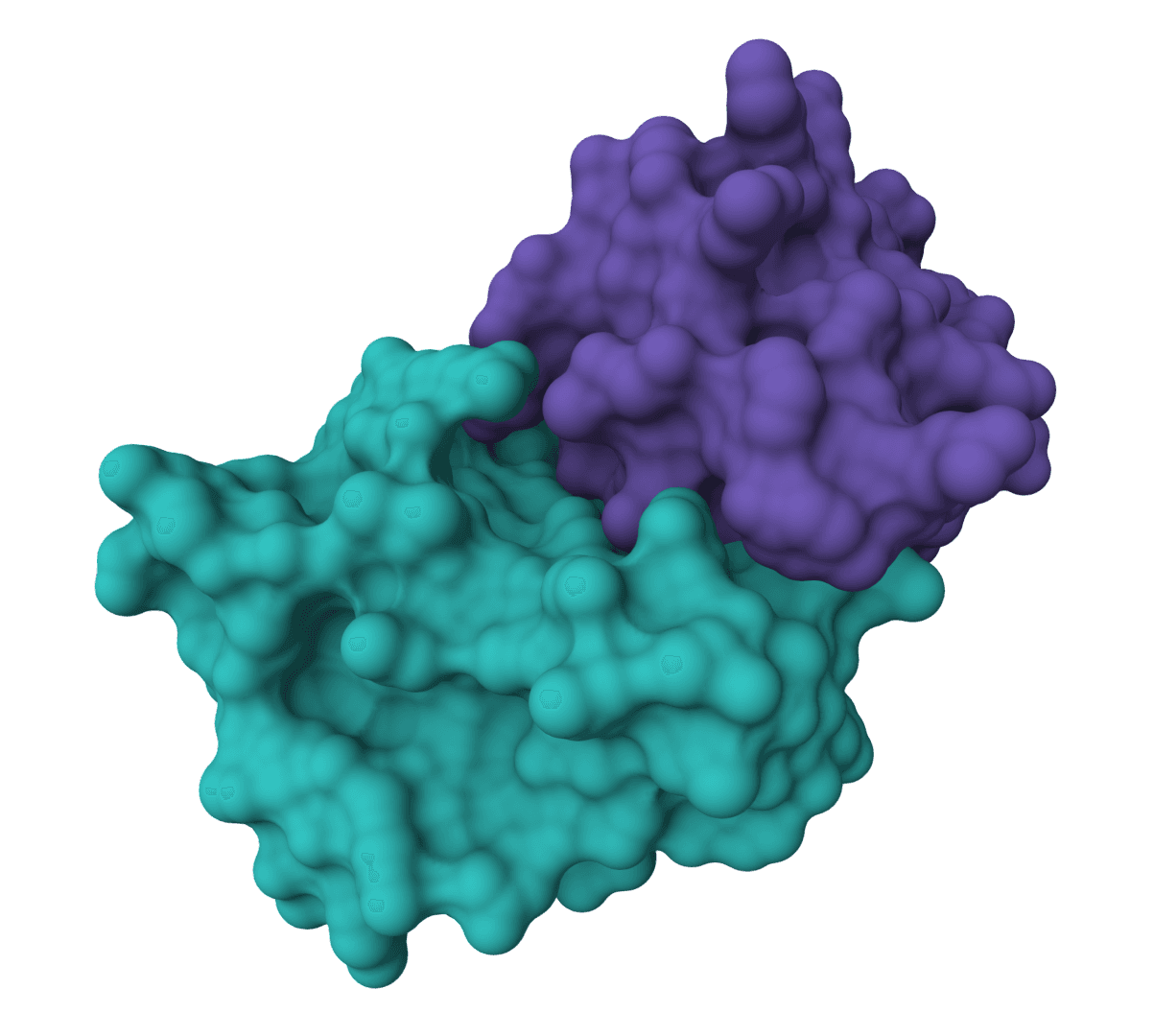
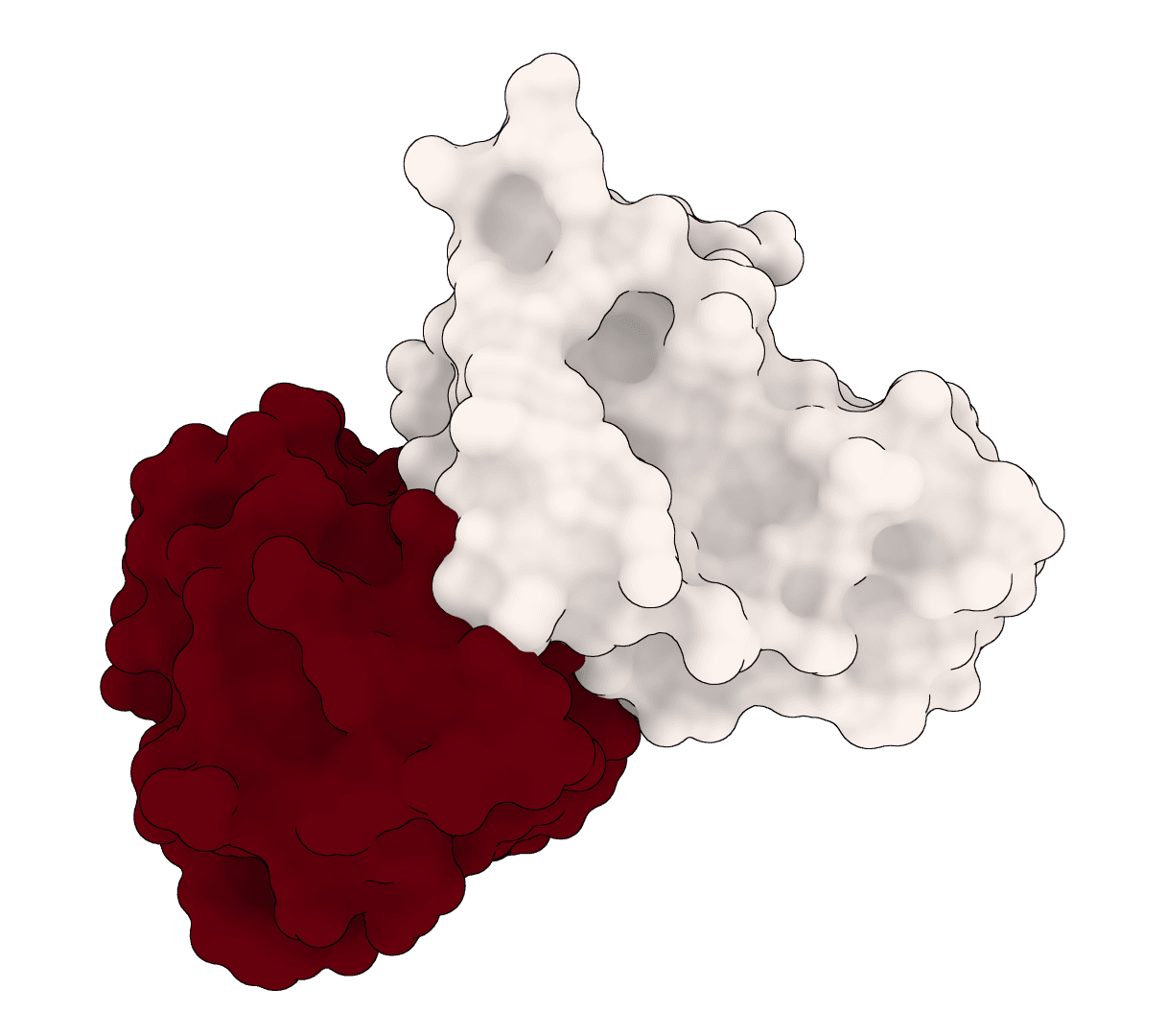
The simplest approach treats both the ligand and receptor as inflexible bodies. While computationally fast, this method cannot capture the conformational changes that frequently occur upon binding, which limits its applicability. Rigid docking sees most use in protein-protein docking, where programs like ZDOCK use Fast Fourier Transform methods to efficiently explore rotational and translational space between two molecules.
Flexible ligand docking
Allowing the ligand's rotatable bonds to move while keeping the receptor rigid strikes a practical balance between accuracy and computational cost. This makes flexible ligand docking the workhorse of virtual screening campaigns, and most established docking programs excel at it. AutoDock Vina is a popular open-source tool known for its speed and accuracy, while commercial packages like Glide, GOLD, and MOE are industry standards—each employing different search algorithms (systematic searches for Glide, genetic algorithms for GOLD) paired with their own scoring functions.
Flexible receptor docking
Sometimes called "soft docking," this approach allows specific side chains in the binding site to change conformation. The added computational cost pays off when induced-fit effects are significant. Glide's Induced Fit Docking (IFD) protocol, for example, combines docking with Prime structure refinement to model side-chain movements, and AutoDock Vina supports explicit selection of flexible residues.
Ensemble docking
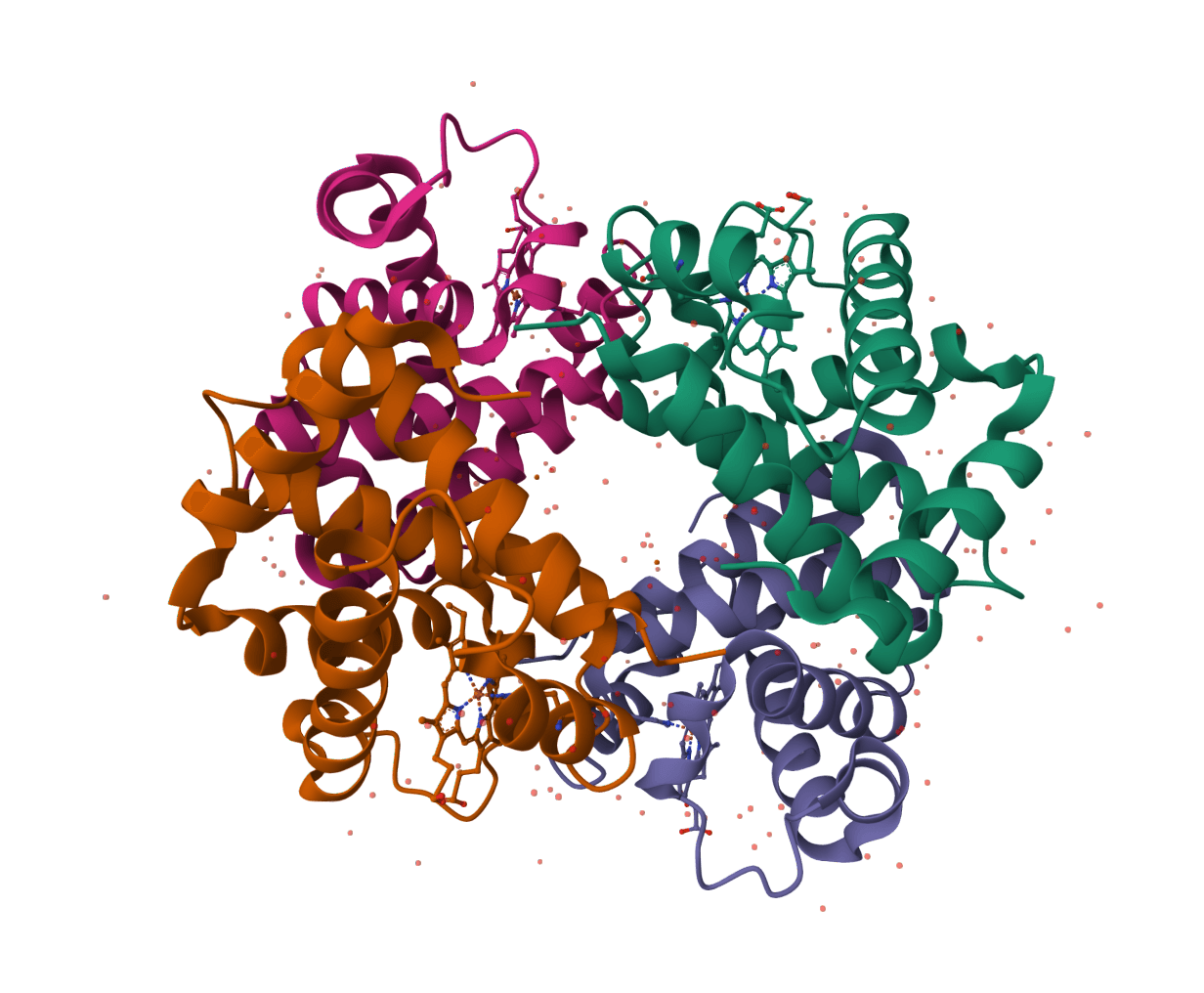
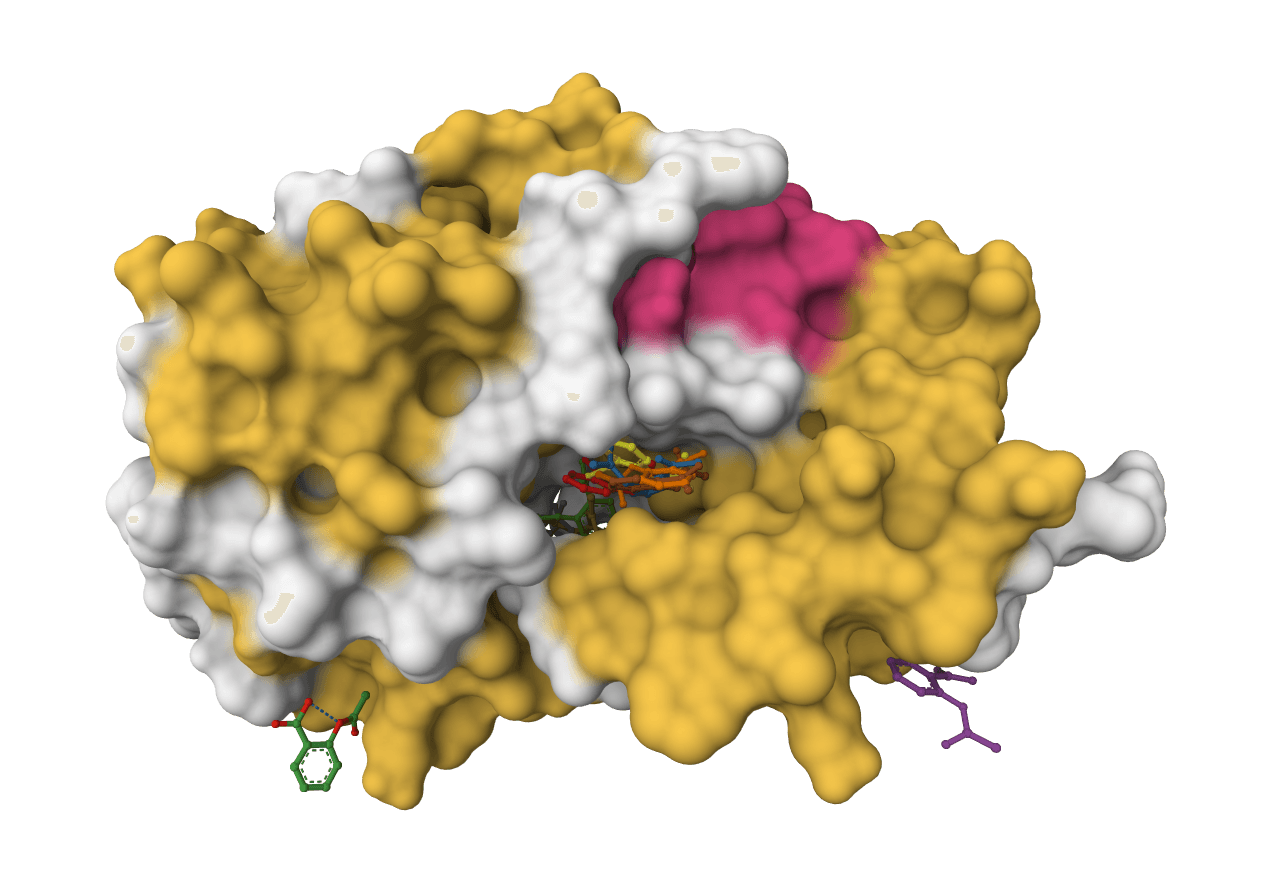
Rather than using a single receptor structure, ensemble docking runs simulations against multiple conformations, providing a more realistic representation of protein dynamics. These conformations can come from multiple crystal structures of the same protein or be generated through molecular dynamics simulations. The approach improves success rates for proteins with significant conformational plasticity, and most major docking programs support ensemble workflows.
Covalent docking
Some ligands form permanent covalent bonds with their target protein, and modeling these interactions requires specialized methods that can simulate the bond formation step. This capability is essential for designing irreversible inhibitors, an increasingly important class of therapeutics. Schrödinger's CovDock, DOCKovalent, and newer versions of GNINA all offer dedicated protocols for this purpose.
Machine learning approaches
A new generation of tools leverages deep learning to augment or replace classical scoring functions and search algorithms. GNINA, a fork of AutoDock Vina, uses convolutional neural networks for improved scoring and pose prediction. DiffDock takes a more radical approach, reframing docking as a generative modeling task rather than a search problem—its diffusion model rapidly generates and refines ligand poses with notable performance improvements over traditional methods.
A typical docking workflow
A successful docking simulation depends as much on careful preparation and analysis as on the algorithm itself. The principle of "garbage in, garbage out" applies strongly here—errors in the input structures will produce meaningless results.
Receptor preparation
The process typically begins with an experimental structure from the Protein Data Bank (PDB). This raw structure requires careful processing before it can be used for docking. Hydrogen atoms, which are typically absent from X-ray crystallography files, must be added computationally. Bond orders and formal charges need to be assigned correctly. Most crystallographic water molecules are removed, though key structural or bridging waters may be retained if they mediate important interactions.
Gaps in the structure—missing side chains or loops—must be modeled. Titratable residues like histidine, aspartate, and glutamate need their protonation states assigned correctly, which is critical for defining the hydrogen bond network. Finally, the binding site itself must be defined, often using a co-crystallized ligand as a guide or pocket-detection algorithms when no ligand is present.
Ligand preparation
Ligands require their own preparation to ensure chemical validity. Two-dimensional representations (like SMILES strings) must be converted into reasonable 3D conformations. Since the biologically active form of a molecule may differ from its lowest-energy state in isolation, possible ionization states, tautomers, and stereoisomers should be enumerated. Atom types and partial charges must be compatible with the scoring function's force field.
Post-docking analysis
The output of a docking run is a list of poses ranked by score, but interpreting these results requires careful scrutiny. The highest-ranked pose is not guaranteed to be correct, so examining several top poses is essential. Grouping poses into conformational clusters can provide more confidence than looking at isolated solutions—a large cluster of similar low-energy poses suggests a robust prediction.
Visual inspection remains invaluable: Are expected hydrogen bonds formed? Are hydrophobic groups buried appropriately? Are there unsatisfied polar atoms in nonpolar regions? For promising candidates, more rigorous methods like MM/GBSA (Molecular Mechanics/Generalized Born Surface Area) can provide better estimates of binding affinity than the initial docking score.
Applications
Molecular docking has become indispensable across multiple scientific fields, with drug discovery being its most prominent application. In virtual screening, docking enables rapid evaluation of large compound libraries against protein targets to identify potential "hits"—an in silico approach that is significantly faster and more cost-effective than experimental high-throughput screening. Once a hit is identified, docking reveals its binding mode in detail, guiding medicinal chemists in designing more potent and selective analogs during lead optimization.
Beyond drug discovery, docking provides insights into fundamental biochemistry by visualizing how ligands interact with their receptors, illuminating mechanisms of enzyme catalysis and signal transduction. The technique also helps characterize protein-protein interfaces, informing the design of therapeutics that target these interactions. In environmental science, docking can predict which pollutants might be degraded by specific enzymes, aiding bioremediation strategies.
Current challenges
Despite its successes, molecular docking faces fundamental limitations. Scoring function accuracy remains the field's biggest challenge. A key distinction exists between "scoring power" (identifying the correct pose for a single ligand) and "ranking power" (correctly ordering different ligands by affinity). Current scoring functions handle the former reasonably well but struggle with the latter, which is ultimately what matters for drug discovery.
Modeling protein flexibility, especially large-scale backbone movements, remains computationally prohibitive. Ensemble docking helps but still approximates the true dynamic behavior of proteins. Water plays a critical role in molecular recognition, yet docking often treats it implicitly or ignores it entirely, missing key bridging interactions. Scoring functions also struggle to calculate the entropic penalties associated with ligand binding, where a flexible molecule loses conformational freedom upon forming a complex.
Future directions
The future of molecular docking lies in addressing these limitations. More accurate scoring functions are being developed using advanced machine learning and larger, higher-quality training datasets. Increased computational power is making flexible receptor and ensemble docking more routine. Integration with rigorous methods like molecular dynamics simulations and free energy perturbation (FEP) calculations promises more reliable binding affinity predictions.
As these methods mature, molecular docking will continue to be a cornerstone of computational chemistry and drug discovery, enabling researchers to explore molecular interactions that would be impractical to study experimentally.