Loading guides...
Guides
Genetics ·
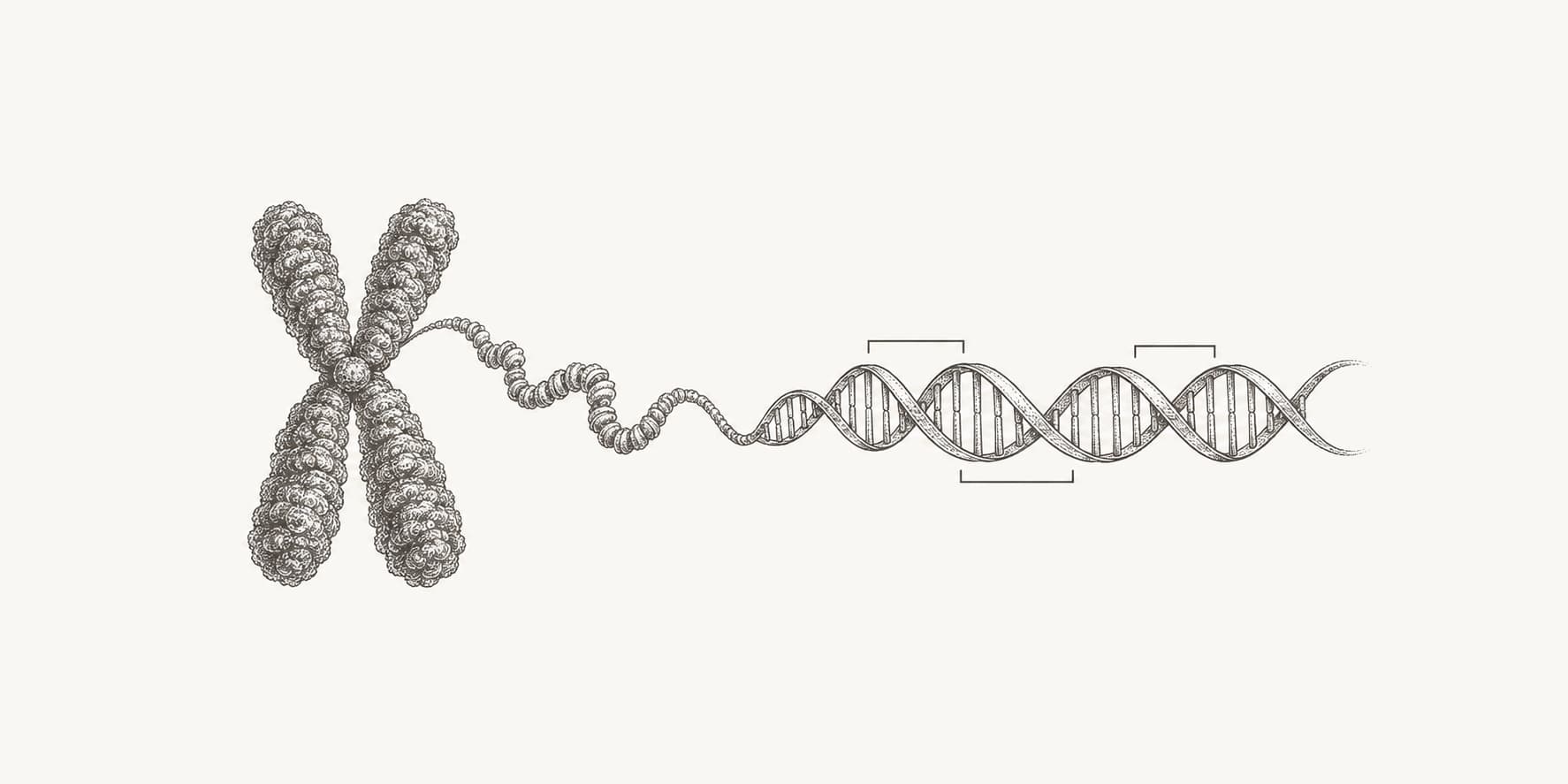
How many genes are in a chromosome?
Human nuclear chromosomes contain between 61 and 2,016 protein-coding genes. See the current gene count for chromosomes 1 through 22, X, Y, and mitochondrial DNA.
Genetics ·
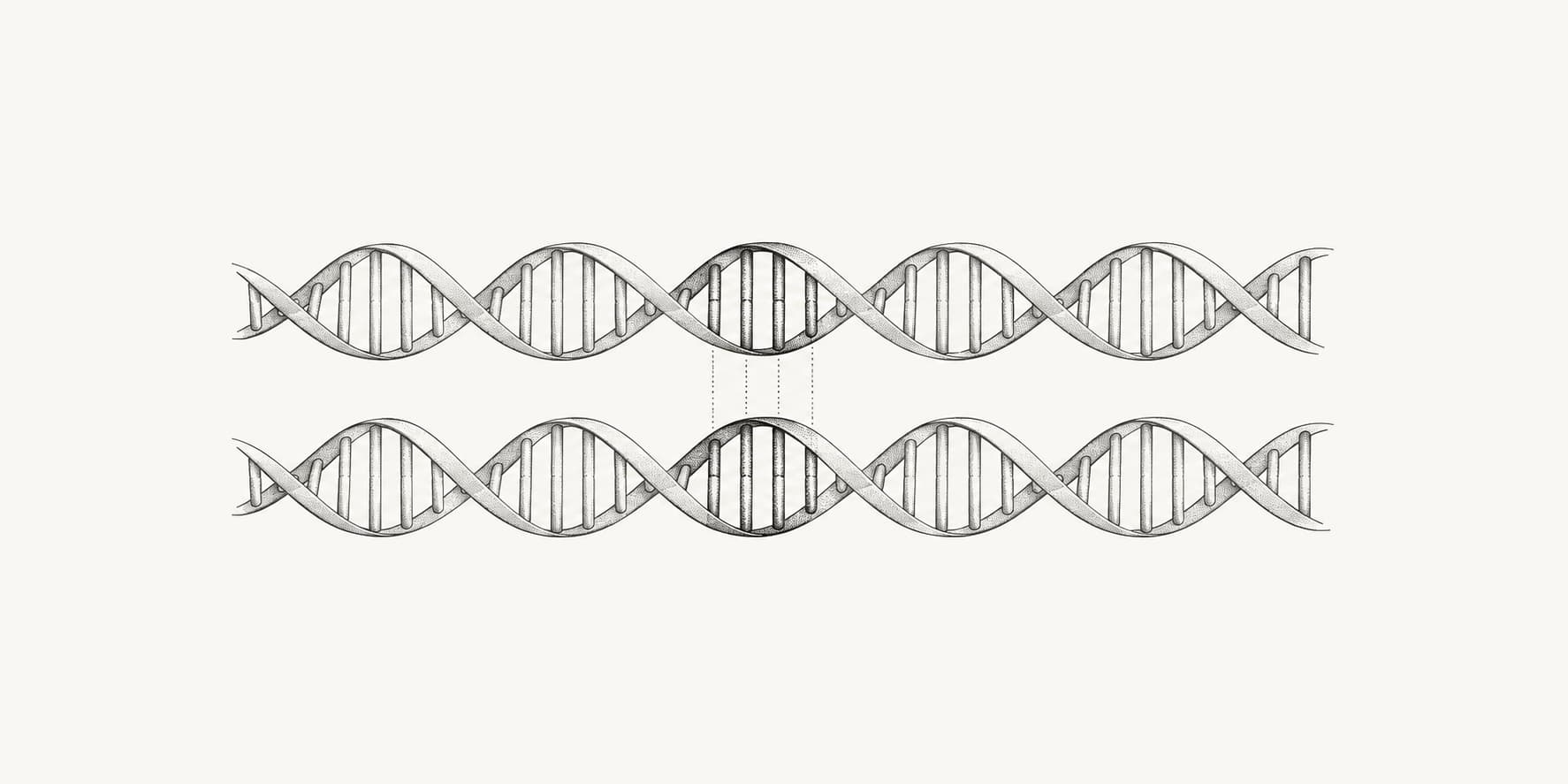
How much DNA do cousins share?
First cousins share 12.5% of their autosomal DNA by descent on average, second cousins share 3.125%, and third cousins share 0.781%.
Genetics ·
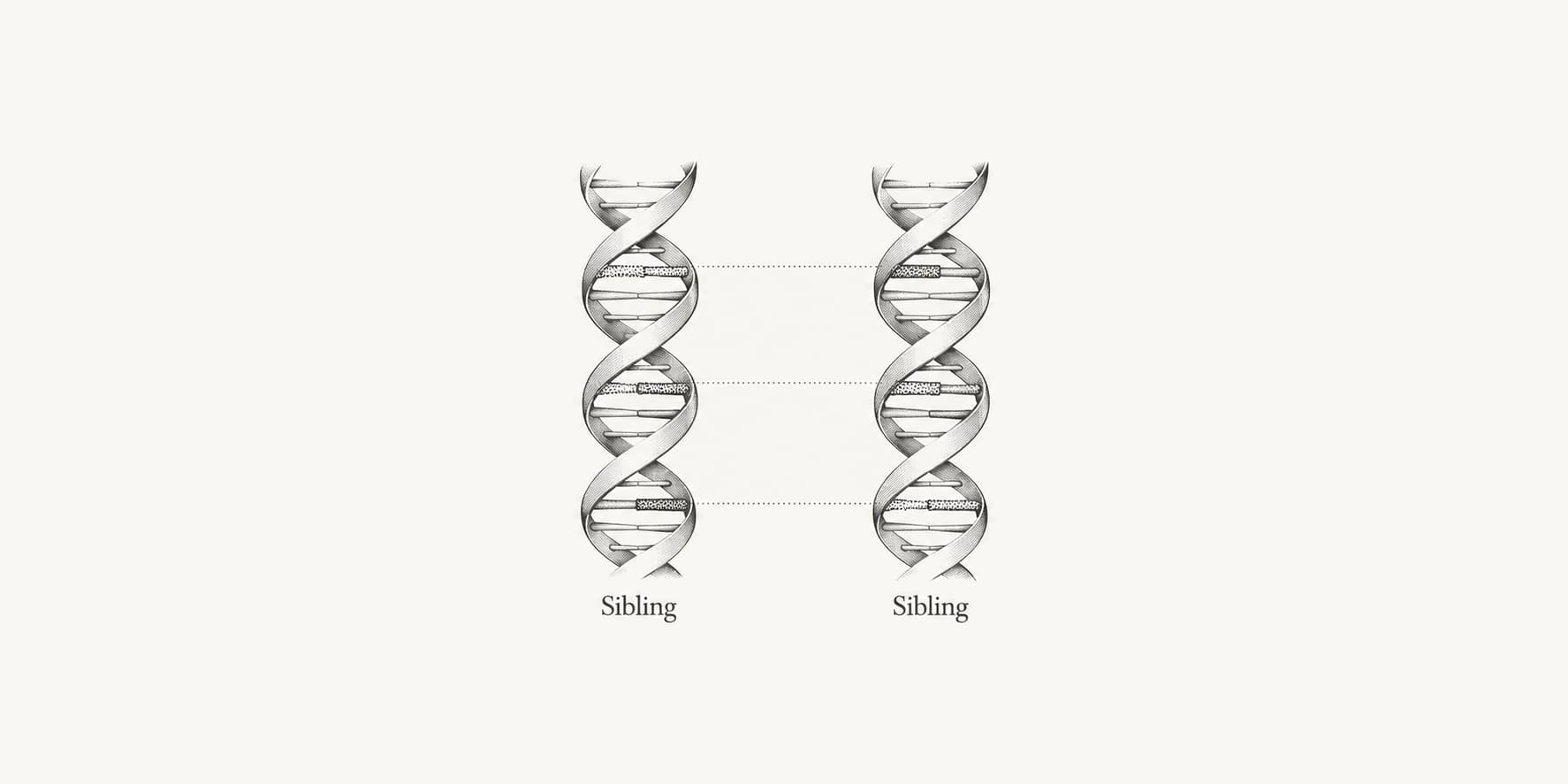
How much DNA do siblings share?
Full siblings share about 50% of their autosomal DNA by descent on average. Identical twins share virtually 100%, while half-siblings average 25%.
Genetics ·
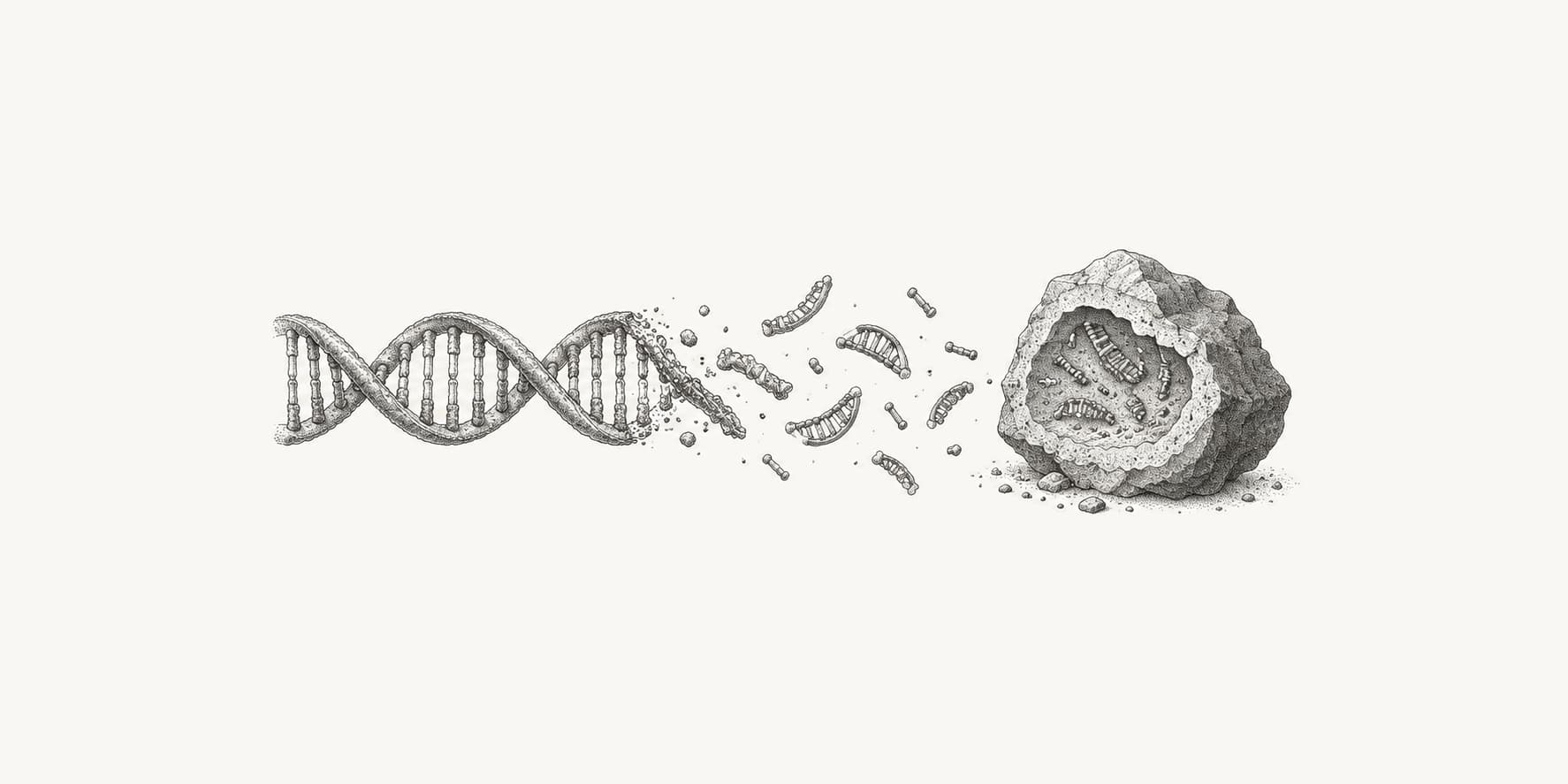
How long does DNA last?
DNA can remain detectable for days, years, or millennia. Its survival depends more on temperature, water, sunlight, microbes, and the sample material than on age alone.
Genetics ·
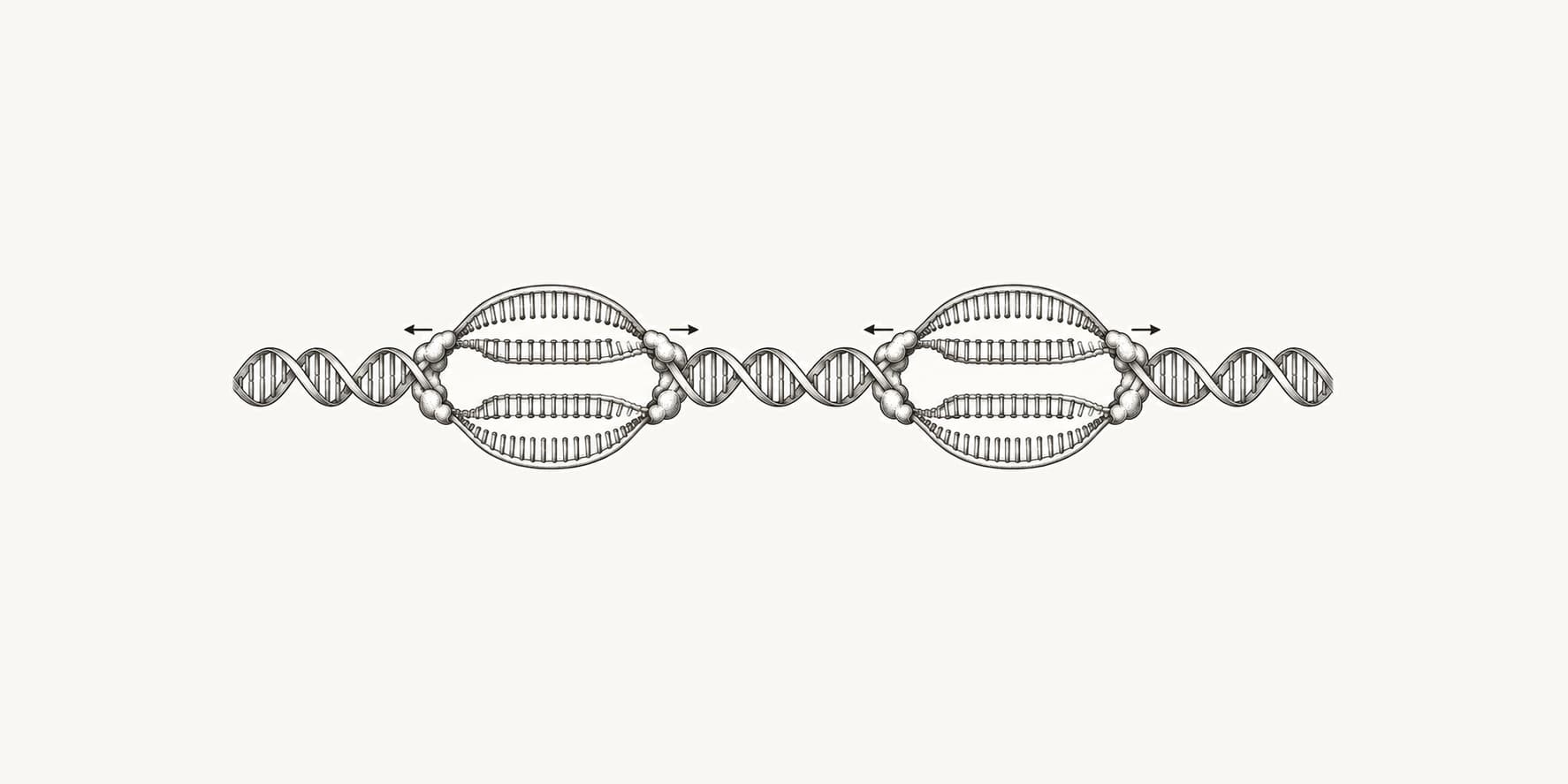
How long does DNA replication take?
Human DNA replication takes about 8 hours. See measured replication fork speeds, bacterial replication times, and how thousands of origins copy the genome in parallel.
Cells ·
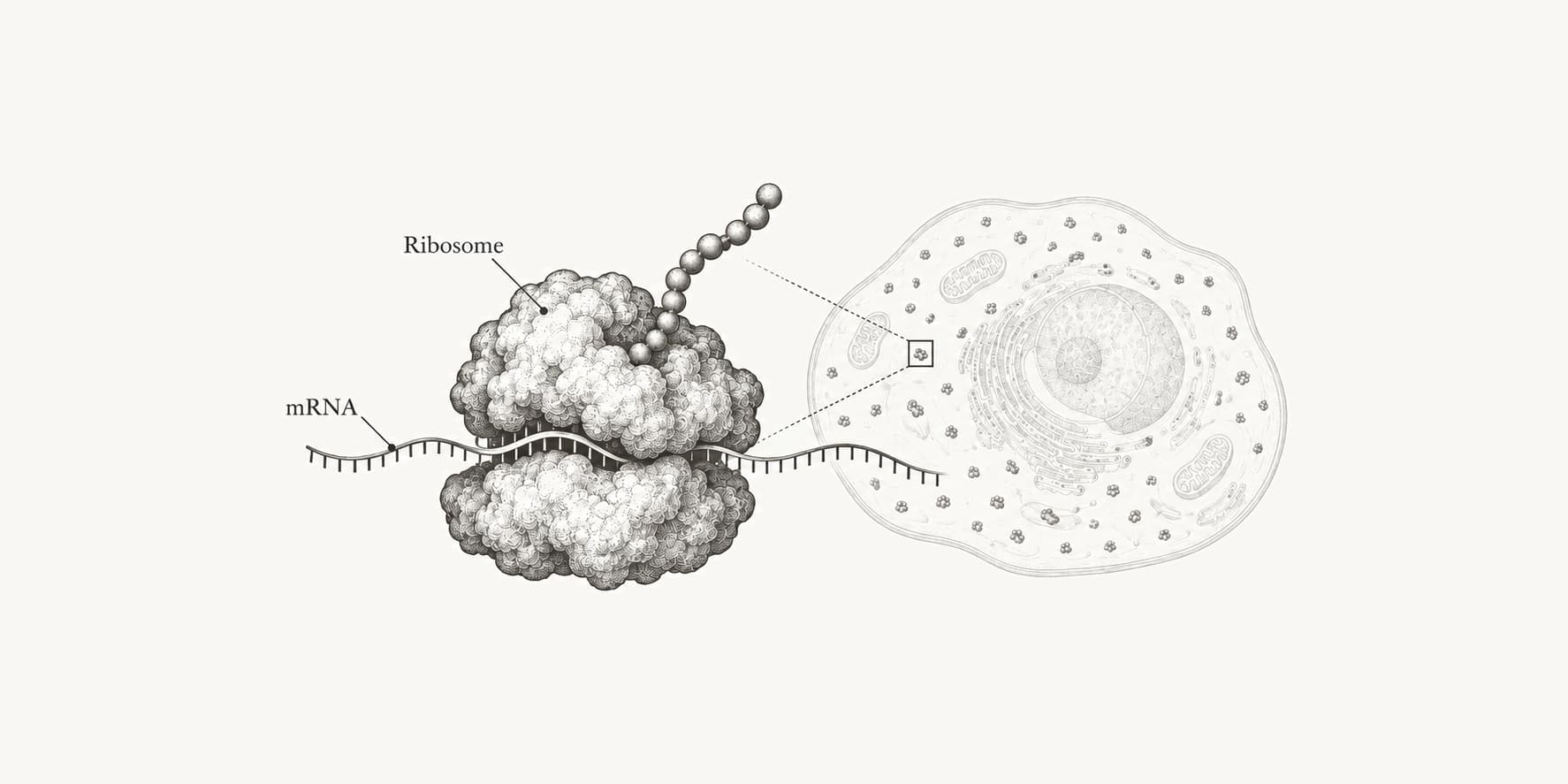
How many ribosomes are in a cell?
Ribosome counts range from thousands in bacteria to millions in mammalian cells. Compare bacterial, yeast, and mammalian cells, translation speeds, protein output, and polysomes.
Genetics ·
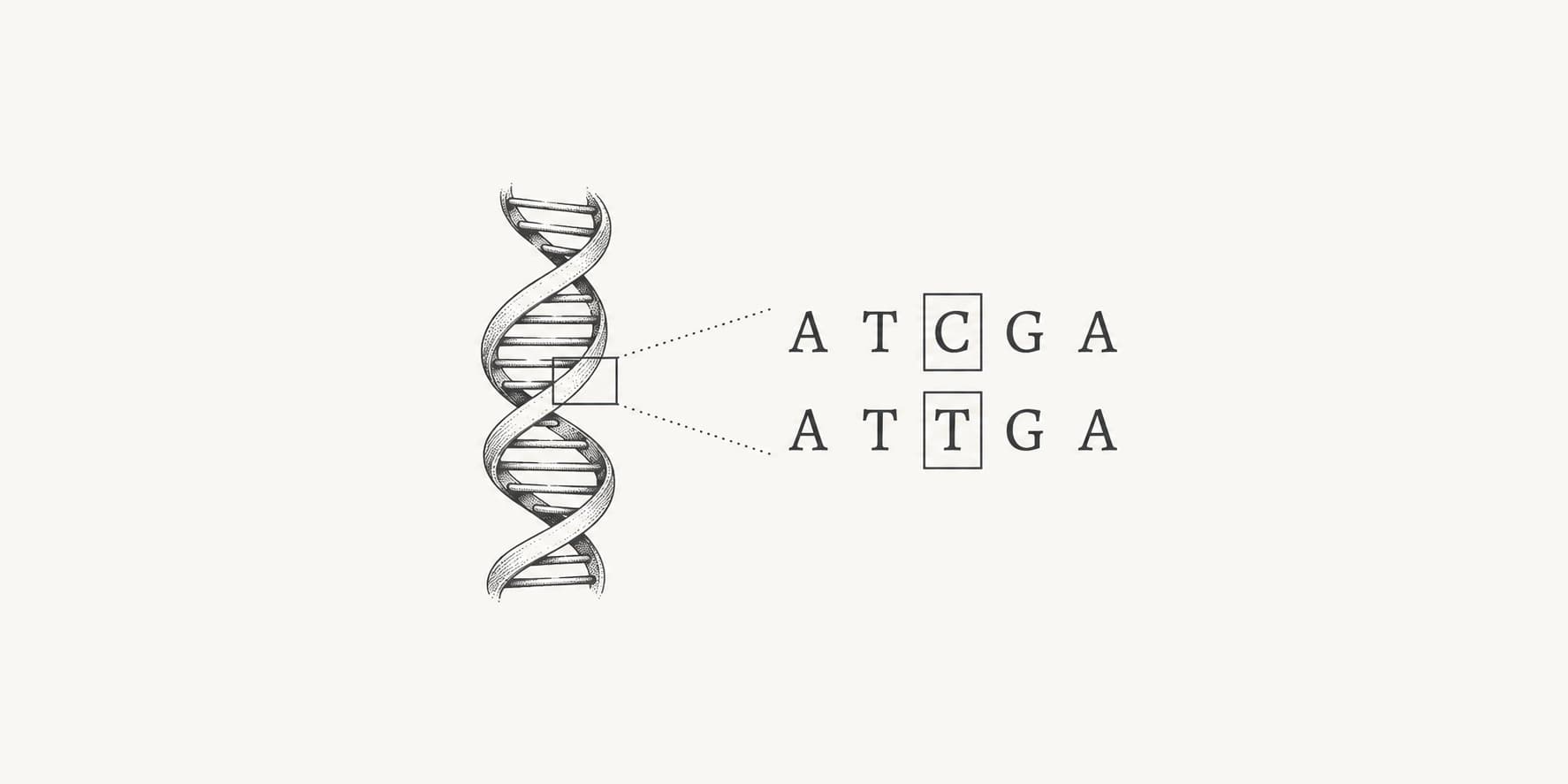
How many SNPs are in the human genome?
A typical human genome has about 5 million single-nucleotide variants relative to a reference. Roughly 10 million SNP sites are common across the population, while dbSNP Build 157 has 1.172 billion live reference records.
Genetics ·
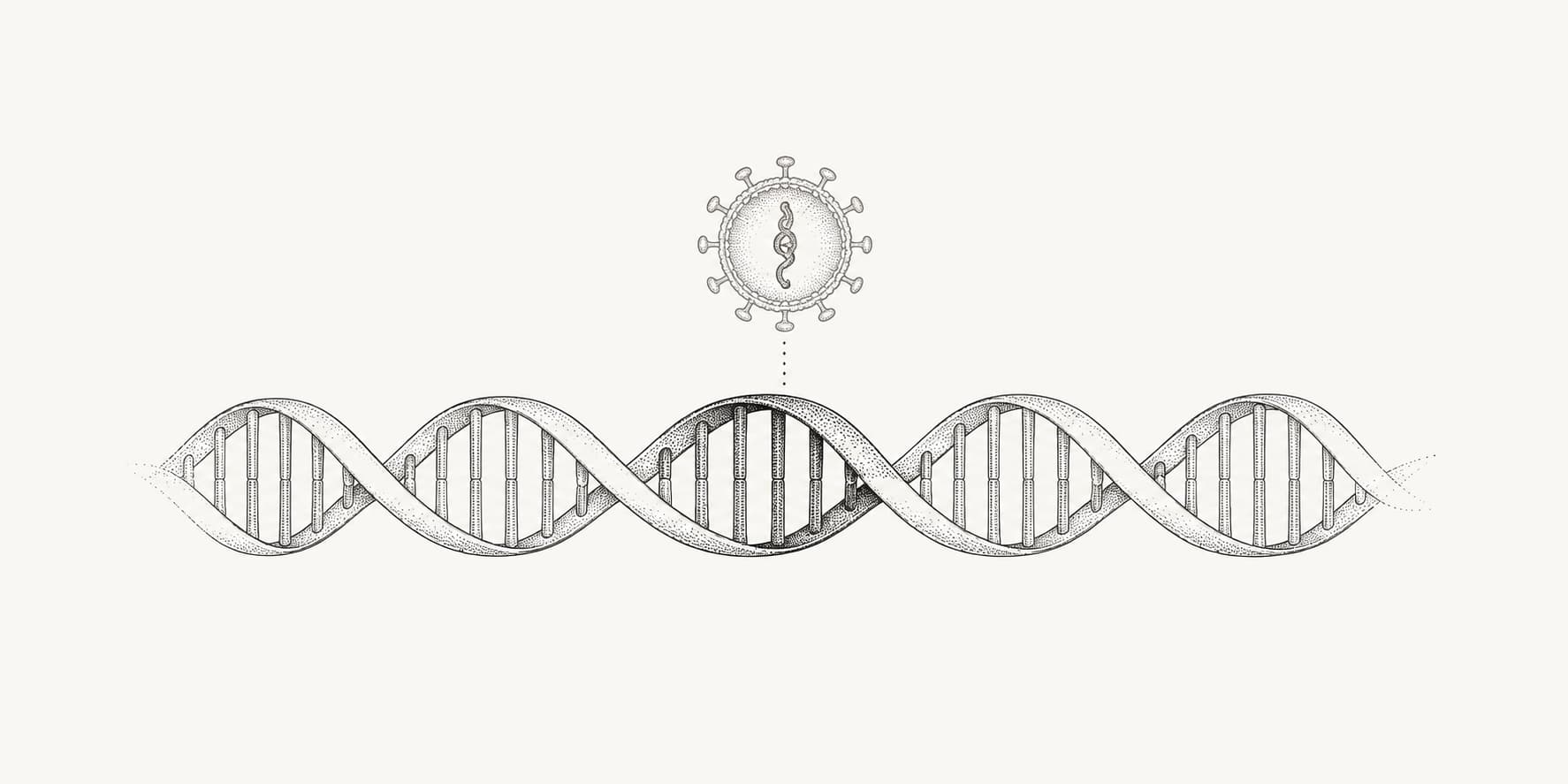
What percentage of the human genome is viral DNA?
About 8% of the human genome is viral DNA in the standard sense: inherited endogenous retrovirus sequences. That is about 250 million bases in a 3.1-billion-base reference genome.
Genetics ·
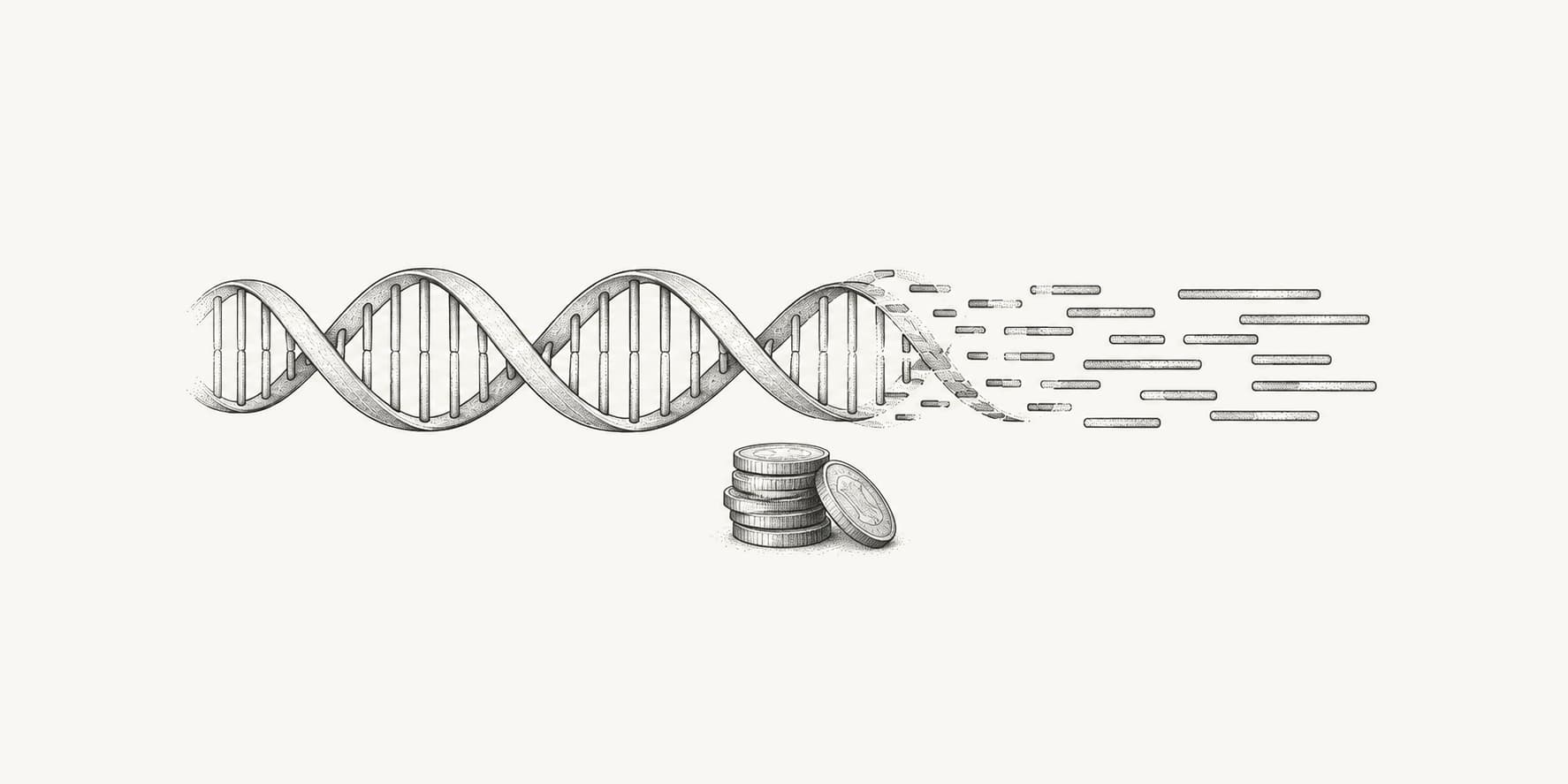
How much does it cost to sequence a genome?
Human whole-genome sequencing costs about $200 for a research service and roughly $550 to $600 for current consumer tests. Clinical analysis costs several thousand.
Genetics ·
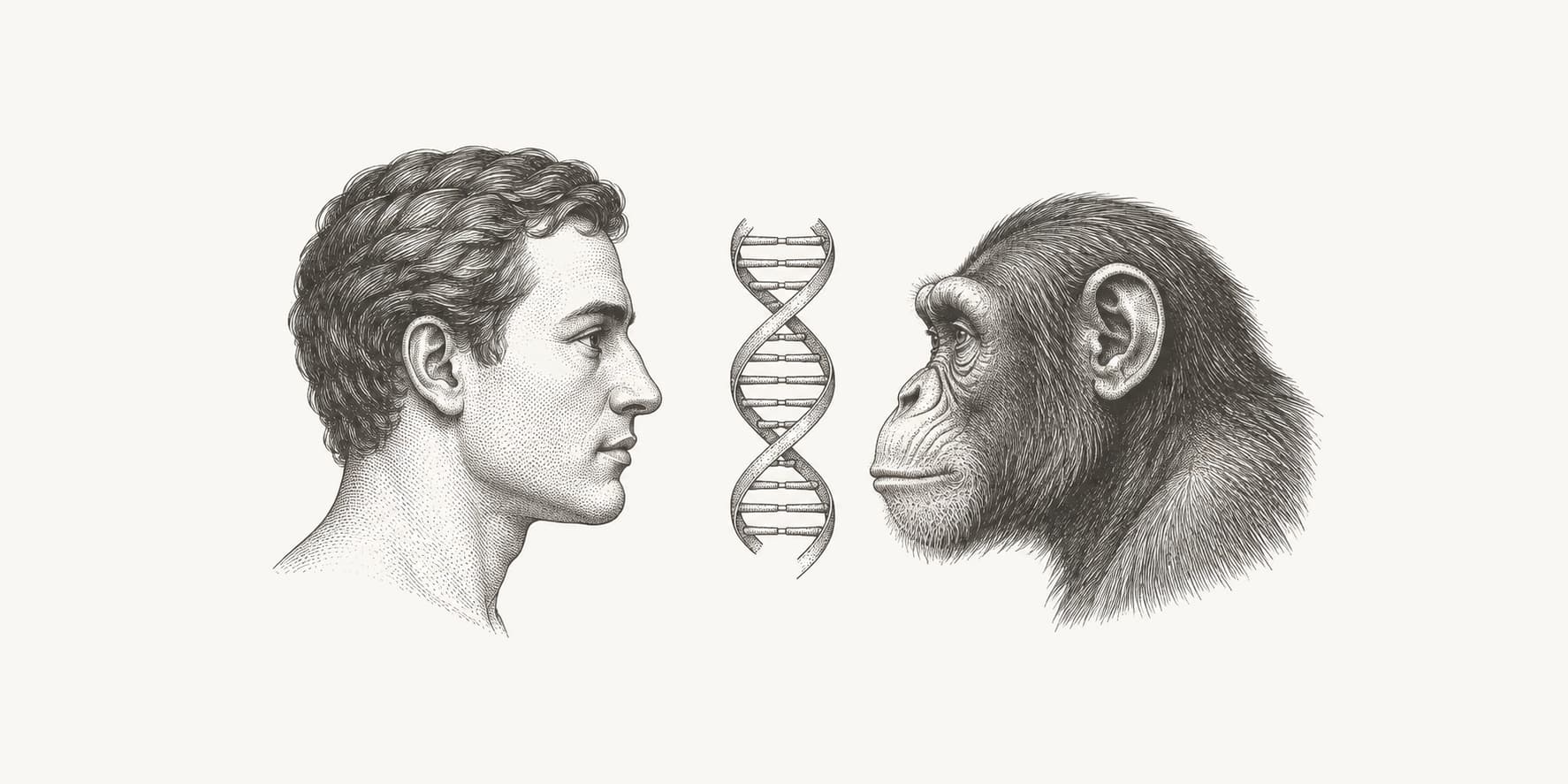
How much DNA do humans share with chimpanzees?
Humans and chimpanzees share about 98.8% of directly comparable DNA sequence, about 96% when insertions and deletions are included in the classic 2005 genome comparison, and lower strict one-to-one fractions in complete-assembly analyses.
Genetics ·
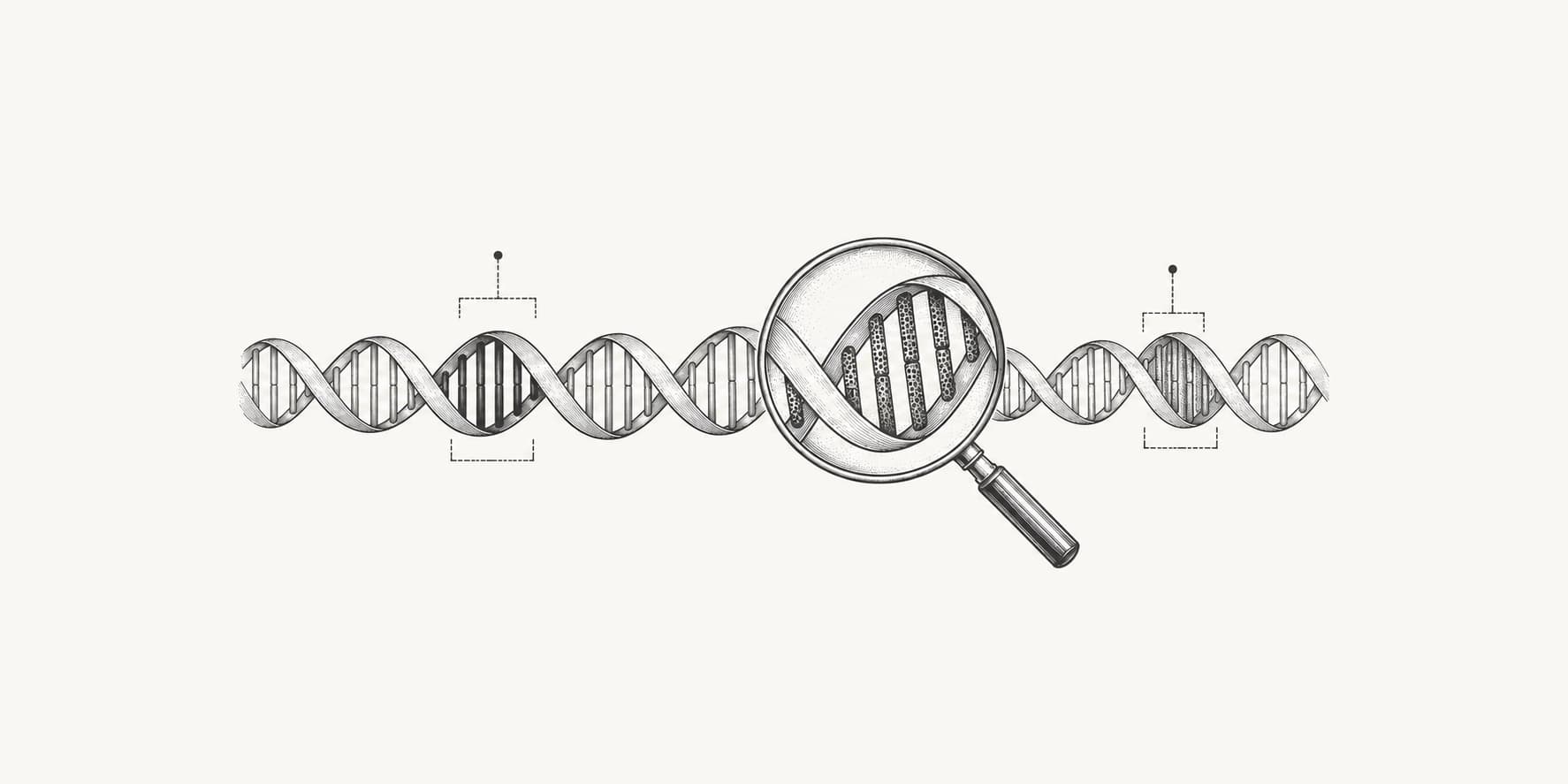
How much of the human genome is junk DNA?
Depending on how function is defined, between 8% and 80% of the human genome may be functional. By the stricter evolutionary definition, about 8–15% of DNA is under selective constraint, leaving the remaining 85–92% without evidence of function.