How many chromosomes do humans have?
Humans typically have 46 chromosomes, arranged in 23 pairs, in most nucleated body cells. Egg and sperm cells have 23 chromosomes each.
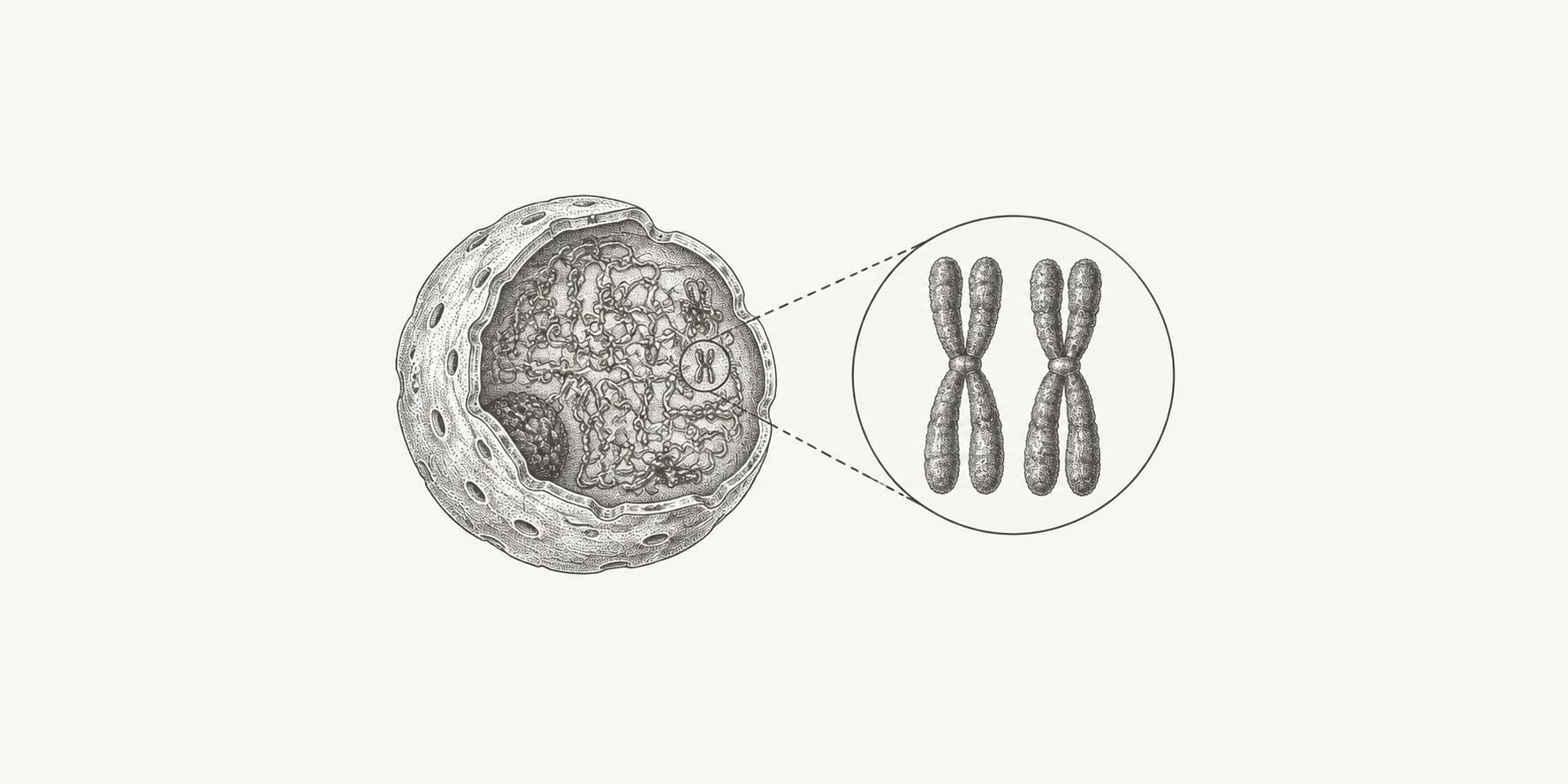
Humans typically have 46 chromosomes, arranged in 23 pairs, in most nucleated body cells. One chromosome in each pair comes from the egg and the other from the sperm.
The answer is 23 when counting pairs or the chromosomes in a sperm or egg cell. It is 46 when counting the individual chromosomes in a typical body cell.
How many chromosomes do humans have?
Humans typically have 46 chromosomes, organized as 23 pairs, in most nucleated body cells.[1]
The first 22 pairs are autosomes, the numbered chromosomes 1 through 22. The last pair consists of the sex chromosomes. A typical female karyotype is 46,XX and a typical male karyotype is 46,XY, so females and males typically have the same total number of chromosomes.[1]
Variations in the number or structure of the X and Y chromosomes occur. Sex development also involves genes elsewhere in the genome, so 46,XX and 46,XY do not describe every person.
Mature red blood cells have no nucleus and therefore no nuclear chromosomes. Egg and sperm cells are another exception because they carry one set rather than two. The 46-chromosome figure refers to a typical diploid, nucleated body cell.
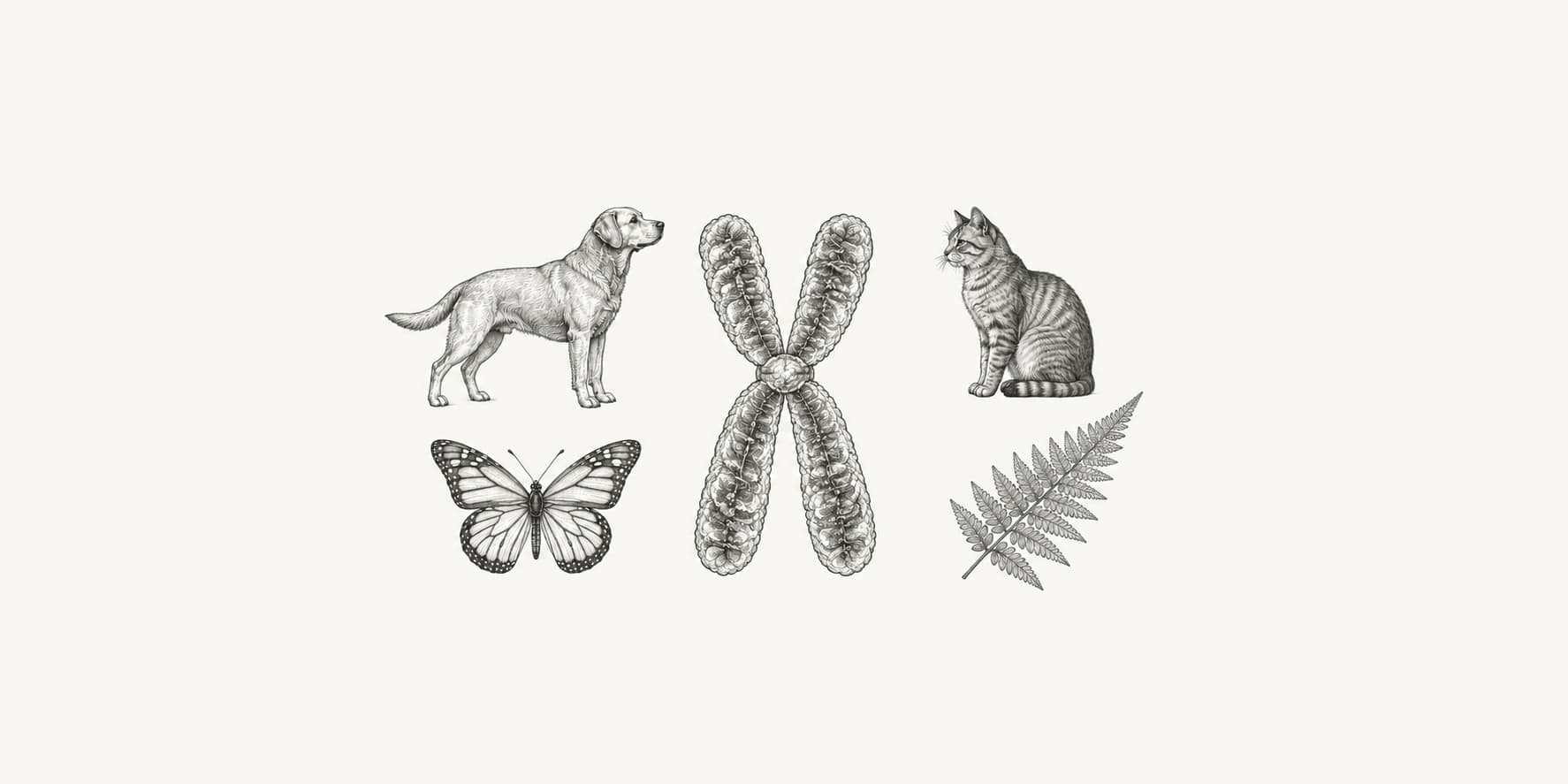
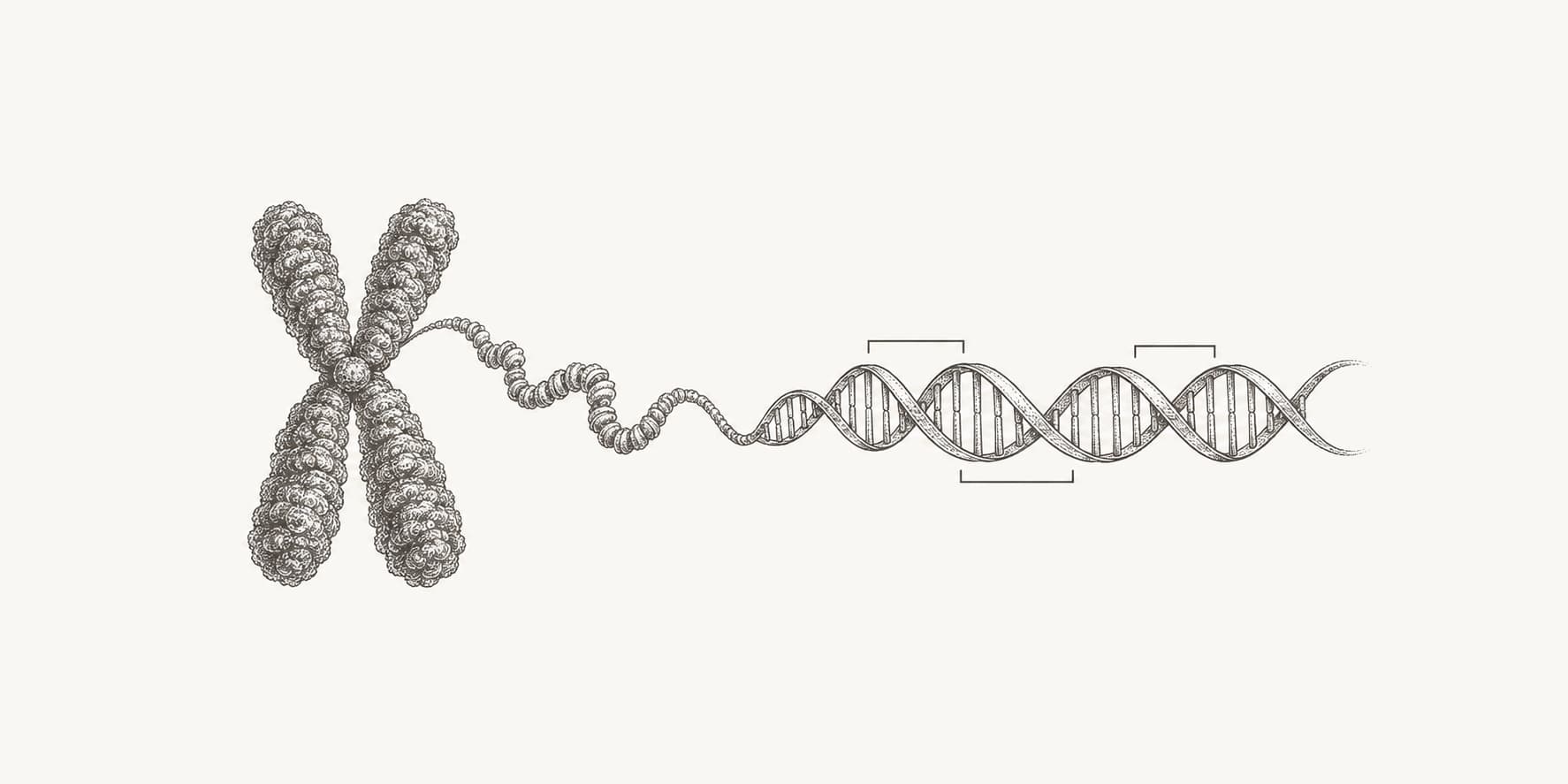
Chromosome number, gene count, genome size, and DNA length measure different things. The 46 chromosomes together contain about two meters of DNA in a typical diploid cell. Other organisms package their genomes differently, as the species comparison shows.
How many chromosomes come from each parent?
A child typically inherits 23 chromosomes from the egg and 23 from the sperm, producing 46 chromosomes after fertilization.[2]
Each mature egg cell carries 22 autosomes and one X chromosome. Each mature sperm cell carries 22 autosomes and either an X or a Y chromosome. This is why both egg and sperm cells contain 23 chromosomes, even though most body cells contain 46.
Before a body cell divides, it copies its DNA. The cell then has 92 chromatids but still 46 chromosomes because each replicated chromosome is counted as one chromosome until its sister chromatids separate. The distinction matters when describing DNA replication.
Can a human have 45 or 47 chromosomes?
Yes. A person can have 45 or 47 chromosomes, and the total alone does not show whether genetic material is missing, extra, or rearranged.
A 45,X karyotype has 44 autosomes and one X chromosome. This is monosomy X, the most common karyotype associated with Turner syndrome, although Turner syndrome can also involve mosaic cells or structural changes to an X chromosome.[3]
Some people have 45 chromosomes and no effects on physical development because two chromosomes have joined in a balanced Robertsonian translocation. The rearrangement can still affect fertility and the chance of producing eggs or sperm with an unbalanced chromosome set.[4]
A 47-chromosome cell has an extra chromosome. Examples include trisomy 21 and 47,XXY, the most common karyotype in Klinefelter syndrome.[5][6]
Most people with Down syndrome have 47 chromosomes in the affected cells because about 95% have three separate copies of chromosome 21. About 3% have translocation Down syndrome, in which extra chromosome 21 material is attached to another chromosome, so the total can remain 46. About 2% have mosaic Down syndrome, with the usual two copies of chromosome 21 in some cells and three copies in others.[5]
The egg, sperm, and typical body-cell counts follow the National Human Genome Research Institute; the trisomy 21 count follows the CDC.[2][5]
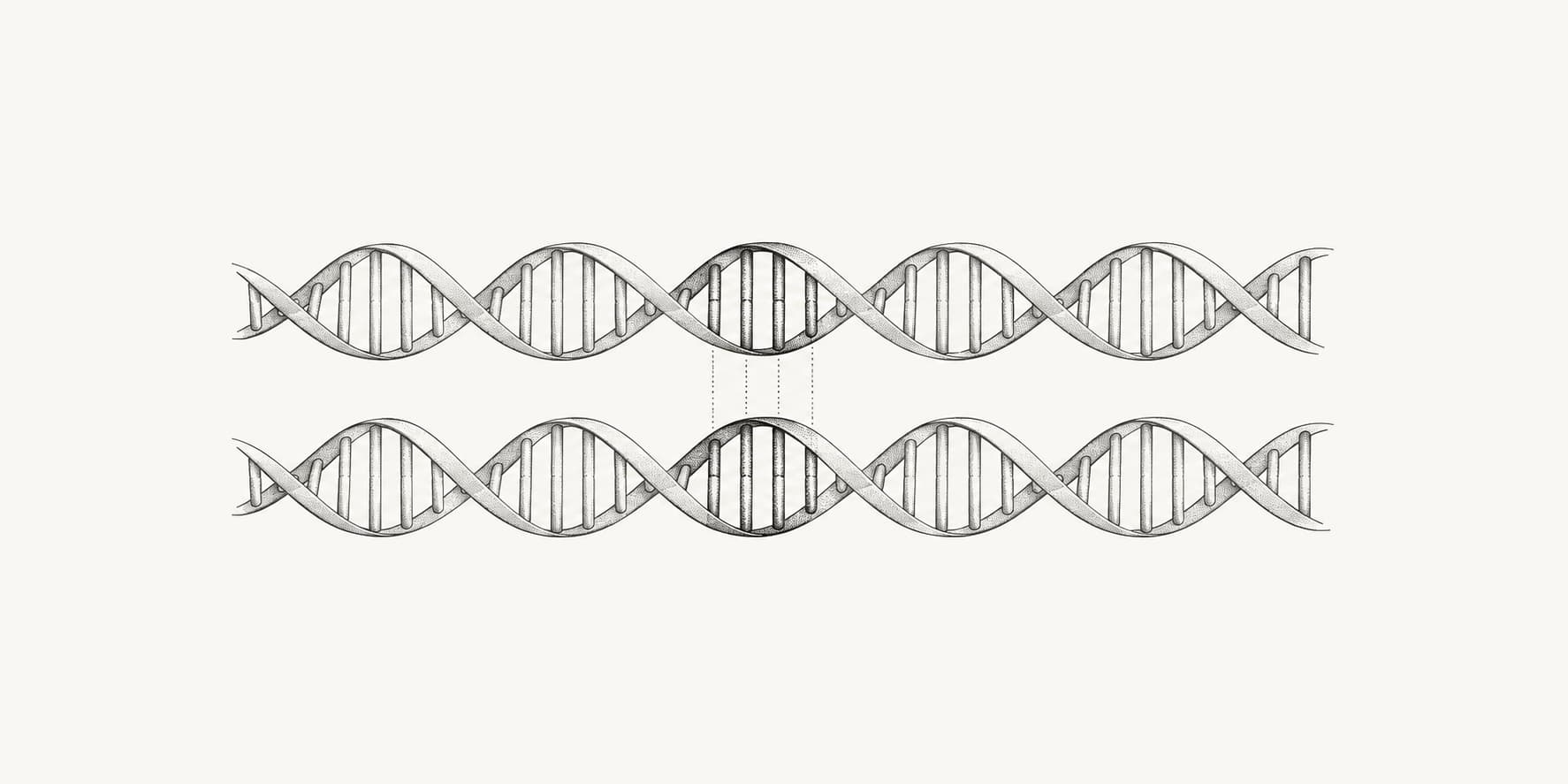
The chart shows only the number of chromosomes. A whole-genome alignment can reveal sequence and structural differences that this total misses.
Does autism change the number of chromosomes?
No. Autistic people typically have the same 46 chromosomes as other humans, and autism is not defined by chromosome count.
Clinicians diagnose autism spectrum disorder from a person's development and behavior. Research indicates that many genetic and environmental factors can contribute, and some genetic conditions are associated with a higher likelihood of autism. No single chromosome count defines it.[7]
Small deletions, duplications, and sequence variants can affect genes without changing the visible total of 46 chromosomes. Conversely, having 45 or 47 chromosomes does not by itself mean that a person is autistic.