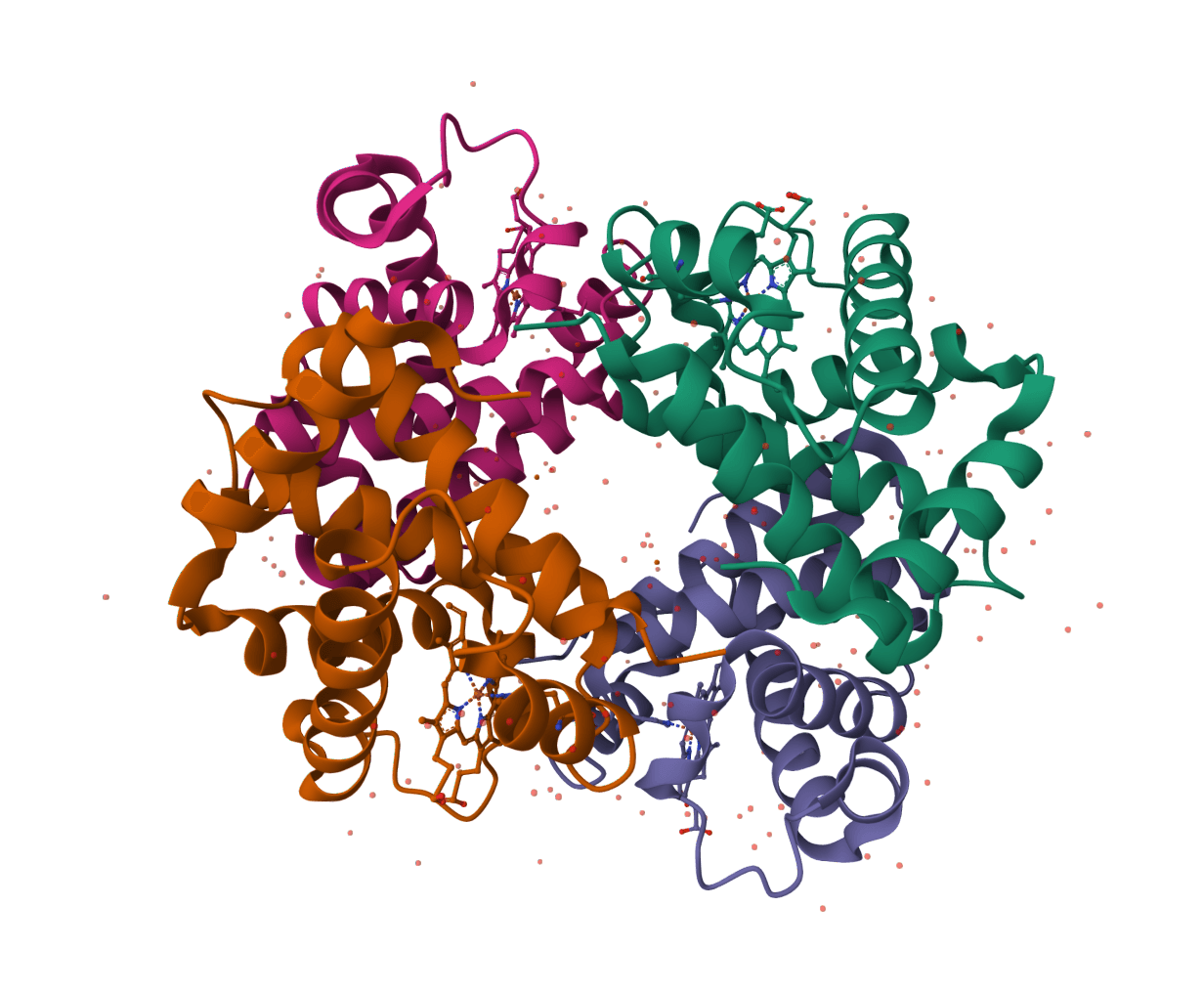
Peptide binder design through binding interface mimicry with a latent diffusion model Learn more
Input
A protein complex containing the target protein bound to a known binder (e.g. an antibody, nanobody, or receptor). PepMimic mimics the binder side of this interface.
PepMimic designs short peptides that mimic the binding interface of a known protein binder (such as an antibody, nanobody, or natural receptor) on its target protein. A latent diffusion model co-designs each peptide's sequence and all-atom structure to reproduce the reference interface, enabling high-affinity target binding in a small peptide format.
The method is validated across multiple drug targets (PD-L1, CD38, HER2, BCMA, CD4, TROP2) in Kong et al., Nature Biomedical Engineering (2025).
When to use PepMimic
Use PepMimic when you already have at least one structure of your target bound to a binder (an antibody, nanobody, receptor, or any protein partner), and you want to convert that binding interface into a short therapeutic-style peptide.
If you only have an apo target structure, design a binder first (for example with RFdiffusion) and then run PepMimic on the resulting complex.
Inputs
- Reference protein complex (PDB) — a structure containing both the target protein and a binder. You can upload a PDB or fetch an RCSB entry by ID.
- Target protein chain(s) — the chain IDs in the reference that belong to the target PepMimic should bind. For a multi-chain target such as an antibody heavy + light chain receptor region, list all chains separated by commas (for example
A,B). - Reference binder chain(s) — the chain IDs of the binder PepMimic will mimic. Separate multiple chains with commas (for example
B,Cfor an antibody heavy + light chain).
Design parameters
- Candidates per complex — how many peptide candidates to generate from the reference interface. The source example uses 20 for a quick tour; the authors recommend generating many more (tens of thousands) for final wet-lab candidate selection.
- Minimum / Maximum peptide length — designed peptide length bounds, inclusive. PepMimic is trained on peptides of 25 residues or fewer, so the maximum is capped at 25.
- Batch size (advanced) — the generation batch size. Lower this if the hosted GPU reports an out-of-memory error. Default 32.
- OpenMM-relax top candidates (advanced) — how many of the top interface-mimicry candidates to energy-minimize with OpenMM (PDBFixer + CHARMM36) before returning. 0 returns unminimized generated complexes.
Outputs
Each generated candidate is returned as a complete protein–peptide complex PDB (the target receptor chains plus the designed peptide), together with:
- Sequence — the designed peptide amino-acid sequence.
- Length — designed peptide length in residues.
- Interface hits — the number of residue pairs on the designed peptide that reproduce the reference binder's interface contacts, computed by PepMimic's interface-mimicry scorer (BLOSUM62 similarity with optimal Hungarian pairing). Higher is better.
- Perplexity — the autoencoder's native likelihood proxy for the designed peptide. Lower indicates a more model-confident design.
- results.jsonl — the source's native per-candidate record stream, preserving every field PepMimic emits (chain IDs, model metric, references).
Candidates are ranked by interface hits (descending), matching the source's native interface_hit.txt sort order.
How PepMimic runs
PepMimic runs through its documented generation entry point (mimic_design.py) and scores candidates with its documented interface-mimicry scorer (evaluation.runner.interface_hit). No scientific logic is reimplemented.
The source's full selection pipeline additionally runs Rosetta and FoldX interface free-energy scoring and a final top-K selection. Those steps require proprietary academic licenses (PyRosetta via Salilab, FoldX via the CRG license with manual yearly renewal) and are therefore not part of the hosted run. Use the returned interface-hit ranking and perplexity to narrow candidates, and run licensed scoring locally if needed for final synthesis decisions.
Source
- Repository: PepMimic GitHub repository
- Paper: Peptide design through binding interface mimicry with PepMimic, Kong et al., Nature Biomedical Engineering (2025) — DOI 10.1038/s41551-025-01507-4
If you use PepMimic results in published work, please cite the source paper.
Related tools
BoltzGen
BoltzGen uses generative diffusion models to design protein, peptide, nanobody, and Fab binders against protein and small-molecule targets.
PepMLM
Design linear peptide binders for target proteins using a target sequence-conditioned masked language model. PepMLM generates peptide sequences optimized to bind specific protein targets based on ESM-2 protein language modeling.
PocketXMol
PocketXMol is a pocket-interacting generative foundation model for small-molecule or peptide docking and design in protein binding pockets.
PocketFlow
PocketFlow is a structure-based molecular generative model that designs novel drug-like molecules within protein binding pockets. It uses autoregressive flow modeling with chemical knowledge to generate 100% chemically valid, highly drug-like compounds.
Proteina-Complexa
Design protein binders against a target structure with NVIDIA BioNeMo's Proteina-Complexa generative pipeline.
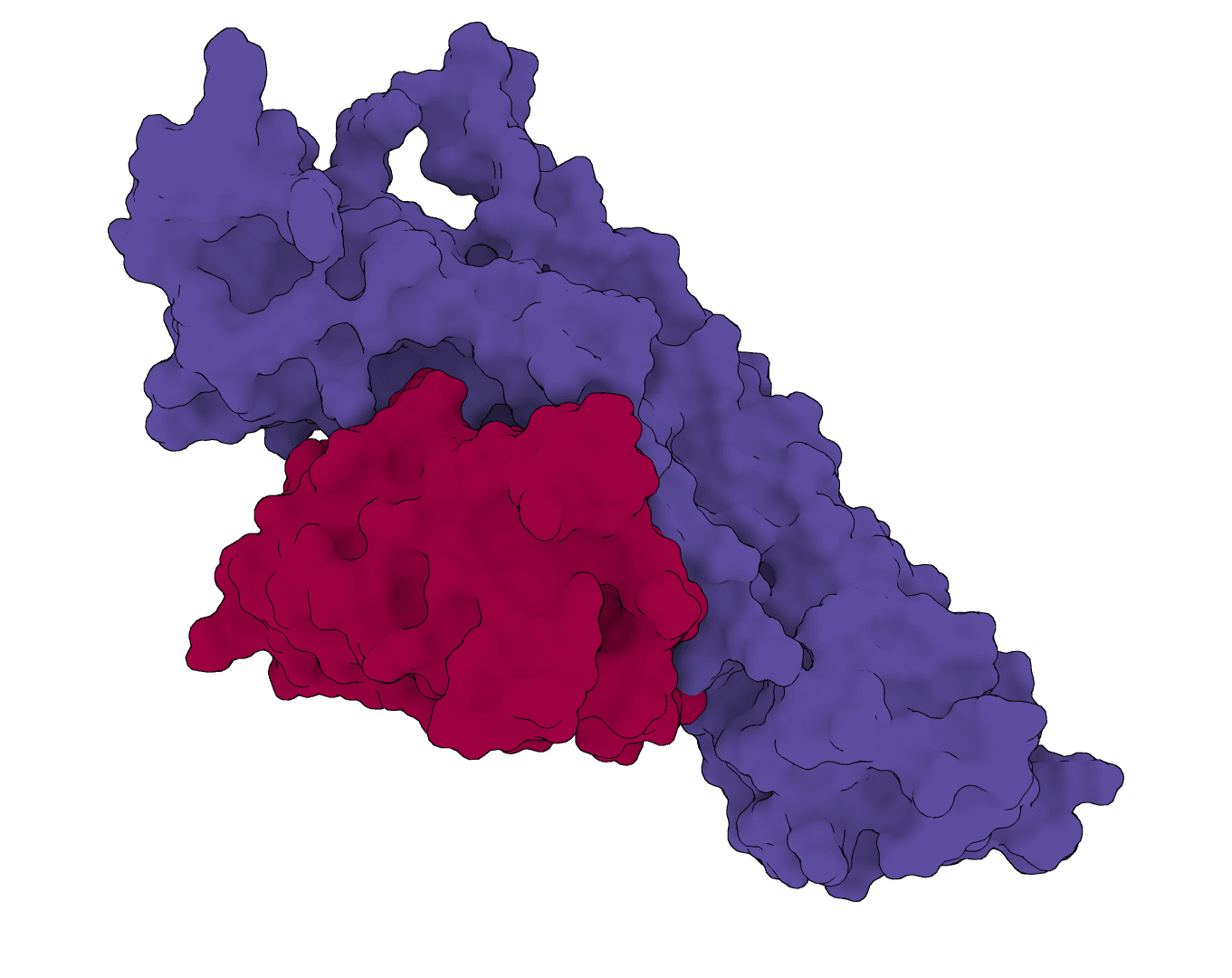
RFantibody
Structure-based de novo antibody and nanobody design pipeline combining antibody-tuned RFdiffusion, ProteinMPNN sequence design, and antibody-tuned RoseTTAFold2 filtering.
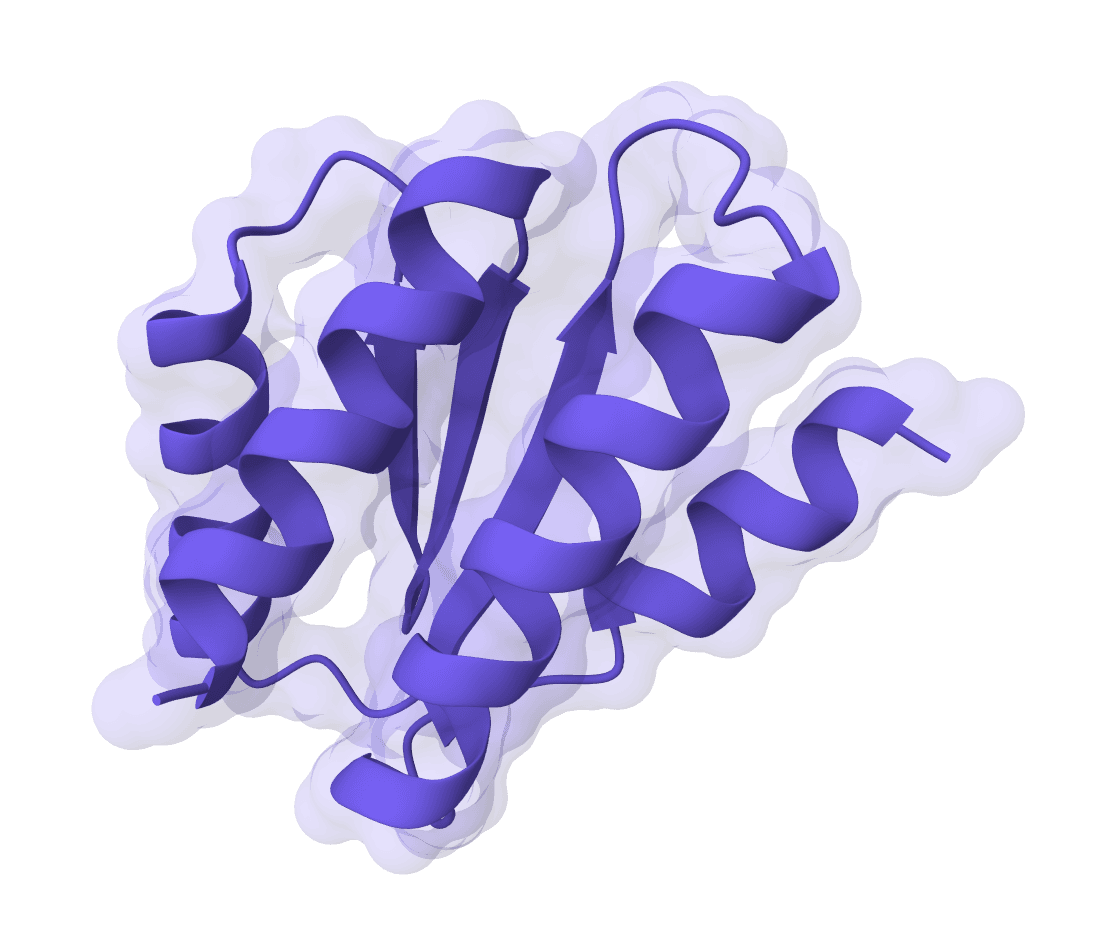
EvoDiff
EvoDiff is a diffusion-based protein sequence generation framework from Microsoft Research. ProteinIQ currently runs the EvoDiff-Seq OA_DM_38M model for unconditional protein generation, motif scaffolding, and user-sequence inpainting.
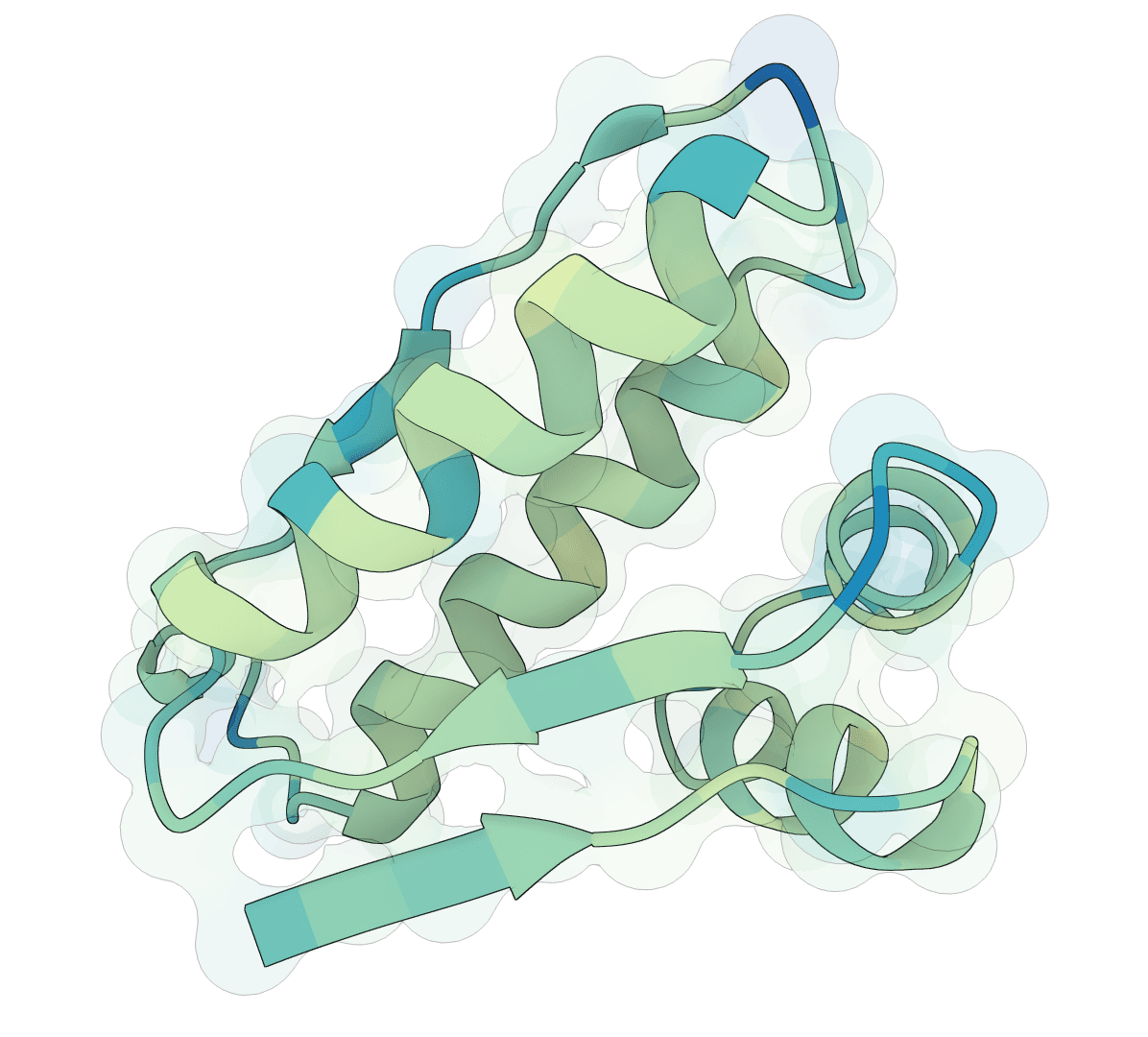
Genie 3
Generate protein structures and scaffolds with Genie 3, an all-atom SE(3)-equivariant diffusion model. Genie 3 supports unconditional protein generation, motif scaffolding, and hotspot-targeted binder design.
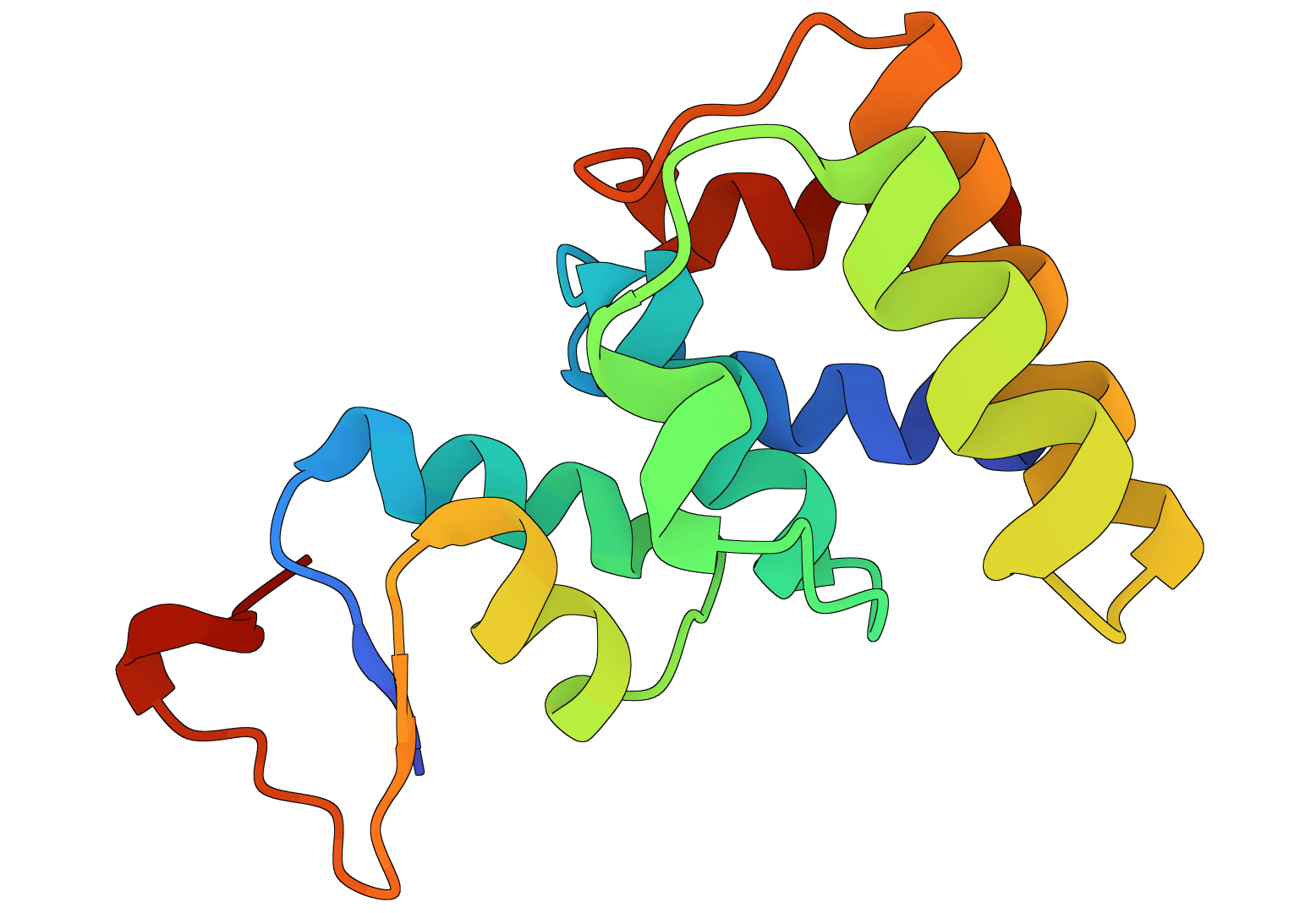
ODesign
All-atom generative AI for designing protein binders. Specify target binding sites and generate diverse binding proteins with fine-grained control over interaction parameters.
Proteo-R1
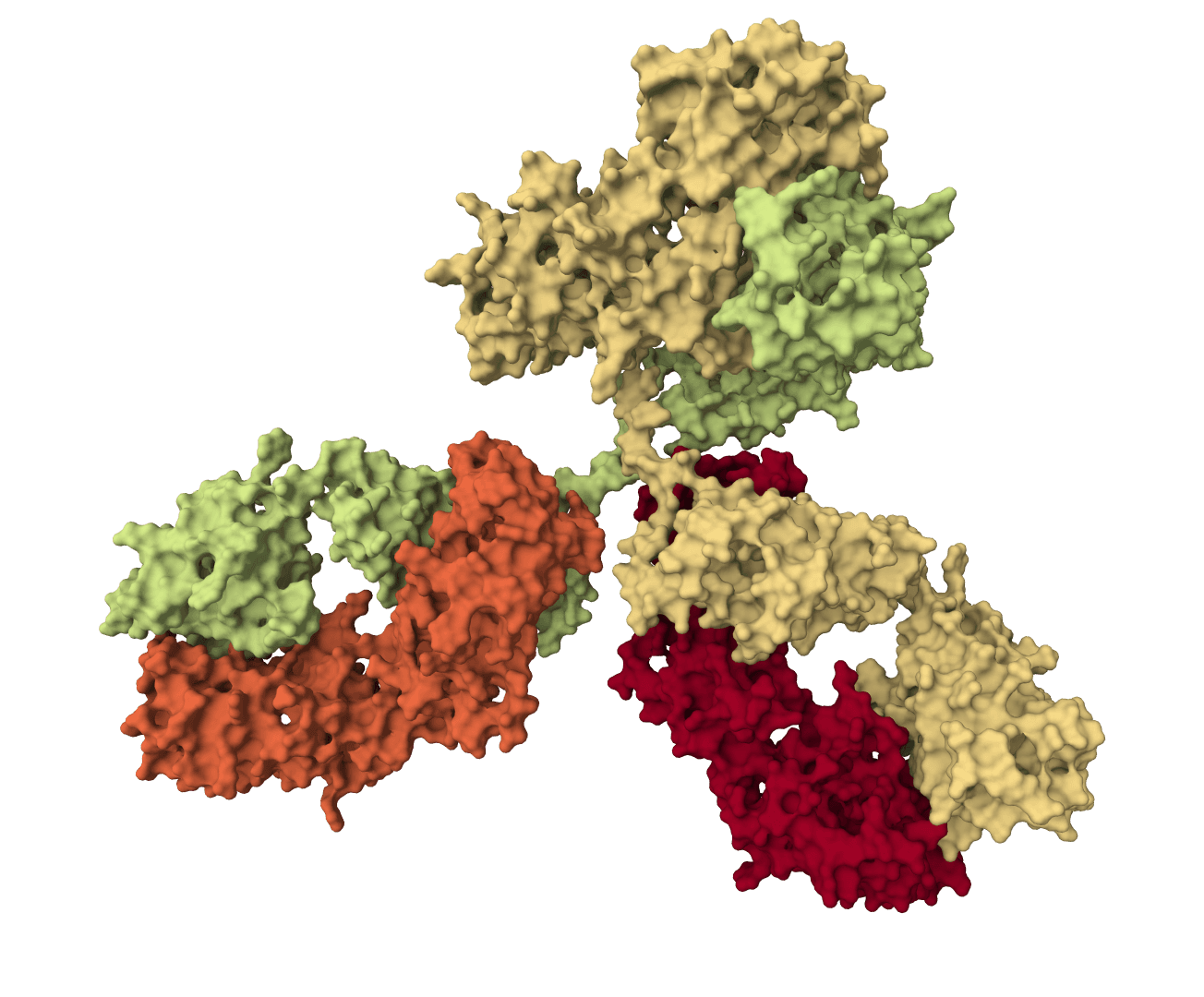
Exploratory antibody CDR co-design for antibody-antigen complexes using Proteo-R1 reasoning and raw diffusion. The standard online workflow does not include the framework structure-inpainting assets required for the published-quality target.