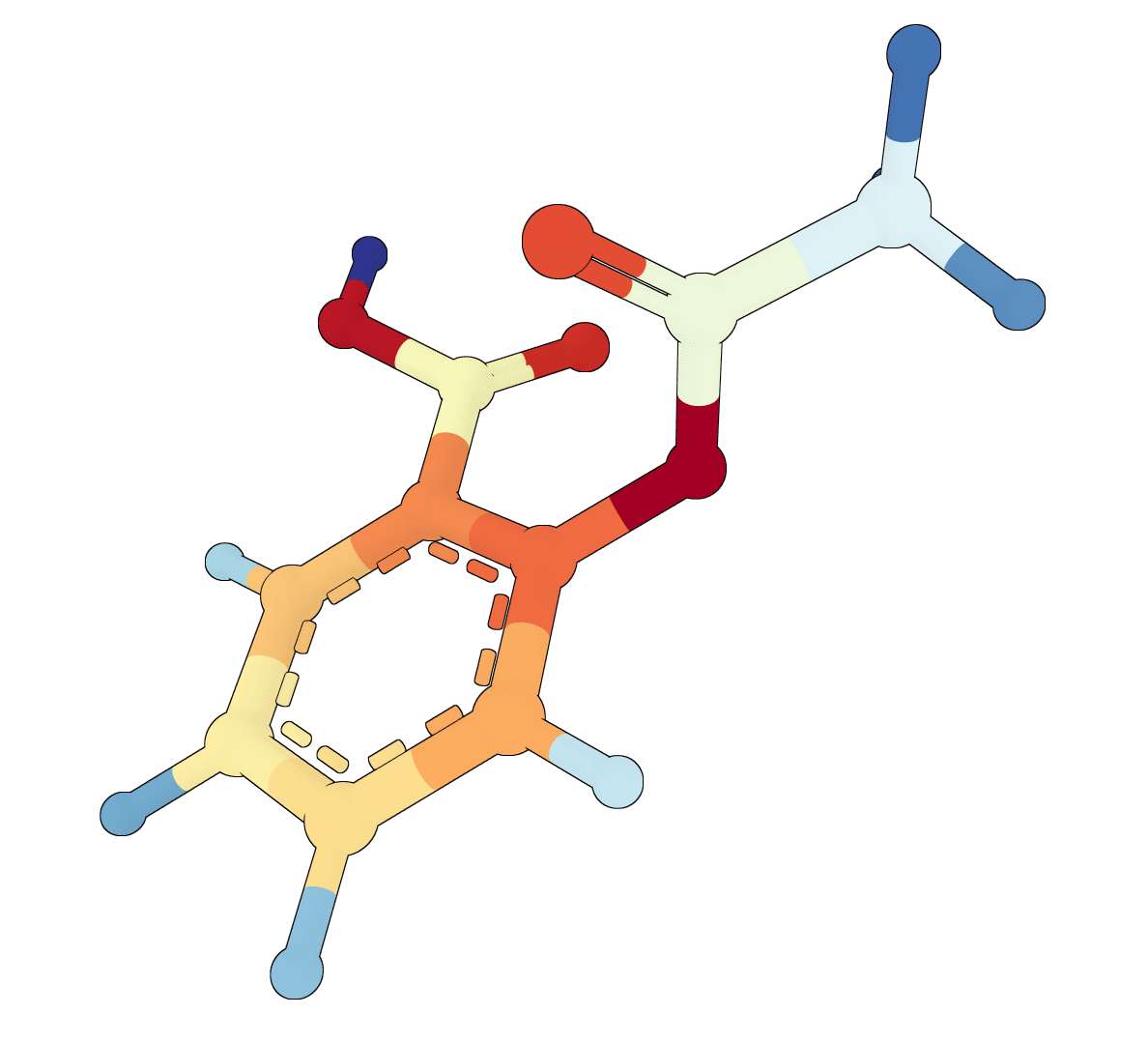
ADMET-AI
Predict ADMET (Absorption, Distribution, Metabolism, Excretion, Toxicity) properties from SMILES strings using machine learning models trained on Therapeutics Data Commons datasets.
Admetica
Predict 22 ADMET properties from SMILES strings with the native Admetica Chemprop models from Datagrok.
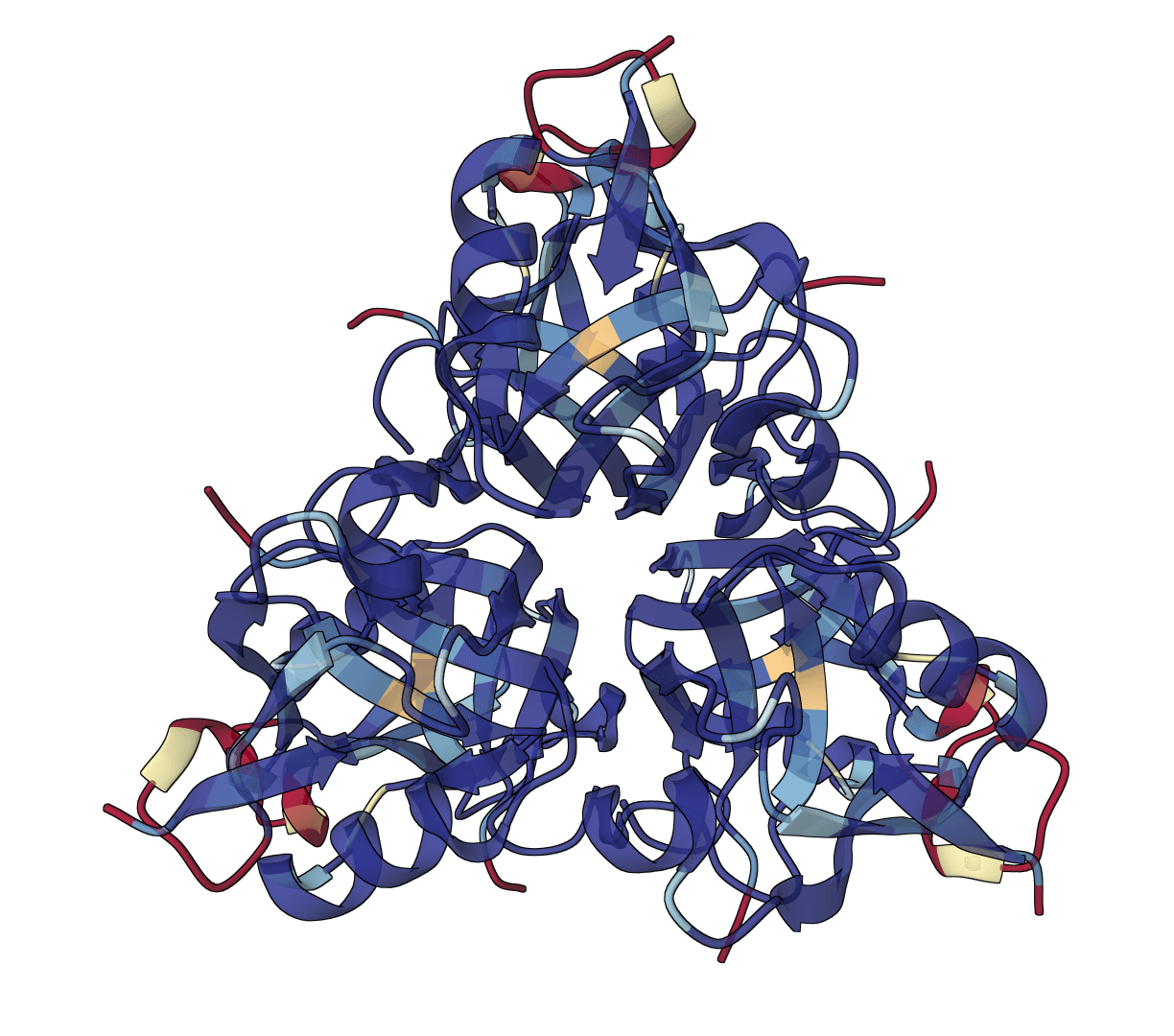
AF2BIND
AF2BIND predicts ligand-binding residues from a protein structure using AlphaFold2 pair representations and a 20-residue bait sequence.
Brenk filter
Identify toxic, reactive, and pharmacokinetically problematic molecular fragments using structural alert patterns
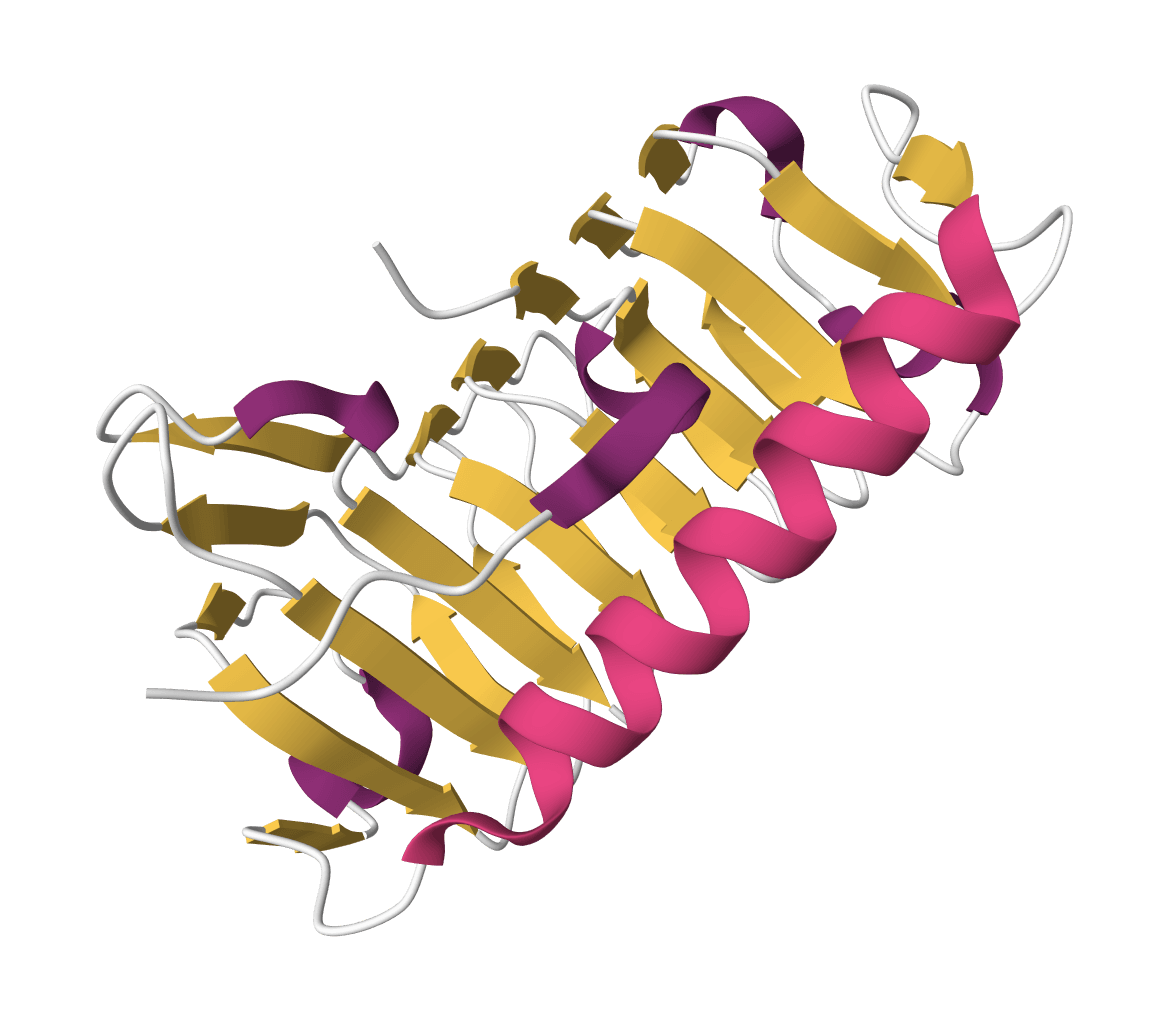
DLKcat
DLKcat predicts enzyme turnover numbers (kcat values) from protein sequences and substrate structures using its published deep-learning model.
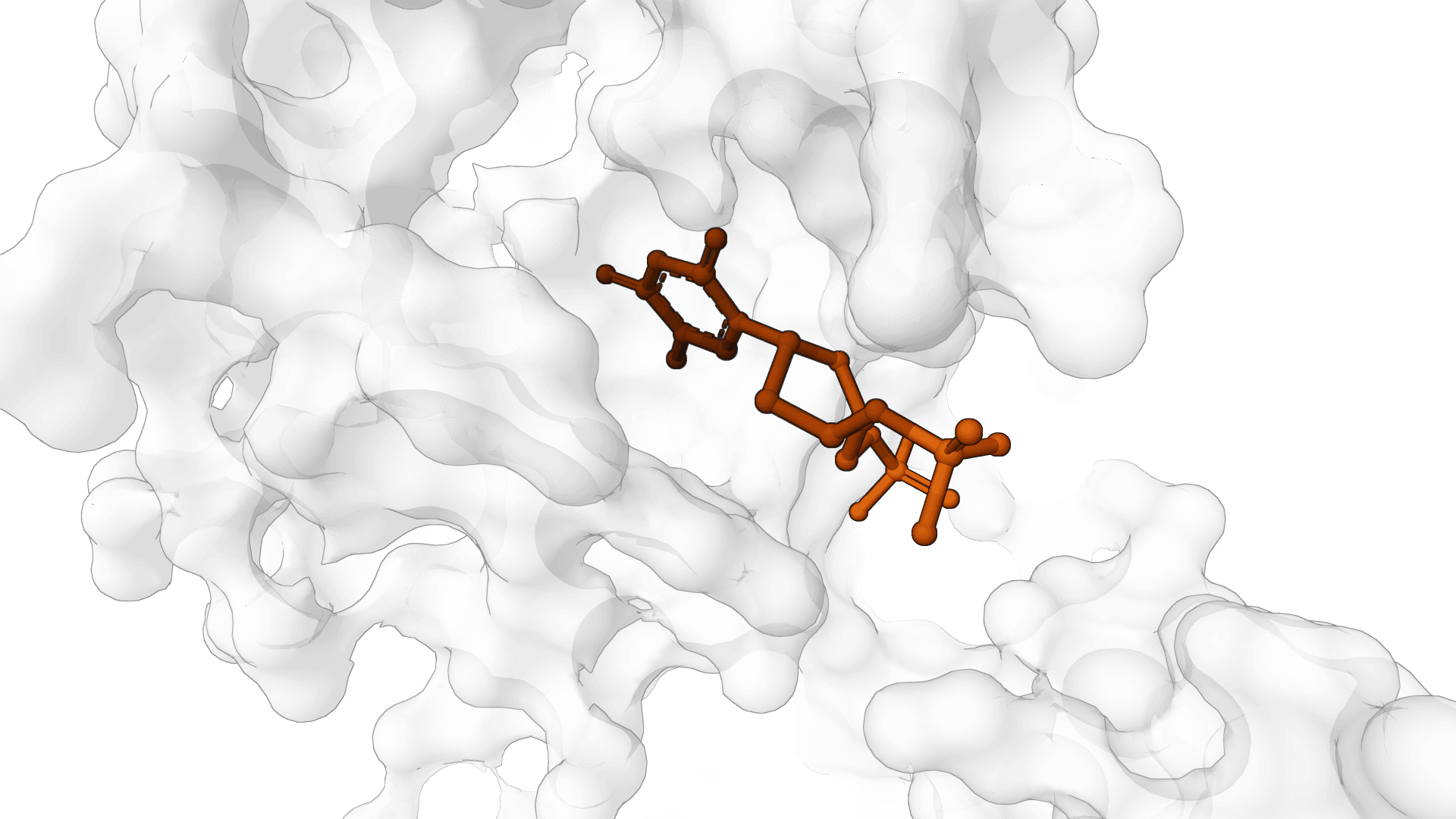
eToxPred
Predict toxicity and synthetic accessibility of small molecules using machine learning. eToxPred combines toxicity risk assessment with synthetic accessibility scoring to help prioritize drug candidates.
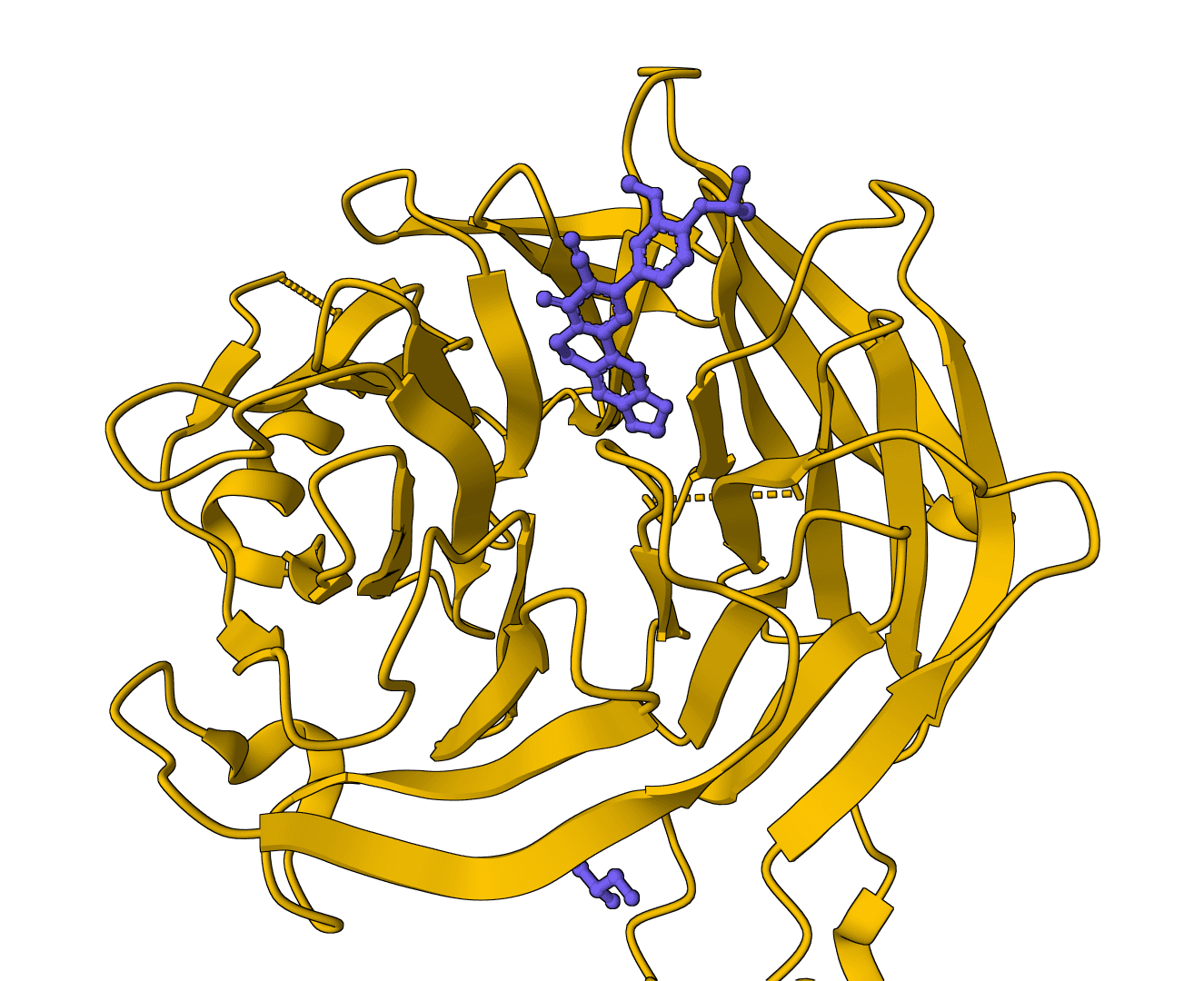
fpocket
Open-source protein pocket detection using Voronoi tessellation and alpha spheres. Identifies ligand binding sites with druggability scores.
Lead-likeness filter
Screen for lead-like compounds using stricter molecular descriptor criteria than Lipinski or Veber rules for early-stage drug discovery
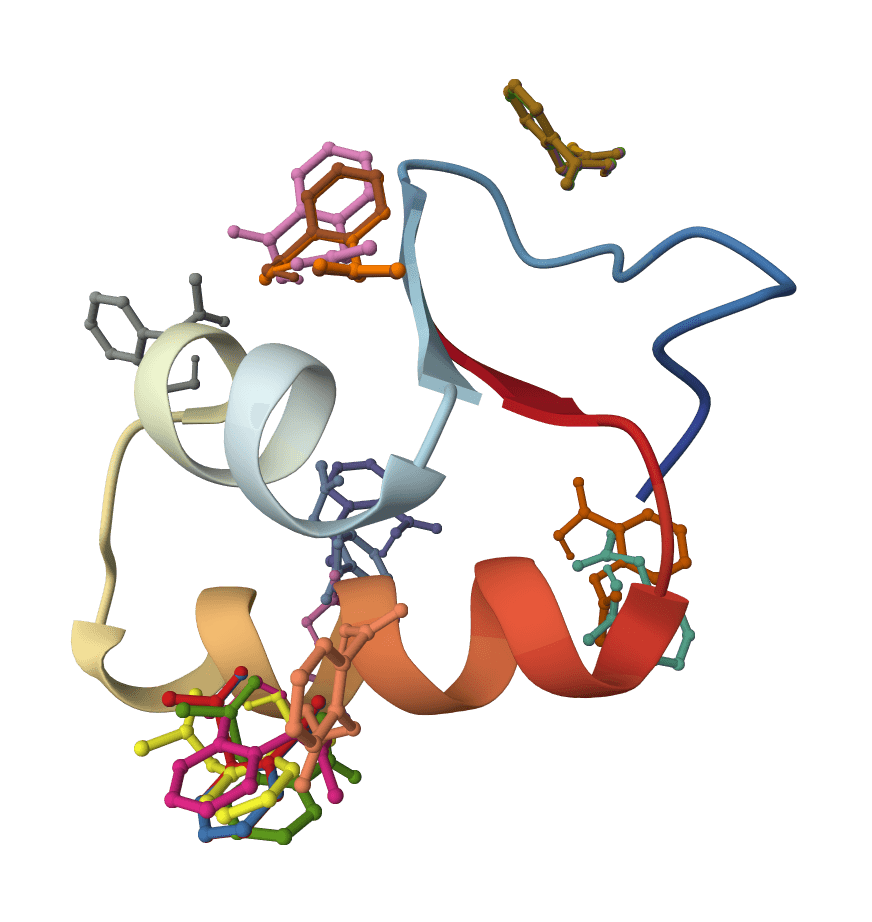
Lipinski's rule of 5
Lipinski's Rule of Five predicts whether compounds will be orally bioavailable by evaluating molecular weight, LogP, hydrogen bond donors, and acceptors.
NetSolP-1.0
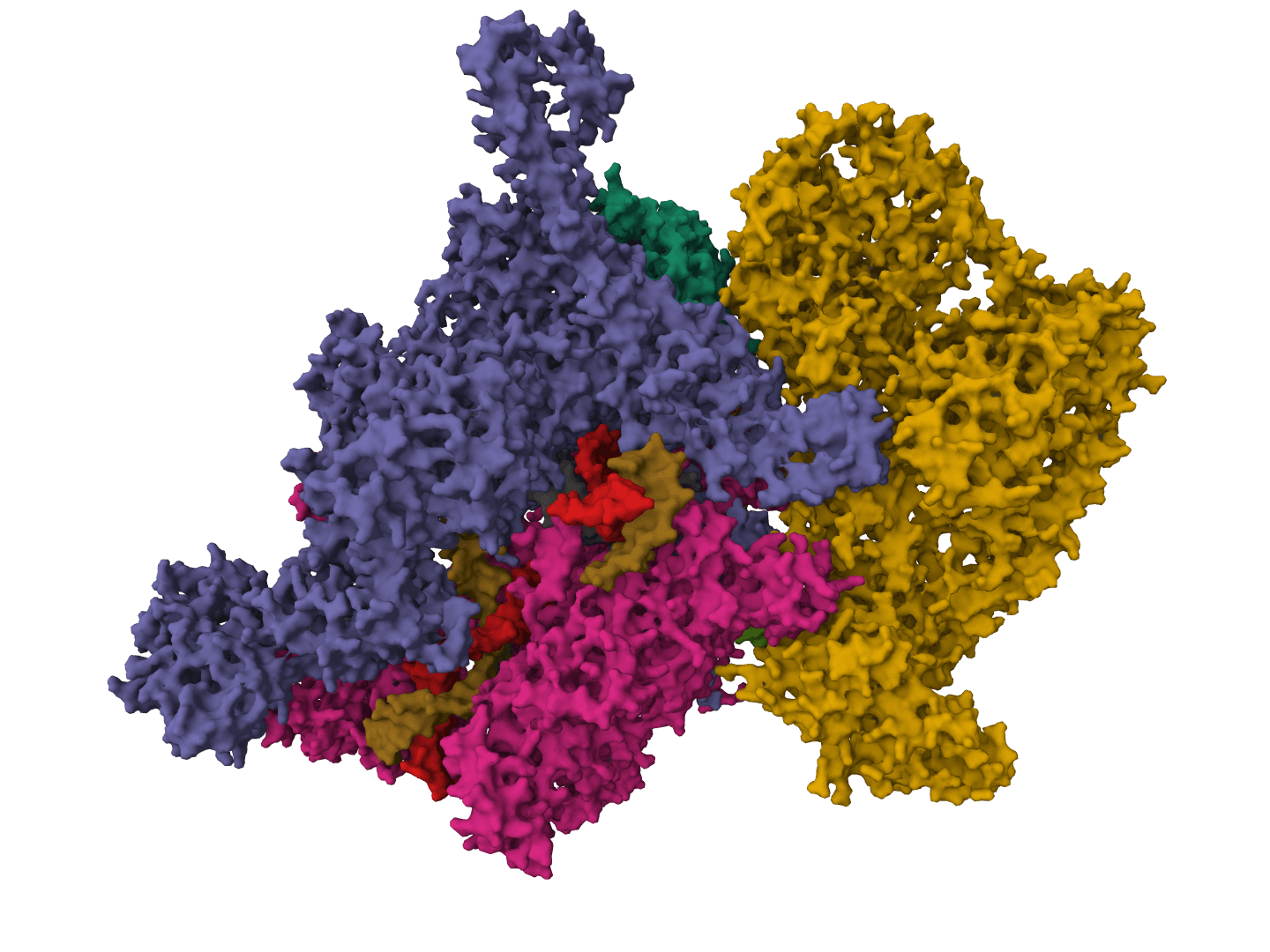
Predict protein solubility and usability for E. coli expression using ESM protein language models
PAINS filter
Screen compounds for Pan-Assay Interference patterns that cause false positives in biological assays
QEPPI
Quantitative estimate for protein-protein interaction inhibitor potential. Evaluates drug-likeness for compounds targeting PPIs.
SMRTnet
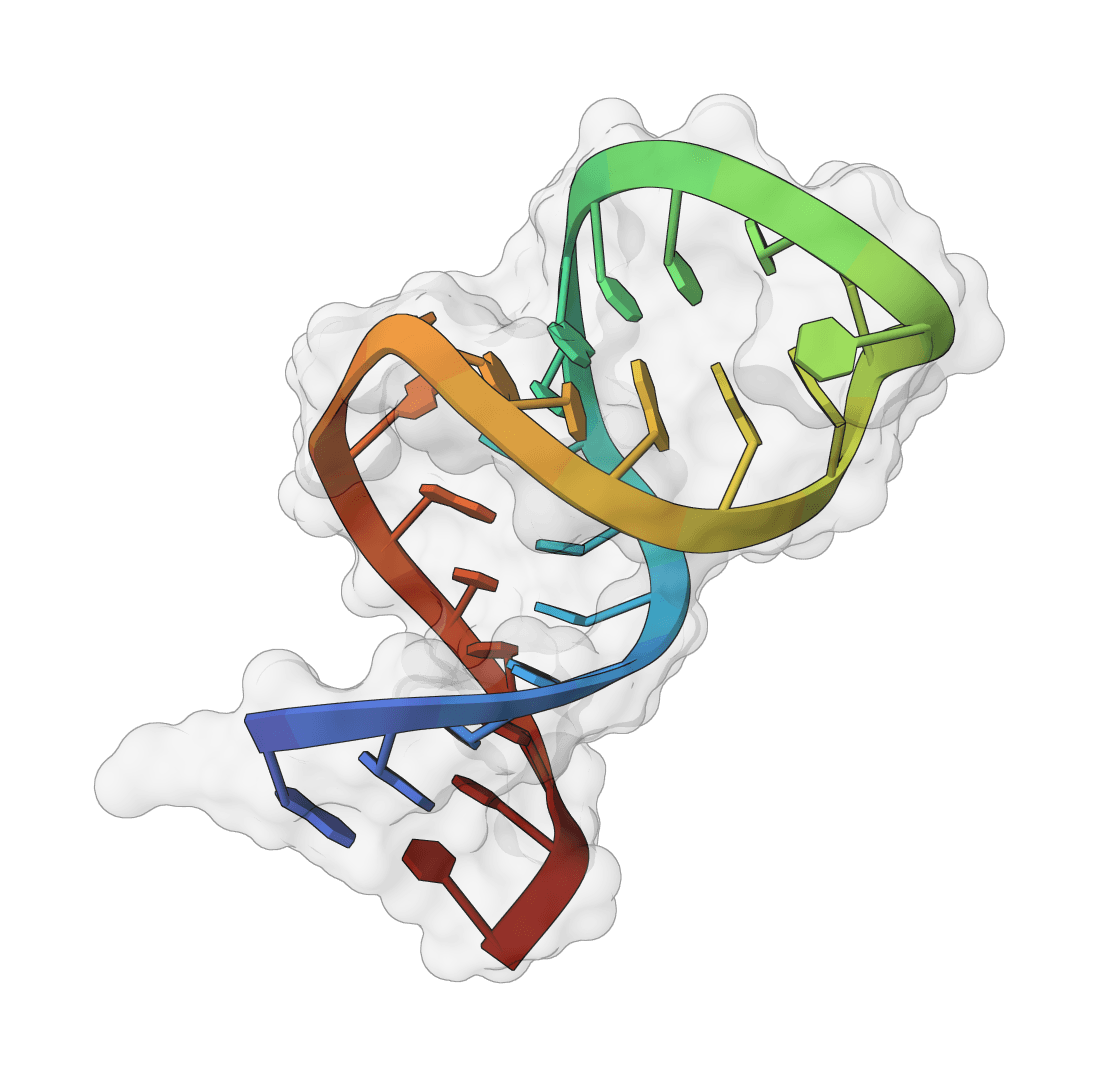
Deep learning framework for predicting small molecule-RNA interactions using RNA secondary structure. Combines language models, CNNs, and graph attention networks for binding prediction.
SPRINT
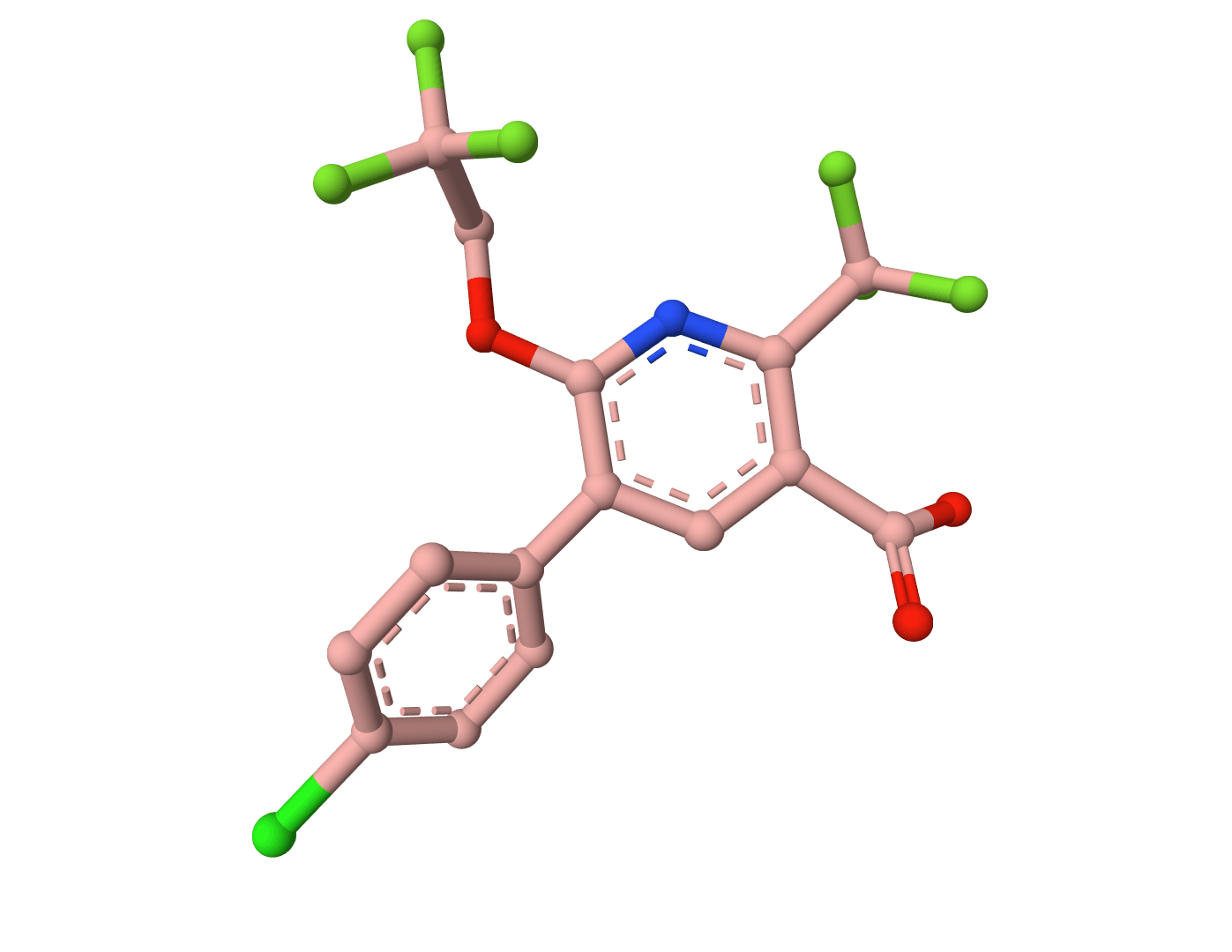
Rank a compound library against one protein target with SPRINT protein and ligand co-embeddings and native cosine similarity.
Structural alert screening
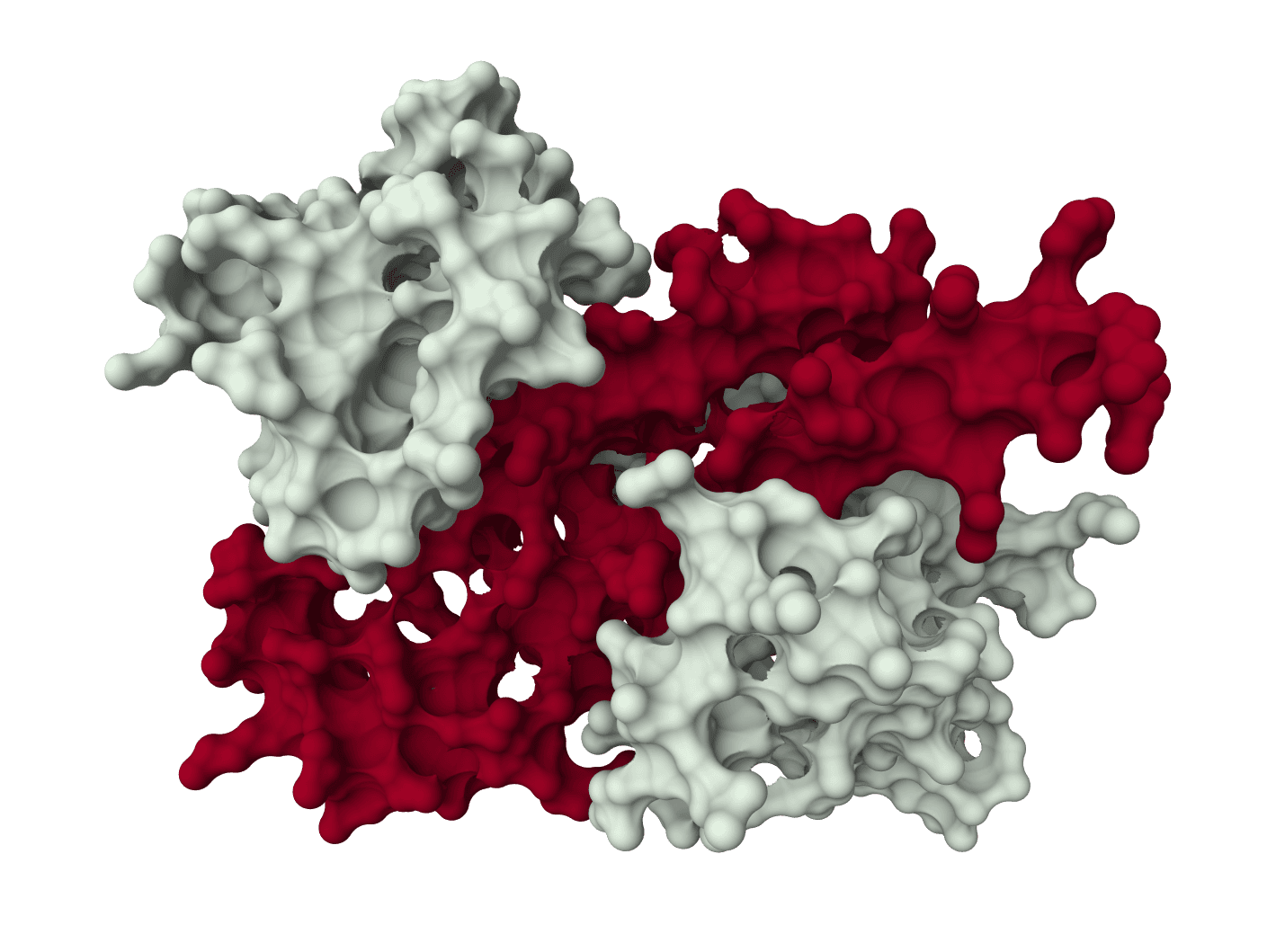
Screen compounds for structural toxicity alerts using PAINS, Brenk, and NIH filters. For focused screening, see PAINS Filter, Brenk Filter, or Veber's Rule.
Veber's rule
Screen molecular flexibility and polarity using Veber's rotatable-bond and topological polar surface area criteria.