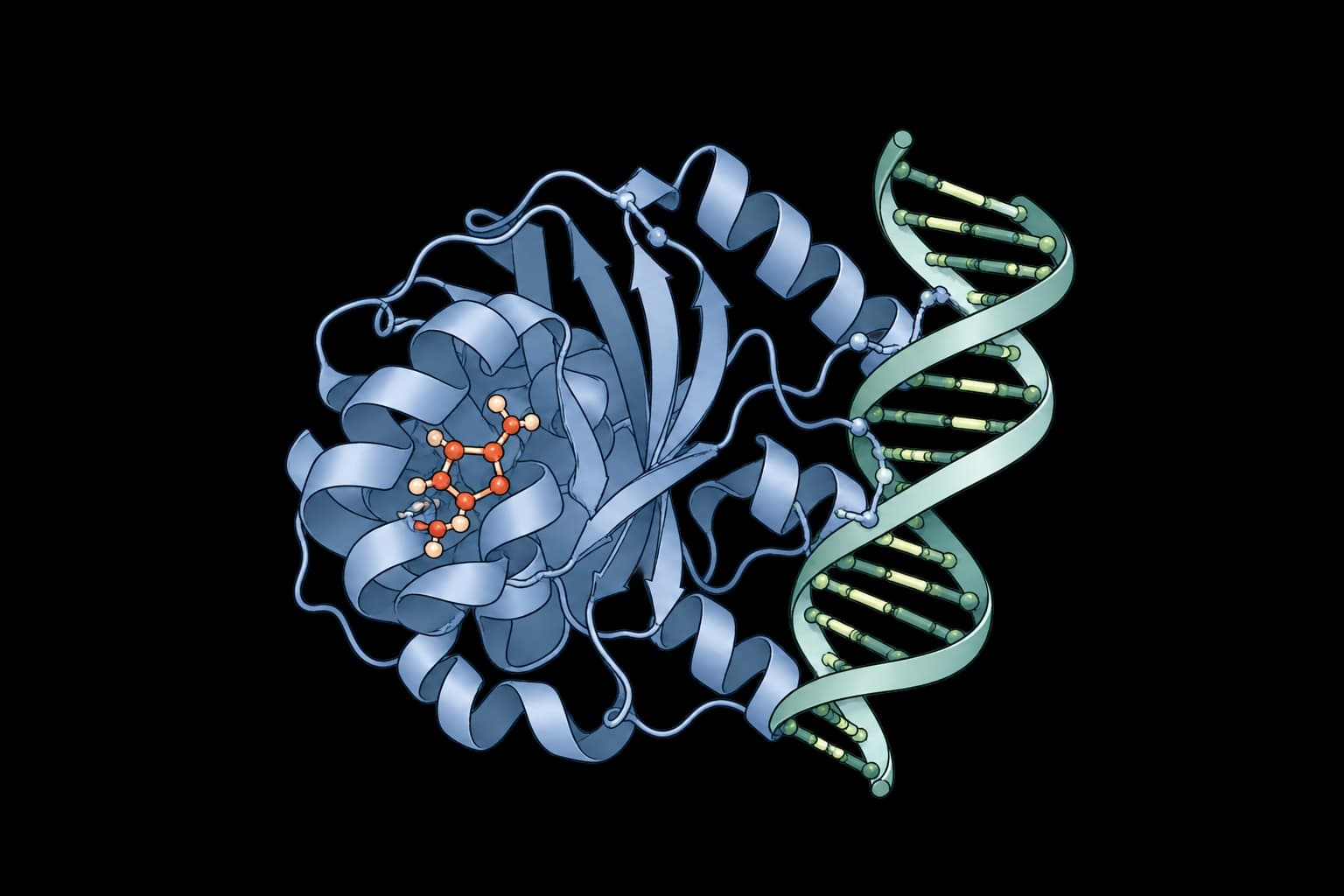
Boltz-2.1
Structure and binding prediction for proteins, DNA, RNA and ligands.
Input
Boltz-2.1 webserver overview
Boltz-2.1 predicts the 3D structure of complexes built from proteins, DNA, RNA and small molecules. Each job returns one or more sampled structures with confidence metrics, and can also request binding metrics for a ligand-protein or protein-protein complex.
ProteinIQ sends each job to the hosted Boltz API and publishes the finished structures, tables and records in the job's results. No MSA server or GPU settings are needed. For the self-hosted model with templates, constraints and affinity options, use Boltz-2.
Pricing
Boltz-2.1 is billed per sample, and each sample is priced by the size of the complex in tokens. A token is about one residue or nucleotide. Each SMILES ligand adds one token per heavy atom, and each CCD ligand adds 64 tokens. Copies count once per chain.
| Complex size (tokens) | 1 sample | 5 samples | 10 samples |
|---|---|---|---|
| Up to 256 | 51 | 254 | 507 |
| 257 to 512 | 102 | 507 | 1,013 |
| 513 to 1,024 | 203 | 1,013 | 2,026 |
| 1,025 to 2,048 | 406 | 2,026 | 4,051 |
| More than 2,048 | 811 | 4,051 | 8,102 |
For example, a 300-residue protein with one aspirin ligand is 313 tokens and costs 102 credits for one sample. The total is rounded once for the whole job. Binding metrics, MSA use and the advanced sampling settings do not change the price.
The exact quote is calculated before submission. If Boltz estimates a noticeably higher cost when the job starts, the run is not started and the credits are refunded.
Inputs
A job needs at least one molecule. Inputs are combined into one complex in submission order, and ProteinIQ shows the chain ID assigned to each one.
| Input | Accepted formats | Limits and behavior |
|---|---|---|
Protein | FASTA text, .fasta, .fa or .txt file, or a UniProt sequence | Up to 10 inputs, files up to 10 MB, one sequence each. Single-letter amino acid codes, including X, U and O. |
DNA | FASTA text, .fasta, .fa or .txt file | Up to 10 inputs, one sequence each, using A, C, G, T and N. |
RNA | FASTA text, .fasta, .fa or .txt file | Up to 10 inputs, one sequence each, using A, C, G, U and N. |
Ligand | One SMILES string, a .smi or .smiles file, or a PubChem compound | Up to 10 inputs, each with exactly one SMILES. |
Ligand (CCD) | A Chemical Component Dictionary code such as ATP, NAD, HEM or SAH | Up to 10 inputs. Codes are 1 to 5 letters or digits. |
Every input accepts 1 to 10 copies, and each copy becomes its own chain. Job name is an optional label for the saved run.
Settings
Prediction
| Parameter | Type | Default | Description |
|---|---|---|---|
Samples (num_samples) | integer | 1 | Structures sampled for the complex, from 1 to 10. Each sample is billed. |
Binding metrics (binding) | enum | auto | auto, ligand_protein, protein_protein or none. See the binding rules below. |
Binder chains (binder_chains) | string | optional | Protein chains treated as the binder, comma-separated. Shown for protein_protein; defaults to the last protein chain. |
Binding metrics follow these rules:
autorequests ligand-protein binding metrics when the complex has exactly one single-copy ligand and every other chain is a protein. Otherwise the prediction runs without them and the summary explains why.ligand_proteinrequires the same conditions and stops the job with an error when they are not met.protein_proteinneeds at least two protein chains. The binder chains must be protein chains and must leave at least one protein chain as the partner.nonereturns structures and confidence metrics only.
Advanced settings
| Parameter | Type | Default | Description |
|---|---|---|---|
Use MSA (use_msa) | boolean | true | Lets Boltz build multiple sequence alignments for protein chains. Off sends an empty MSA. |
Recycling steps (recycling_steps) | integer | 3 | Model recycling iterations, from 1 to 10. |
Sampling steps (sampling_steps) | integer | 200 | Diffusion sampling steps, from 50 to 500. |
Step scale (step_scale) | number | 1.638 | Diffusion step scale, from 0.1 to 5. Lower values give more diverse samples. |
Outputs
Viewer shows the predicted structures. Results lists one row per sample. Files holds every download.
| Download | Contents |
|---|---|
boltz21_sample_0.cif onwards | Predicted complex for each sample, numbered from 0. |
boltz21_sample_0_pae.npz | Predicted aligned error for each sample, when Boltz returns it. |
boltz21_samples.csv | The results table: sample number, best-sample flag, Boltz's confidence metrics and structure file. |
boltz21_prediction.json | Boltz's full prediction record, including binding metrics when they were requested. |
The predicted structures can be sent to other structure tools in workflows.
Understanding results
The results table uses Boltz's own metric names, with nested metrics flattened into columns joined by underscores. Best sample marks the sample Boltz reports as its best. Binding metrics describe the whole complex, so they appear in the run summary and the prediction record rather than per sample. Confidence metrics estimate how reliable the predicted structure is; they are not measured affinities.
Related tools
Boltz-2
Predict biomolecular complex structures and binding affinities for proteins, ligands, DNA, and RNA.
LMI4Boltz
Low-memory Boltz inference for biomolecular structure and affinity prediction
Chai-1
Predict 3D structures for proteins, ligands, DNA, RNA, and multi-component complexes.
IntelliFold 2
Predict controllable biomolecular structures for proteins, ligands, DNA, RNA, and complexes.
OpenDDE
All-atom biomolecular structure prediction
OpenFold-3
Open-source AlphaFold3-based structure prediction for proteins, ligands, DNA, and RNA
Protenix
Open-source biomolecular structure prediction with Protenix
RosettaFold3
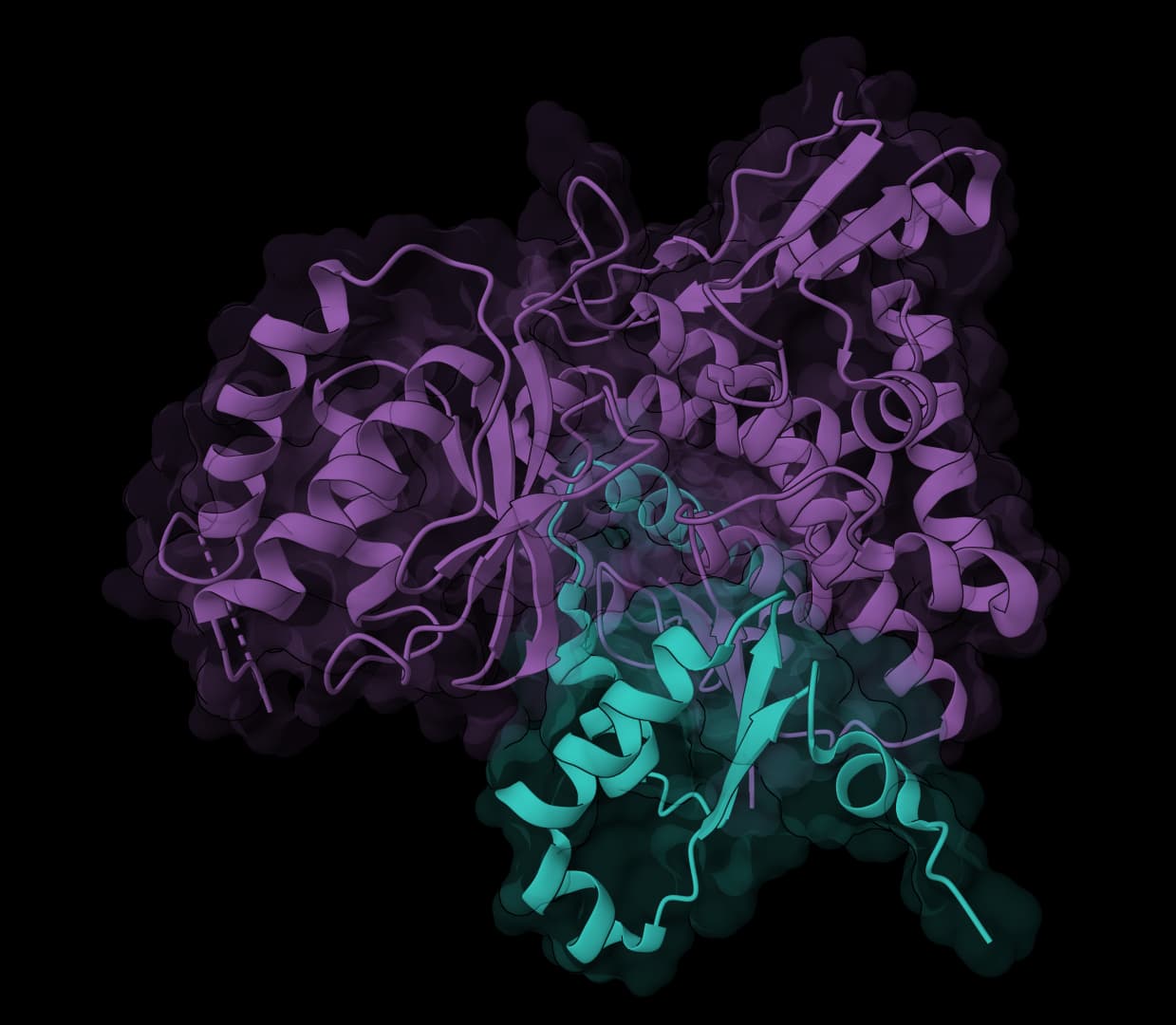
Open-source structure prediction for proteins, nucleic acids, and ligands
FlowDock
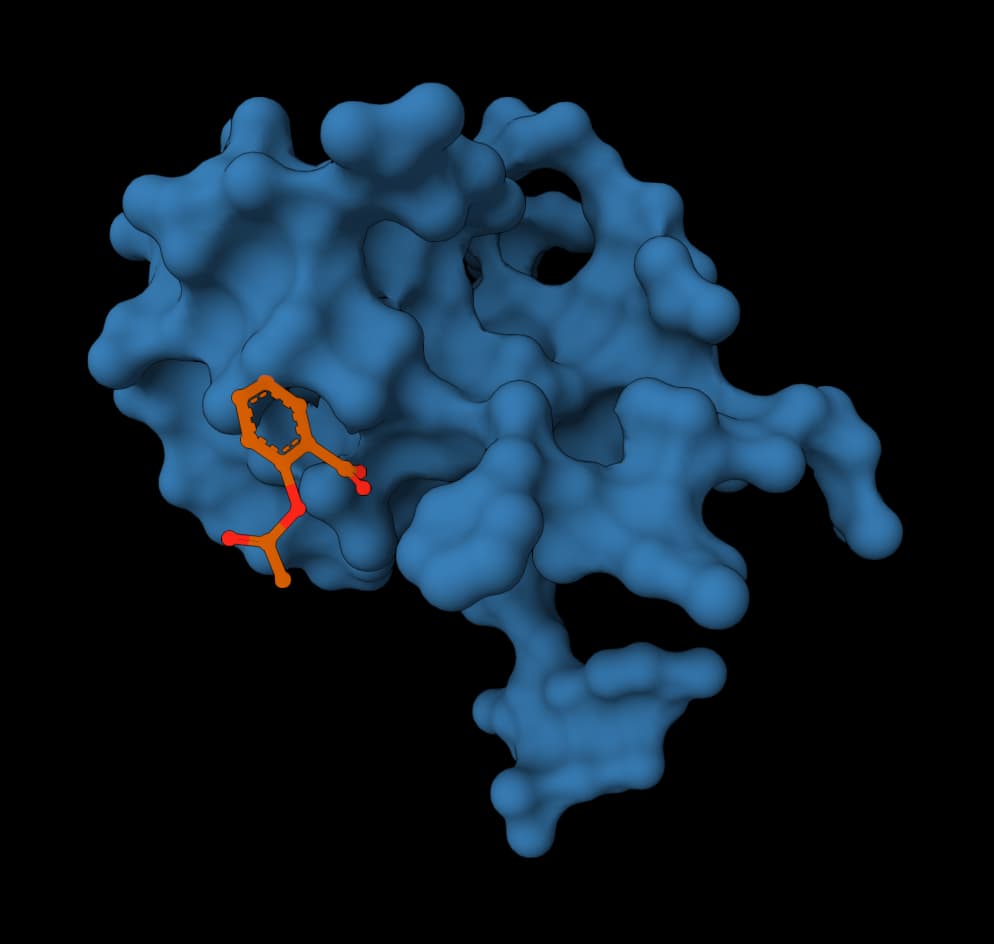
Geometric flow matching for generative protein-ligand docking and affinity prediction.
ABodyBuilder3
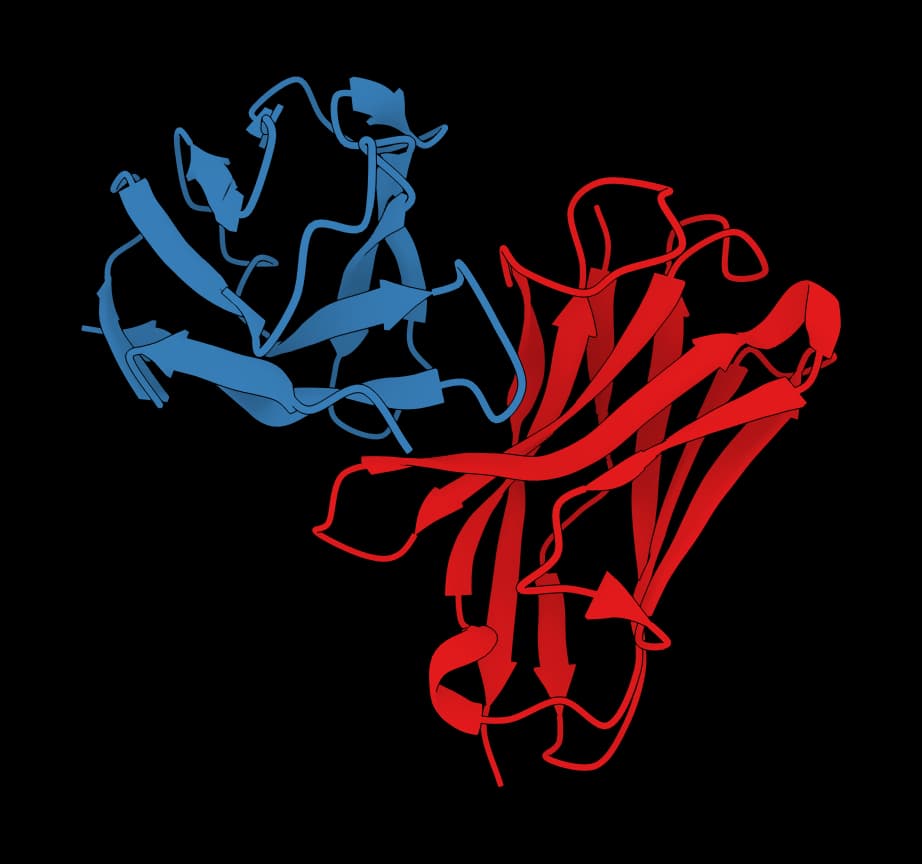
Predict paired antibody variable-domain structures from heavy and light chain sequences.